Serving Bay City, MI & nearby
(989) 263-8243
Bay City, MI

Garage Door Noises That Mean Something in Bay City

Grinding, popping, or slamming garage door in Bay City? Here's what the sound means for homes built 1952-1994 and how our cold winters make it worse.

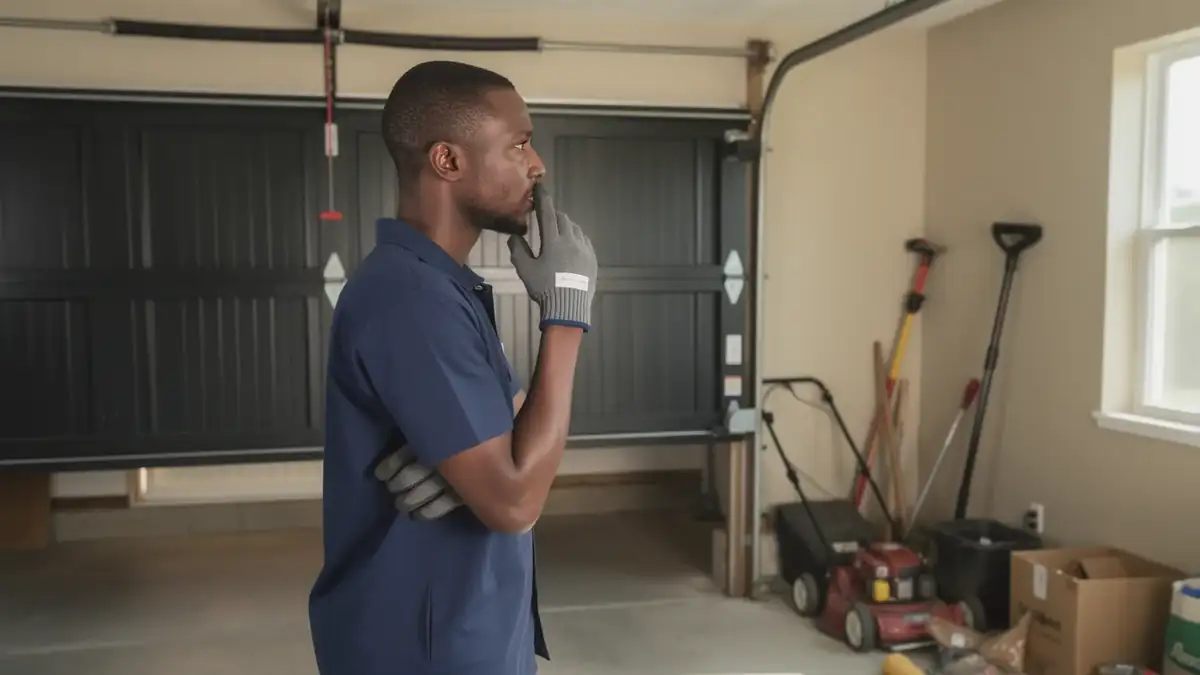
A technician in a blue shirt and gray gloves stands in a garage.

What Is Going On

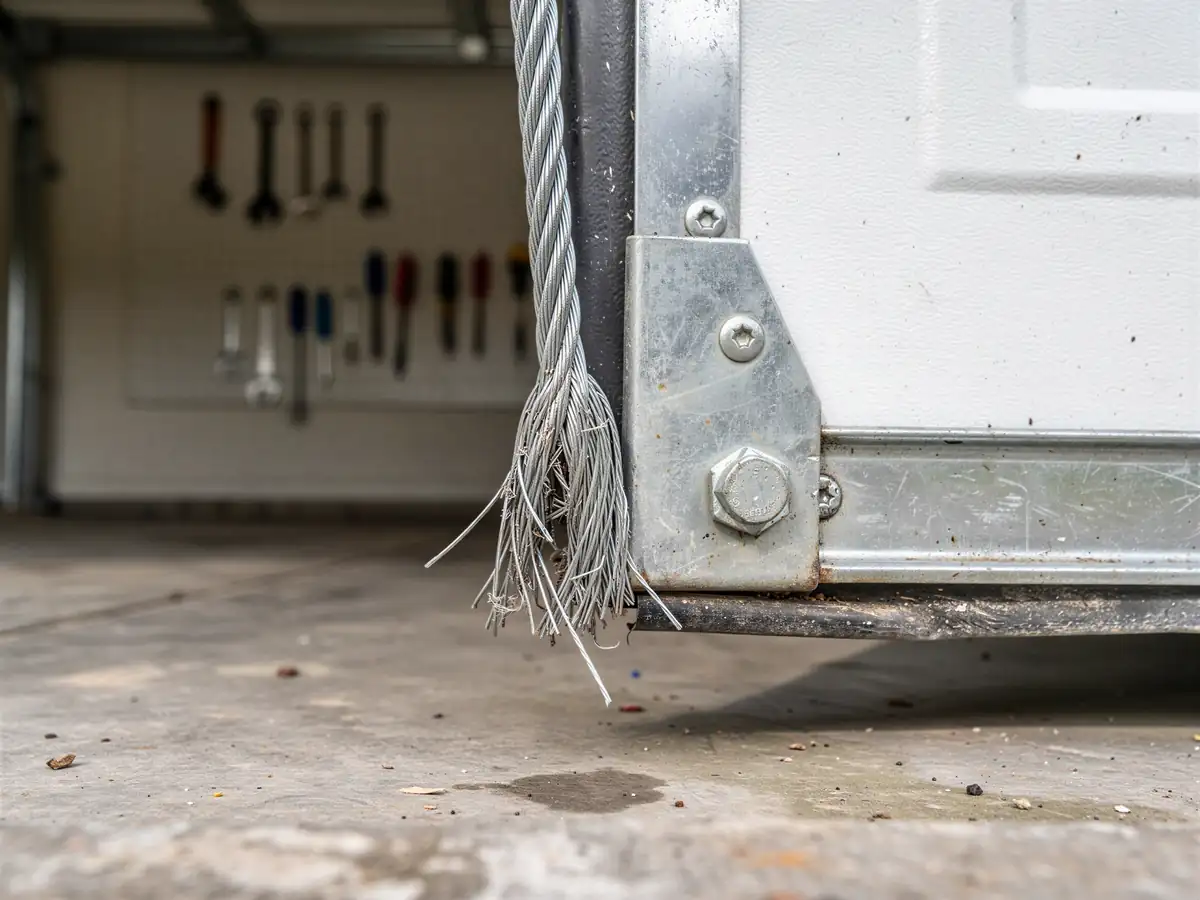
Most garage doors here don't fail quietly. They tell you first. A hard bang when the door closes usually means a cable has jumped its drum or a roller has worn down to the bare bearing. A rhythmic thump every few feet, in time with the door's travel, is almost always a flat spot on a roller or a bent track hanger that's never been straightened. A high-pitched squeal on the way up is the opener's chain or belt asking for lubrication it hasn't gotten in years, not a motor problem. A grinding sound that gets worse over weeks, then one day the door won't move at all, is a torsion spring losing its temper before it finally breaks. We work on a lot of houses built between 1952 and 1994, median year around 1969, so a good share of what we open up still has original hardware from that build window, or a replacement from decades ago that was never matched to the door's current weight. The sound is diagnostic information if you know how to listen to it. Most homeowners don't, and that's fine. What matters is you don't wait until the door drops a quarter-inch on one side before you call.

What the Weather Here Does to It

Bay City sits in a severe cold climate band, and that changes how a garage door behaves in ways a warmer-climate tech won't always think about. Steel springs lose a measurable amount of their lift in deep cold, so a door that closed fine in October can start sounding strained by January even though nothing broke. Grease that was fine in summer turns thick enough to slow a chain drive, which is why a lot of our winter calls are openers that sound like they're working harder than they used to. Garage door tracks mounted on homes from the 1960s and 70s stock common across this area were set with clearances for a different era of lumber and framing, and cold-weather contraction in that wood can shift a track just enough to turn a quiet door into a noisy one for a few months a year before it settles back. Condensation inside a cold garage also finds its way into bearings and hinges, and what sounds like a dry squeak is often early surface rust. None of this means the door is failing. It means cold is doing what cold does to steel, grease, and old framing, and a yearly look before the hard freeze sets in catches most of it before it becomes a 6 a.m. no-start.

What It Costs

We're not going to give you a number here that doesn't match what's actually wrong with your door, because the honest answer is it depends on what's making the noise. A roller swap is a different job than a spring replacement, and a spring sized for a door built in 1969 isn't the same part you'd put on a door from 1994, even if both houses are a few blocks apart. What we can tell you is the service area runs about 20,381 households and 13,393 owner-occupied houses, with a median household income of $72,558, which tells us most of the repairs we do are planned maintenance jobs on houses people intend to keep, not emergency gut-and-replace situations. That matters for cost, because a door caught early, when it's just noisy, is almost always cheaper to fix than a door that's been ignored until a cable snaps or a panel cracks. We'll tell you straight if a repair isn't worth it against a full replacement, and sometimes it isn't, especially on original hardware from the older end of that 1952 build range.
Where People Go Wrong

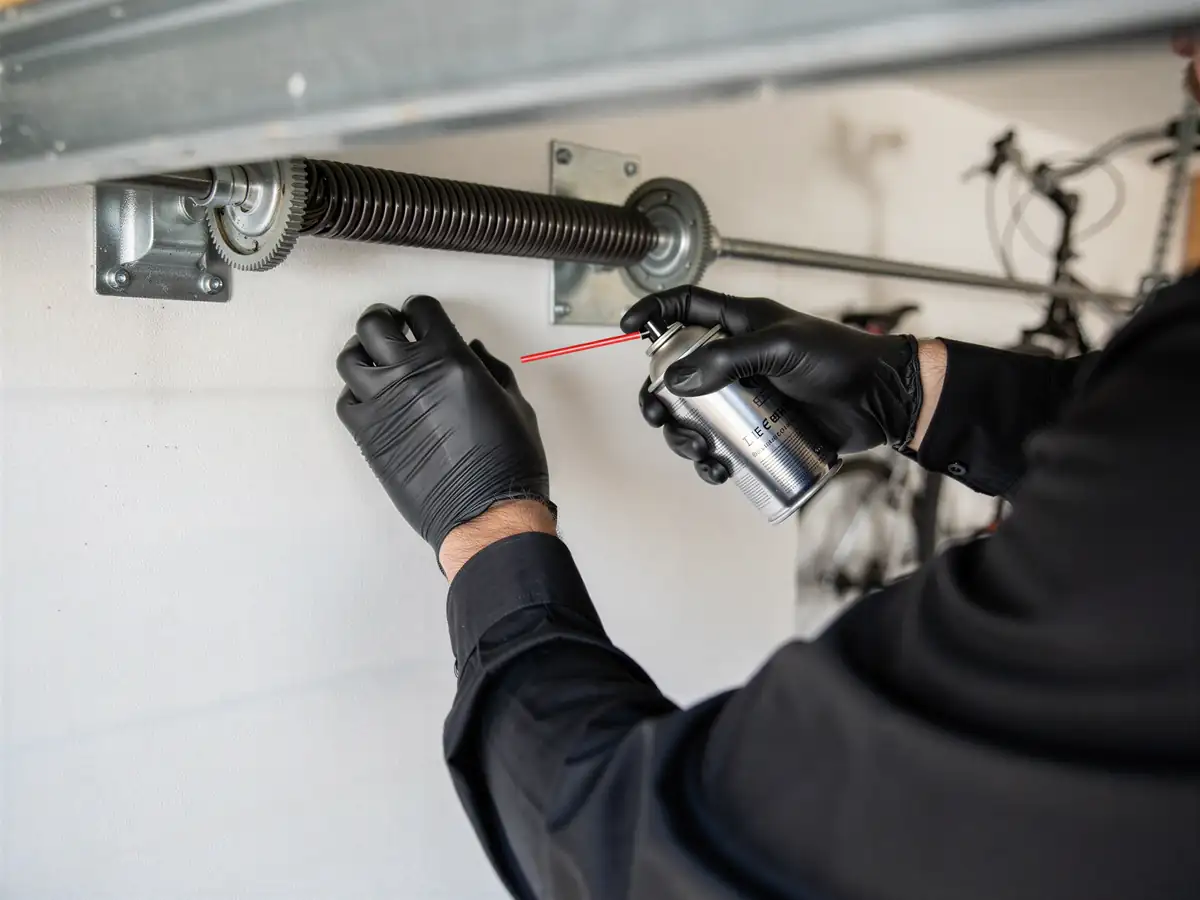
The most common mistake we see is spraying WD-40 on everything and calling it maintenance. WD-40 is a solvent, not a lubricant, and on a track or hinge it strips what grease is left and leaves the metal drier than before. The second mistake is tightening the bolts on a noisy opener bracket without checking why the bracket worked loose in the first place, which on older framing common to this area is often a sign the door and header have shifted slightly over fifty-plus years of settling, not a loose bolt problem. The third is waiting through an entire winter on a spring that's clearly losing tension, because a severe cold season is exactly when a weakened torsion spring is most likely to let go, and a spring breaking under tension is not a safe DIY fix. We'd rather get a call about a noise that turns out to be nothing than a call after the door is already on the floor.

How it works

From “it’s stuck” to “it’s fixed”

A quick, honest process - no guesswork and no surprises.

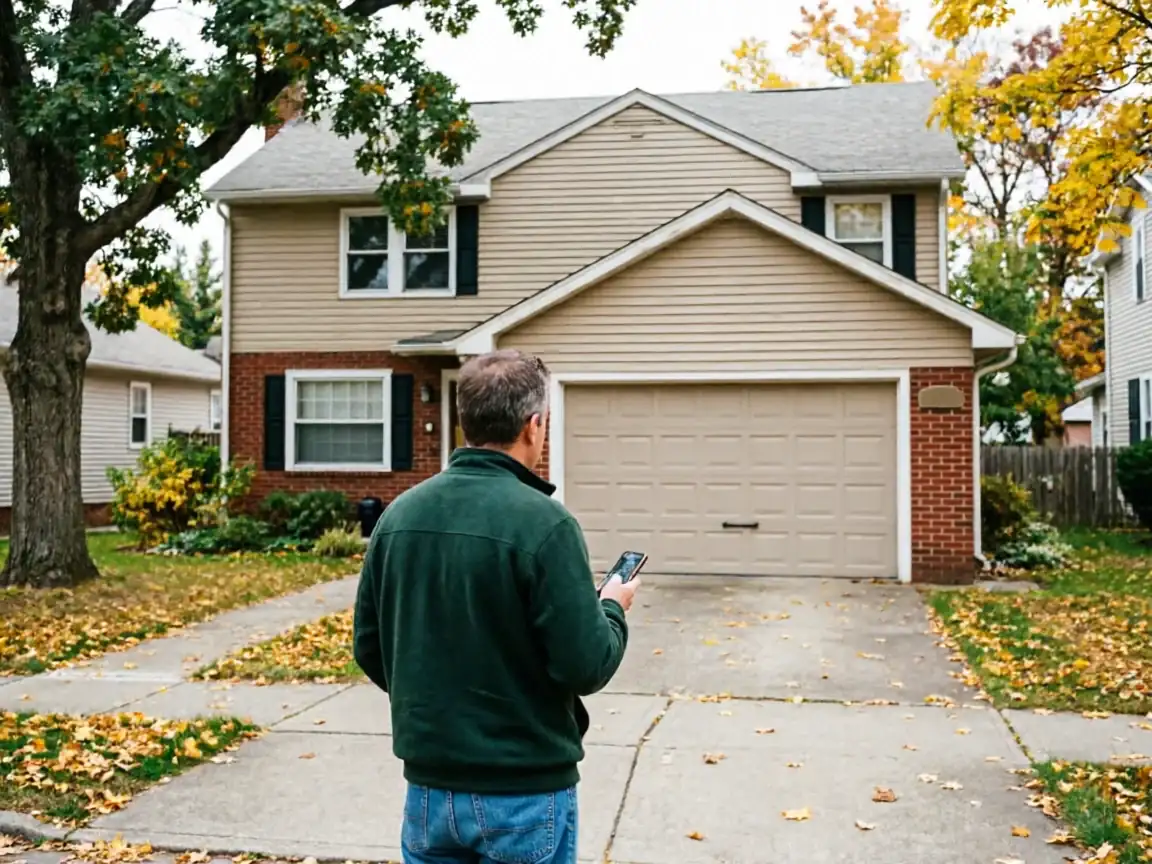
  1. A man stands in a driveway looking at a phone in front of a house.
    1

    Tell us what’s wrong

    Describe the symptom - won’t open, loud bang, opener runs but the door won’t move.

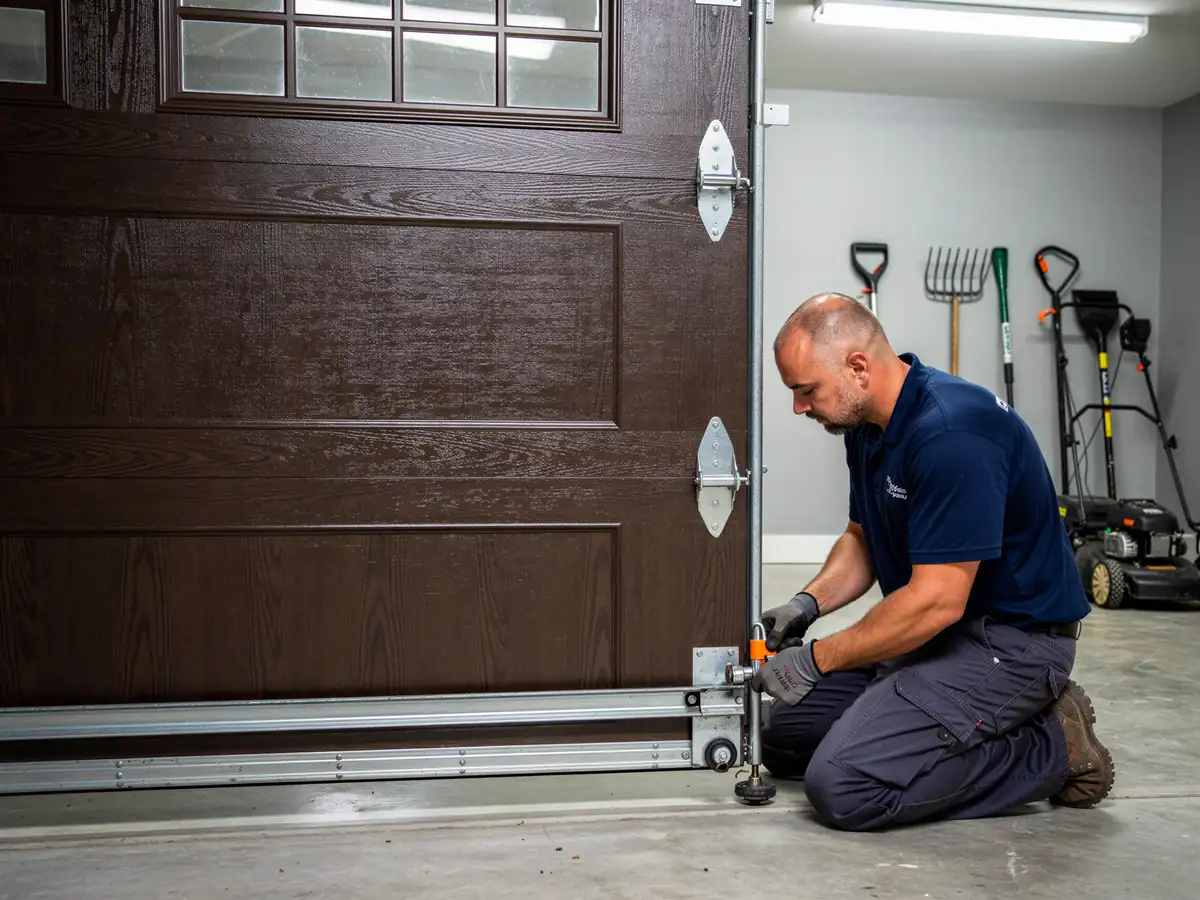
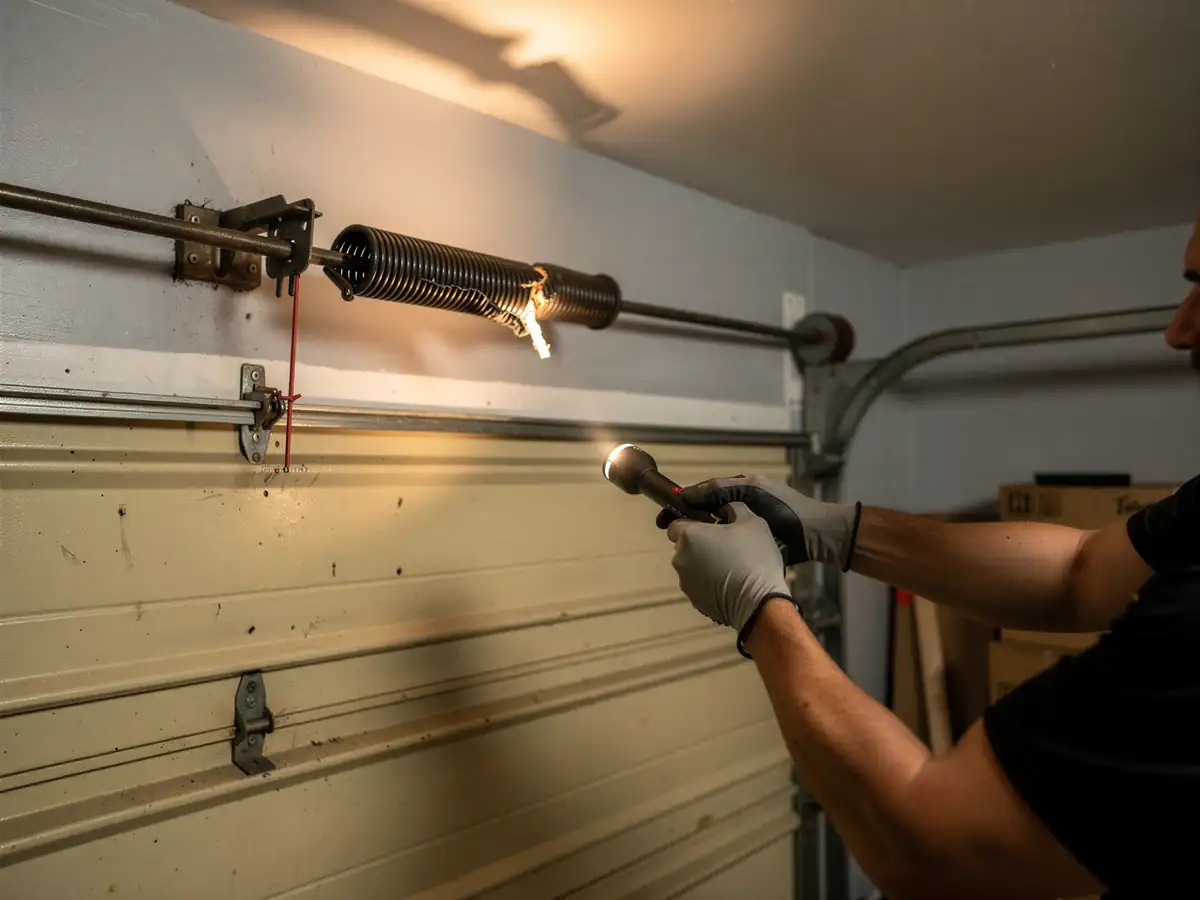
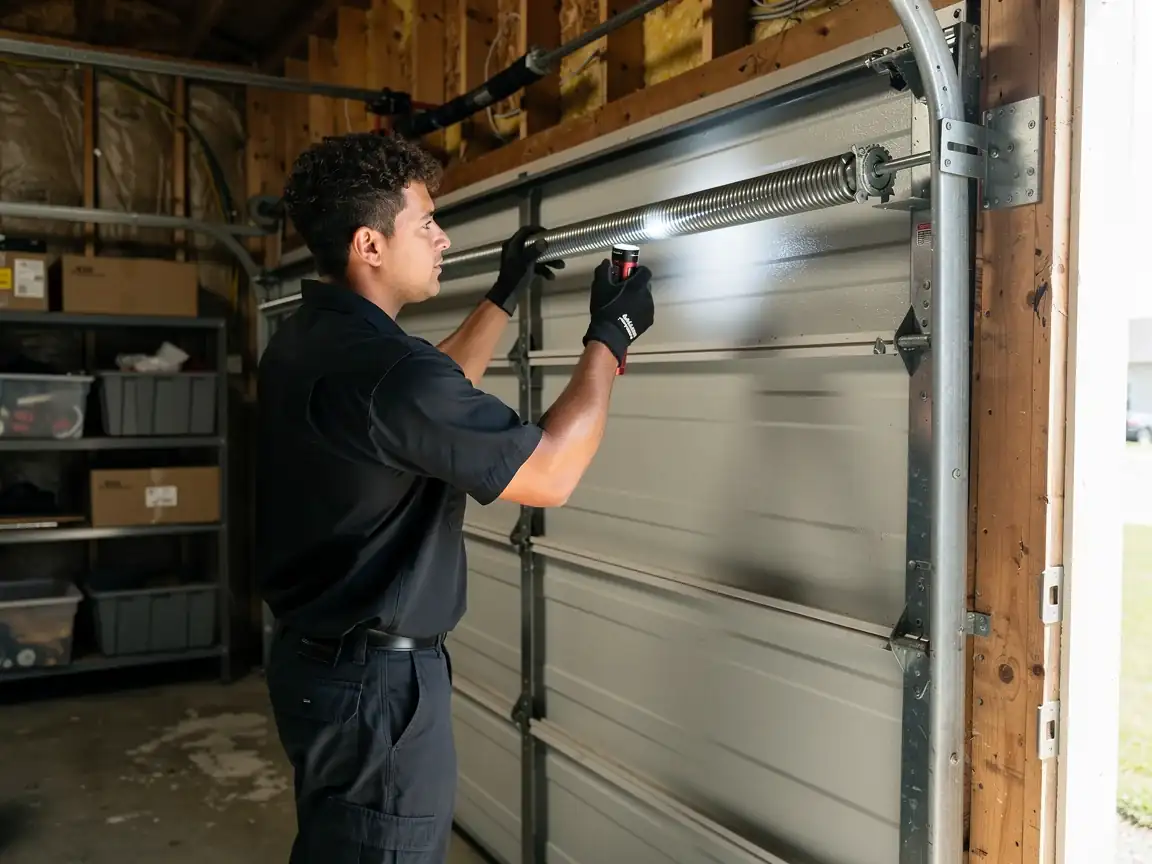
  2. A technician inspects a garage door torsion spring with a flashlight.
    2

    On-site diagnosis

    A technician tests the door under power and by hand and finds what actually failed.

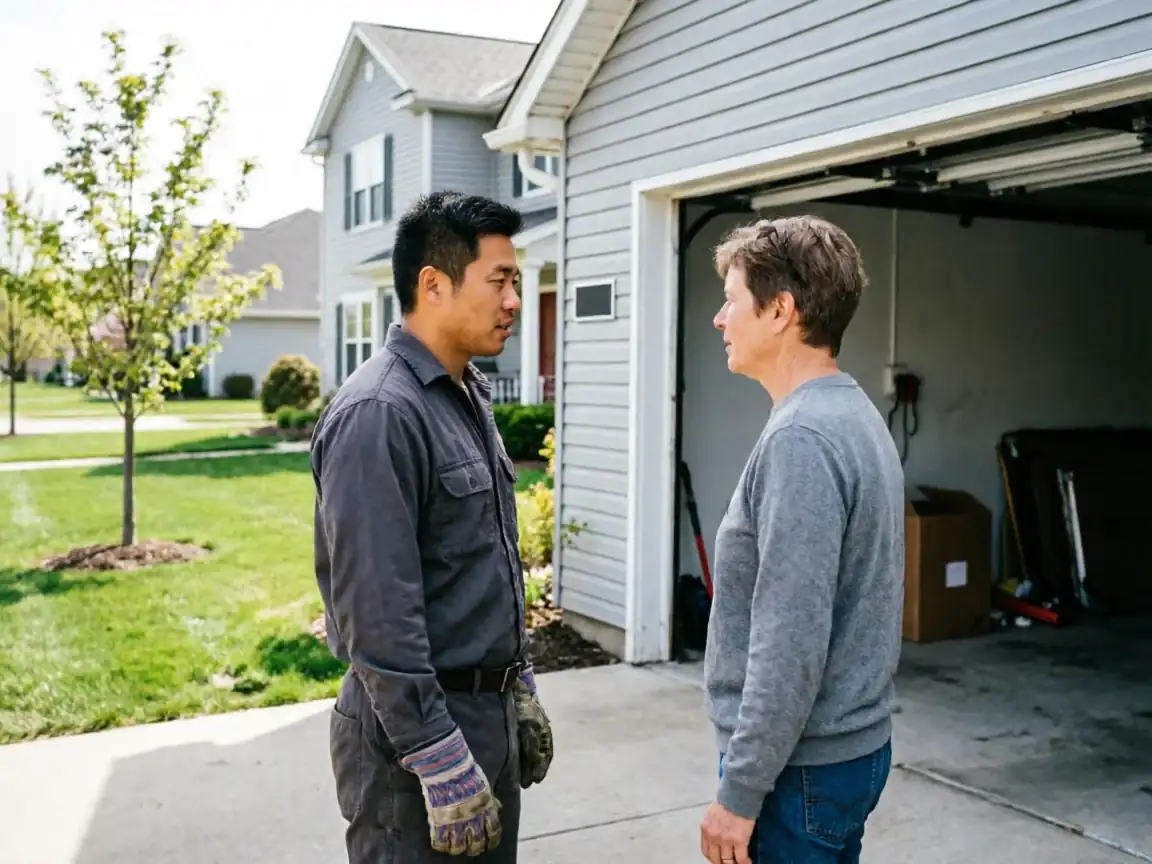
  3. A technician in a gray uniform talks to a woman in front of a garage.
    3

    Clear, up-front plan

    You get the fix that’s needed and what drives the cost - before any work starts.

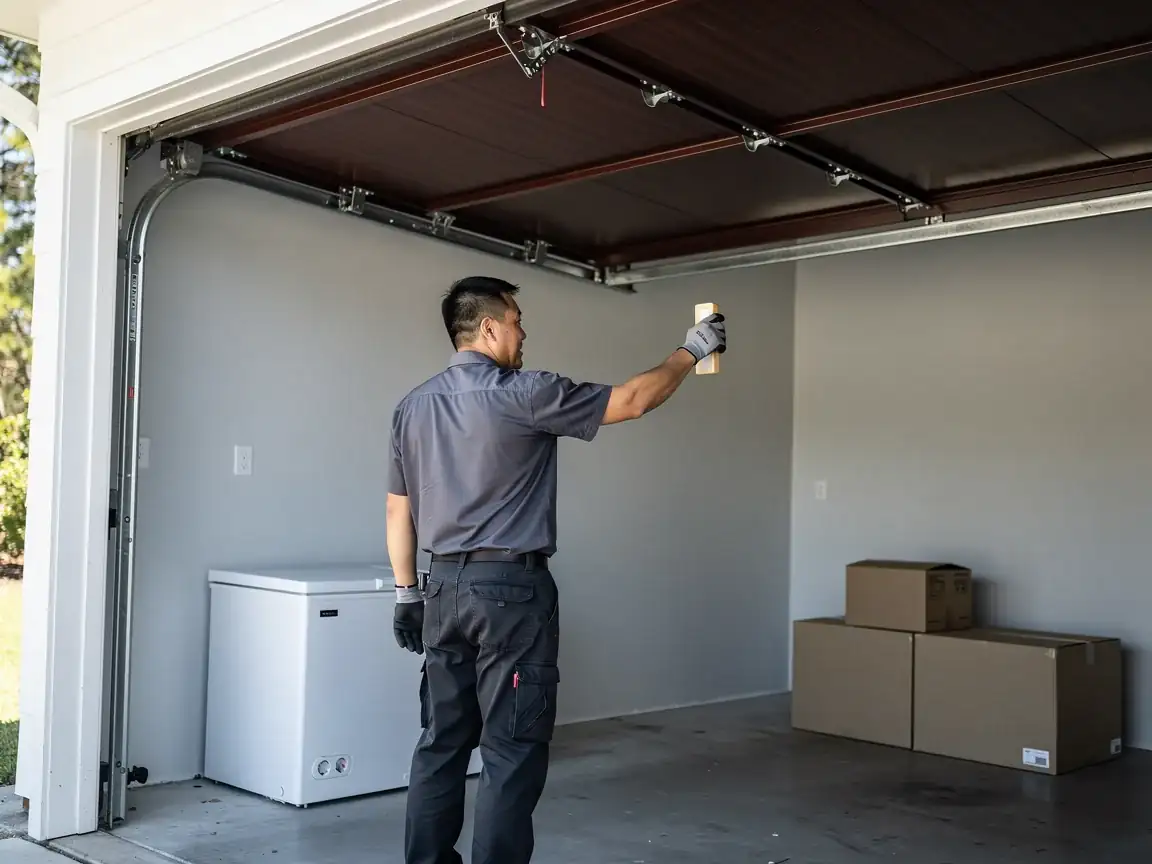
  4. A technician in a gray uniform holds a phone up to an open garage door.
    4

    Repaired & tested

    The repair is done, the door is set true and tested, and the work area left clean.

Not sure which repair your door needs in Bay City, MI? Describe what it’s doing - every job starts with a diagnosis.

7areas covered
How we work

What to expect

Diagnosis first

Every visit starts by finding what actually failed - not a pre-written parts list.

The right part for the door

Springs and openers matched to the door’s weight and age, so the fix holds up.

Straight answers

When a repair makes more sense than a replacement - or the reverse - you hear it plainly.

Clean, careful work

Tension released safely, hardware set true, the door tested under power before we leave.

What we do

Garage Door Services

Repair and installation work for Bay City homes and businesses.

Questions

Frequently asked

Straight answers about garage door repair in Bay City. Still unsure? Ask us directly.

My garage door makes a loud bang when it closes, is that dangerous?

It can be. A bang on closing is often a cable jumping its drum or a roller failing, and either can let the door drop unevenly. It's not always an emergency, but it's not something to ignore through a winter. Get it looked at before the imbalance gets worse.

Why does my door sound worse in January than it did in summer?

Cold steel loses some spring tension and grease thickens, so a door that was fine in warm months can sound strained in a severe cold winter like ours. Older framing from the 1960s-70s stock common here also contracts slightly in deep cold, which can shift a track and add noise that settles back by spring.

Should I replace the whole door or just fix the noisy part?

Depends on the door's age and what's actually worn. A lot of houses in this area still have original hardware from the 1952-1994 build range, and sometimes a worn roller or spring is a straightforward fix. We'll tell you honestly when a repair isn't worth it against replacement.

Is WD-40 okay to use on a squeaky garage door?

No, it's a solvent and it washes out the grease that's already there, which usually makes the noise worse within a few weeks. Use a proper garage door lubricant on hinges, rollers, and the track, and skip the cables and springs entirely.

Ready to get your garage door sorted?

Tell us what it’s doing and where you are in Bay City - we’ll take it from there.

8Services offered
7Areas covered
Diagnosisfirst, then the fix
Request a QuoteCall