What the Housing Means for Your Door
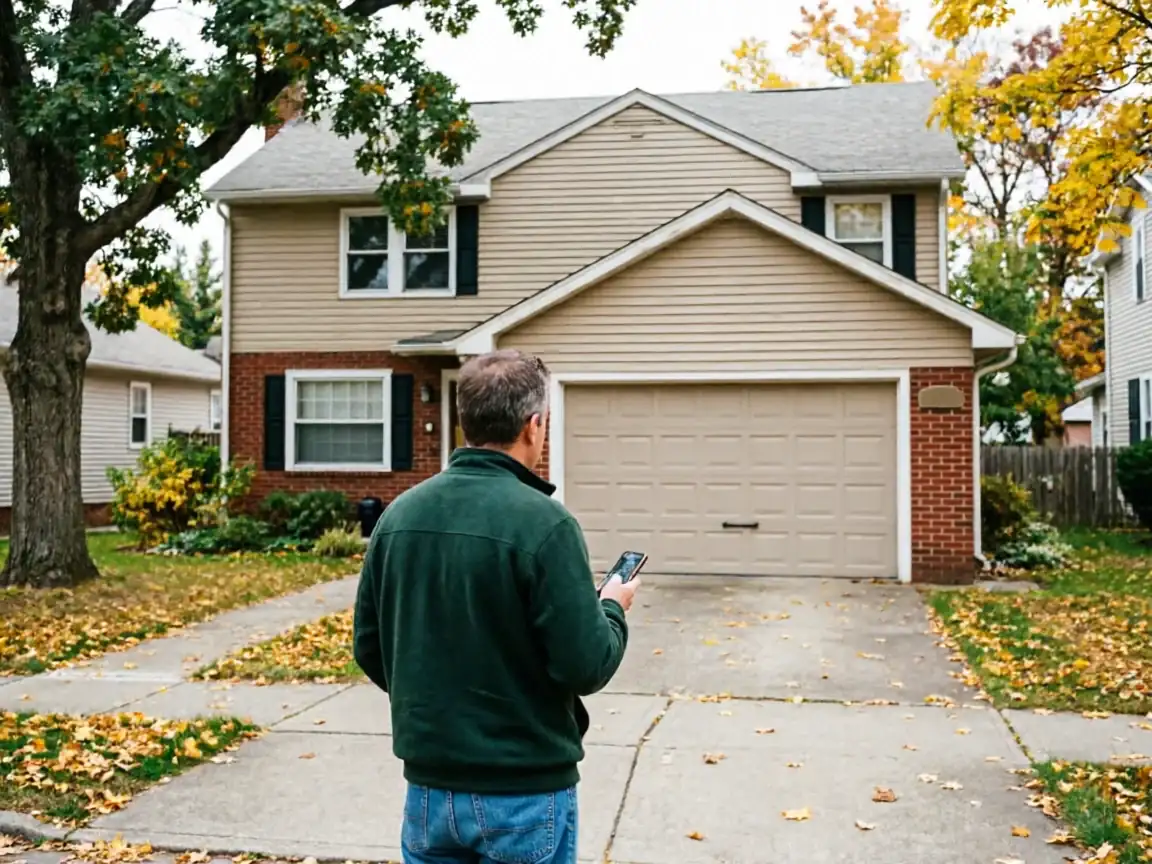
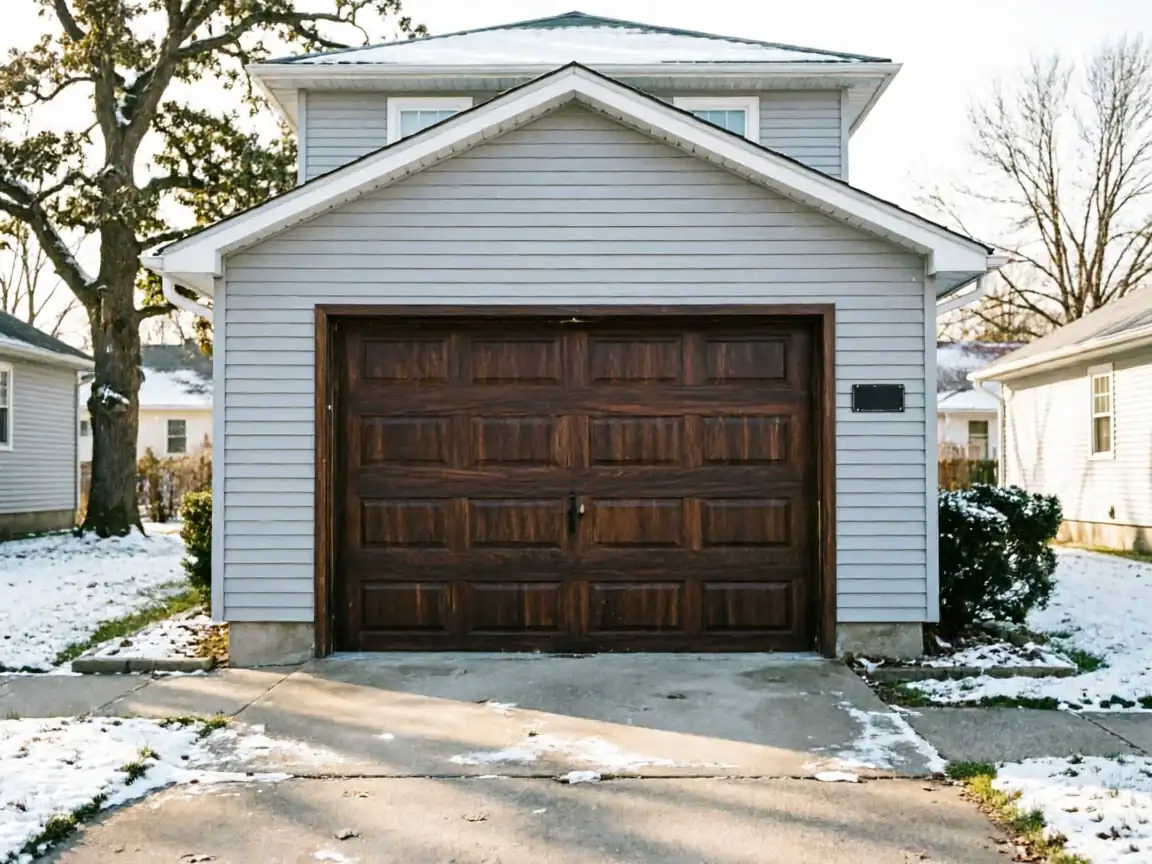
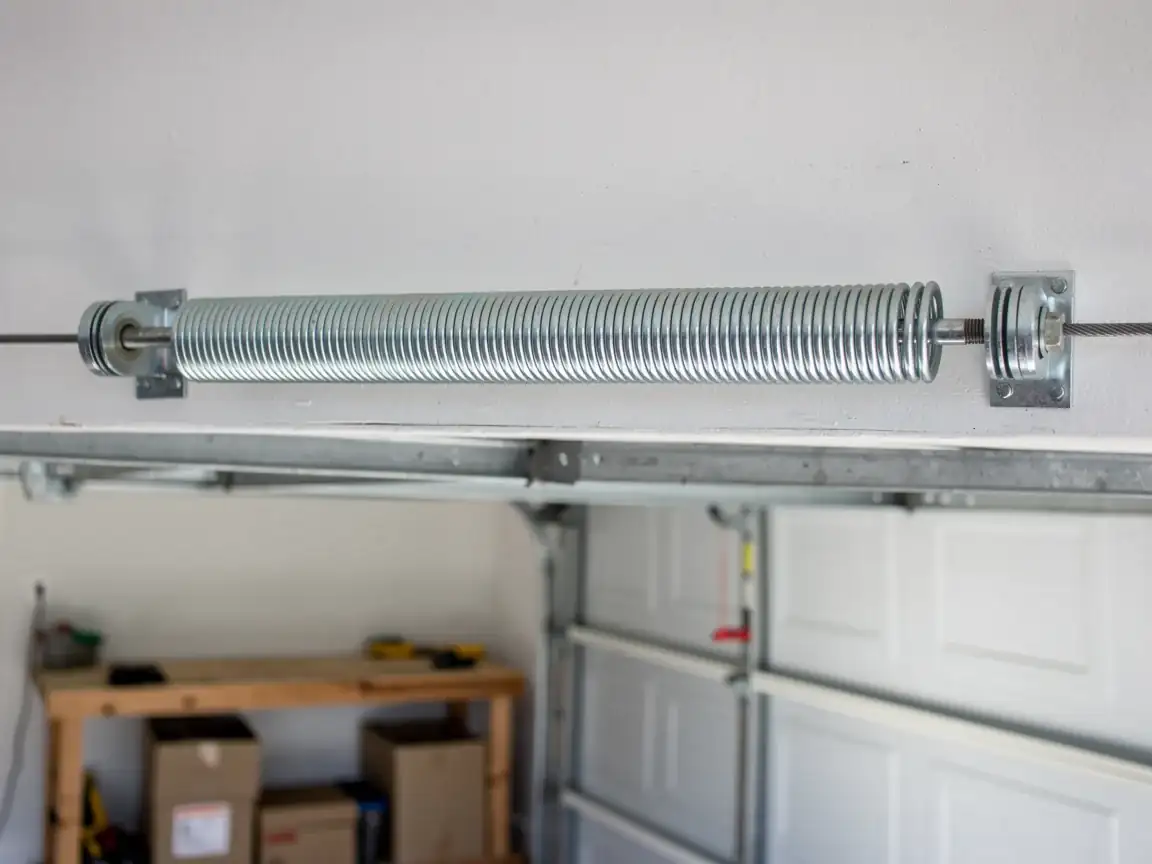
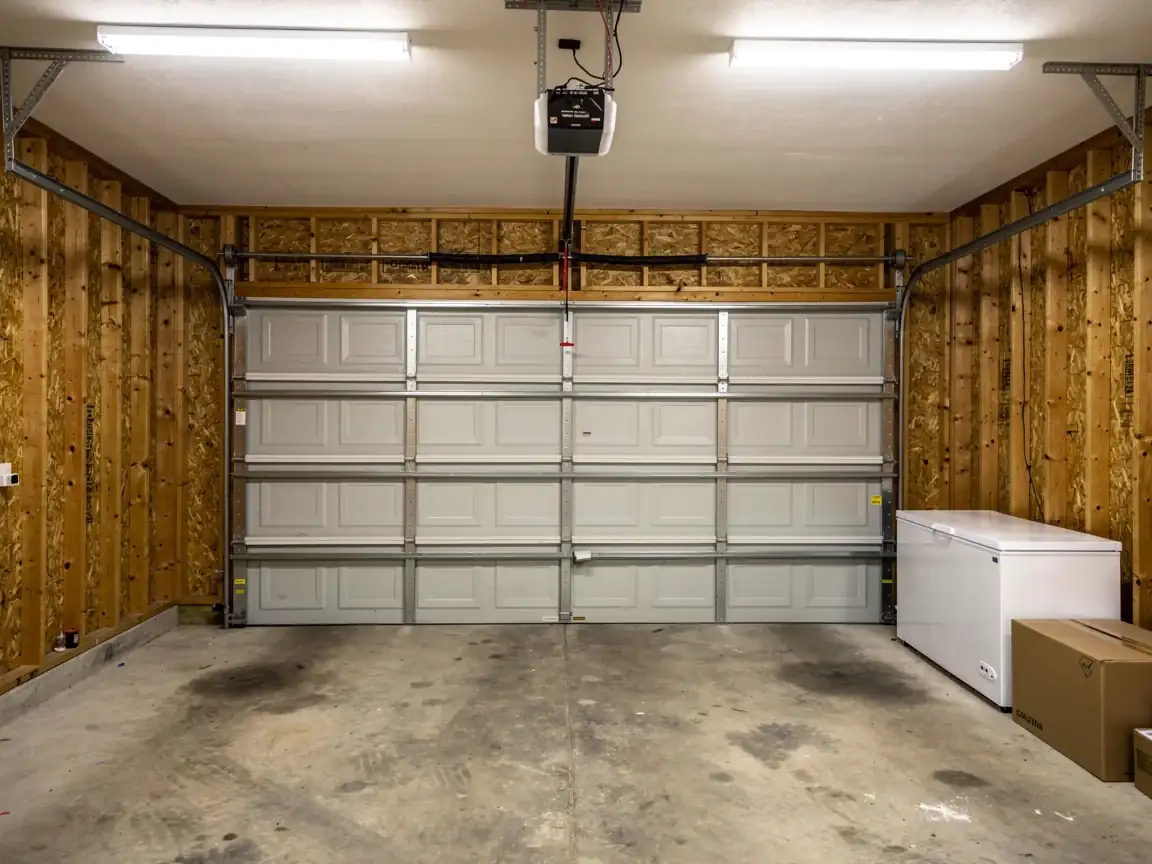
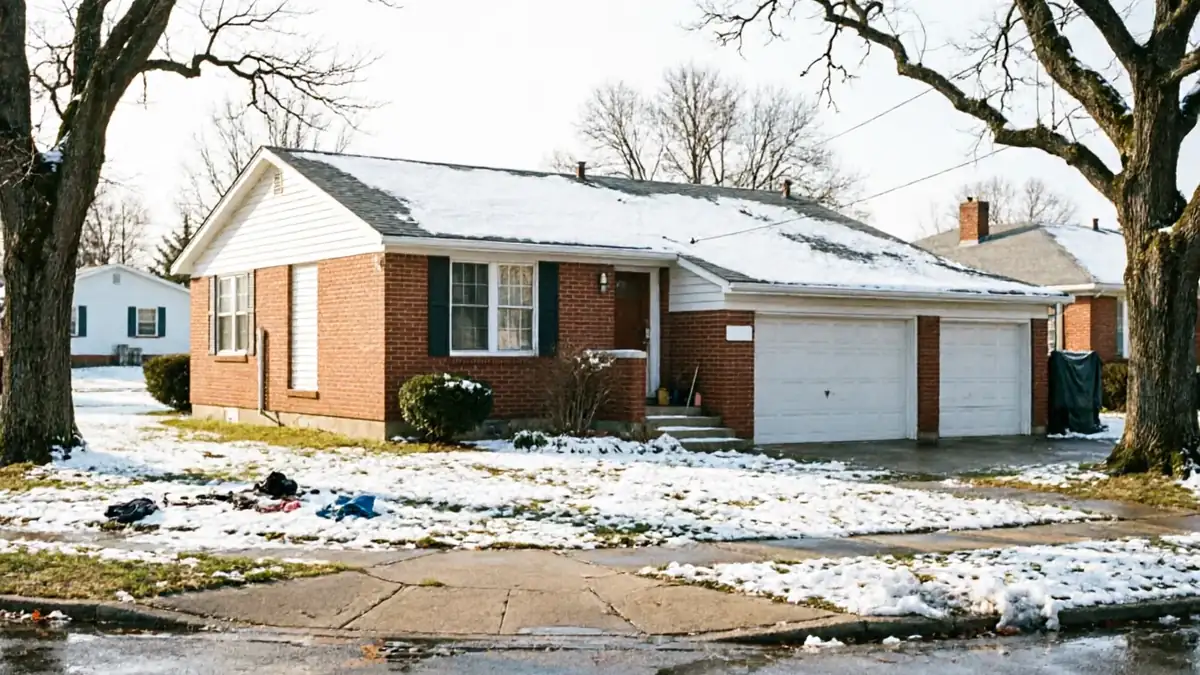
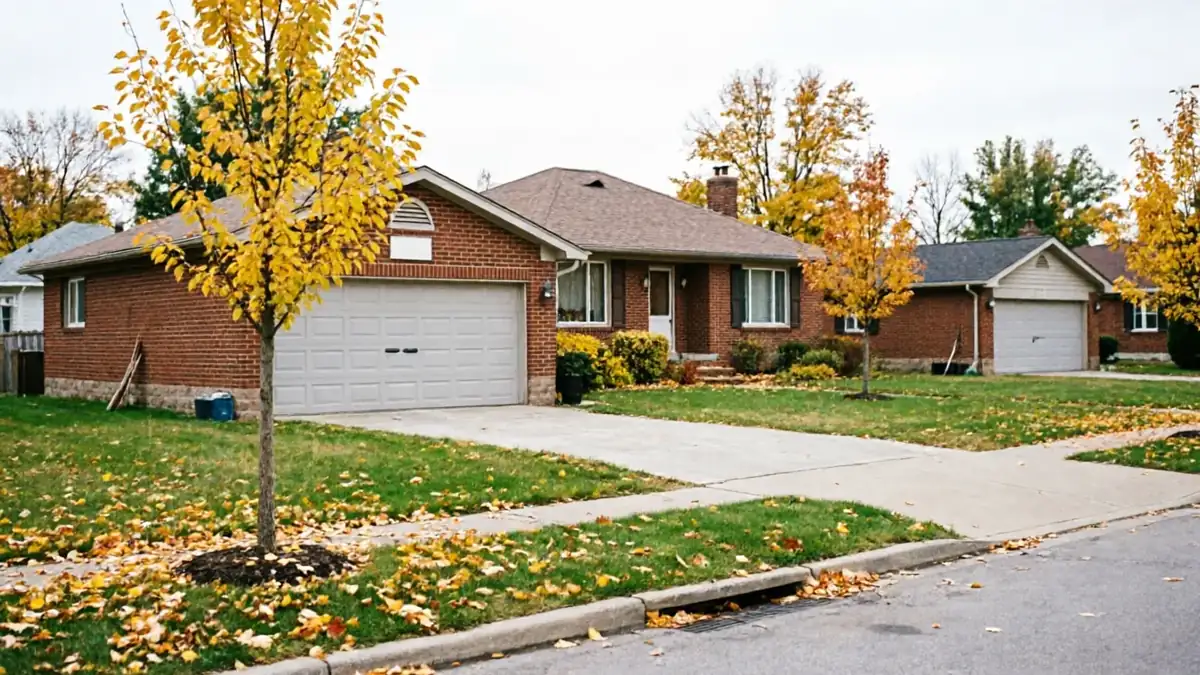
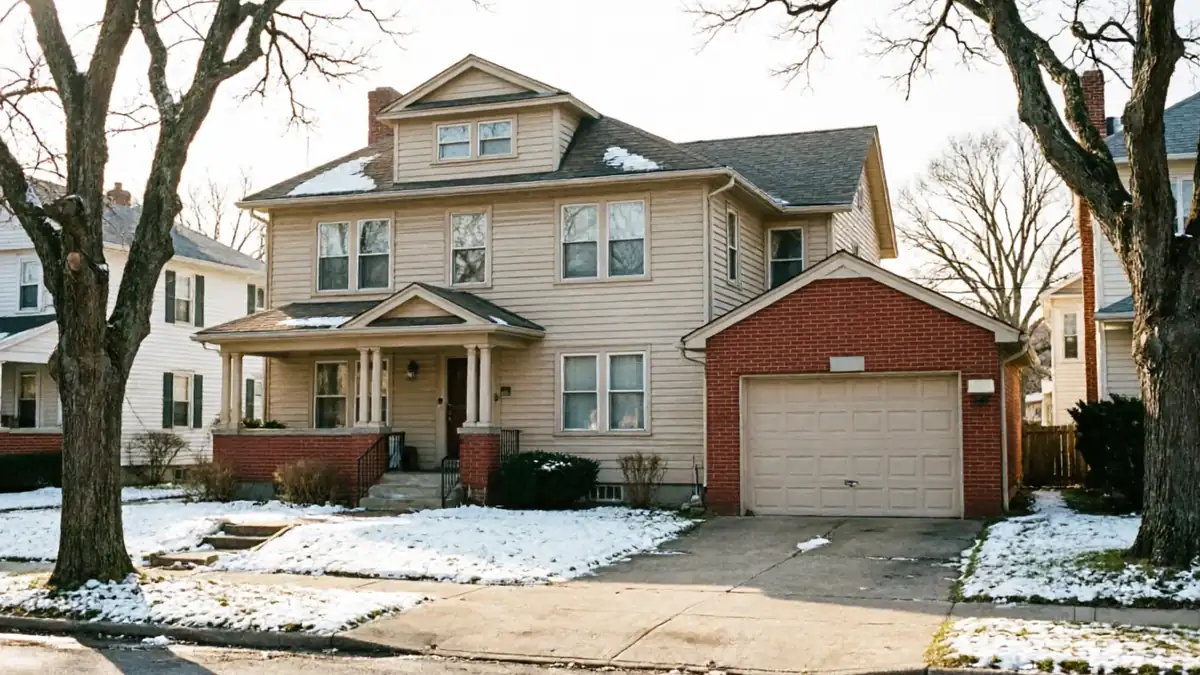
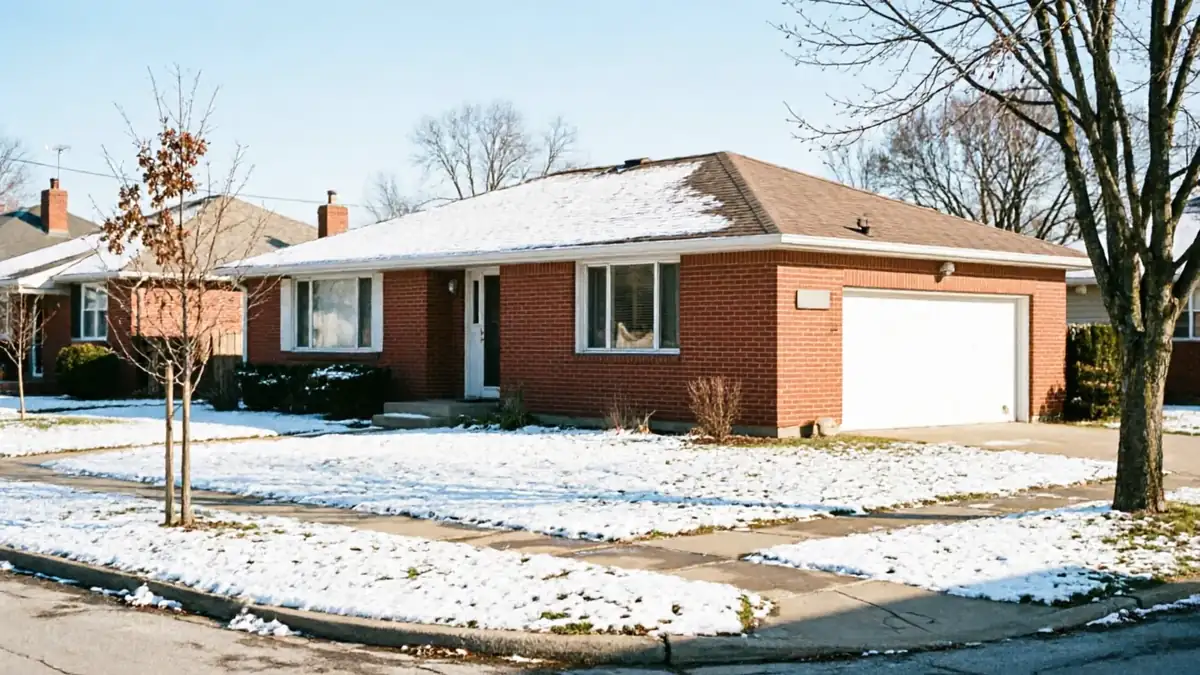
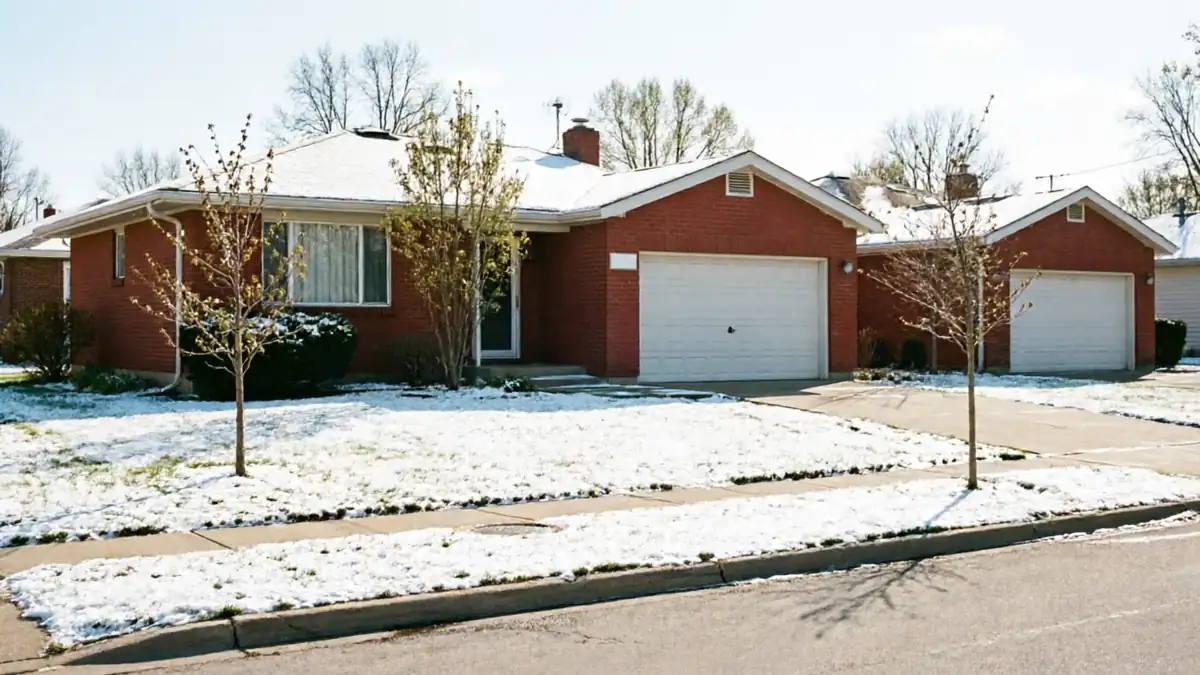
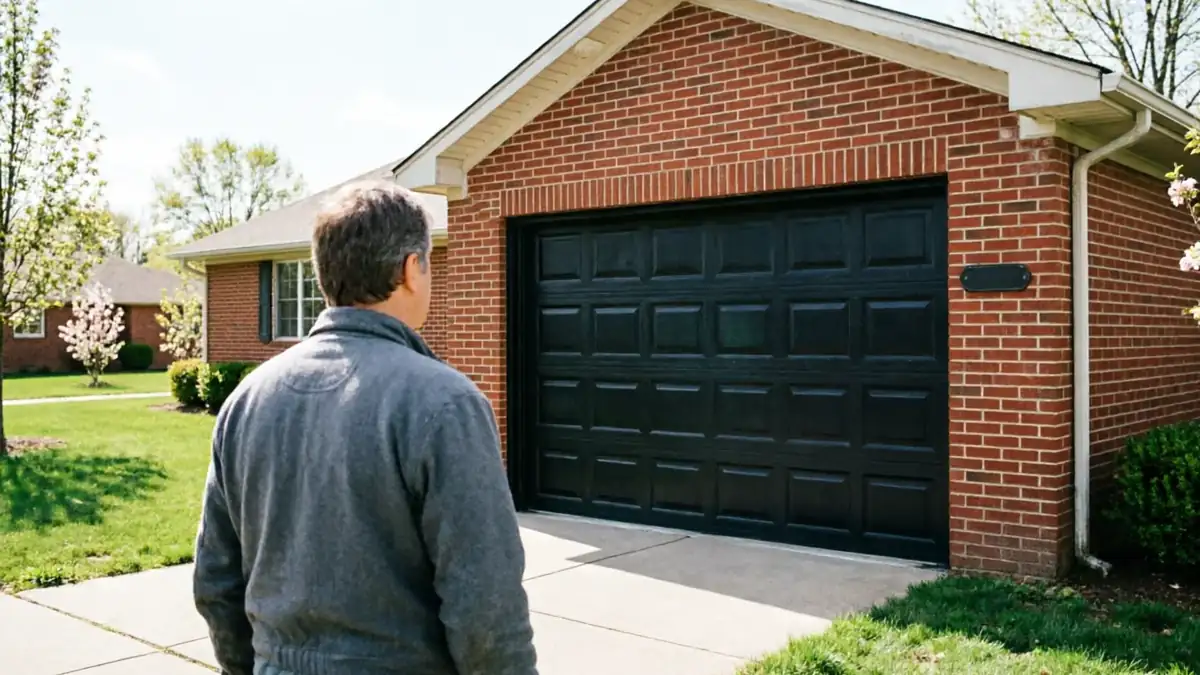
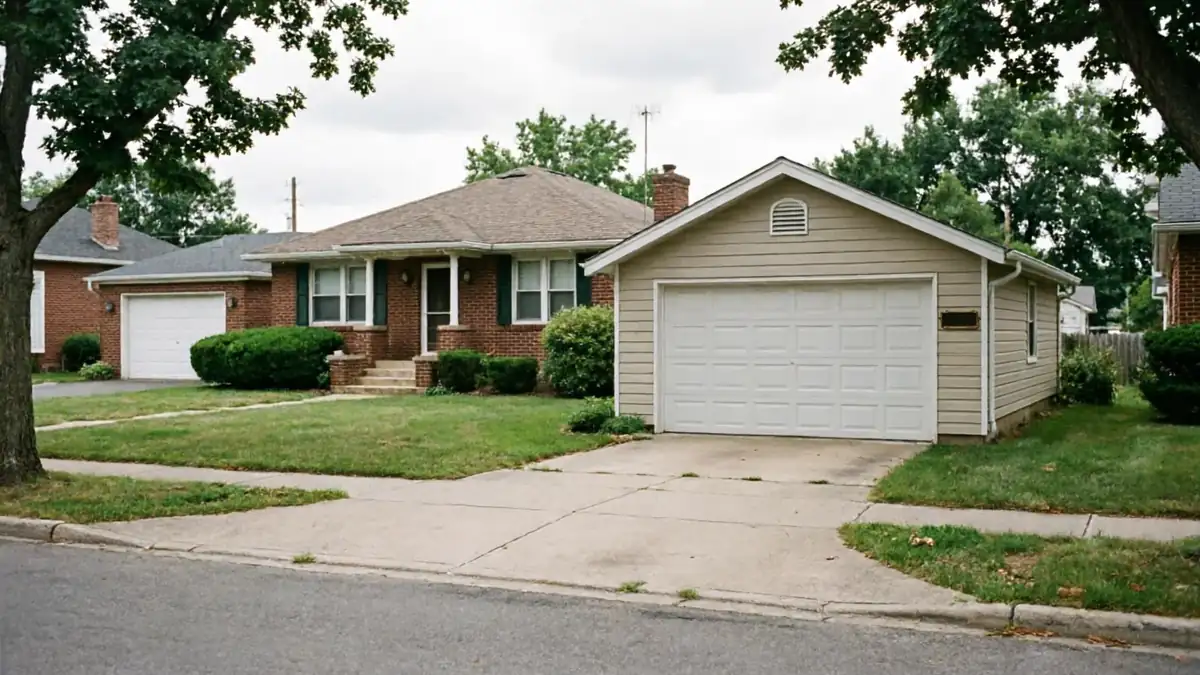
When a house is pushing 70 years old, the garage has usually been touched by at least two or three owners, and not all of them called a pro. We see openers bolted to framing that was never meant to carry that load, torsion springs sized for a lighter door after a steel replacement, and tracks that were adjusted by hand instead of reset properly. None of that is unique to one house - it's a pattern you get when a town's housing stock is this consistently old. Add in the region's cold, severe winters and you get steel doors that have spent decades contracting and expanding, hardware that's rusted at the roller brackets, and springs that were never rated for the temperature swings they've been cycling through. A median income of $76,182 in Essexville tells us most of these are owner-occupied homes where people fix things when they break, not before - which is exactly when a worn cable or a failing spring turns into a door that won't open at all.
What Neighbours Usually Call About
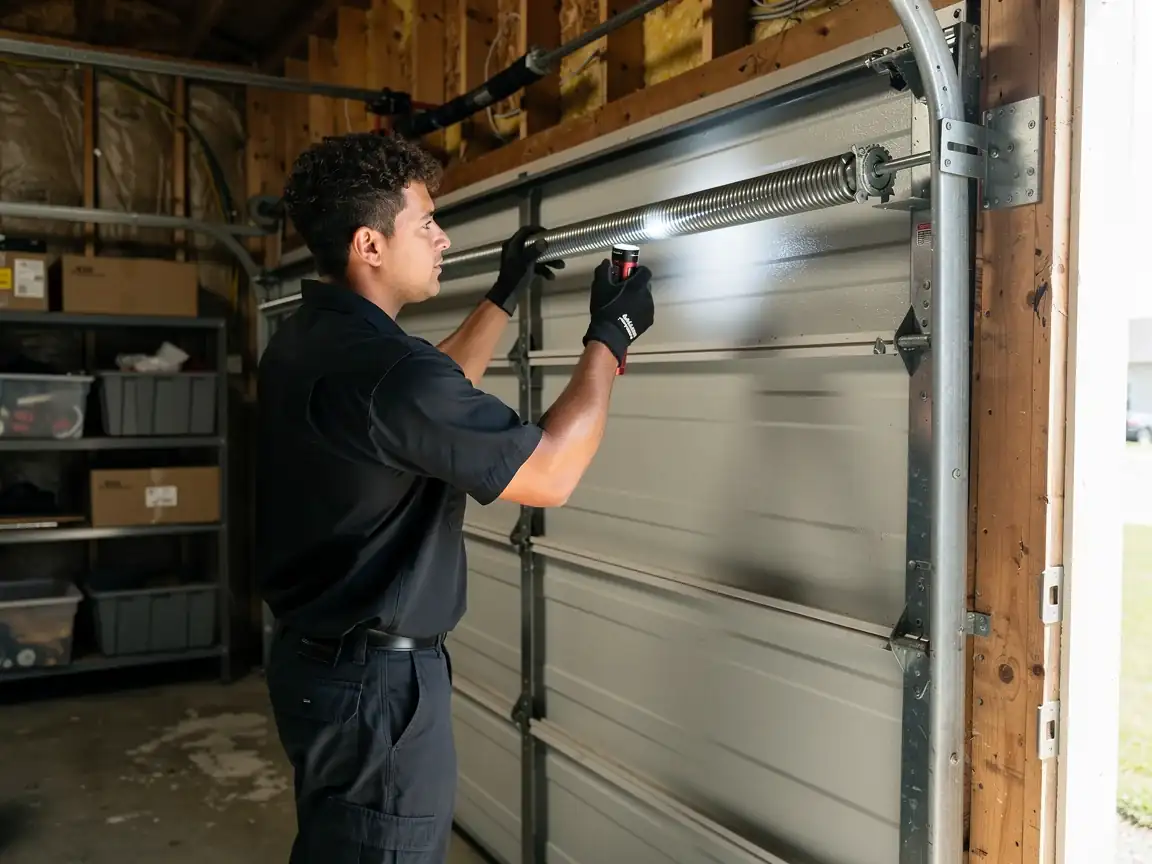
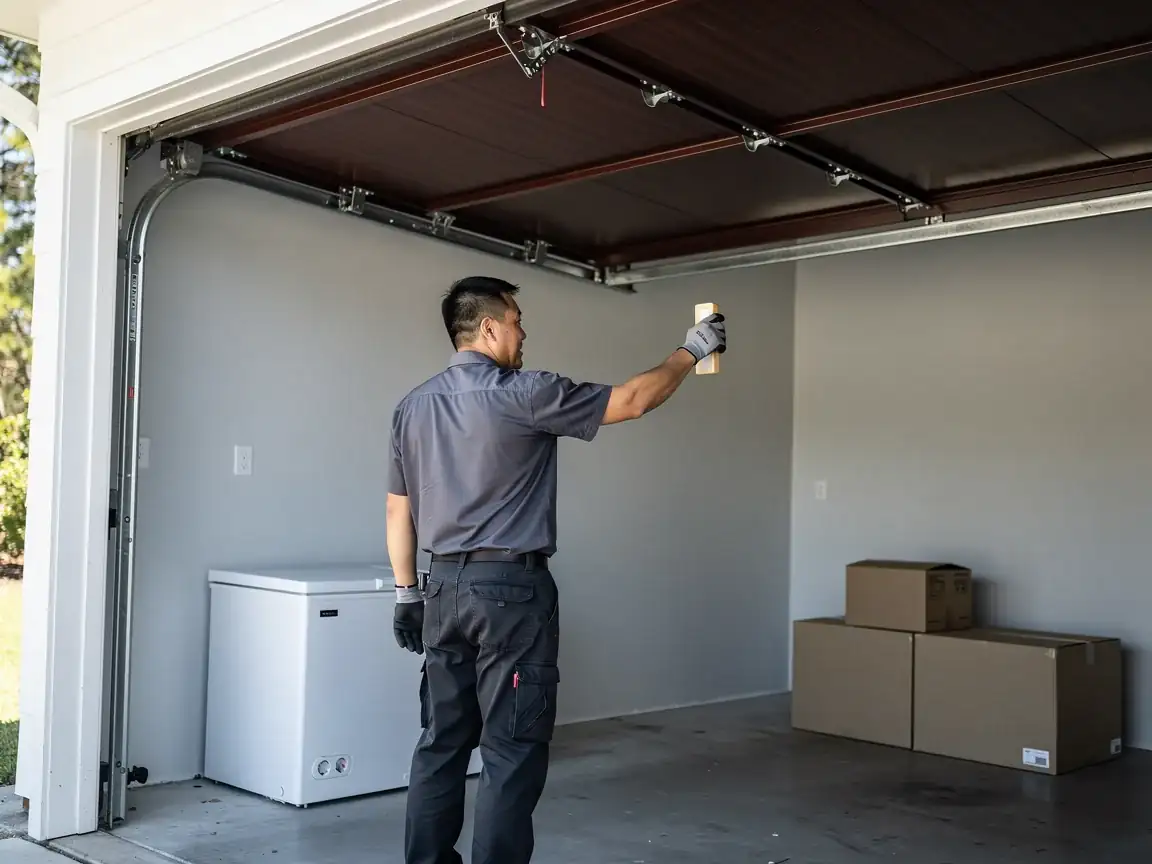
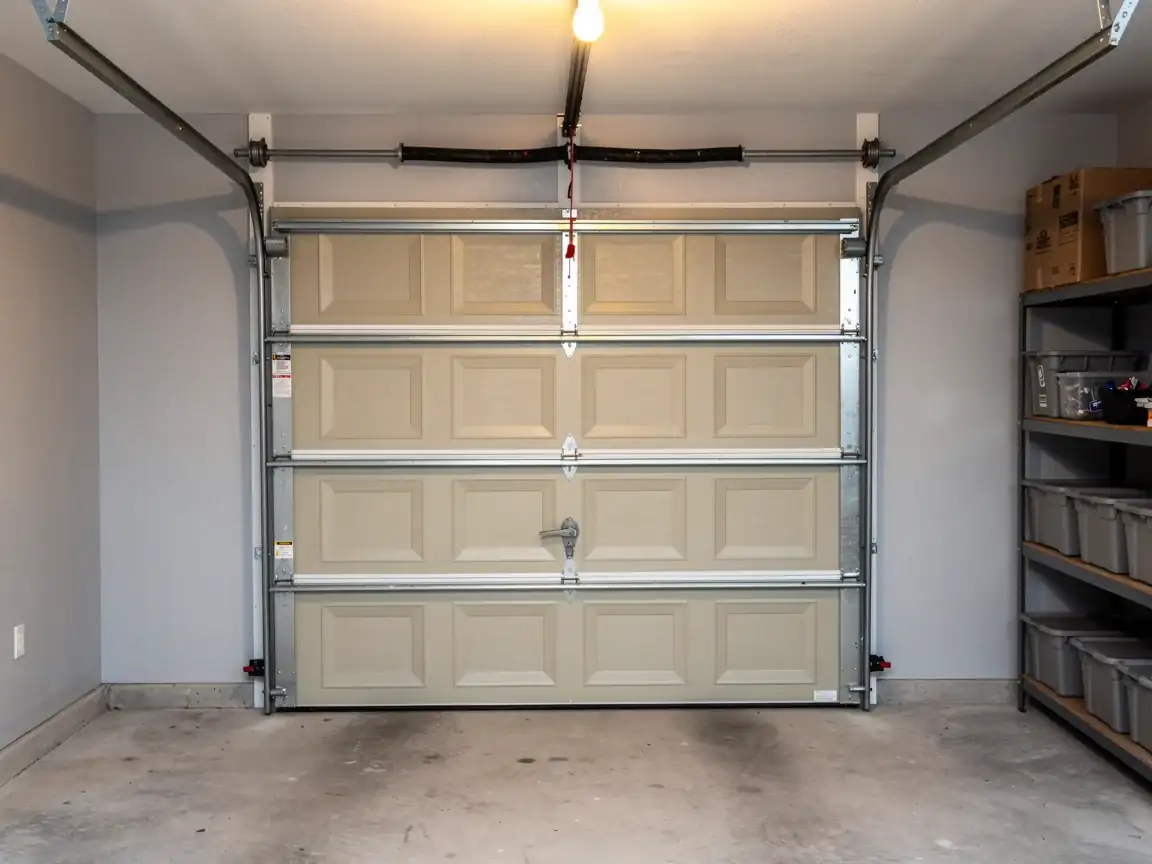
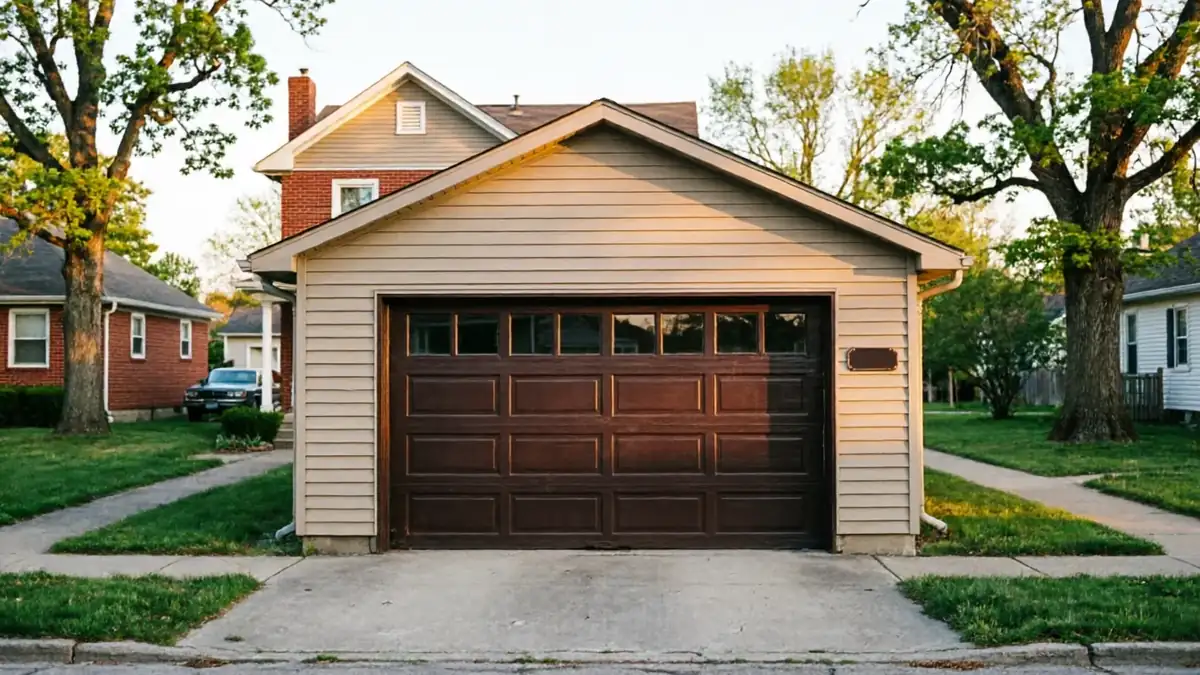
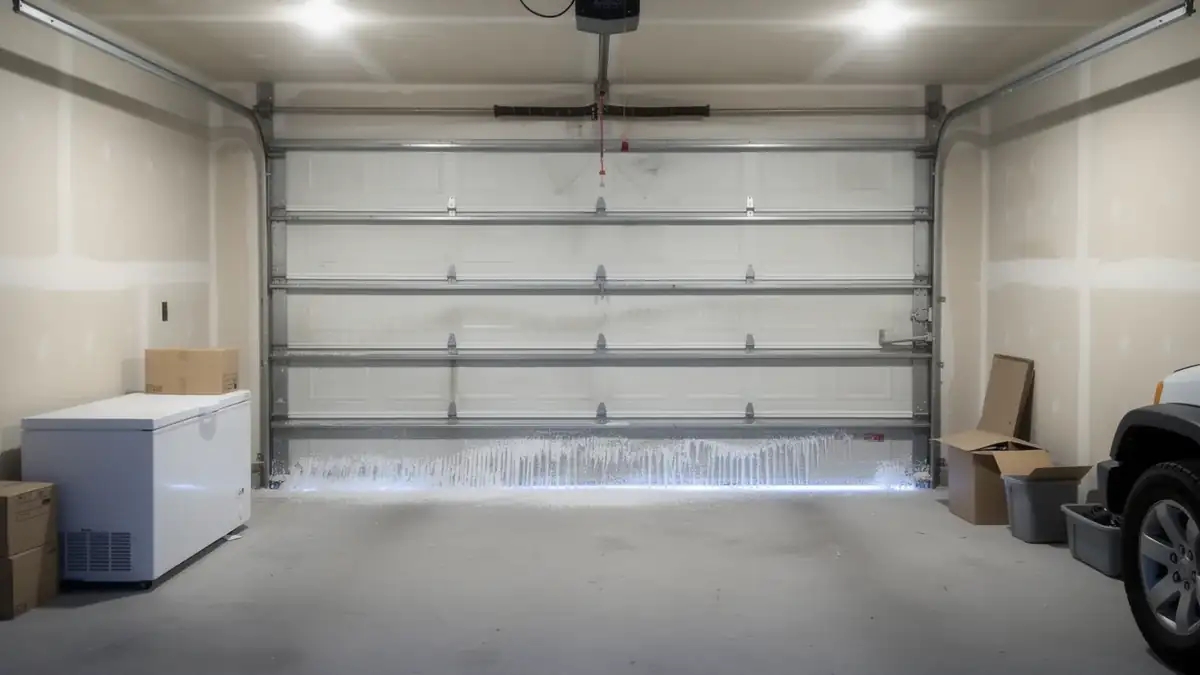
The calls we get from this side of town follow the age of the housing. Torsion springs that let go without warning - usually on a door that's original or close to it. Openers from the 80s or 90s that finally quit after one too many cold mornings. Tracks that have been knocked out of alignment over the years and never fully corrected, so the door binds or drops crooked. We also see a fair number of doors where a previous repair used a part that wasn't matched to the original hardware - a replacement spring that's close enough but not right, which wears out the opener trying to compensate. None of this is dramatic. It's just what happens when a door and its hardware have been in service since the Eisenhower years.