The Symptom
A cable repair call usually starts one of two ways
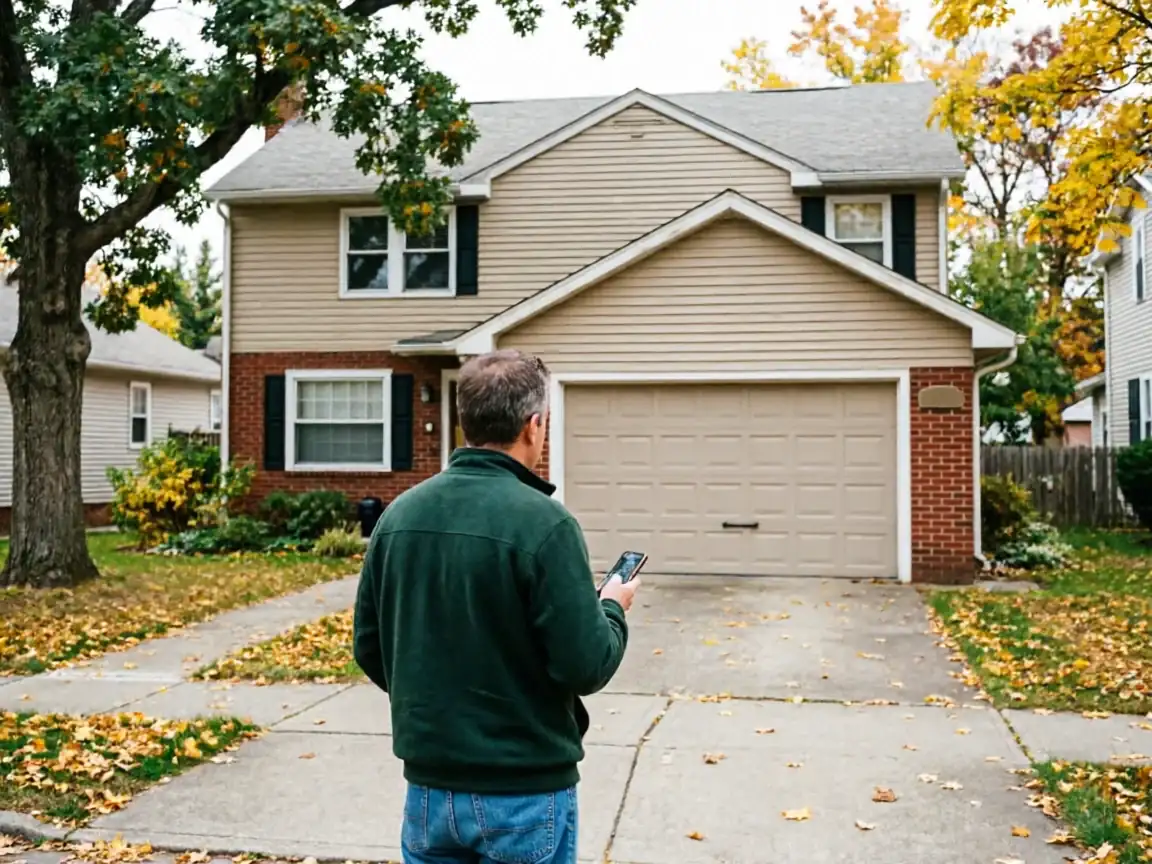
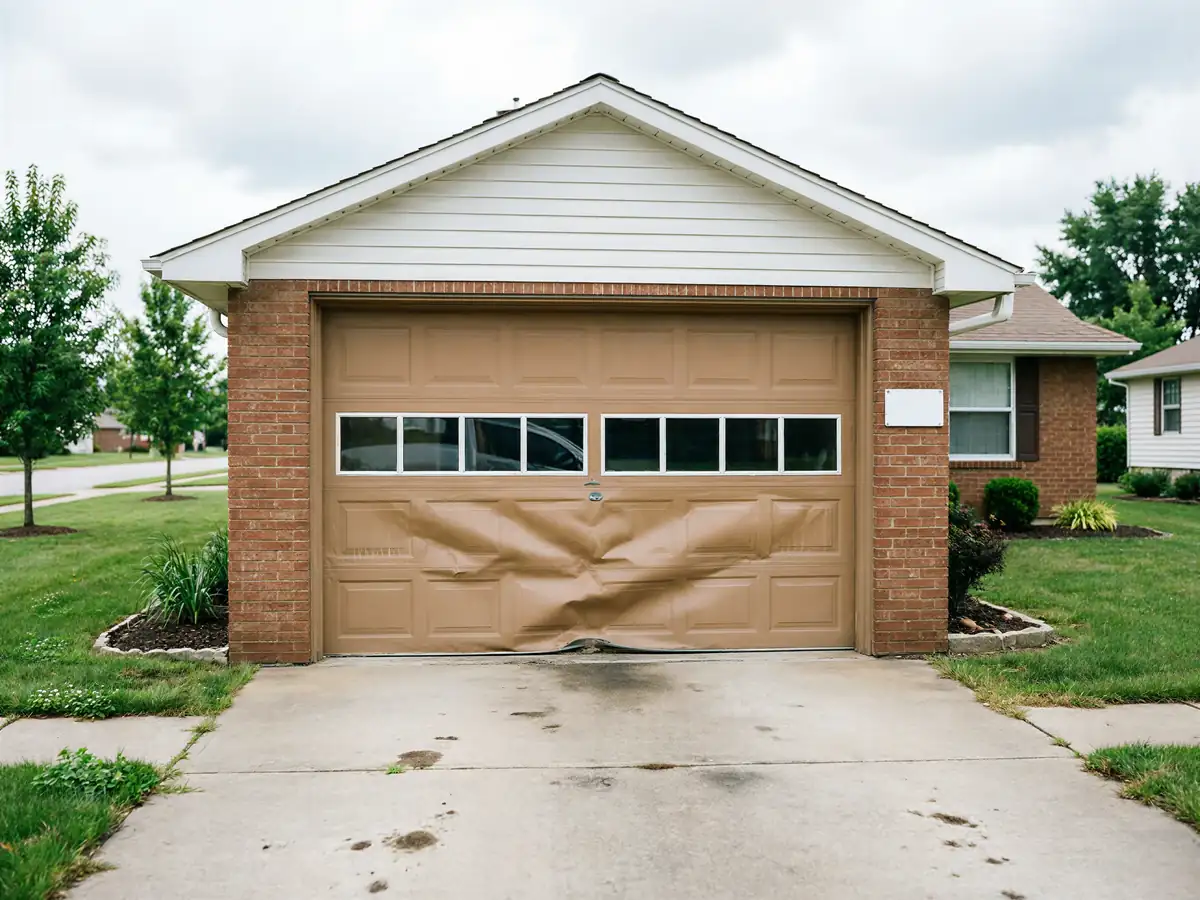
Either the door is sitting crooked in the opening, hanging lower on one side like it's favoring a bad leg, or it's come off the track entirely and won't budge without grinding metal on metal. Sometimes you hear it before you see it: a snap, then the door drops fast and stops hard against whatever's in the way.
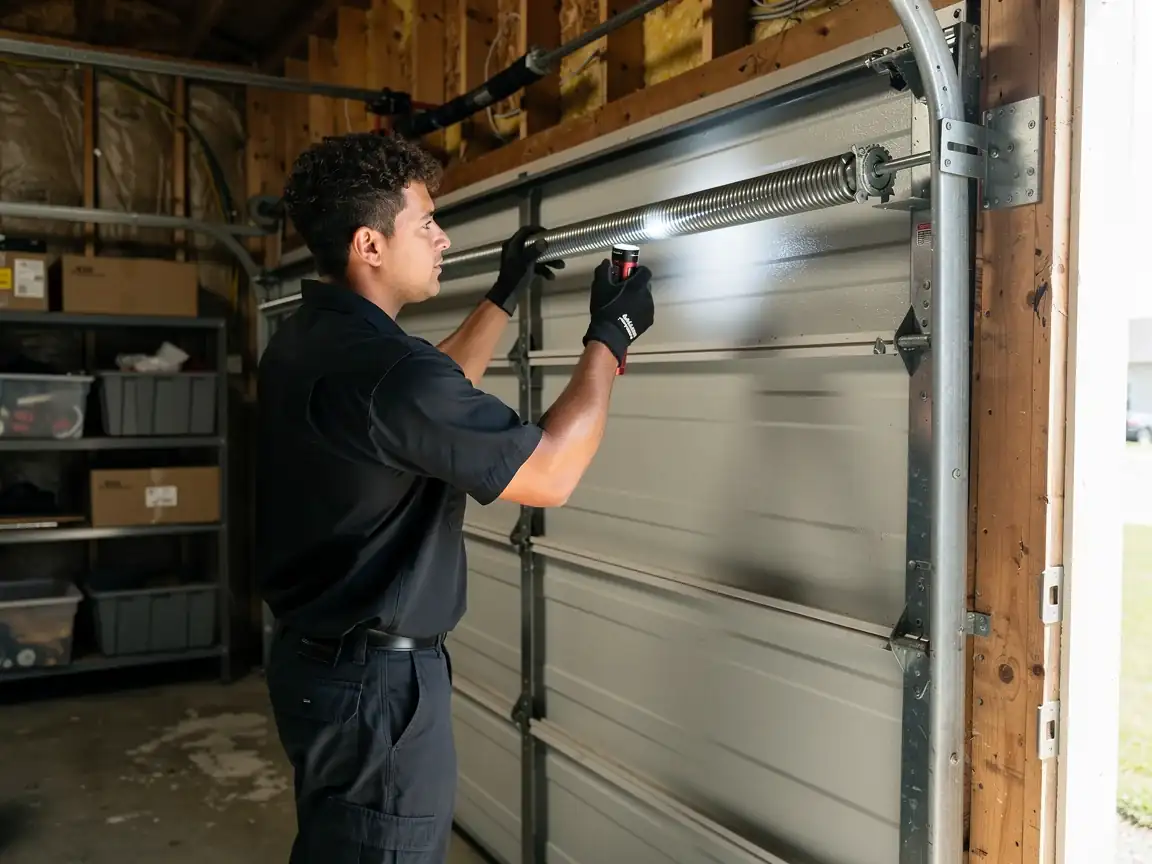
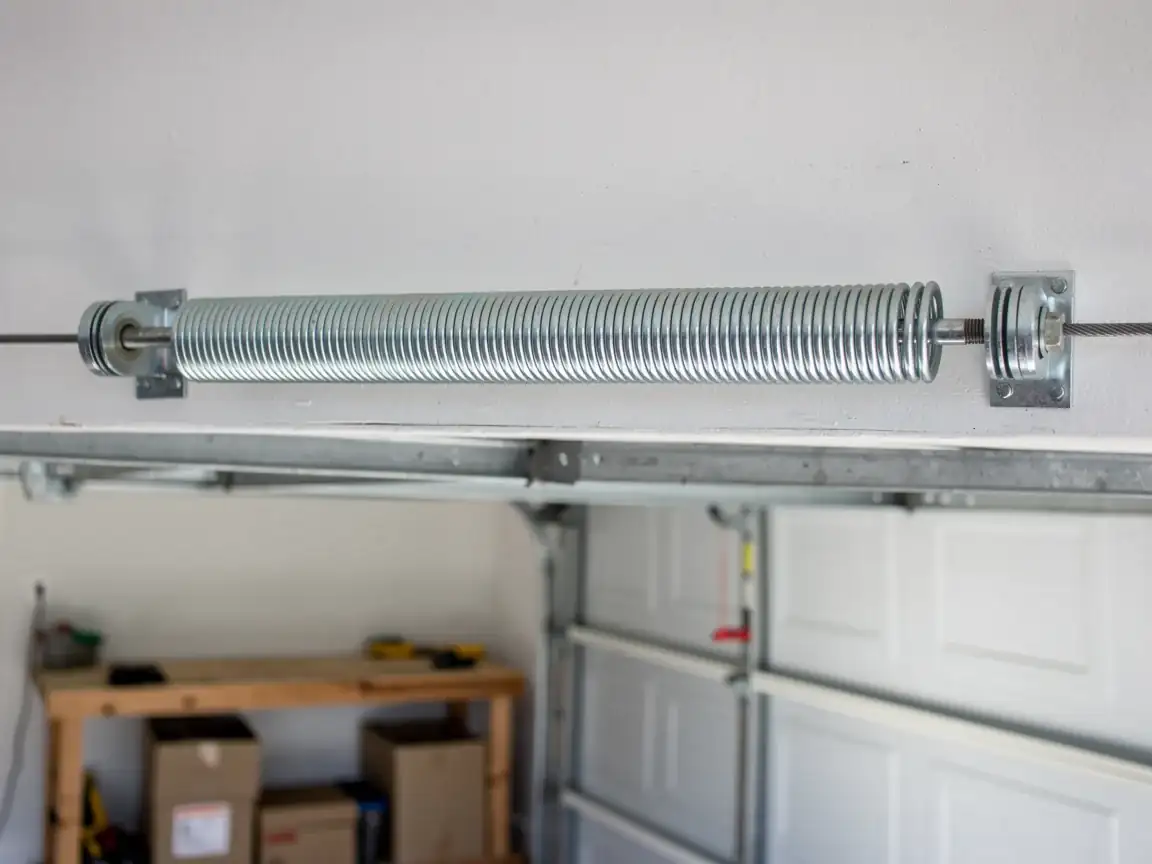
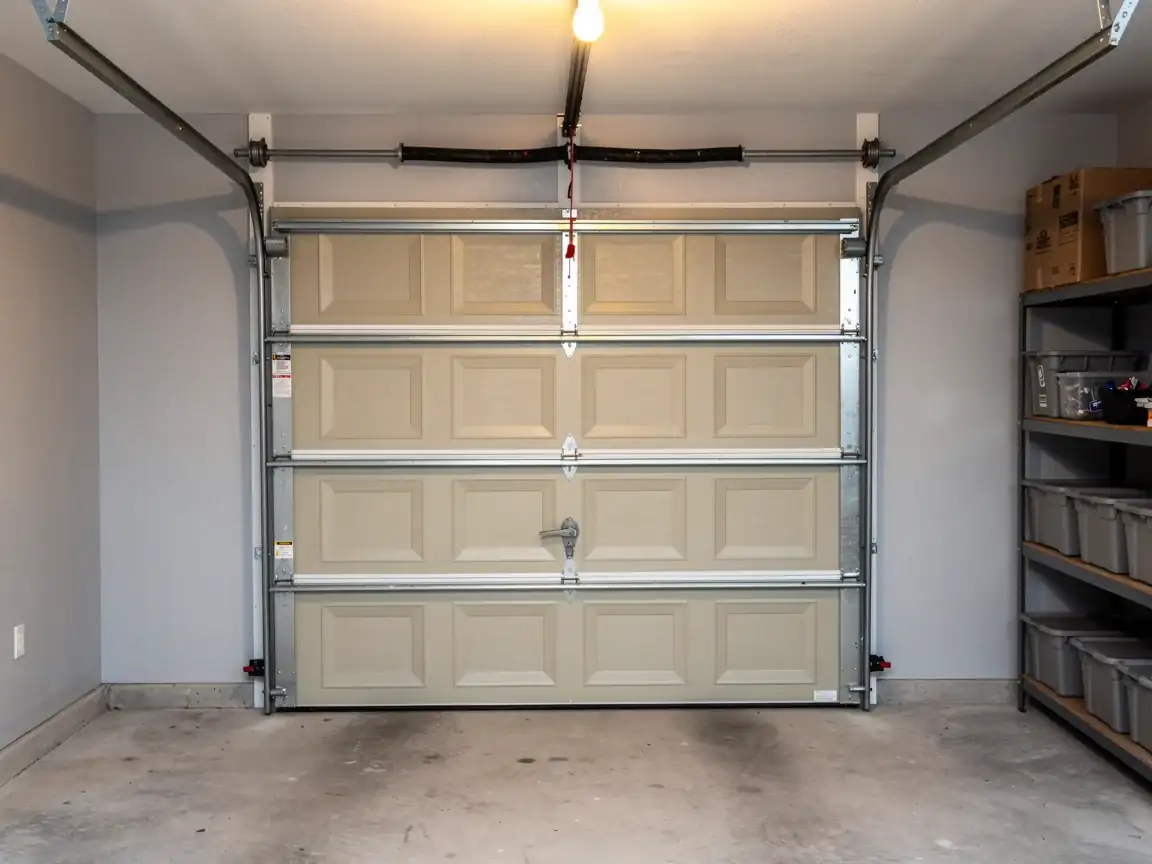
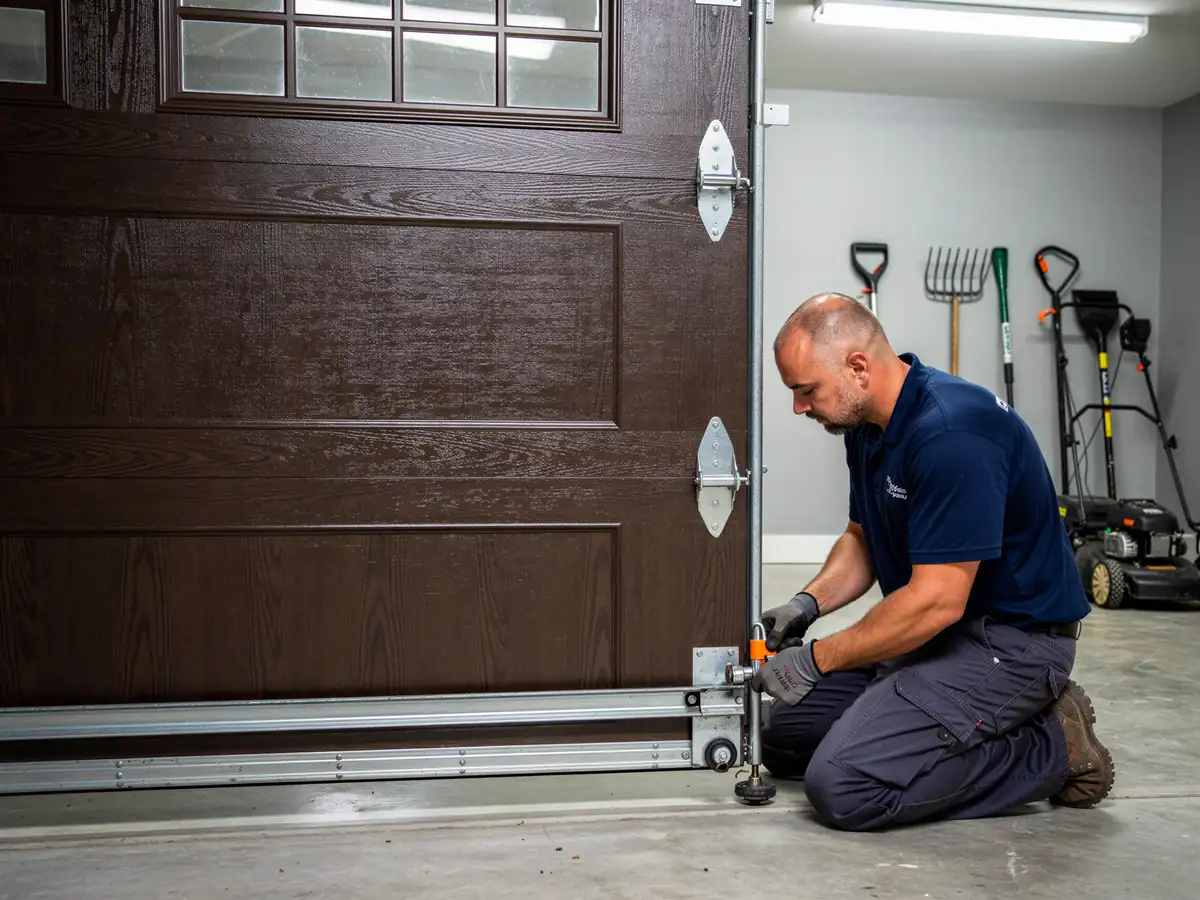
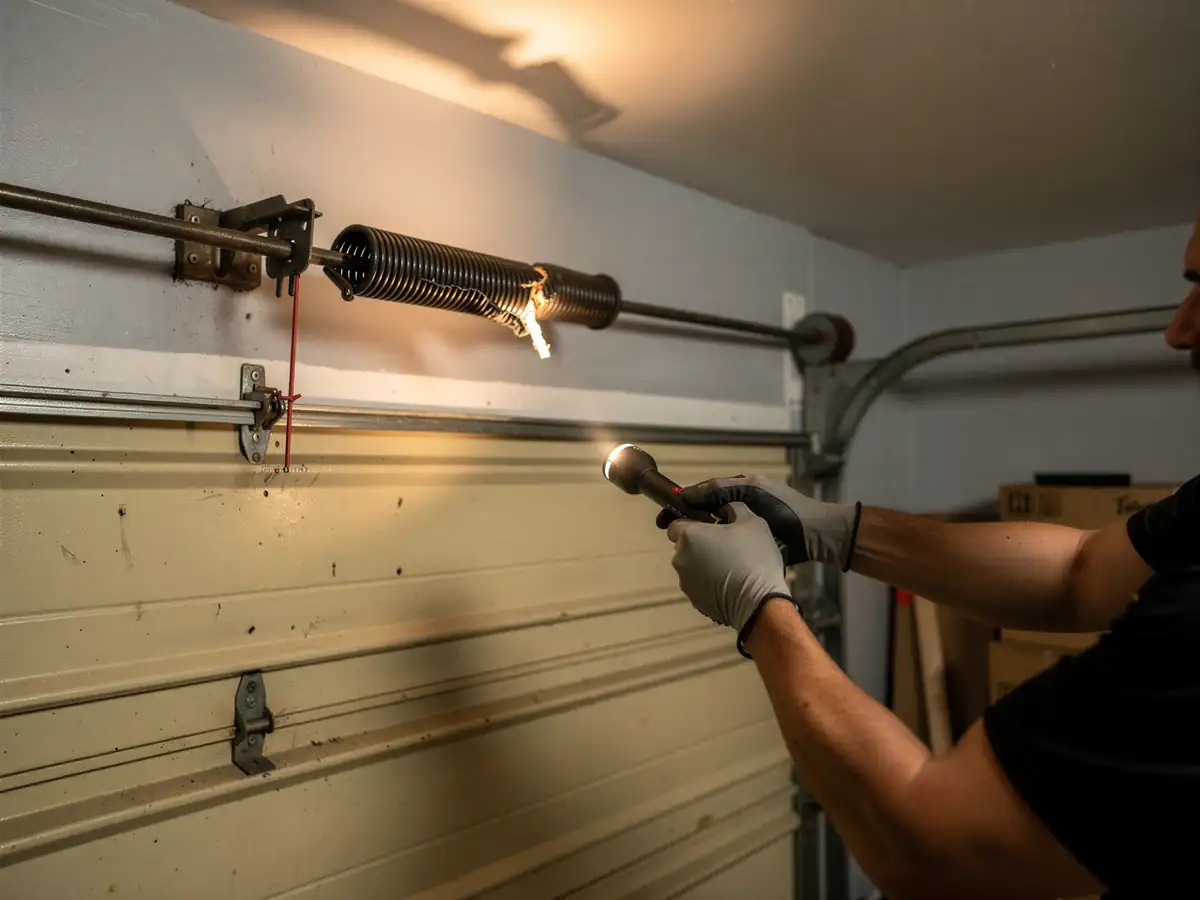
The cables are the steel lines that run from the bottom brackets up to the drum at the top of the torsion spring assembly
They carry real tension, and when one frays through or jumps the drum, the door loses its balance immediately. This isn't a cosmetic problem. A door hanging on one cable is under uneven load and can come down without warning, especially on heavier double-wide sections.
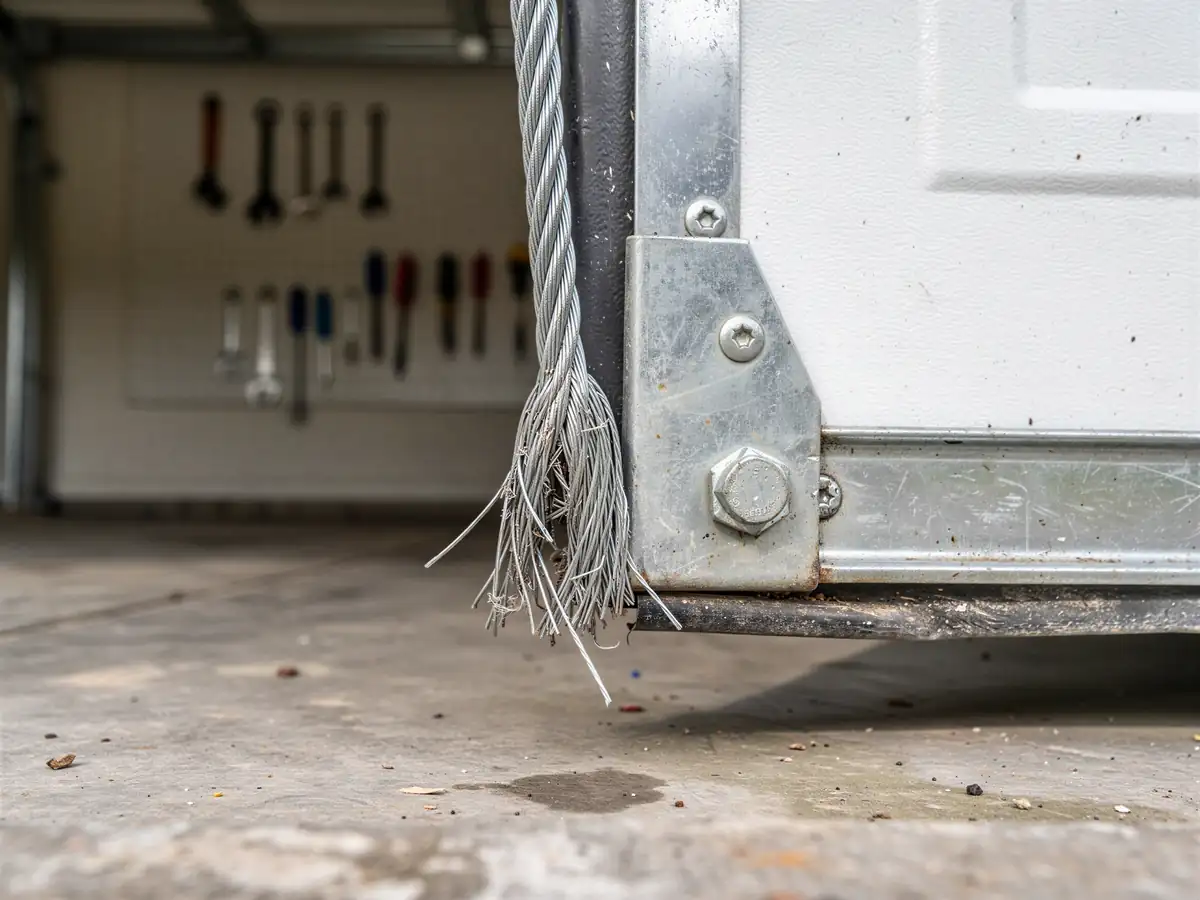
If you catch it early, you'll notice a cable starting to fray at the bottom roller bracket
Or a door that's just slightly off-level when it closes. That's the point to call, before the second cable takes the full load and lets go too. Across the Bay City service area, this is one of the most common reasons a garage door stops working mid-week with no warning.
What Is on the Truck
Cable repair is a parts job, not a guessing job, which is why the truck carries pre-cut cable in the common lengths and gauges for the door sizes that show up again and again across this area - mostly standard 7-foot and 8-foot residential doors from the 1960s-70s builder-grade stock still common here. We also carry the drums, bottom brackets, and safety cables that often need replacing alongside the main lift cable, since a cable rarely fails in isolation.
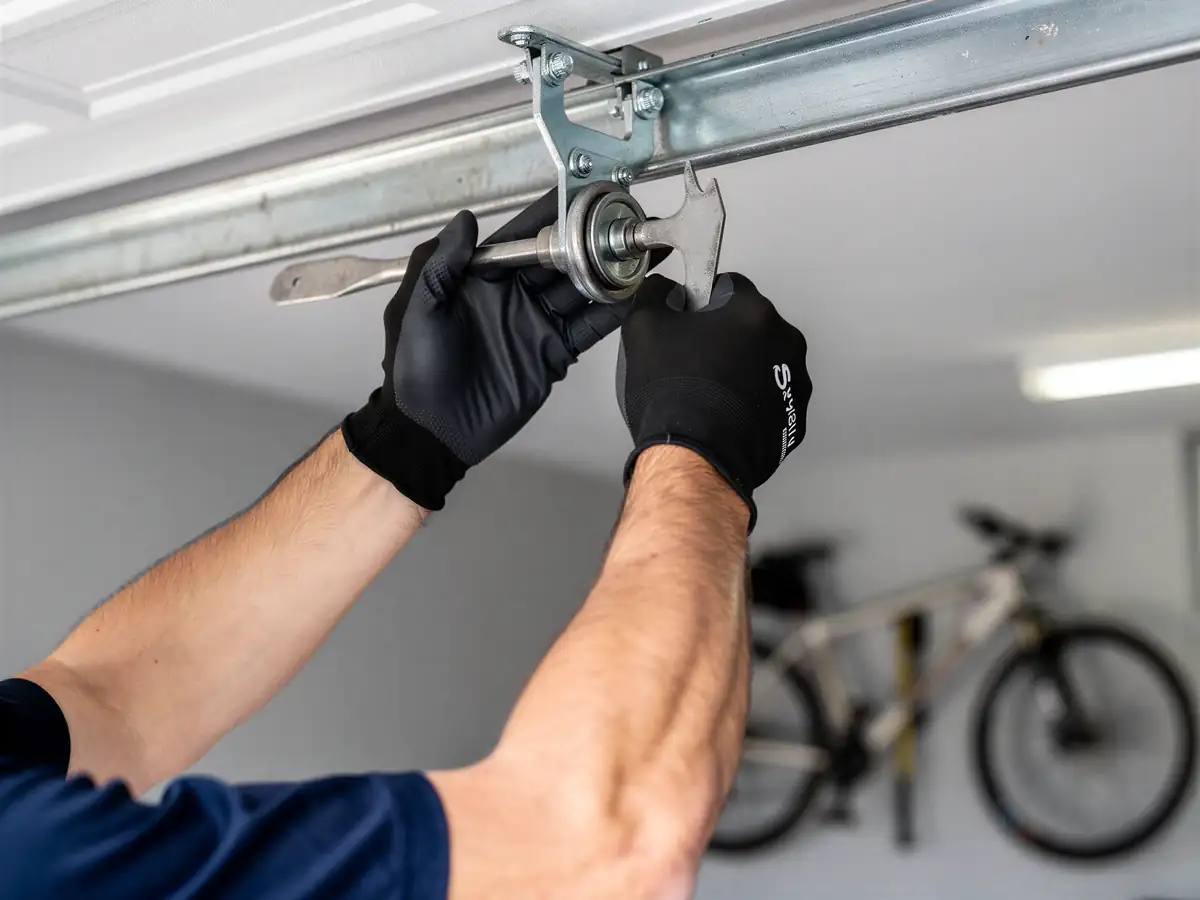
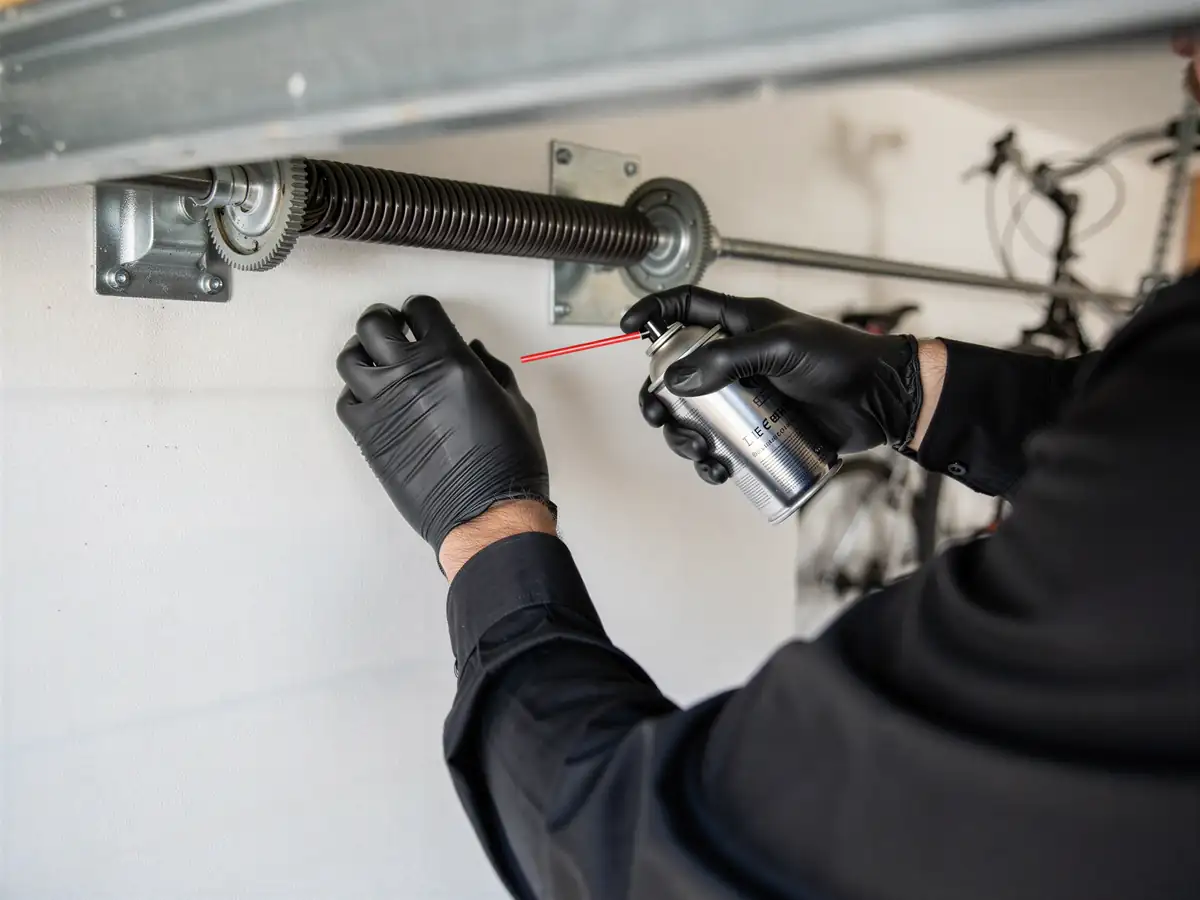
Winding bars, a tension gauge, and vice grips come along too, because resetting cable tension on a torsion spring system means working the spring itself, and that's not something to eyeball. We also stock the galvanized cable that holds up better against rust than the bare steel used in a lot of original installs from that era.
What's not always on the truck is an exact custom length for an unusual door size or a specialty high-cycle cable for a heavier insulated door. Those get ordered, and we'll tell you up front if that's the case rather than make the trip twice. Most jobs, though, match hardware we already carry.
What It Costs
We don't publish a flat number for cable repair because the job isn't flat. A single-cable replacement on a standard single-car door is a different job than replacing both cables, both drums, and resetting spring tension on a heavier double door - and the parts and labor scale with that.
What we can tell you is what drives the number up or down: whether one cable failed or both, whether the drums or bottom brackets took damage when the cable let go, whether the door needs releveling after, and whether it's a single or double door. A door that's been running on a frayed cable for weeks sometimes damages the track or rollers on the way down, and that adds to the job.
With a median household income of $72,558 across the Bay City service area, most homeowners calling about a cable want it fixed, not an excuse to replace the whole door. In most cases that's exactly what it is - a cable and hardware repair, not a door replacement. We'll give you the real number after a look at the door, not a phone guess.
What Causes It Around Here
Three things line up against garage door cables in Bay City
And none of them are unique to one house.
First, the housing stock
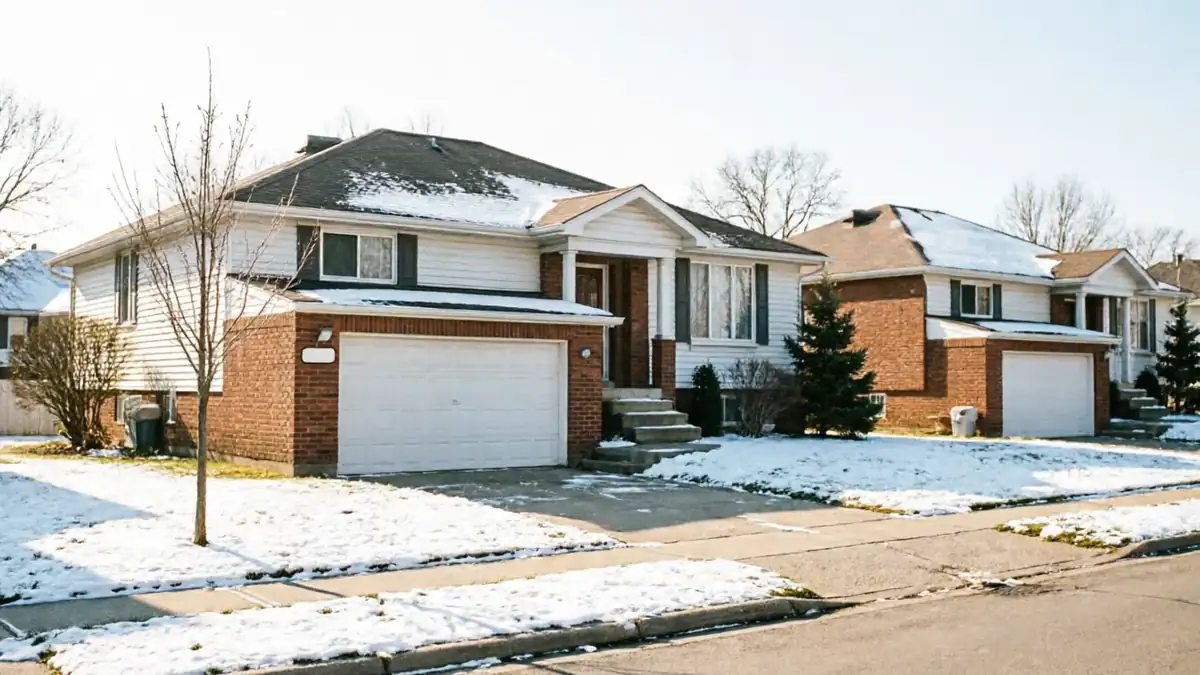
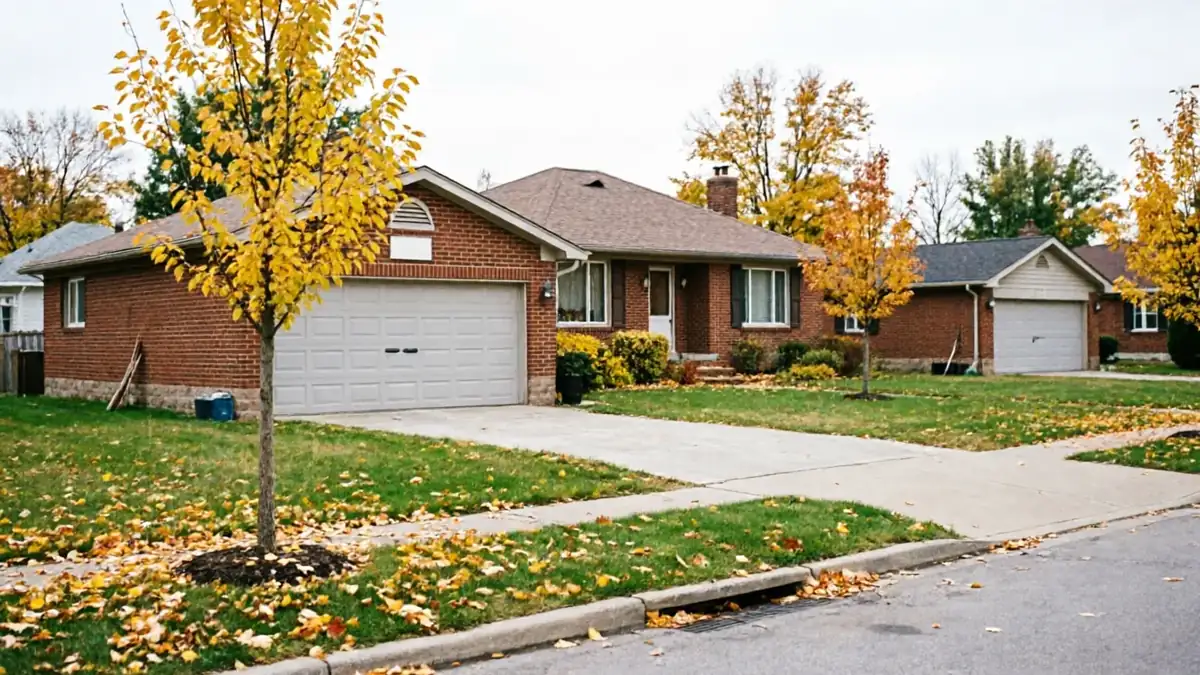
Bay City homes were mostly built between 1952 and 1994, with the median landing around 1969, which means a lot of garages still carry original or first-replacement hardware from that era - cable gauges and drum setups that are decades past their expected service life even if nobody's touched them.
Second, the climate
Bay City sits in a cold-and-severe winter band, and that matters for cable life specifically: moisture gets into the strands, freezes, thaws, and that cycle works the steel fibers loose faster than it would in a milder climate. Salt and road grime tracked into an unheated garage speeds up the same corrosion.
Third, scale
With 20,381 households and 13,393 owner-occupied houses across the areas we cover, a lot of those original or aging cables are reaching failure age at roughly the same time, which is part of why this call comes in steadily through the colder months rather than as a one-off fluke on any single street.
- 20,381 households
- 13,393 owner-occupied