The Symptom
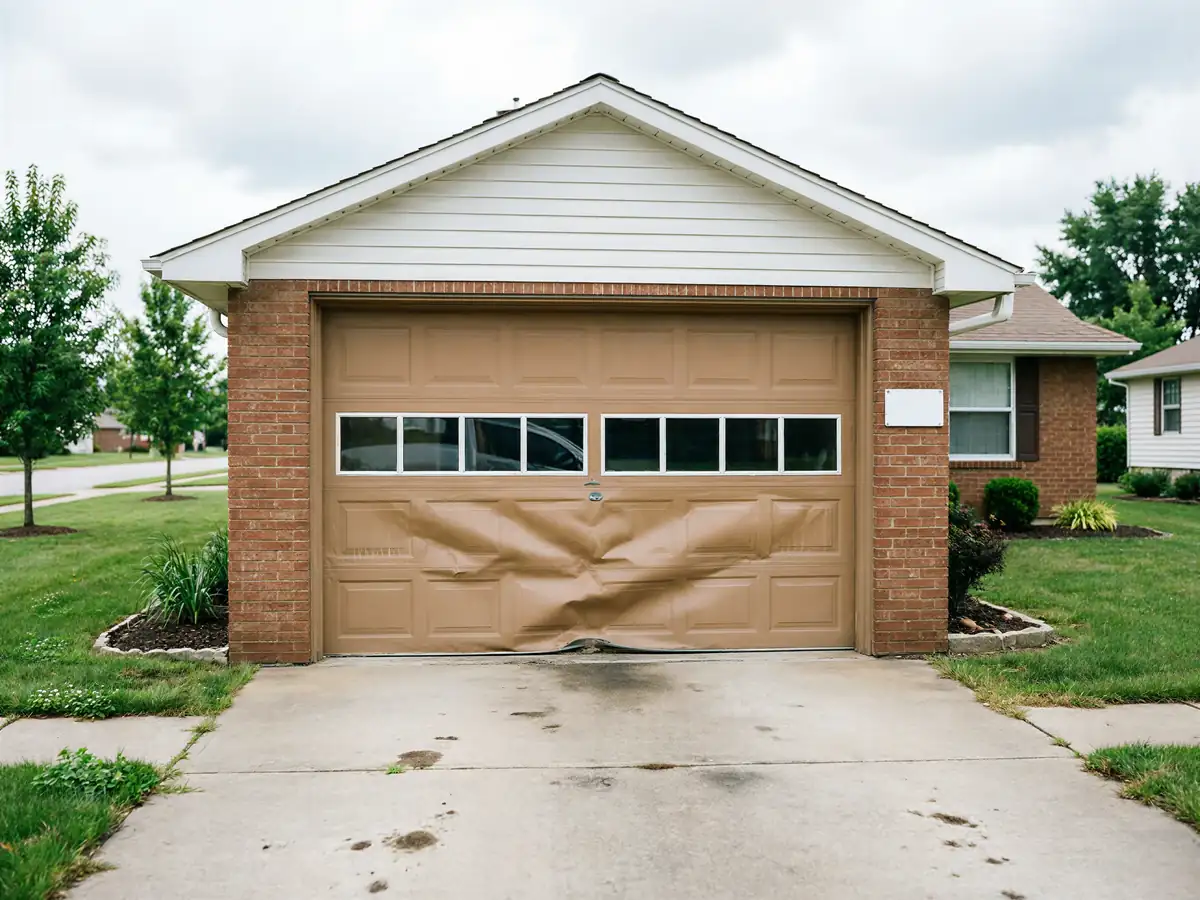
You back into the door, a branch comes down on it
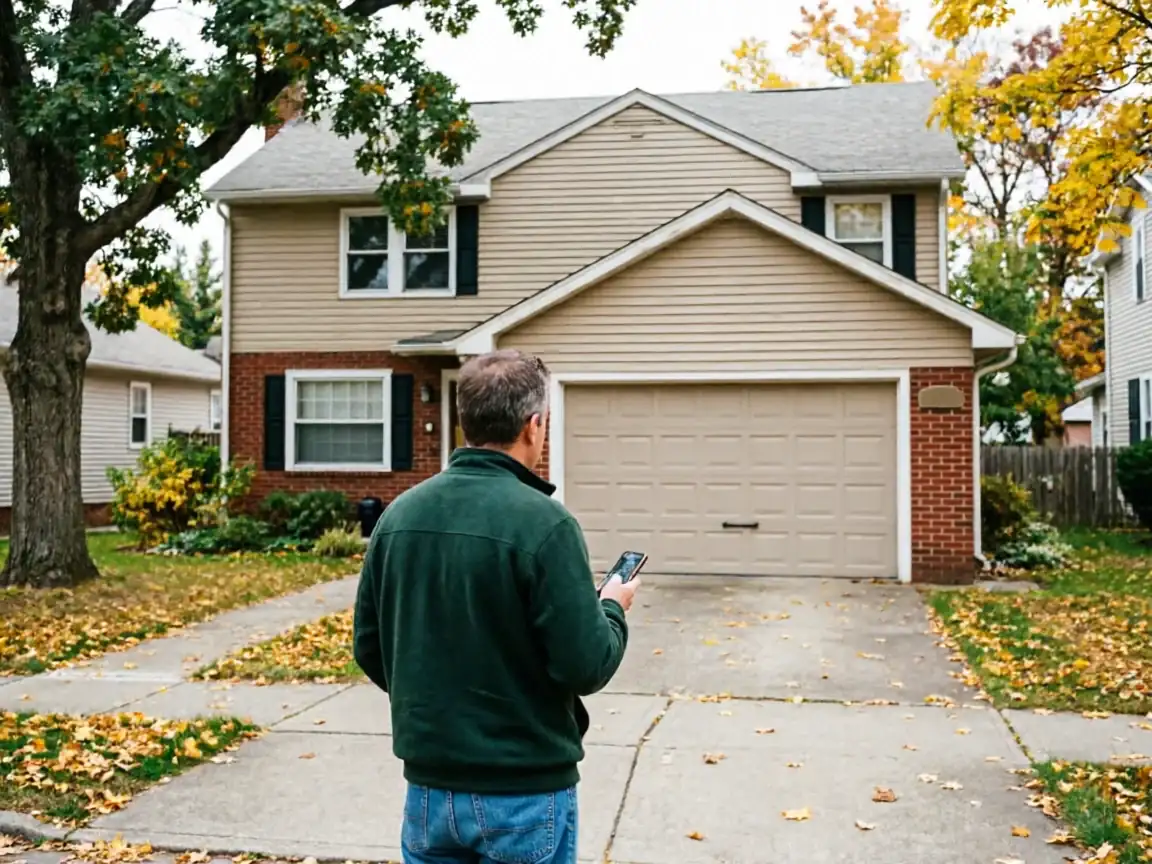
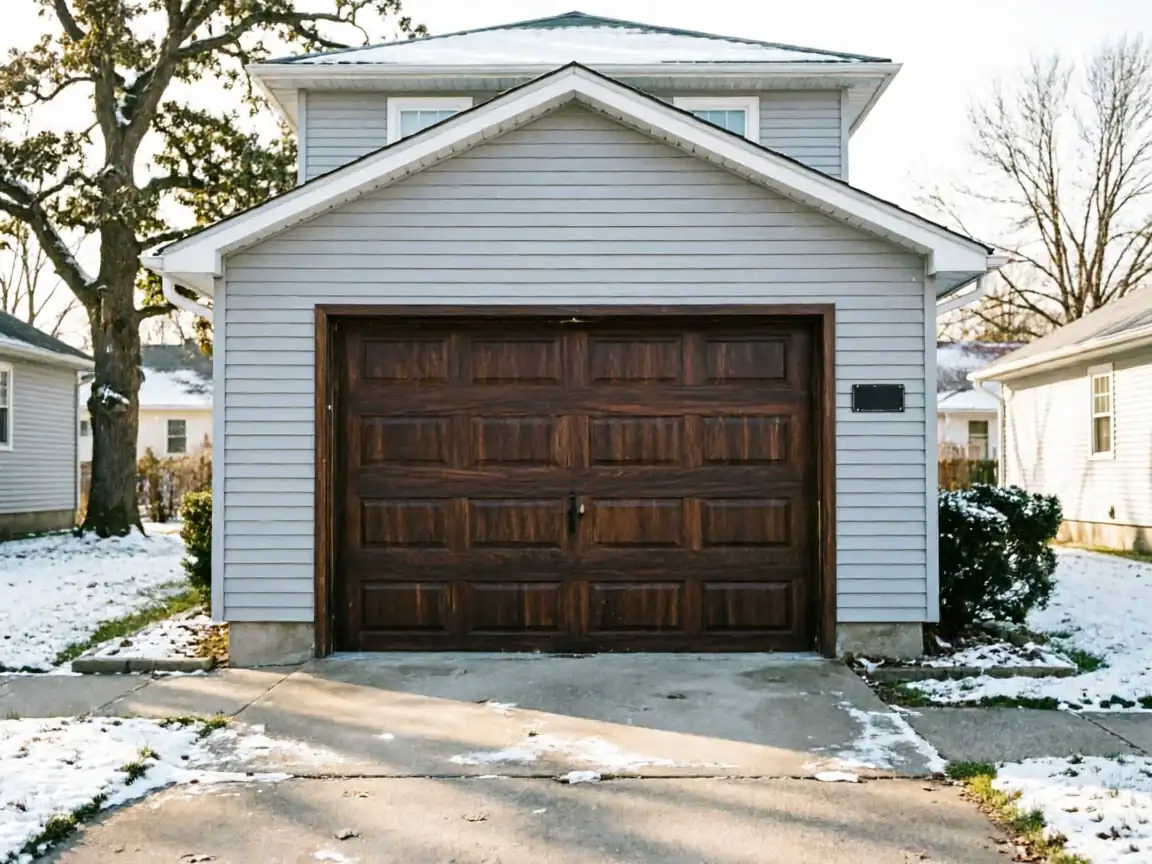
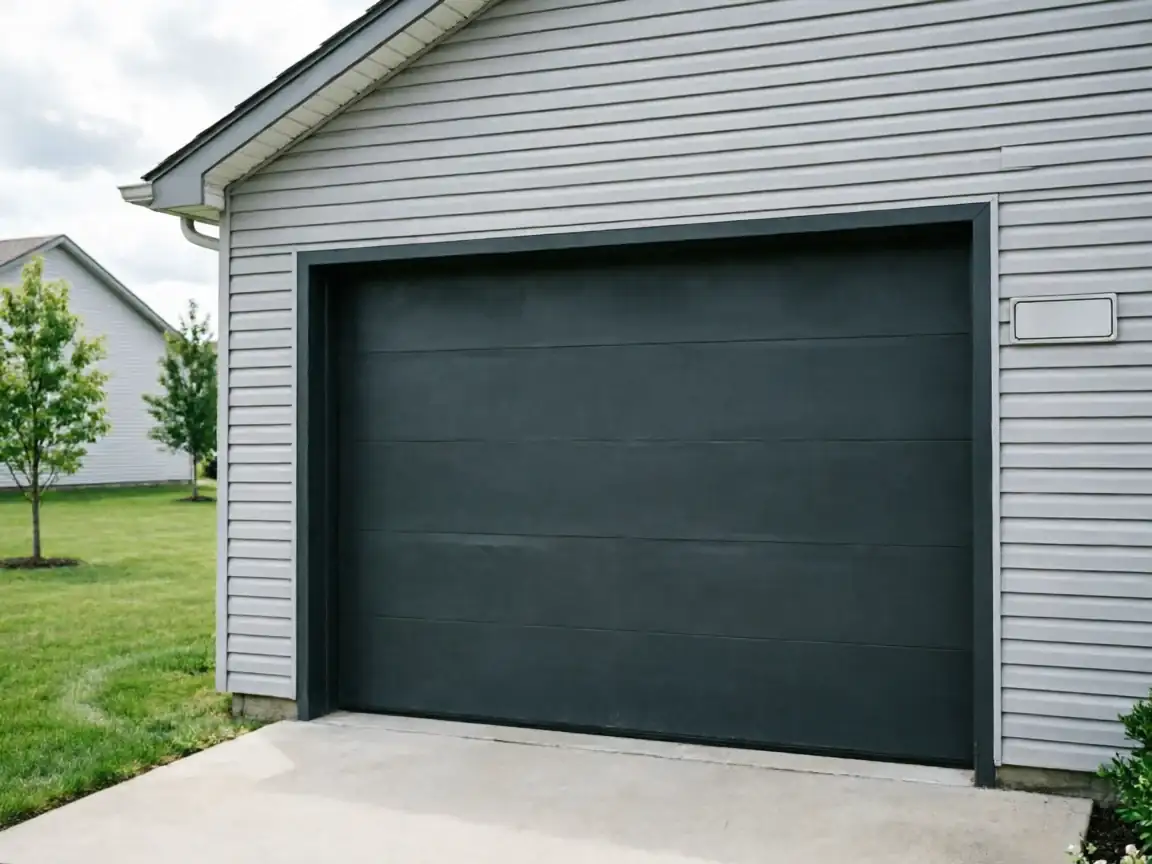
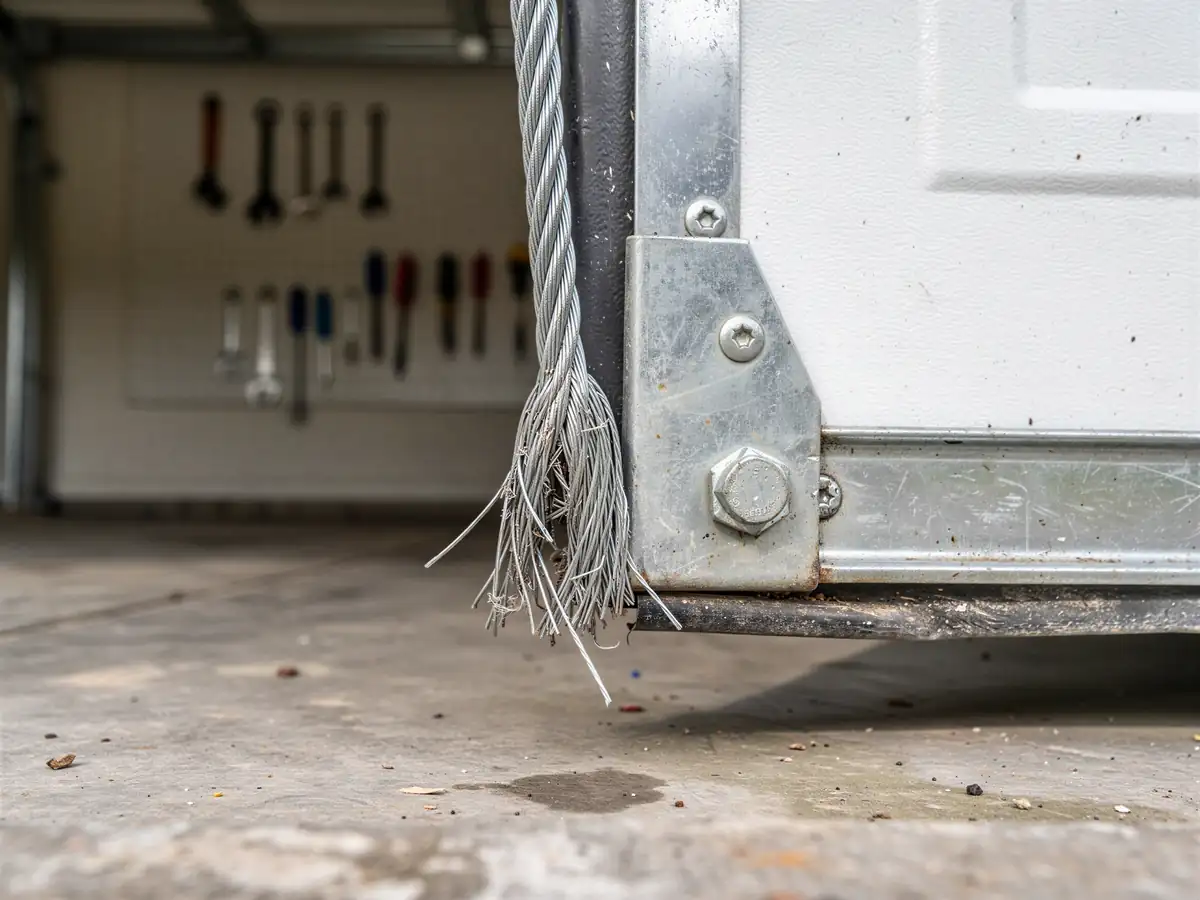
Or one panel just starts rusting through from the inside out while the rest of the door looks fine. The door still runs, mostly, but there's a dent that catches the track, a seam that's split, or a bottom panel that's gone soft and spongy where water sat against it all winter. Sometimes it's cosmetic - you just don't want to look at it every day. Sometimes it's structural, and the door is binding or dropping crooked on one side because a bowed panel is fighting the rollers.
Either way, the question is the same
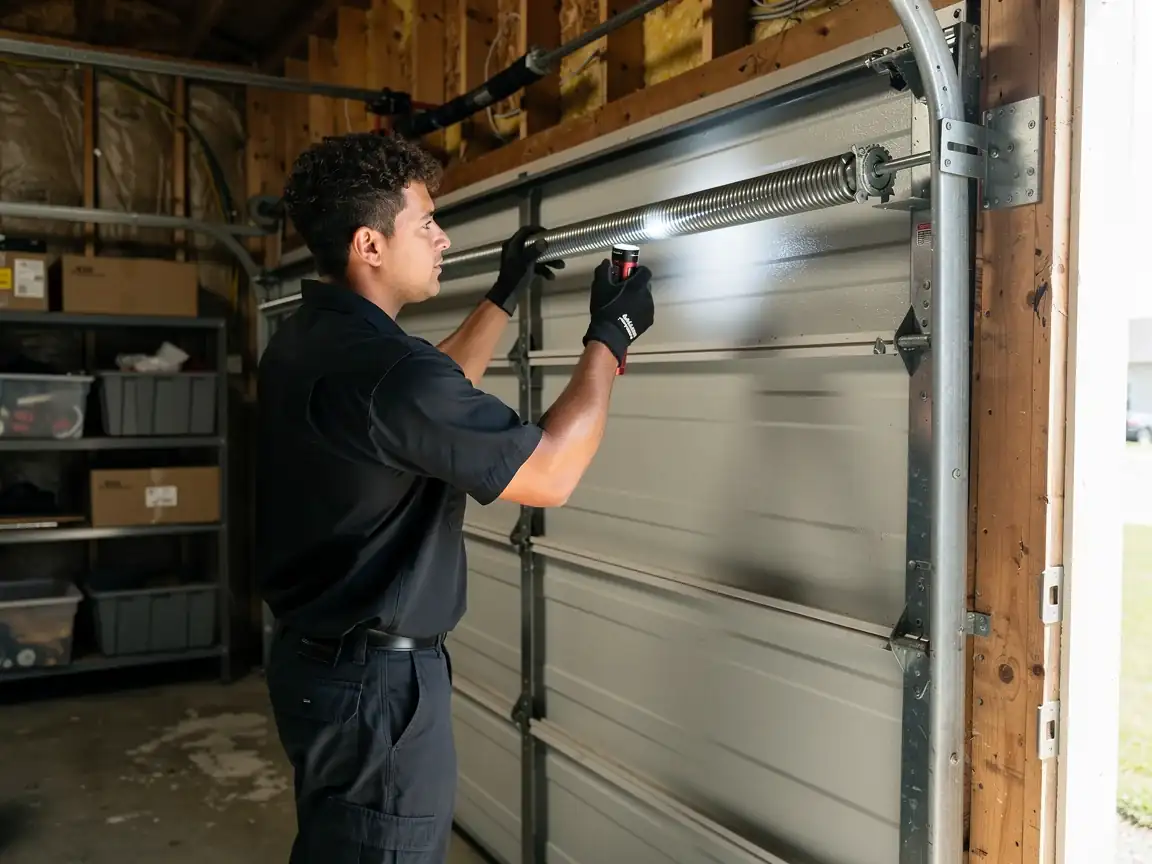
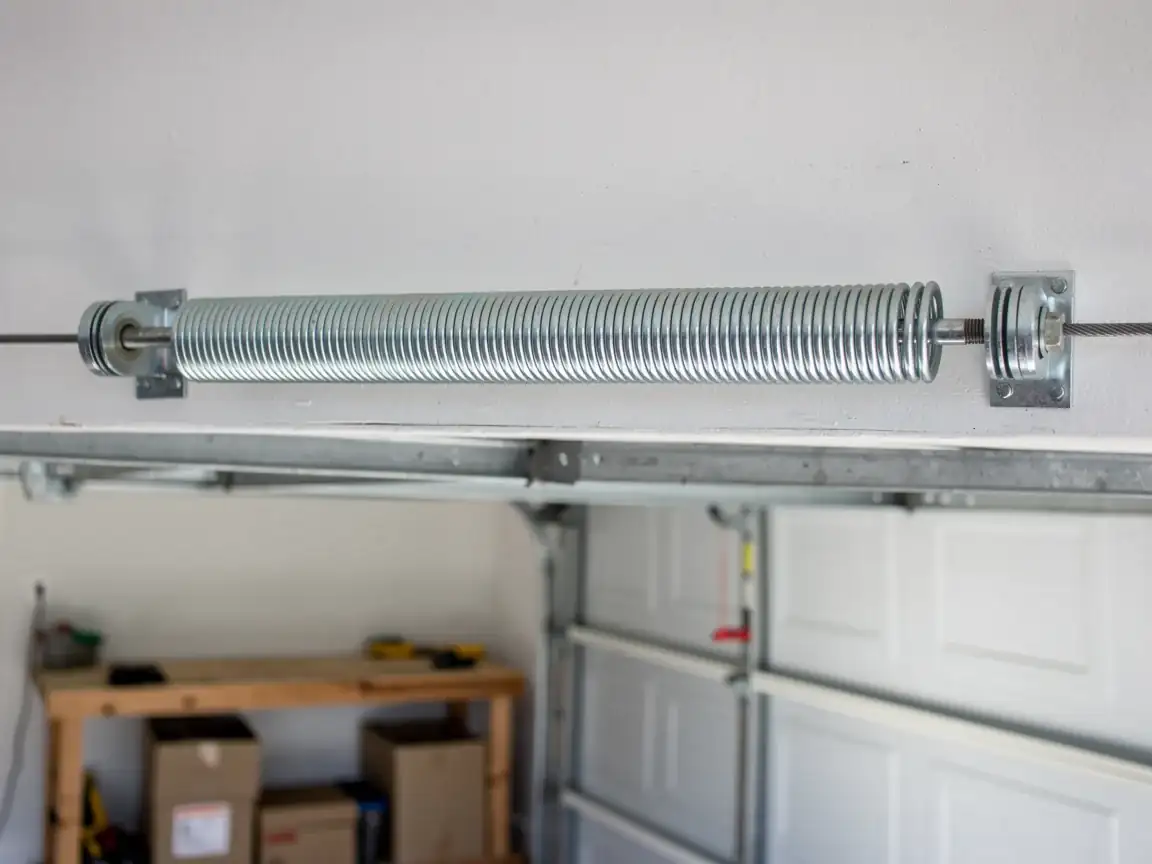
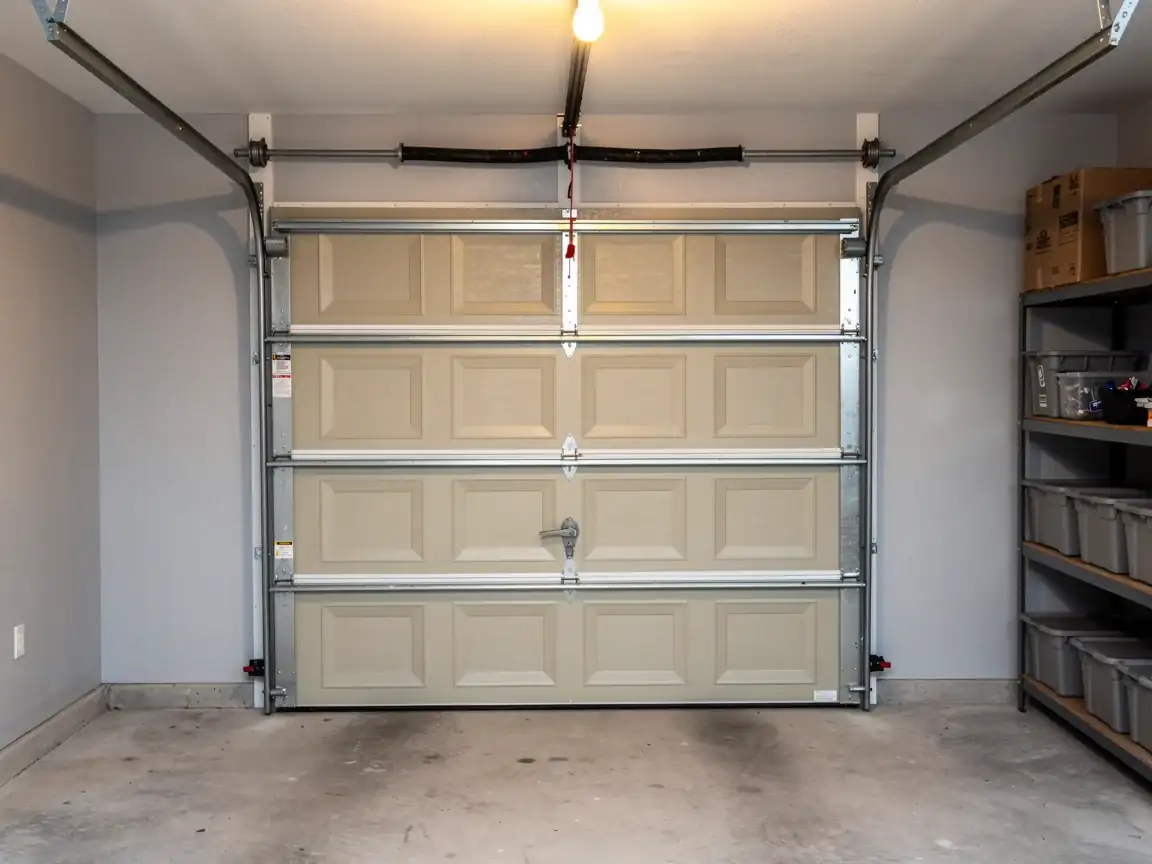
Can you replace the one damaged section, or does the whole door have to go. On a lot of doors around here, that answer isn't simple. Steel sectional doors from the 1960s through the 1990s were made in panel heights and profiles that a lot of manufacturers don't carry anymore. We check the door's measurements, the panel style, and the track hardware before we tell you which way this goes - not after.
What Is on the Truck
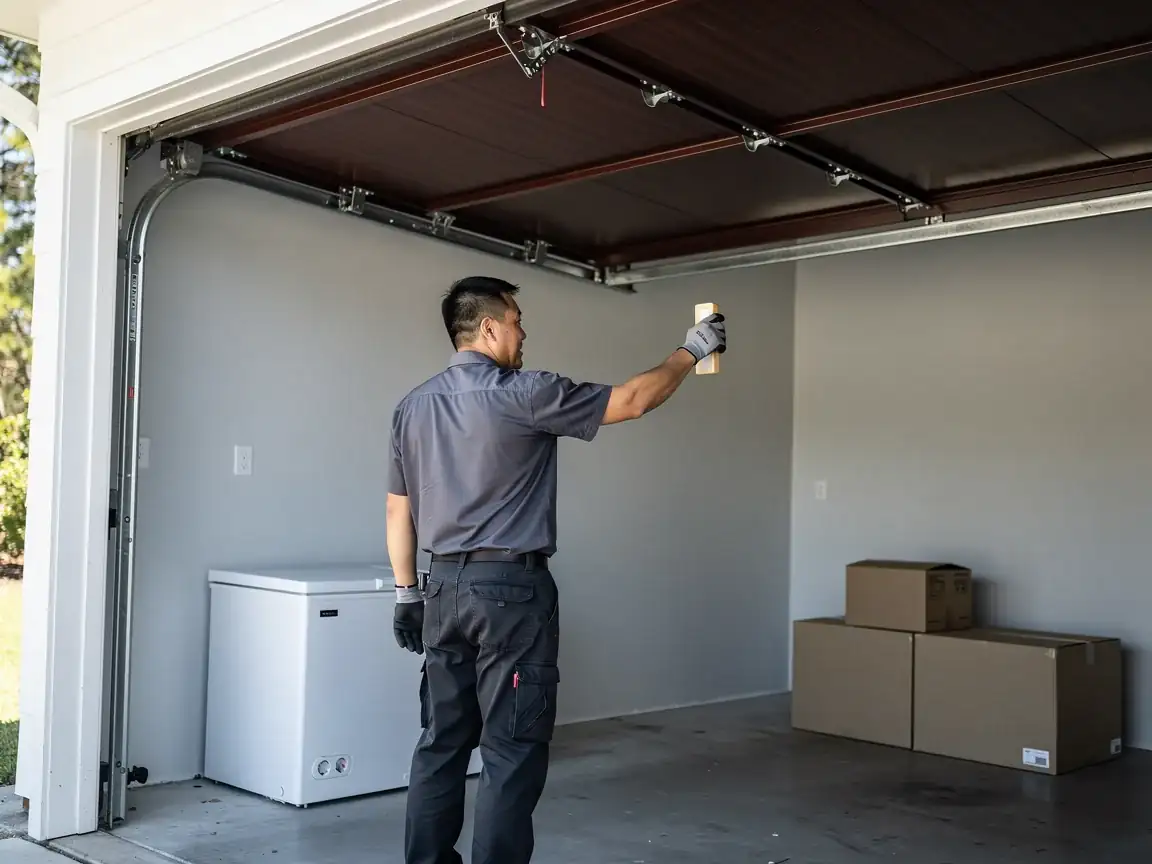
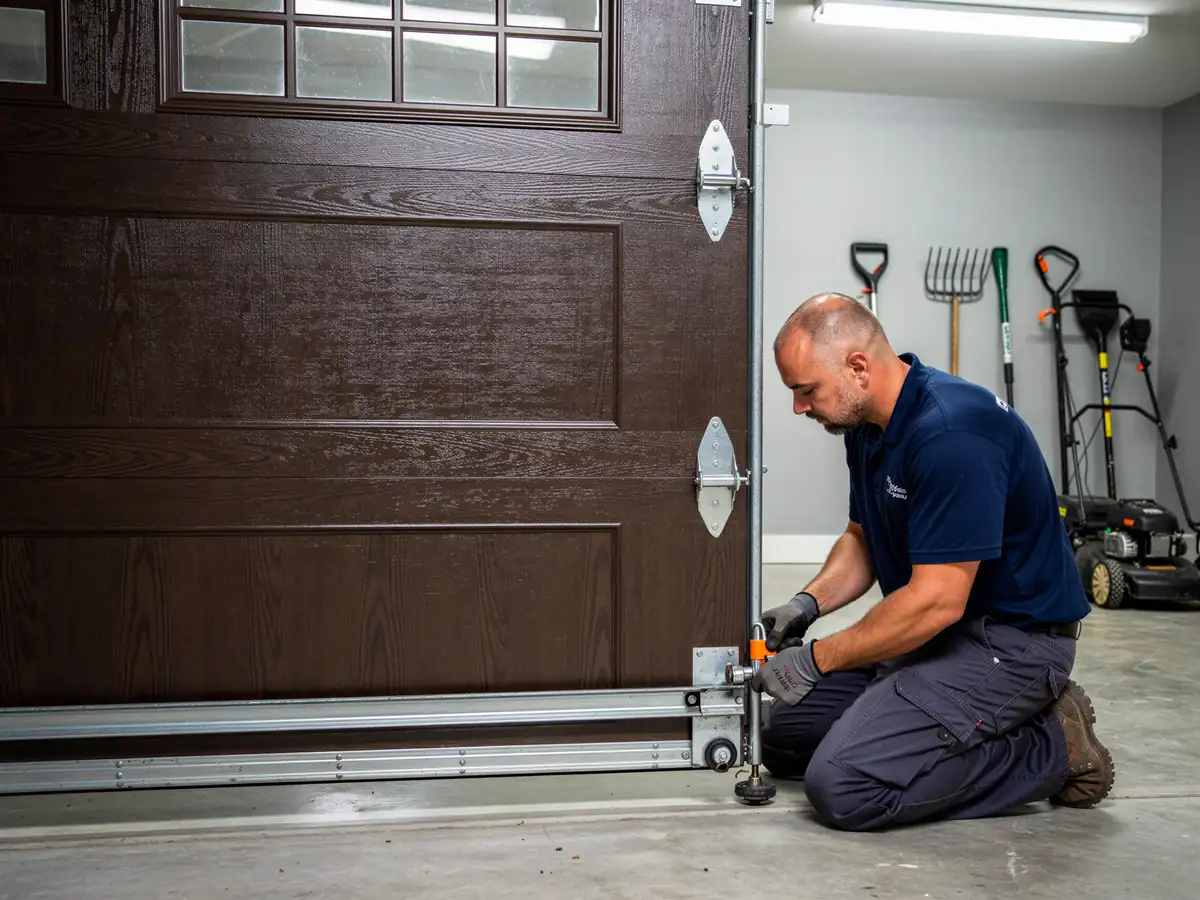
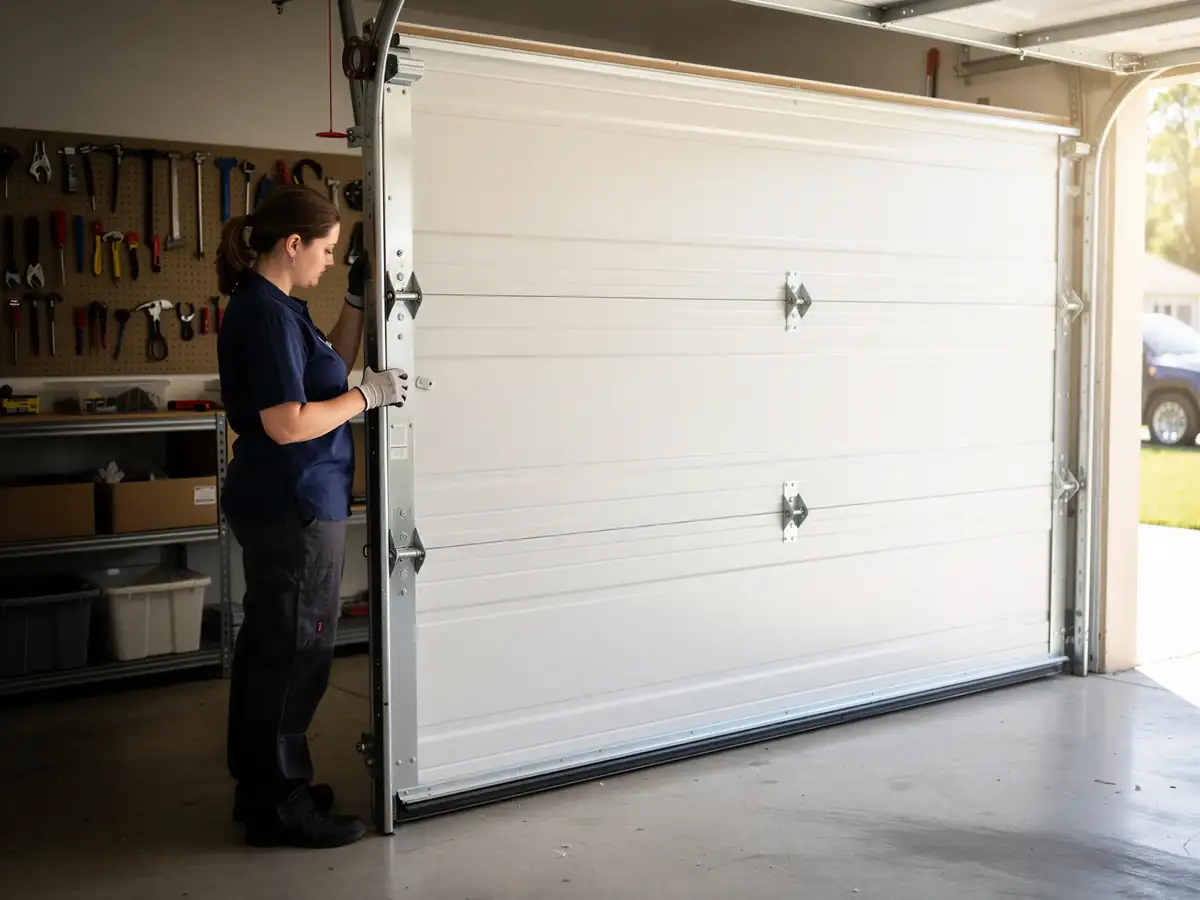
We carry a run of common steel panel sizes and profiles that cover most of the sectional doors still in service across this area - the flat and short-raised panel styles that were standard builder-grade doors for decades. For a lot of jobs that means we pull a matching section off the truck, cut it to the opening, and swap it same visit.
What we can't always do is match an exact factory color or a discontinued embossed panel pattern on the first trip. If your door is an older style with a pattern or finish that's no longer made, we'll tell you straight - sometimes the honest fix is a new section that's close but not identical, sometimes it's ordering from a supplier, and sometimes replacing the whole door ends up making more sense than chasing a match. We'd rather say that up front than have you staring at a color mismatch for the next ten years.
What It Costs
A single panel swap costs less than replacing the whole door, but how much less depends on a few things: whether the opening is a standard size, whether the track and hardware are in good shape or need work too, and whether the door is insulated or a plain uninsulated steel panel. Insulated panels run more than single-layer steel because there's more material and more labor fitting the foam core section correctly.
We don't quote a number sight unseen, because a door that looks like a one-panel job sometimes turns out to need a roller or hinge replaced at the same time, and a door that looks worse sometimes is a clean single-panel swap. We'll look at the actual door, tell you what's wrong, and give you the number for that door - not a range pulled out of thin air.
What Causes It Around Here
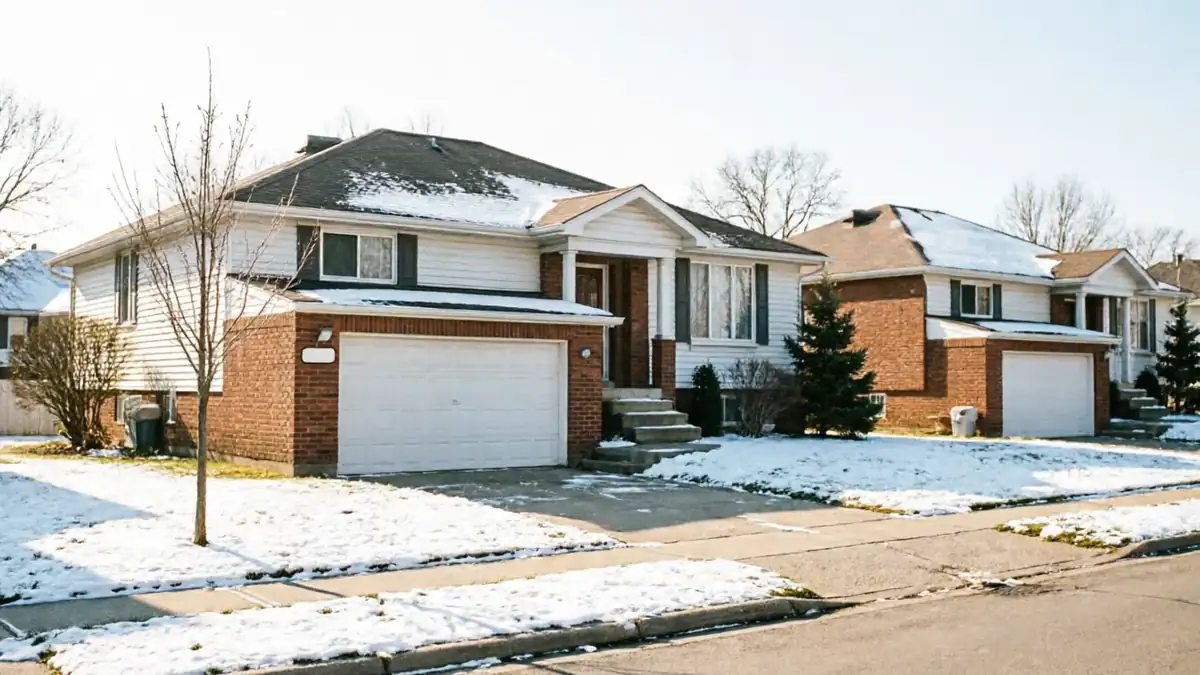
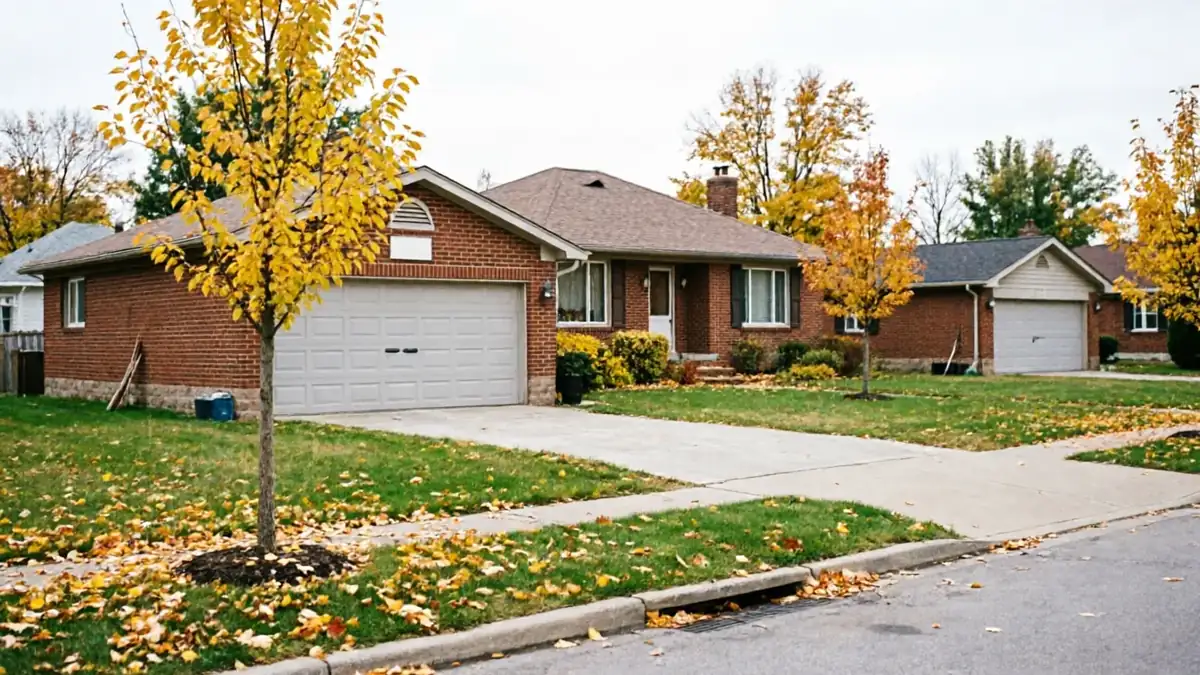
Housing across this service area was mostly built between 1952 and 1994
With a lot of it going up in the 1960s and 70s across the twelve communities we cover. That means a large share of garage doors are original steel sectional units, or close to it - doors that have been through fifty-plus winters of this area's cold climate. Steel panels take a beating from that kind of cold: metal contracts hard in deep cold snaps, and a door that's already dented or has a weak seam is more likely to crack along that stress point than a brand-new panel would.
Moisture is the other half of it
Older uninsulated panels don't drain or dry the same way newer doors do, and a bottom panel that sits near grade can rust from the inside before you ever see it from outside. On a door that's forty or fifty years old, one bad panel is often the first visible sign that the rest of the door isn't far behind - which is part of why we check the whole door, not just the dent you called about.