What the Housing Means for Your Door
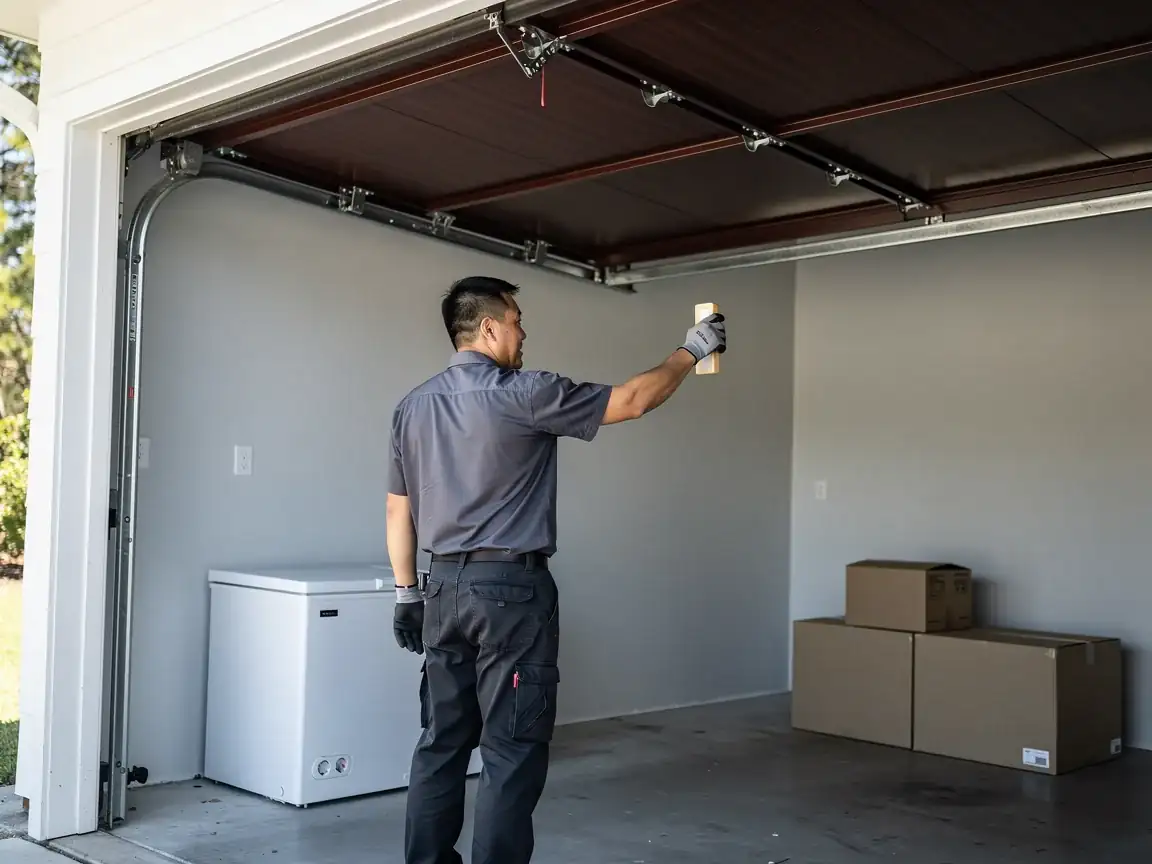
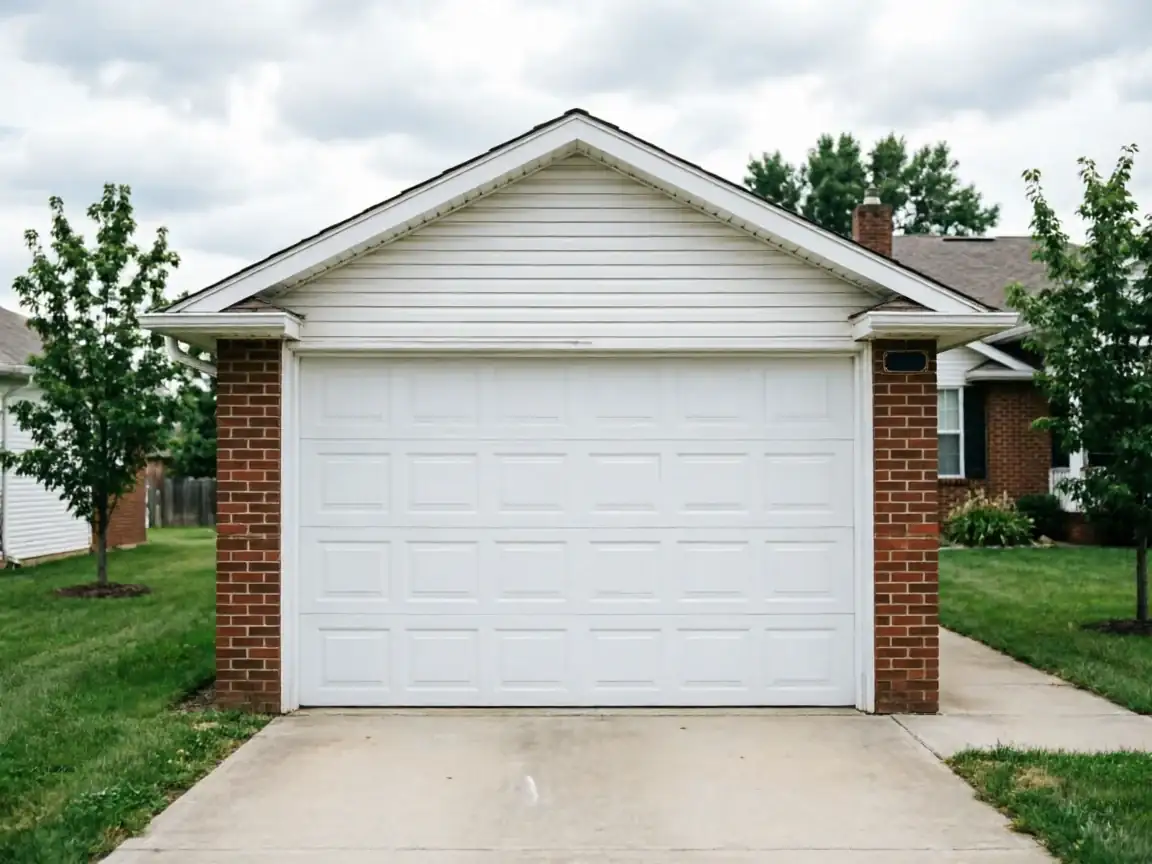
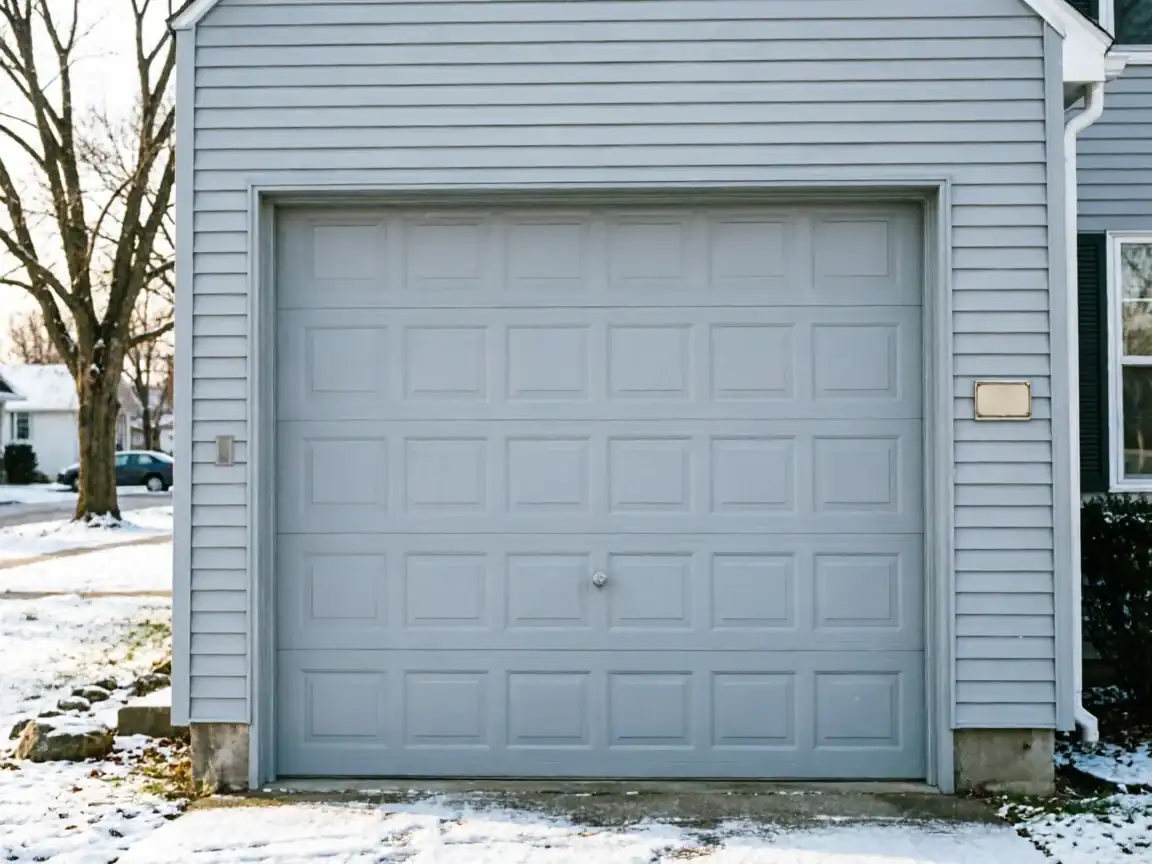
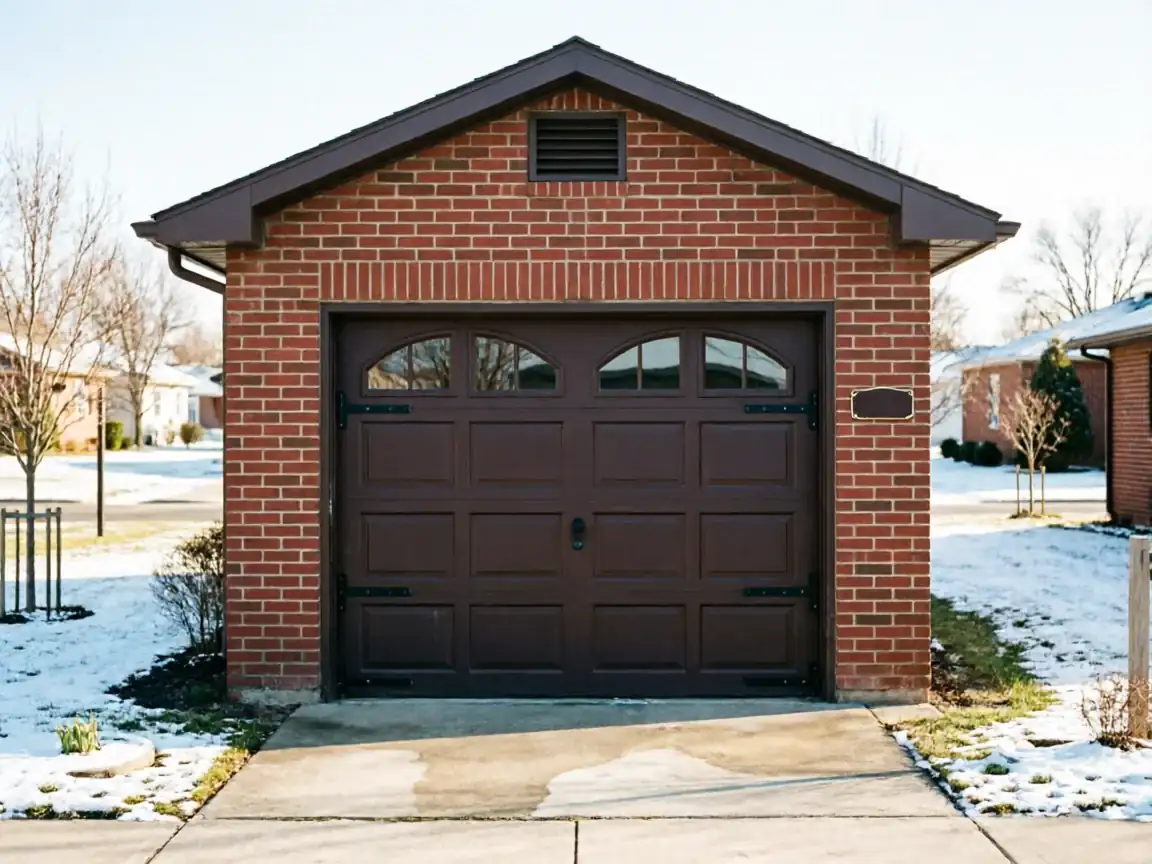
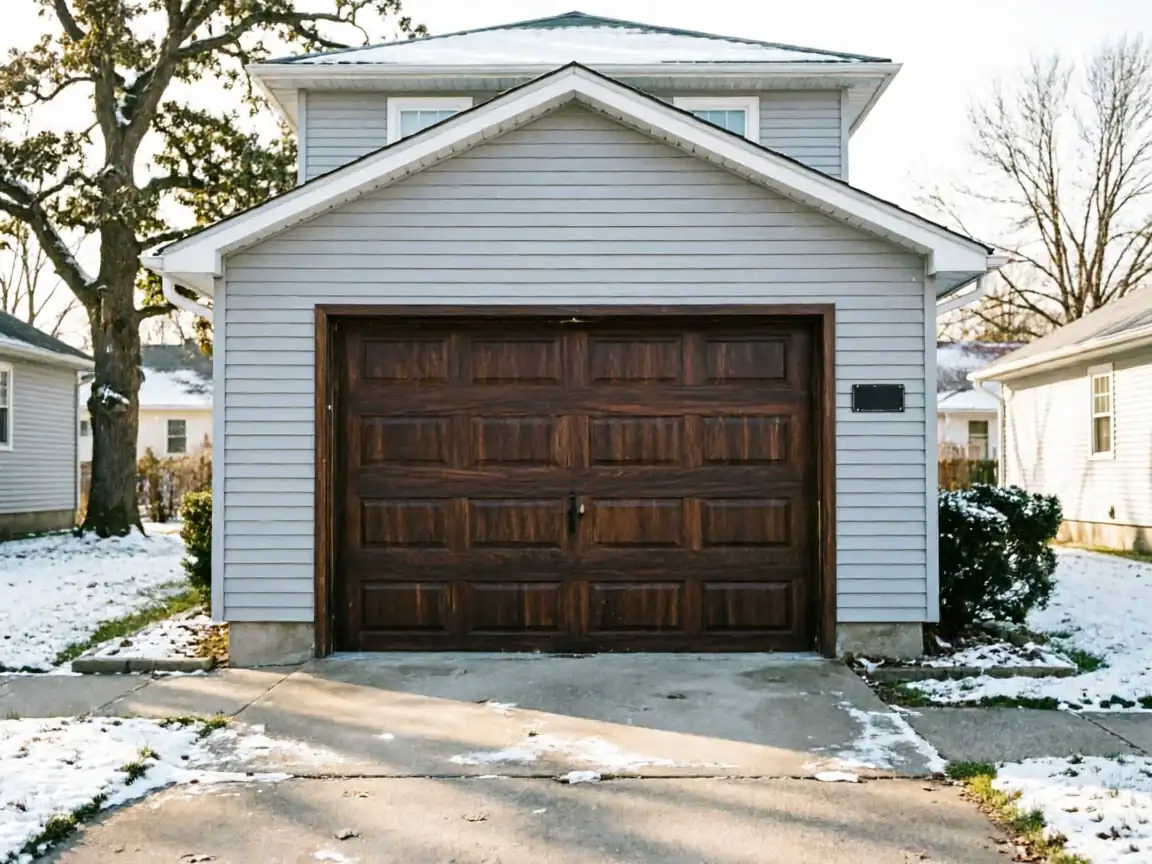
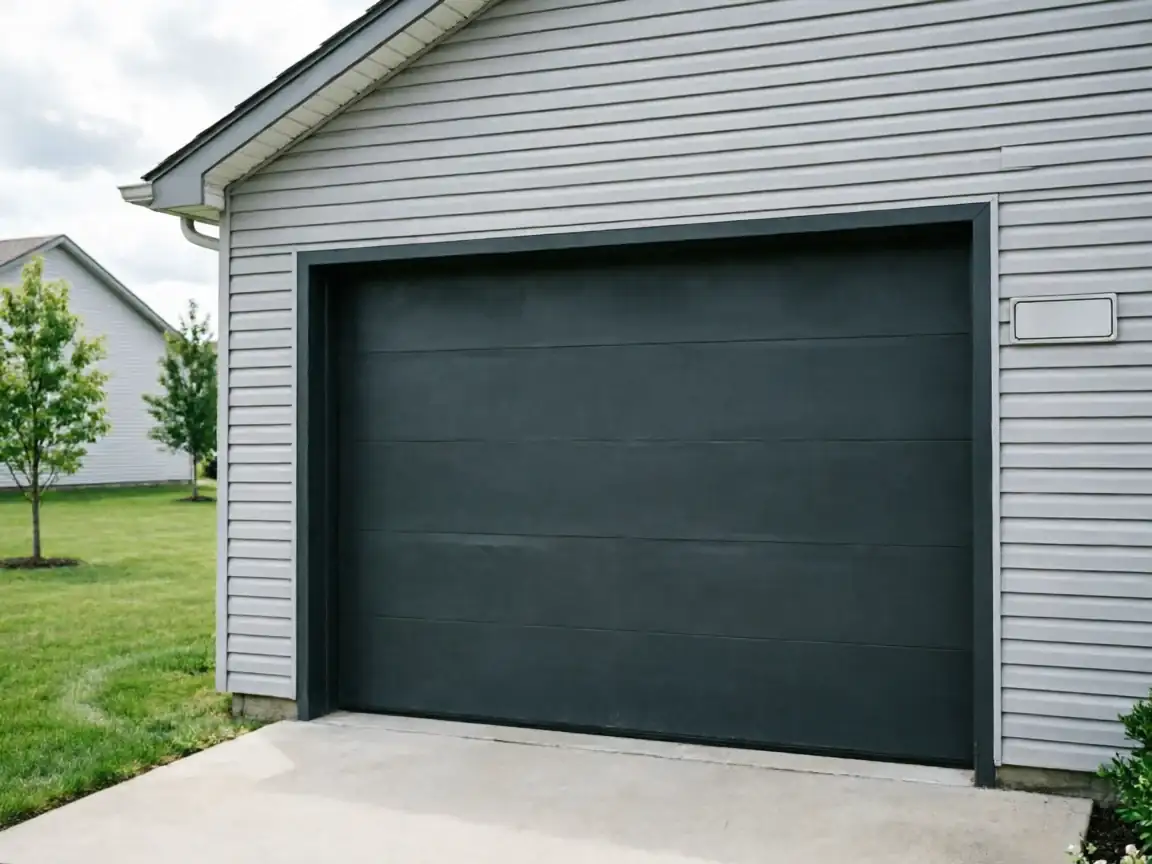
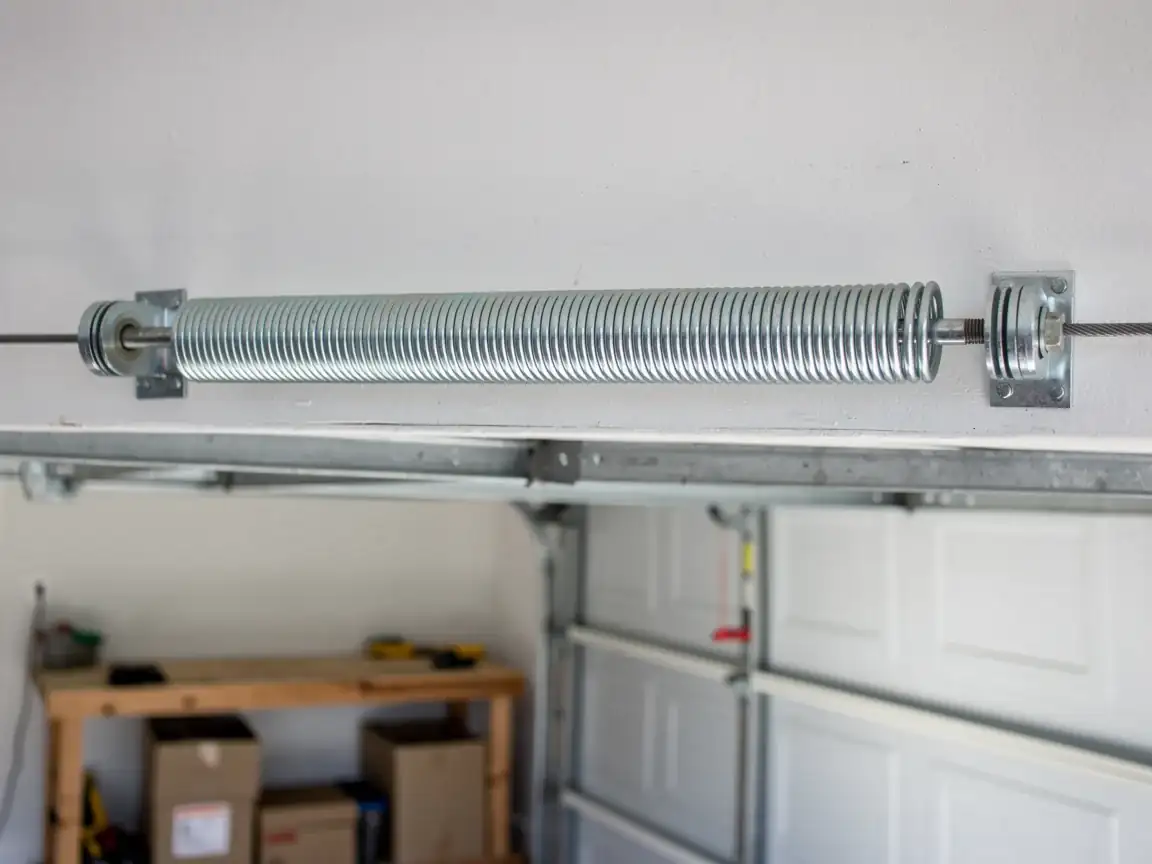
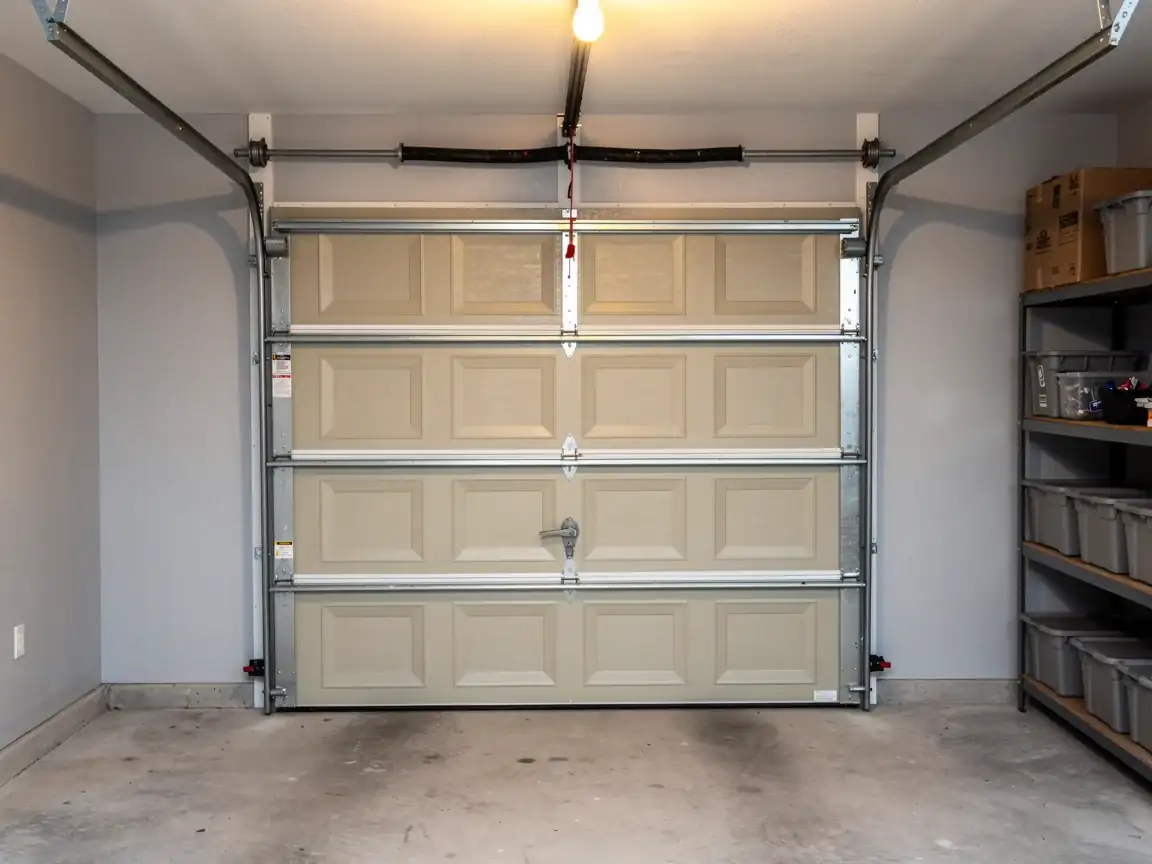
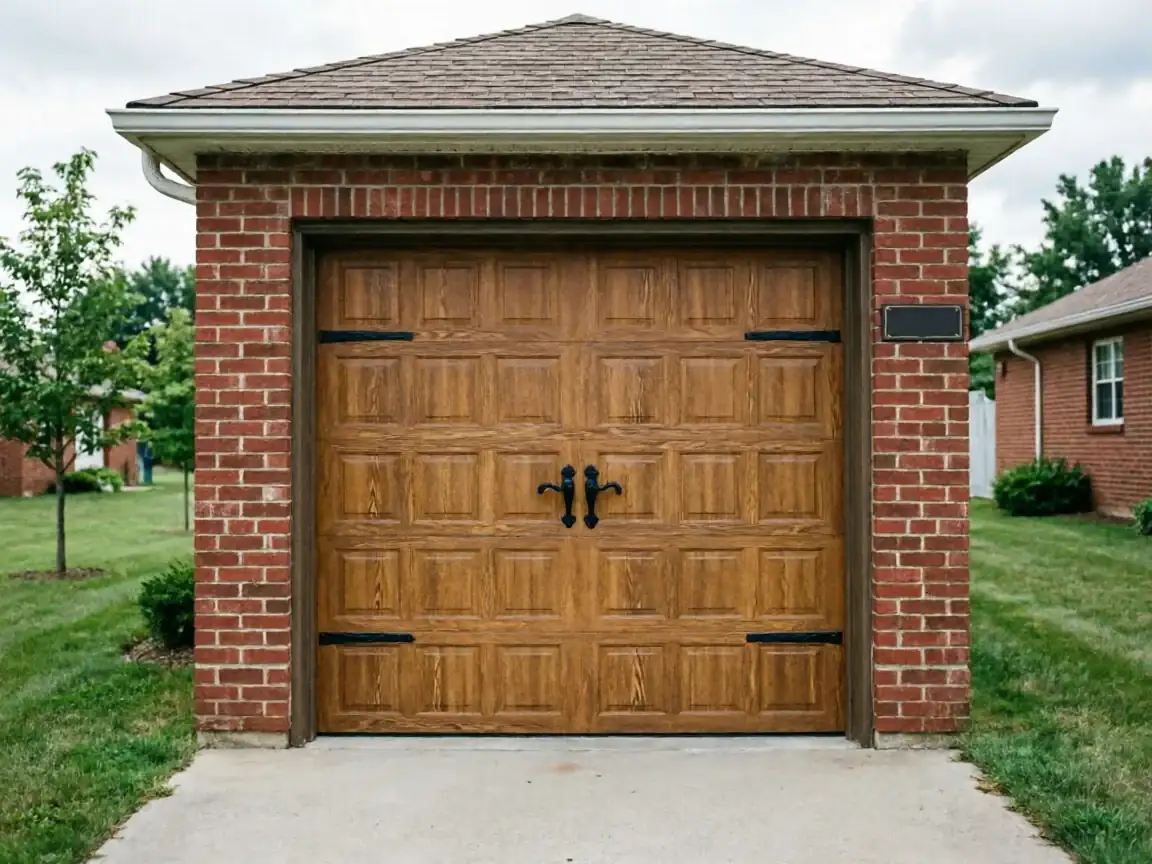
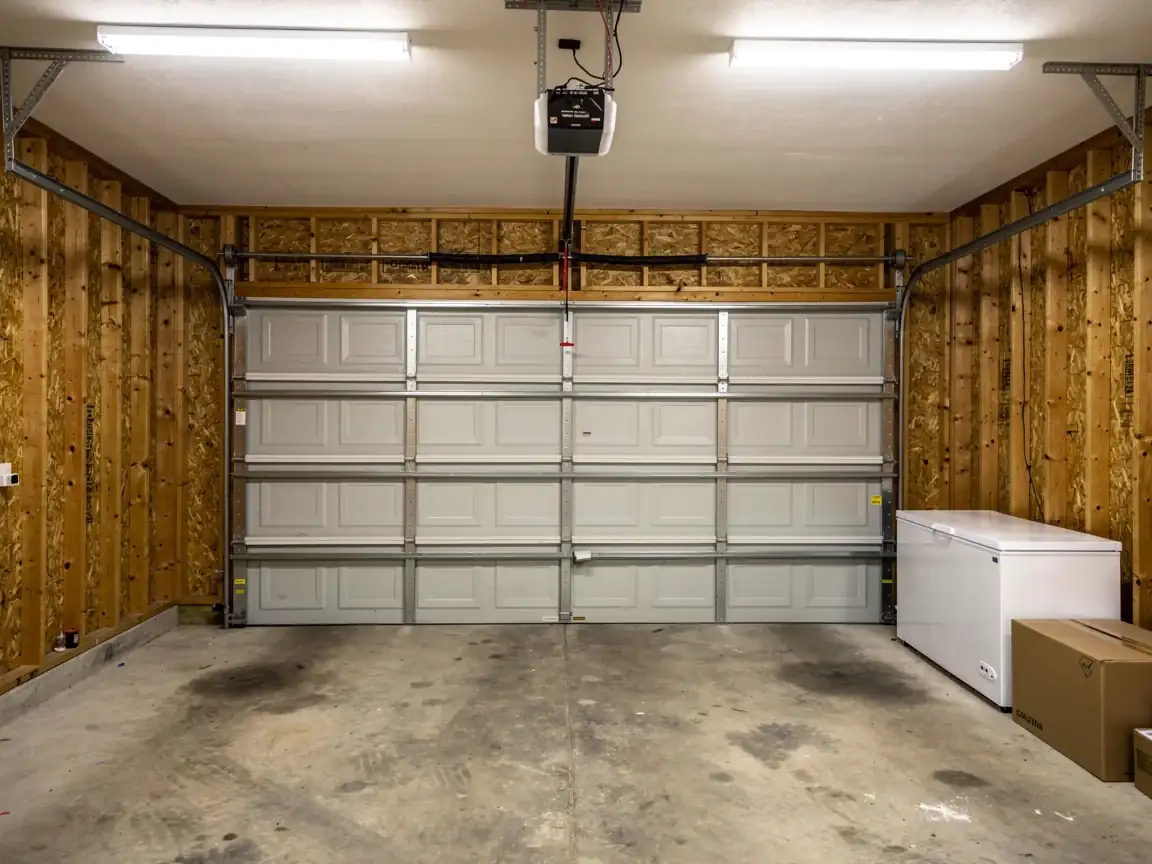
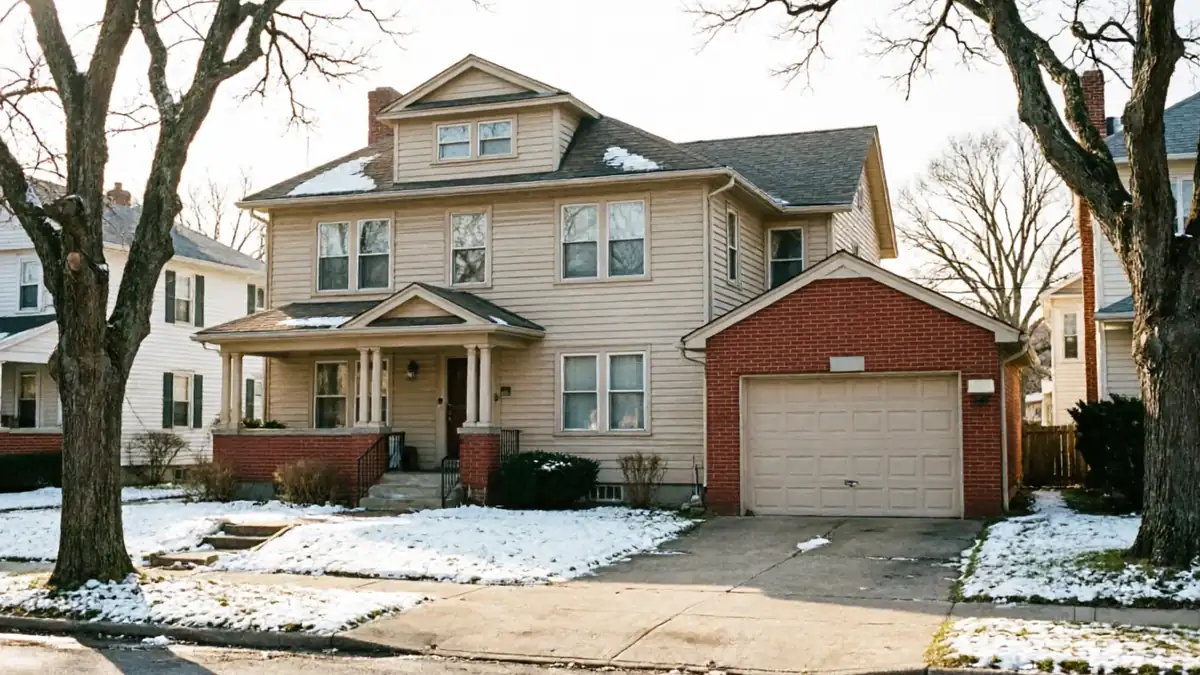
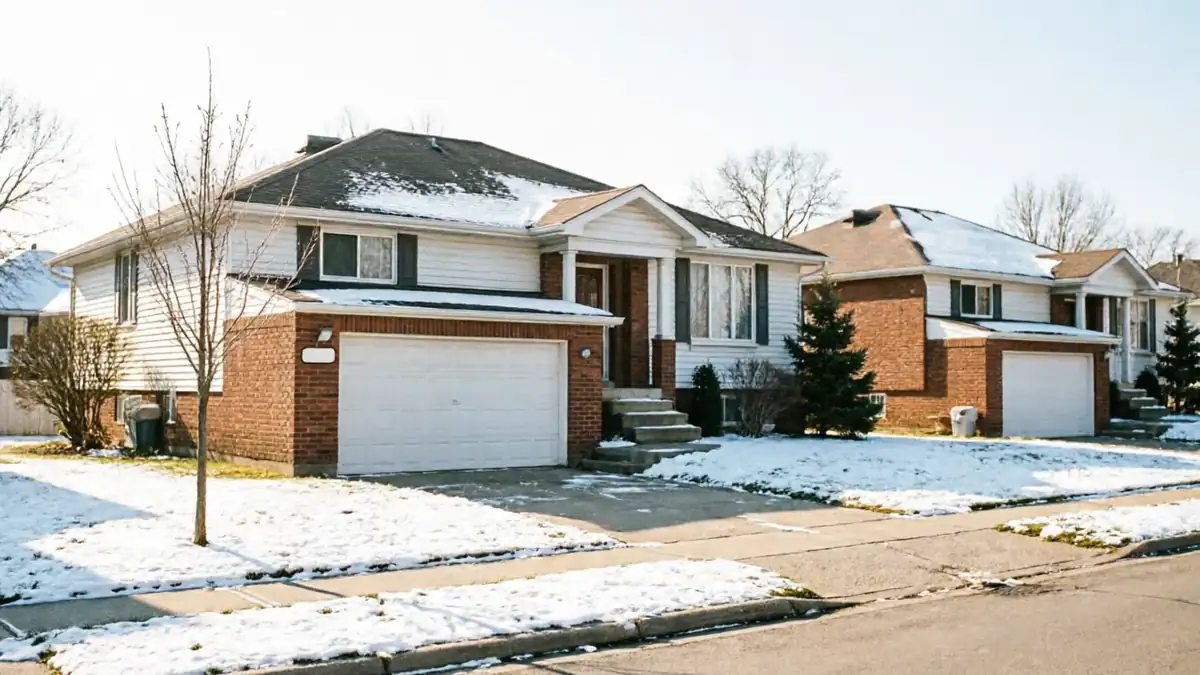
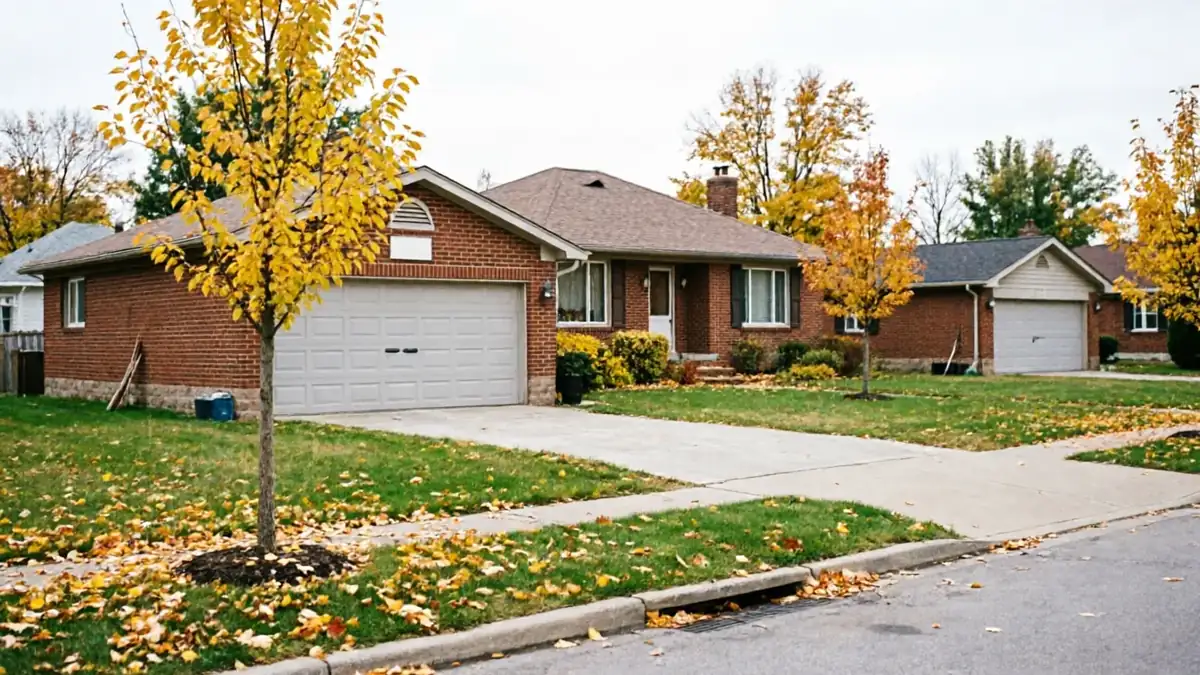
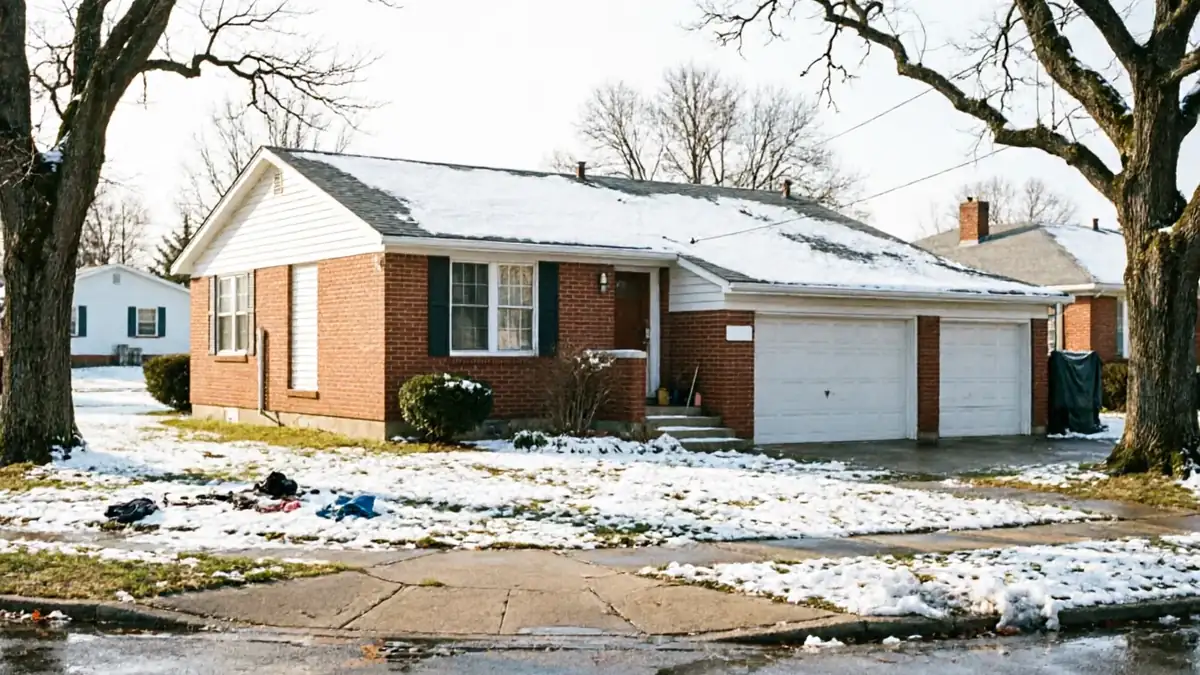
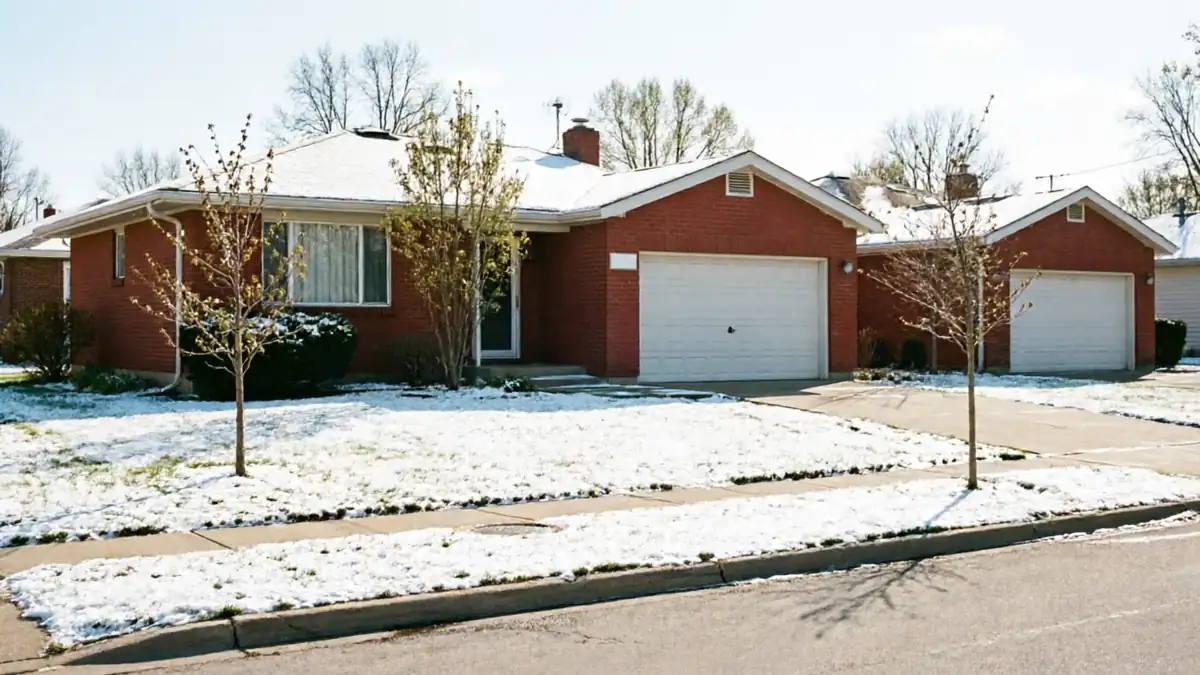
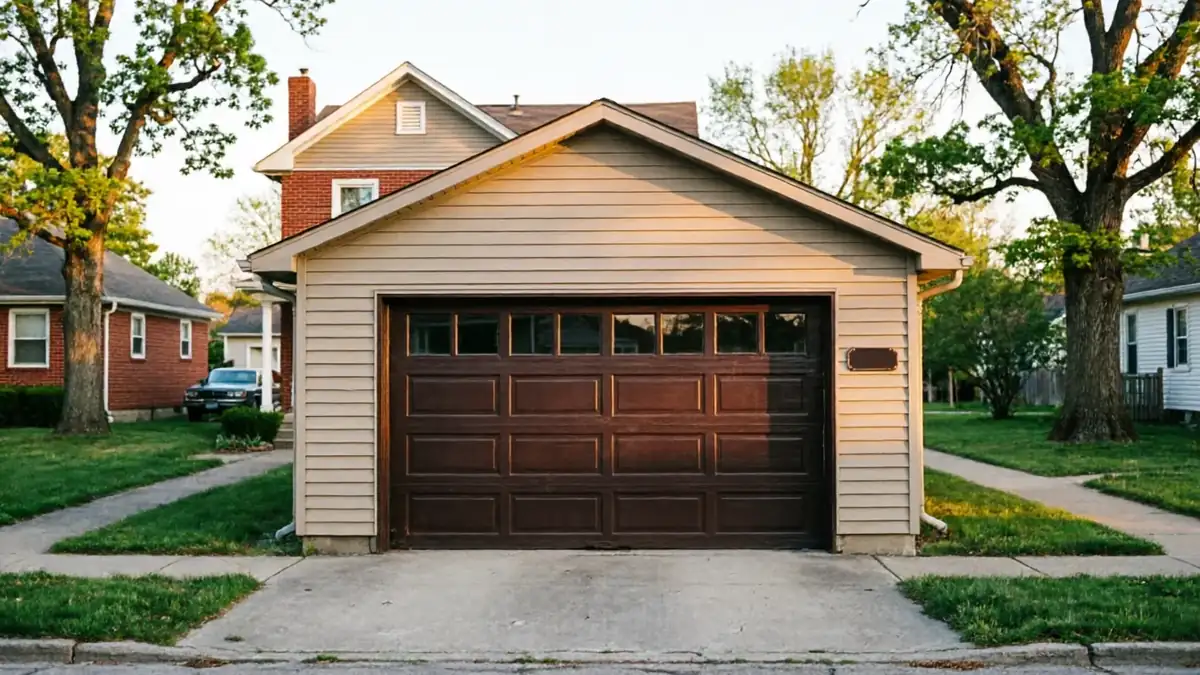
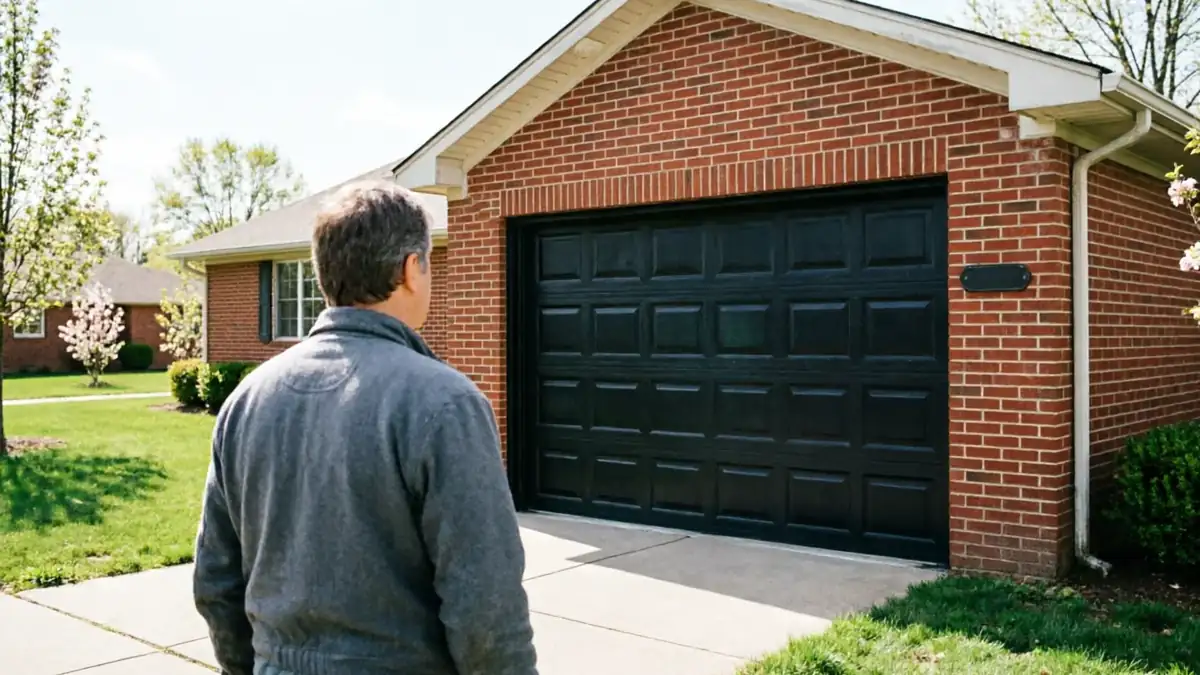
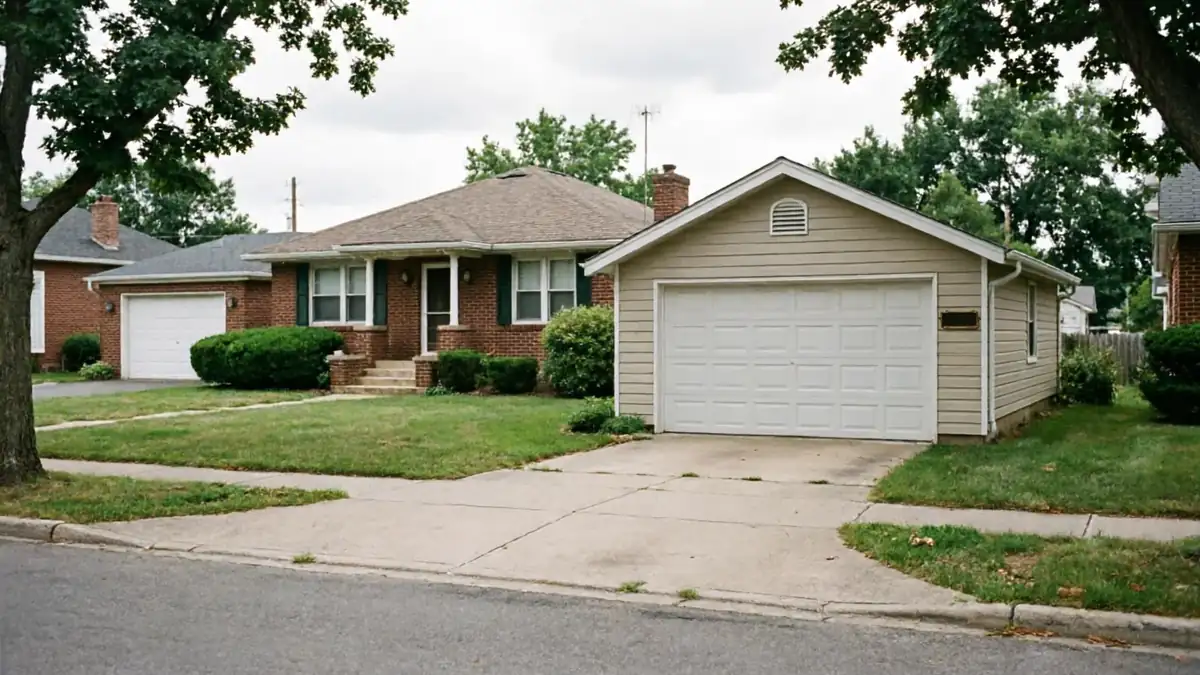
A garage built in 1956 almost never came with torsion spring hardware mounted above the door. That setup didn't become standard in this part of Michigan until new construction picked up in the late 1960s and 70s. What you've likely got instead is an extension spring system - long springs running along the horizontal tracks, with pulleys and safety cables that were often added later, sometimes not well. The door itself, if original, is probably a narrower single panel or an early sectional steel door, not the wide double-car openings common in newer builds elsewhere in the service area. Replacement opener brackets, track radius, and header clearance on these older openings don't always match what comes in a modern retrofit kit off the shelf. We measure before we quote rather than assuming a standard fit, because on a house this age, standard often isn't what's there.
What Neighbours Usually Call About
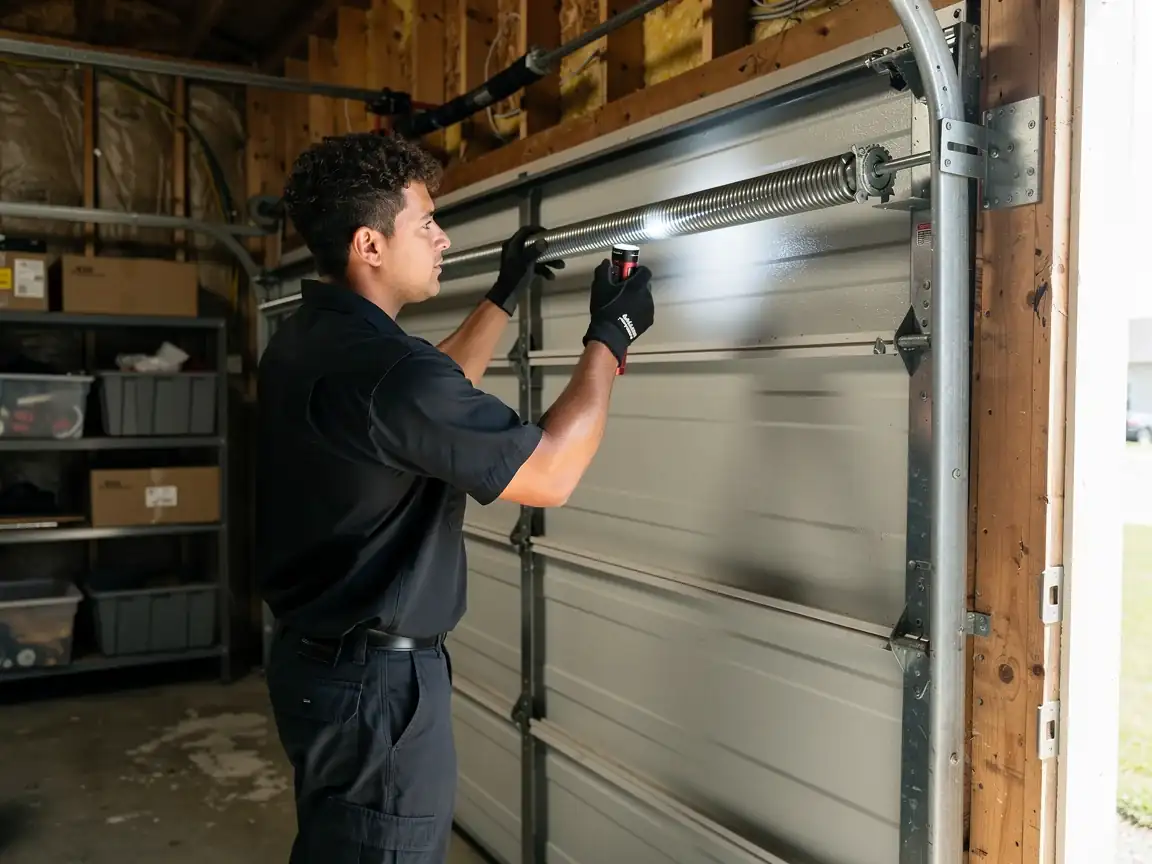
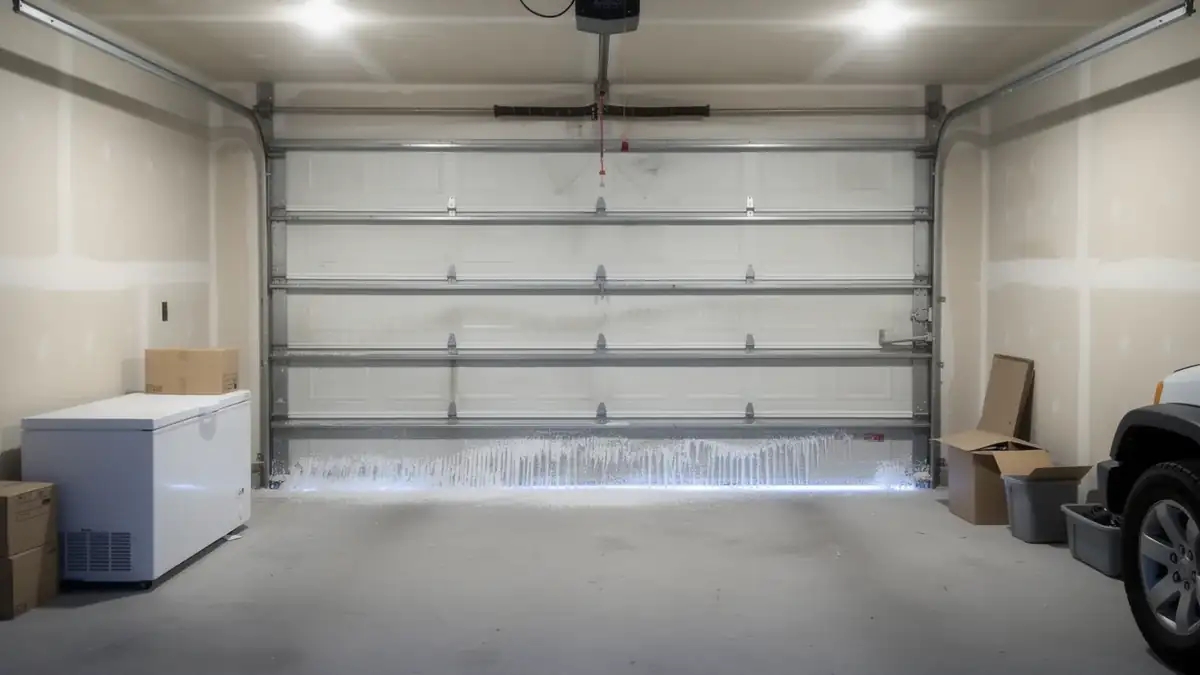
The calls we get from Pinconning lean toward extension spring failure rather than torsion spring snaps, which tracks with the age of the stock. Frayed or ungalvanized cables on older pulley systems are a recurring issue, along with rollers that have worn their tracks oval over sixty-plus years of use. Michigan's cold winters make it worse - a door with aging hardware and a slightly bent track is far more likely to bind or jump the track once ice gets into the rollers and hinges. Opener failures show up too, usually on units installed as a later add-on to a door that was originally manual, where the bracket mounting wasn't built for the load. None of this is unusual for a house from this era. It's just a different repair list than you'd see on a newer door.