What Is Going On
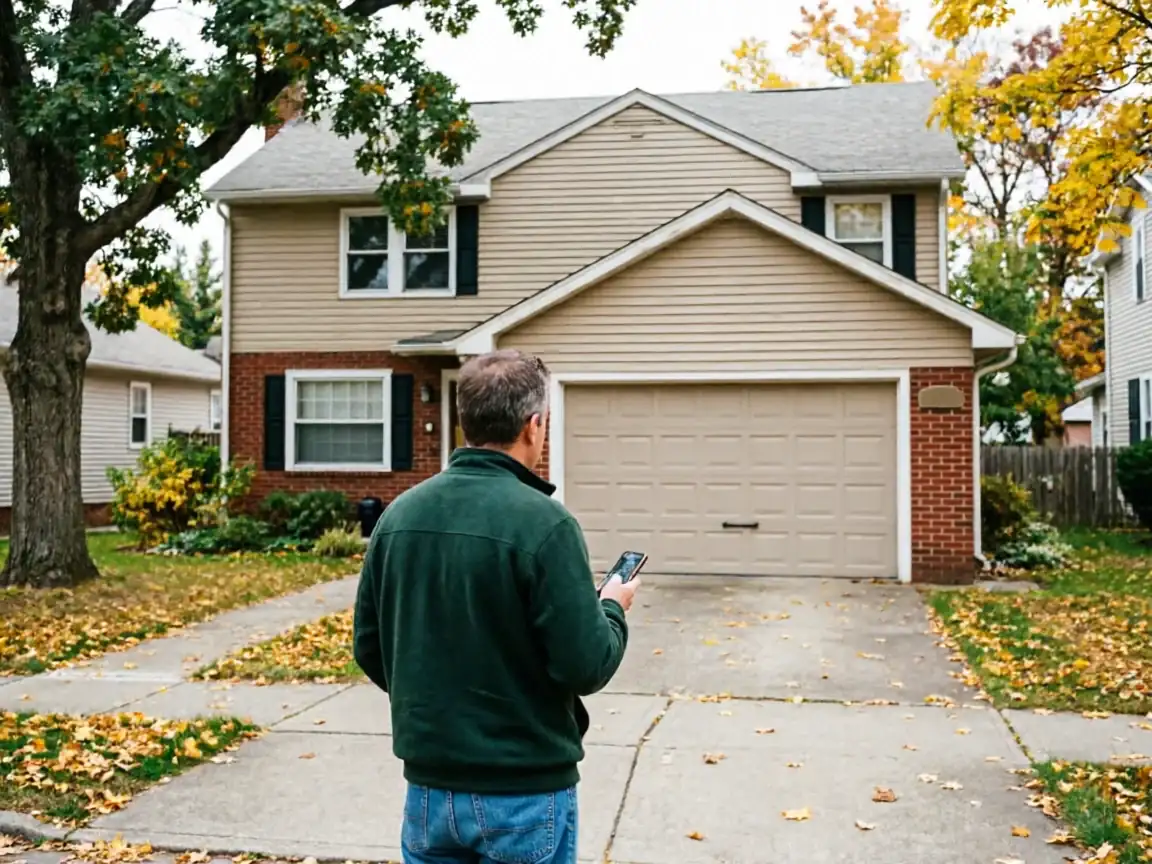
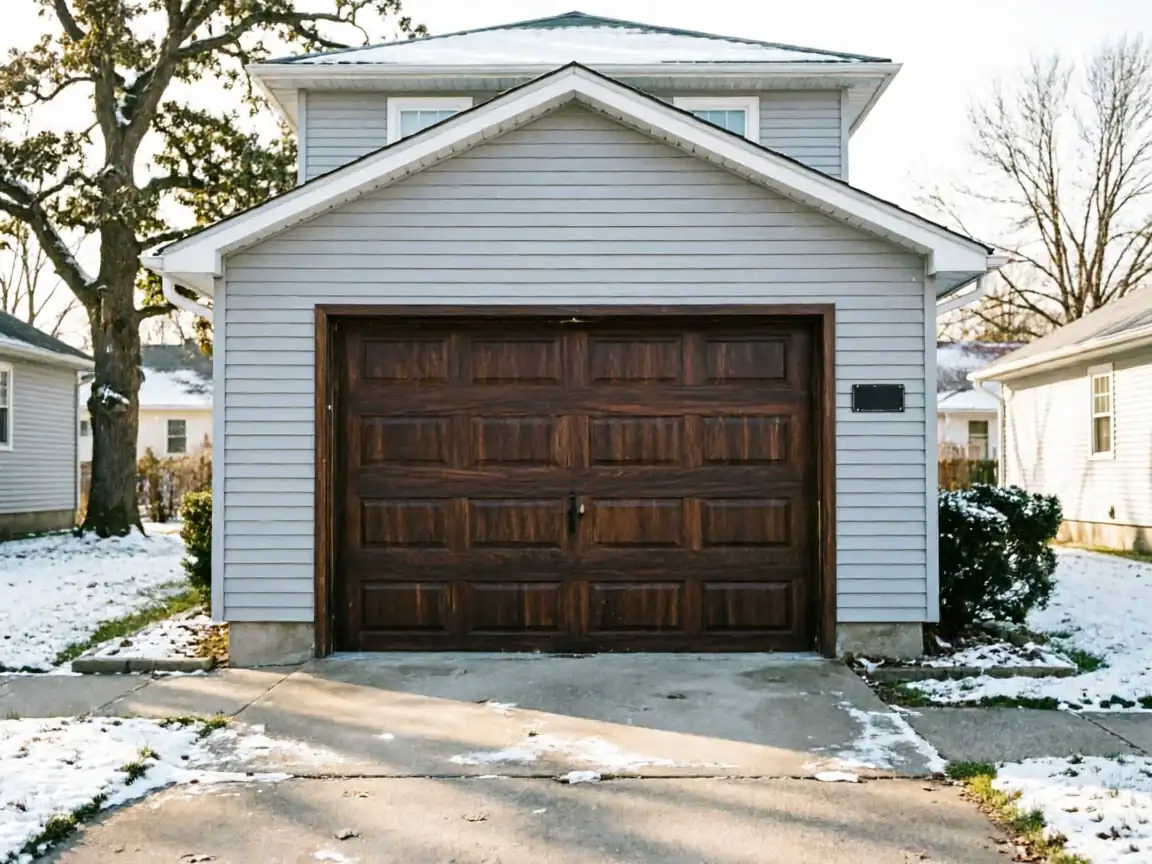
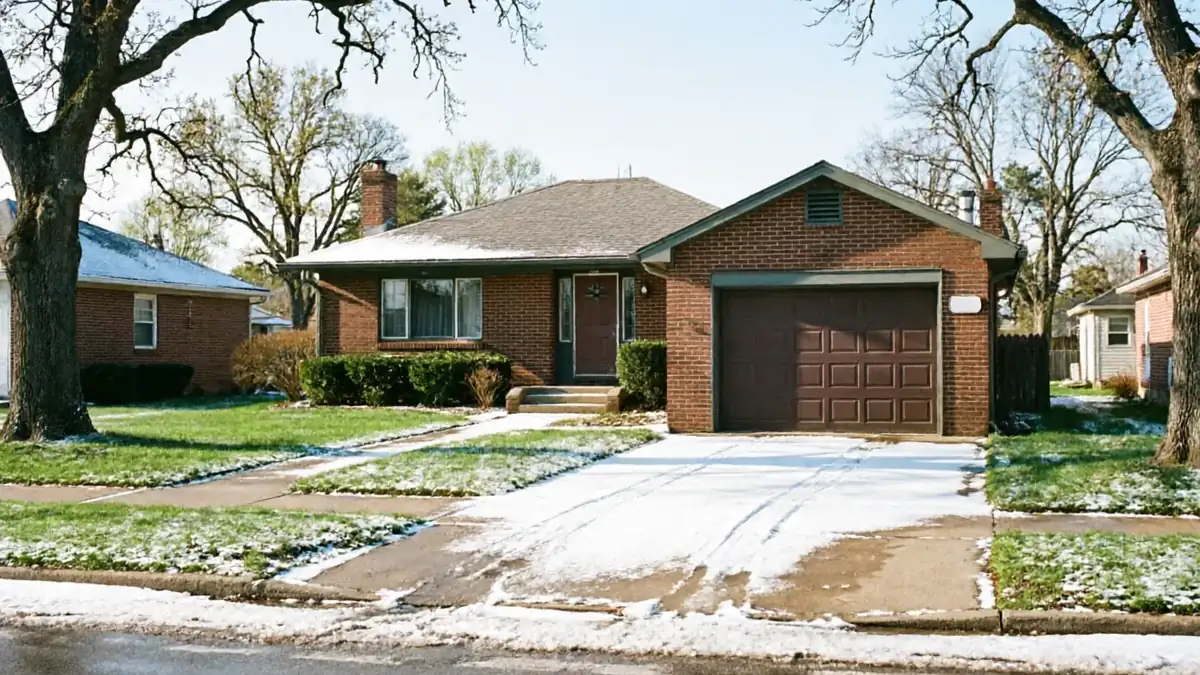
Most of the houses we work on in the Bay City area were built between 1952 and 1994
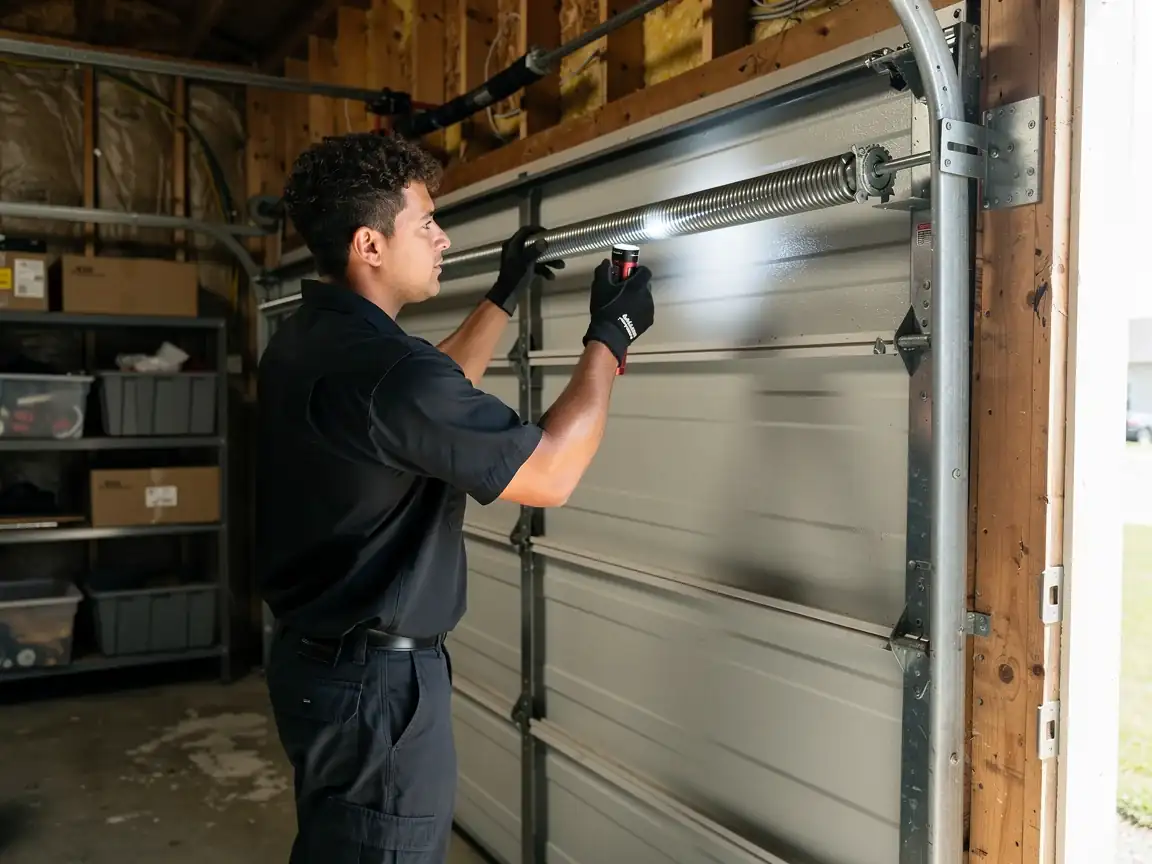
With the typical home going up around 1969. That's not a random detail - it means a huge share of the garage doors we see still carry original torsion spring hardware, now pushing fifty years old. Steel fatigues with every cycle. A spring rated for ten thousand open-and-close cycles doesn't care that it's been quietly doing its job since the Johnson administration; it just keeps counting down.
Across the twelve areas we cover, the housing pattern repeats itself
1960s and 70s construction dominates, which means the springs failing on any given week are usually the same gauge, the same wind, the same age as the ones that failed last week. That's useful for us, because it means we're not guessing at what's likely wrong when a call comes in. It's less useful for the spring, which has no idea it's about to be the next one.
A spring doesn't usually fail because of one bad morning
It fails because decades of small stresses finally add up, and the cold is just the thing that pushes it over the edge on a particular Tuesday.
What the Weather Here Does to It
Bay City sits in a climate band the federal data marks severe cold, and that matters more for a torsion spring than for almost any other part of the door. Steel loses flexibility as it gets colder - not permanently, but enough that a spring already near the end of its life has less give to absorb the shock of a cold start. The spring is under full tension whether the door is open or shut, every hour of every winter night, and cold steel under constant load is simply more brittle than warm steel under the same load.
This is why the failures cluster: not evenly through the year, but hard against the first real cold snap and again through the coldest stretch of winter. A spring that would have had another season left in a milder climate gives out here instead, because the temperature swing is doing extra work on metal that was already tired.
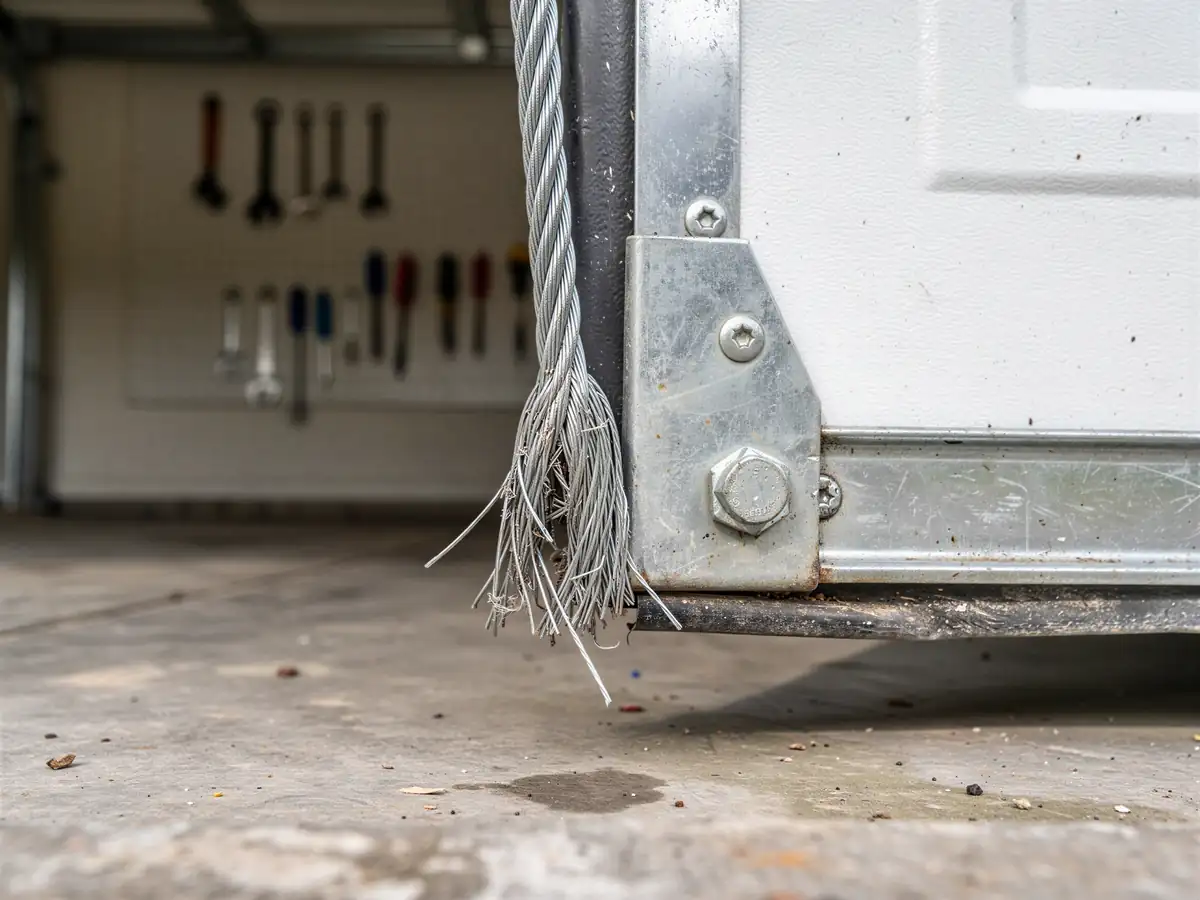
It also means a spring that breaks in January tends to break completely - snapping rather than slowly stretching - which is part of why a cold-weather break is often louder, and scarier, than a summer one. The door drops fast, and the cable can come off the drum.
What It Costs
We're not going to put a number here we can't back up, and a blanket price for spring replacement would be guessing - the real cost depends on the door's weight, whether it's a single or double, and what the spring size actually needs to be, which we measure on site rather than quote over the phone.
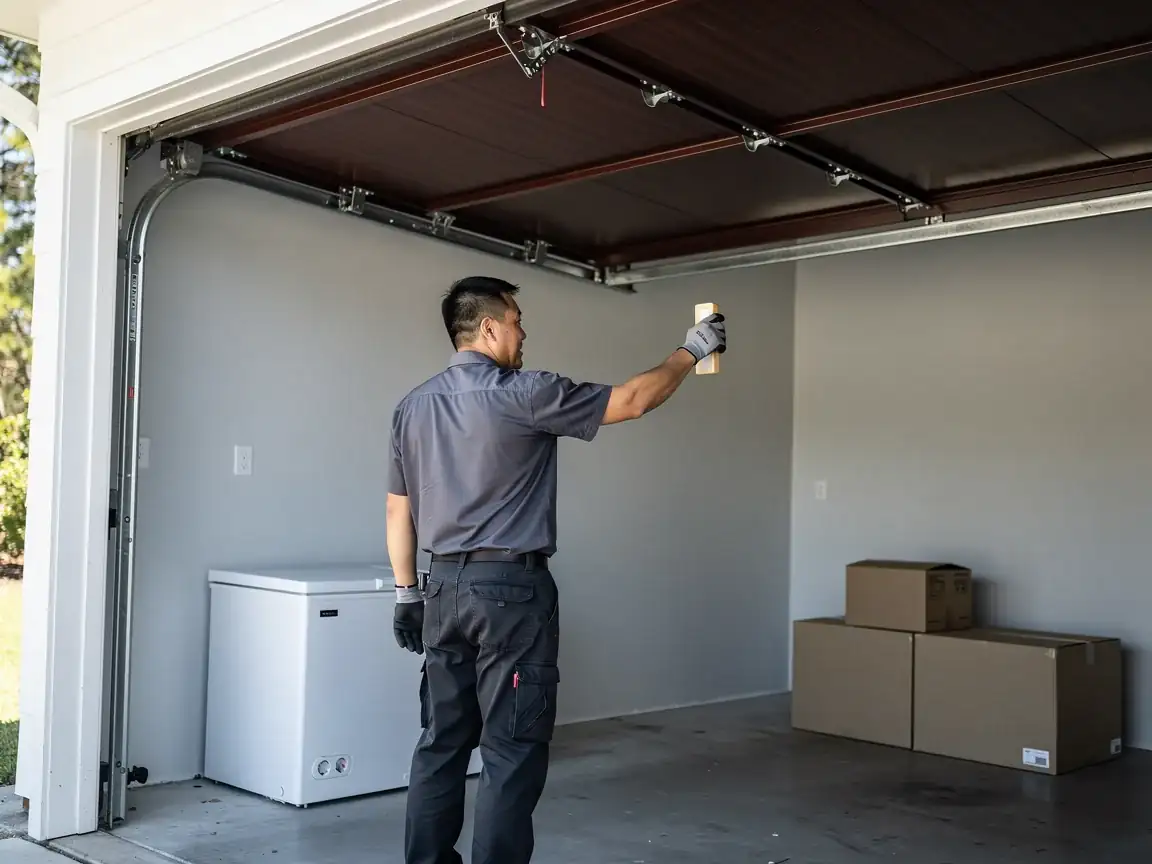
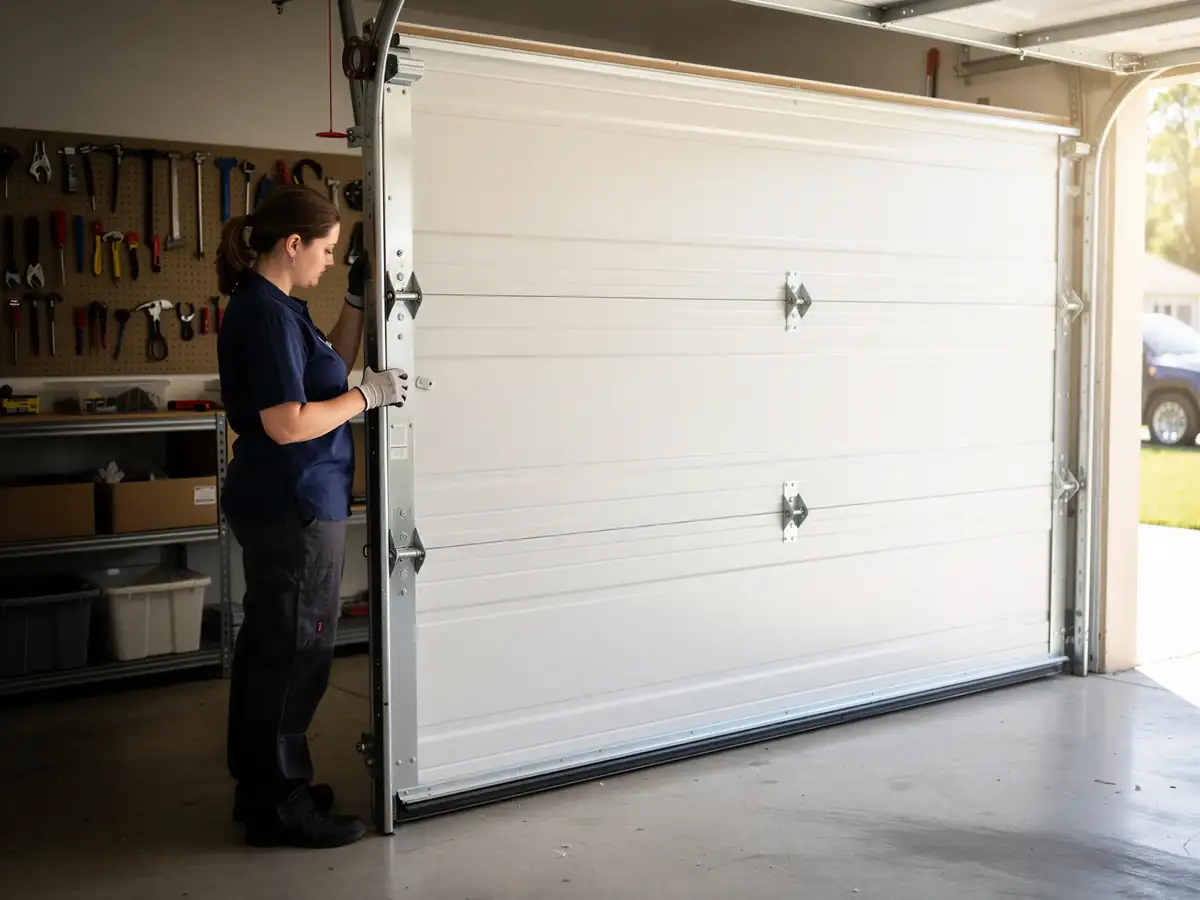
What we can say is that the housing stock in this area - built mostly 1952 through 1994 - means a fair number of doors still use spring sizes and mounting setups that aren't what a big-box store stocks. Matching the original torsion setup, rather than swapping in whatever's on the shelf, sometimes adds time to the job even if it doesn't change the basic repair.
With a median household income of $72,558 across the service area, most of the calls we get are from owners weighing a repair against a full door replacement, especially on a door that's already near the end of its working life. That's a real conversation, not a sales pitch, and it's one we have honestly before any work starts, not after.
Where People Go Wrong
The most common mistake we see is an owner grabbing a replacement spring that's the wrong size for the door
Because the hardware stores nearby stock what fits newer construction, not what fits a door hung in 1969. A spring that's slightly under-rated for the door's actual weight will wind down fast, sometimes within a season, and it puts more strain on the opener in the meantime.
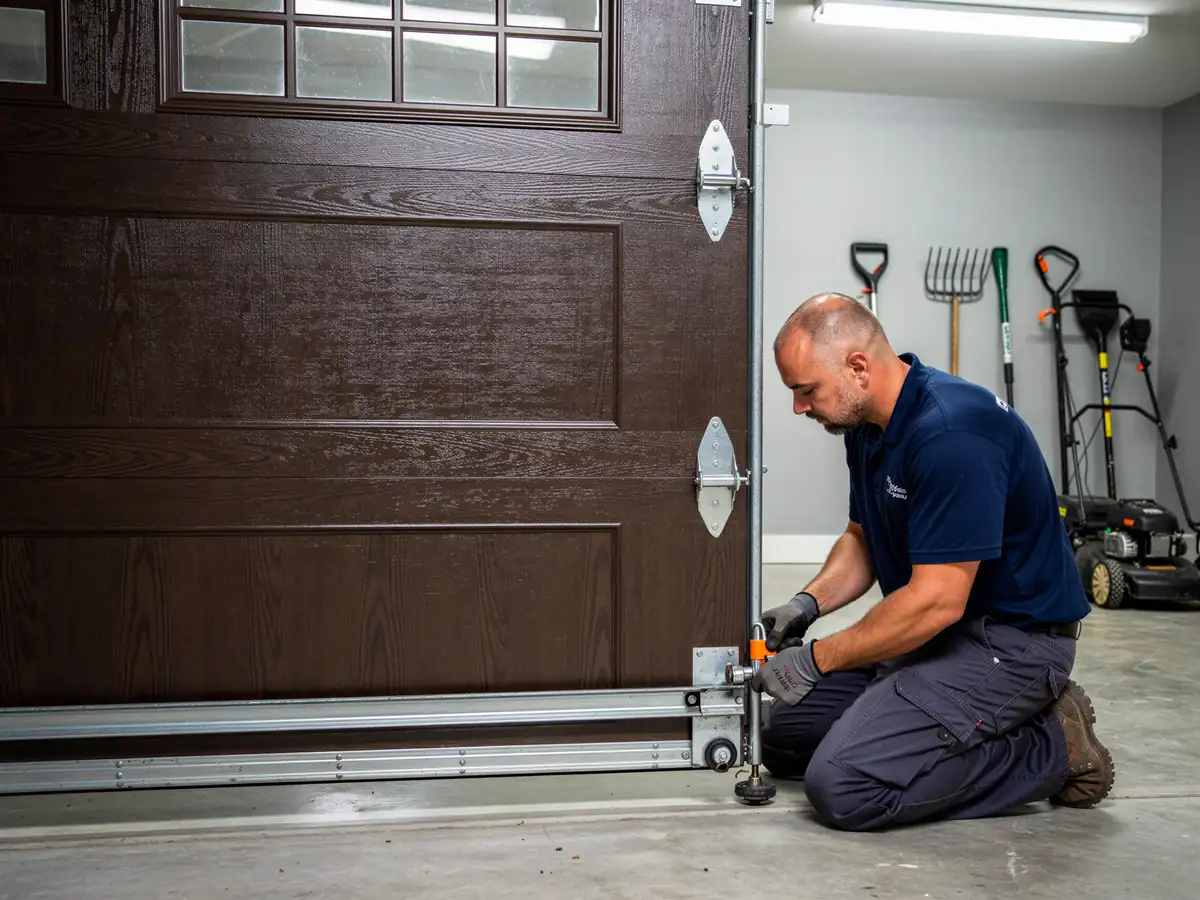
The second mistake is winding a torsion spring at all without the right bars and without understanding how much force is stored in it
A broken spring under tension, or one being rewound, can take a hand off or worse. This isn't a job we'd talk a homeowner through over the phone, and we won't pretend otherwise.
The third is waiting
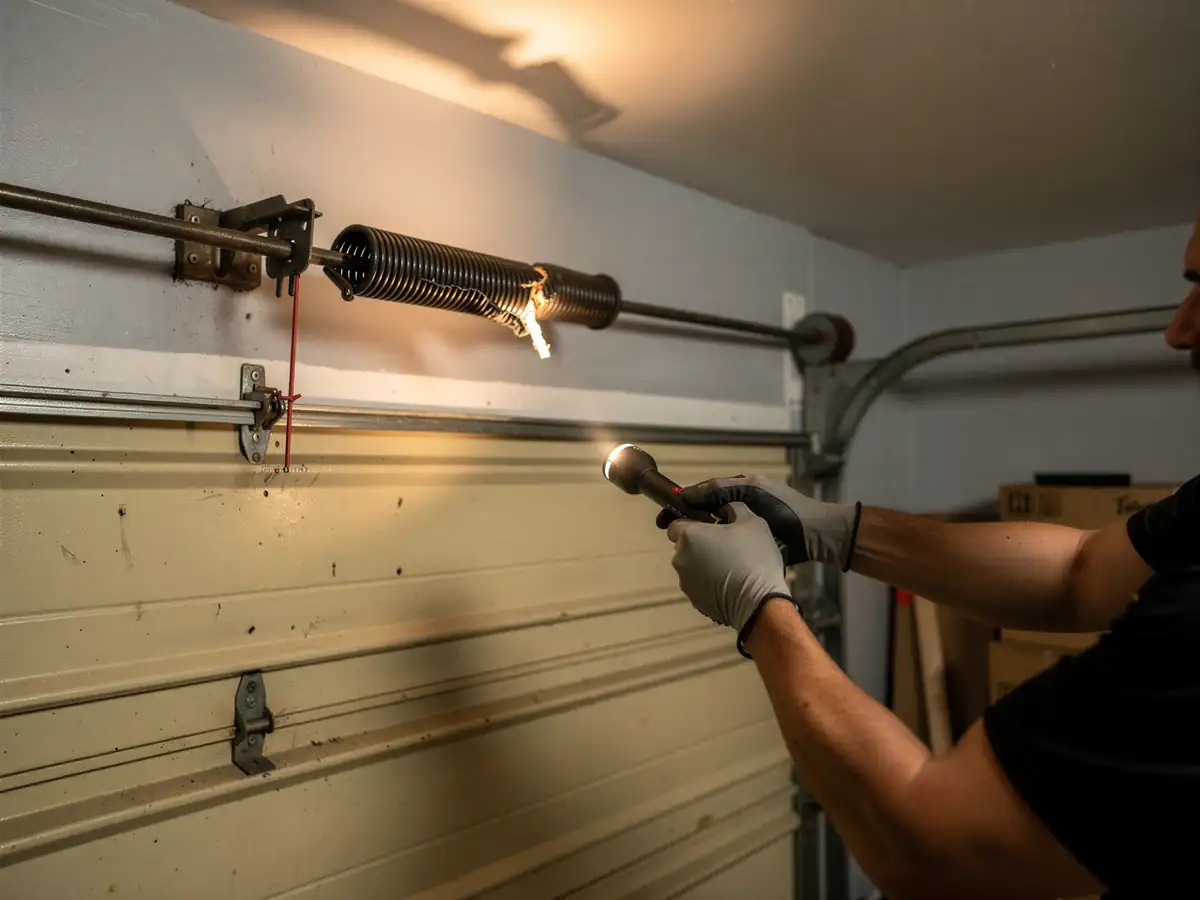
A spring that's visibly stretched or has a gap in a coil in November is a spring that's very likely to go in the first hard cold stretch, and replacing it before the break means an open door instead of a stuck one, and no cable or track damage from a sudden drop.