What Is Going On
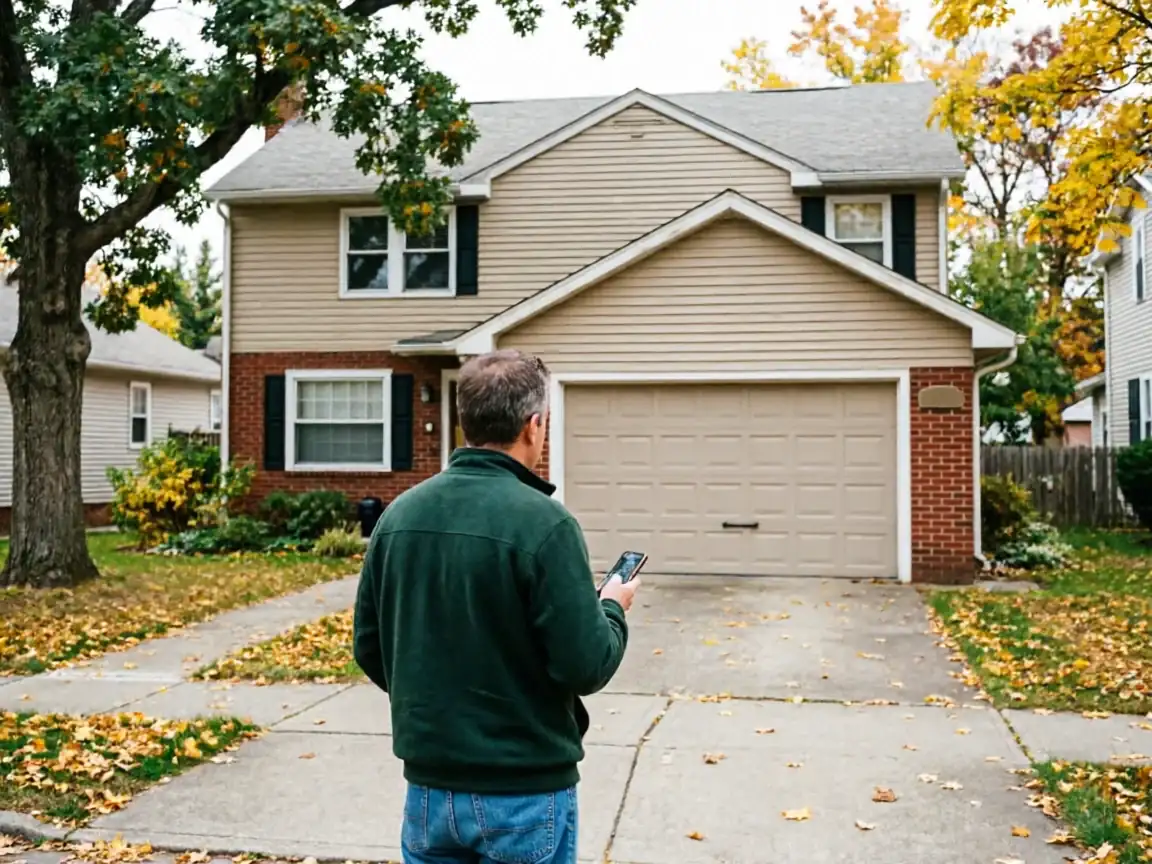
Most houses across Bay City's twelve neighborhoods went up between 1952 and 1994
With the typical build year sitting around 1969. That means a lot of garage doors in this town are either original to the house or a straight swap-in replacement from decades back - steel panel doors with extension springs, sometimes a torsion setup bolted onto framing that was never built for it. When one of these doors starts binding or sagging, the question isn't "is it old" - almost all of them are. The question is whether the track, the panels, and the opener mount are still square and sound, or whether the house has settled enough that nothing lines up anymore.
A door from that era is often simpler to work on than it looks
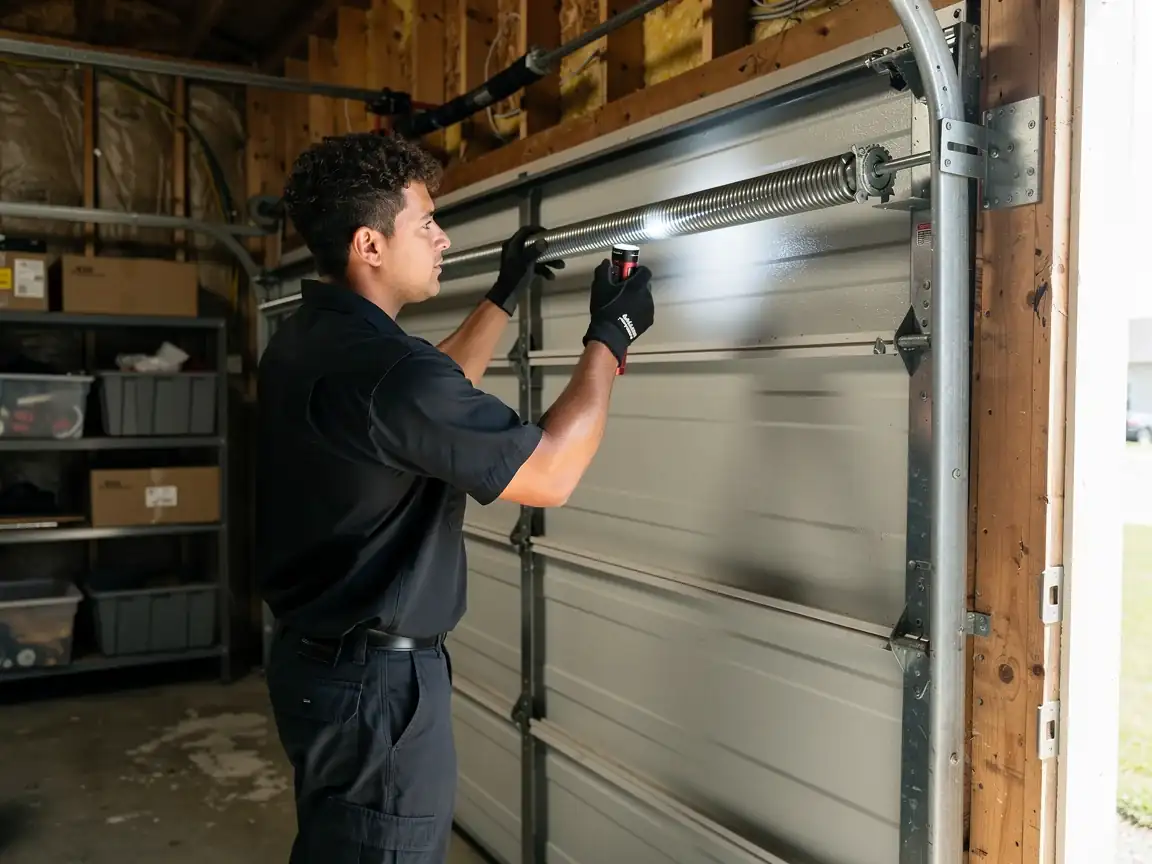
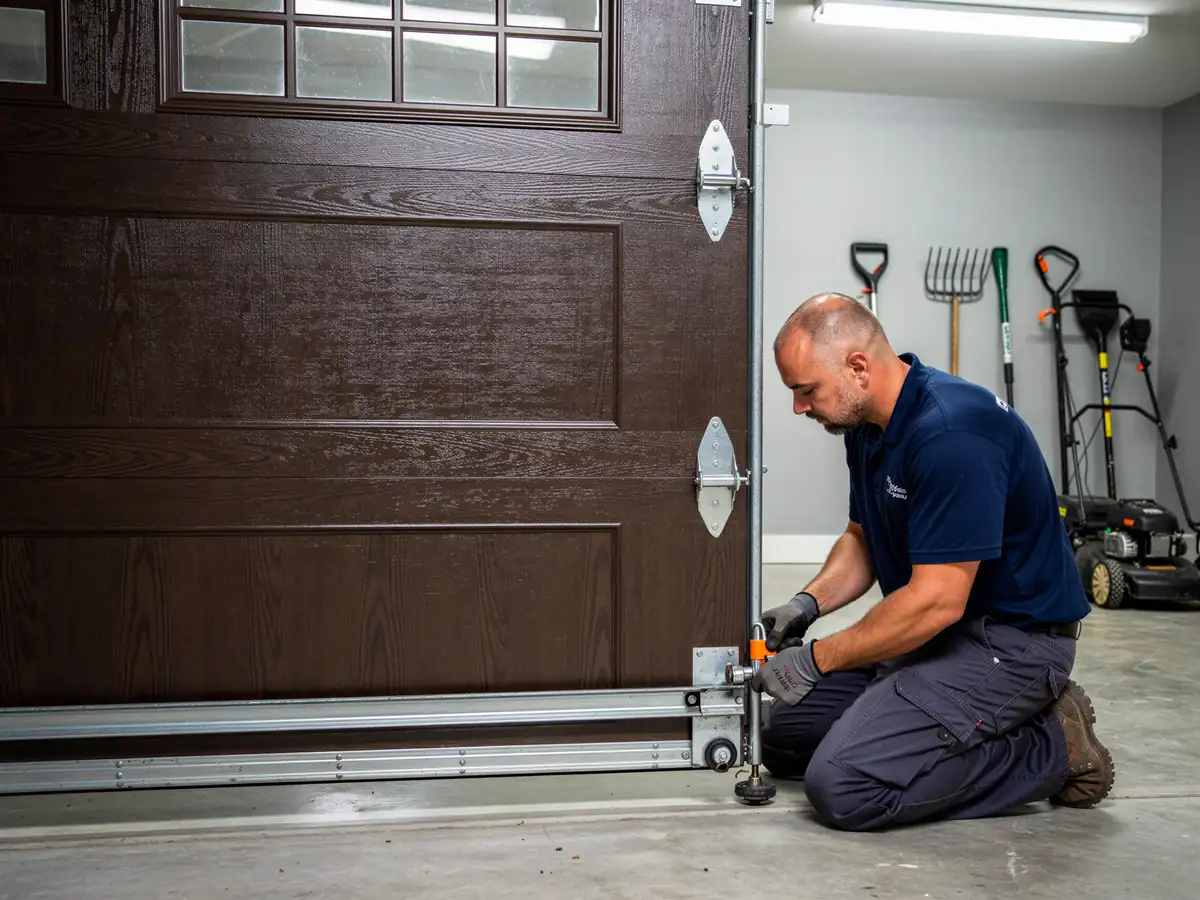
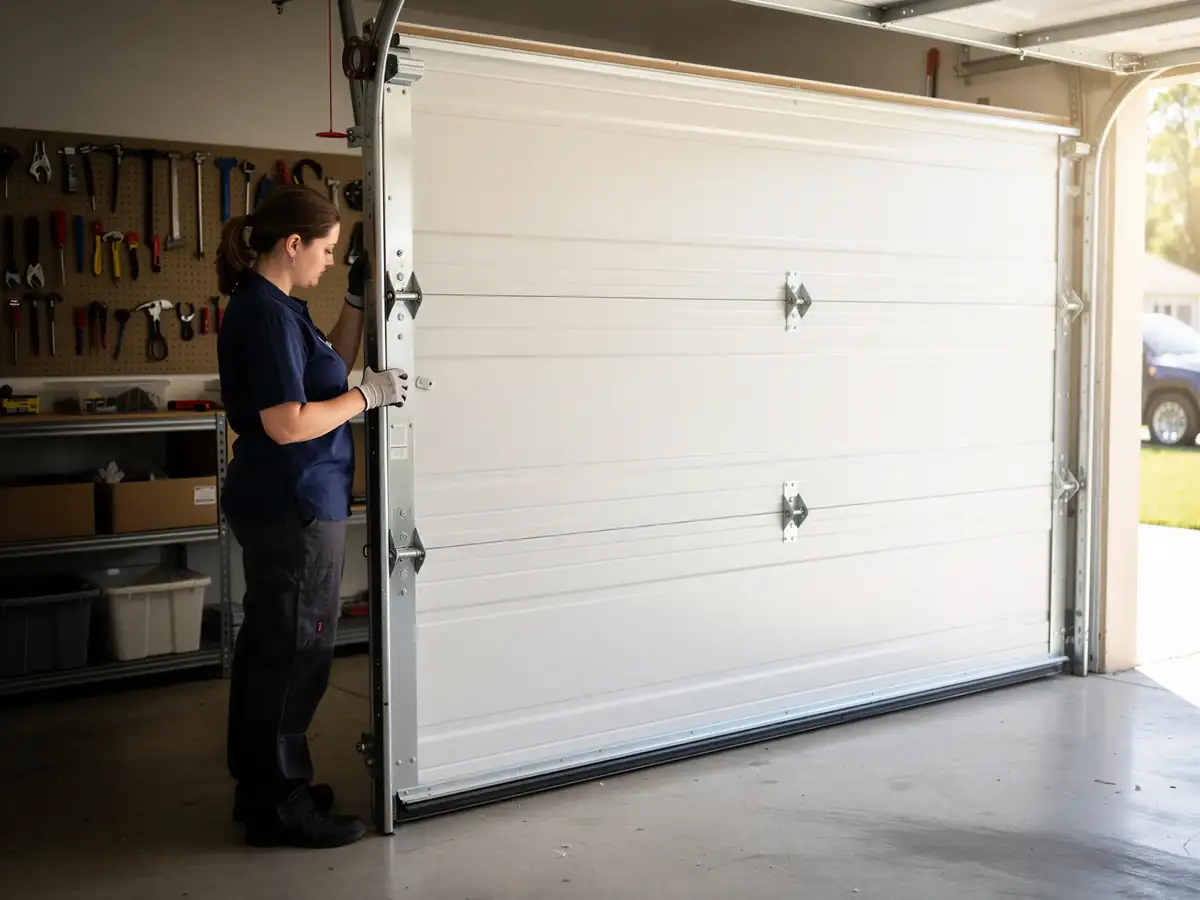
Single-layer steel, basic hardware, no circuit boards to chase. If the panels aren't rusted through and the frame is still square, a spring swap or a track adjustment usually gets another decade out of it. If the bottom panel has gone soft from years of melting snow sitting against it, or the track has been bent and re-bent, that's a different conversation.
What the Weather Here Does to It
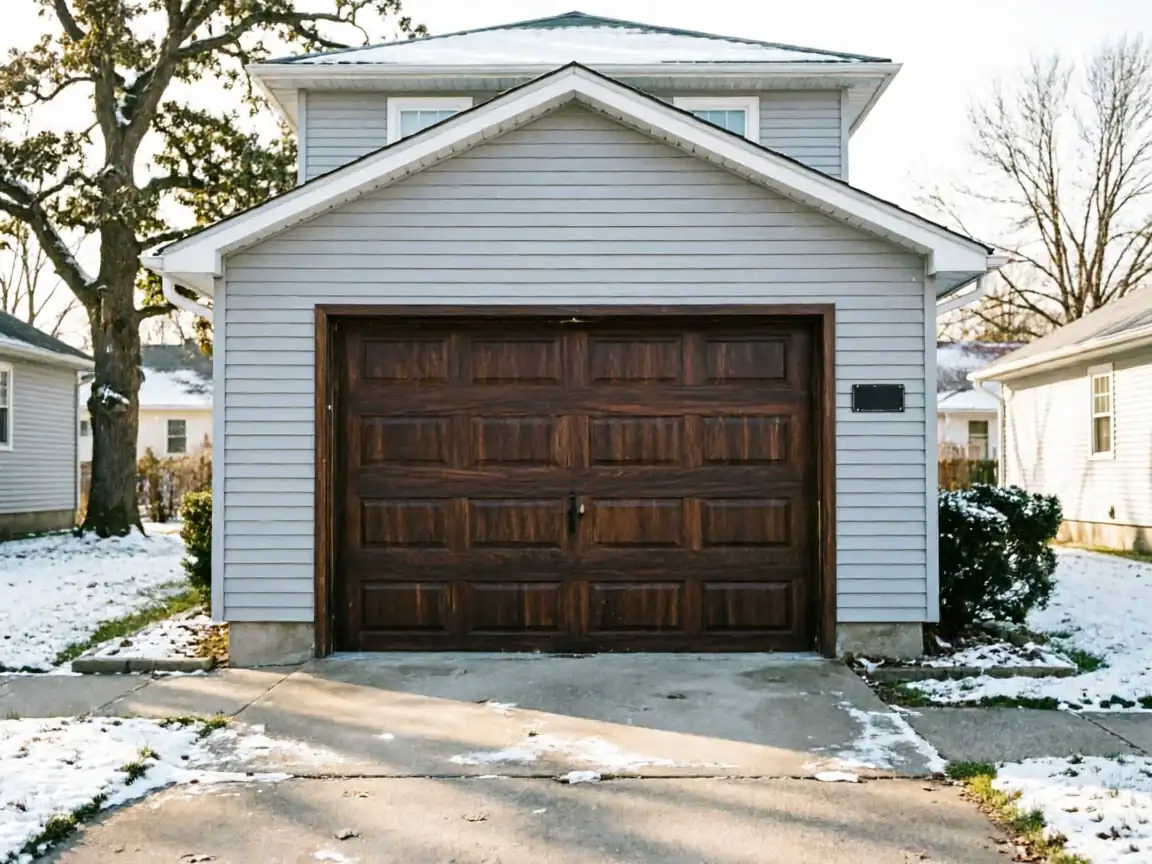
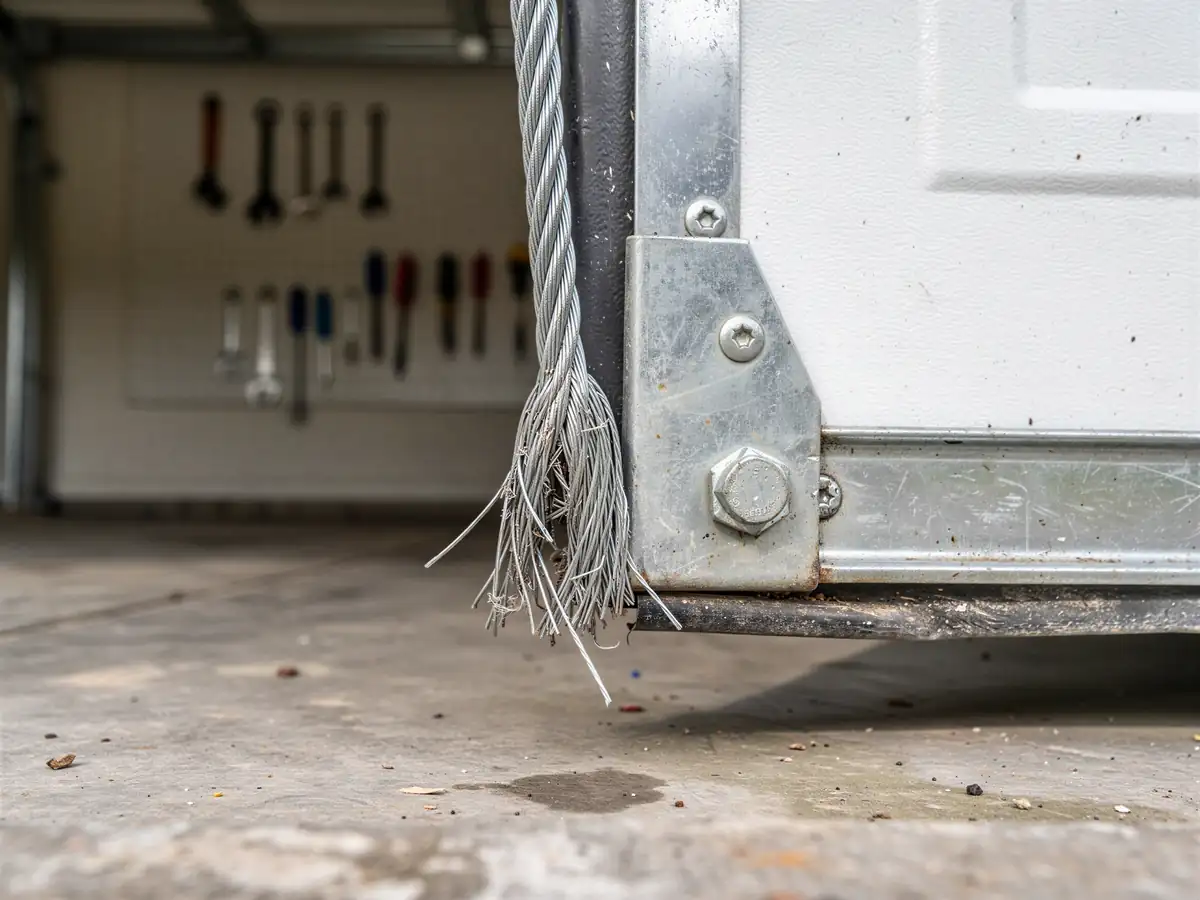
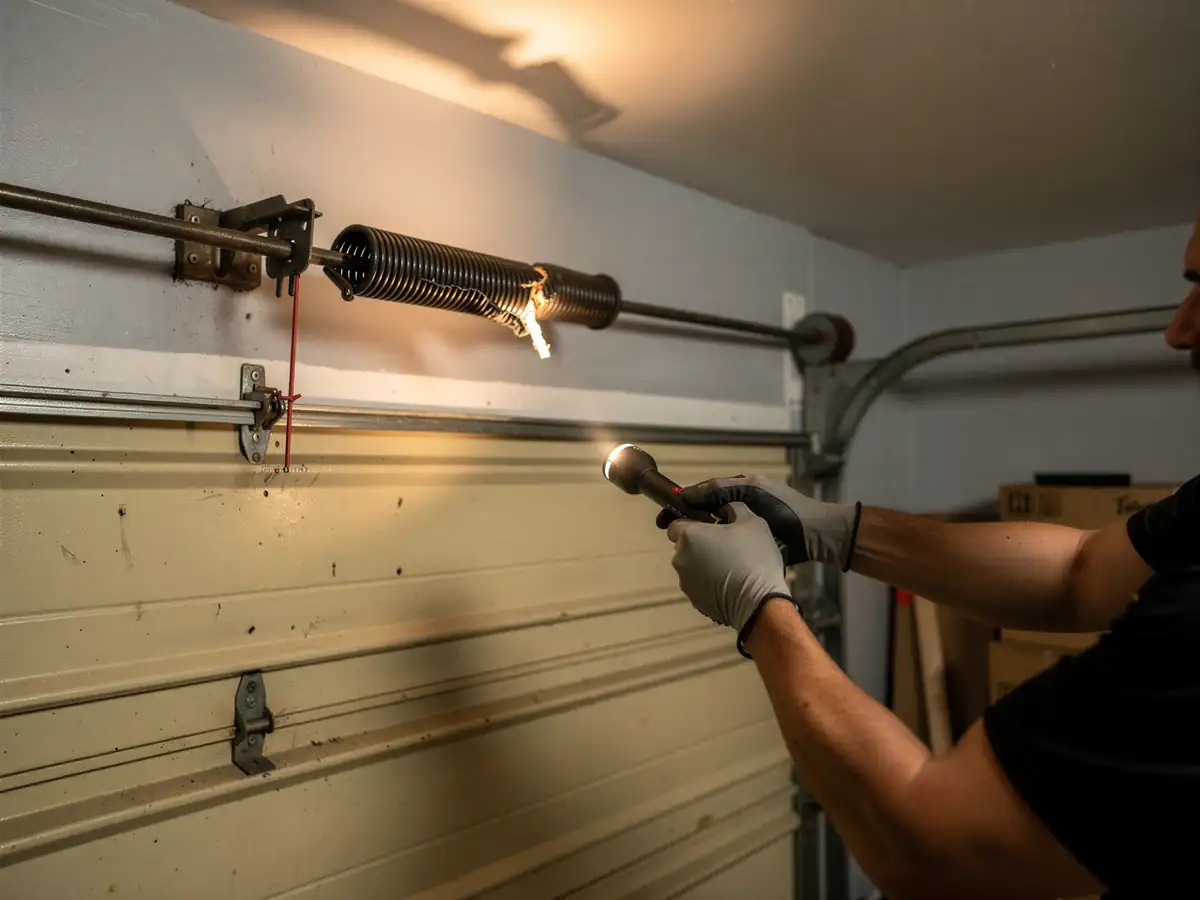
Bay City sits in a severe cold climate band, and that matters more to a garage door than almost anything else about it. Freeze-thaw cycles work on anything metal that moves - tracks pull slightly out of alignment as the slab heaves and settles each winter, and by March a door that worked fine in October is grinding on one side. Steel contracts in deep cold, which tightens tolerances on hardware that's already 40 or 50 years old, and that's usually when a stressed spring finally lets go - not in July, in February.
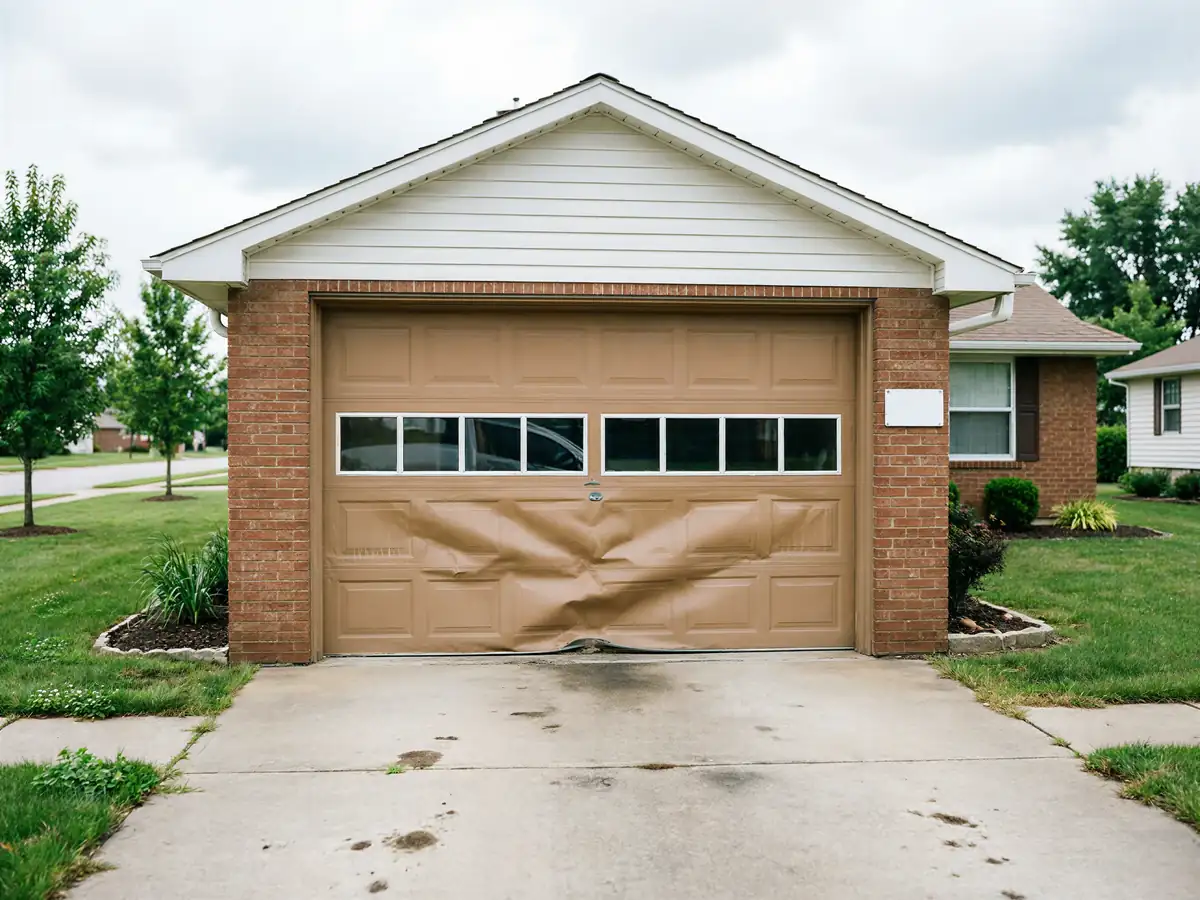
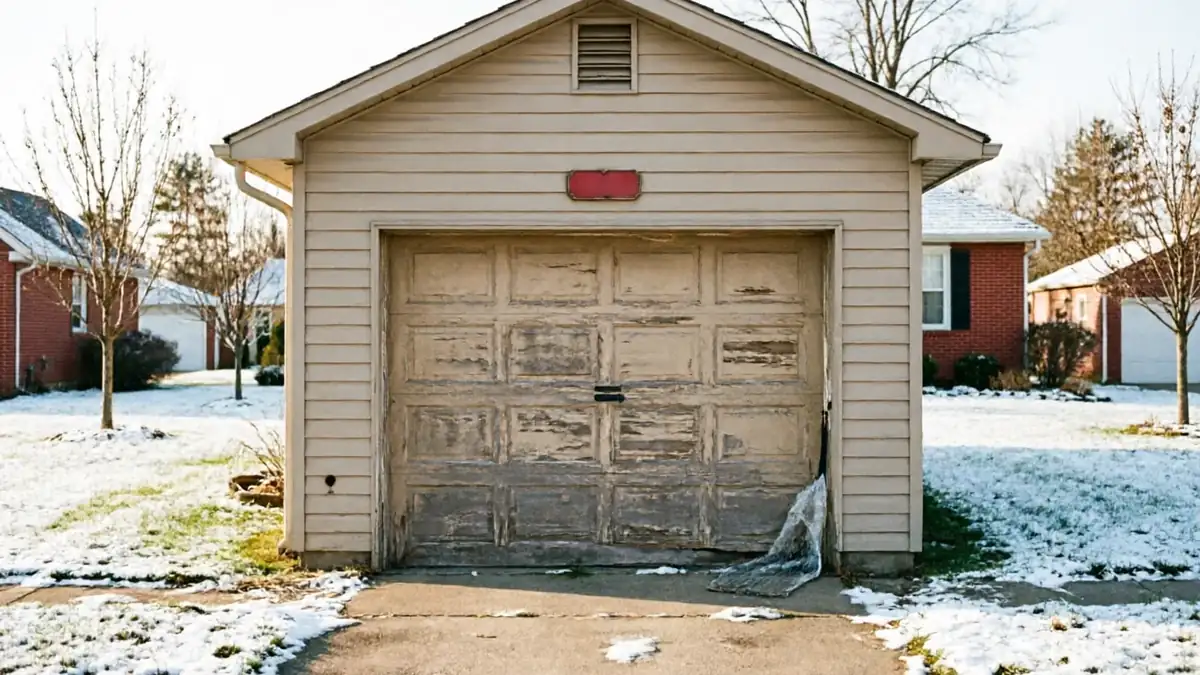
Moisture is the other half of it. Snowmelt and road salt sit at the base of the door through a long winter, and on doors built in the 1960s and 70s, that bottom panel is the first thing to rust out from the inside. We see it most on doors that face north or sit low to grade. None of this means replace the door automatically - it means the bottom panel and the track alignment are the two things worth checking before you decide anything else.
What It Costs
We're not going to put a number here that doesn't hold up once we're standing in front of your door - too much depends on whether it's a single spring or a pair, whether the track needs replacing or just resetting, and whether the opener is original or already swapped once. What we can tell you is how to think about it. Bay City's median household income is around $72,558, and for most owners here, a spring replacement or hardware repair is a reasonable expense while a full door replacement is a bigger decision that gets weighed against the rest of the house.
Given how much of the housing stock here dates to the 1952-1994 range, a full tear-out and replacement is sometimes the right call simply because the door is the same age as the roof and the furnace - everything on the house is due at once. But plenty of doors from that era have good bones under a rough-looking surface, and spending on a repair for those is money well spent, not money delayed.
Where People Go Wrong
The most common mistake we see in this town is replacing a spring without checking the track alignment underneath it
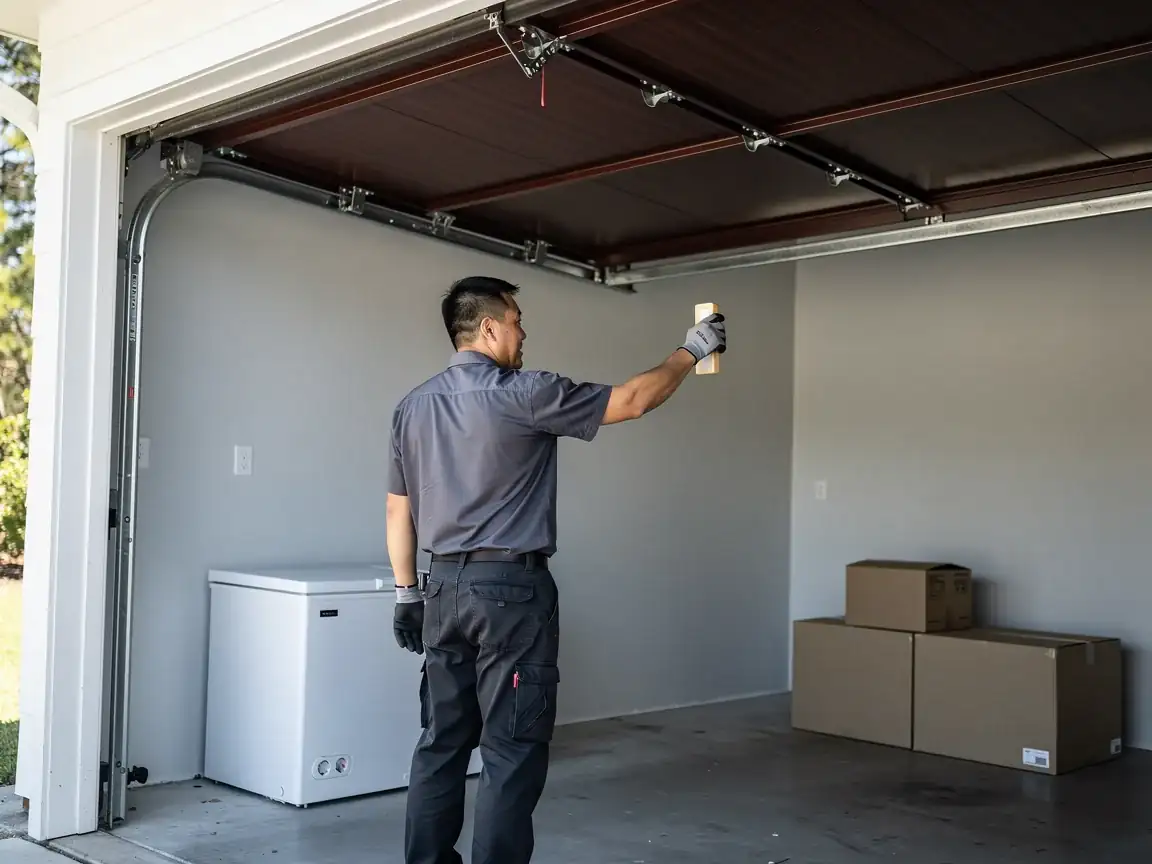
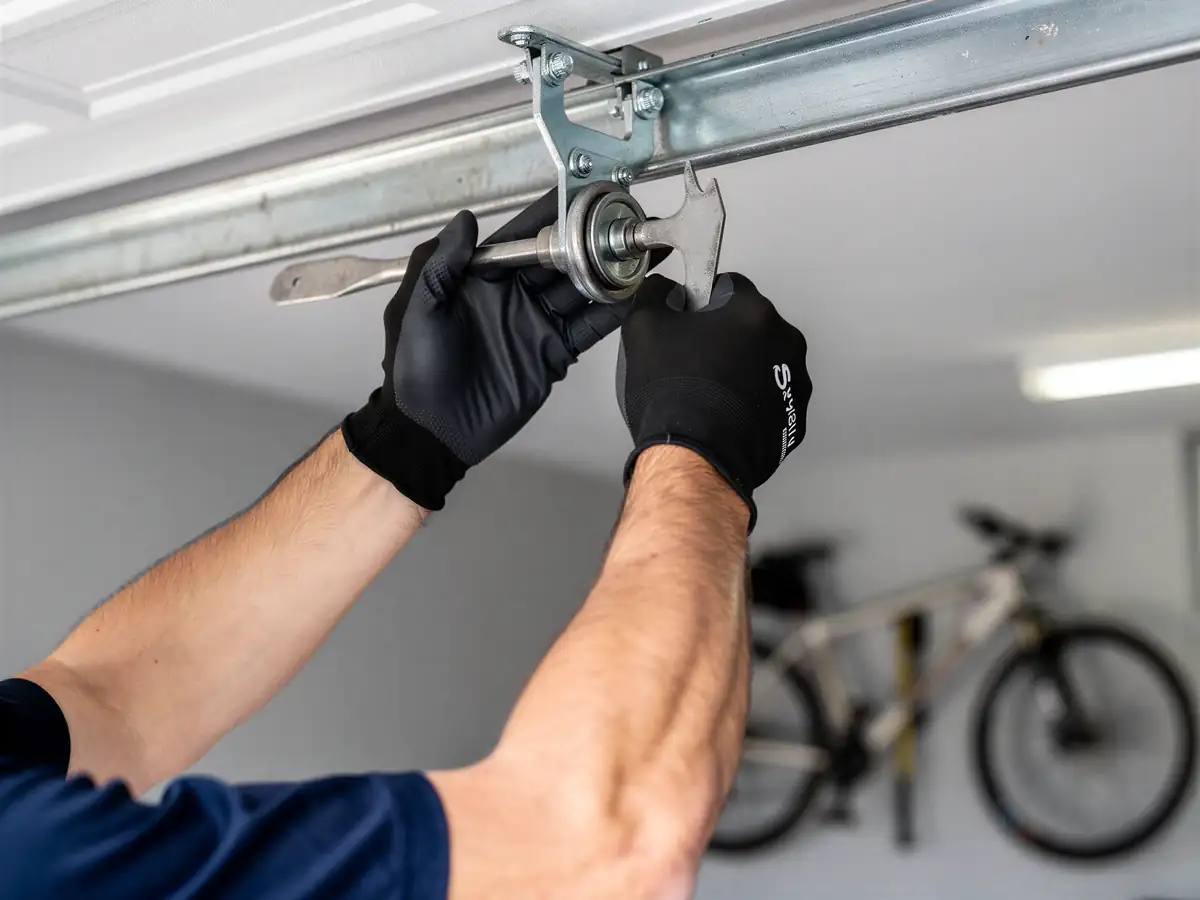
On a house built in the 60s or 70s, the slab has usually shifted a little over 50-plus years, and a new spring on a crooked track just fails again within a year. The second mistake is the opposite: assuming a door that's struggling is beyond saving because it's old, when the actual problem is one bent roller or a cable that jumped its drum.
We'll be straight about a limitation here
We don't stock parts for every hardware style that shipped with a 1960s door, and sometimes a replacement bracket or a matching panel has to be ordered in, which adds a few days to a job that would otherwise be same-week. That's worth knowing before you assume a quick fix is always quick.