What the Housing Means for Your Door
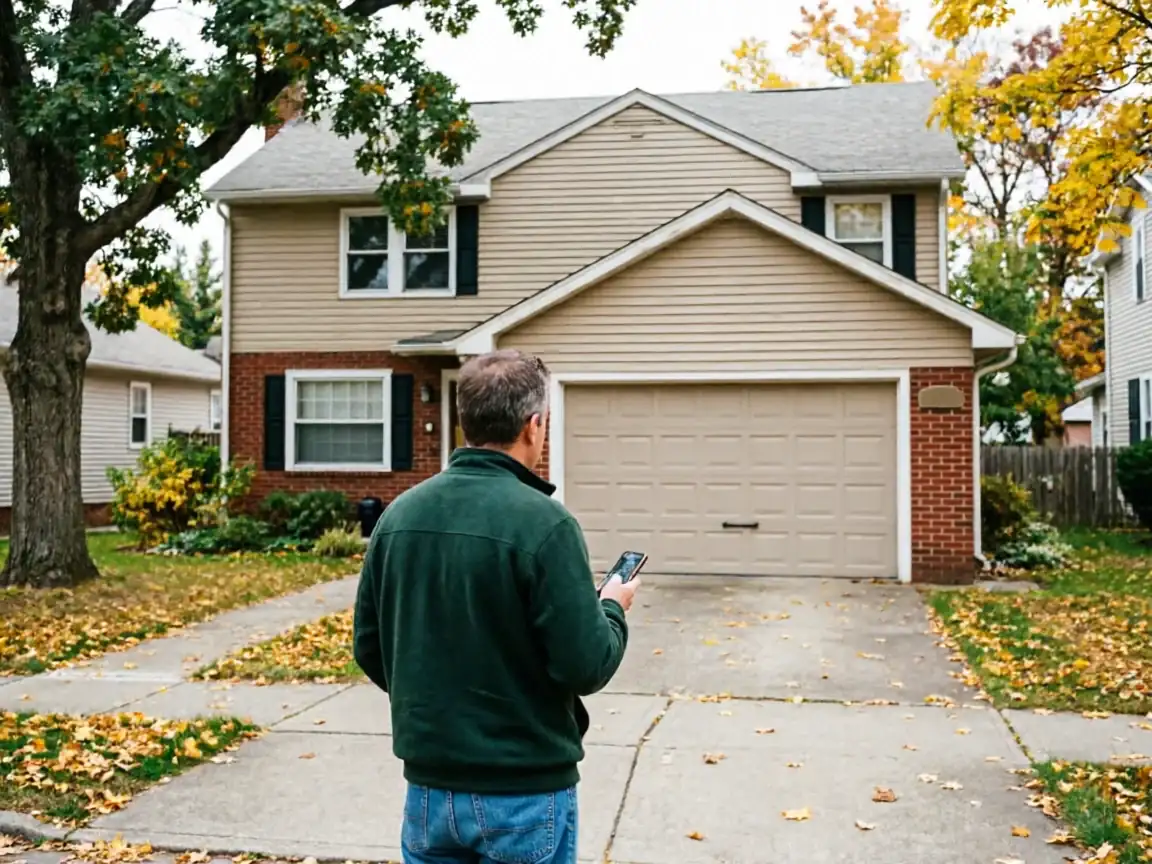
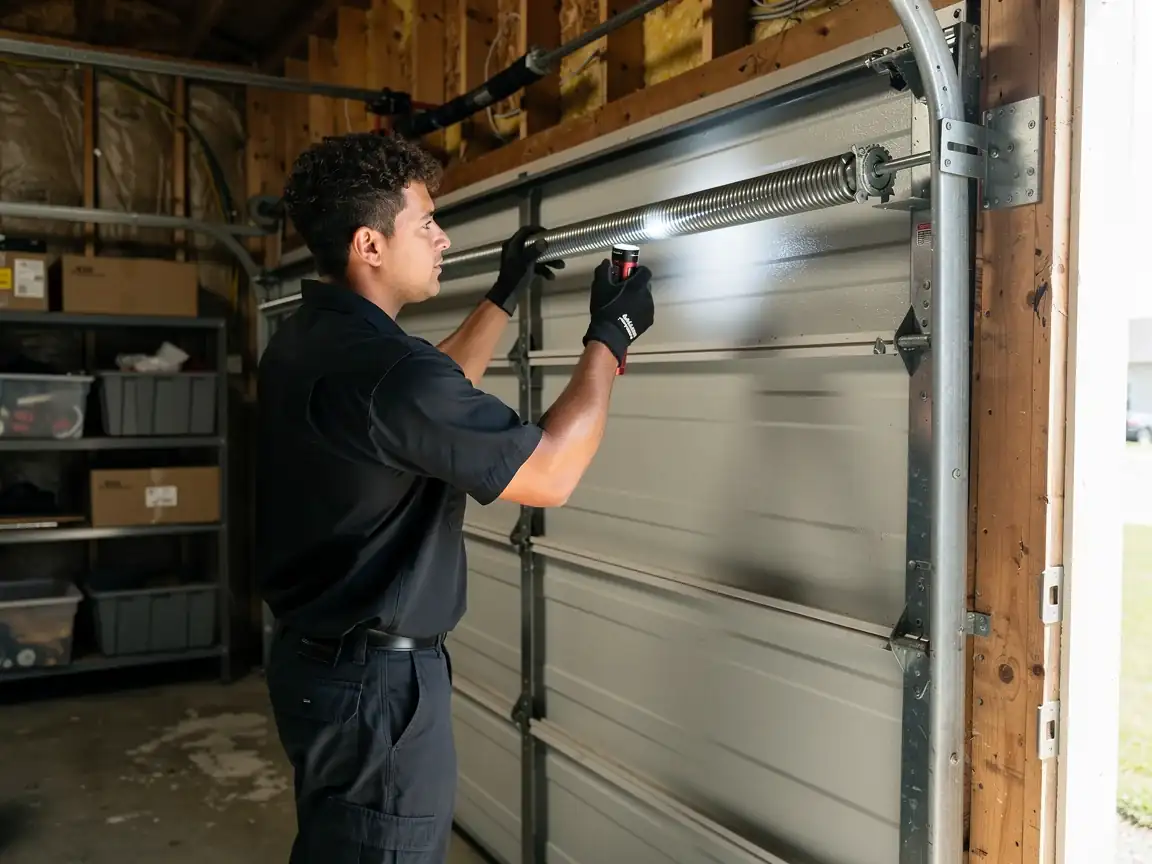
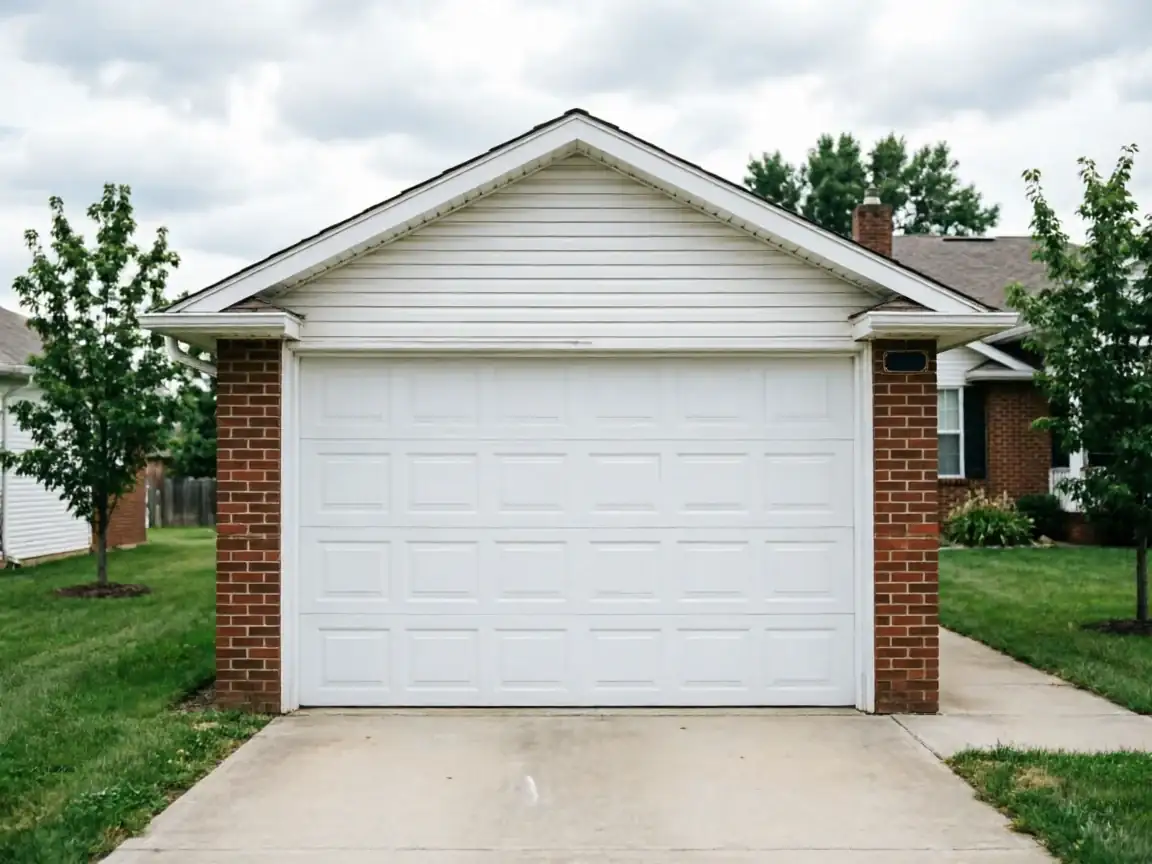
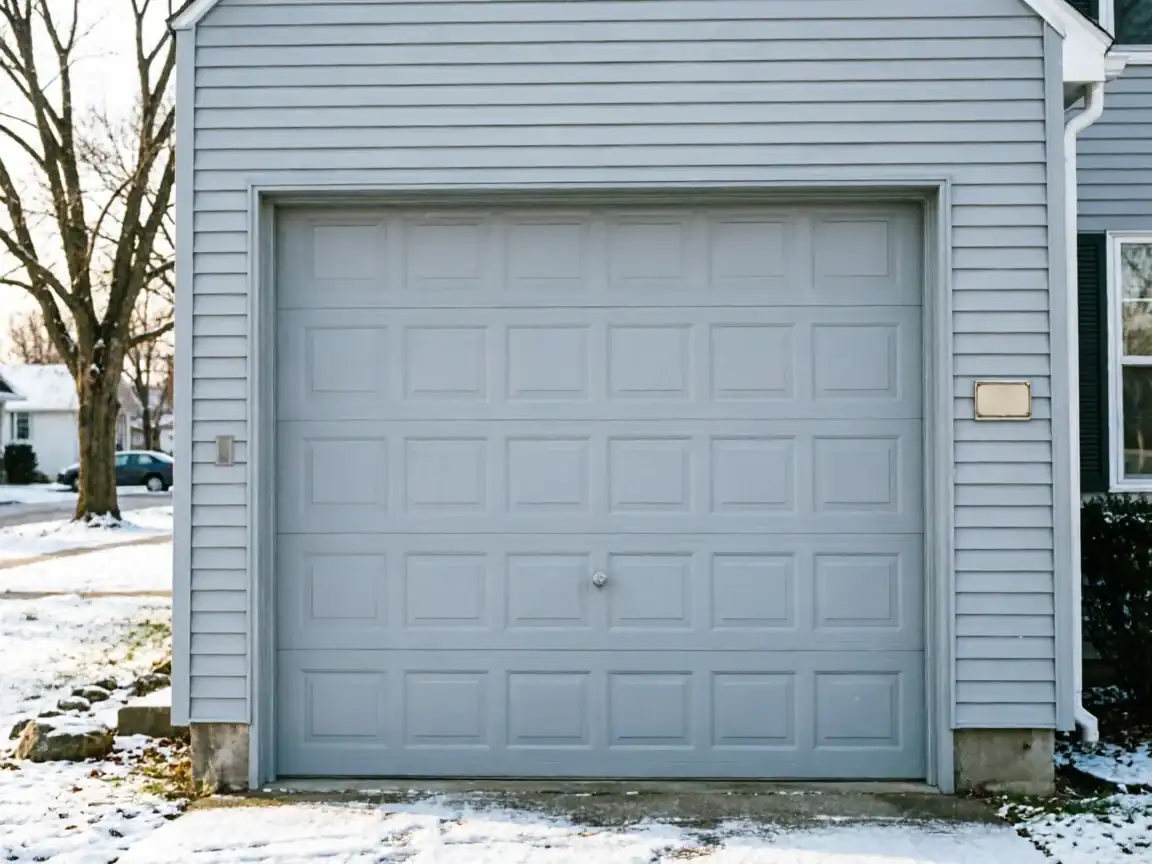
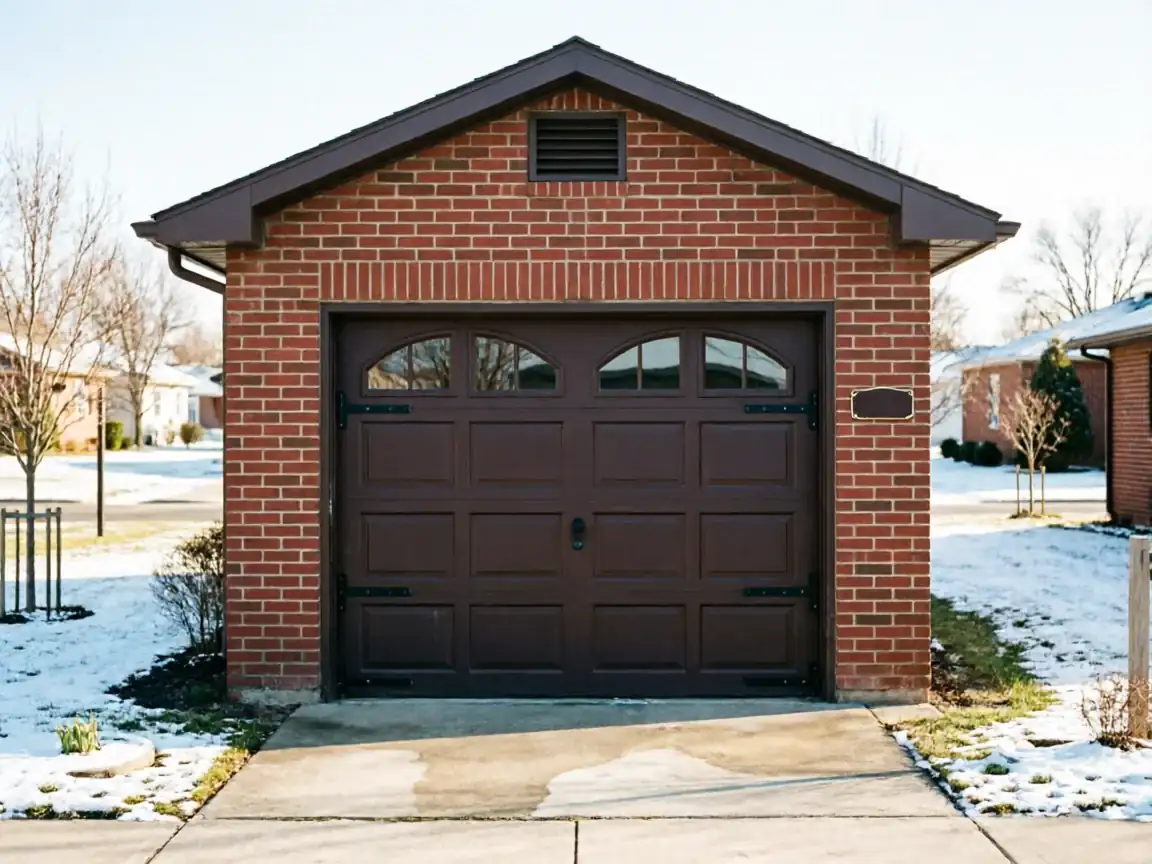
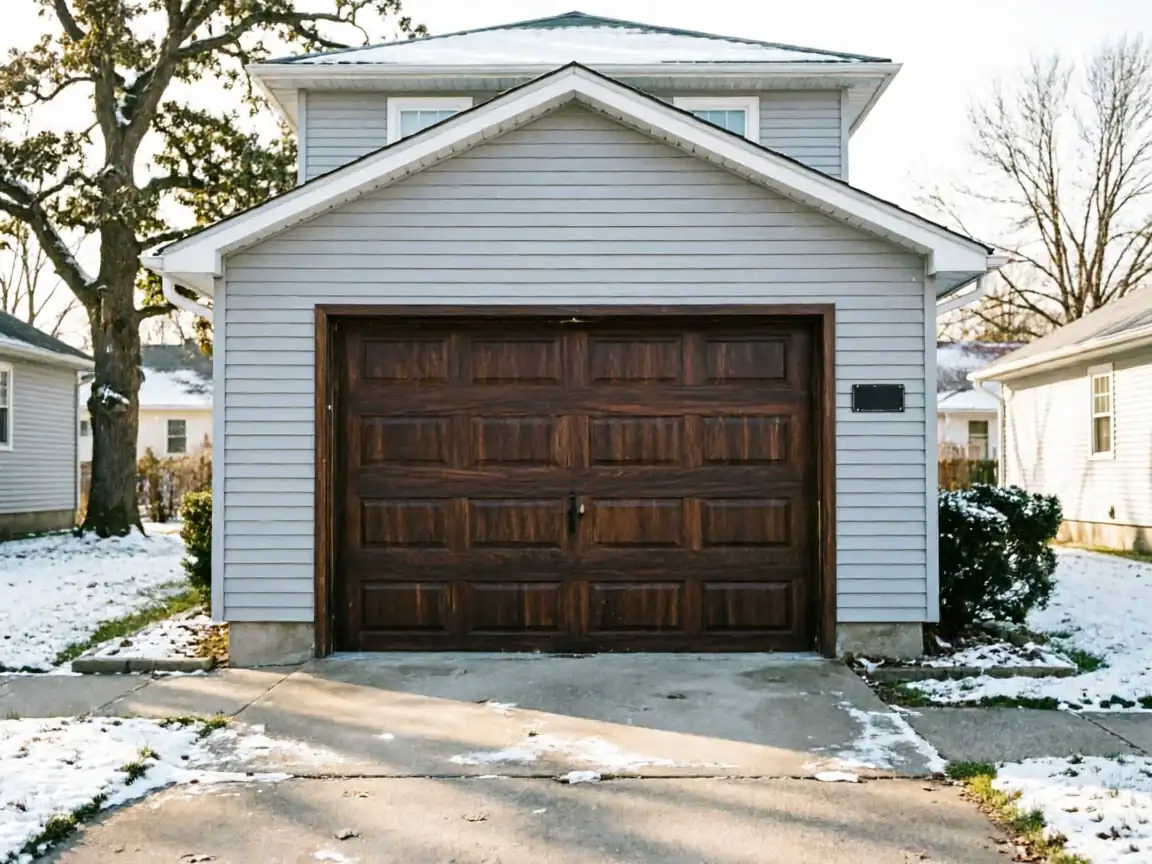
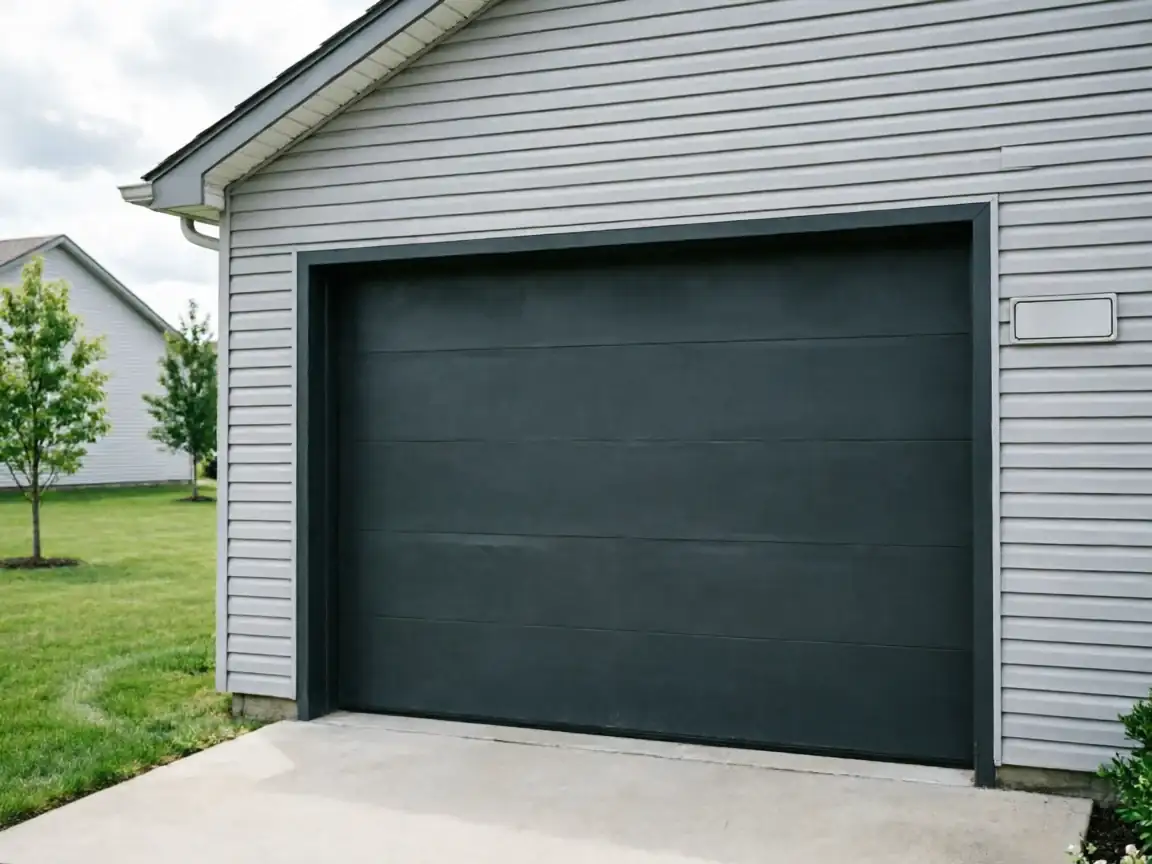
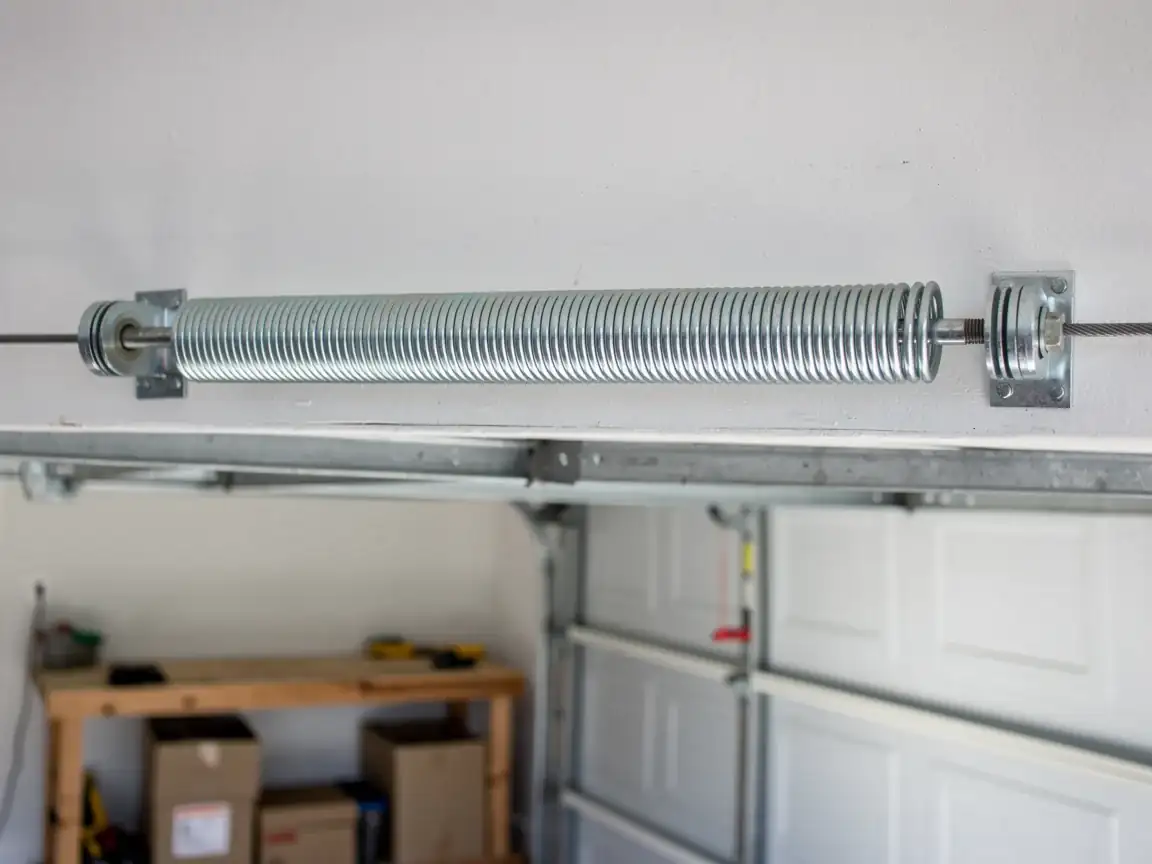
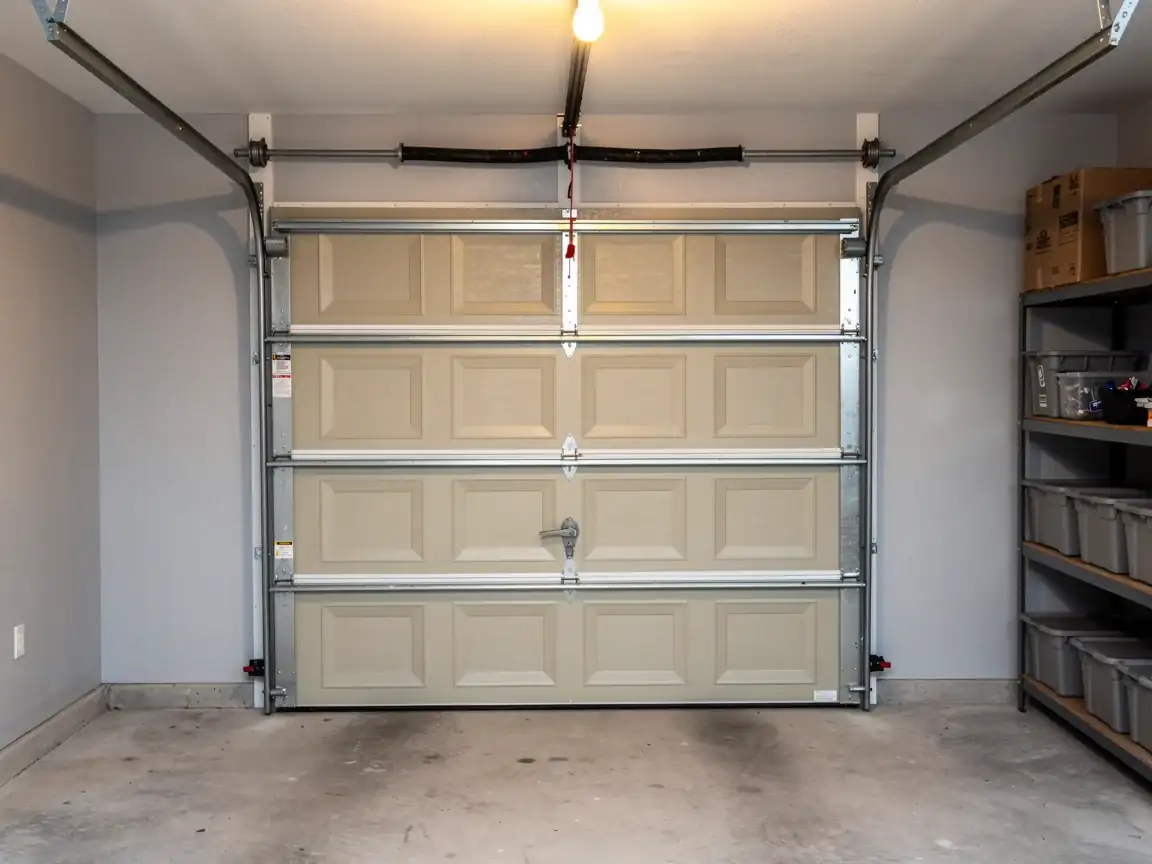
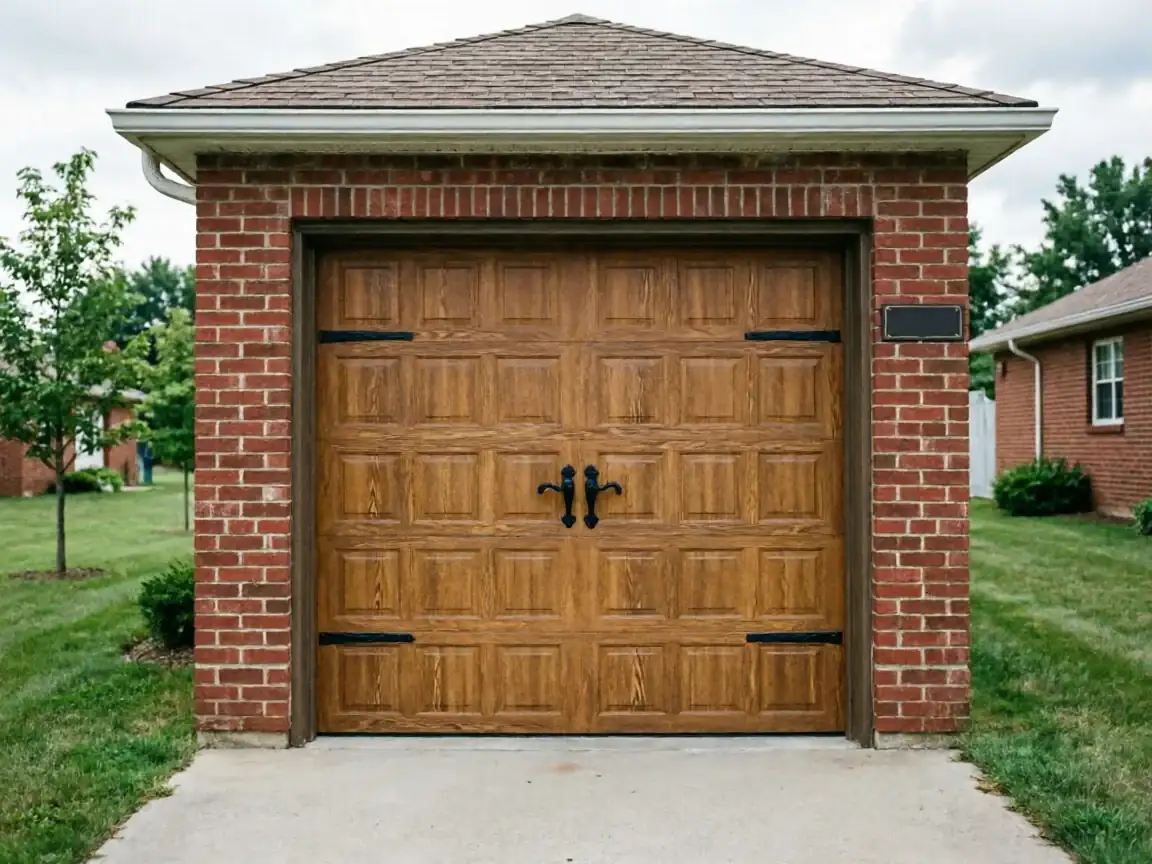
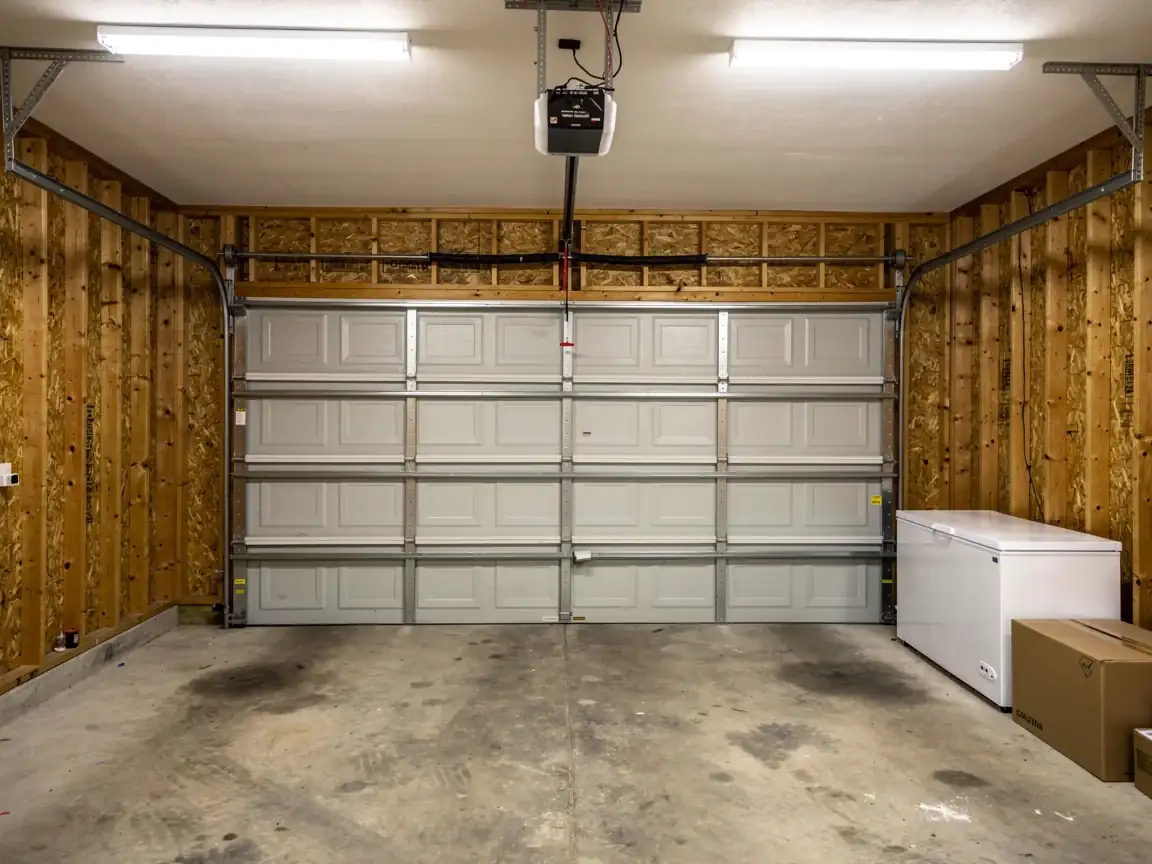
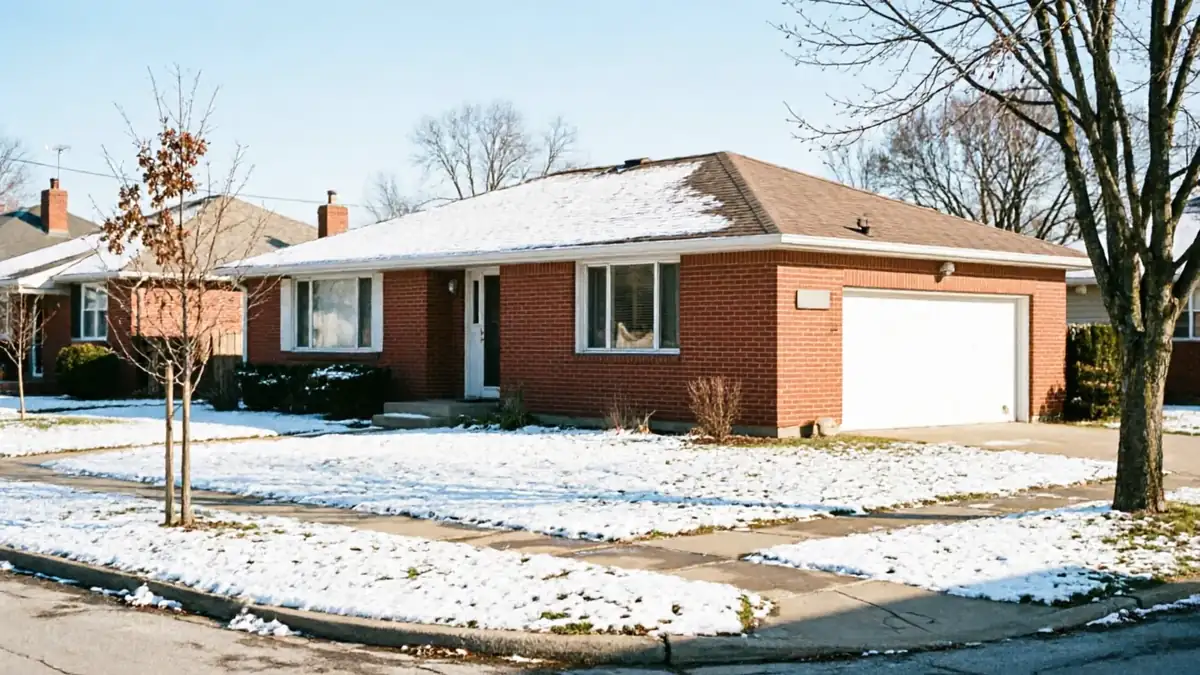
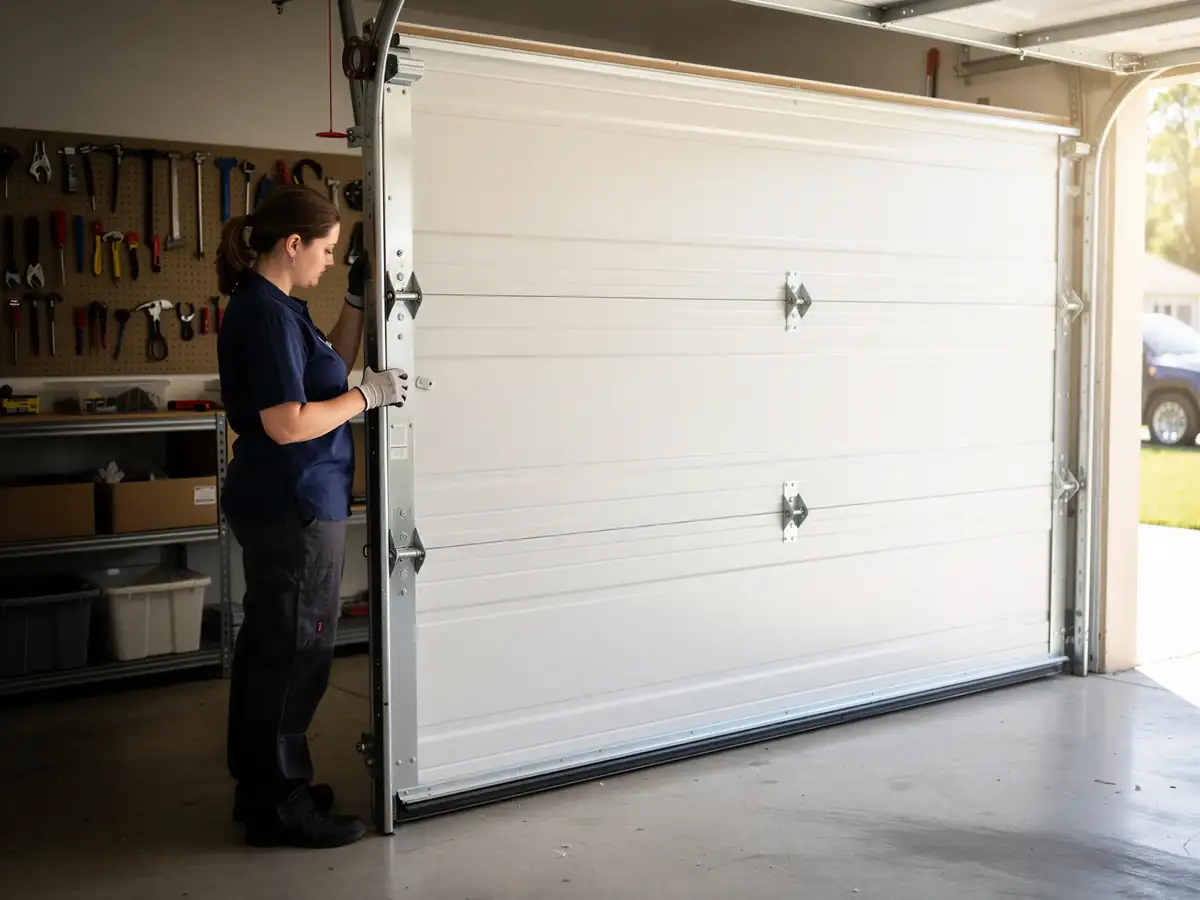
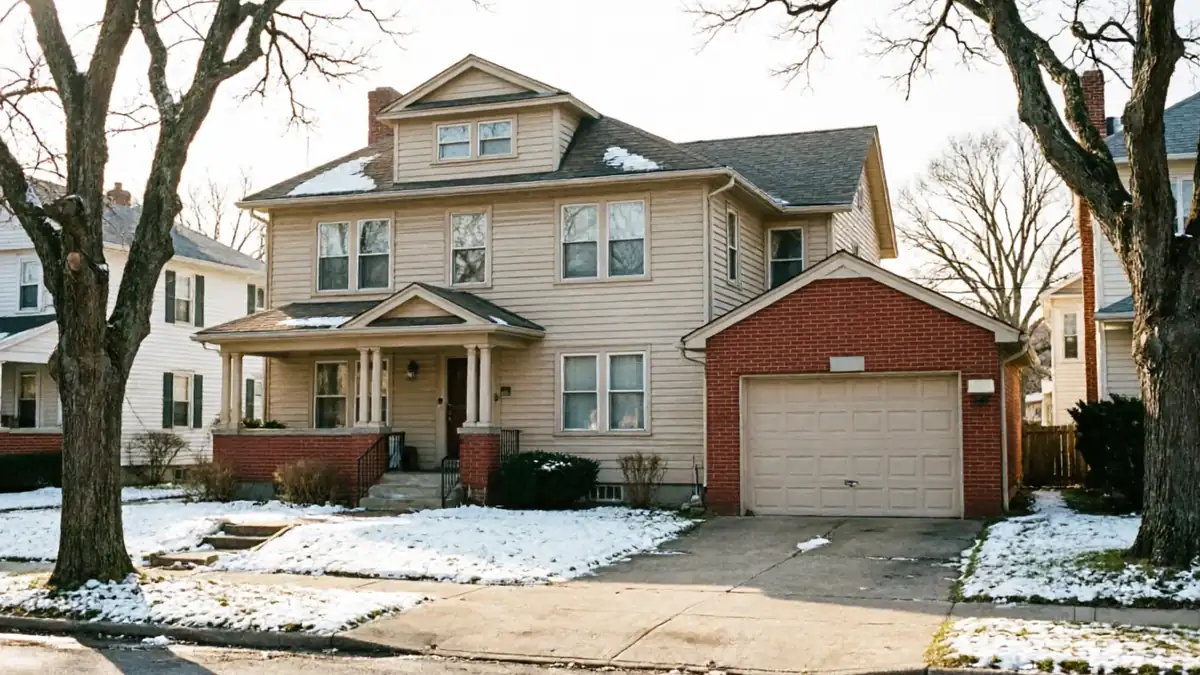
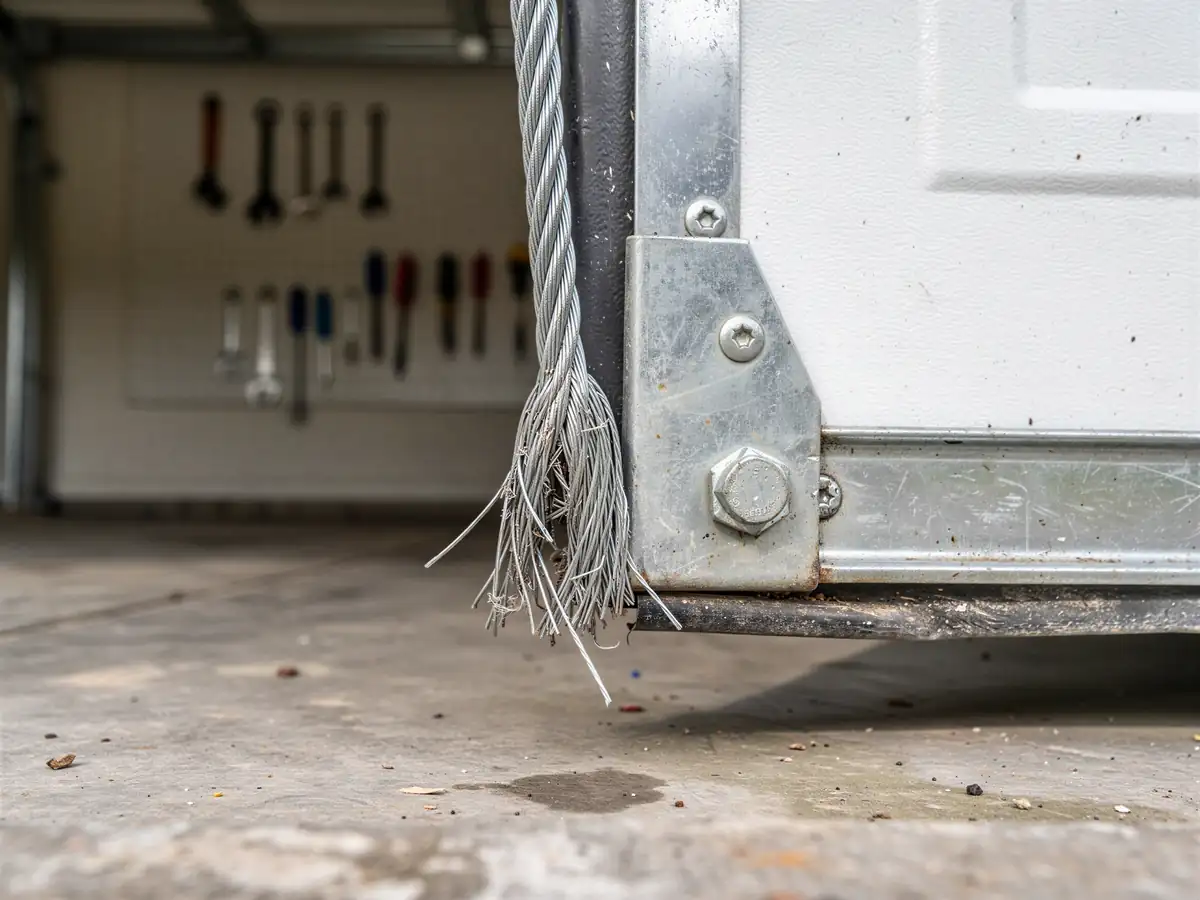
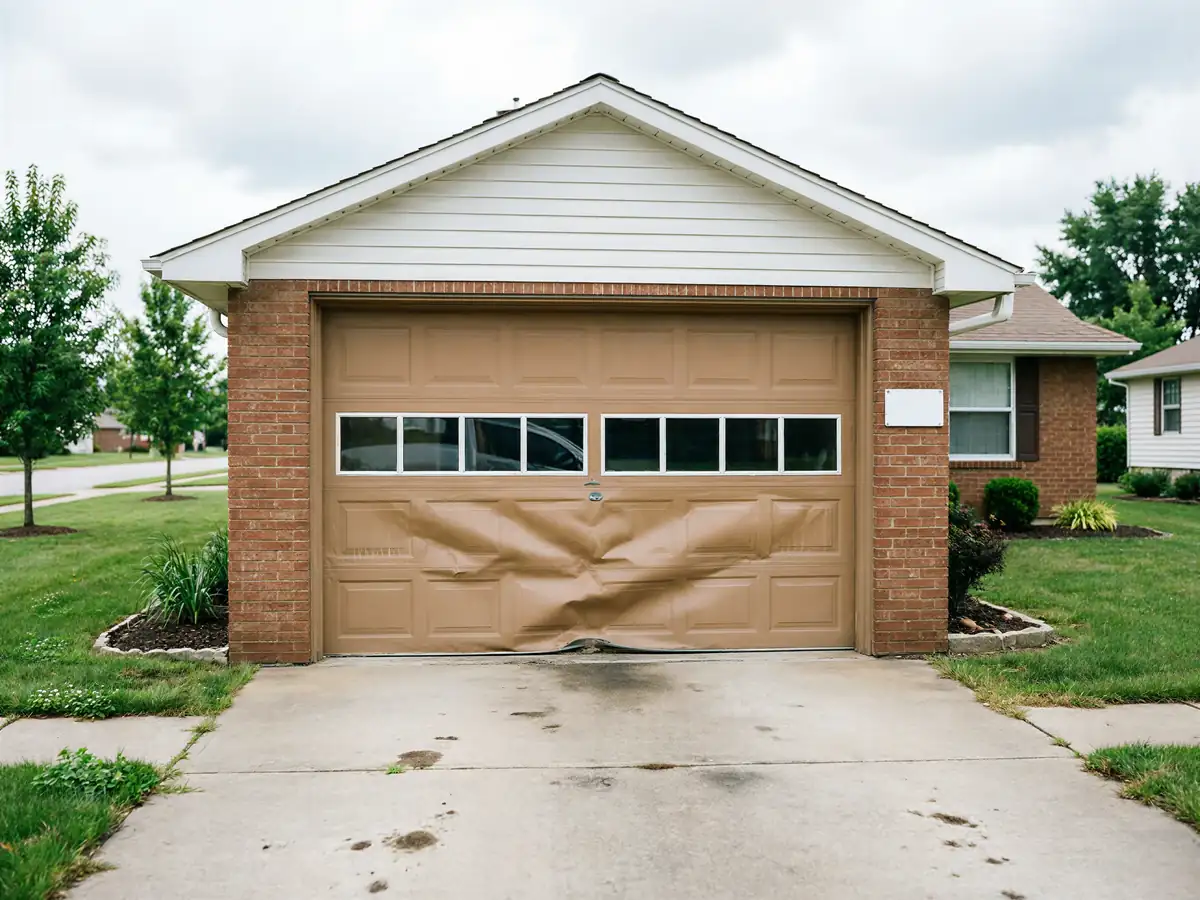
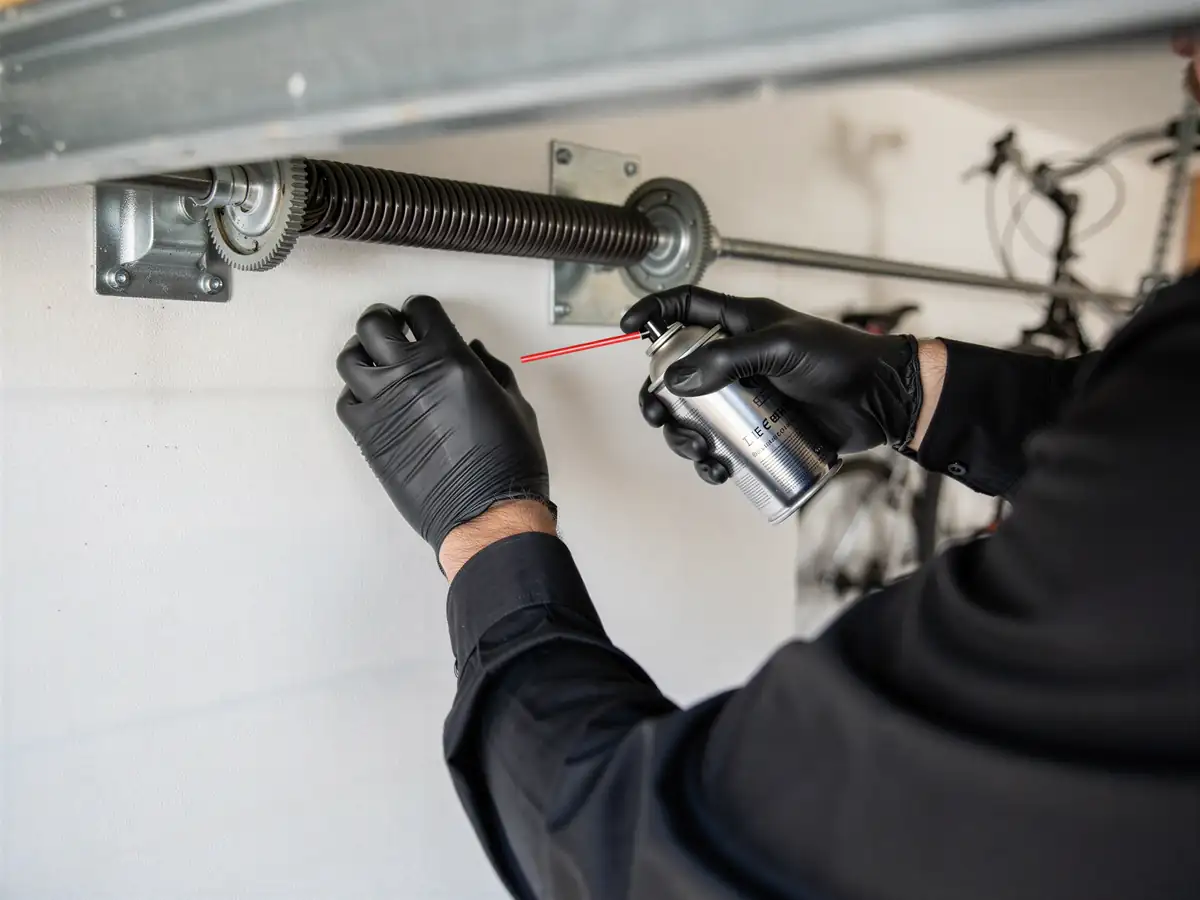
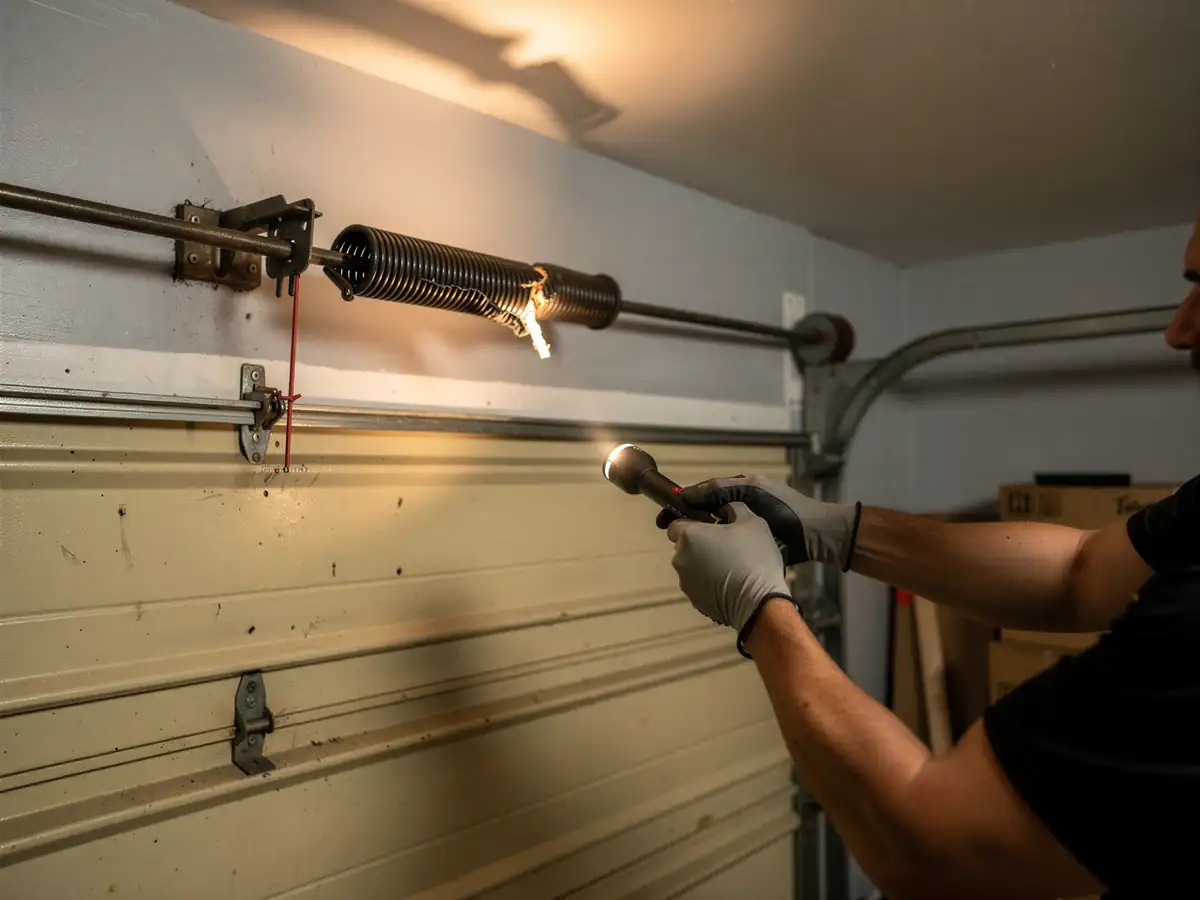
By 1973, builders had mostly moved off the old heavy one-piece slab doors and onto sectional doors with extension or torsion springs mounted the way we'd still recognize today. That's good news in one sense - parts for that era are easier to source than for a 1958 one-piece door on side-mounted hardware. But 50 years is still 50 years. Original torsion springs from a 1973 install are long past their cycle life, and a lot of these garages still have the factory opener's first or second replacement, meaning the drive gear and logic board are older than the homeowner sometimes realizes. This area also sits in a severe cold climate band, so steel panels and nylon rollers from that period take the kind of freeze-thaw flexing that cracks old bottom seals and warps panels that were never insulated to begin with. If your door is original to a 1970s build and you haven't touched the springs, that's the first thing worth having looked at before winter, not after a cable snaps.
What Neighbours Usually Call About
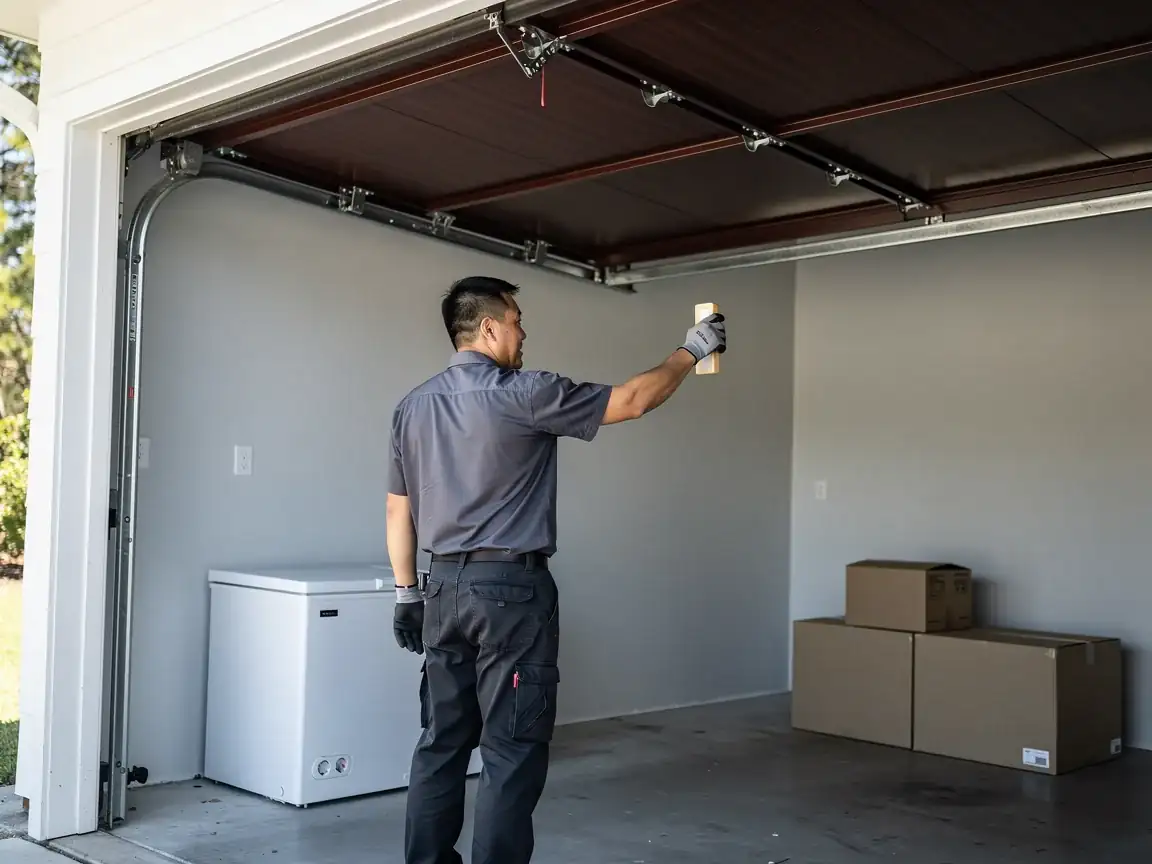
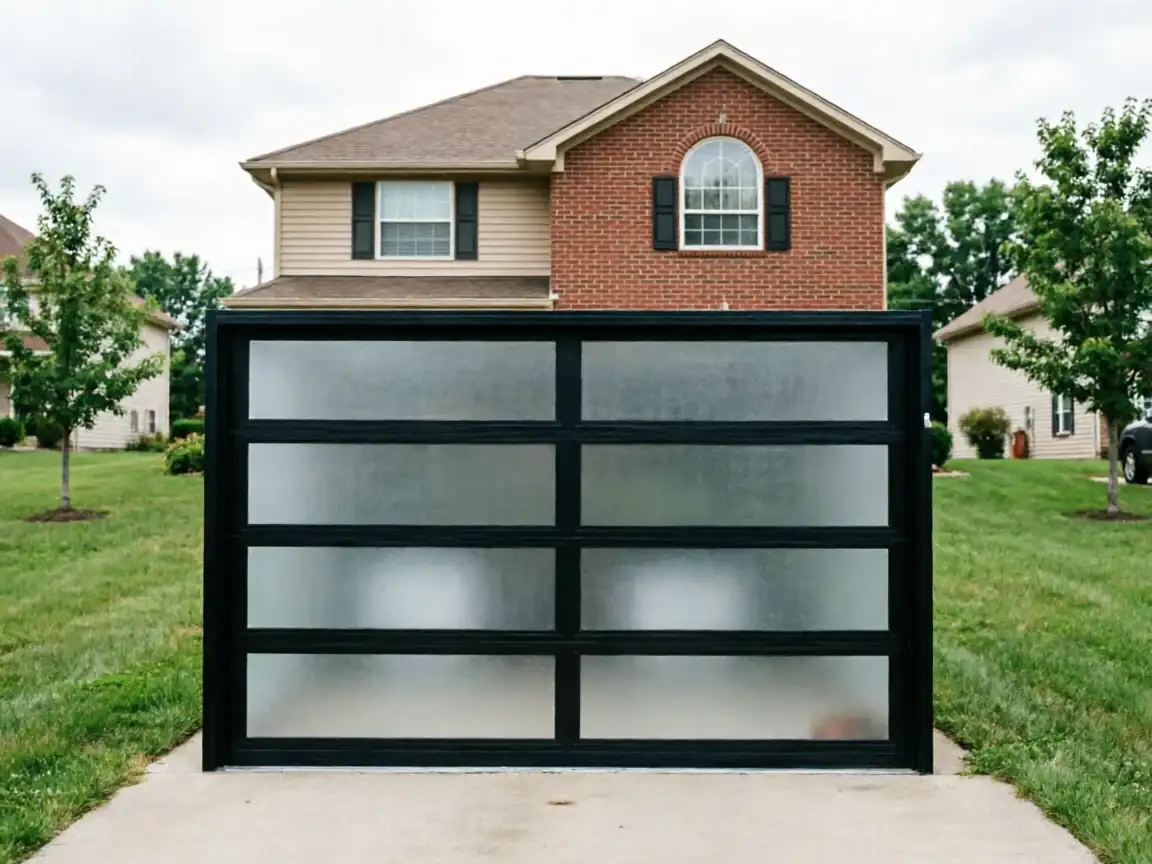
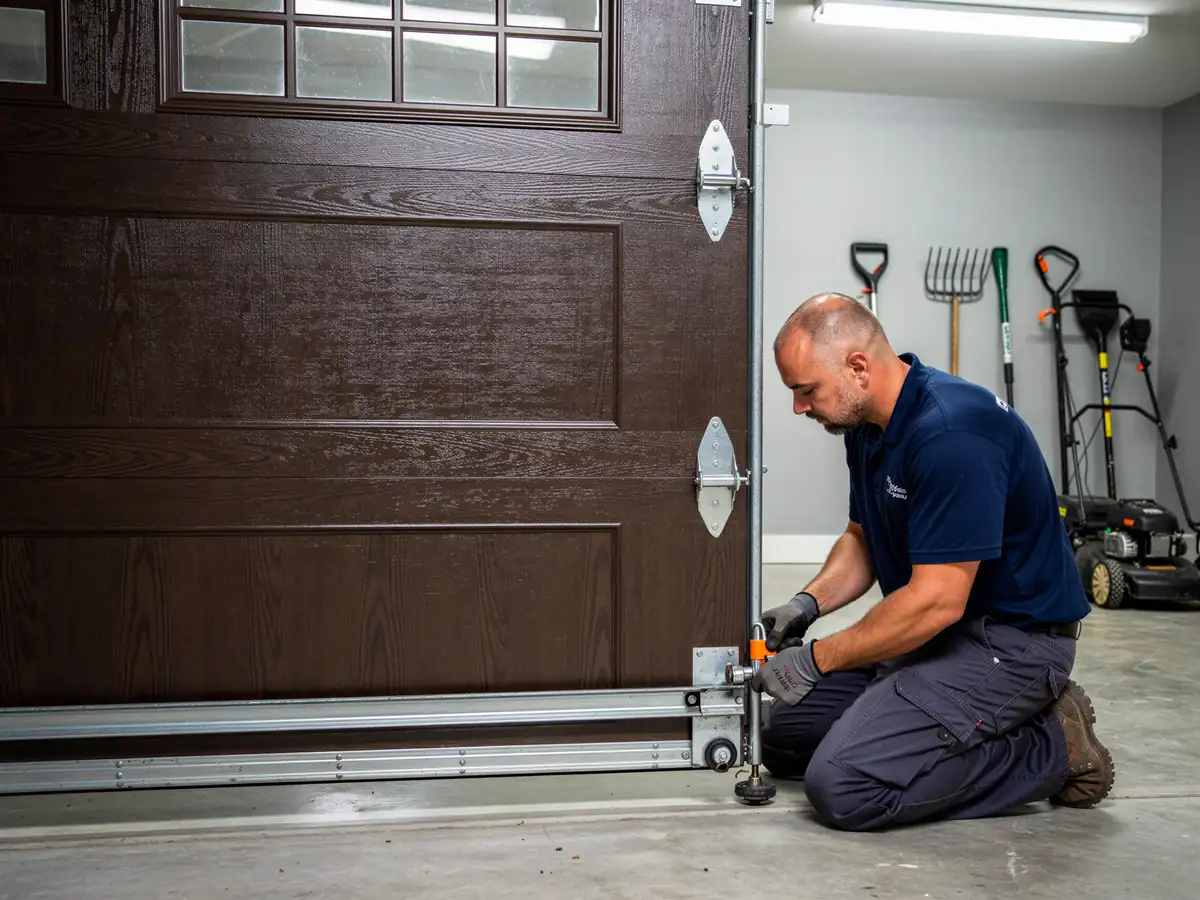
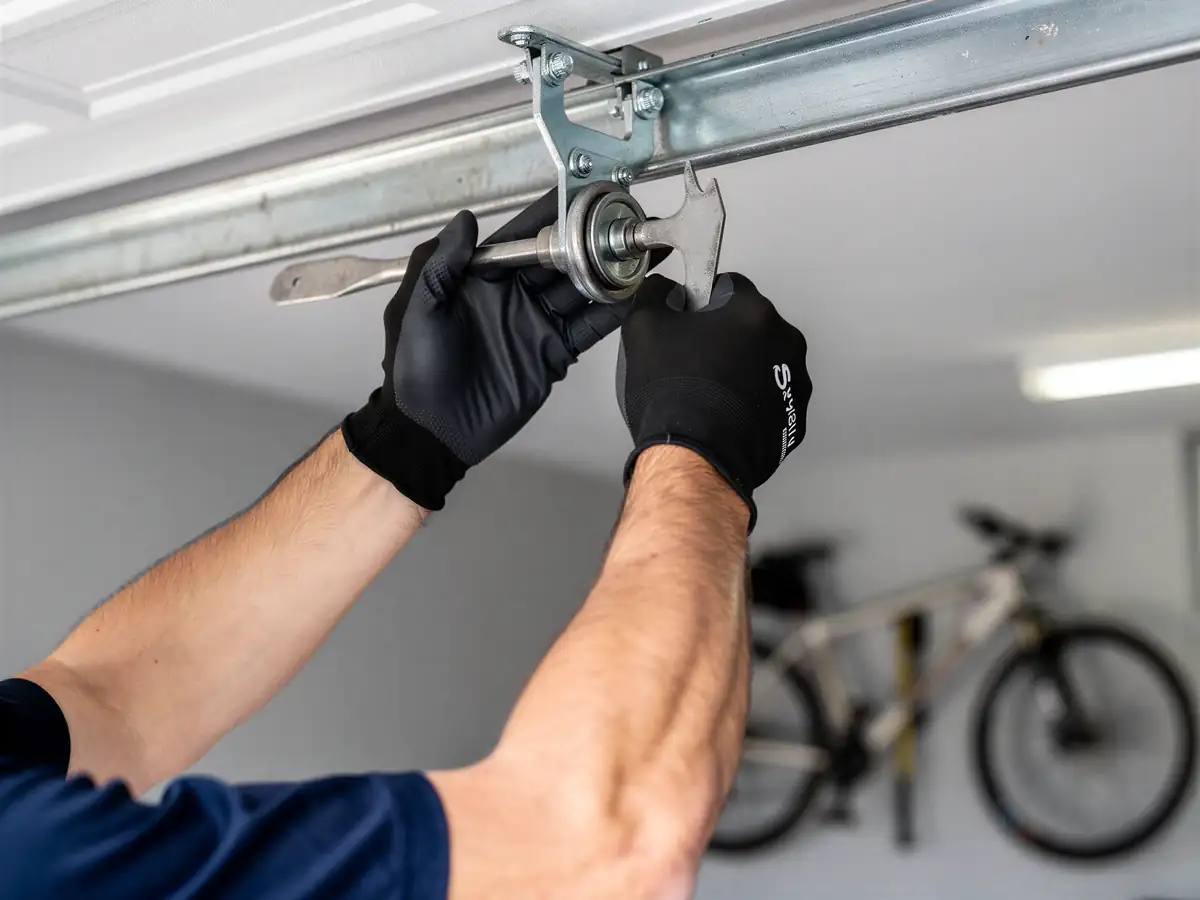
Given the age and style of door common out here, the calls tend to cluster: torsion springs that have gone well past their rated cycles and finally let go, openers from the 80s or 90s that are on their second or third remote and starting to strip gears, and bottom seals that have hardened and cracked from repeated cold snaps. Household income in Kawkawlin runs higher than the area median - $82,795 versus $72,558 across the broader territory - and we see that reflected in more owners choosing a full opener upgrade or insulated panel replacement rather than patching an old setup one more time. That's a choice, not a requirement; plenty of these doors are still structurally sound and just need a spring and roller service to run another decade.