What Is on the Truck
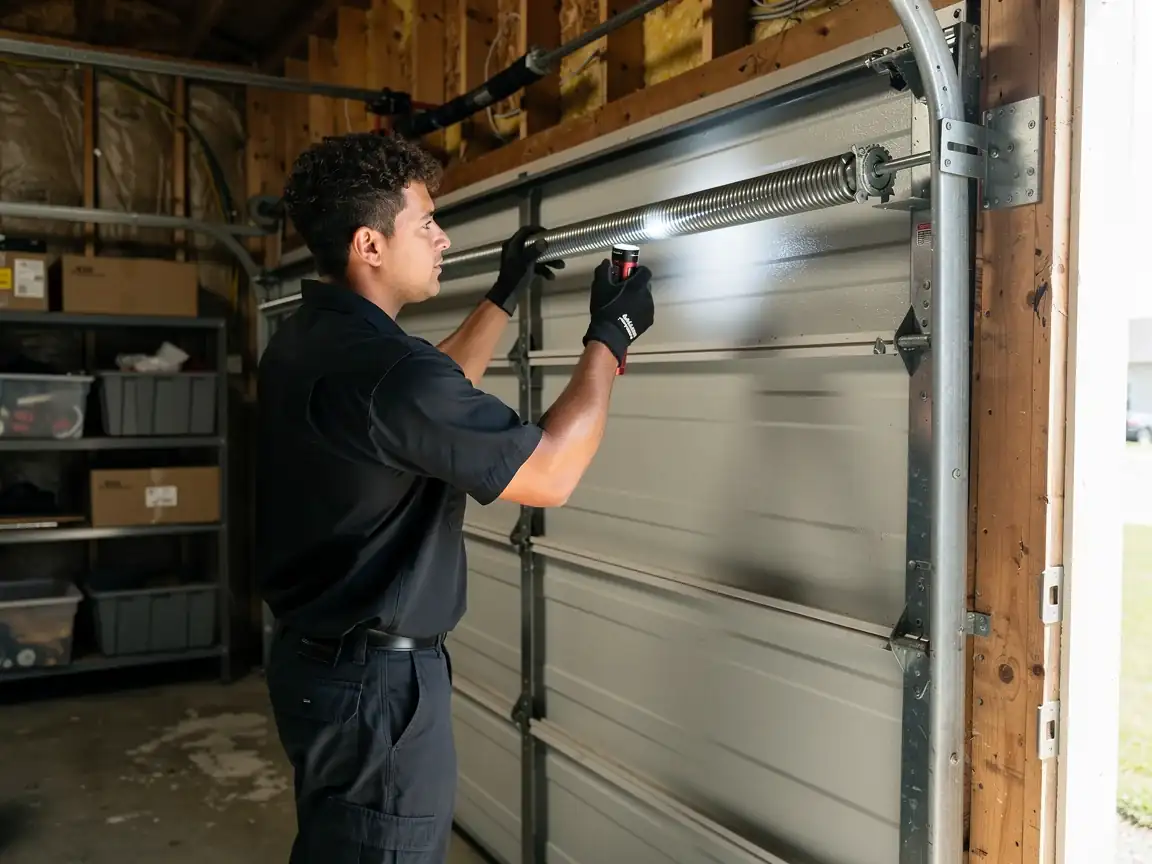
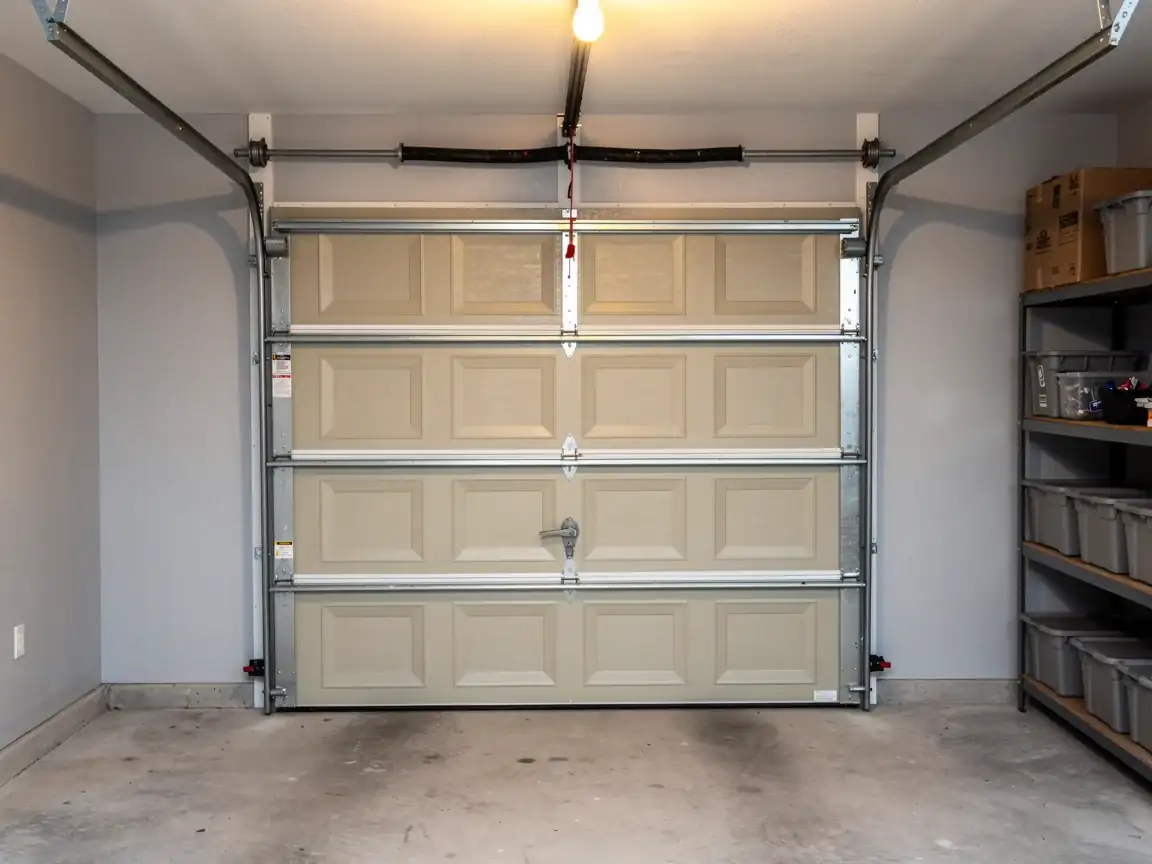
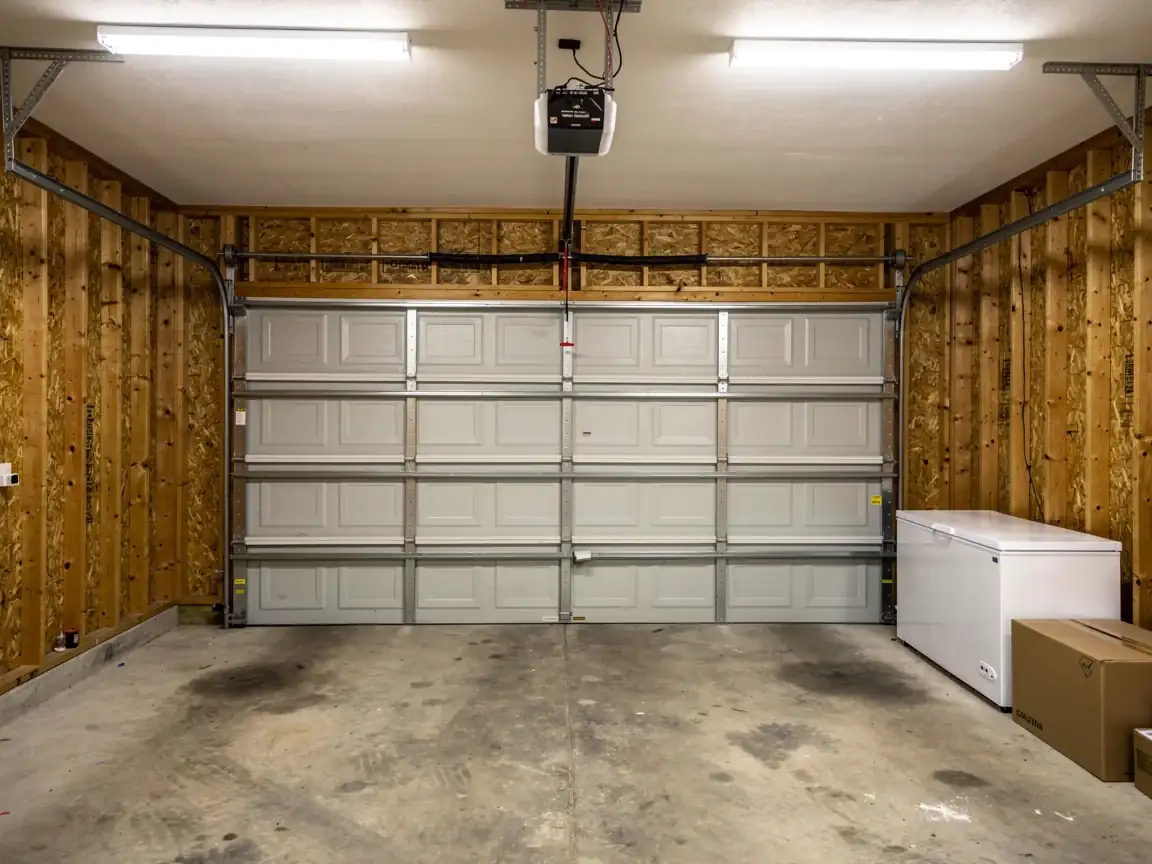
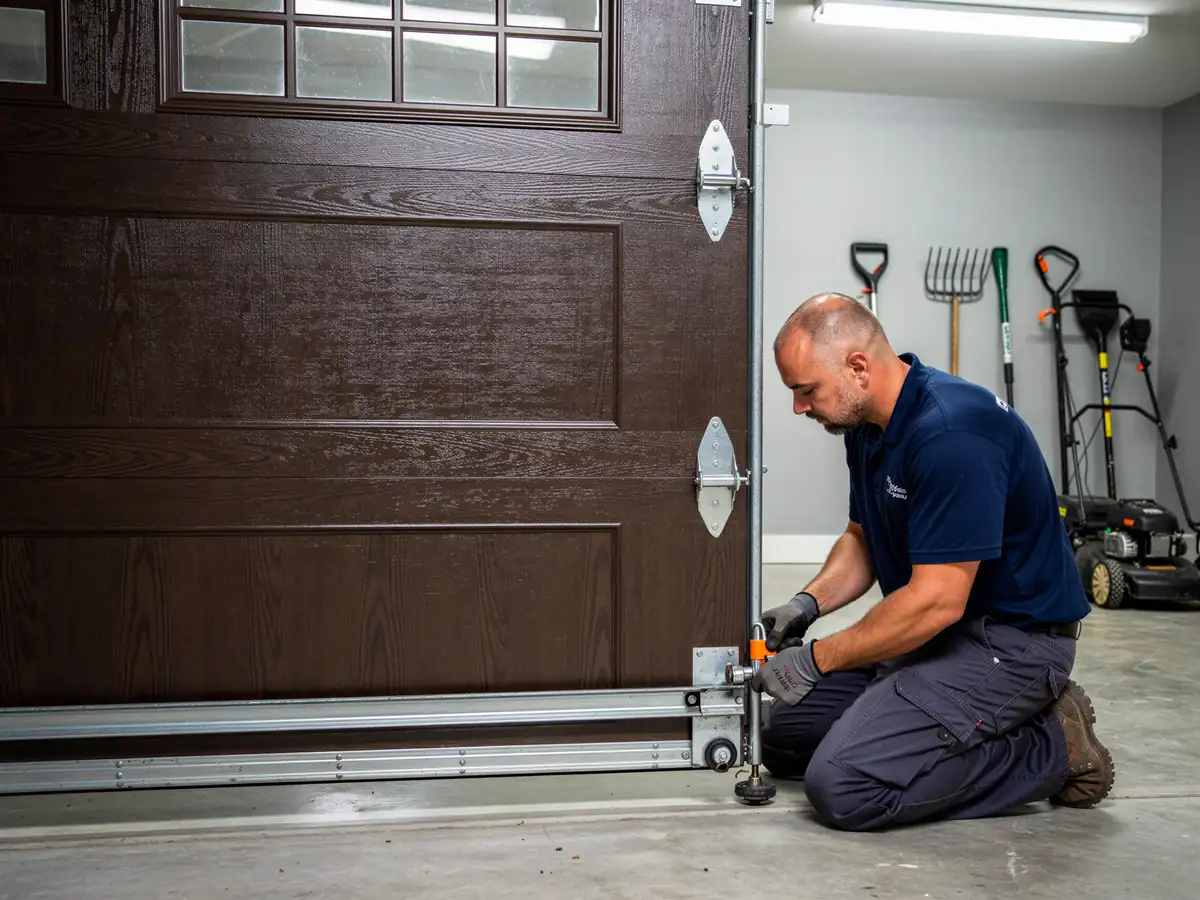
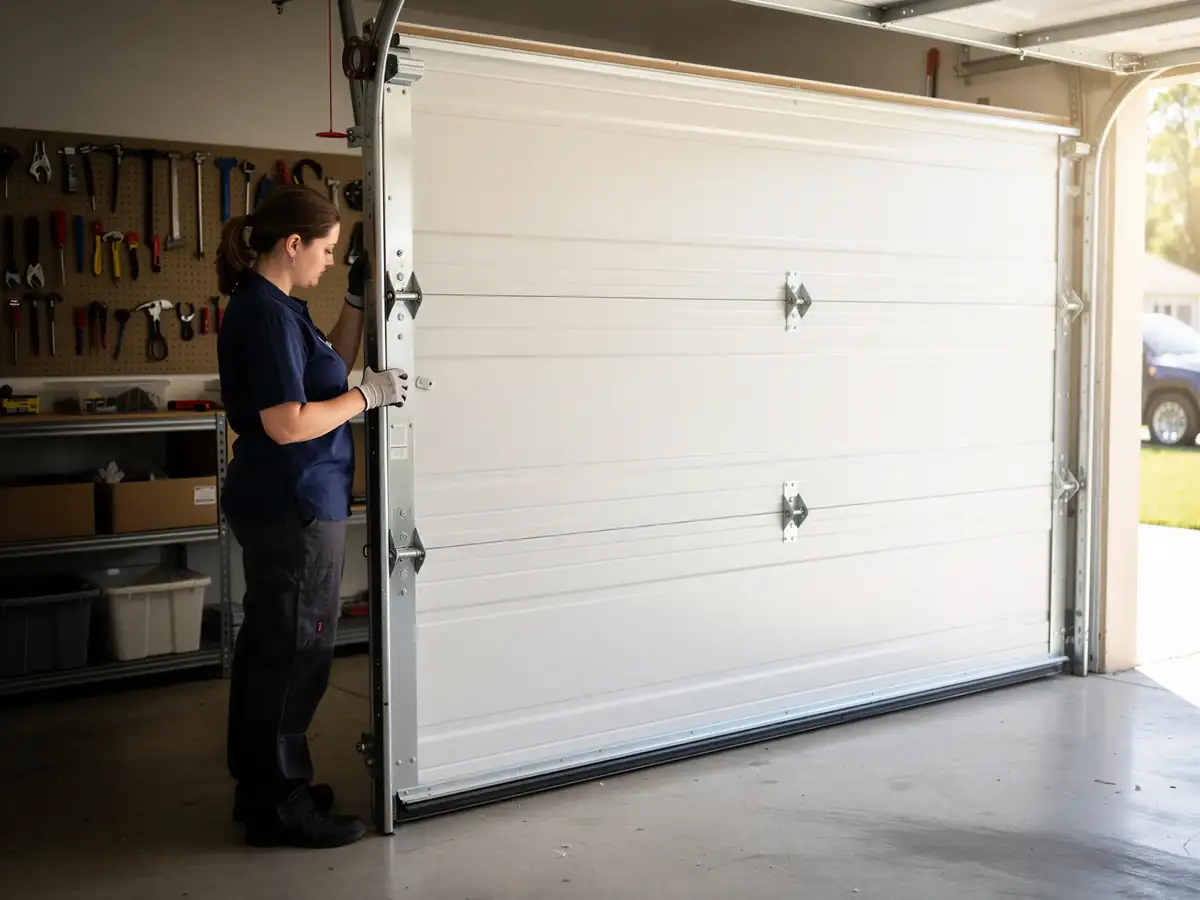
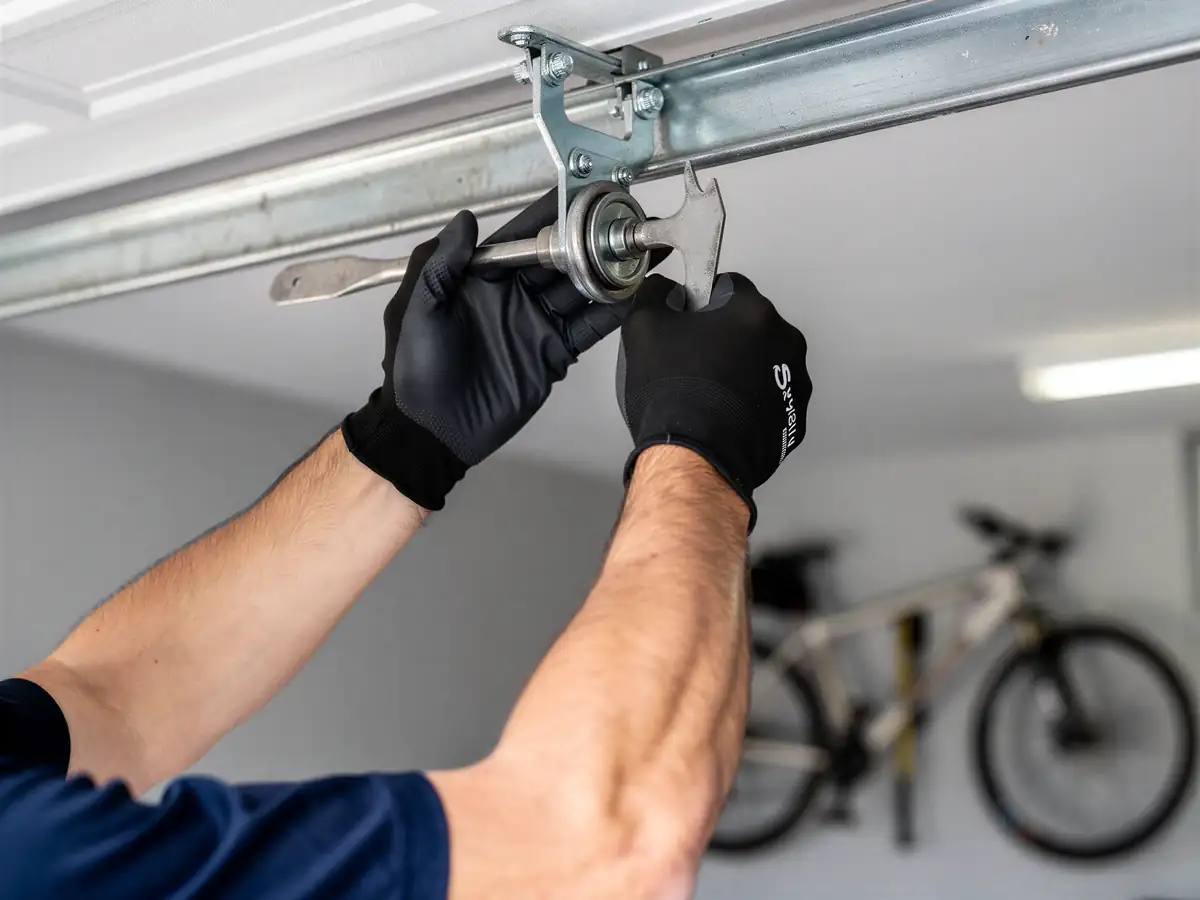
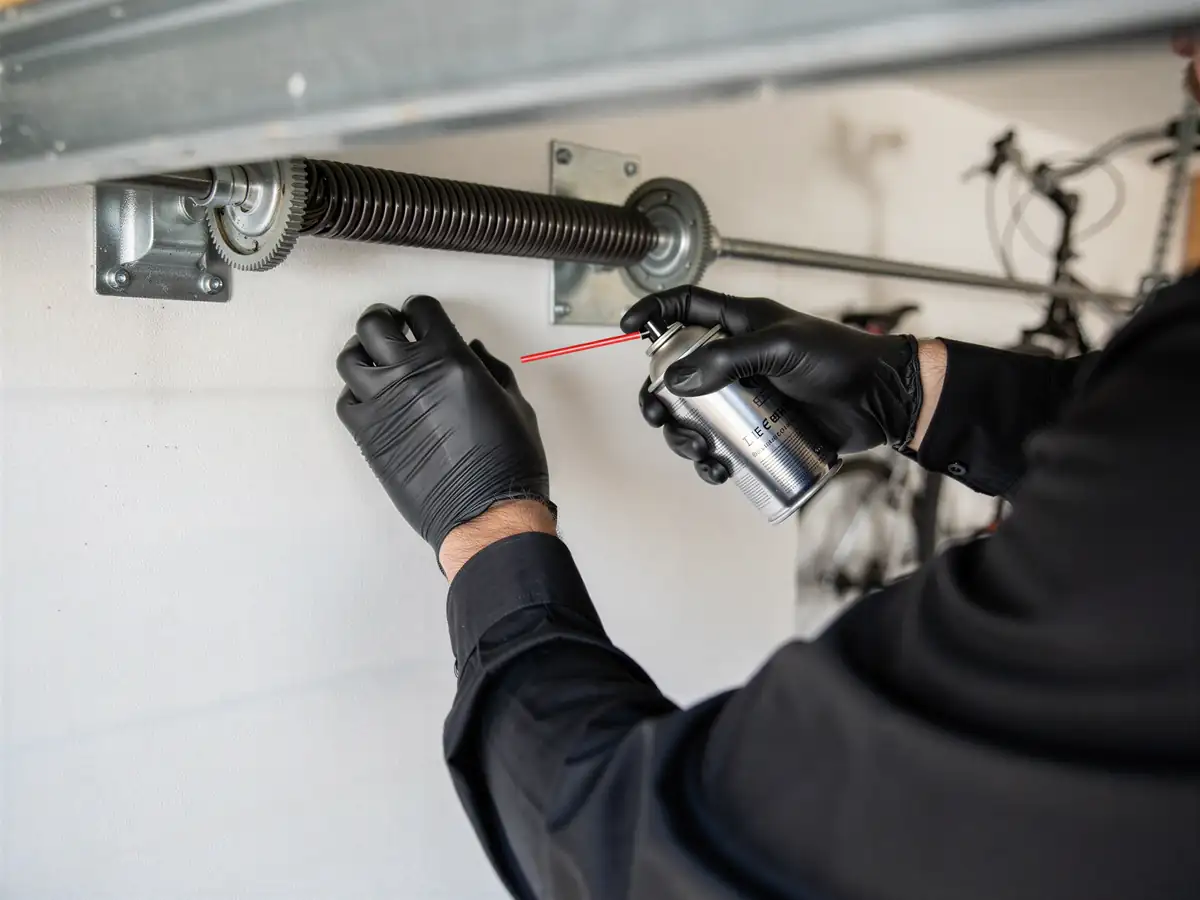
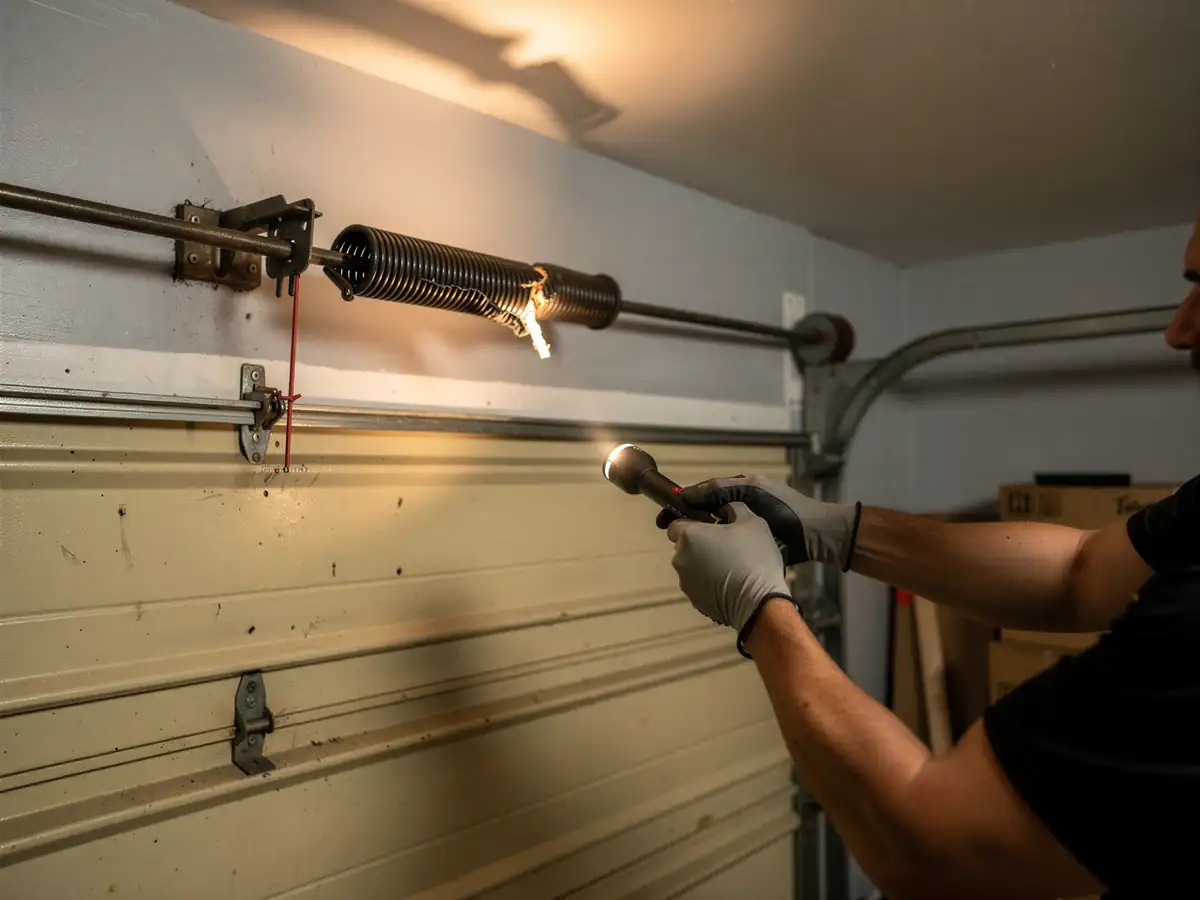
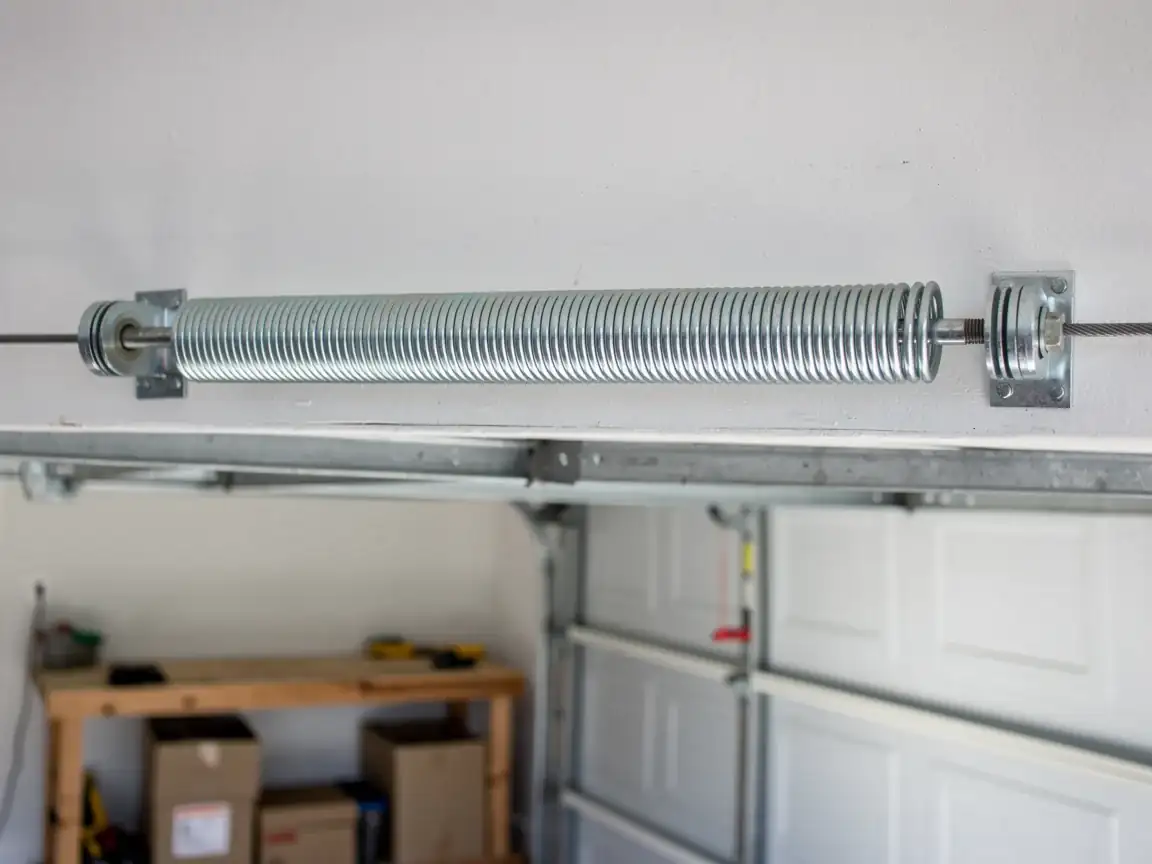
We stock the parts that fail most in houses this age: torsion springs in the common residential sizes, extension spring sets, rollers, hinges, and cable. What we don't carry is every obscure part for every door ever installed - some of the oldest doors around here used hardware that's been out of production for decades, and if your door falls into that category we may need to order a piece rather than fix it on the spot. That's the honest limit of a service truck: we carry what covers most calls, not what covers all of them. On a torsion spring job we bring springs in a range of wire sizes because a door sized for a two-car garage built in the 70s doesn't take the same spring as something put up in the 90s, and guessing wrong means a second trip. Same goes for openers - we carry common replacement units and the hardware to remount a bracket on an older frame, but we're not a parts warehouse, and a job that needs a special-order panel gets scheduled honestly, not padded with a part that doesn't fit.
What Costs What It Costs
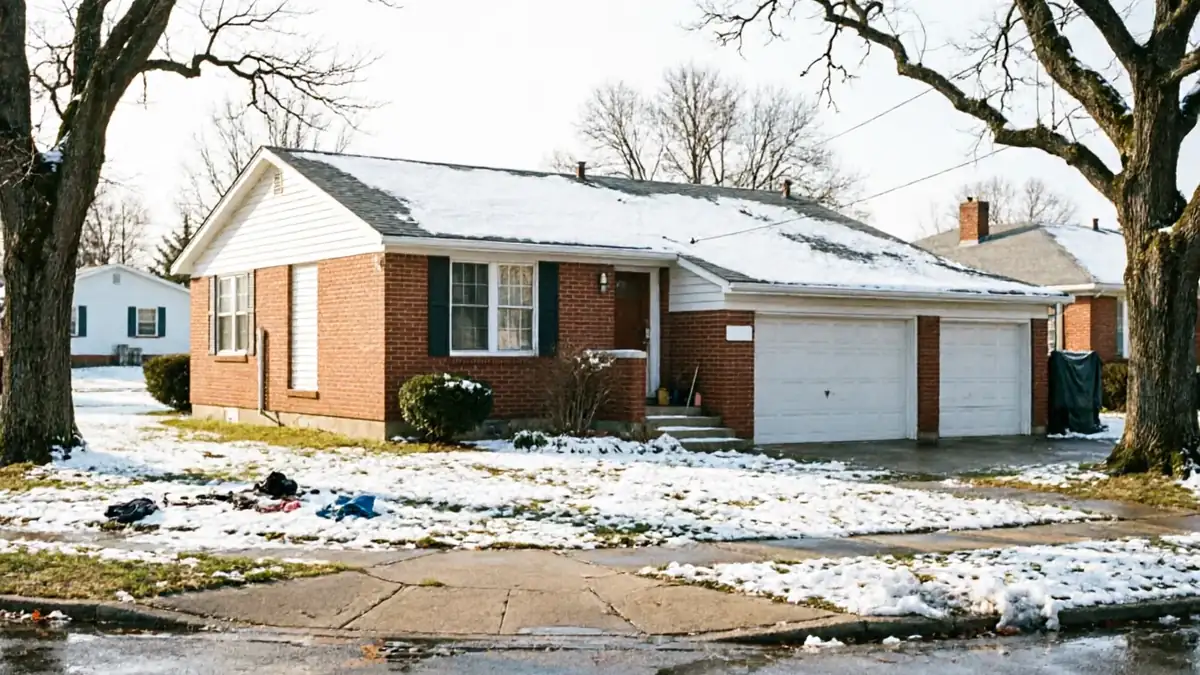
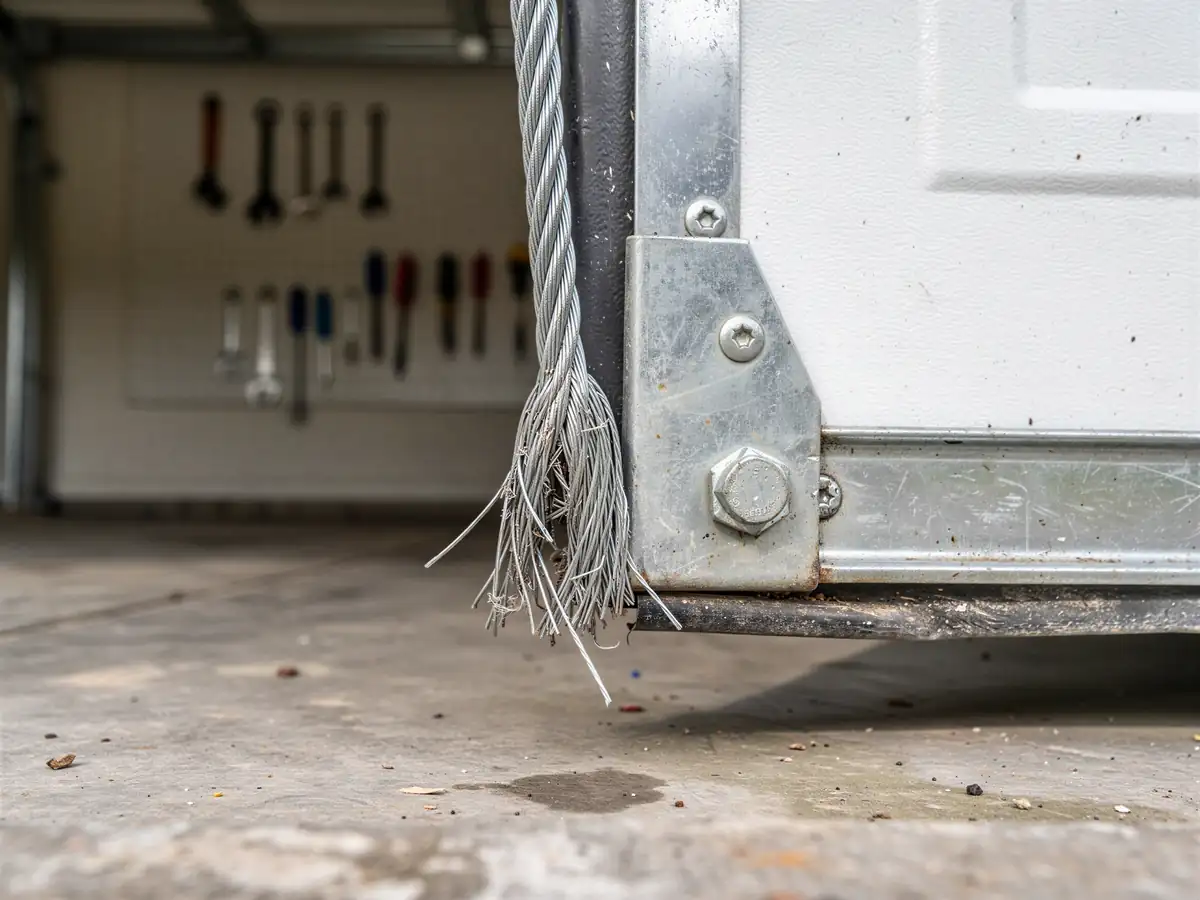
We're not going to put a number here that isn't backed by anything - pricing depends on what's actually broken, and on a house with original 1960s or 70s hardware the job is often more than a single part. A worn torsion spring rarely fails alone; by the time it breaks, the cables and rollers riding on it have usually put in the same decades of work. The honest approach is a call where we tell you what we see and what it'll take before anything gets replaced, not a quote pulled out of the air over the phone. Income levels across the service area sit around $72,558 median household, and most of the roughly 13,393 owner-occupied houses here are the kind where a garage door repair is a planned expense, not an impulse buy - which is exactly why we'd rather tell you the real scope of a job than lowball it and find more once the door's apart.