The Symptom
The call we get most from Bay City is the same one
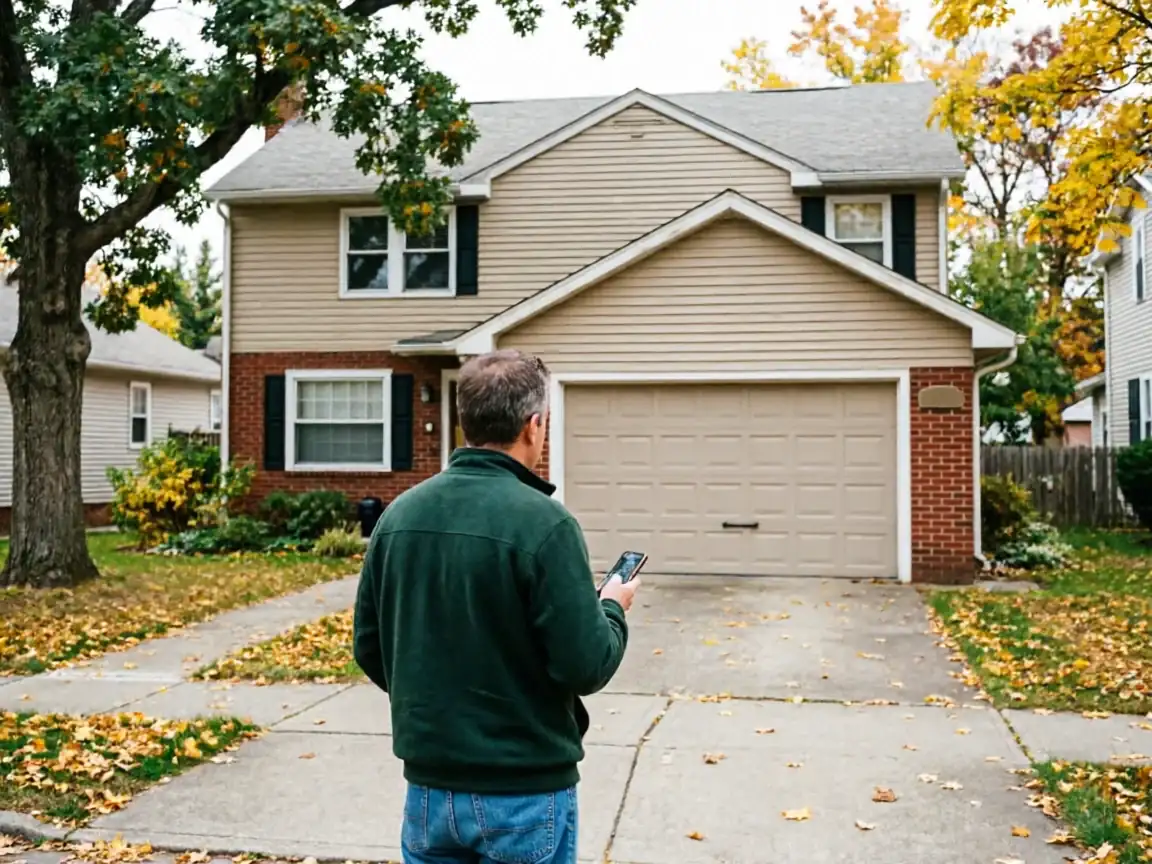
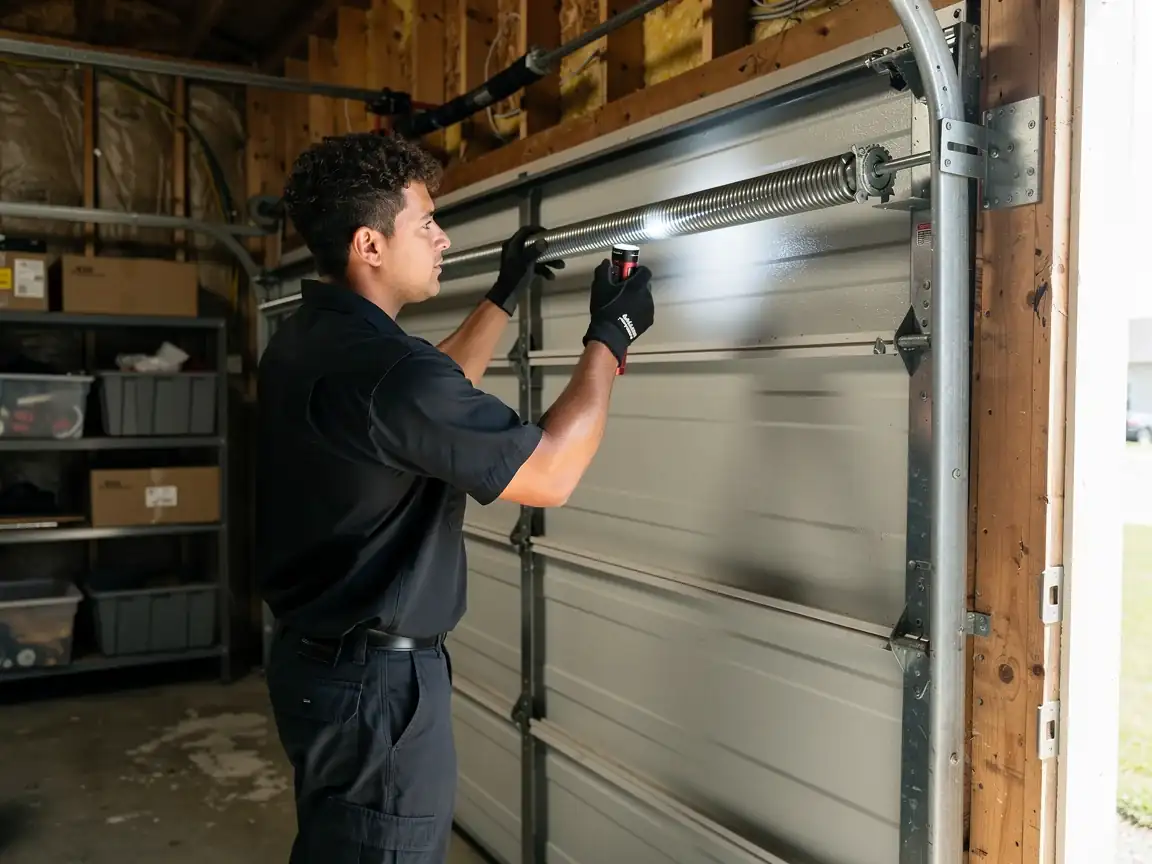
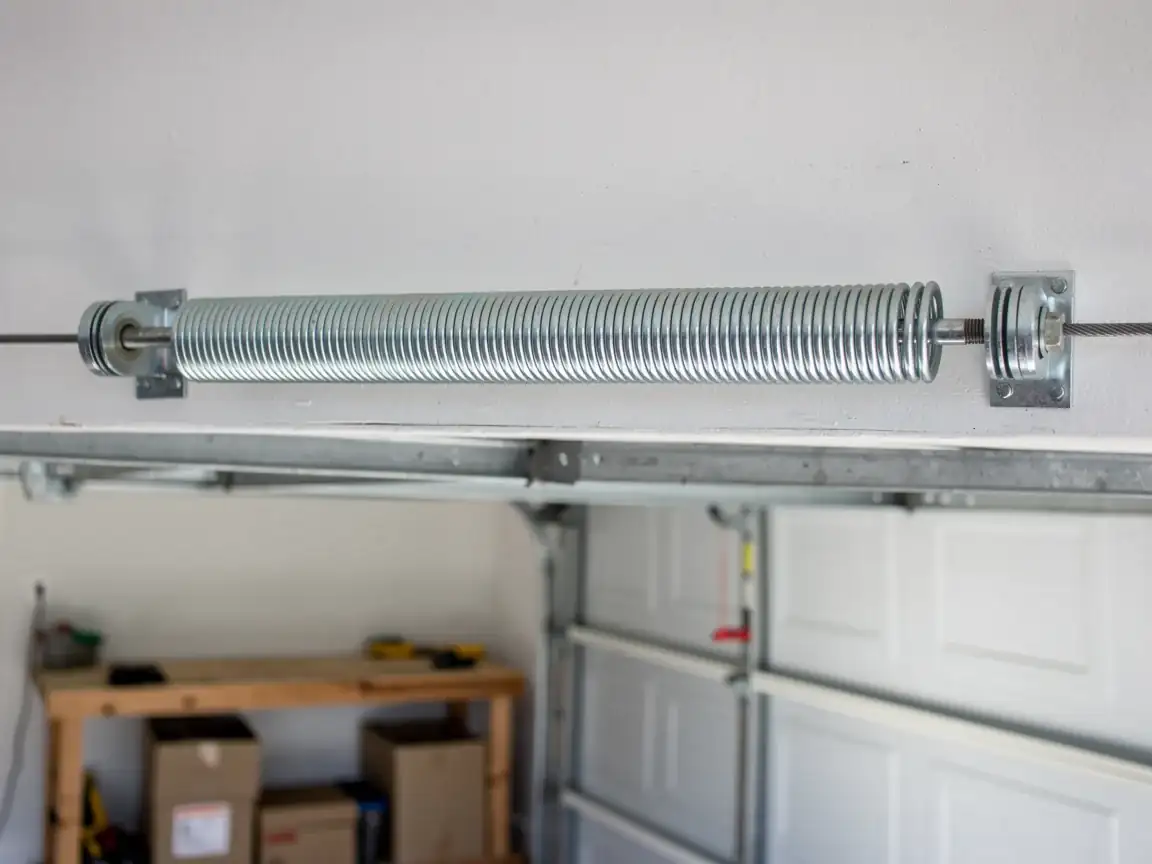
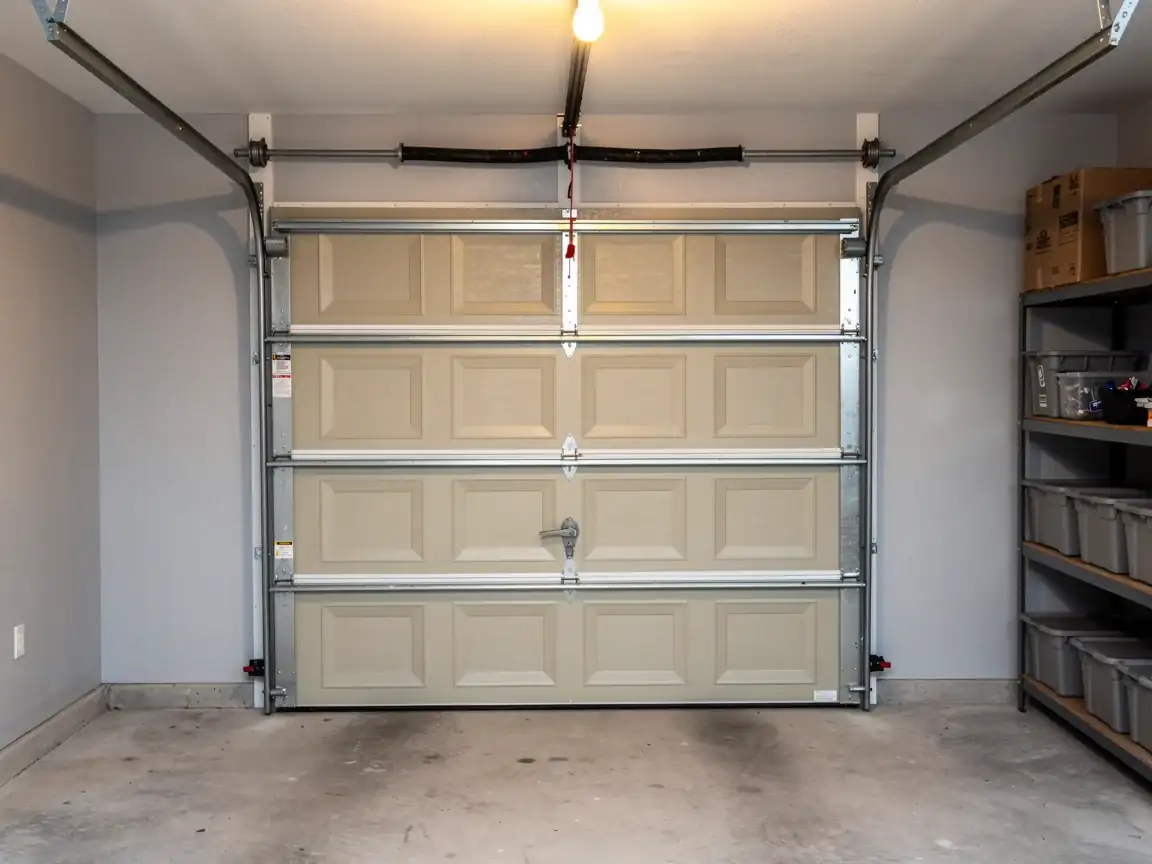
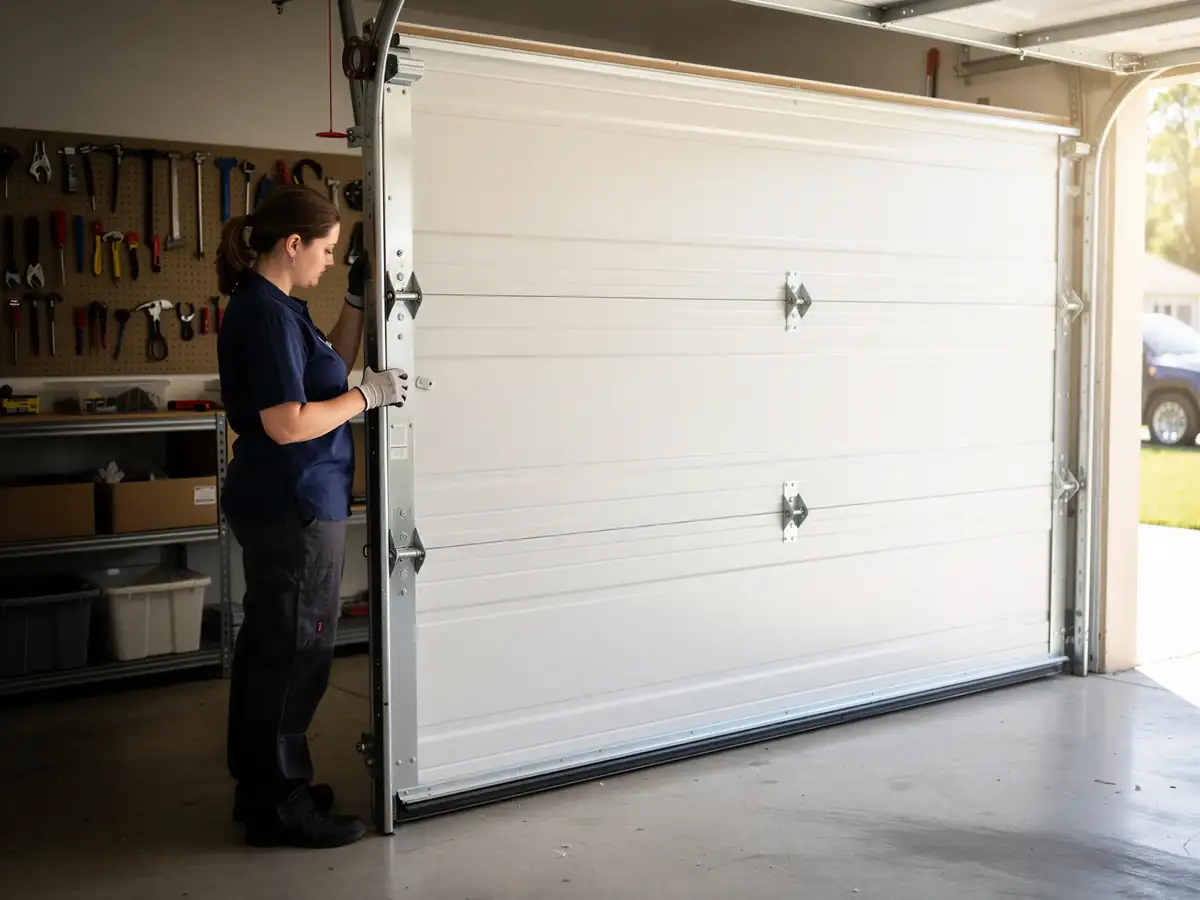
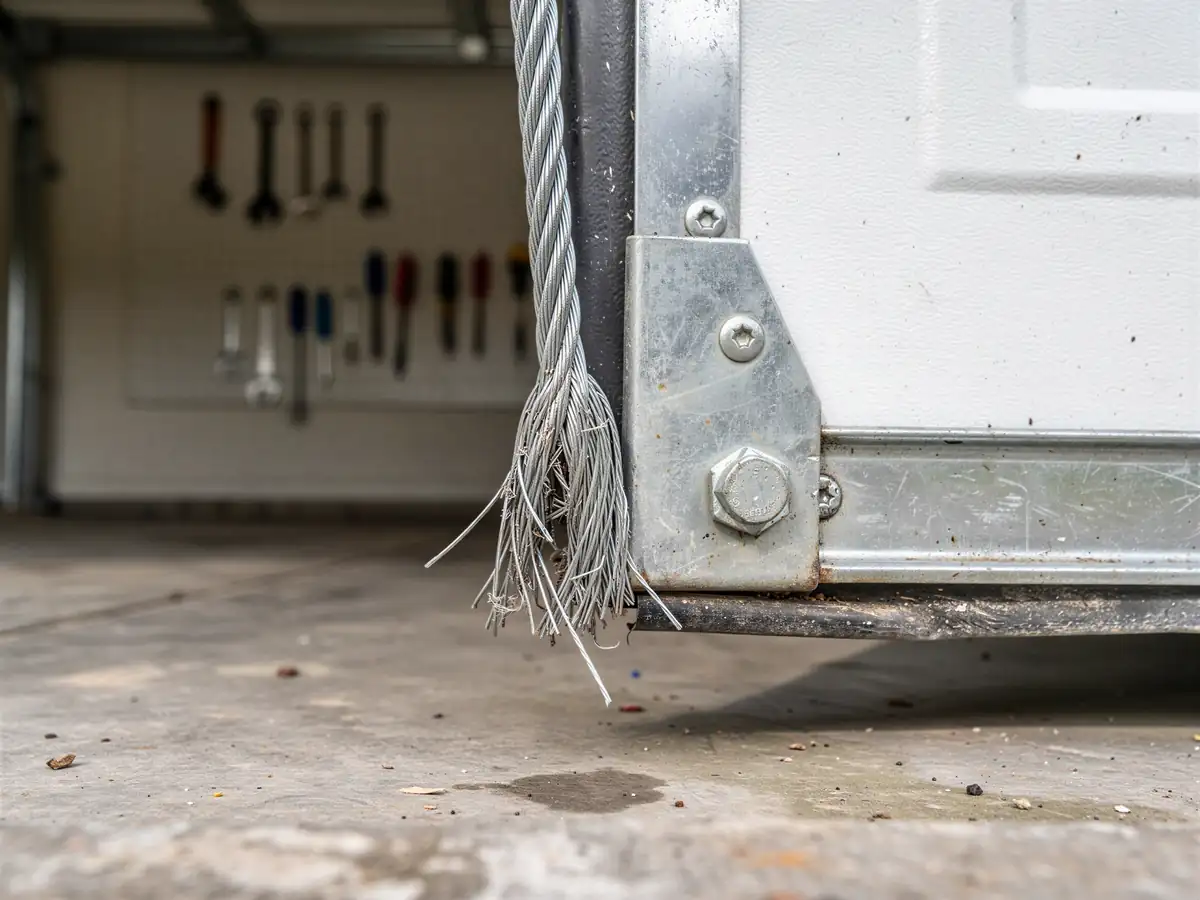
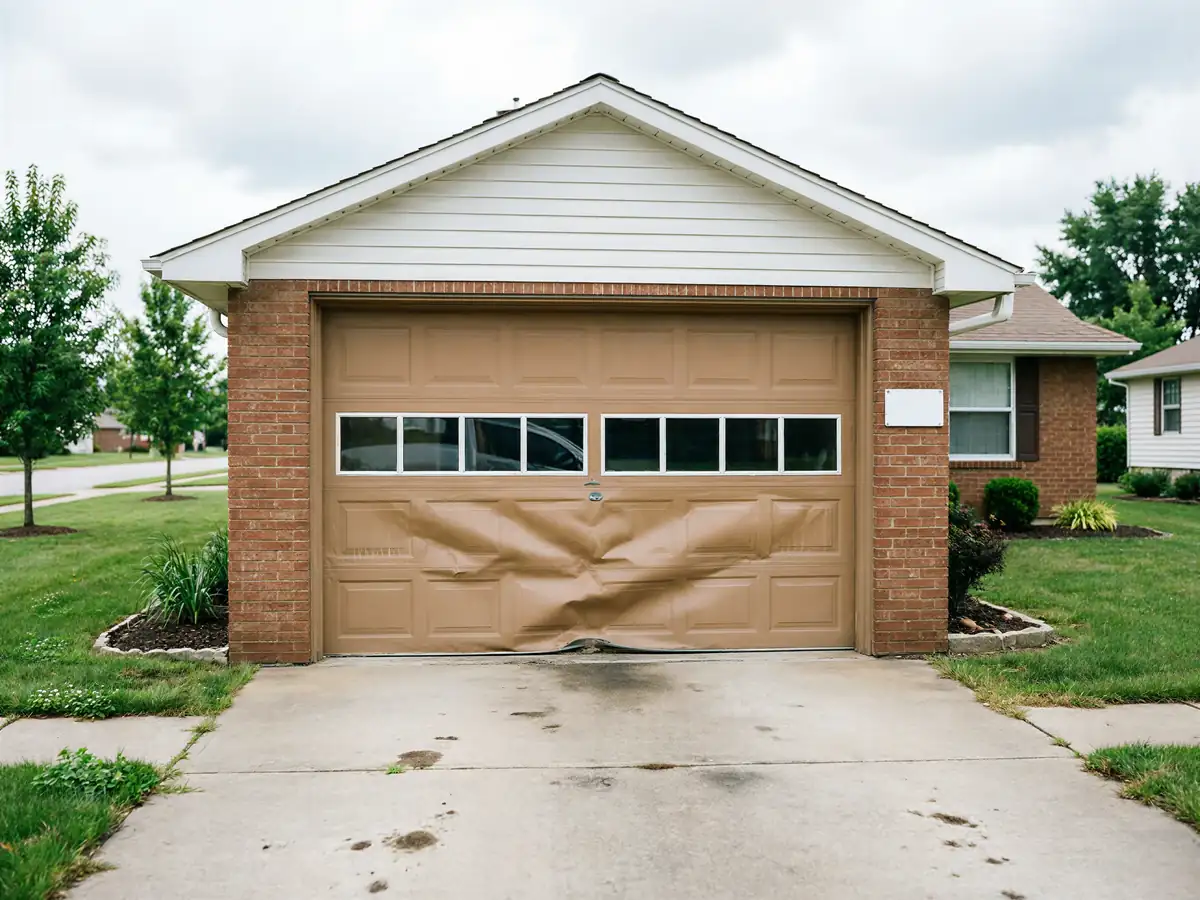
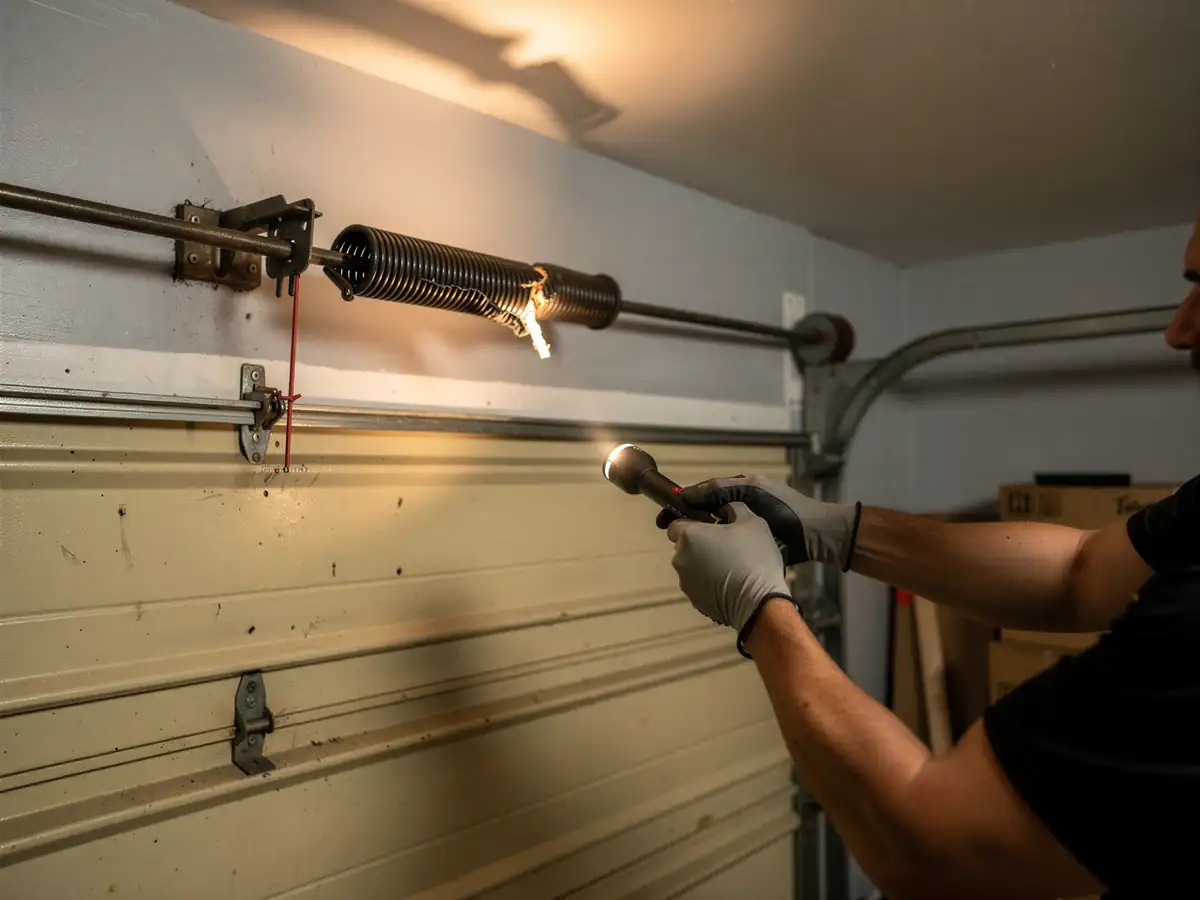
The door won't go up, or it goes up a few inches and stops. Sometimes there's a loud bang from the garage first - that's usually the torsion spring letting go. Other times the door just creeps, groans, and the opener strains against dead weight it was never built to lift alone.
A lot of these calls come in right after a hard cold stretch
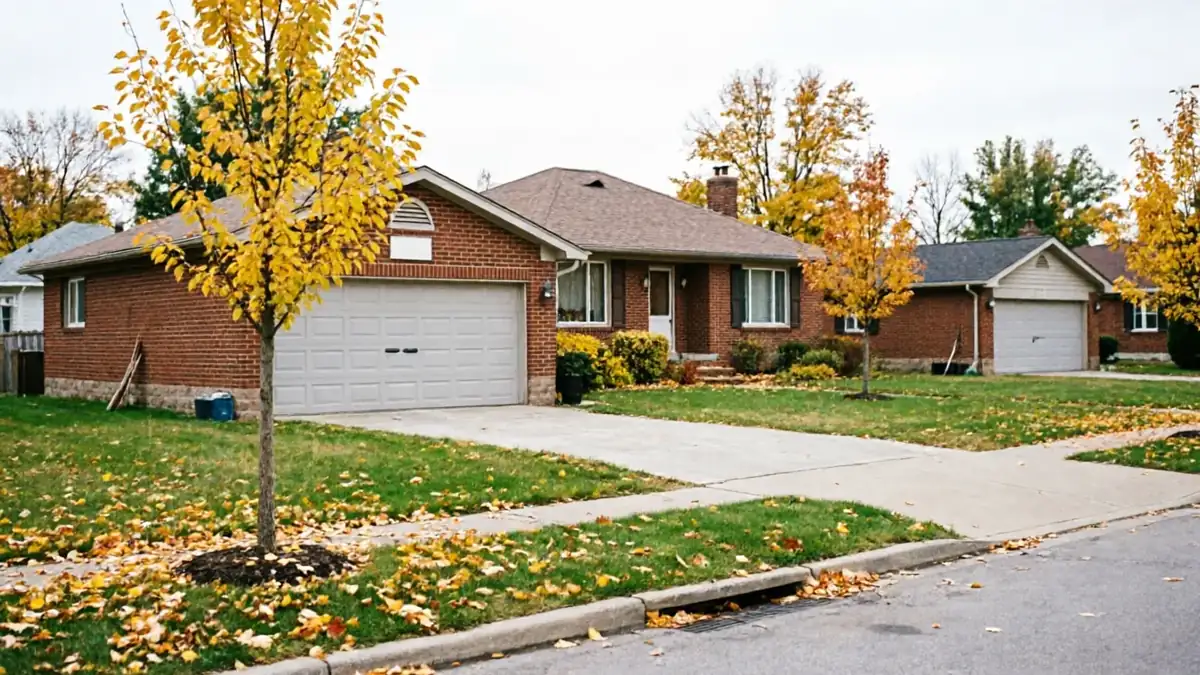
That's not a coincidence. Steel springs lose some flexibility as the temperature drops, and a spring that's already near the end of its life cycle picks the coldest week of the year to finally snap. If your house was built anywhere in the 1960s or 70s - which covers a big share of homes in this area - there's a decent chance the spring on it now isn't the original, but it may be the same gauge and same undersized setup builders used back then.
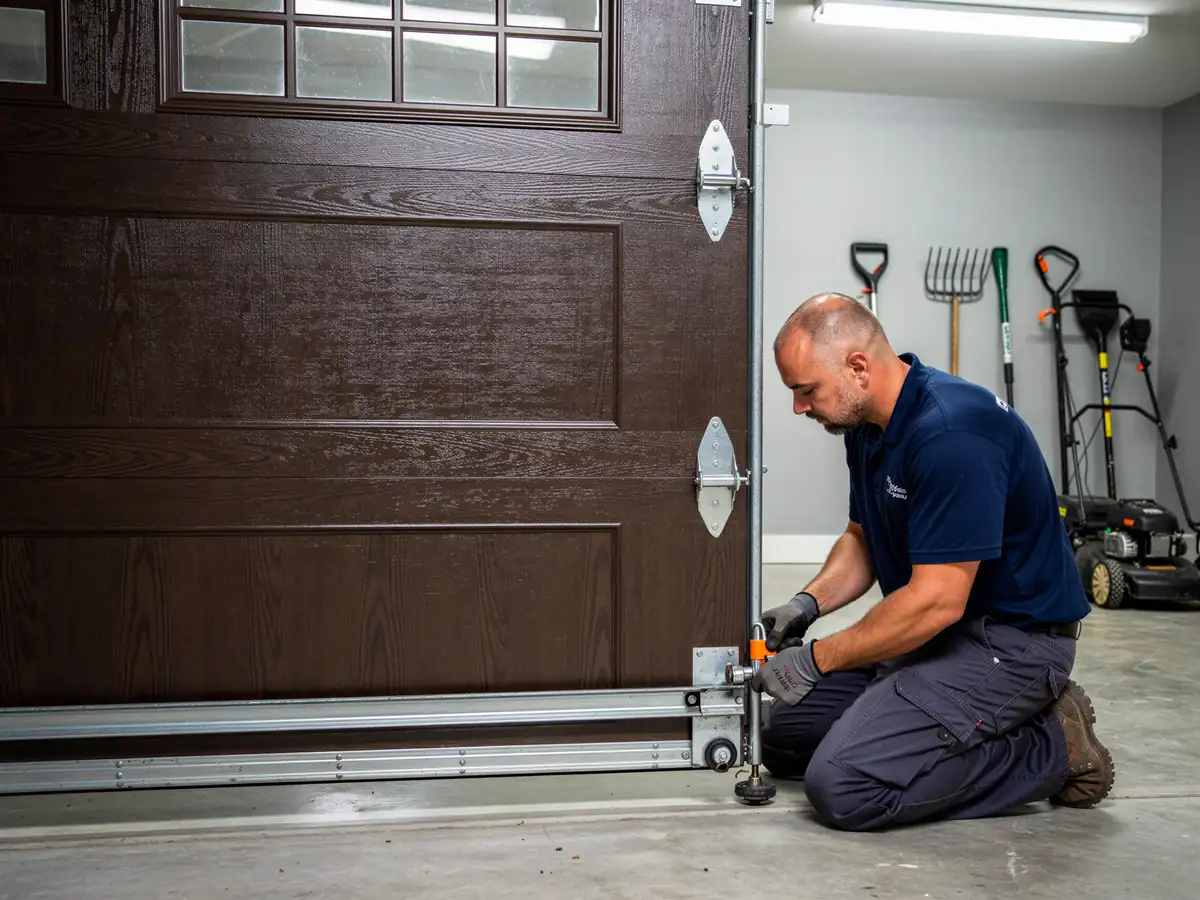
We also see broken rollers and bent track on these older doors
Especially single-car doors that were never upgraded when the opener was added later. The symptom looks the same from the driveway: a door that won't move. The cause is usually mechanical, not electrical, and it's almost always traceable to age and cold, not a one-time accident.
What Is on the Truck
Because so much of the Bay City area's housing dates from 1952 to 1994, with a median build year around 1969, we carry torsion springs sized for the older standard door openings that era used, not just today's common sizes. That matters - a spring that's close enough but not exact will either underperform or wear out fast, and ordering the right one after the fact means the homeowner sits with a dead door for days.
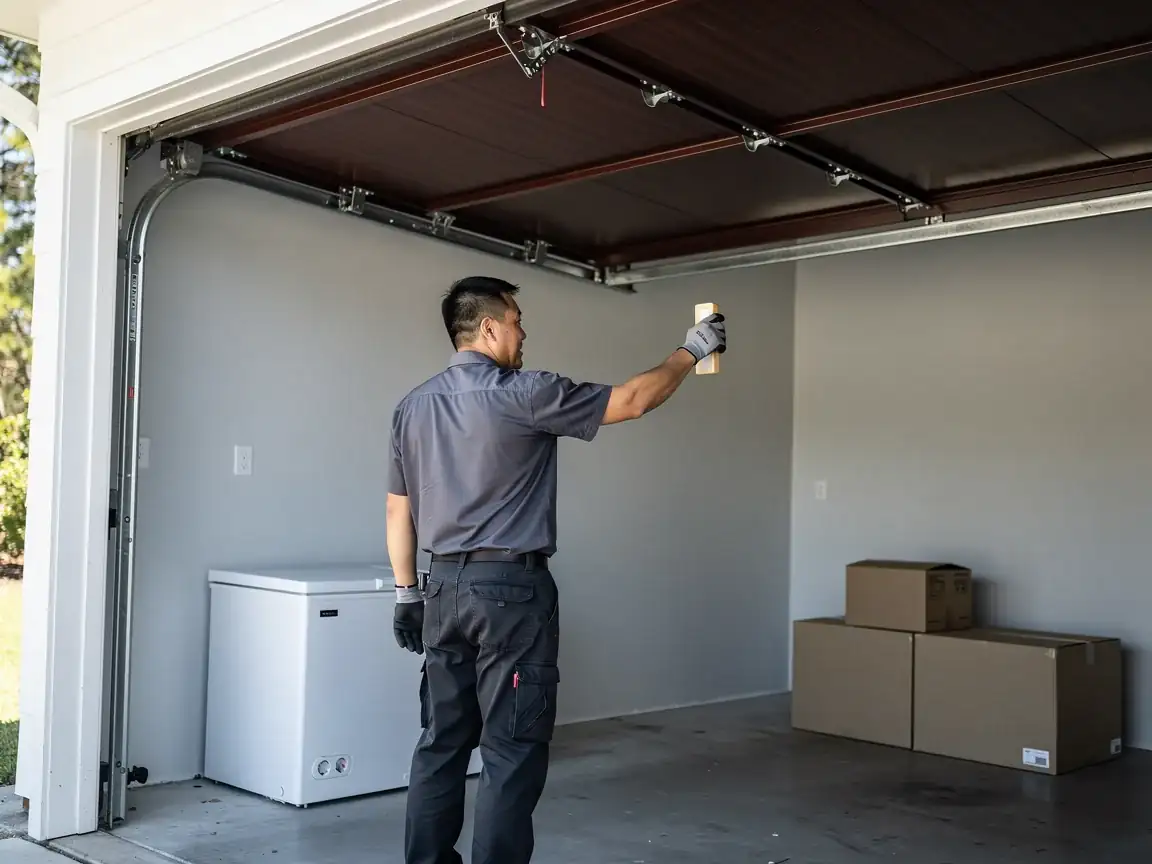
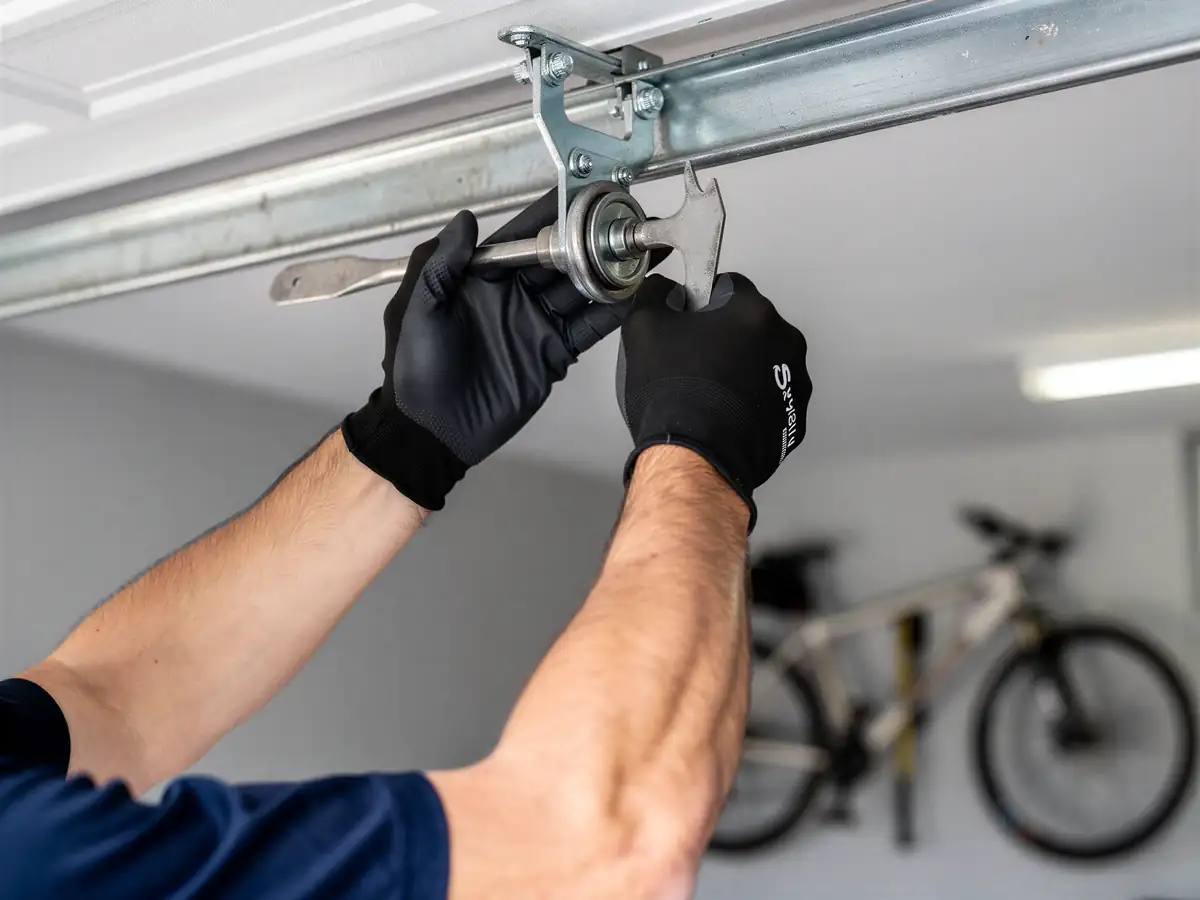
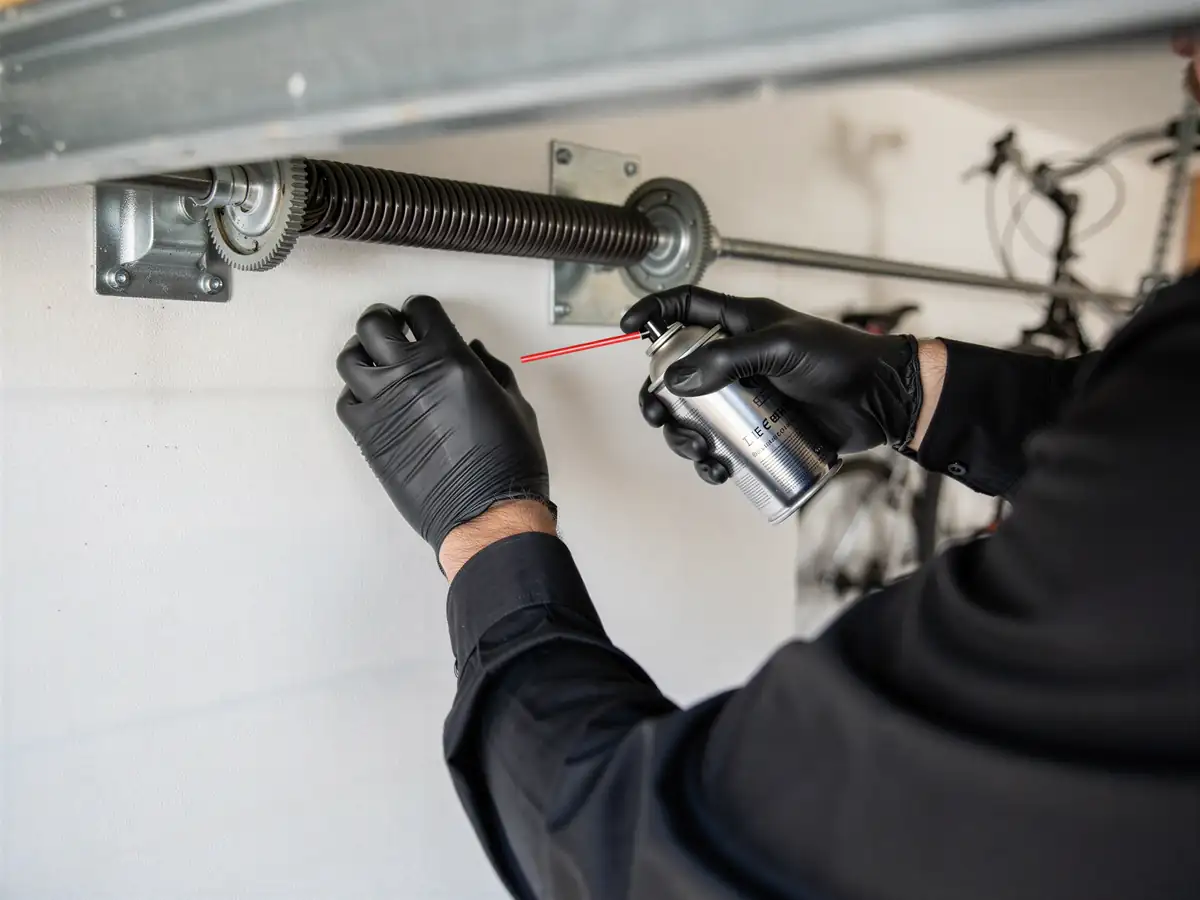
We stock rollers in both nylon and steel, replacement cables rated for extended cold exposure, and track sections long enough to splice into older bent-rail setups instead of tearing out the whole run. We carry a range of torsion spring winding bars and the safety cables that should be on every spring but often aren't on older installs - we add them as part of the repair, not as an upsell.
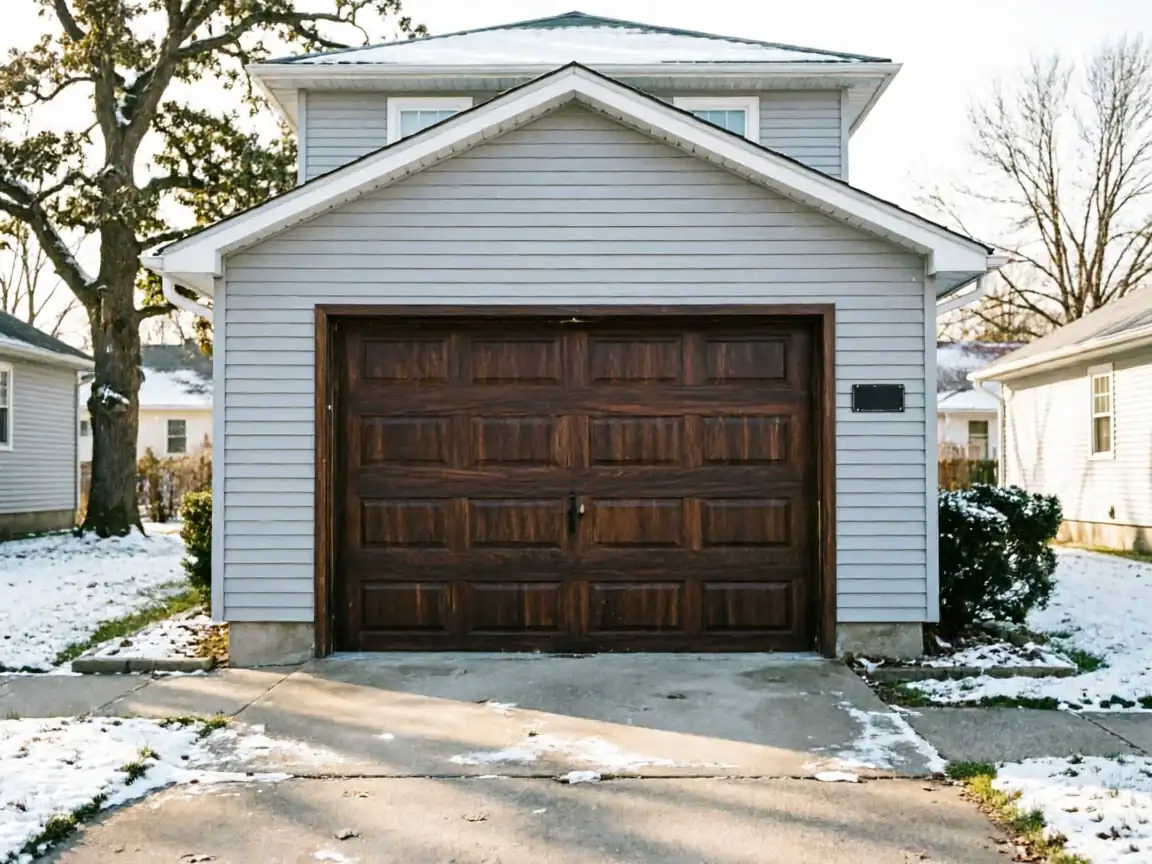
What we don't carry on the truck: full custom door panels in oddball original colors or wood-look finishes from the original builder runs. If a cosmetic panel match matters to you, that's a special order, and we'll tell you that up front rather than make you wait at the curb while we pretend otherwise.
What It Costs
We're not going to put a number here that isn't accurate for your door, because the honest answer depends on what's actually broken. A single torsion spring swap costs less than a full two-spring replacement on a double-wide door. A bent track that needs straightening is cheaper than a track that needs full replacement. Cable and roller jobs are usually smaller repairs than spring work.
What we can tell you is how we price it: we diagnose on site, quote the repair before we touch anything beyond the inspection, and the quote is the number you pay - no add-ons discovered halfway through. If the door is old enough and worn enough that a repair would just delay a bigger failure next winter, we'll say so plainly instead of patching it and billing you again in six months.
Given the median household income in this service area sits around $72,558, we try to keep repair as the first option rather than pushing replacement when a repair will hold up. Replacement only gets recommended when the math genuinely favors it - a cracked panel section, a door that's outlived its hardware, or an opener that's incompatible with anything we can still get parts for.
What Causes It Around Here
This comes down to two things: the age of the housing and the weather
With most homes across this service area built between 1952 and 1994, and a lot of that concentrated in 1960s and 70s construction across the twelve named areas we work, the garage doors and their original hardware are simply old. Torsion springs have a rated number of open-close cycles, and a 50-plus-year-old spring, even if replaced once along the way, has usually been through more cycles than it was built for.
The cold is the other half of it
This area sits in a severe cold climate band, and steel behaves differently at low temperatures - it gets less forgiving, more prone to sudden failure rather than gradual wear. A spring that's fatigued but still holding in October can snap outright during a January cold snap. Tracks bent slightly out of alignment get worse when cold makes the steel more rigid and less willing to flex back.
With roughly 13,393 owner-occupied houses among the area's 20,381 households
A big share of the doors we service are original or near-original to homes from that same build era - which is exactly why spring failure and track wear show up as often as they do, and why they show up hardest in the cold months.
- 13,393 owner-occupied
- 20,381 households