What Was Built Here
Freeland sits about 12 miles from Bay City
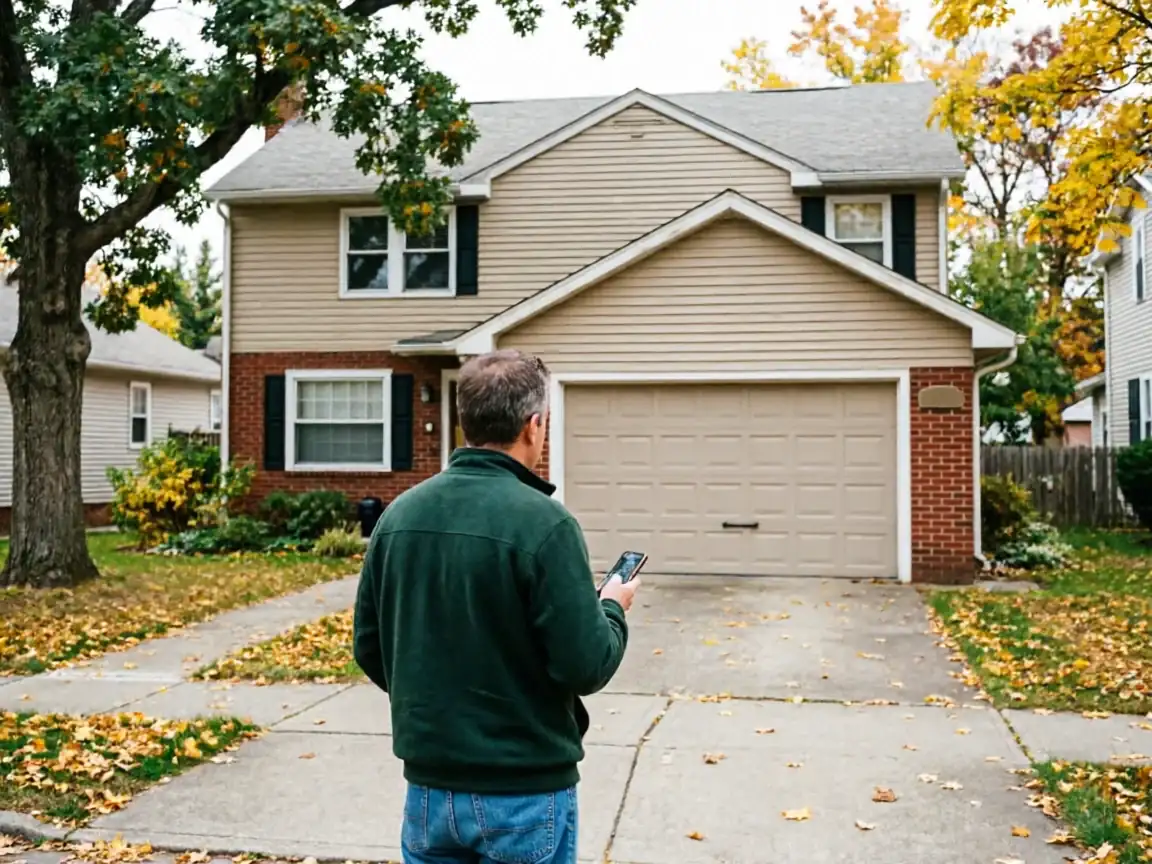
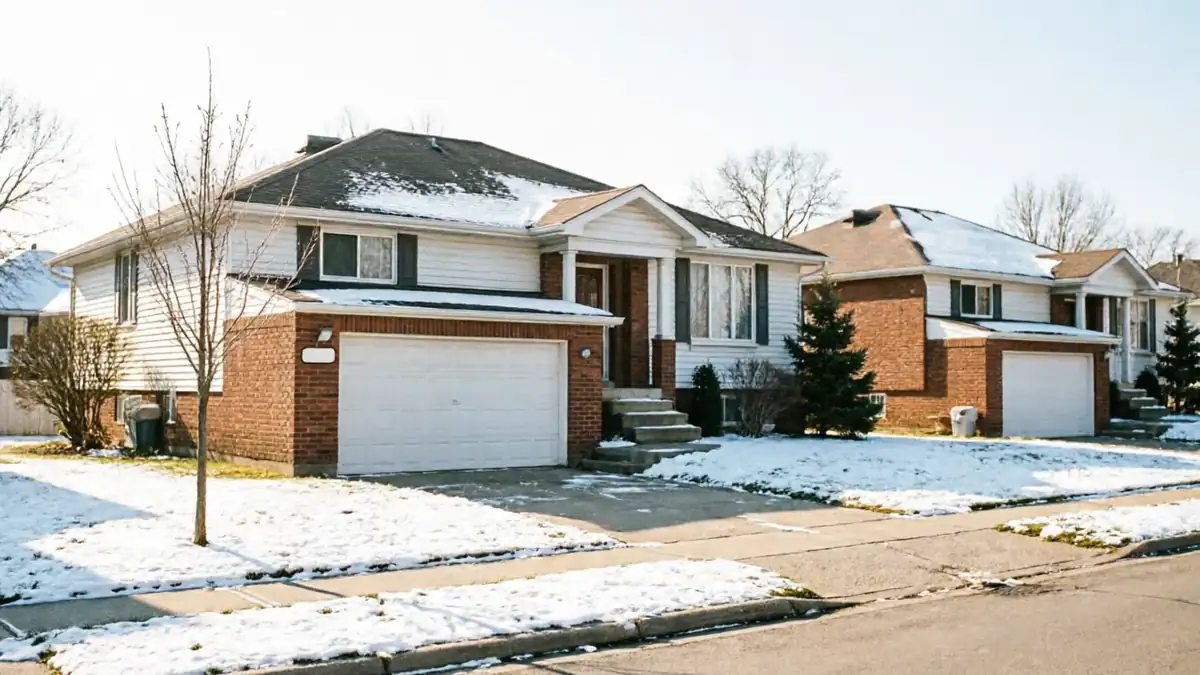
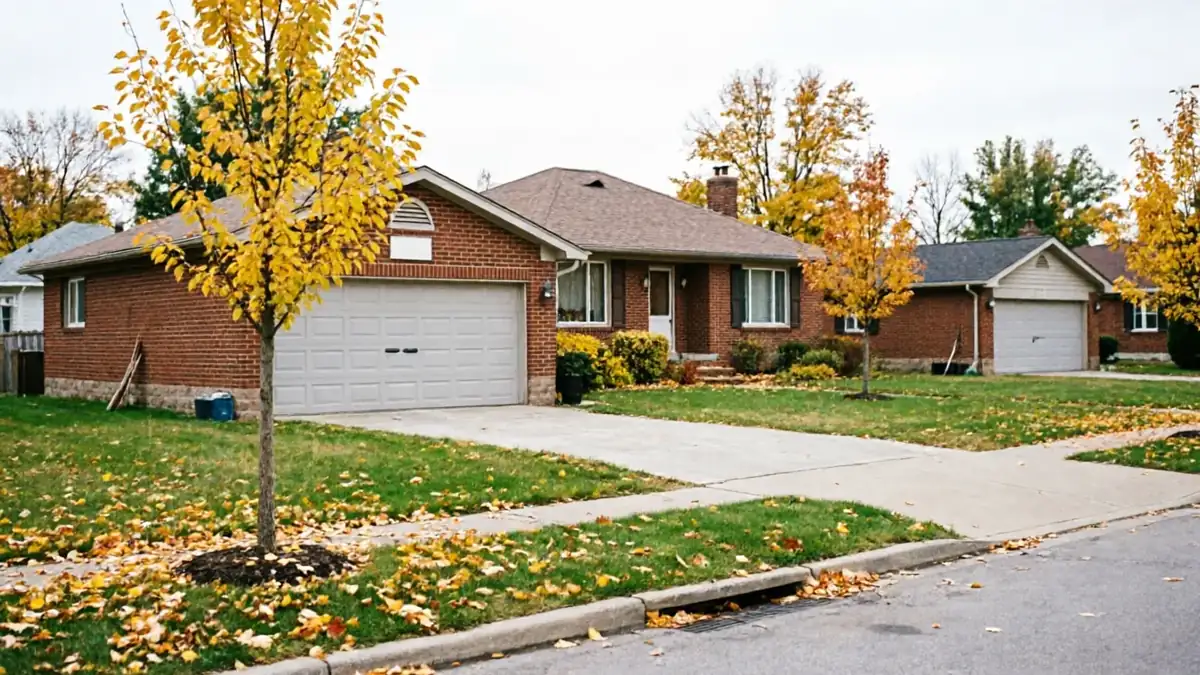
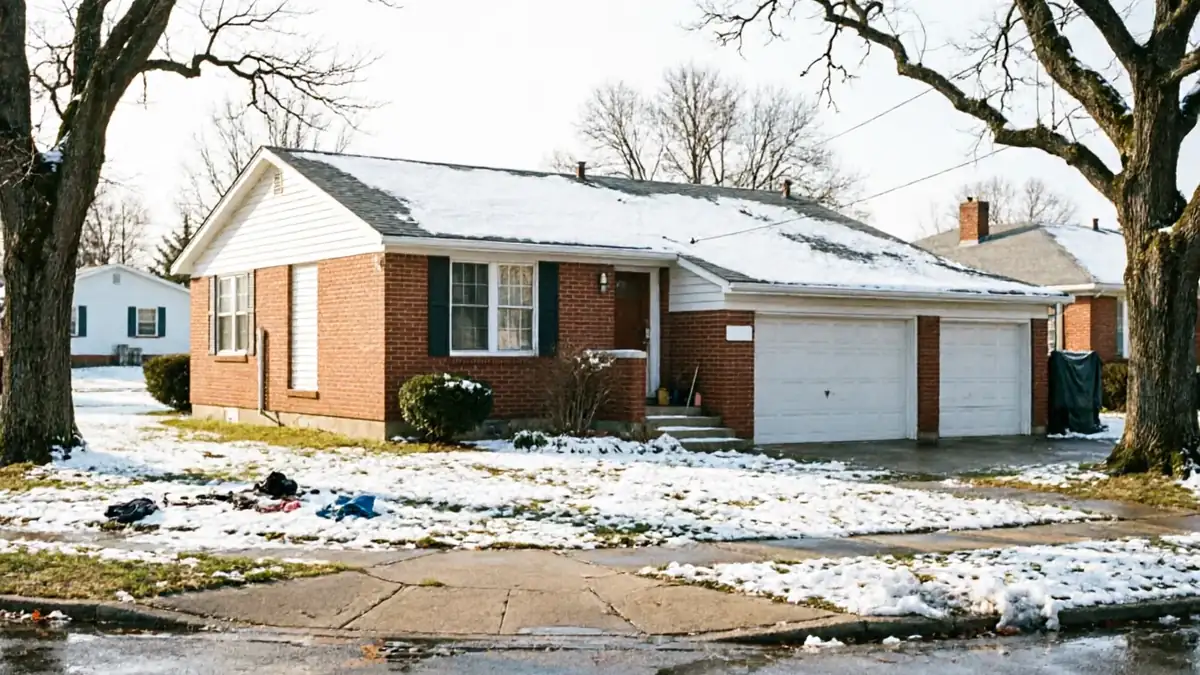
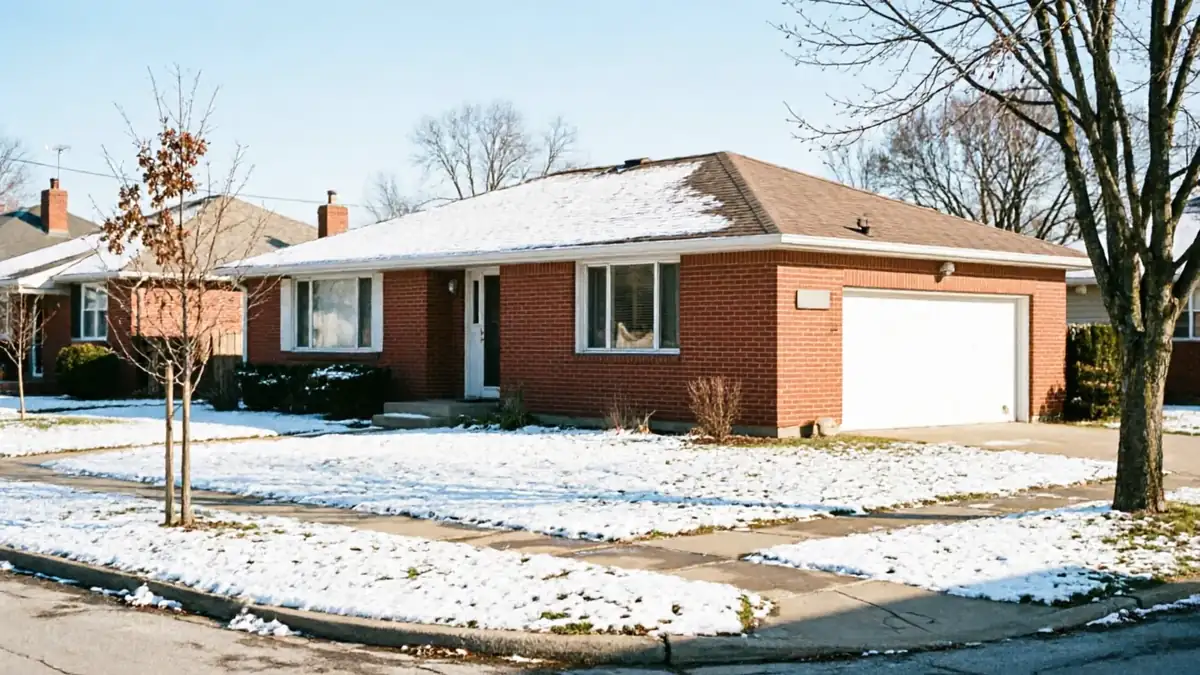
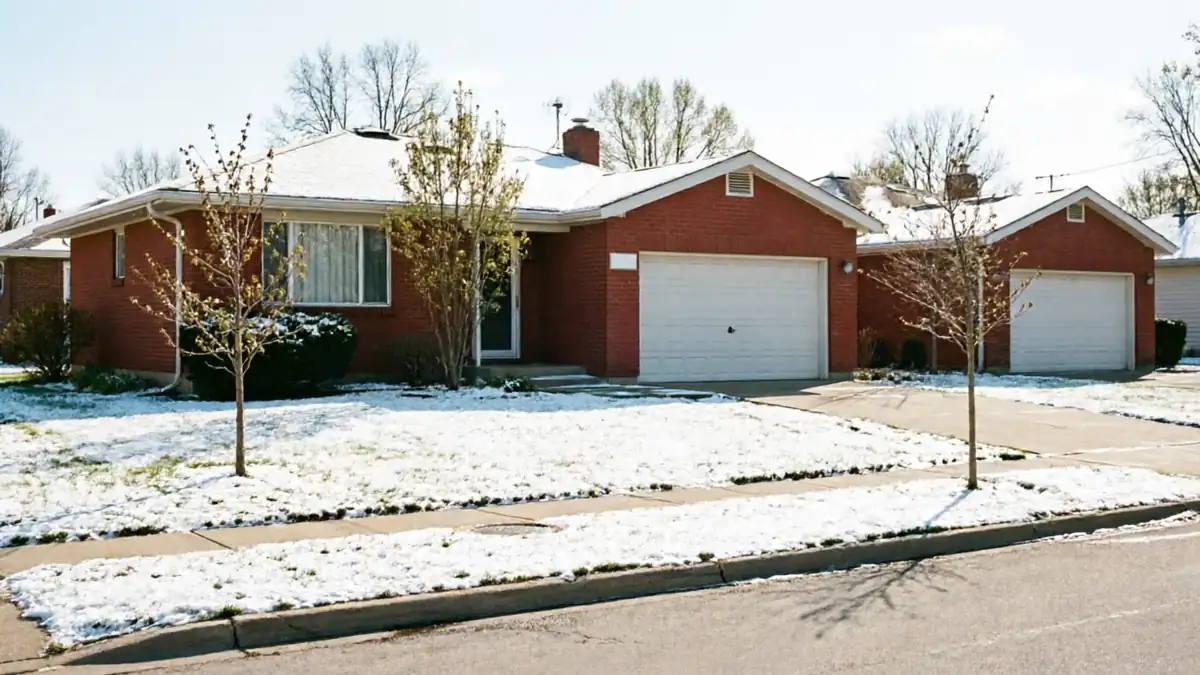
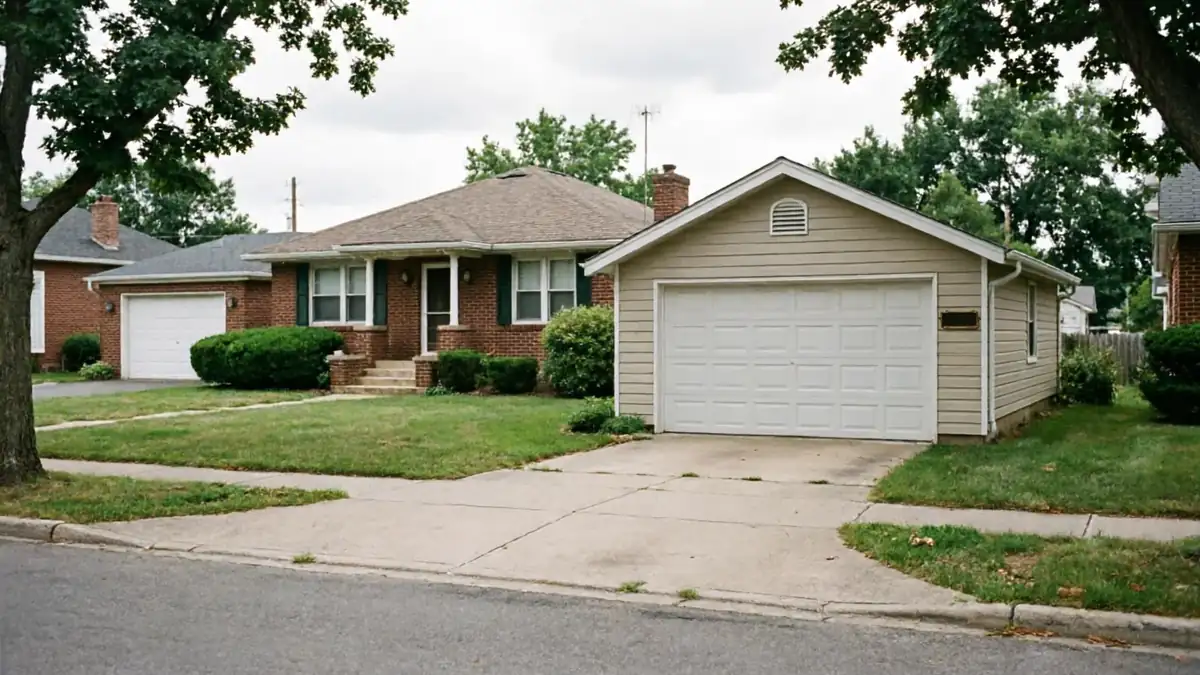
And the houses here skew newer than most of the service area. Median year built across the wider Bay City coverage area is 1969, with most stock going up in the 1960s and 70s. Freeland's own median is 1994 - a full generation later. That's not a small gap. A house built in 1994 was framed to a different code, wired for a different kind of opener, and almost never came with the one-piece doors and side-mounted torsion hardware you find on the older stock closer to Bay City itself.
- 12 miles
With roughly 2,137 households in Freeland and a median income of $103,431
Well above the $72,558 median for the broader area - this is also a part of the territory where homeowners are more likely to have replaced an original door already, or to be looking at a full replacement instead of a patch job. We don't guess at what's behind your wall. We ask what year the house went up and what's already been swapped, because in Freeland the answer is often "not much, it's still the builder-grade door."
- 2,137 households
We're not based in Freeland
We run out of Bay City and drive the 12 miles out, same as we do for the rest of the coverage area.
- 12 miles
What the Housing Means for Your Door
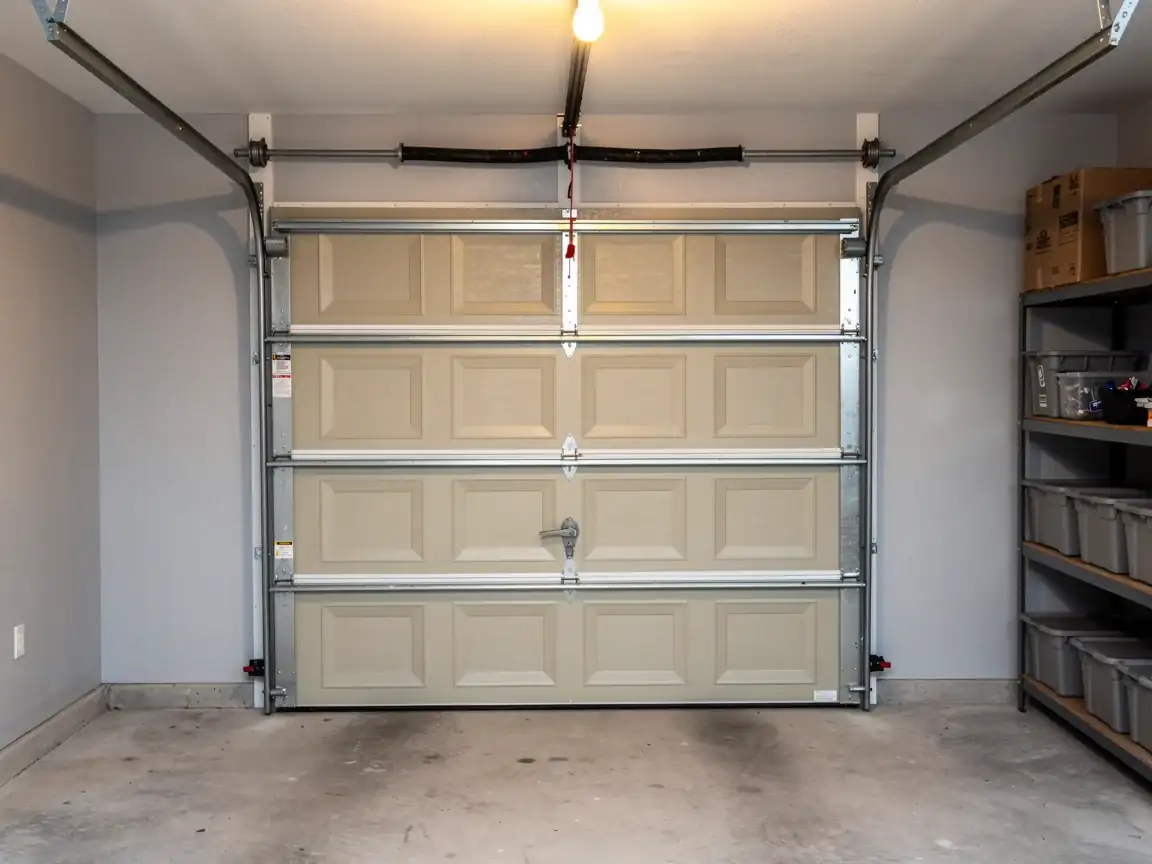
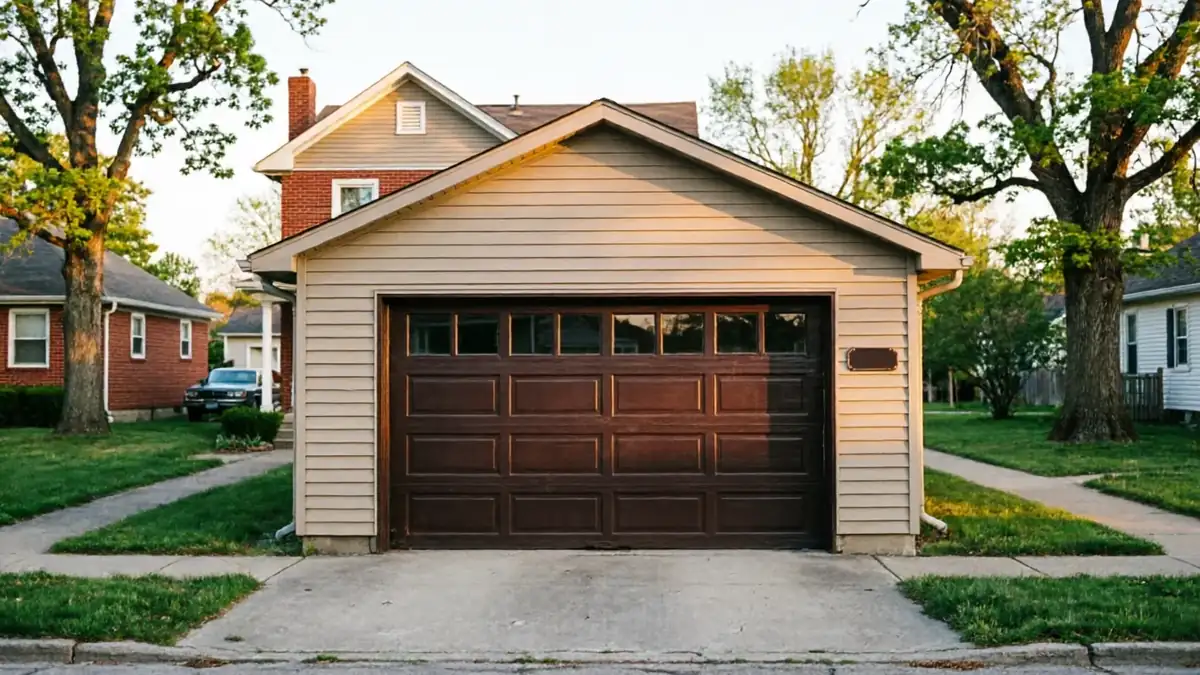
A door installed around 1994 almost always runs on extension springs or a lighter torsion setup than what you'd find in a house from the 1960s, and the openers from that era are chain-drive units that are now thirty years old - past the point where a repair is cheaper than a new motor. Sectional steel doors from the mid-90s also used thinner gauge panels than what's sold today, so a dent that would shrug off on a newer door can crack the skin on one of these.
The cold band this part of Michigan sits in matters here too. Steel contracts hard in a deep freeze, and a panel or track that's slightly out of alignment in October will bind completely by January. On a 1994-era door with original hardware, that's usually a rusted roller or a track bracket that's worked loose over three decades of freeze-thaw, not a dramatic failure.
Because Freeland's stock is more uniform in age than the older, more mixed neighborhoods closer to Bay City, we see the same handful of failure points repeat house to house: the original chain-drive opener reaching end of life, extension springs that were never upgraded, and weatherstripping that's long past sealing anything against the cold.
What Neighbours Usually Call About
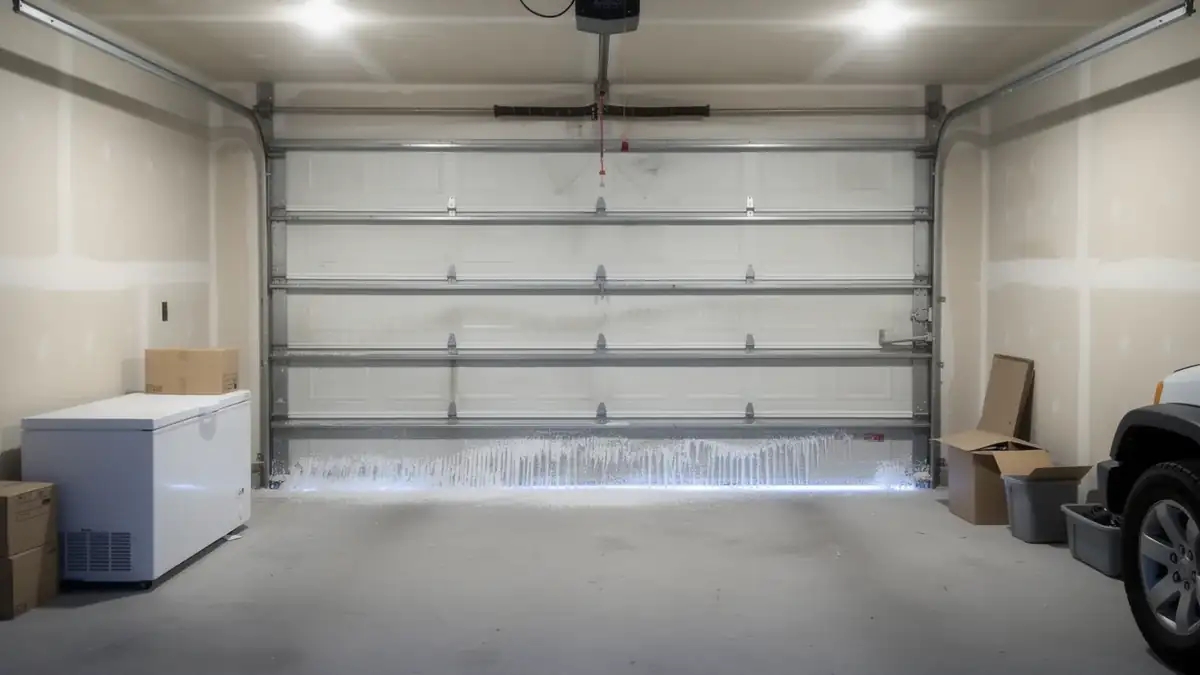
The most common call from this area is a dead opener - the chain-drive unit that came with the house in the 90s finally gives out, usually in cold weather when the gear sprocket is already brittle. Second most common is a door that won't seal at the bottom, which on a house this age is almost always worn-out weatherstripping rather than a structural problem with the door itself.
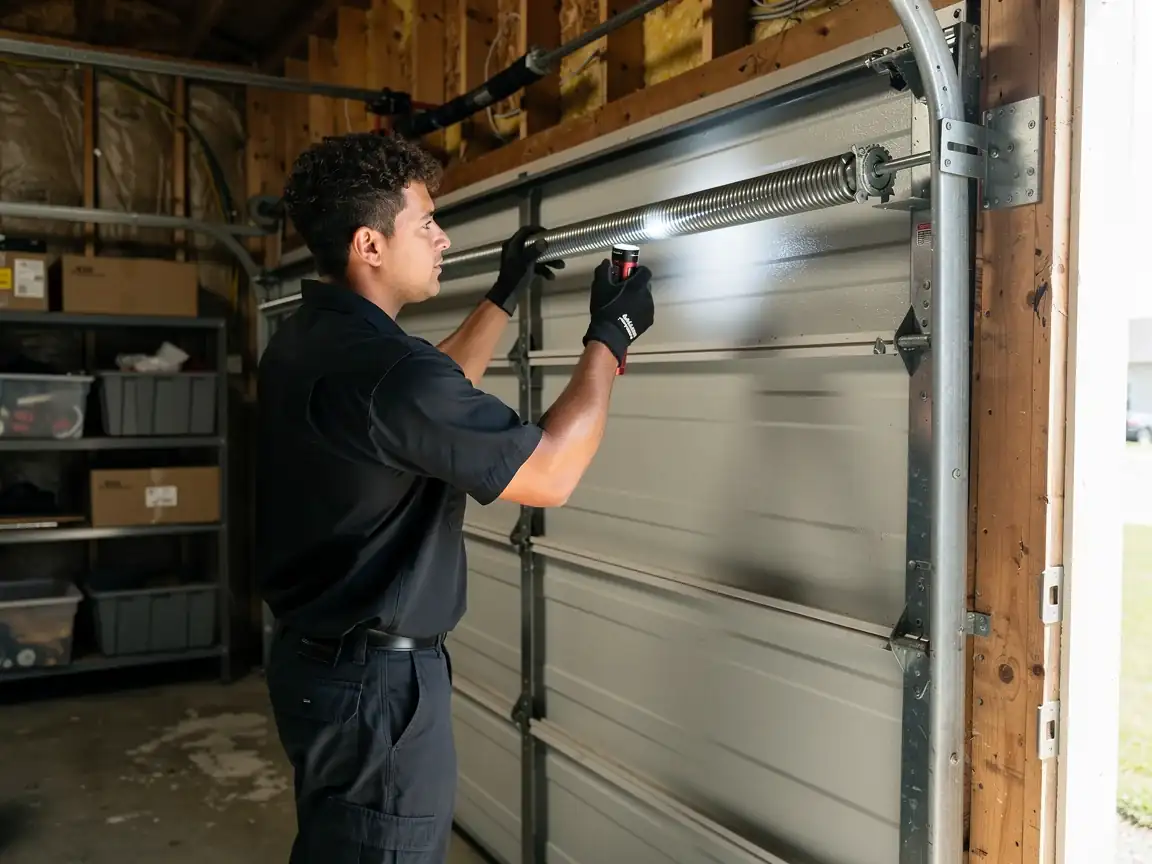
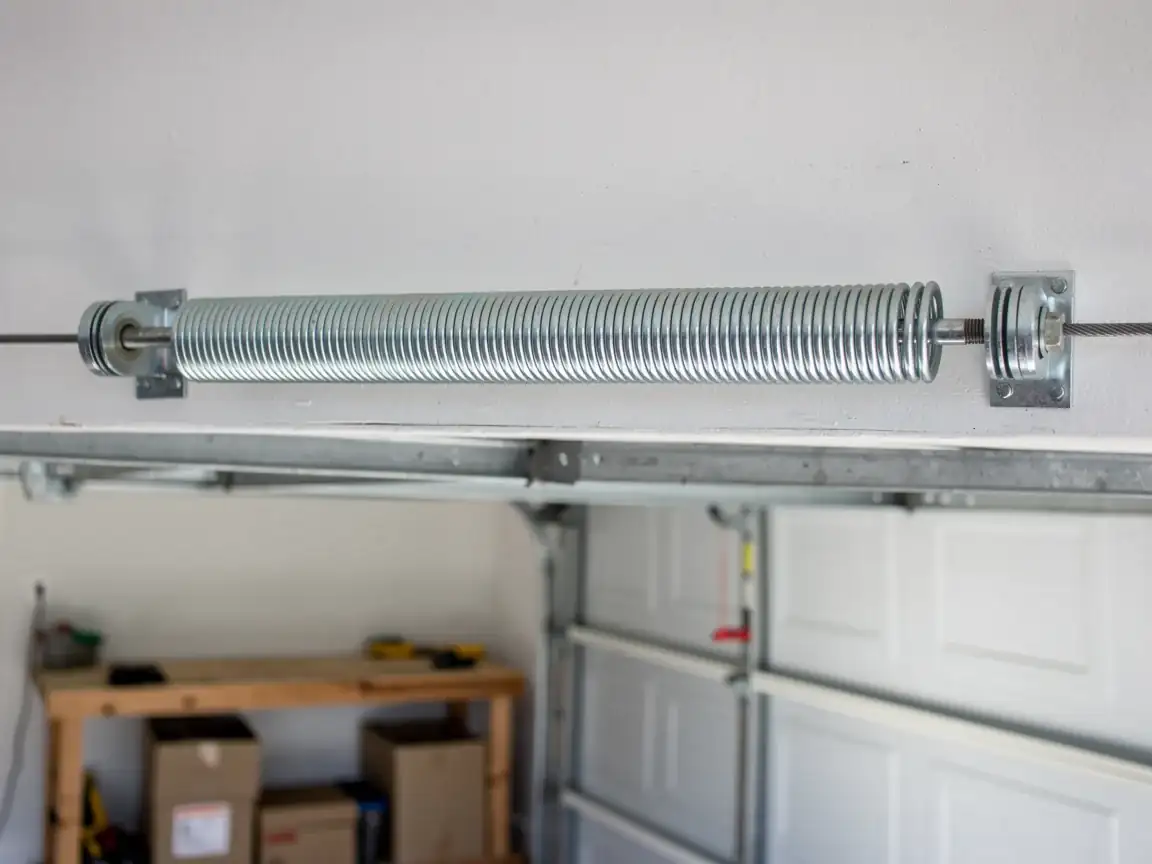
We also get calls about extension springs snapping. If your house in Freeland still has the original springs, they're three decades old, and that's well past the point where we'd recommend anything but replacement - not a stretch or a hook adjustment.
Less common, but it shows up: a track that's pulled away from the frame on one side. On a newer build like this, that's usually a loose lag bolt rather than a frame that's shifted, which is a quicker fix than it sounds.
What We Do Not Do
We don't carry parts for doors built before the 1960s steel-sectional era
If you've got an older wood carriage-style door that predates that, we'll tell you straight that we're not the right call for it. We also don't do same-day emergency dispatch; we route trucks from Bay City on a schedule, so if your spring goes on a Sunday night, you're looking at the next working day, not an hour.
And we don't push replacement when a repair holds up
If your 1994-era opener just needs a new logic board or a sensor realignment, that's what we'll quote - we're not going to sell a full unit because it's an easier job.