What the Housing Means for Your Door
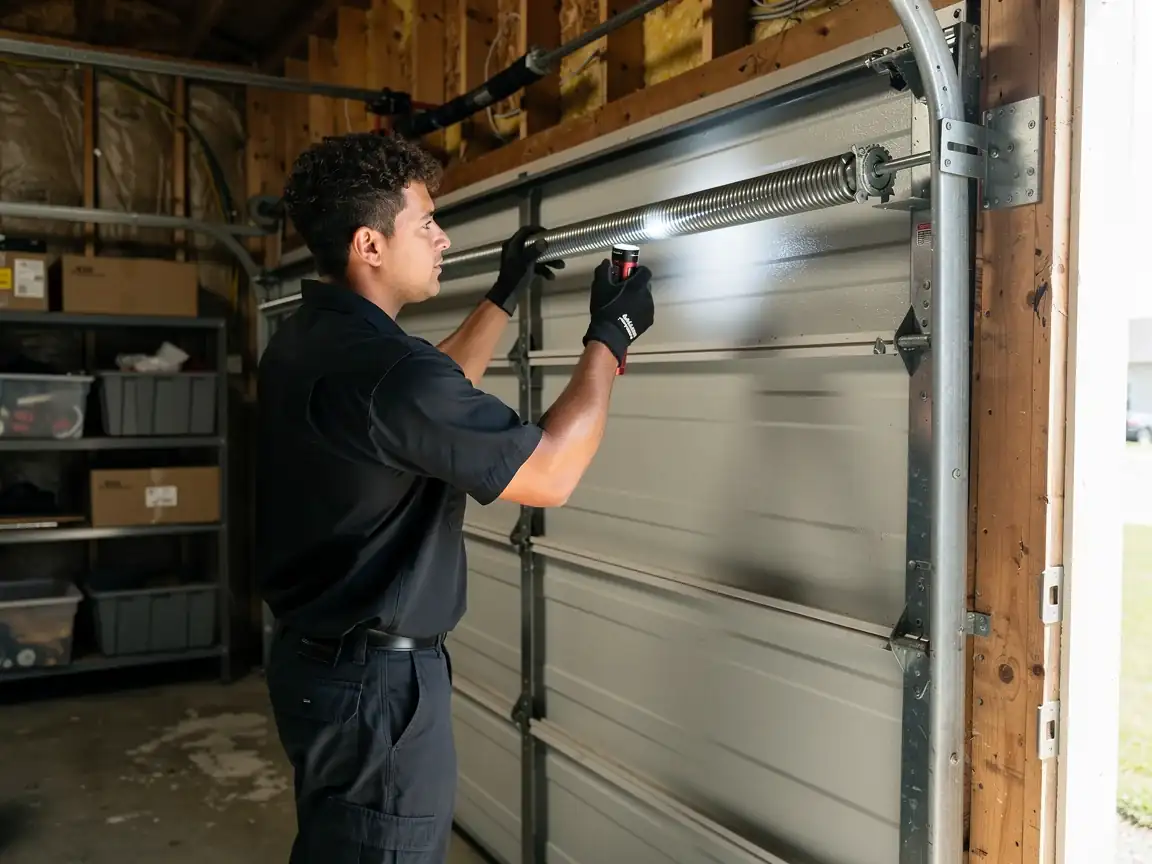
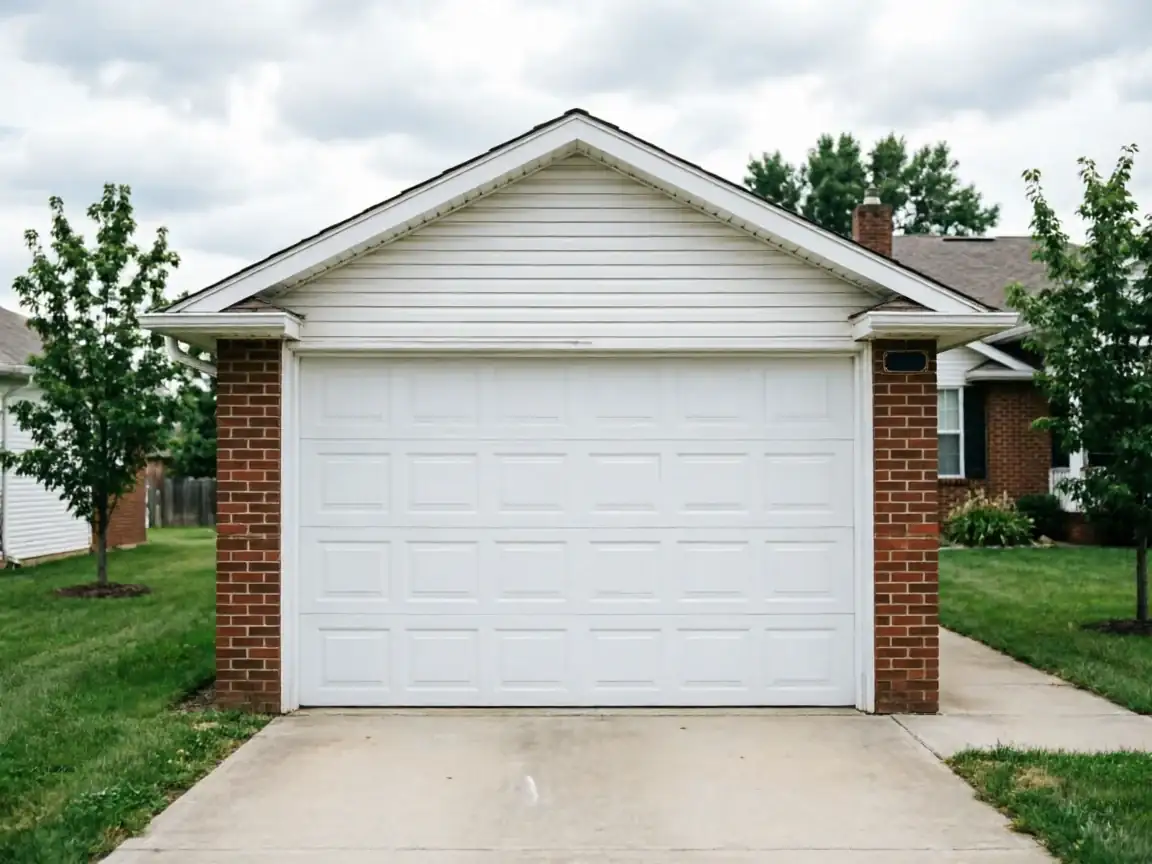
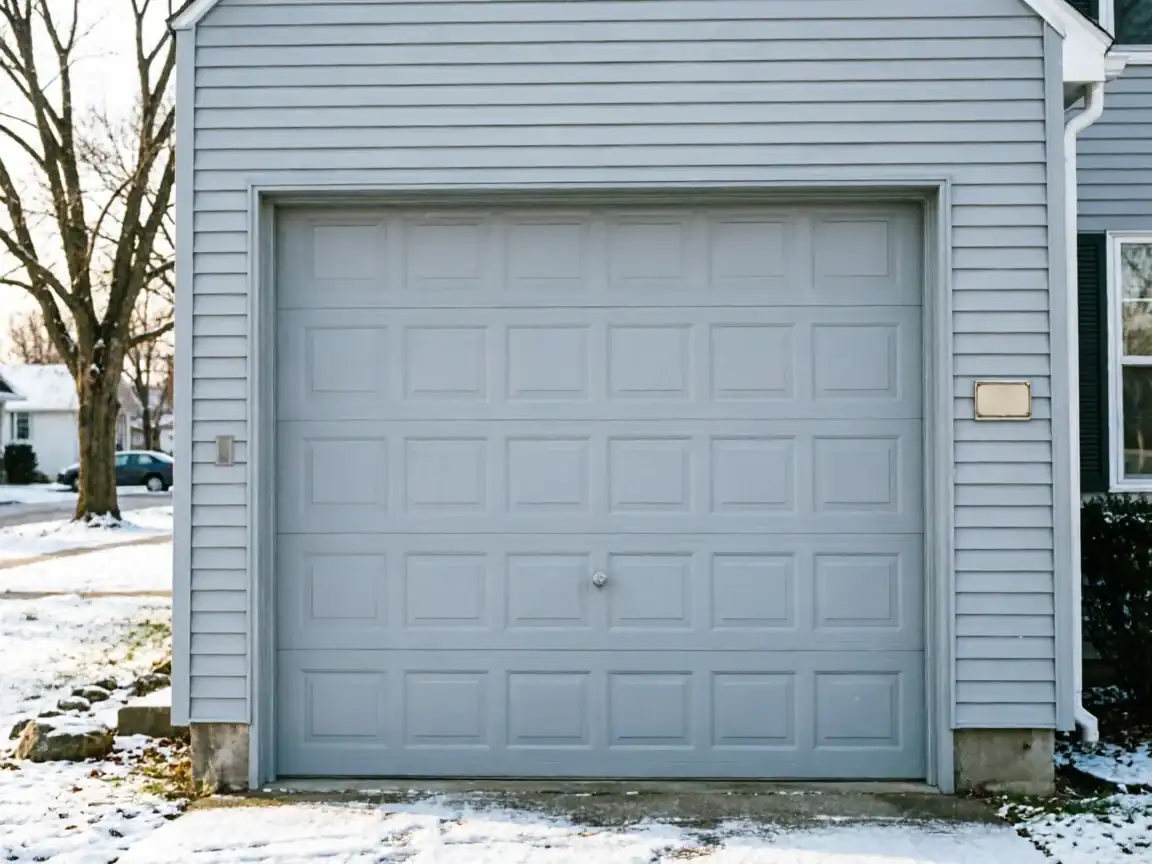
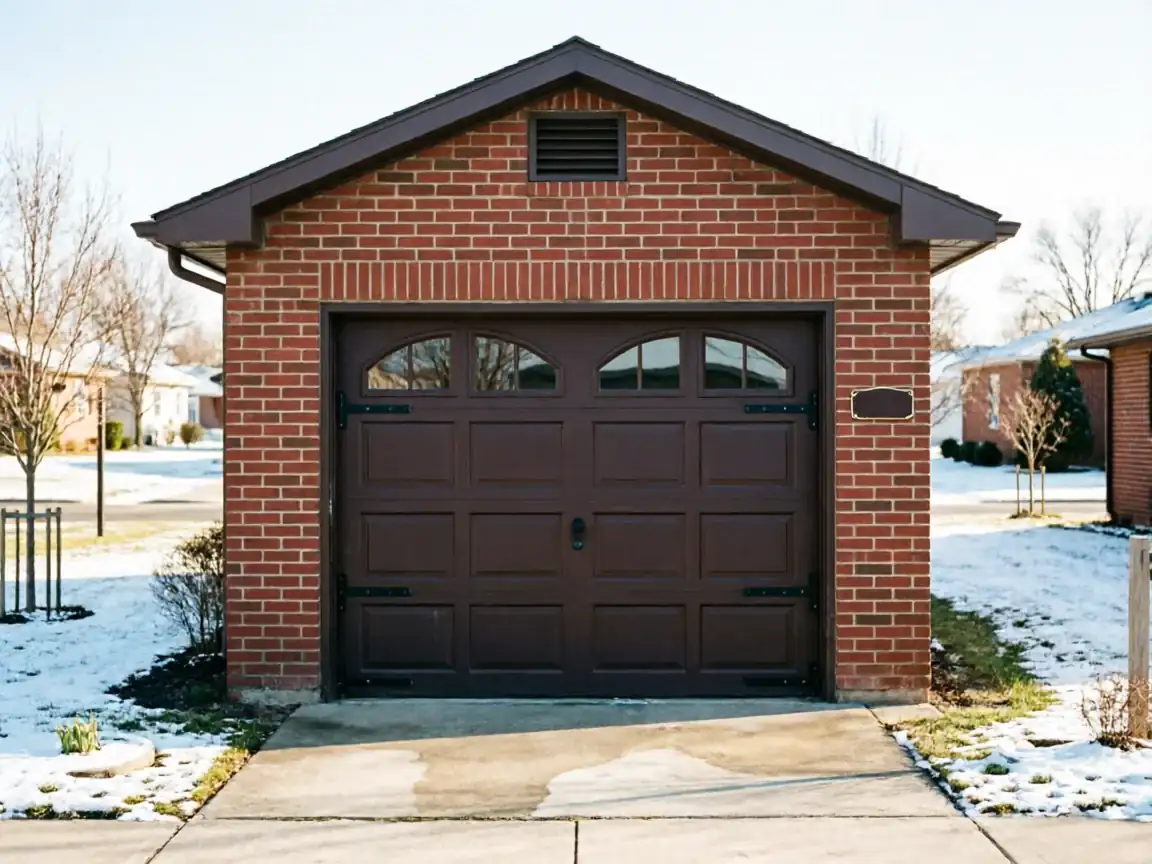
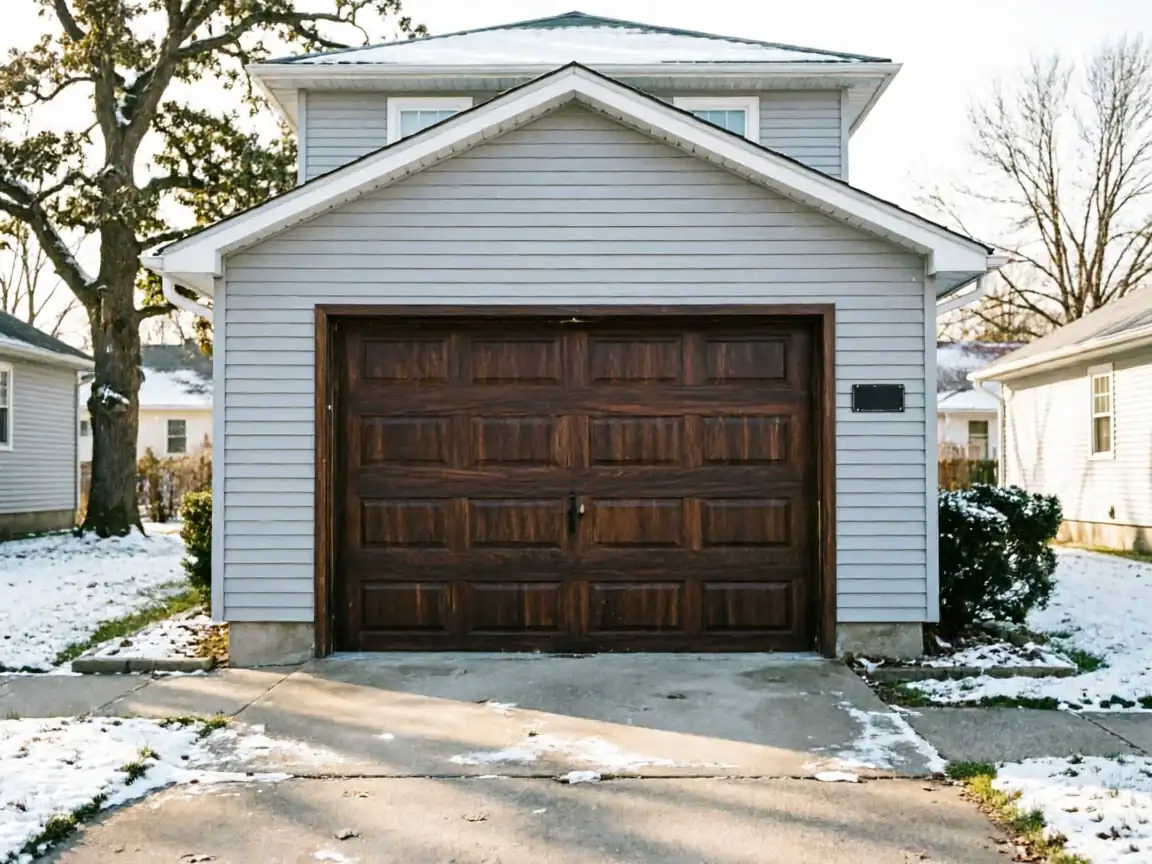
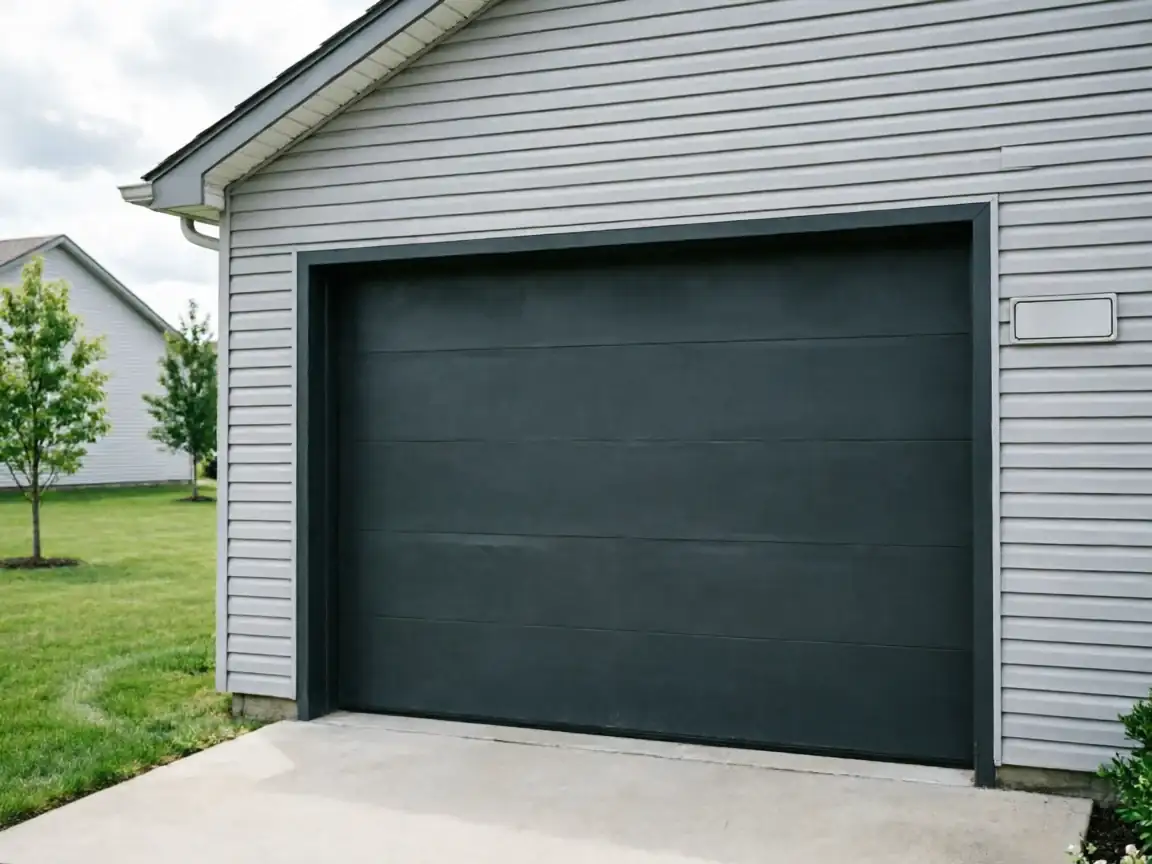
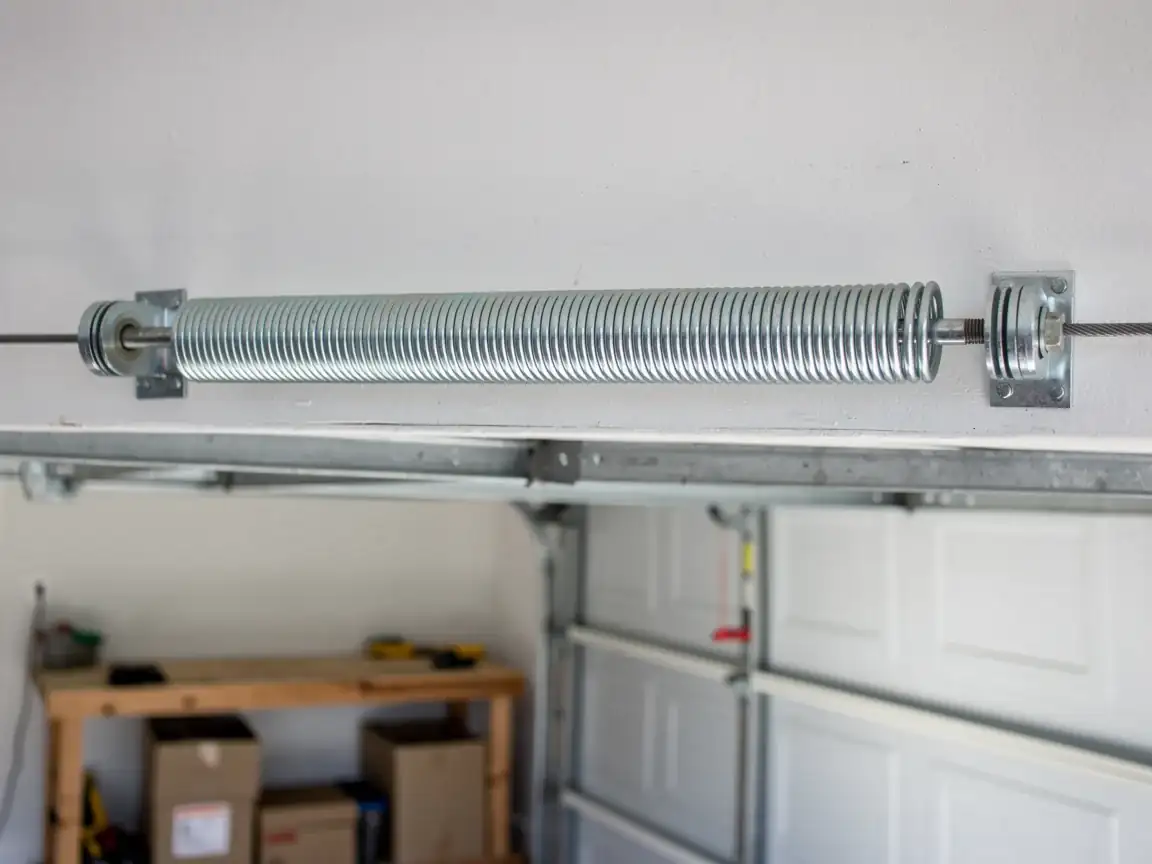
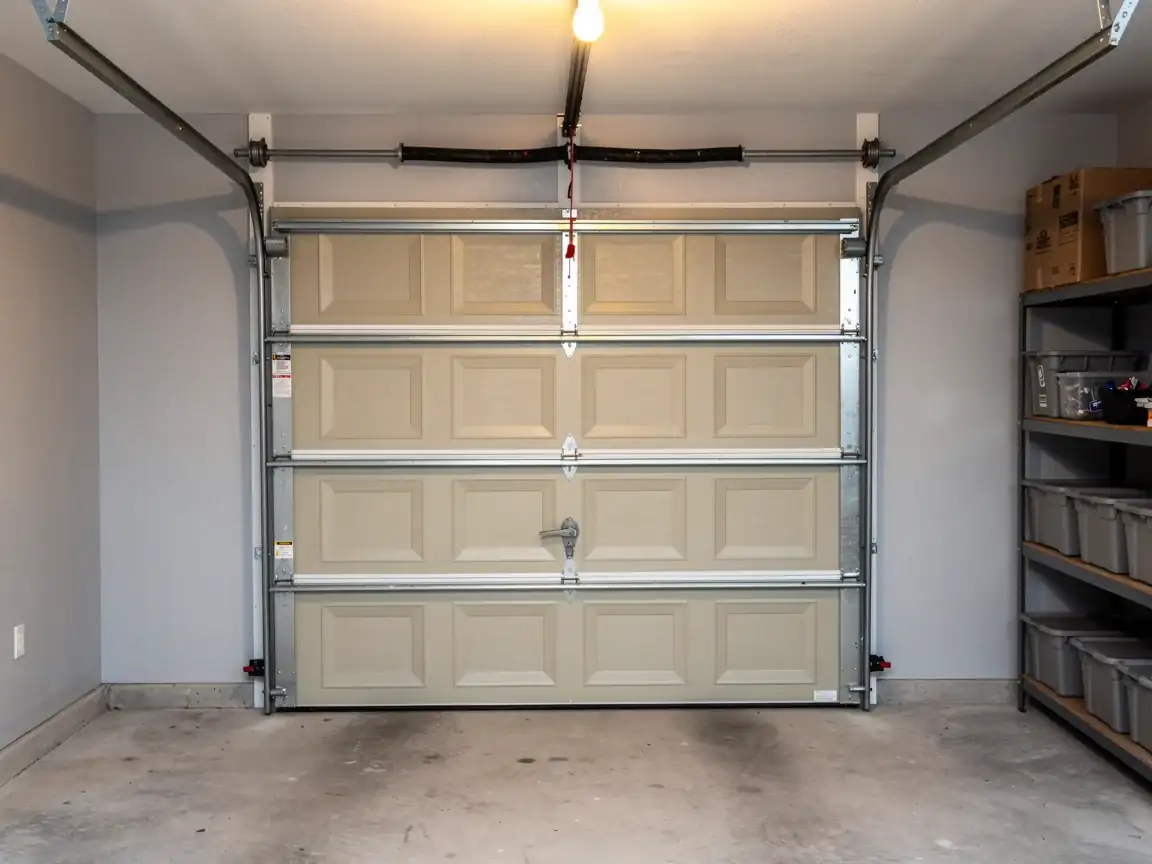
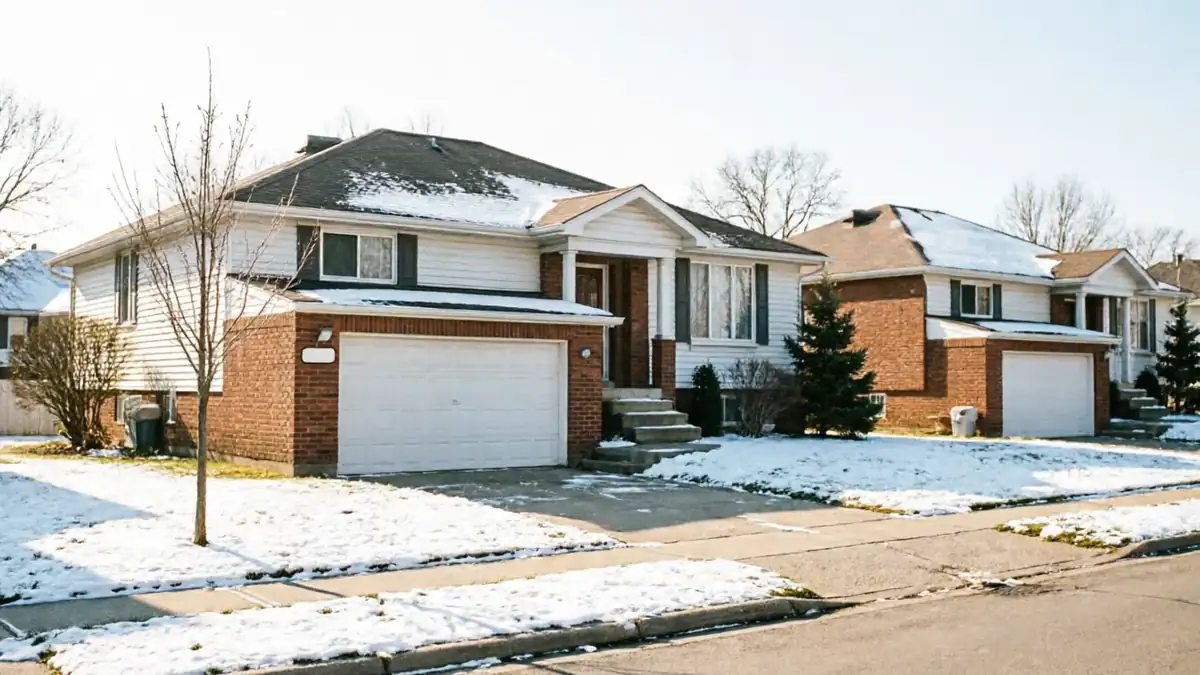
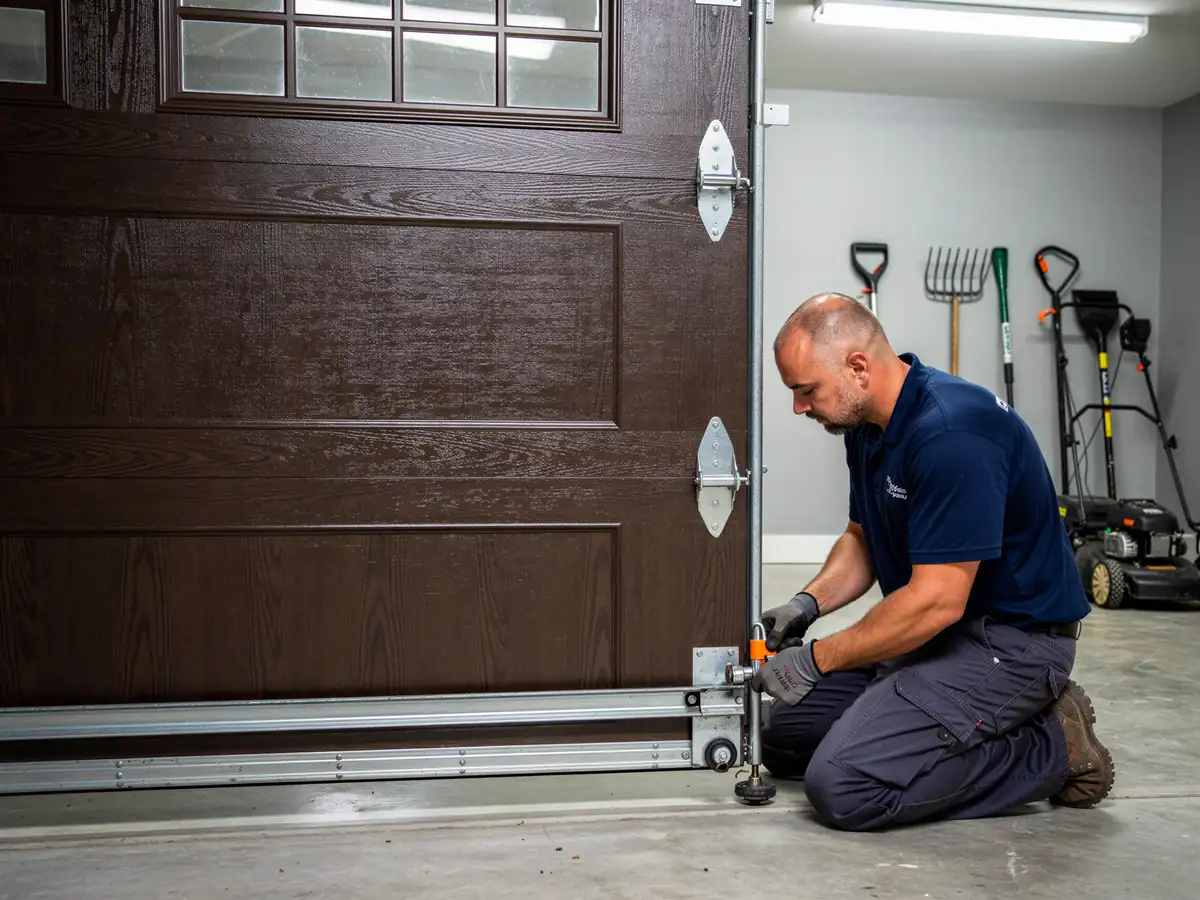
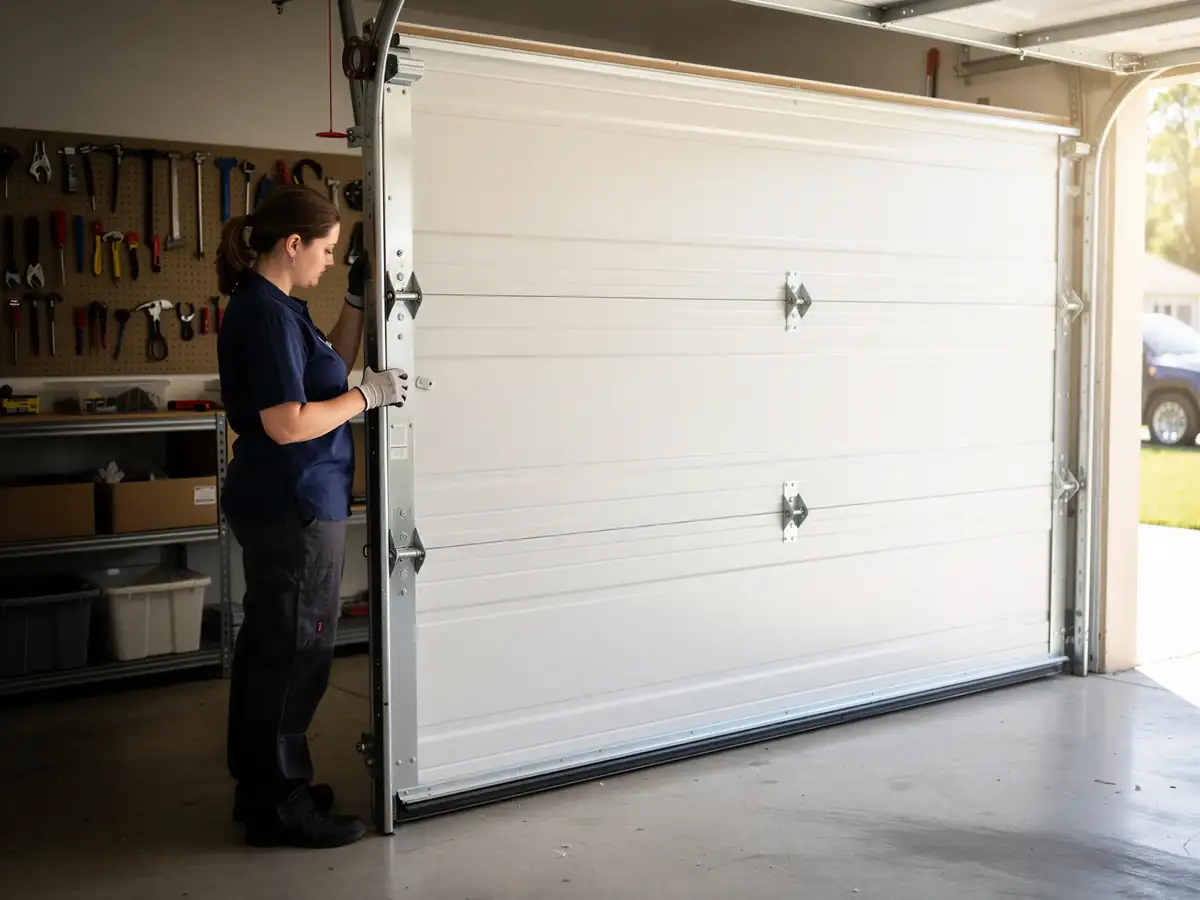
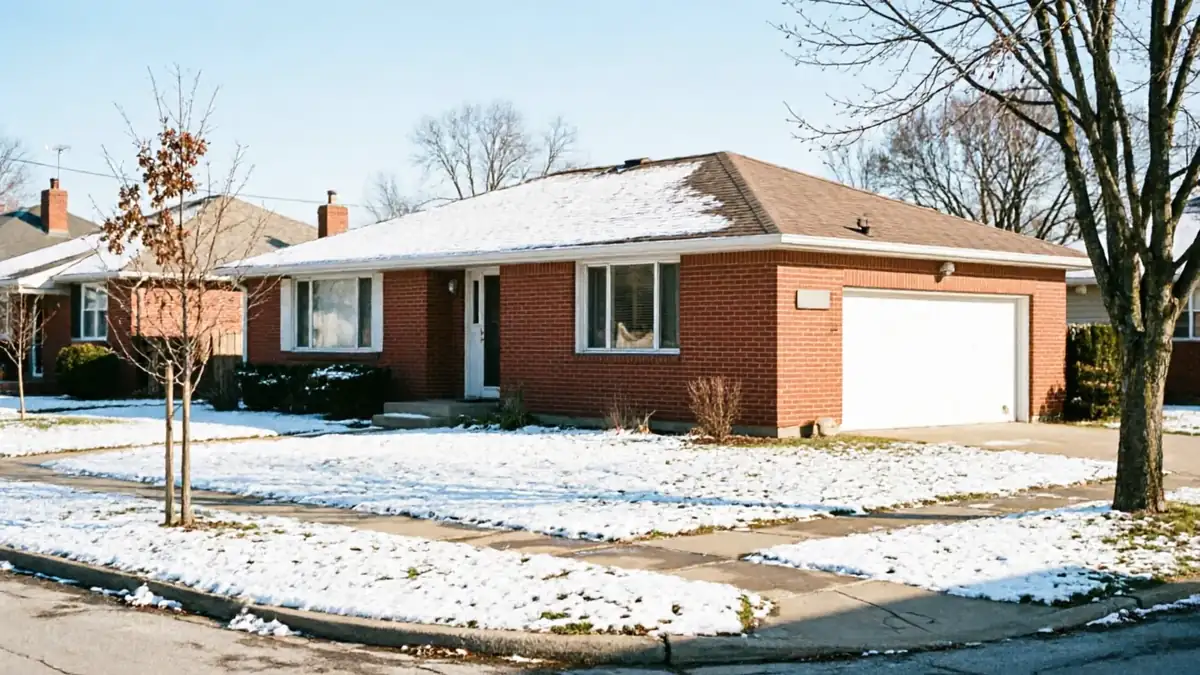
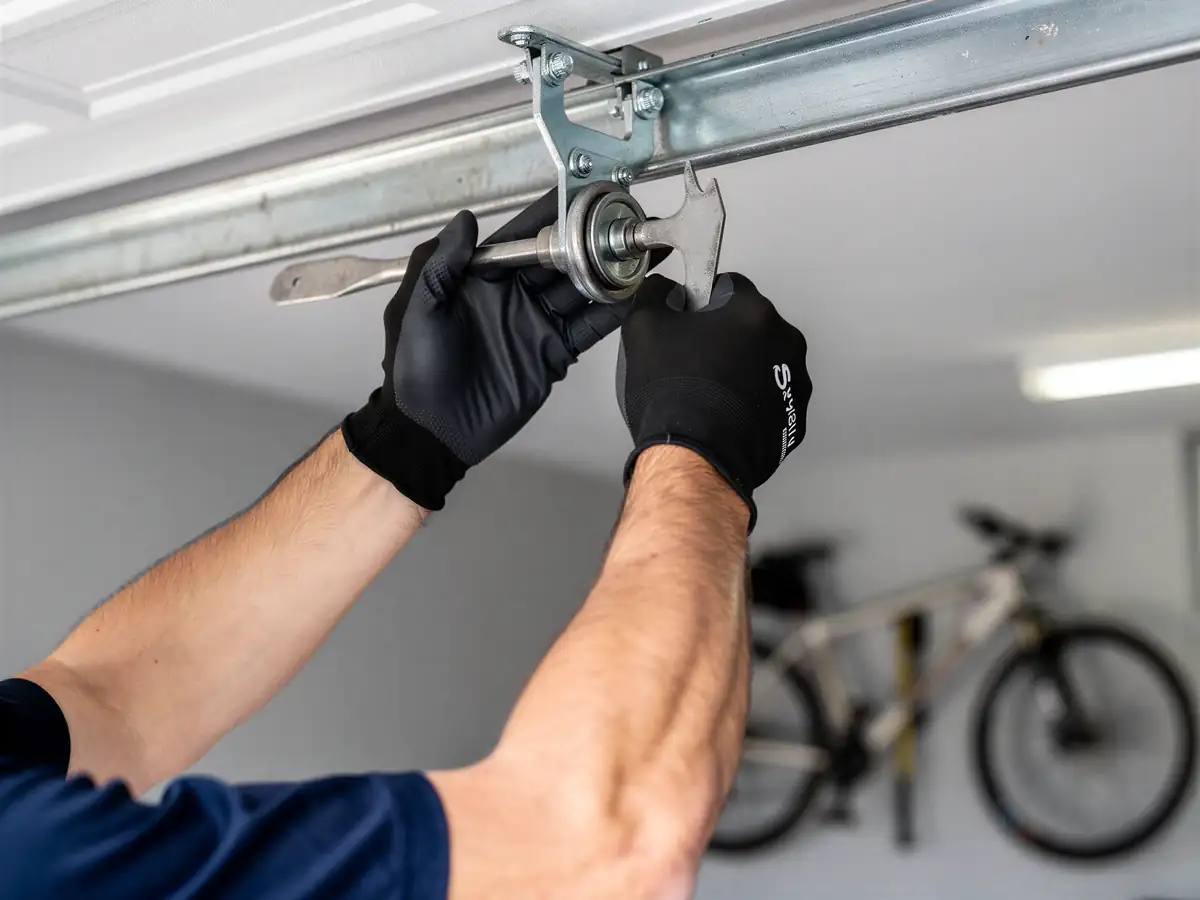
By 1976 most builders had moved to extension spring setups on single doors and torsion bars on wider double-car openings, which is what we find most often when we're called out to Shields. The steel sectional door with roll-formed panels was standard by then too, replacing the older one-piece tilt-up slabs you still see on older homes closer to the city. These doors are generally easier to service - parts are more standardized, and torsion hardware from this era is still something we can usually source without a long wait. The exception is original openers from this period; many homeowners are still running a first- or second-generation chain-drive unit that's well past its expected service life, and those sometimes need a full swap rather than a part.
What Neighbours Usually Call About
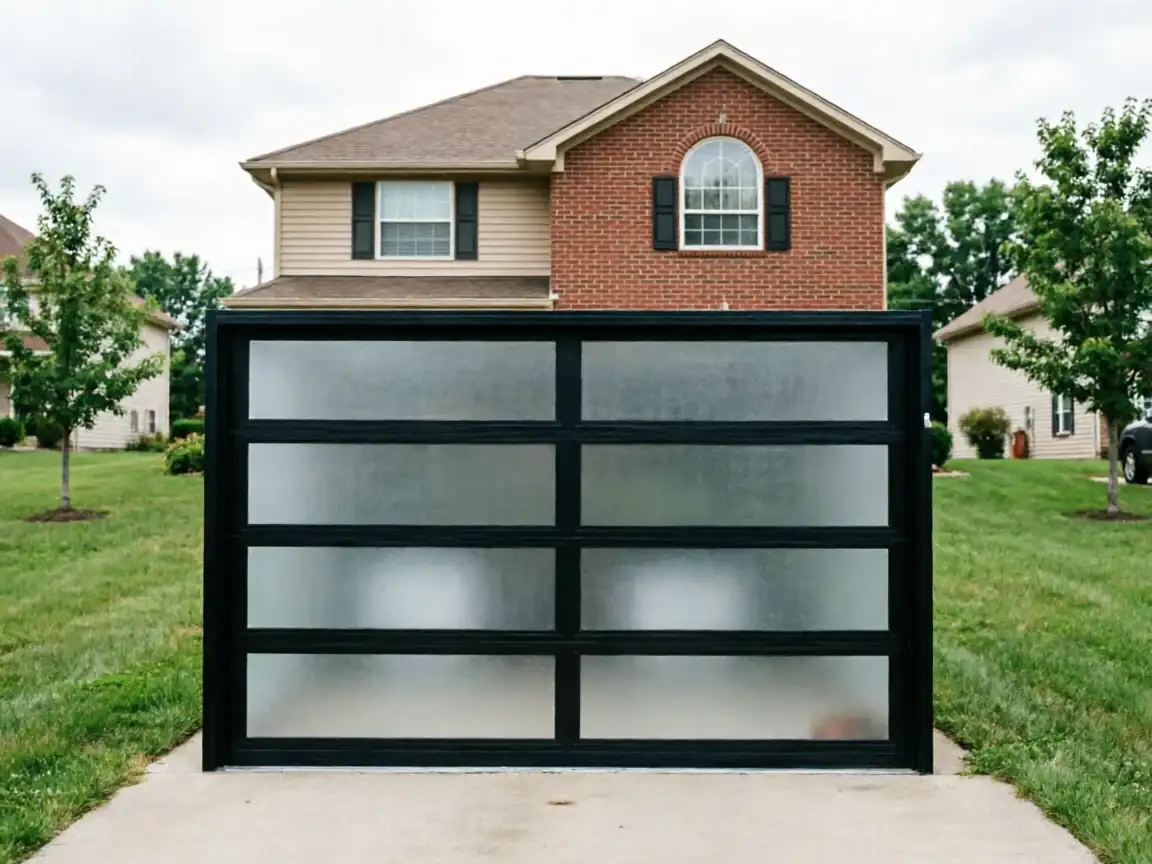
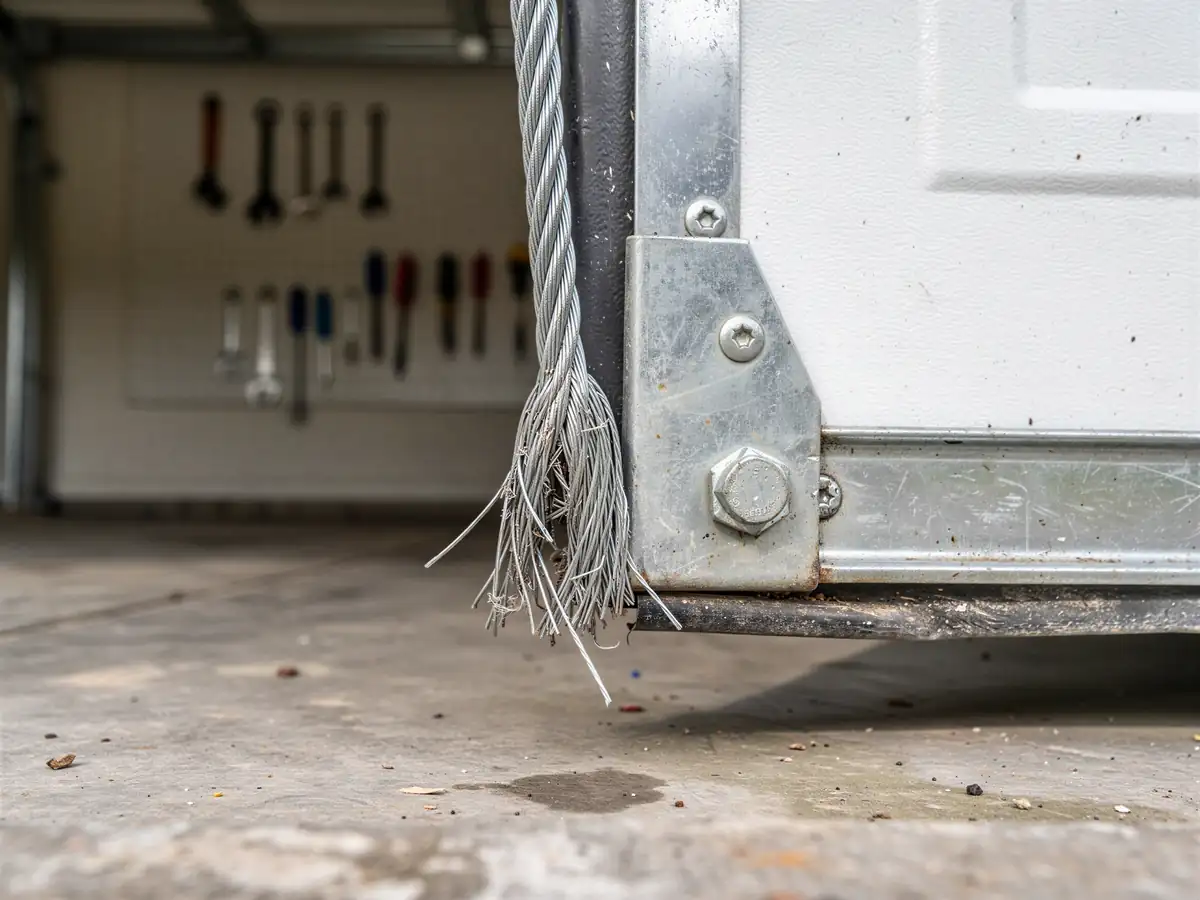
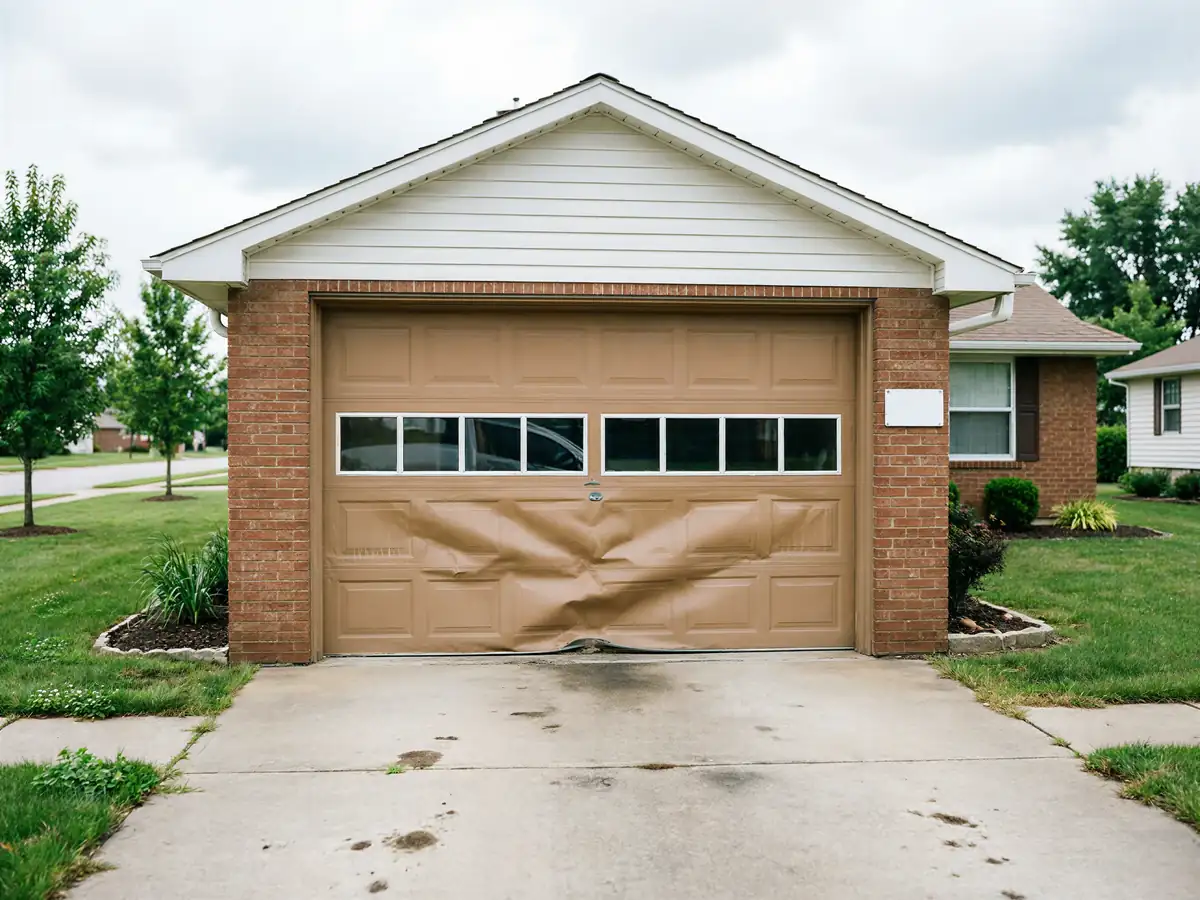
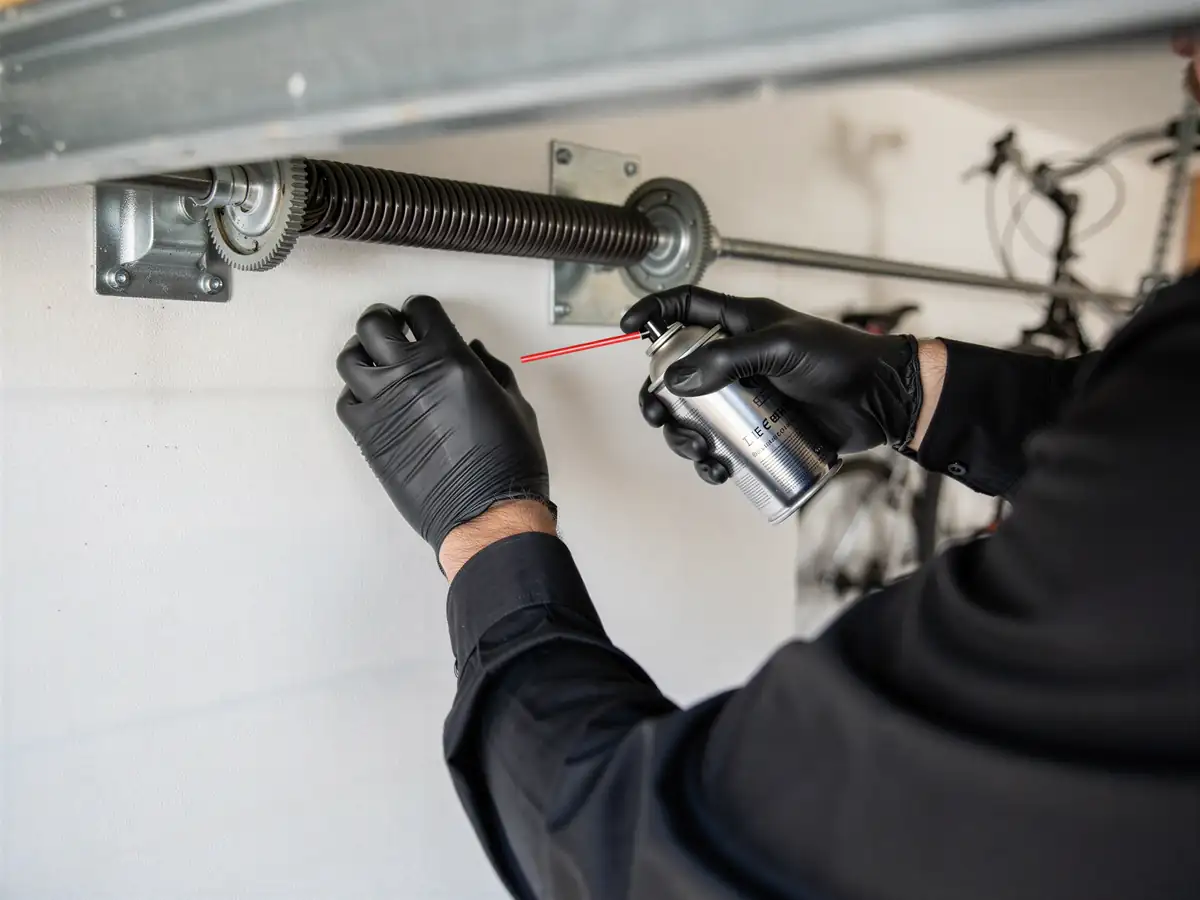
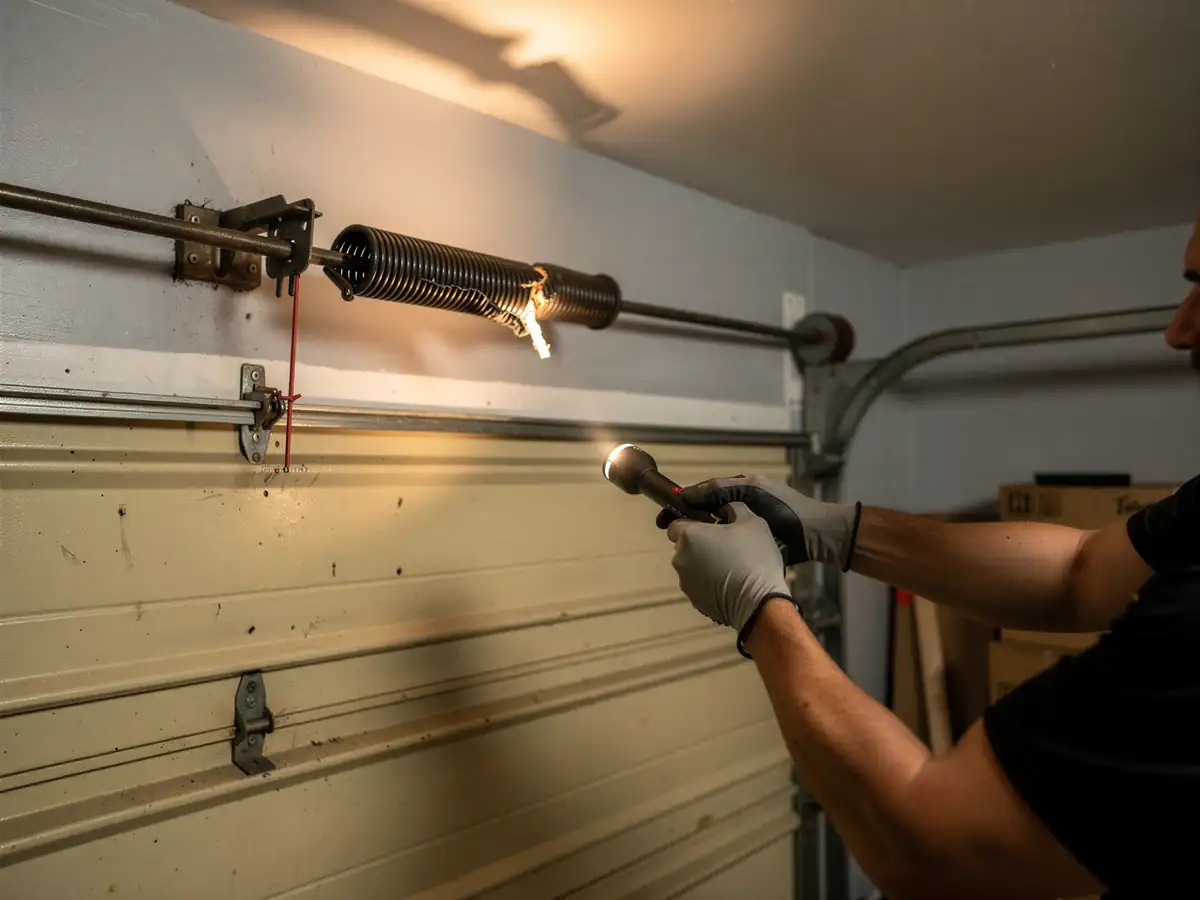
With a median household income of $83,986 in Shields, higher than the $72,558 median across the broader service area, we see more calls here about upgrades than emergency fixes - insulated panel replacements, quieter belt-drive openers, keypad and smart-opener installs. That tracks with a newer housing stock where the basic door and track are still sound. We still get the standard failures too: a snapped extension spring on a single-car door, a bent track from someone backing into it, worn rollers that have started binding. With a cold climate region like this, winter is when we get the most calls regardless of house age - cold steel contracts, lubricant stiffens, and a spring that was already weak tends to go in January rather than June.