What the Housing Means for Your Door
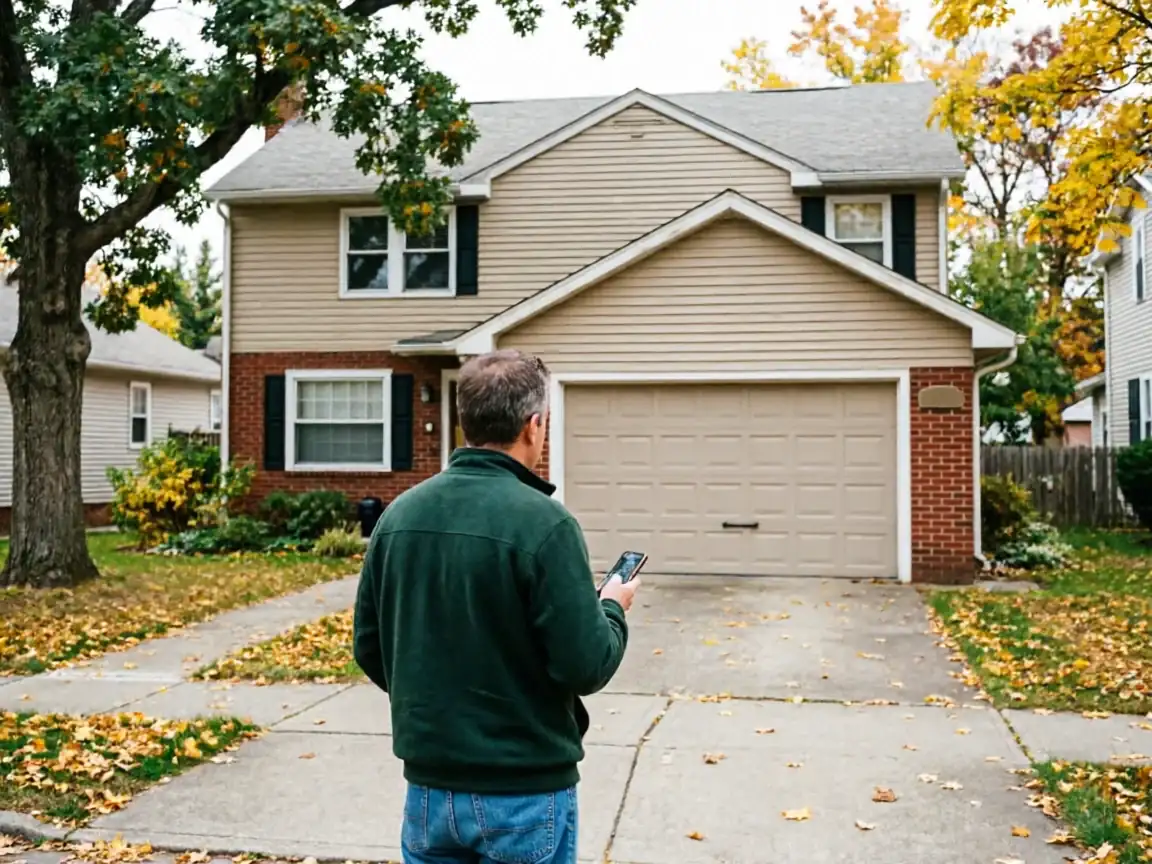
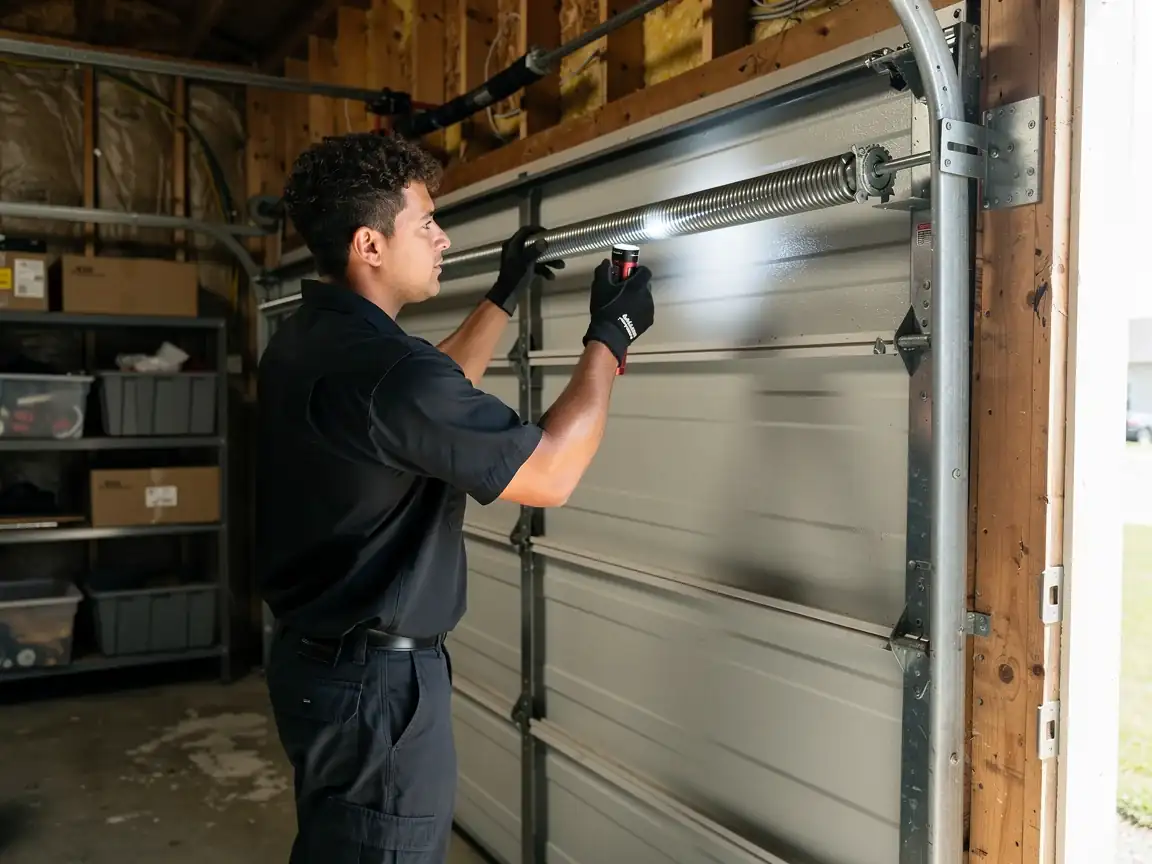
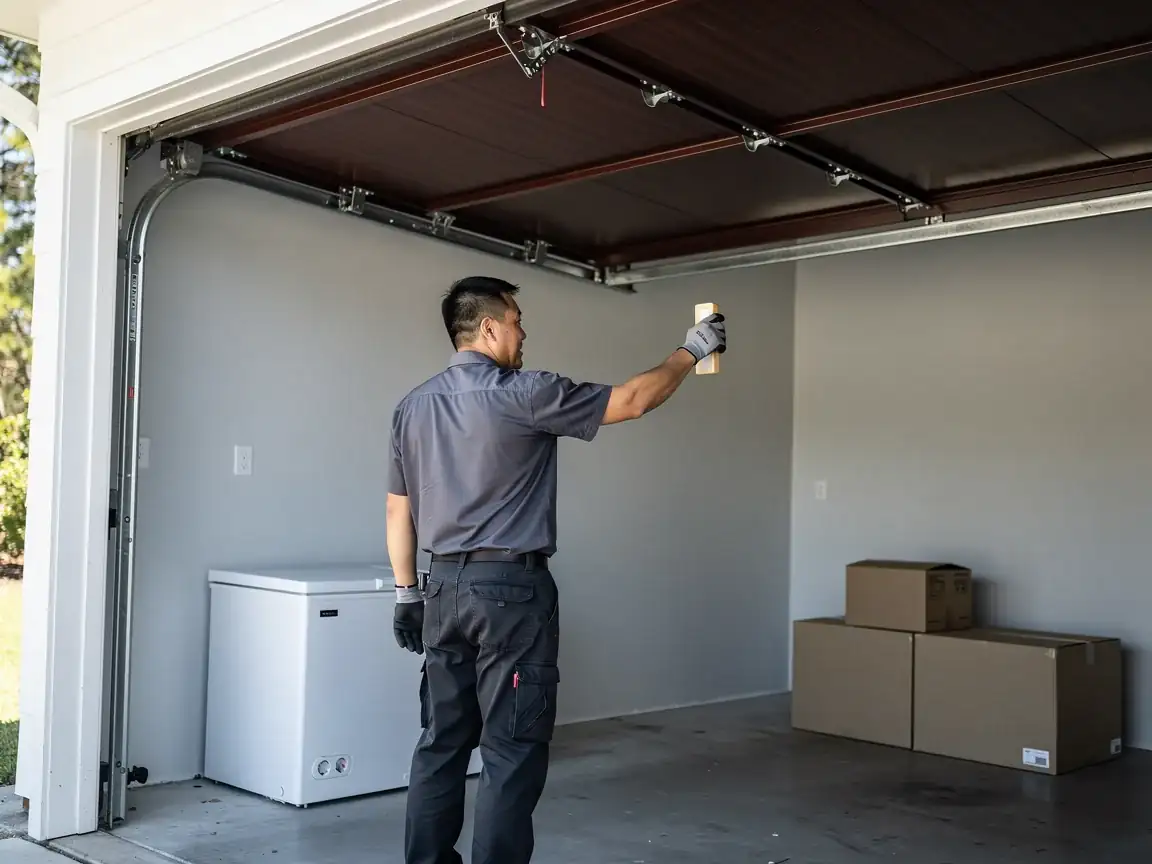
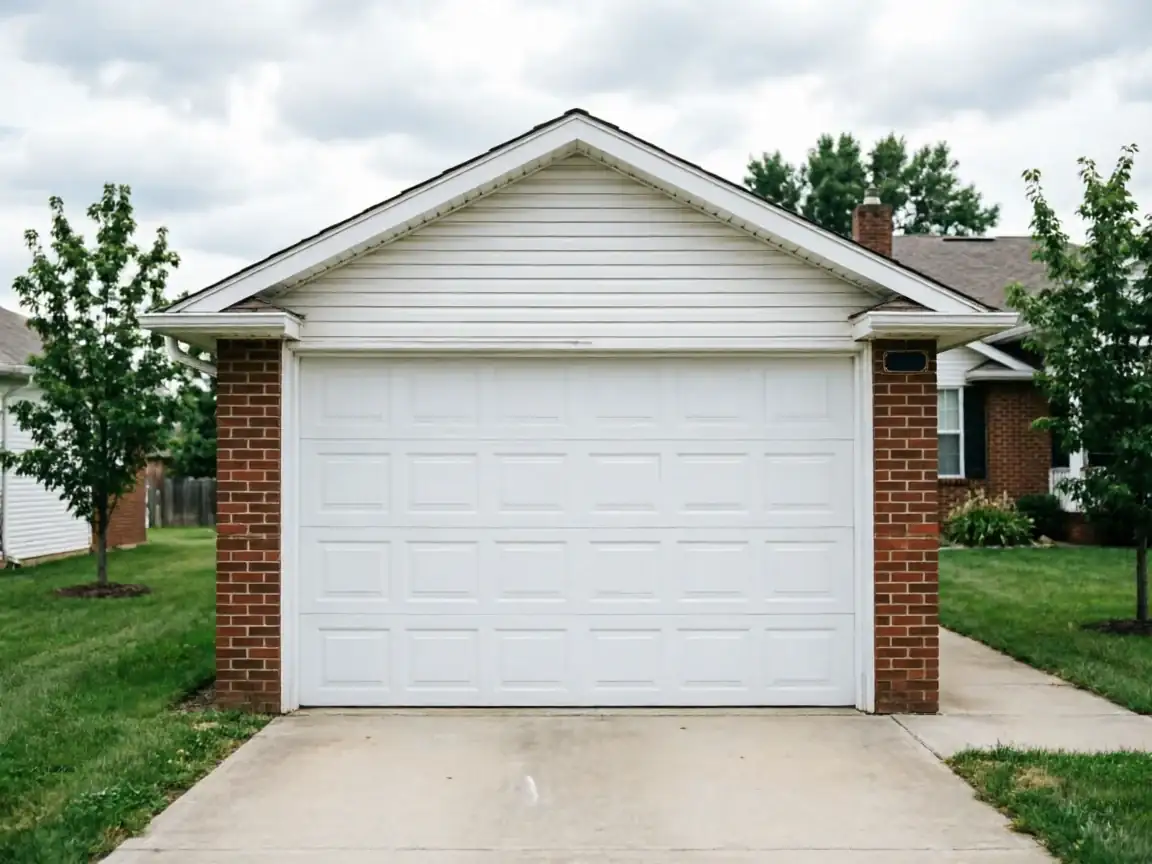
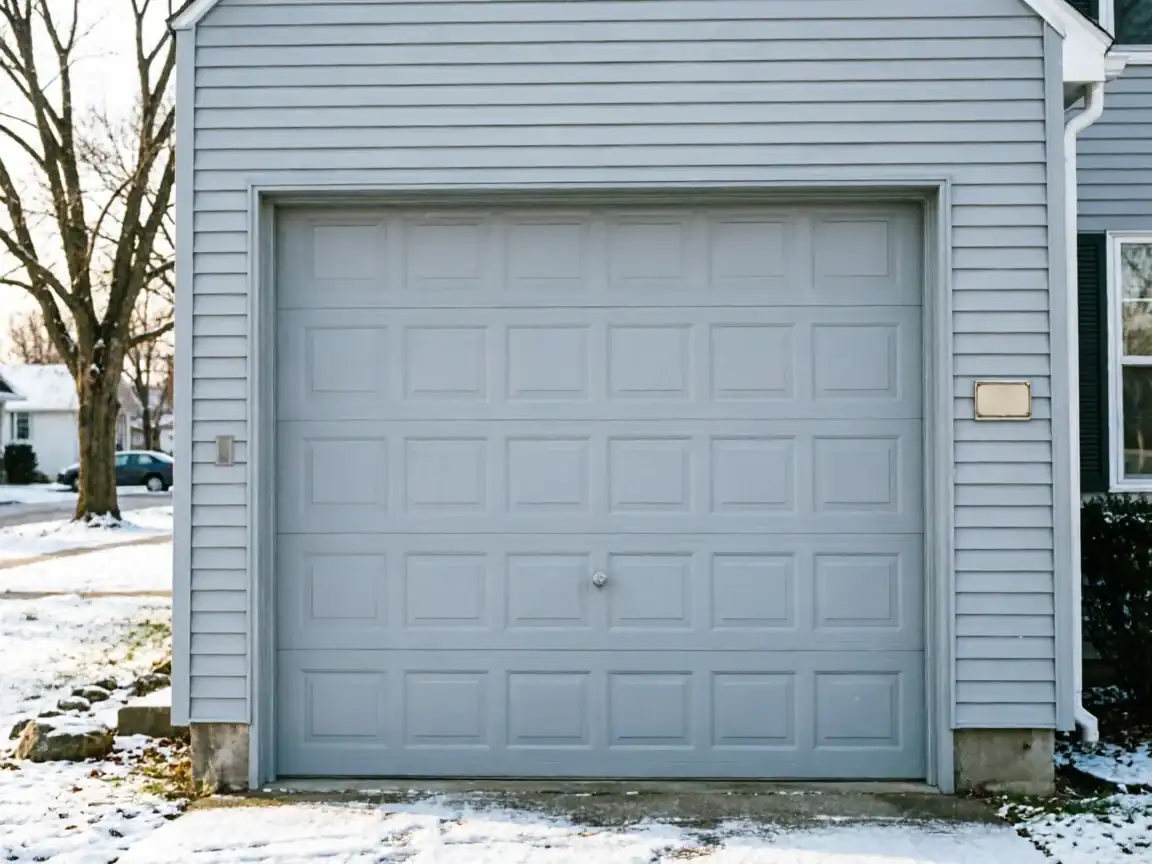
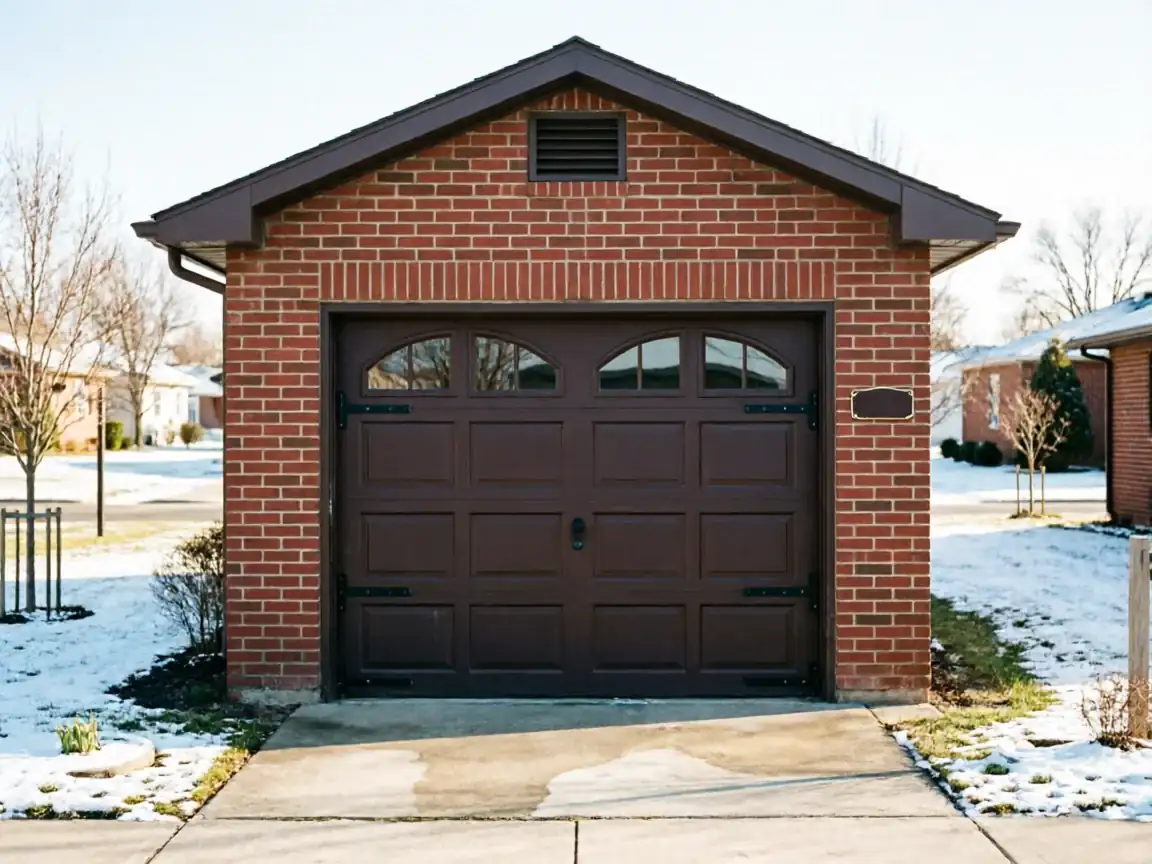
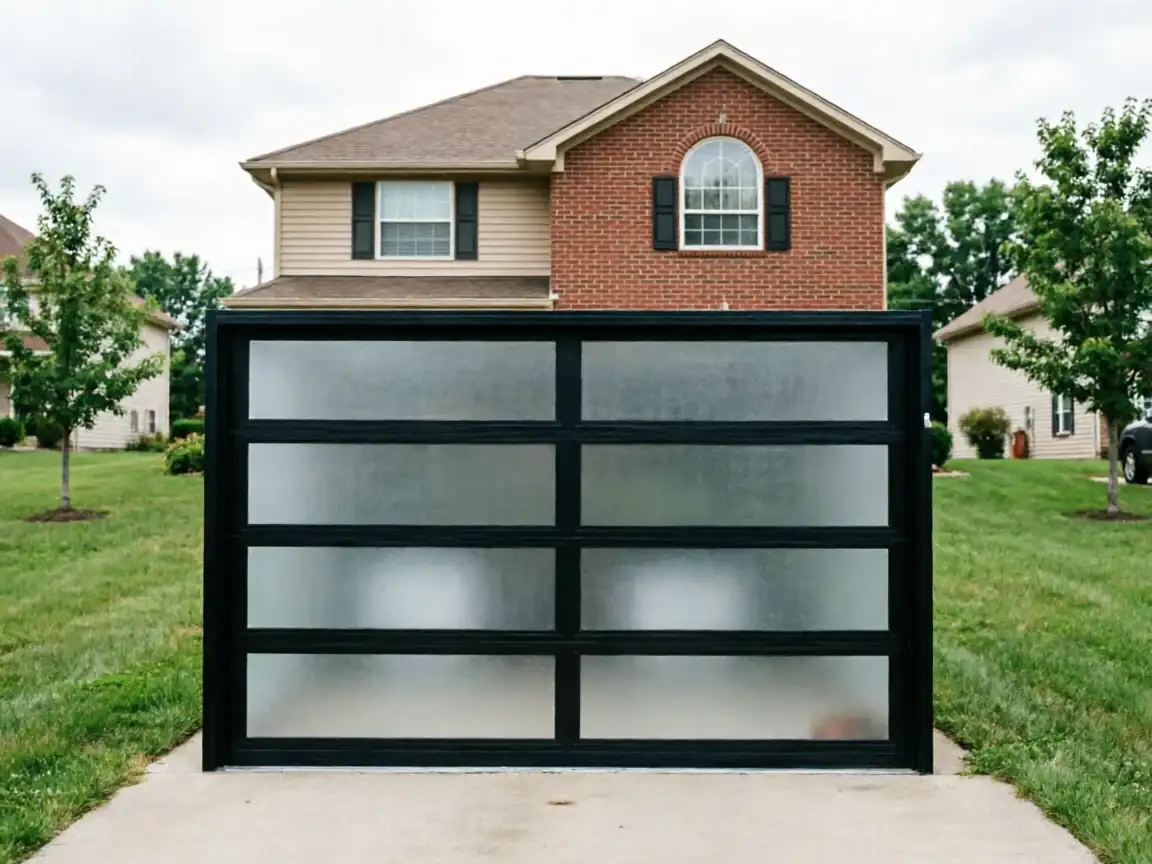
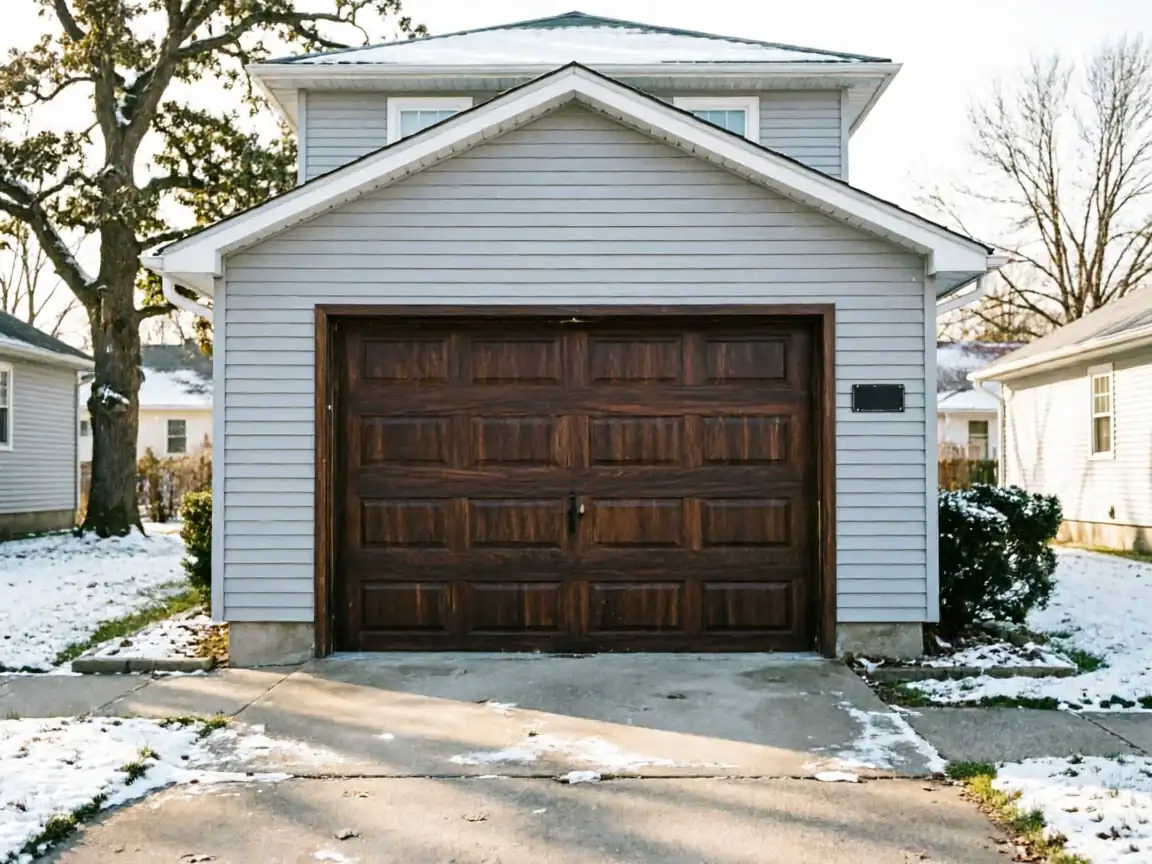
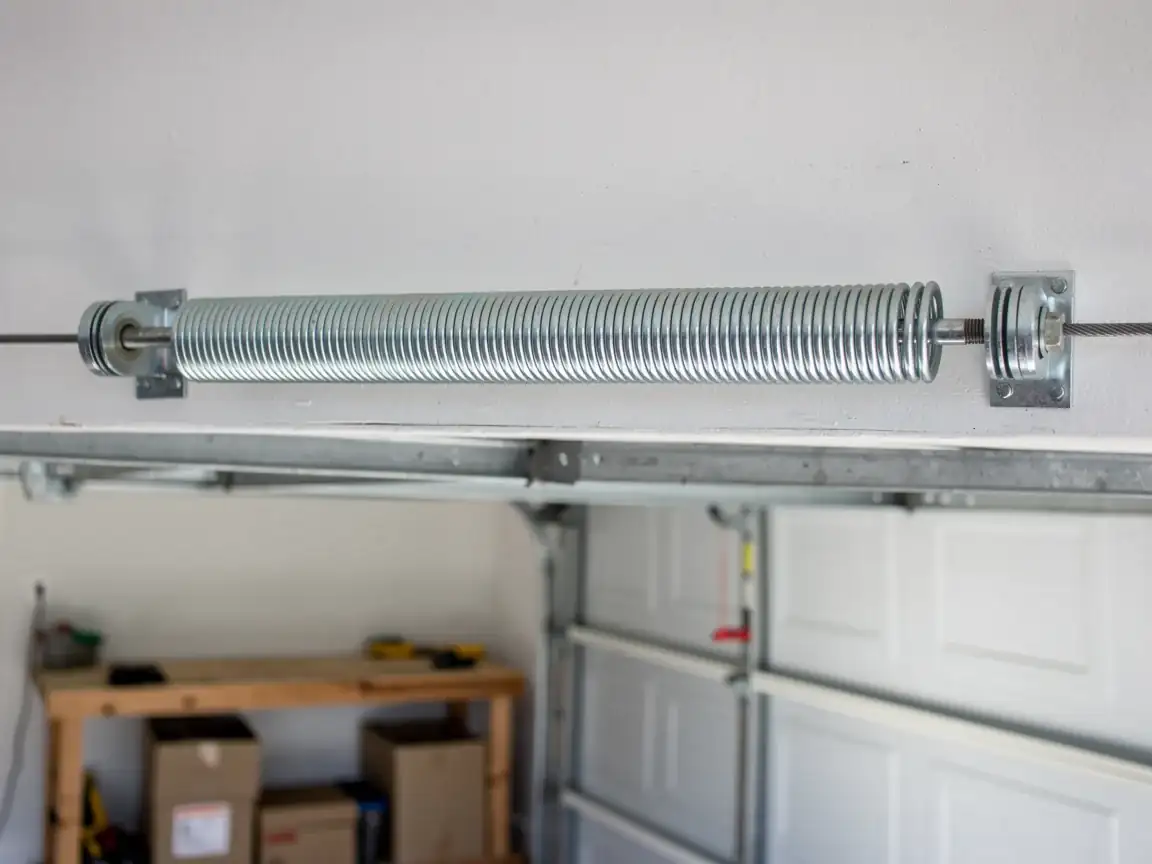
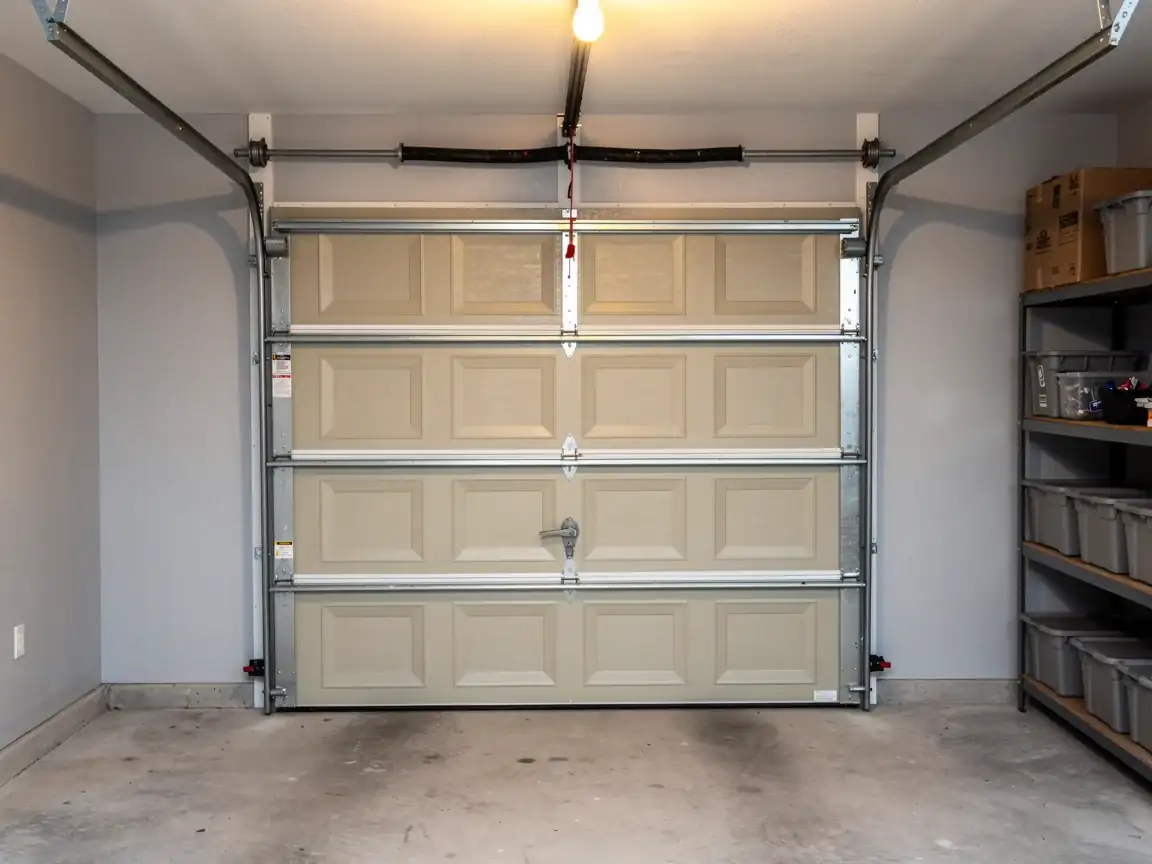
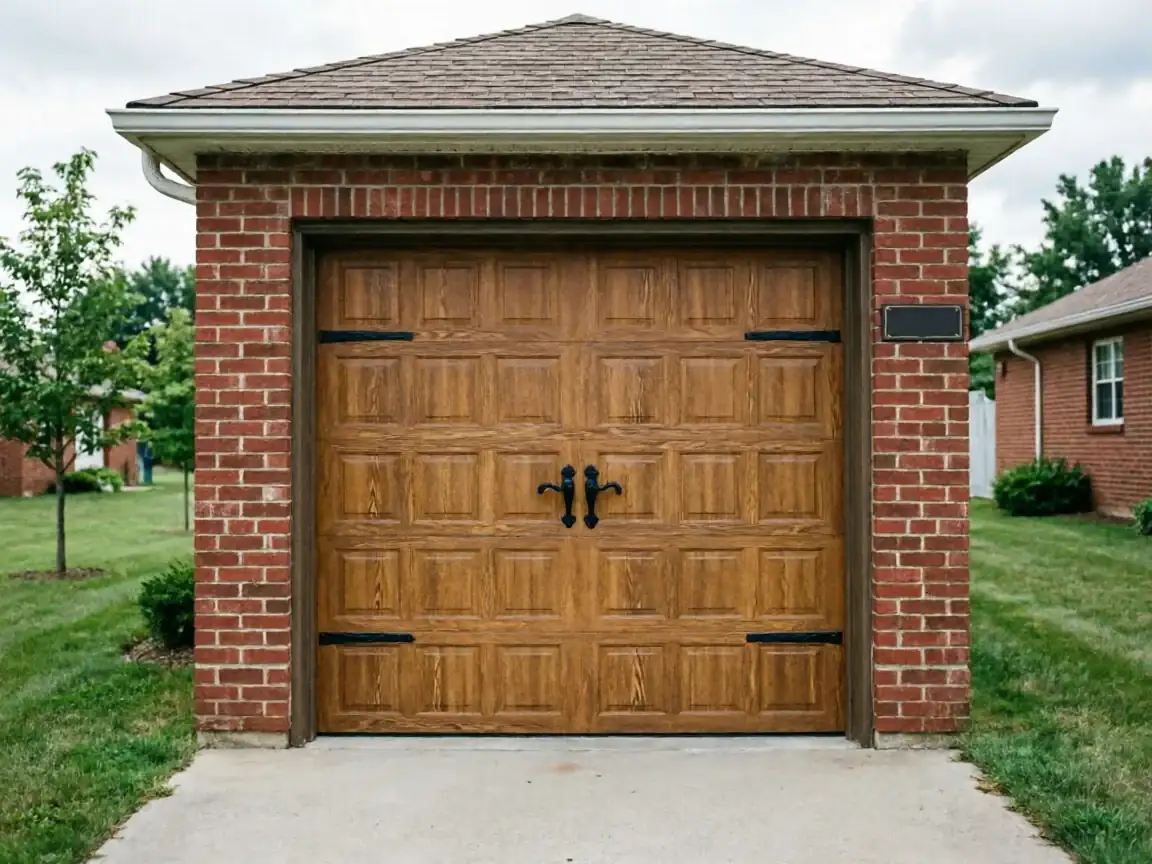
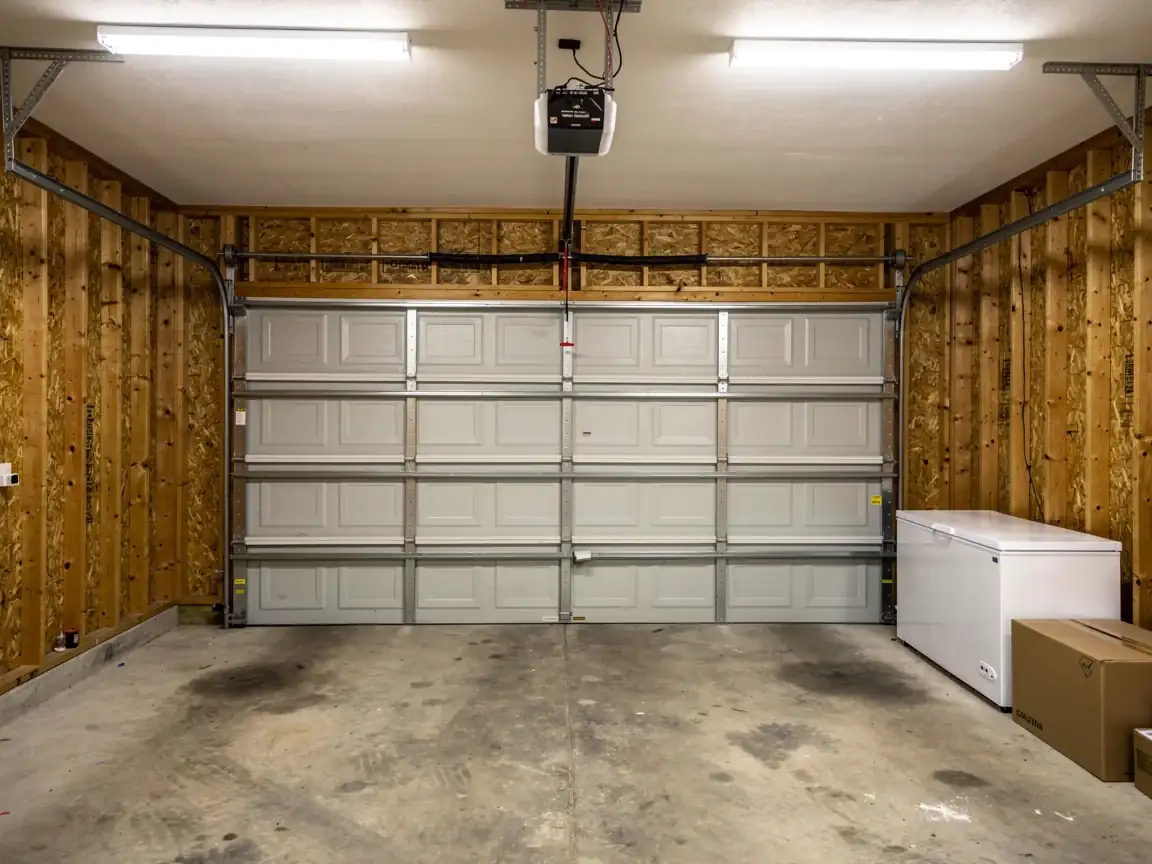
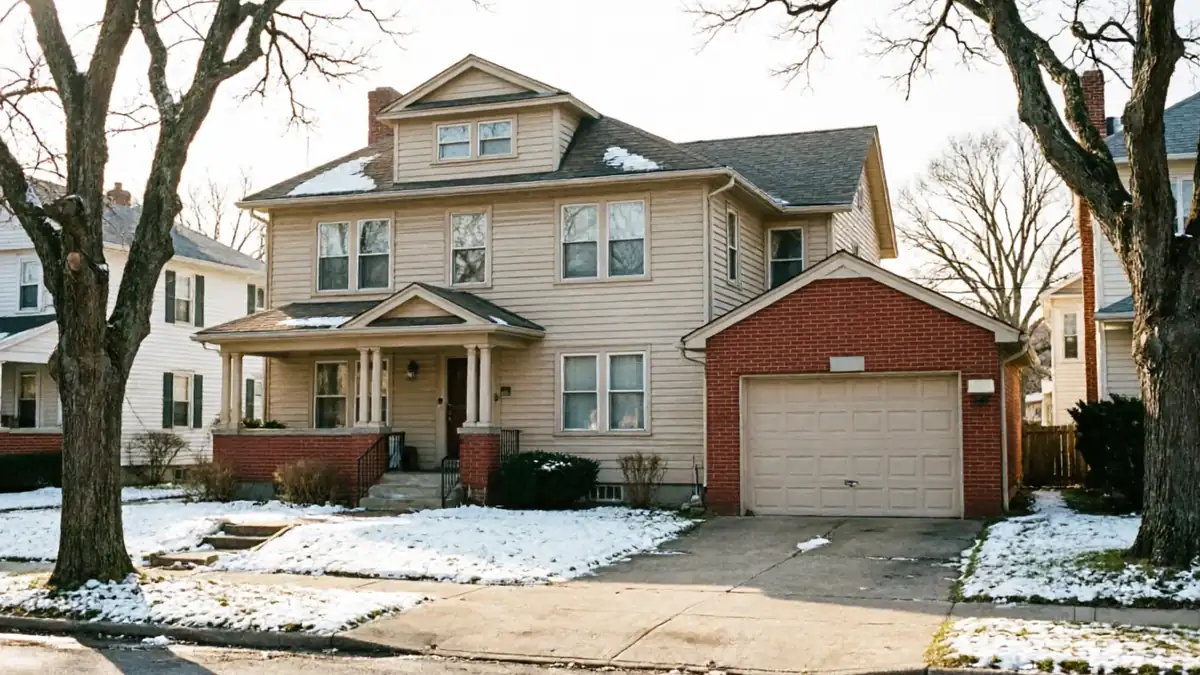
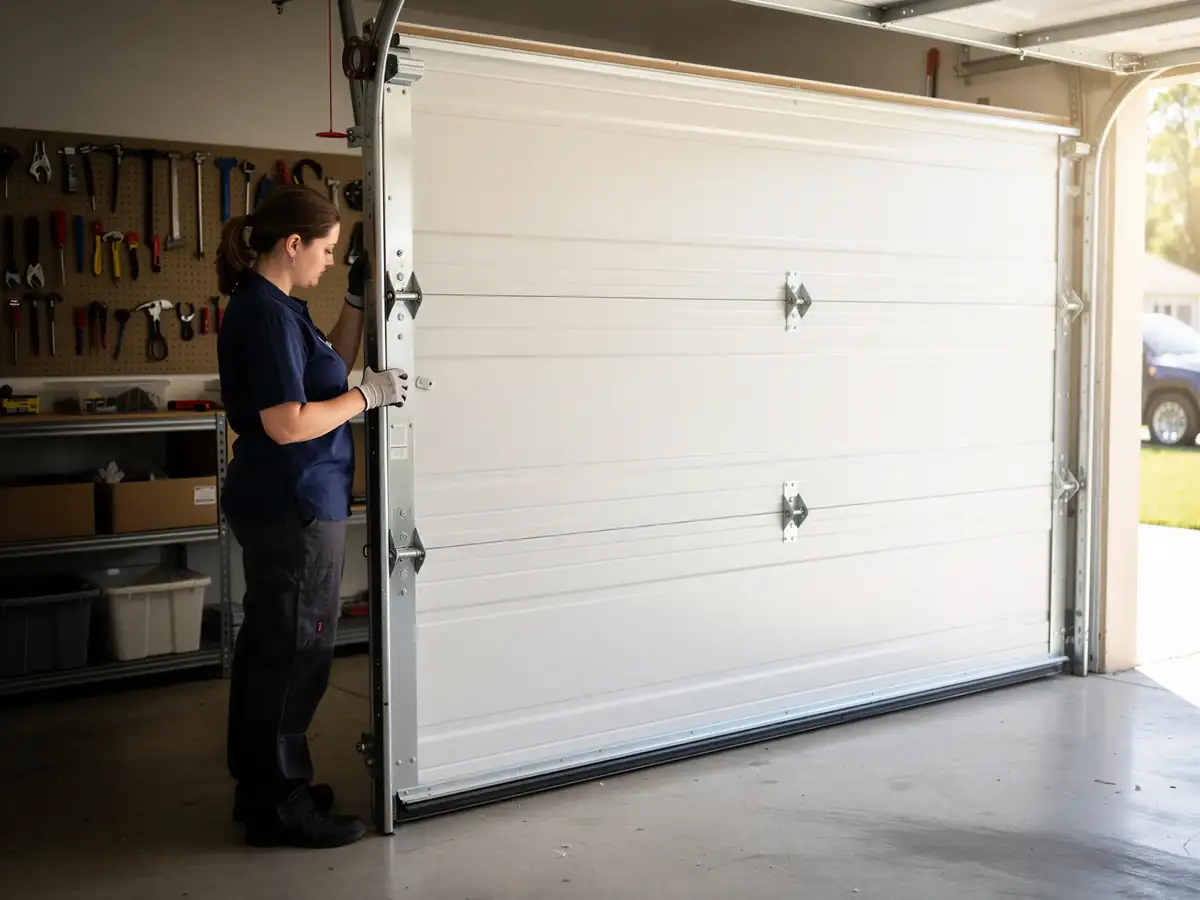
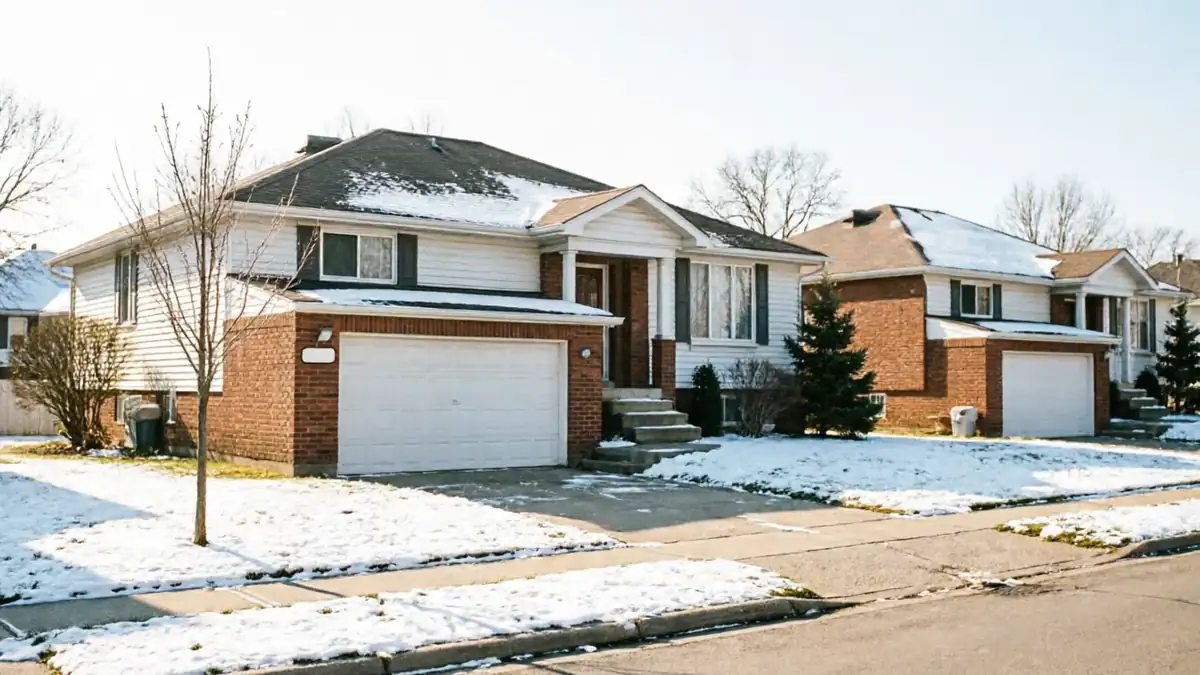
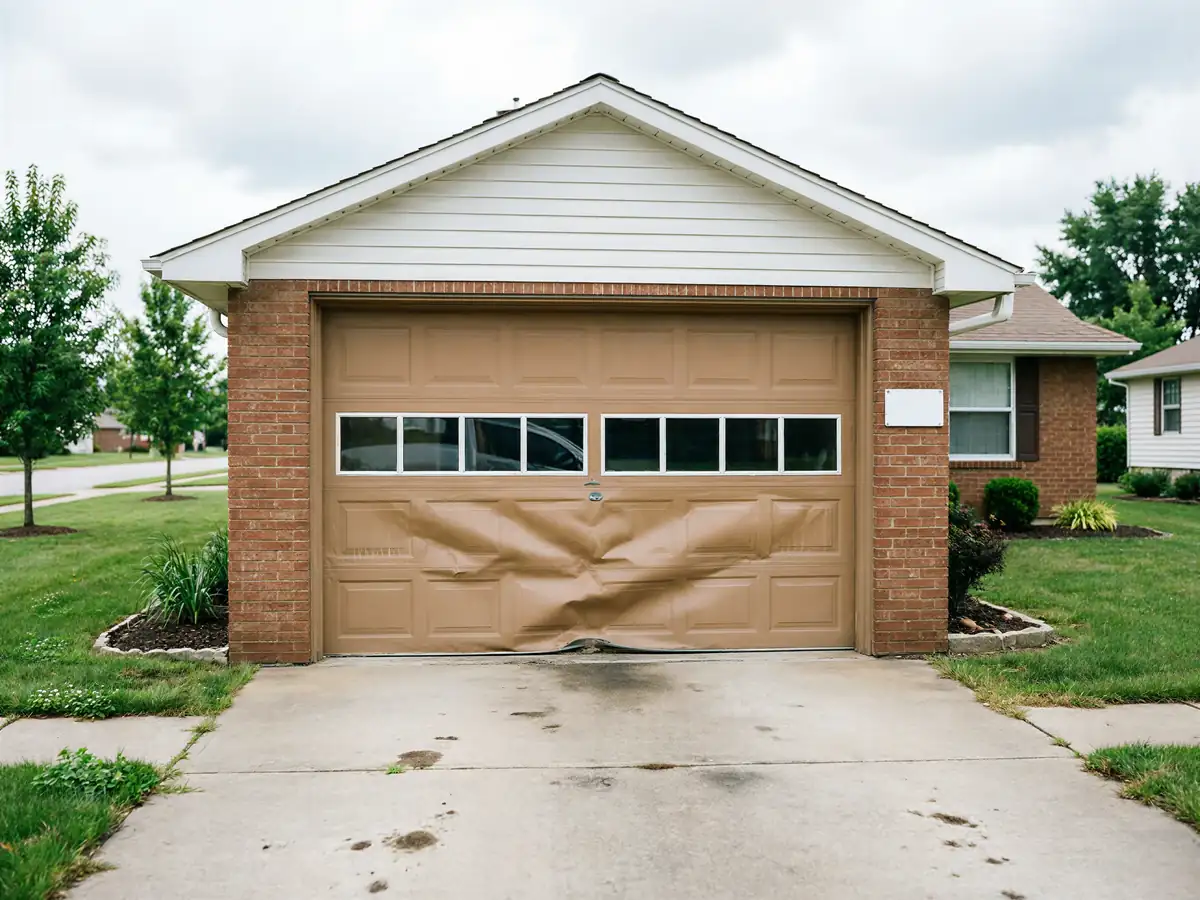
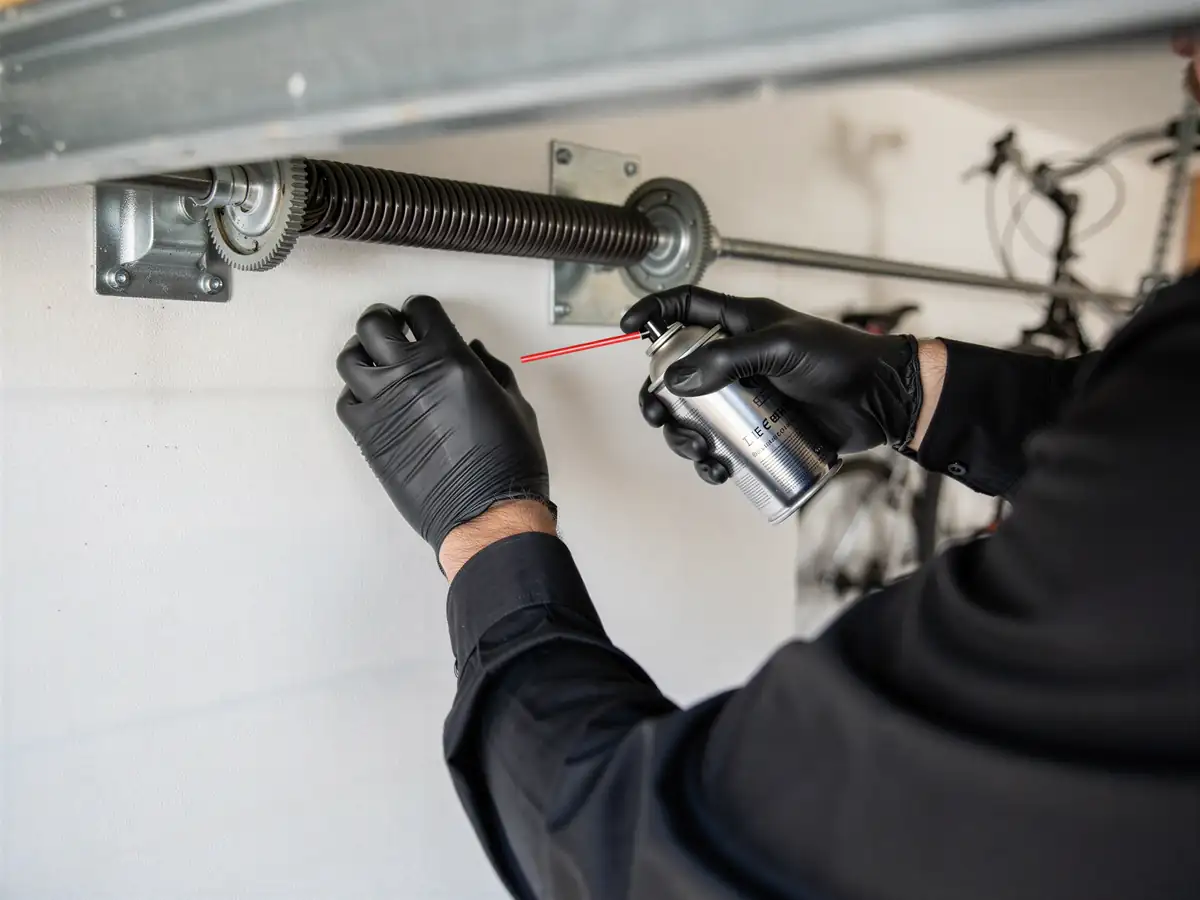
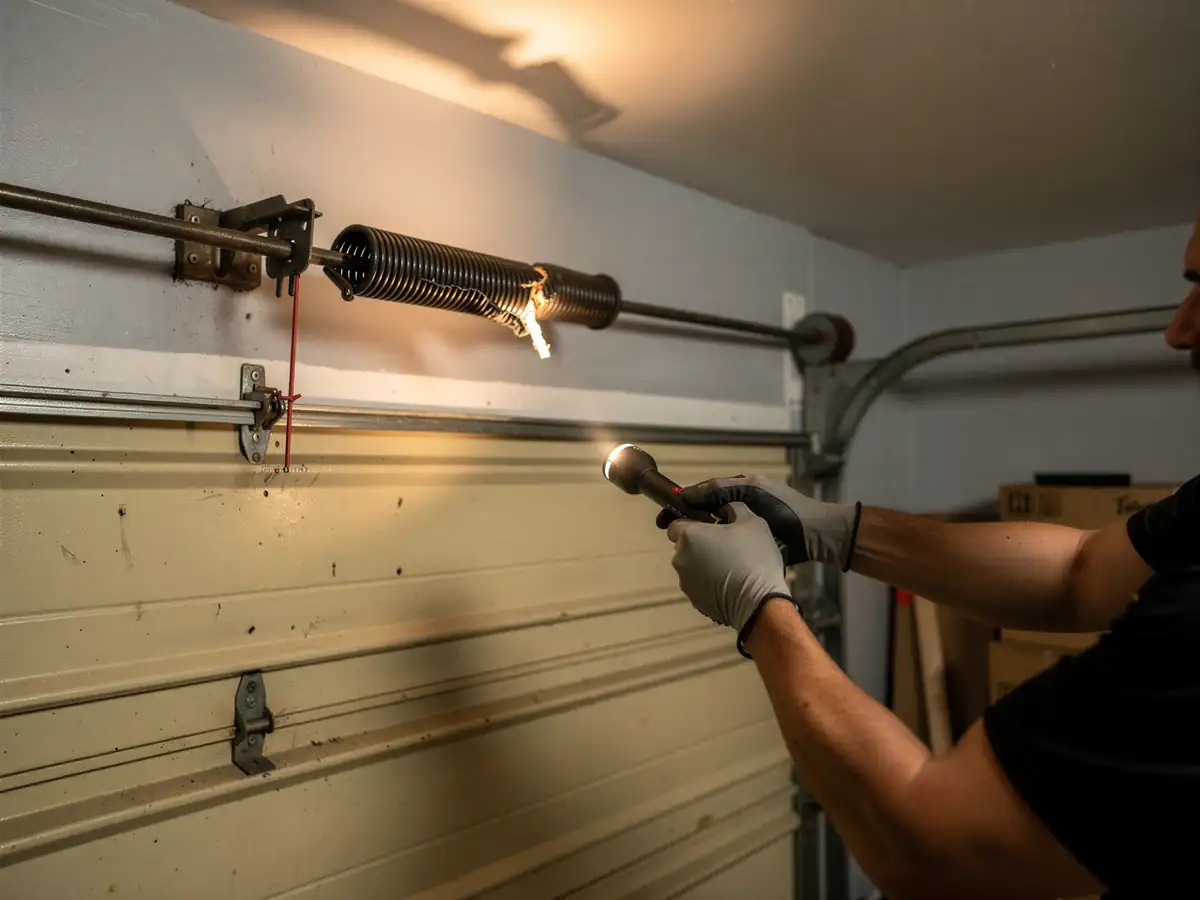
A 1964-era garage in this part of Michigan was built for a shorter, narrower door than what goes in today, and the stud bay around the opening is usually tighter than modern codes call for. If a Fraser homeowner is swapping a single door for a double, or going wider for a bigger vehicle, the framing almost always needs work before the new door goes in - that's not an upsell, it's just what a house from this period requires. Combine that with our cold, severe winter climate and you get steel sections that were specced thinner decades ago, with weatherstripping channels that were never designed for today's foam-filled panels. Torsion springs on houses this age are also more likely to be the older, non-containment style - fine for years, but not something you want to be standing in front of when it finally lets go.
What Neighbours Usually Call About
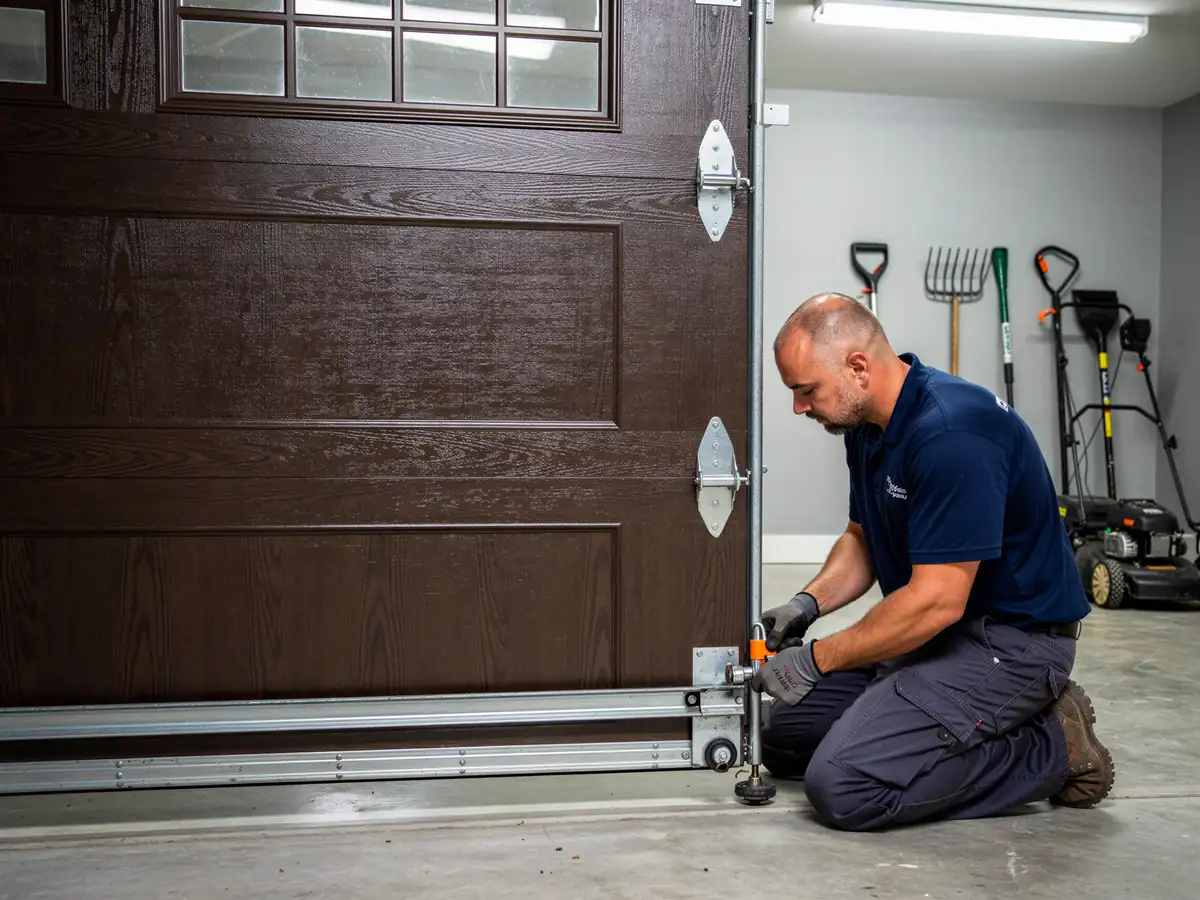
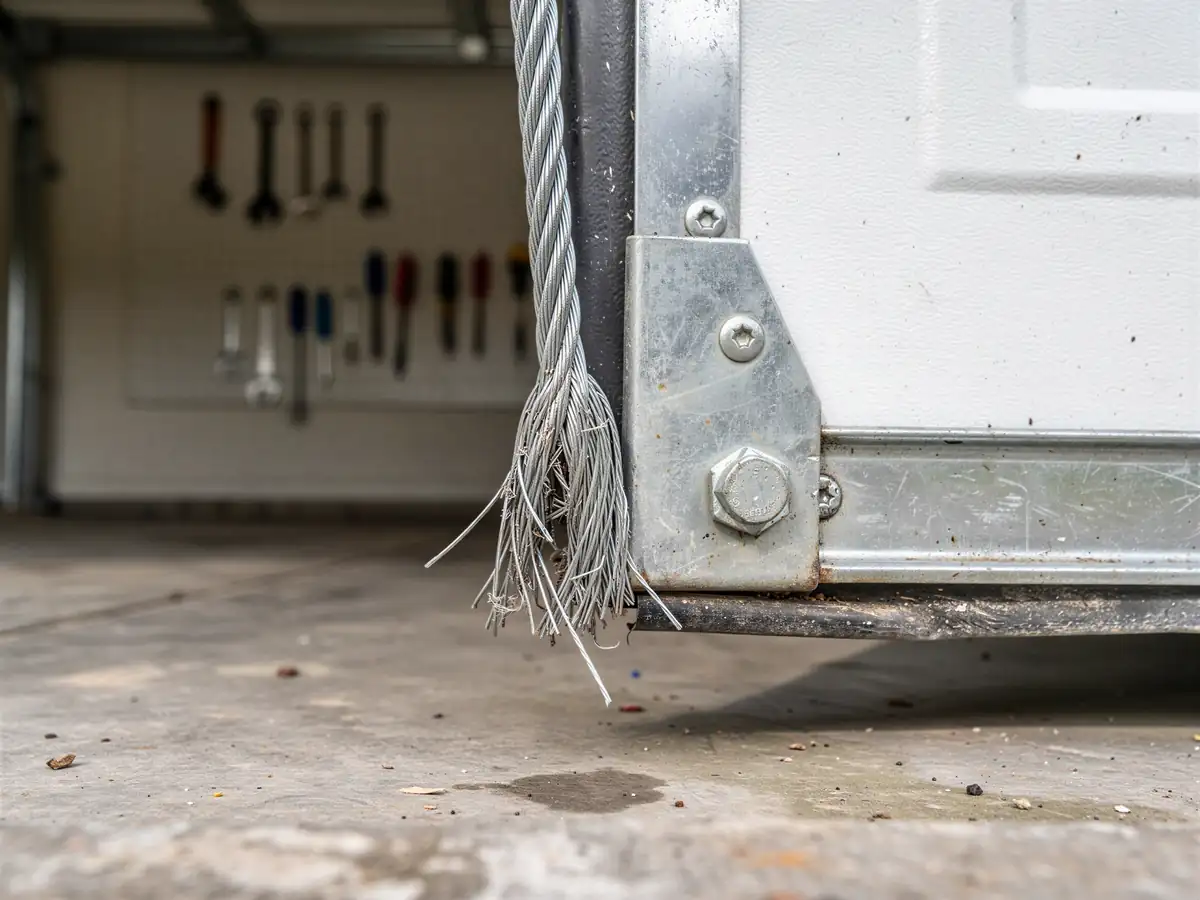
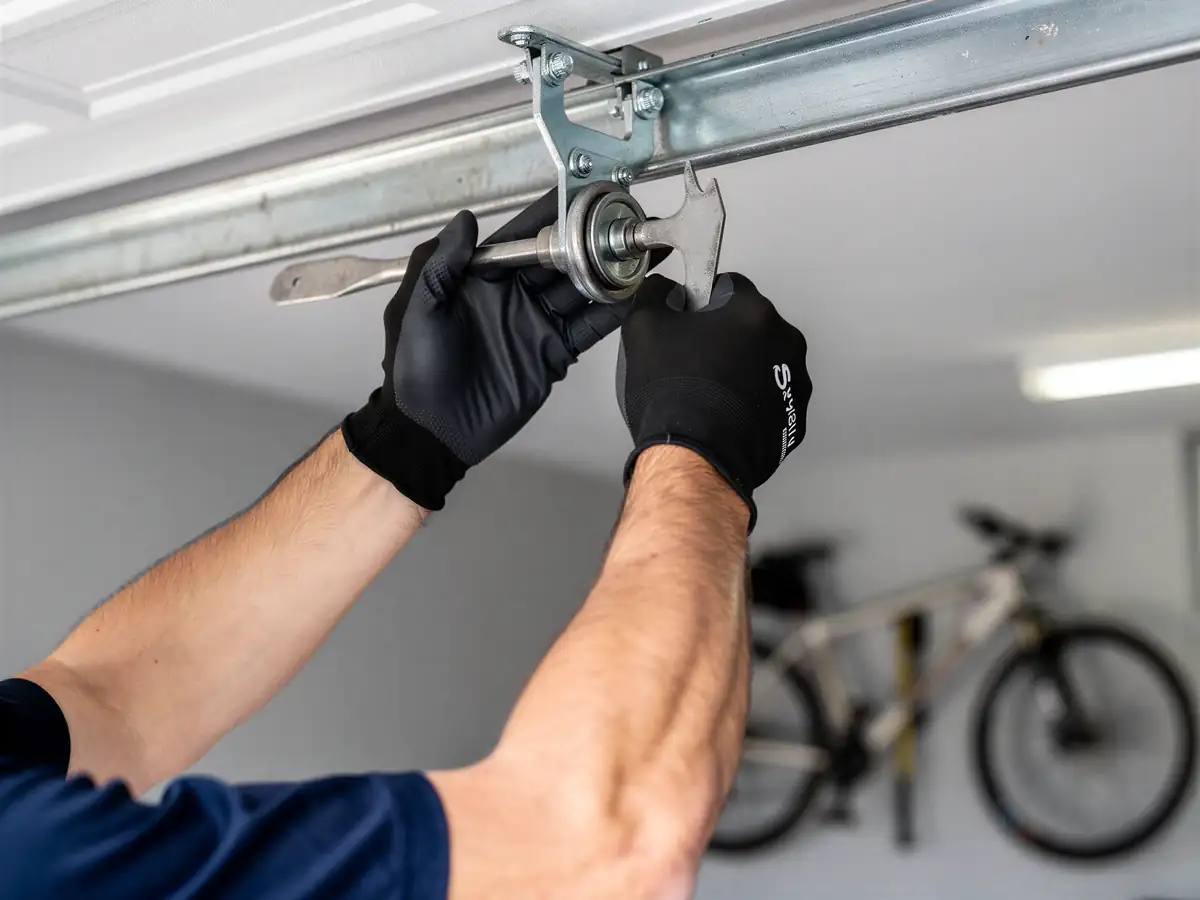
In a settled area like Fraser, with household income around $56,389, we hear two kinds of calls more than any other. First is spring failure - a torsion spring that's been working since the house was built or close to it finally snapping, usually on a cold morning when the steel is stiff and under the most load. Second is opener trouble on units that are original or close to it, where the gears have worn down enough that the door reverses, stalls, or won't fully close. Both of these track directly with how old the stock is out here - newer neighborhoods just don't generate this volume of spring and gear-driven opener calls. We also get rollers seizing up in the cold, which is a smaller fix but still leaves a door stuck halfway.