What the Housing Means for Your Door
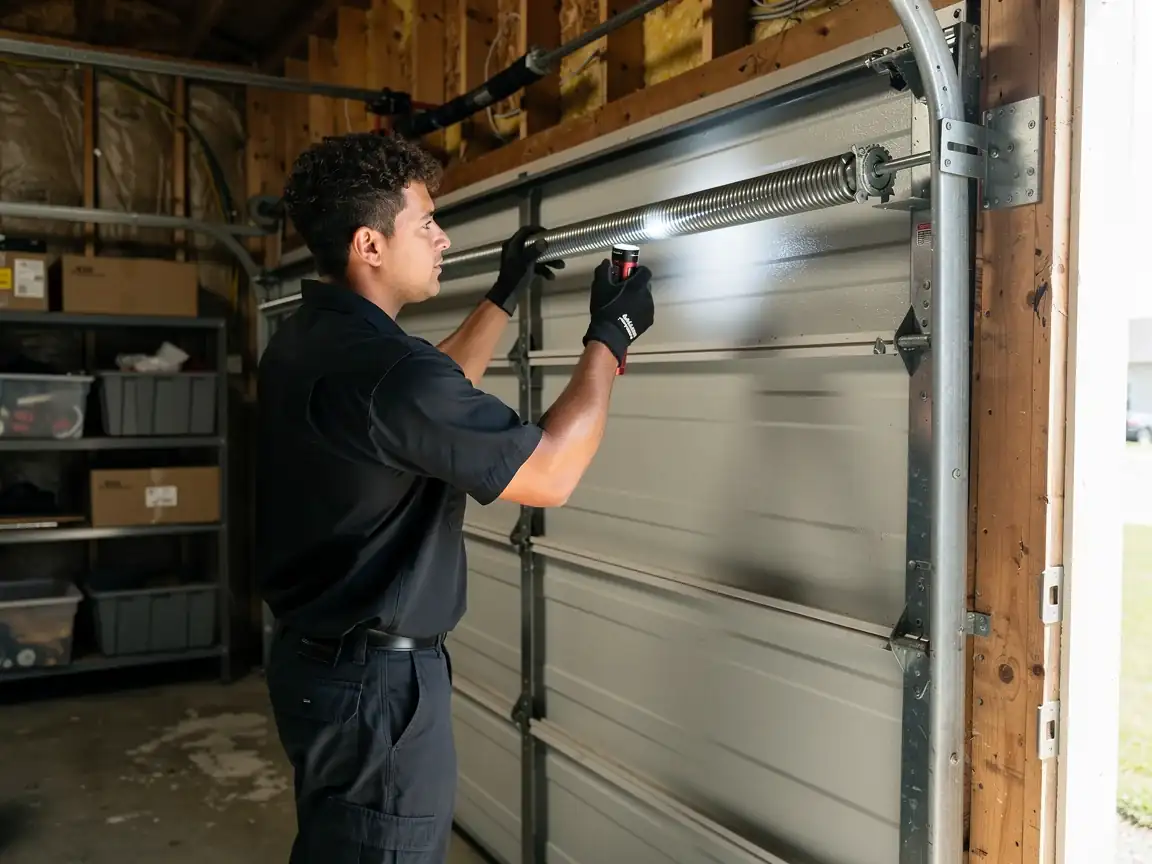
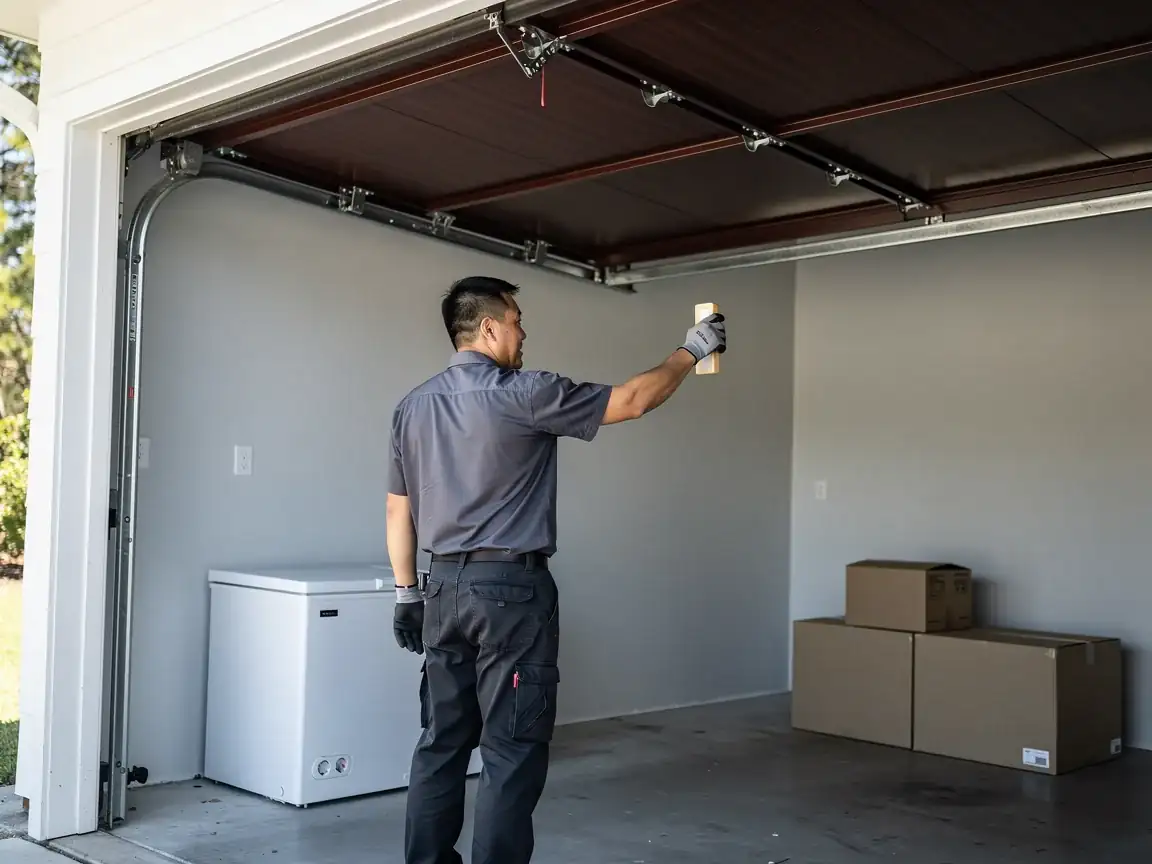
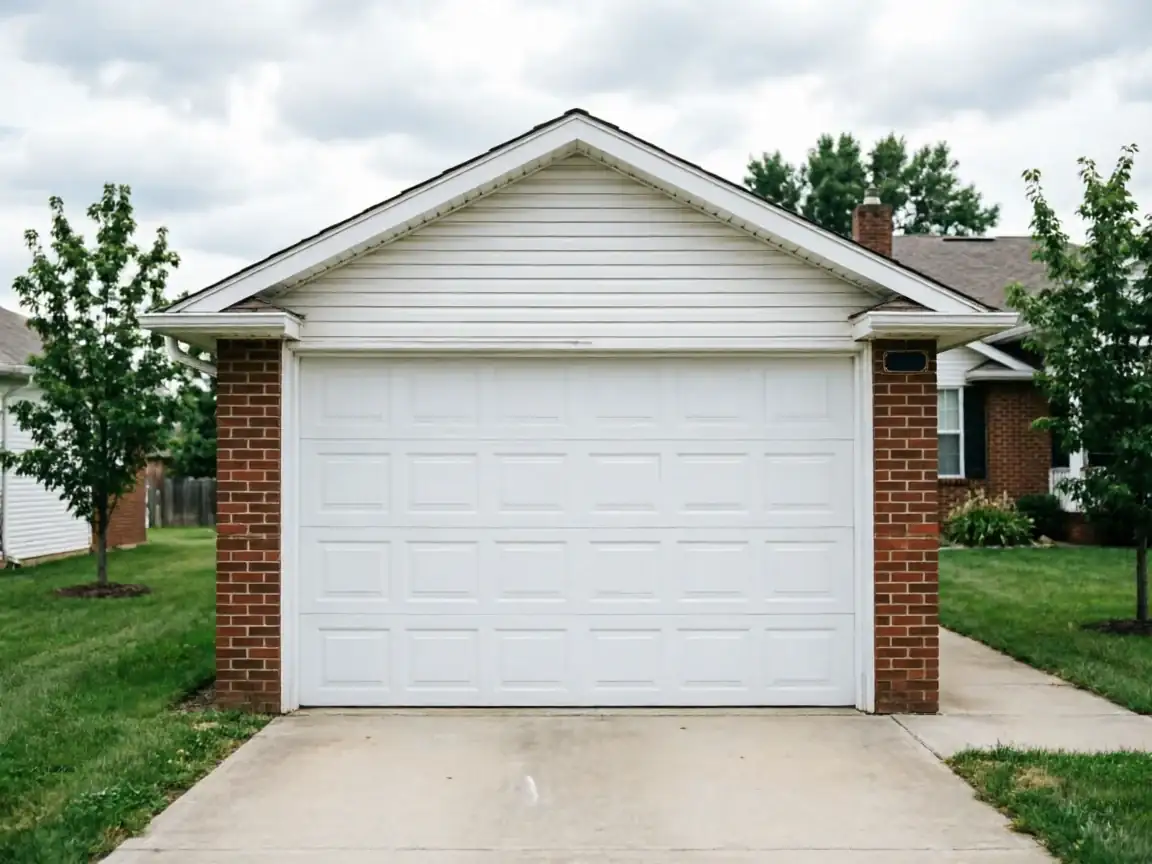
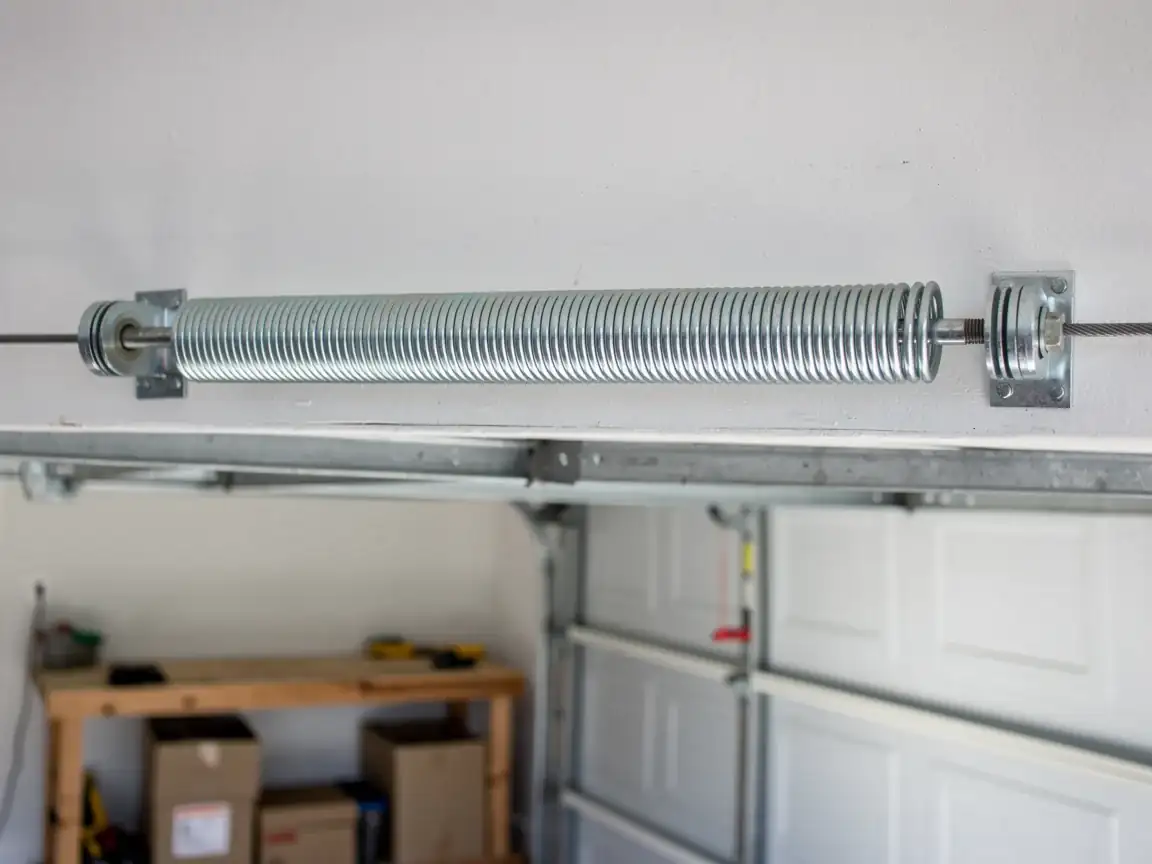
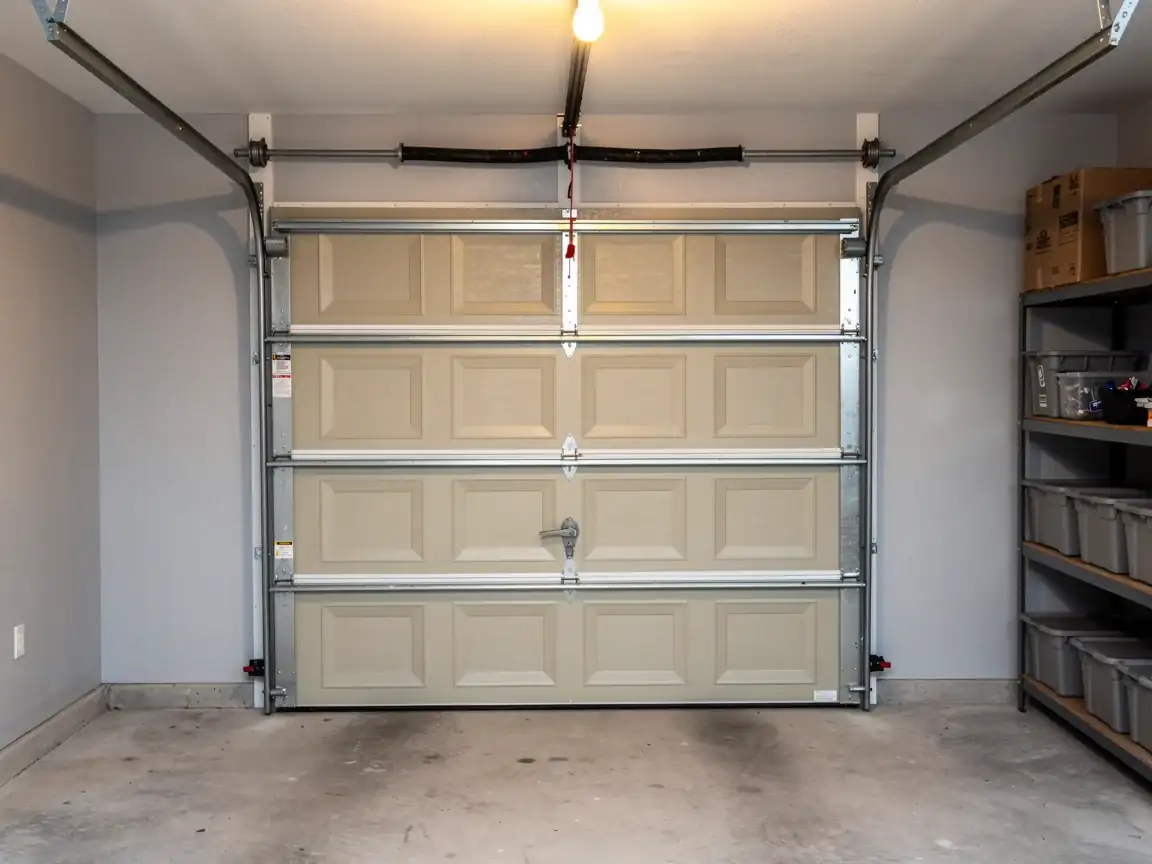
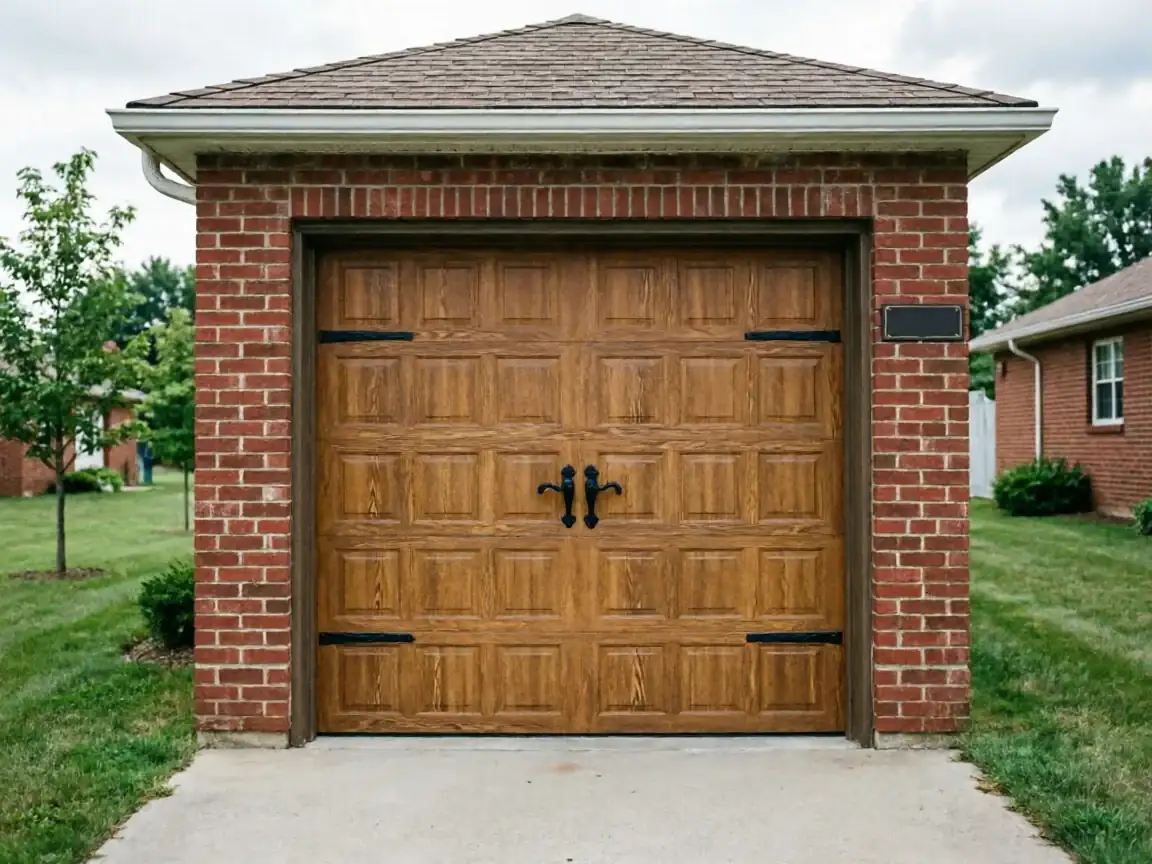
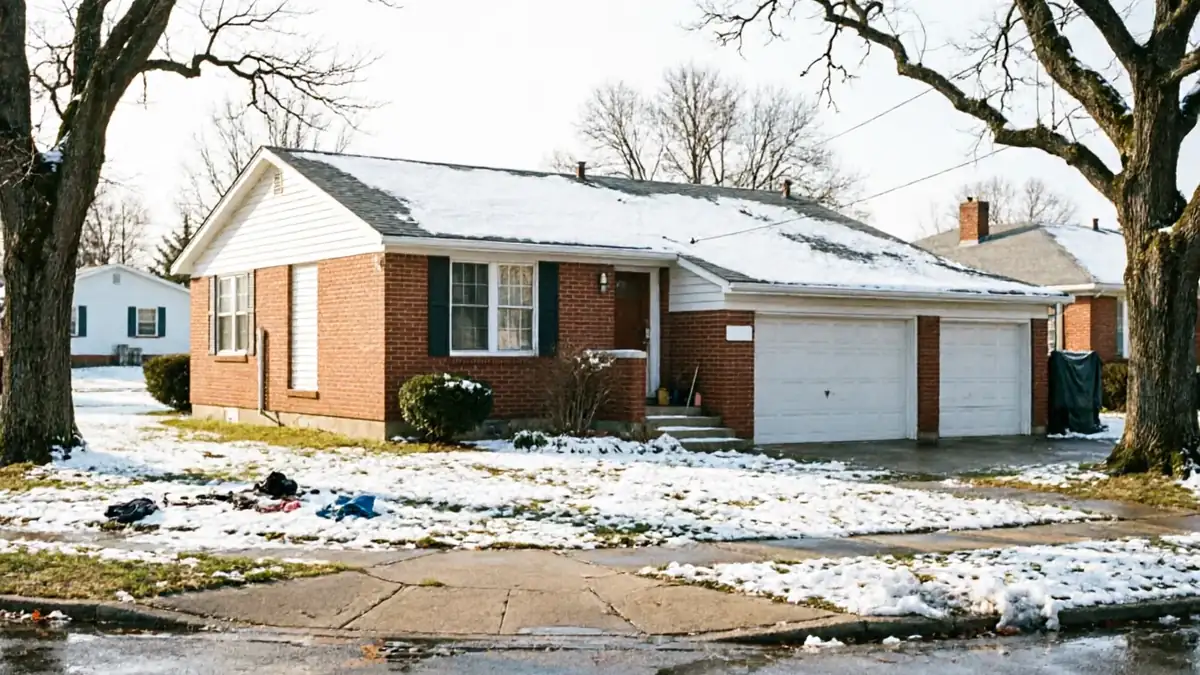
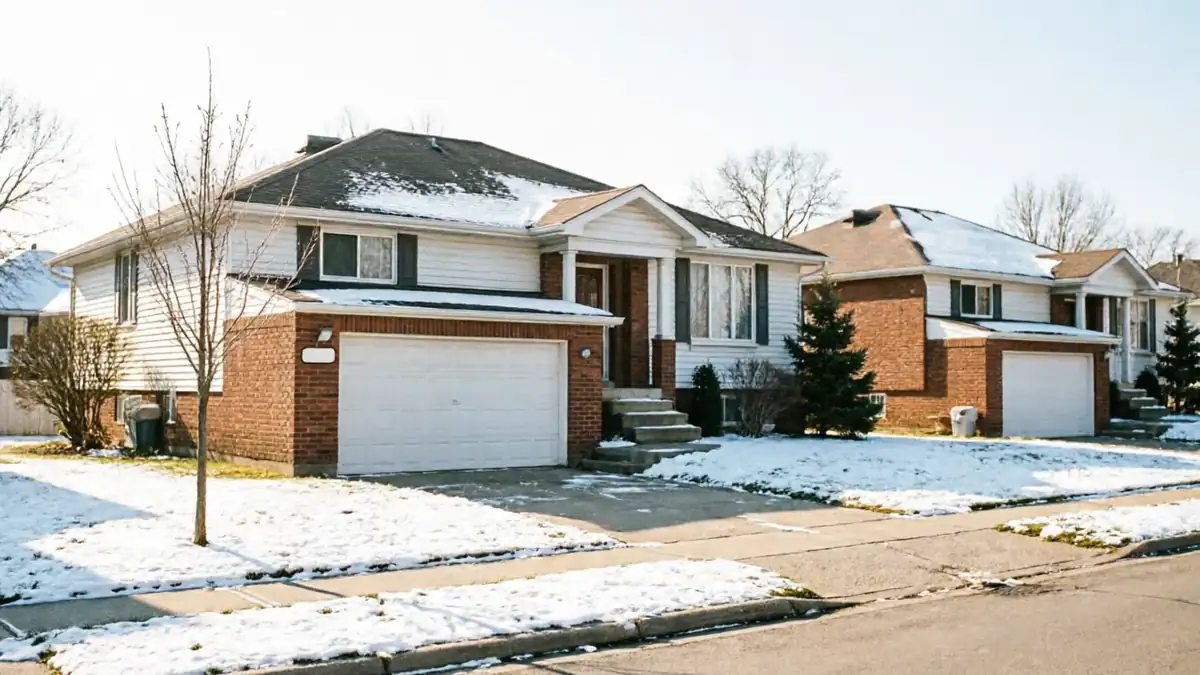
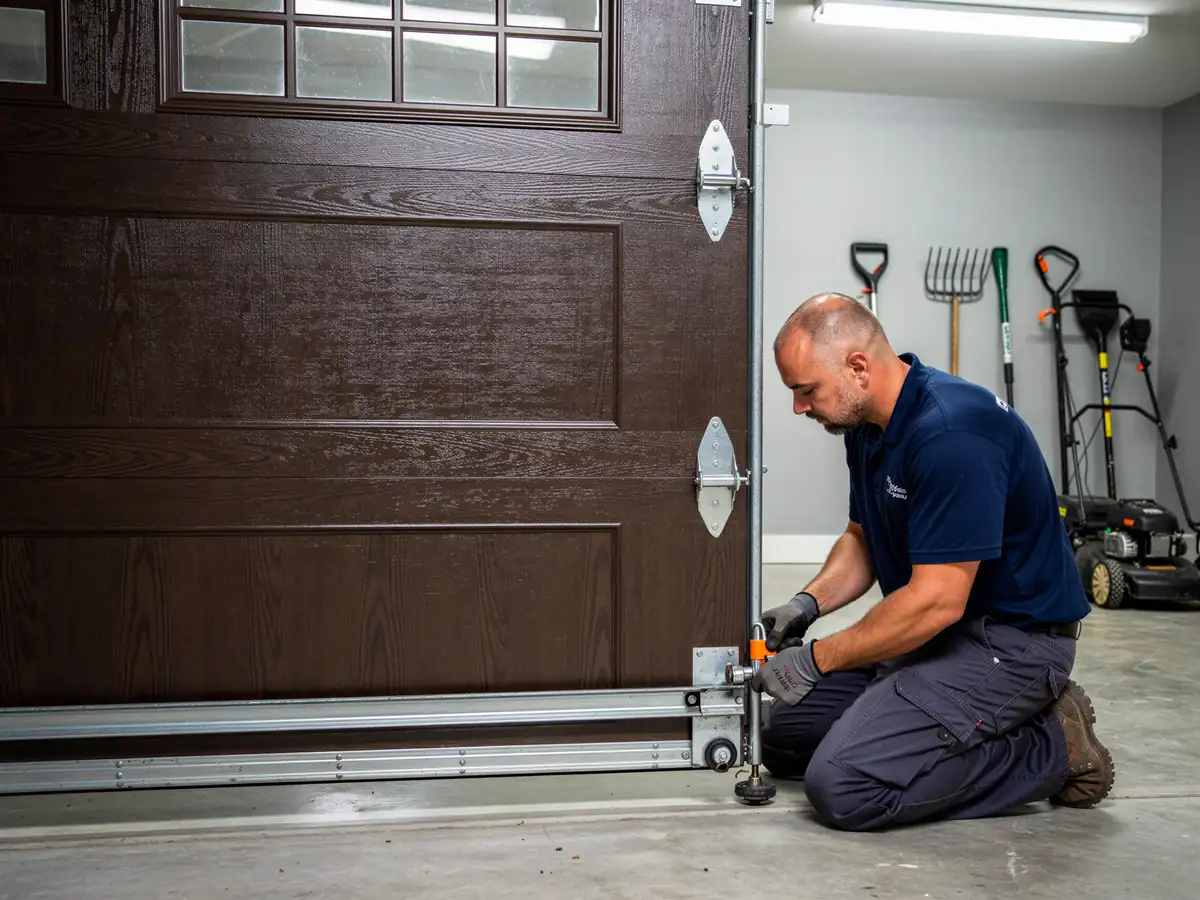
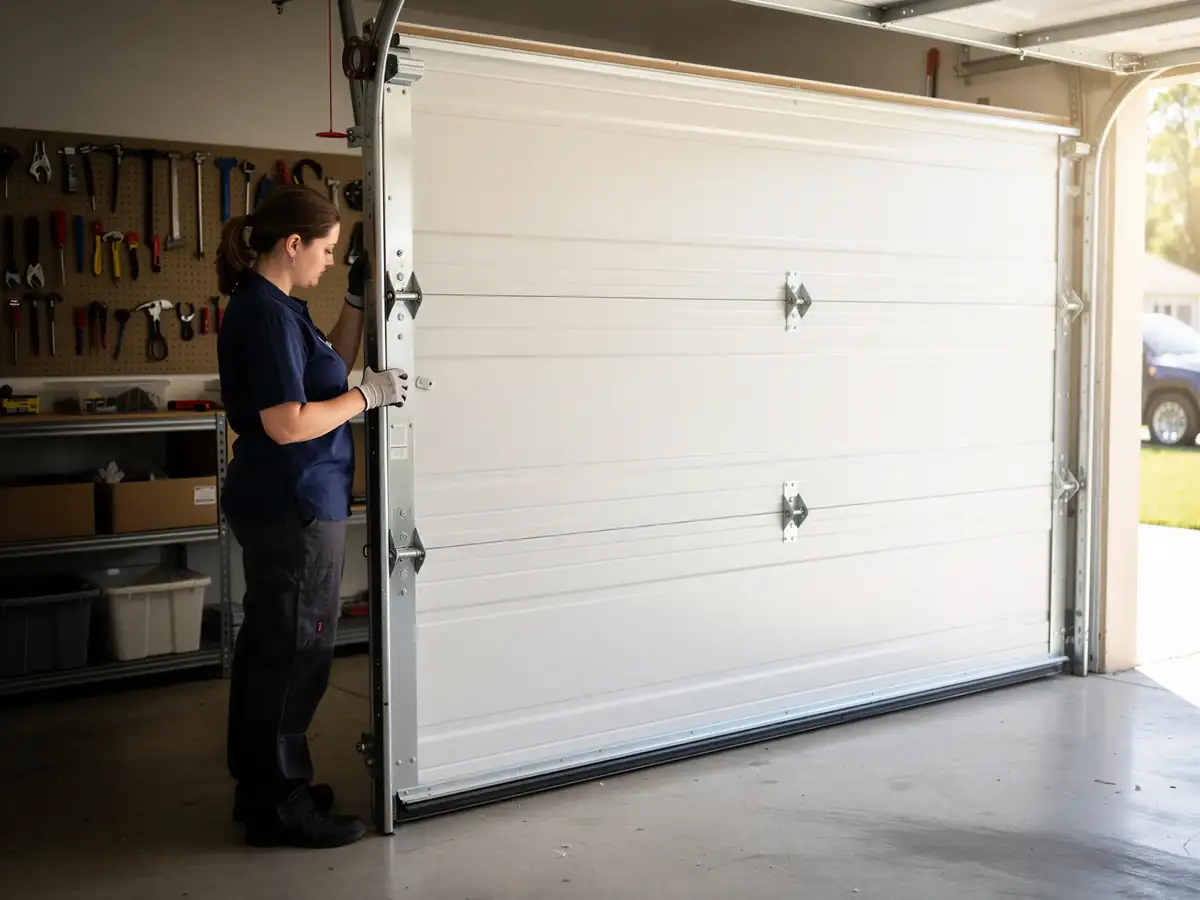
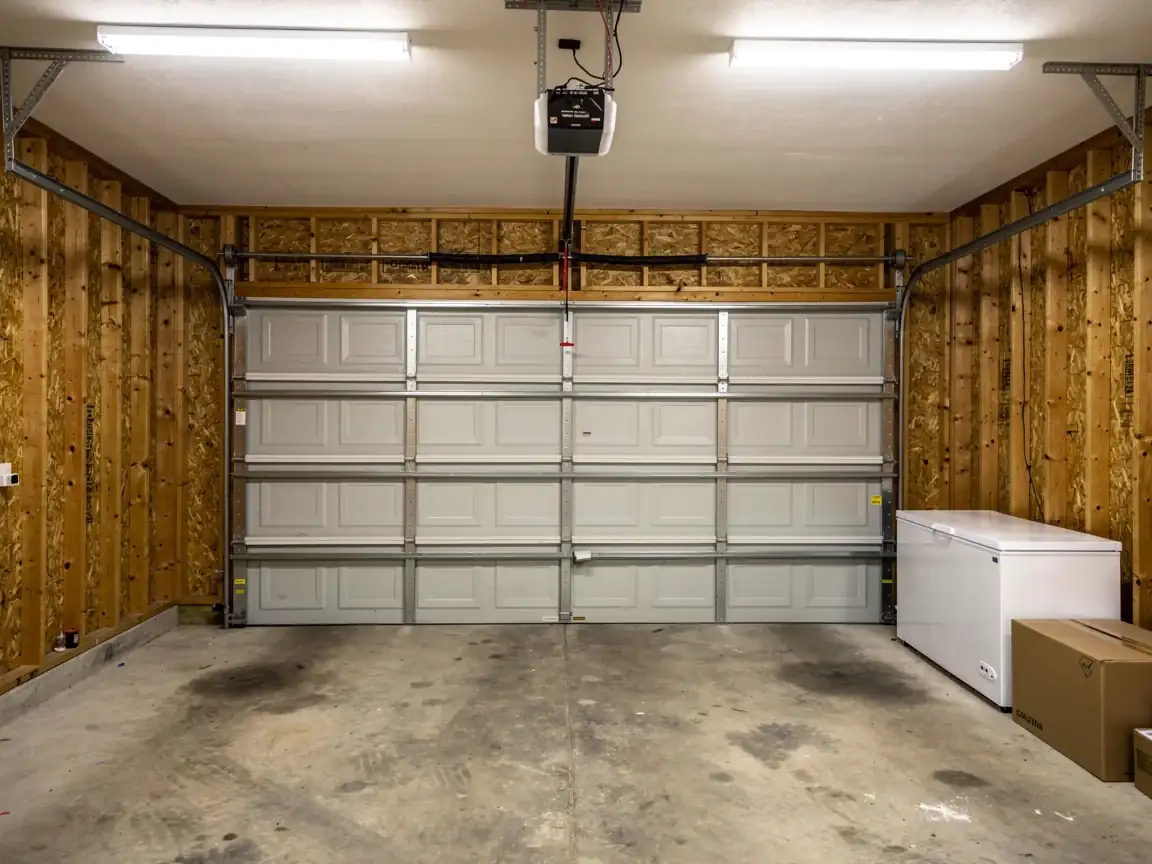
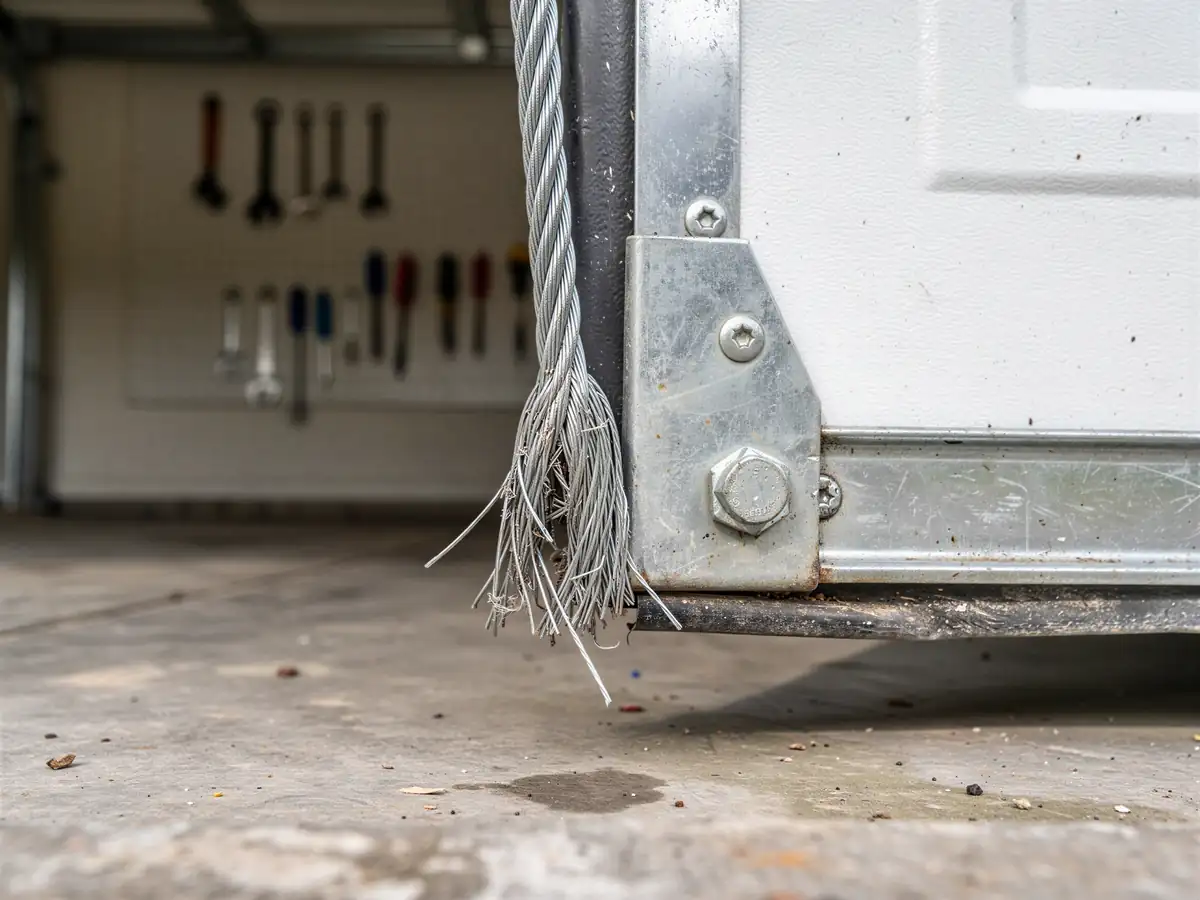
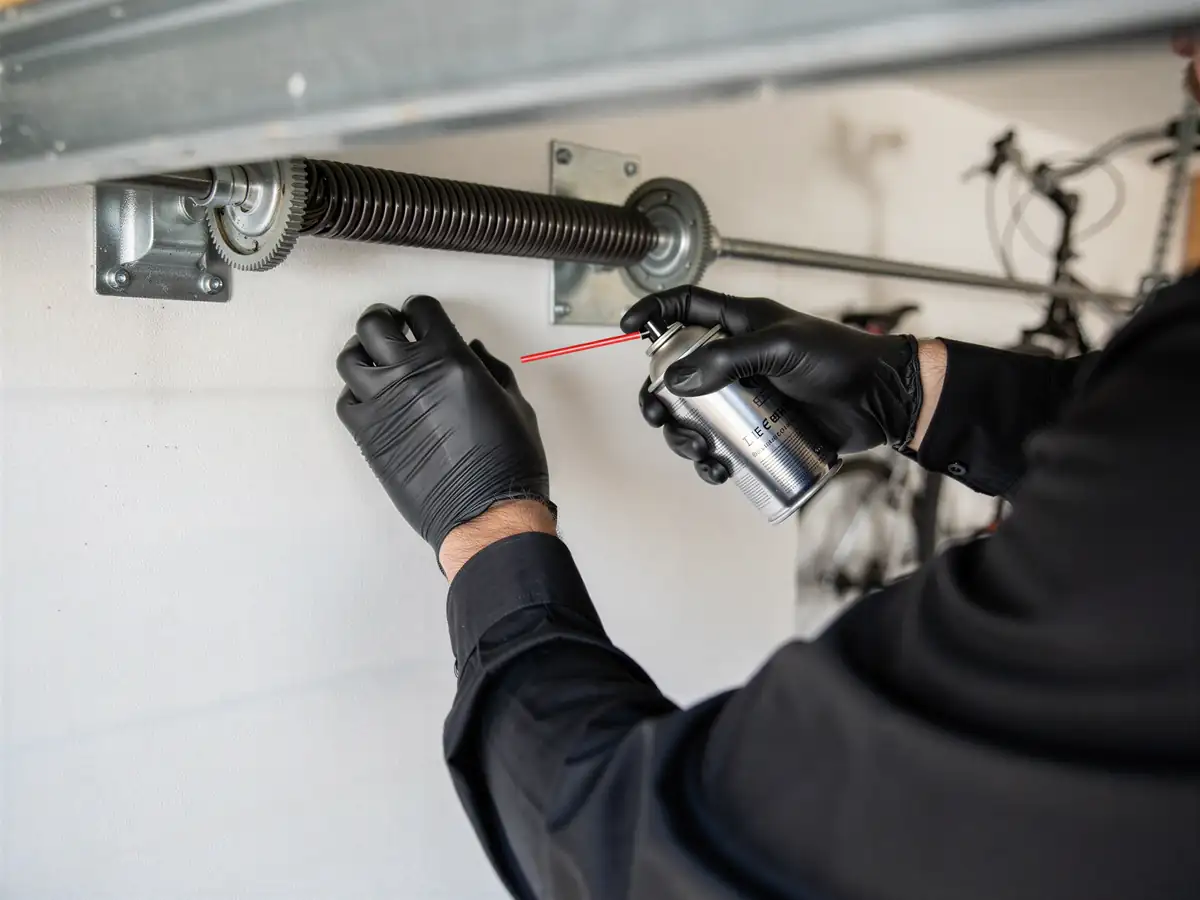
A door built for a mid-60s opening doesn't always play nice with a modern opener or a replacement panel bought off the shelf. Older track widths and jamb depths out here mean a standard big-box door kit can need shimming, re-drilling, or a different drum size on the torsion spring than the box suggests. If your opener is original or close to it, the drive gear is almost certainly worn past the point of lubricating your way out of it - plastic gears from that era weren't built for 50-plus years of winters. Cold-climate swings crack dried-out seals and stiffen lift cables faster than people expect, and this area sits in a severe cold band, so a cable that's been fine for a decade can seize or fray in a single hard freeze. We size springs and openers to the actual track and door weight we find on site, not to a generic kit number, because guessing wrong on an older Bridgeport door usually means a second truck trip.
What Neighbours Usually Call About
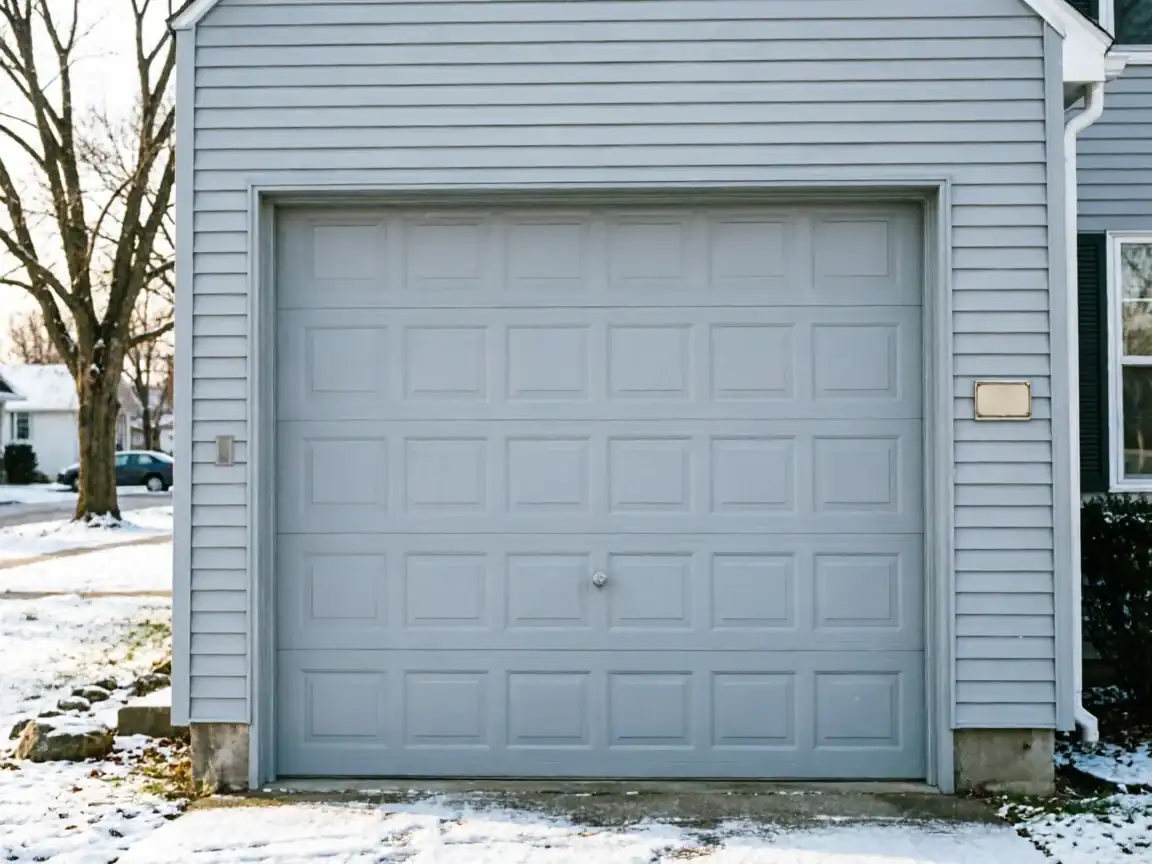
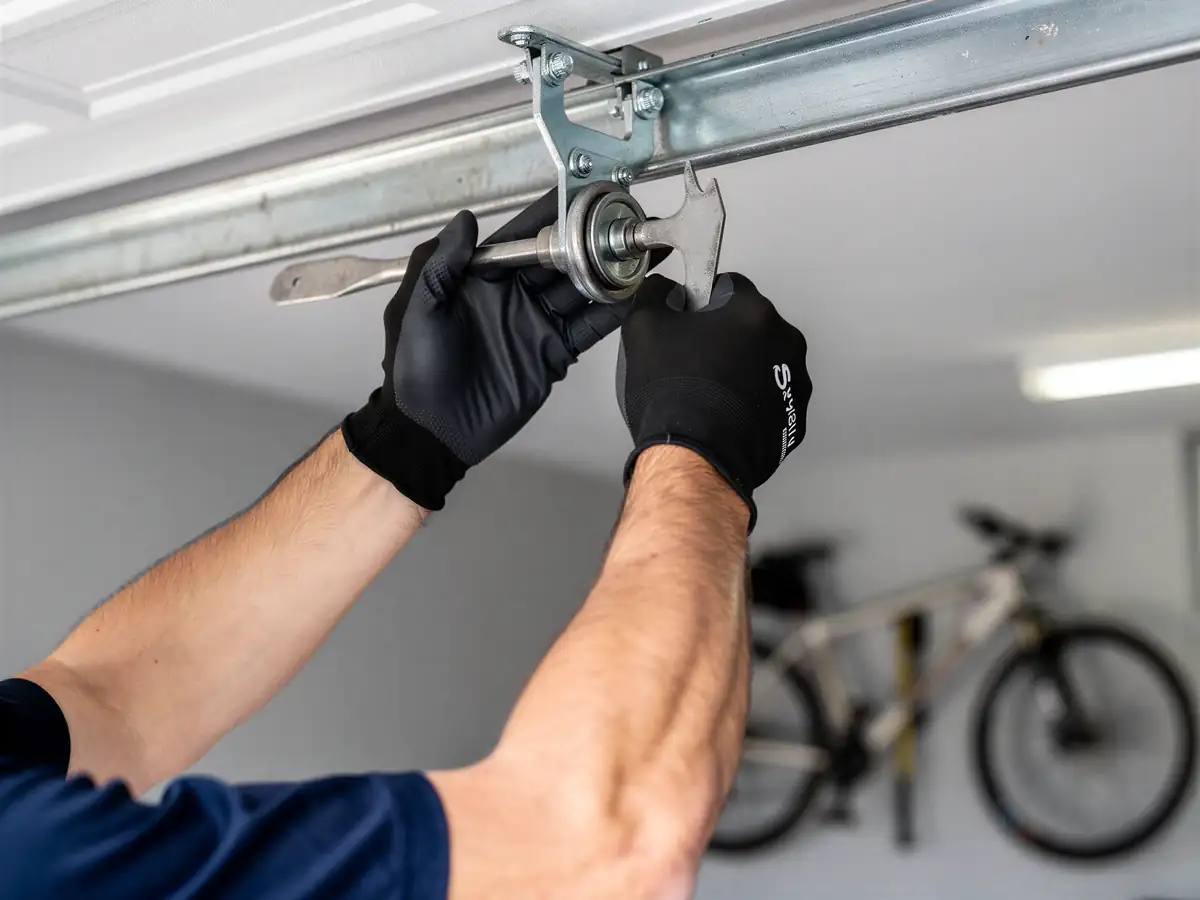
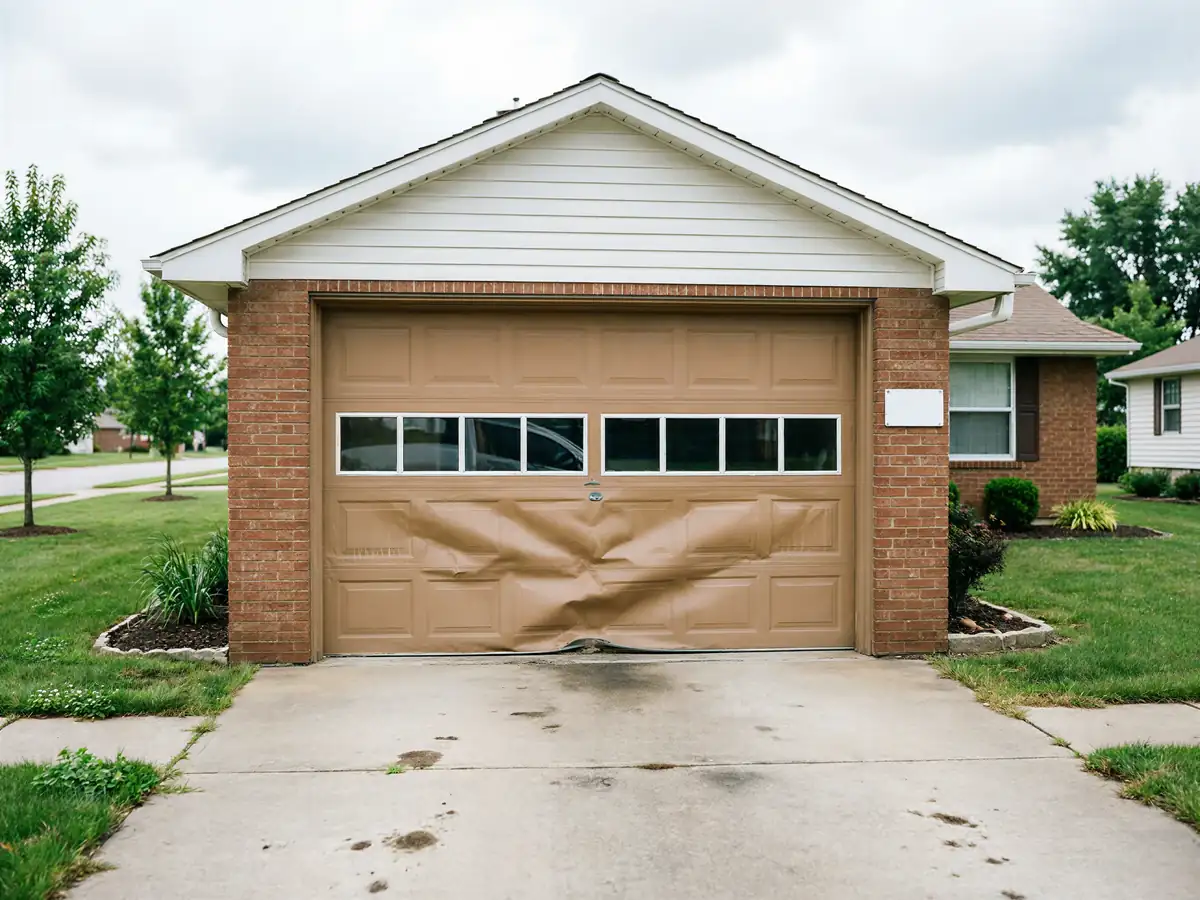
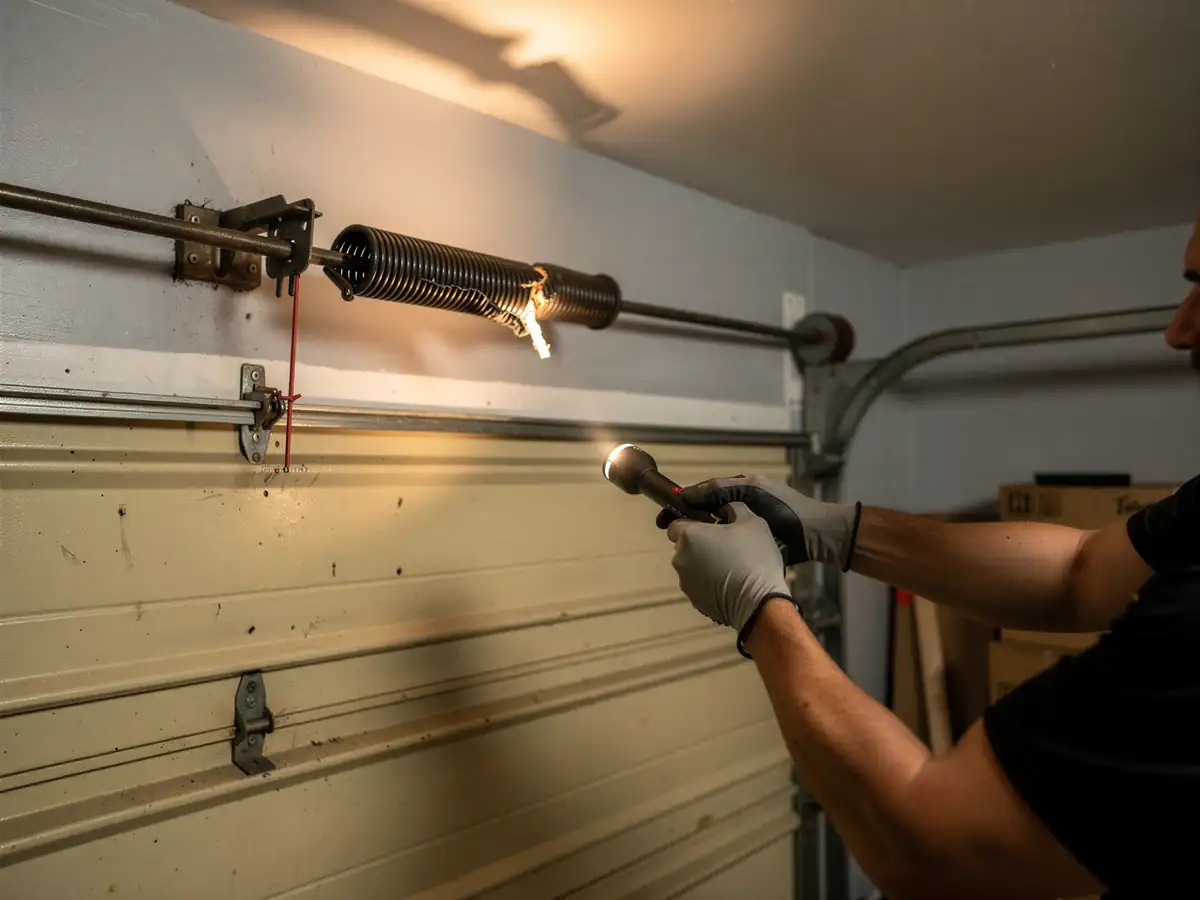
The most common call from this stretch is a broken torsion spring on a single-car door - the lighter springs from the 60s fatigue and snap with age, usually on the coldest morning of the year. Second most common: an opener that runs the motor but doesn't move the door, which on an older track almost always traces back to a stripped gear or a cable that's jumped the drum. We also get calls about doors that reverse for no reason, which on homes this age is often a worn sensor bracket rather than the sensor itself - the bracket metal has had decades to loosen. Panel dents and rust-through at the bottom section come up too, especially on doors that were never swapped out and have taken 50-plus years of road salt spray off the driveway.