What Is on the Truck
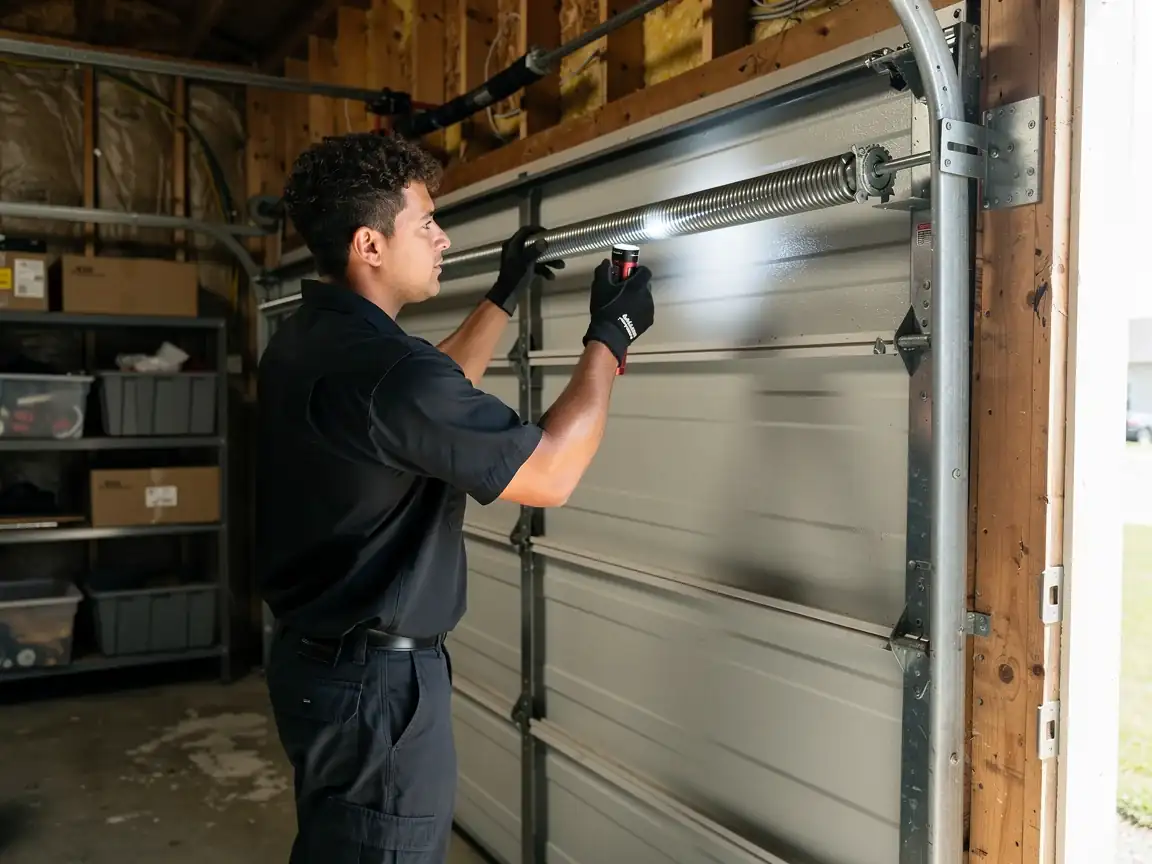
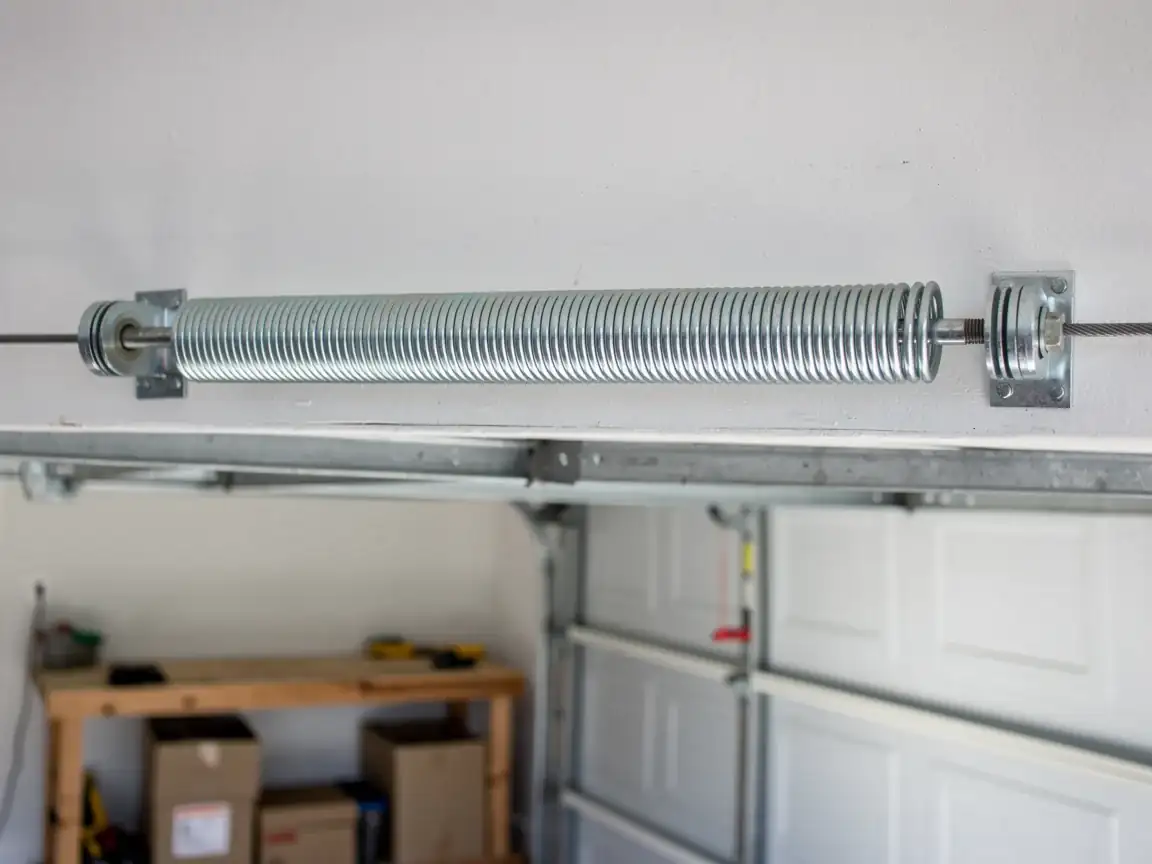
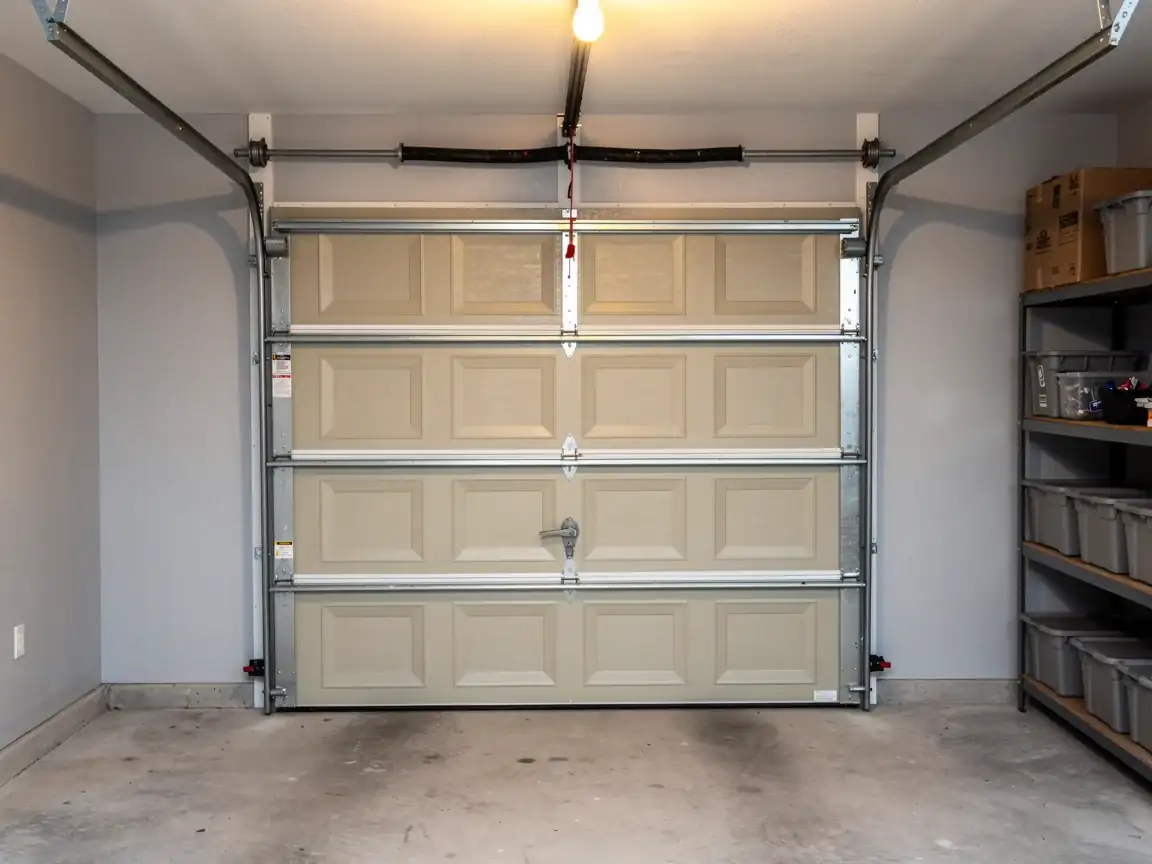
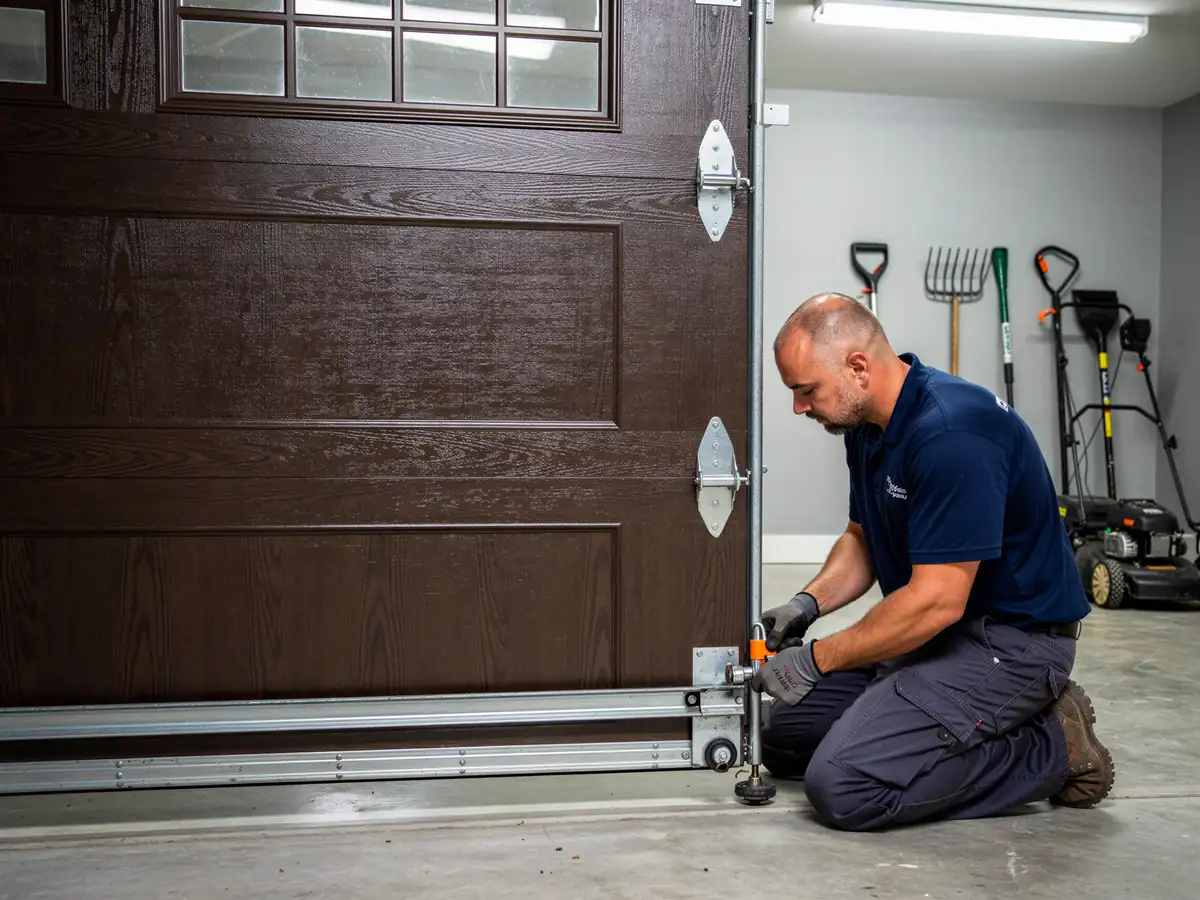
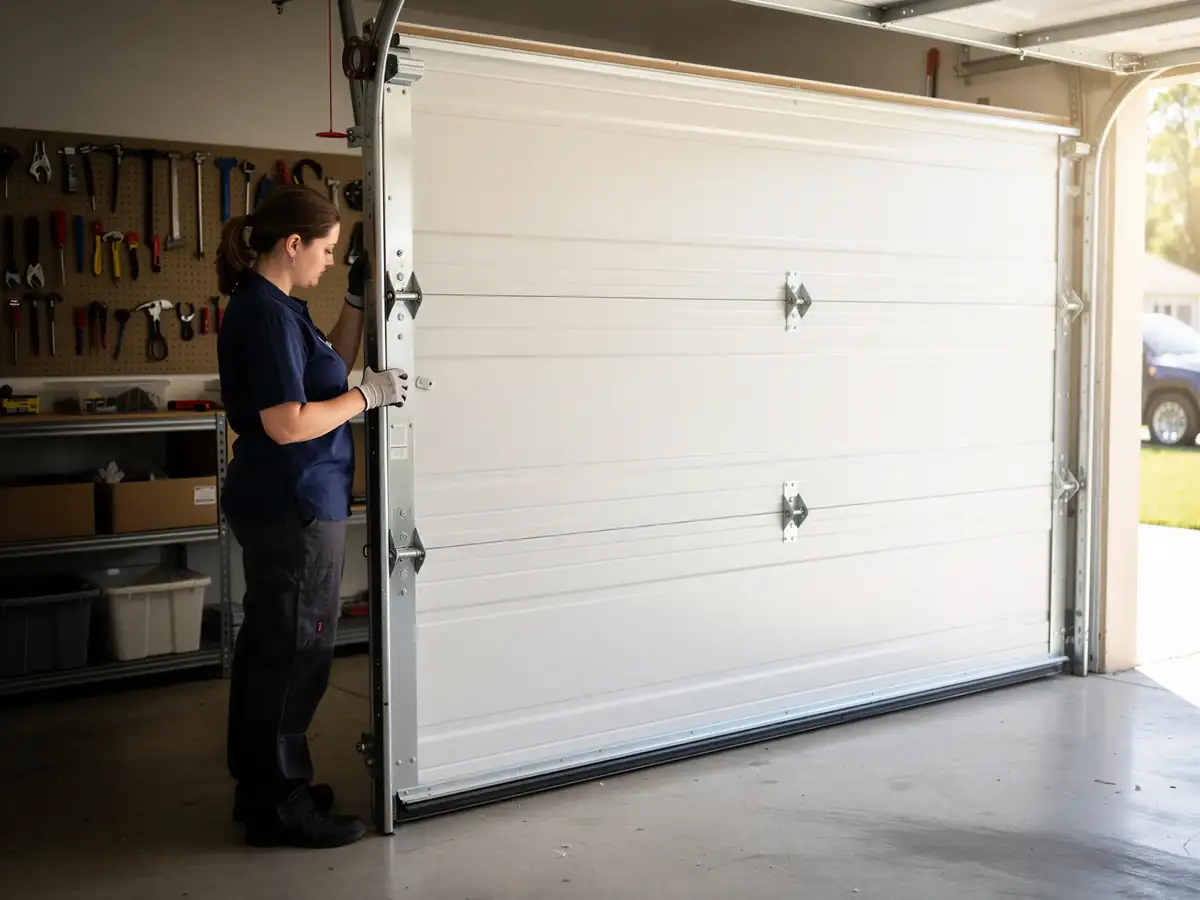
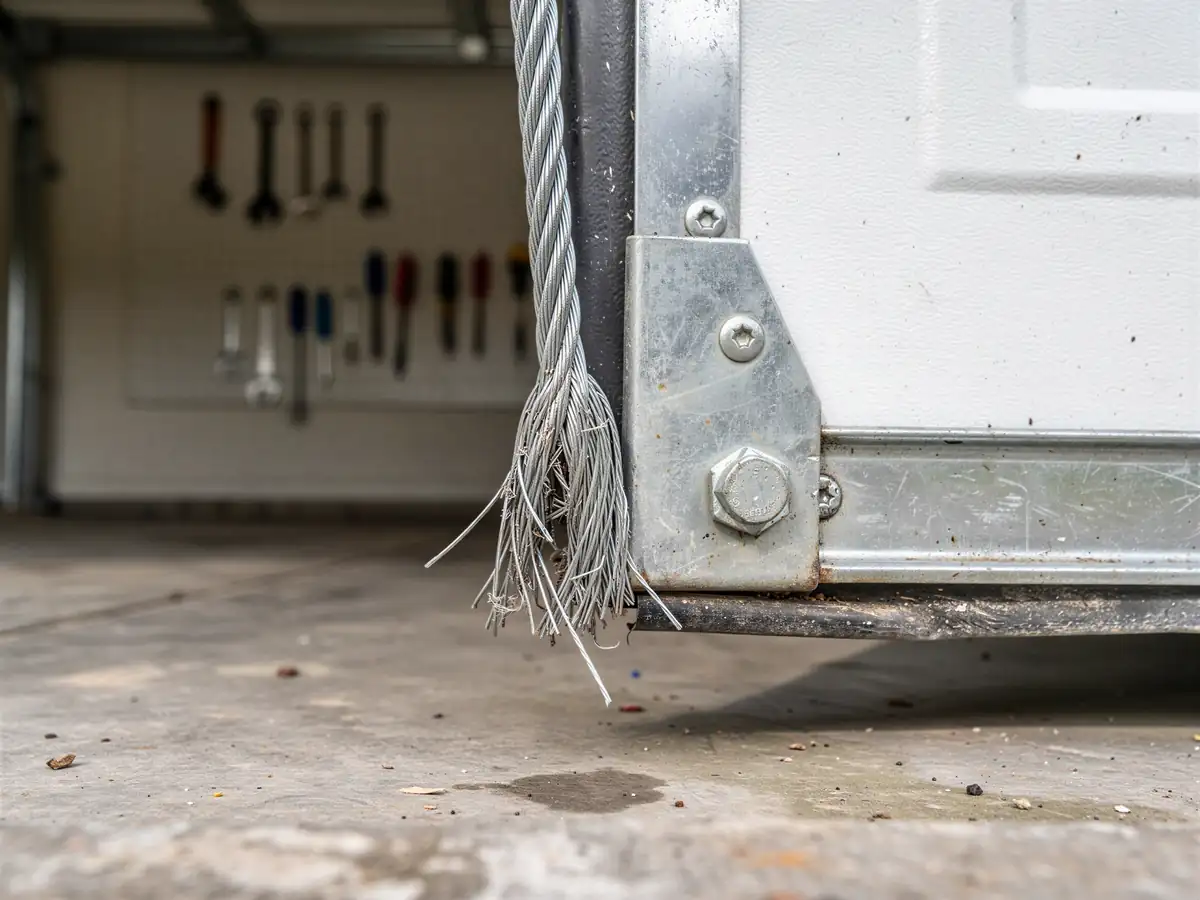
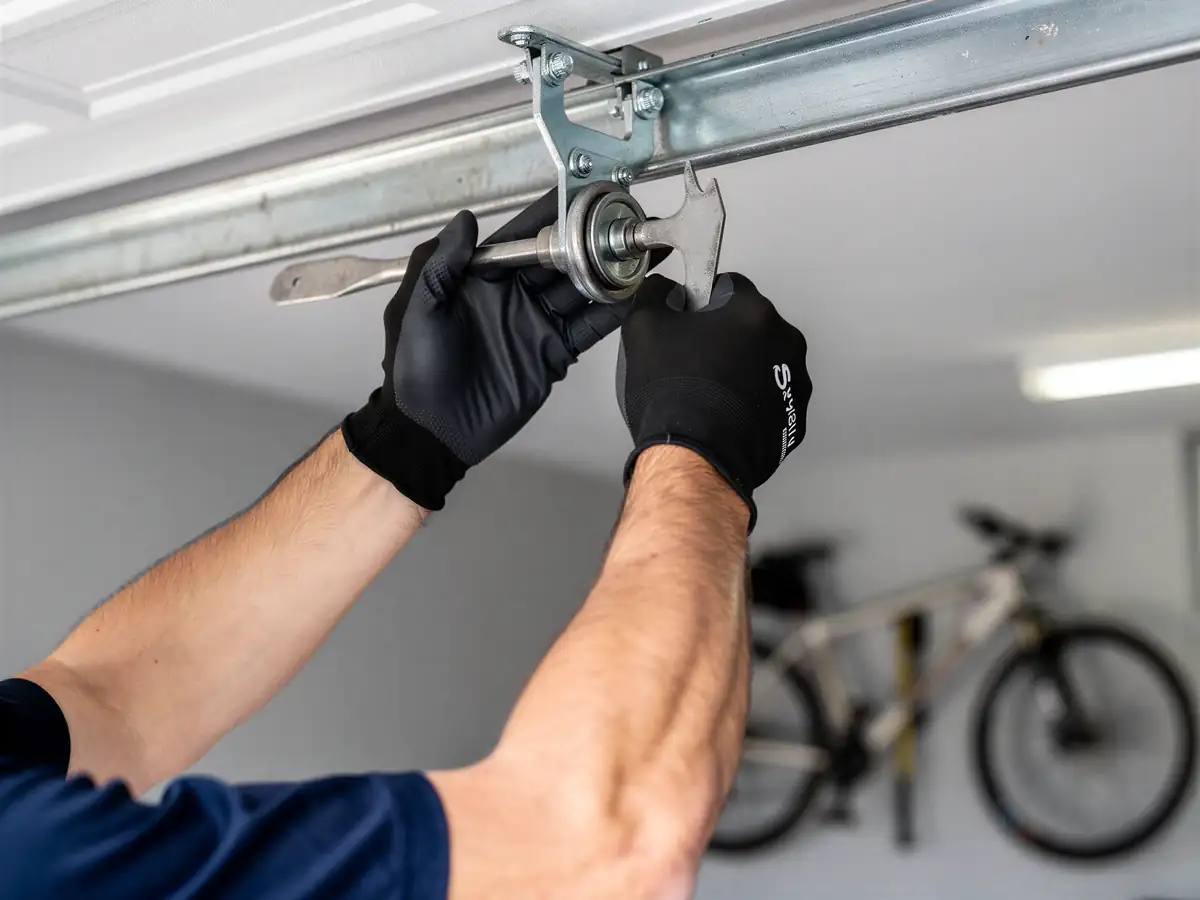
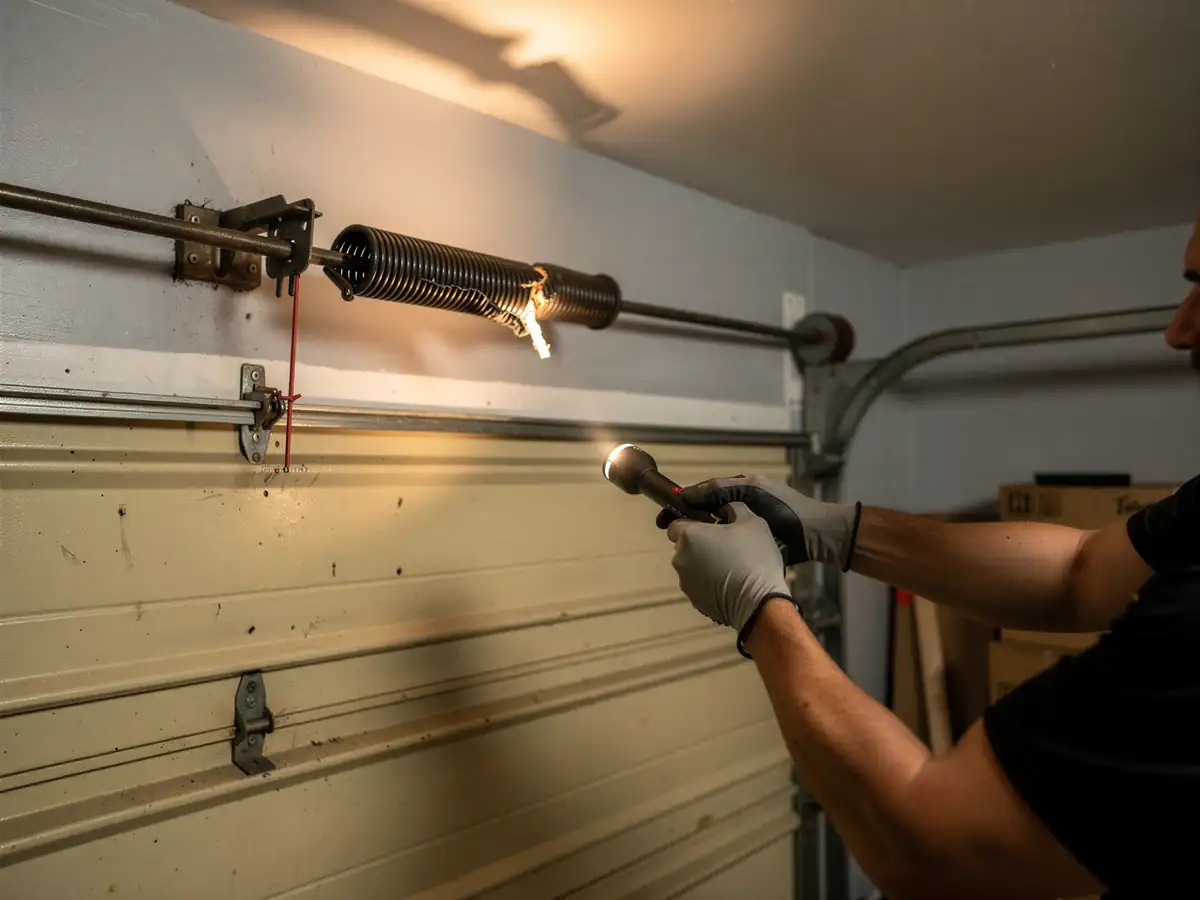
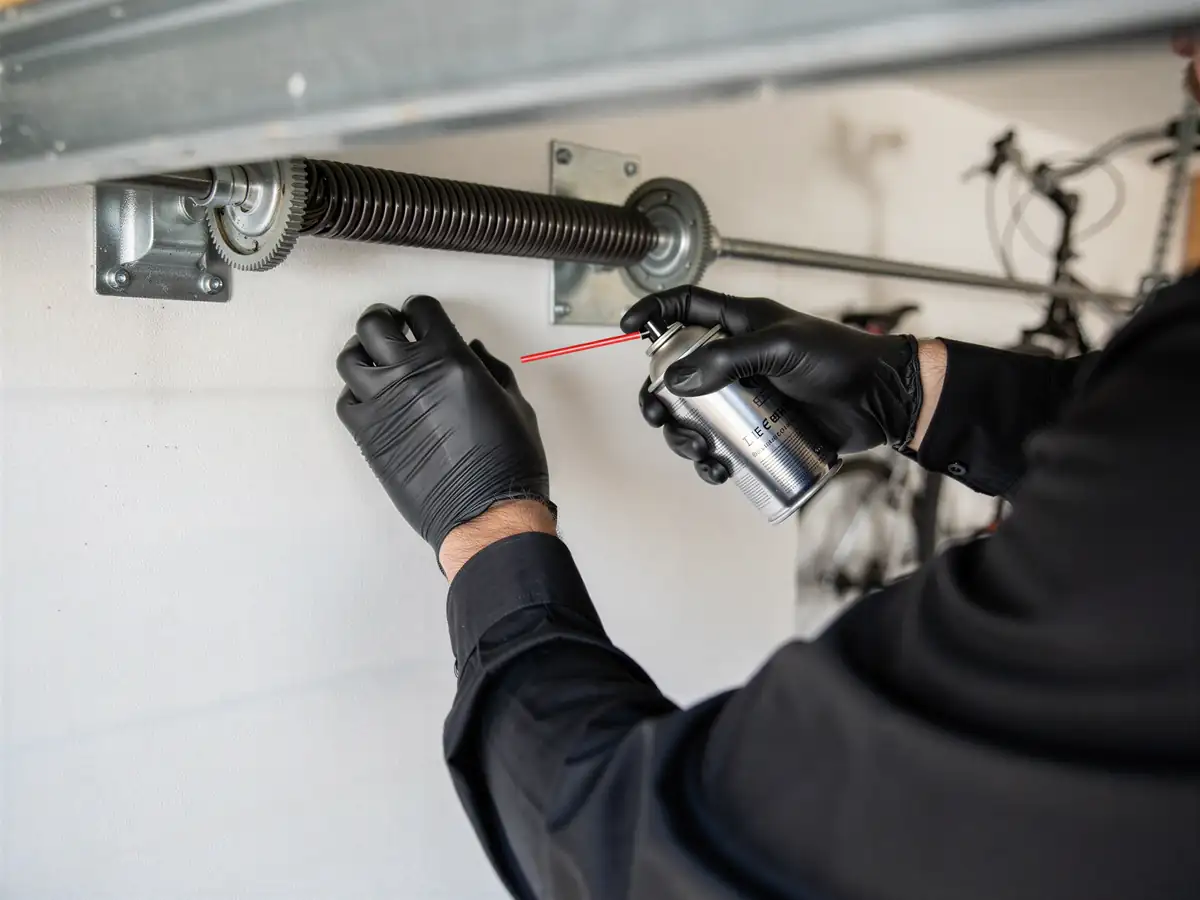
Maintenance isn't a mystery kit. We carry lubricant rated to keep working in hard cold rather than gumming up - the standard spray-can stuff thickens below freezing and does more harm than good once it's gunked into a roller bearing. We carry replacement rollers (nylon and steel), cable and cable ends, track brackets, and the gauges to check torsion spring tension against what the door's weight actually calls for. We check hinges for stress cracks, test the auto-reverse safety function, and look at the bottom seal, which takes the worst of the winter moisture and salt spray off the slab. What we don't carry is a crystal ball - if a spring is at the end of its life, we'll say so rather than grease around the problem. A tune-up tightens, lubricates, and adjusts what's there; it doesn't rebuild a door that needs new springs or a new opener. We'll tell you which one you're looking at before we start, not after.
What It Costs
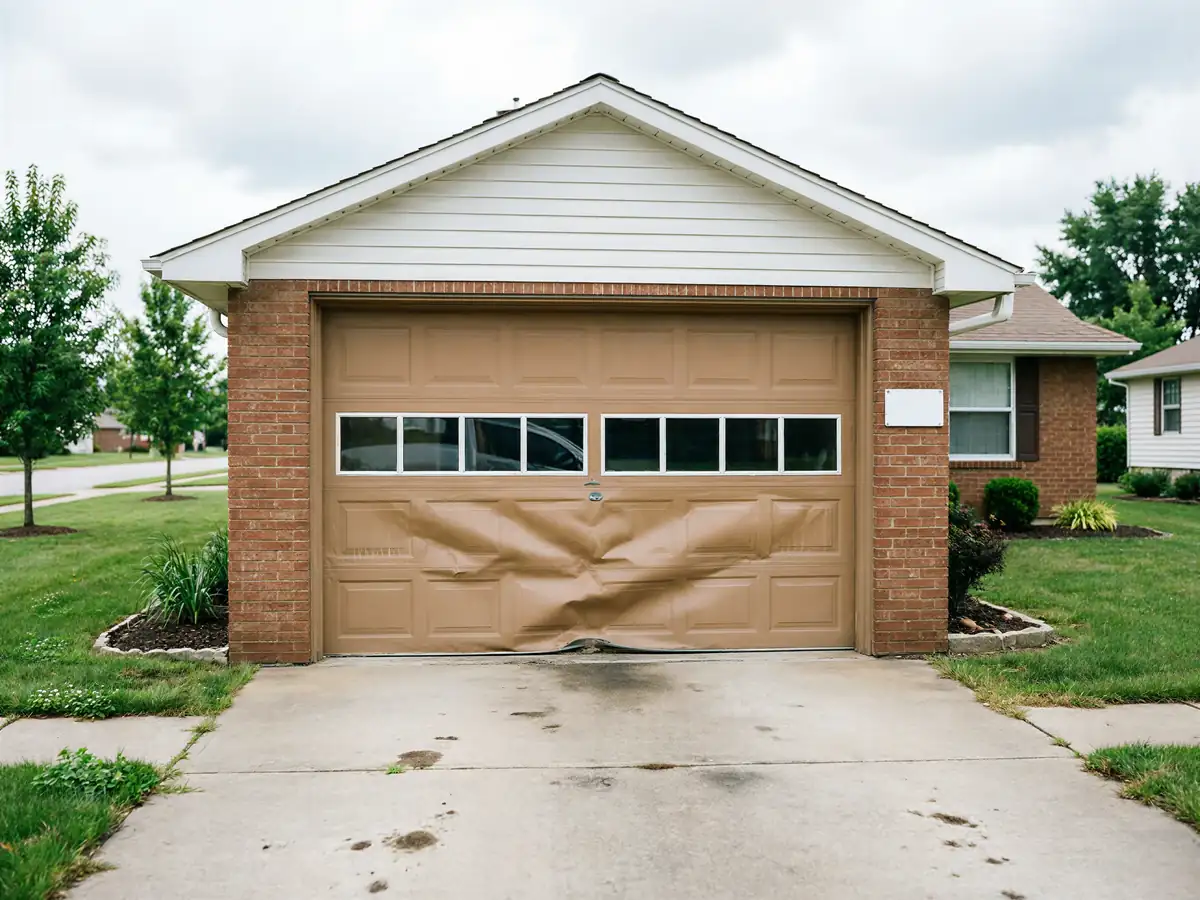
We don't post a flat number for maintenance because what's actually needed varies more than people expect. A door on newer hardware might need twenty minutes of lubrication and a safety check. A door from the older end of Bay City's 1952-1994 building range might need hinge replacement, track realignment, and a full spring tension adjustment, which takes longer and uses more parts. What we can tell you is what drives the number up or down: the age and style of the hardware, whether it's a single door or a double, how many springs it runs, and whether anything's already failing versus just worn. We'd rather walk the job and give you a real figure than guess over the phone and have to revise it once we're under the door. If a tune-up turns up something bigger - a spring close to failing, a cracked panel - we'll quote that separately before touching it, not fold it into the visit without asking.