What It Costs
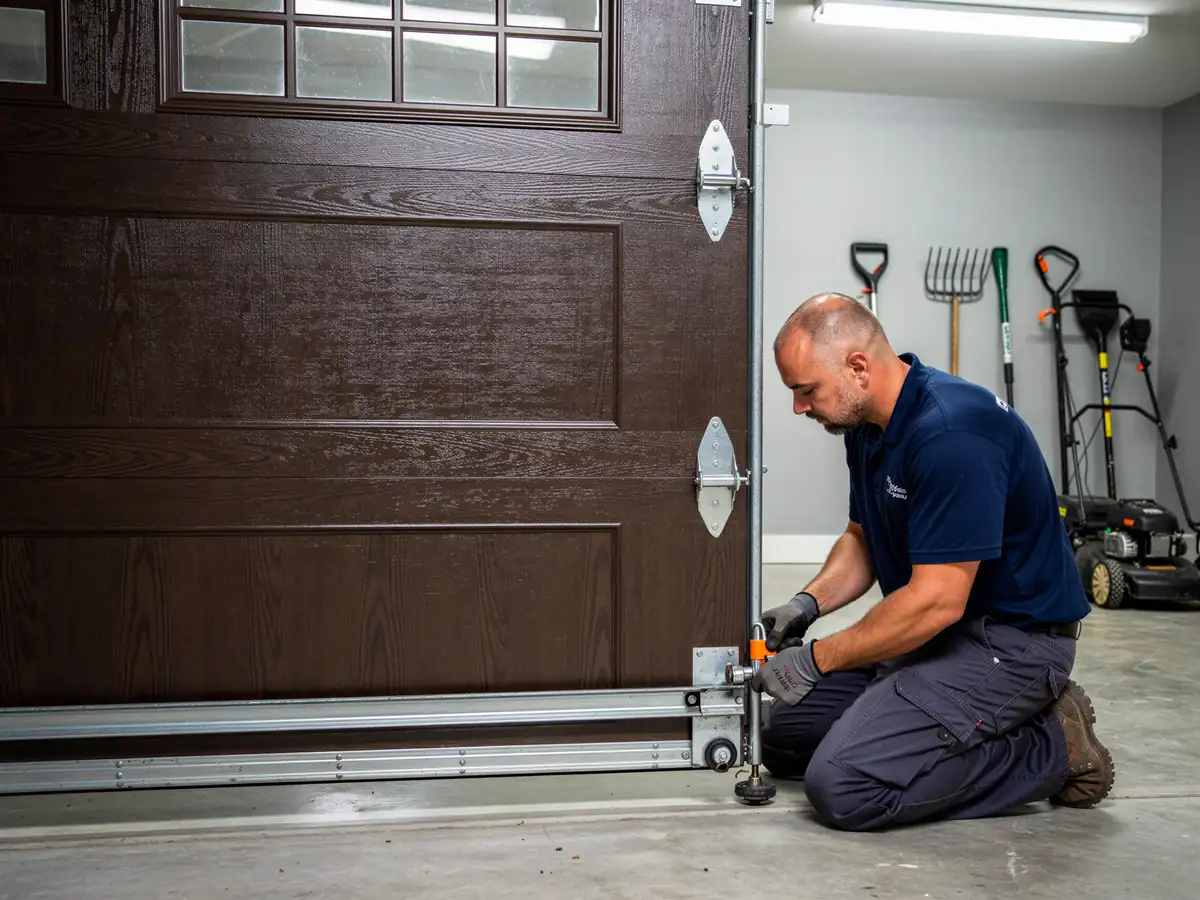
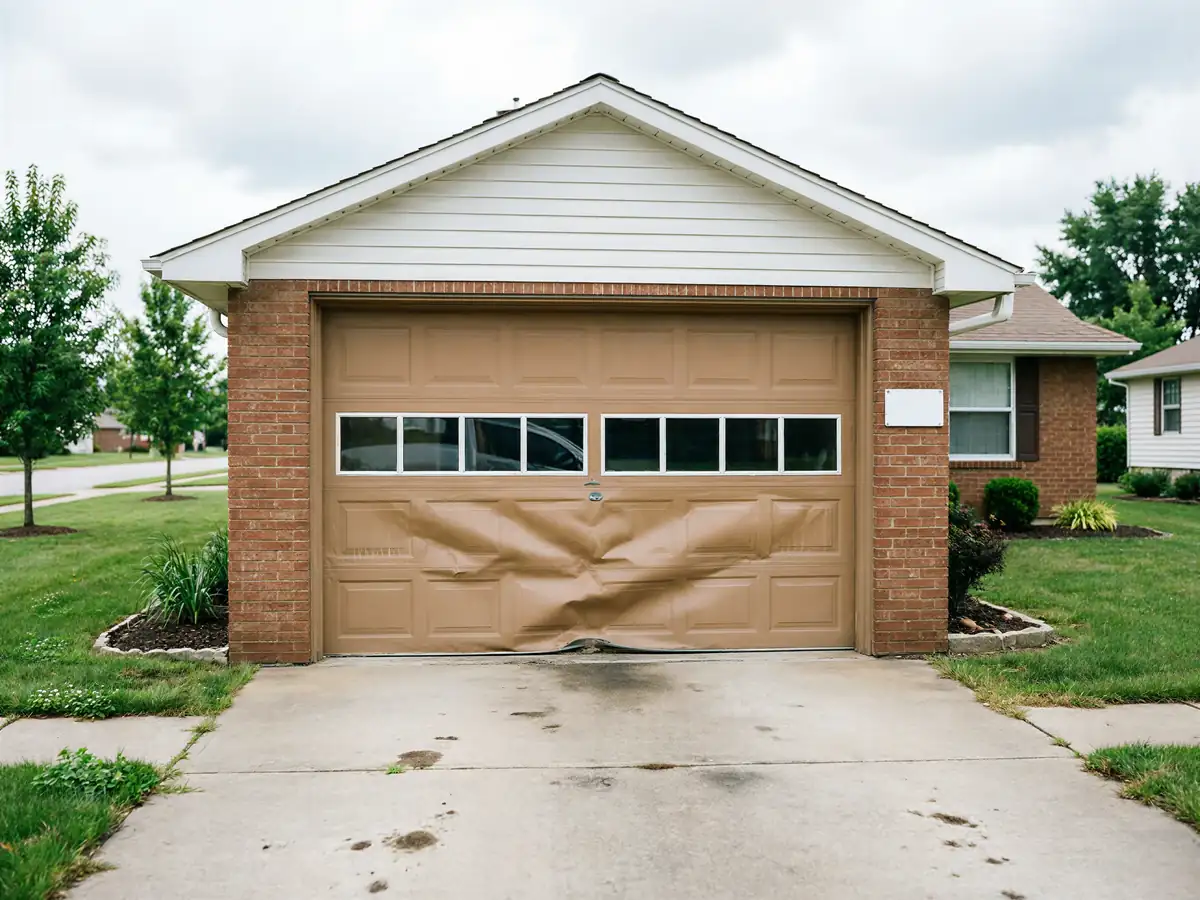
We don't have a Kawkawlin-specific price list to quote here, and we'd rather say that than make one up. What drives the number on a panel job is whether the section is still made for your door's model and width, whether the color needs matching across the rest of the door, and whether the hardware around the damaged panel - hinges, rollers, the track it rides in - took damage too. Houses from the early-to-mid 1970s in this area often need more than a panel because the roller track has worn unevenly over fifty years of use, not because of the dent itself.\n\nKawkawlin's household incomes run a bit higher than the Bay City average, and we mention that only because it changes the math on repair versus replace: a full-door swap often makes more sense here than stretching out a 1970s single-layer steel door that's going to need its next panel in a few years anyway. We'll tell you straight which side of that line your door falls on before we quote anything.
Where This Job Goes Sideways
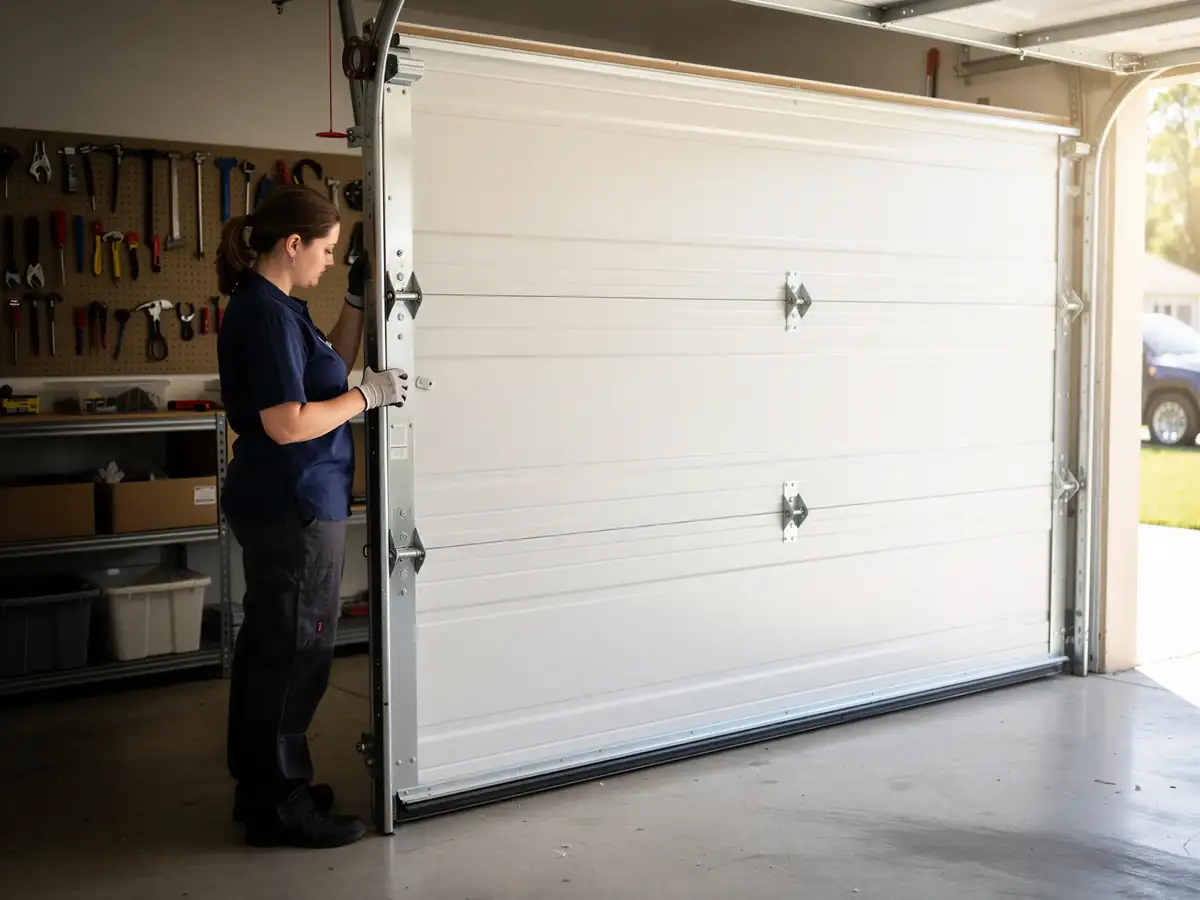
The panel swap goes wrong in two ways on a door this age. First, the section you need may not exist anymore - a lot of 1970s door lines are long out of production, and a 'close enough' panel from a different manufacturer will sit slightly off in height or curve, which shows on a flat-faced door more than it would on a modern ribbed one. Second, cold-weather flex. This is a severe-cold climate area, and steel that's gone through fifty winters of freeze-thaw is brittle at the seams in a way new steel isn't - torque a bolt down too hard replacing a hinge and you can crack the panel next to the one you came to fix.\n\nThe other failure point is matching. If one panel on a four- or five-section door gets replaced and the rest have faded or chalked from decades of sun and salt spray off the road, the new section stands out. We'll flag that before we start rather than let you find out after.
What Is on the Truck
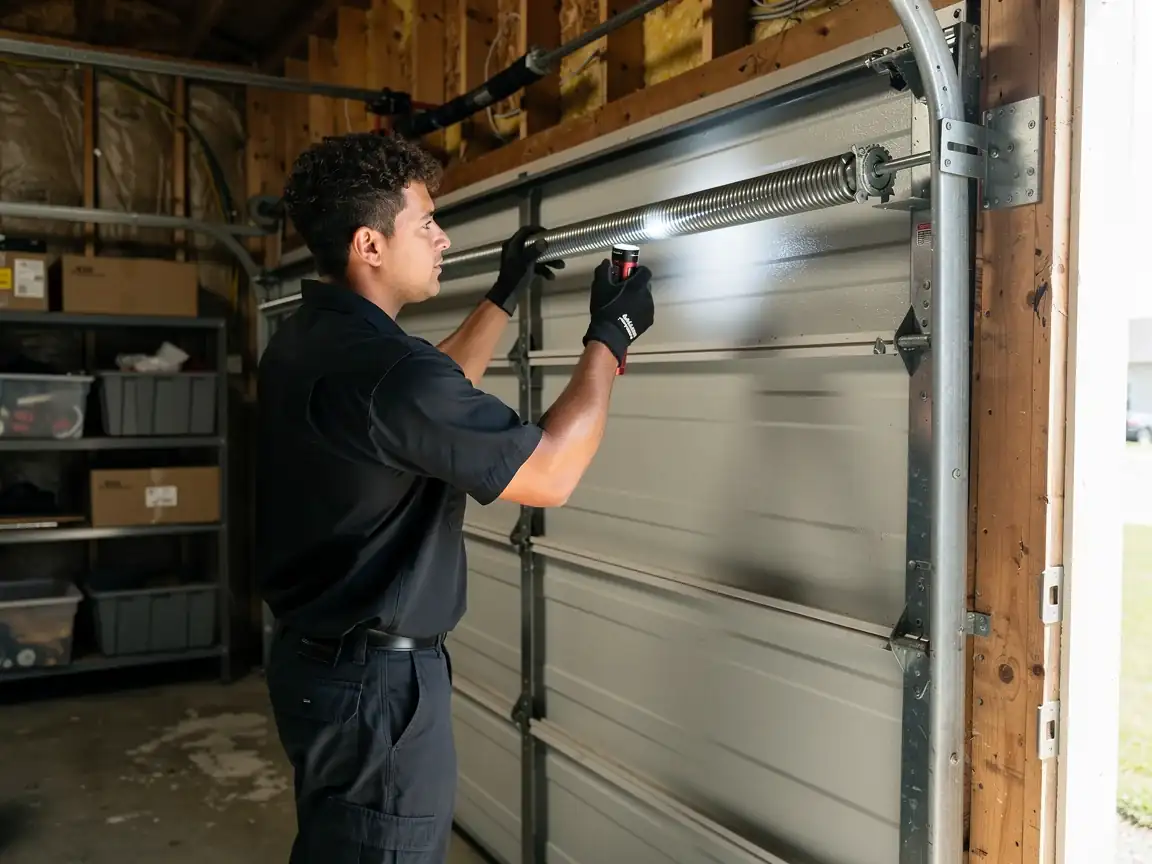
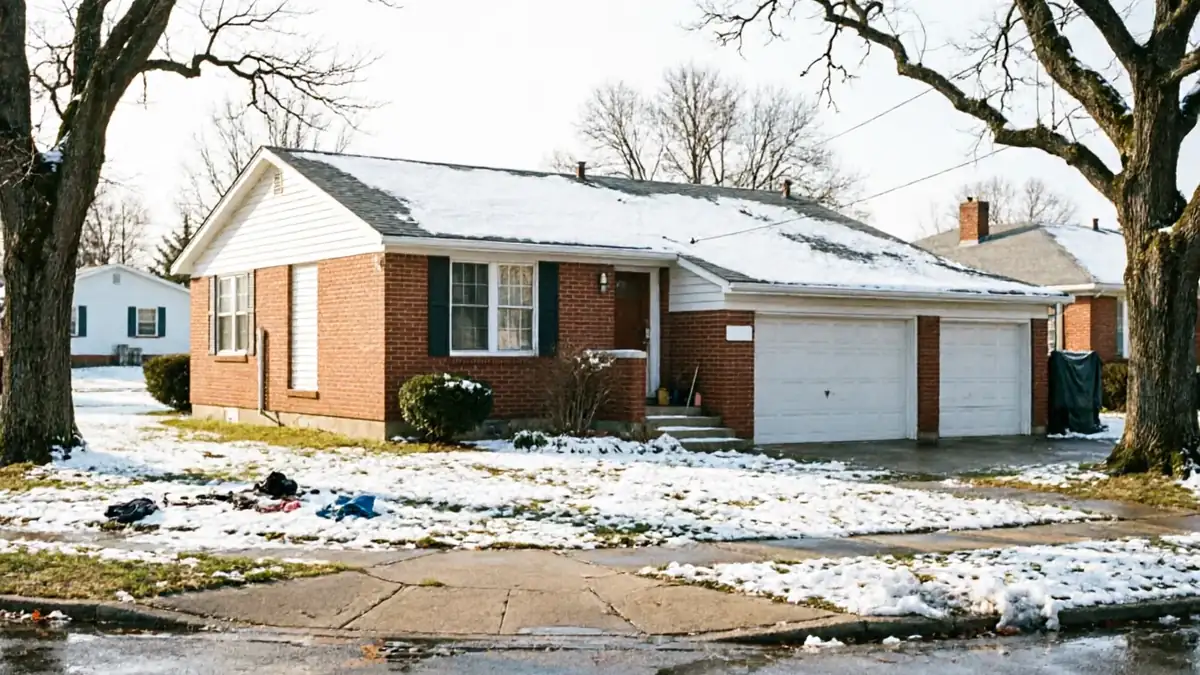
For a town built up mostly in the 1960s and 70s, the truck carries stock sized for that era - standard 7-foot and 8-foot sectional heights, common hinge gauges, and rollers sized for the narrower track common on doors from before the mid-1980s. What we don't carry is a shelf of discontinued panel profiles for every 1970s door line ever made; if your door is an orphaned brand, we may need a lead time to source a match, and we'll tell you that on the first visit instead of letting you find out when the truck shows up short.\n\nWe also carry cold-rated weatherstrip and seal kits, since this region sits in a severe-cold climate band and a panel job is a reasonable time to replace a seal that's gone stiff rather than wait for a second trip.