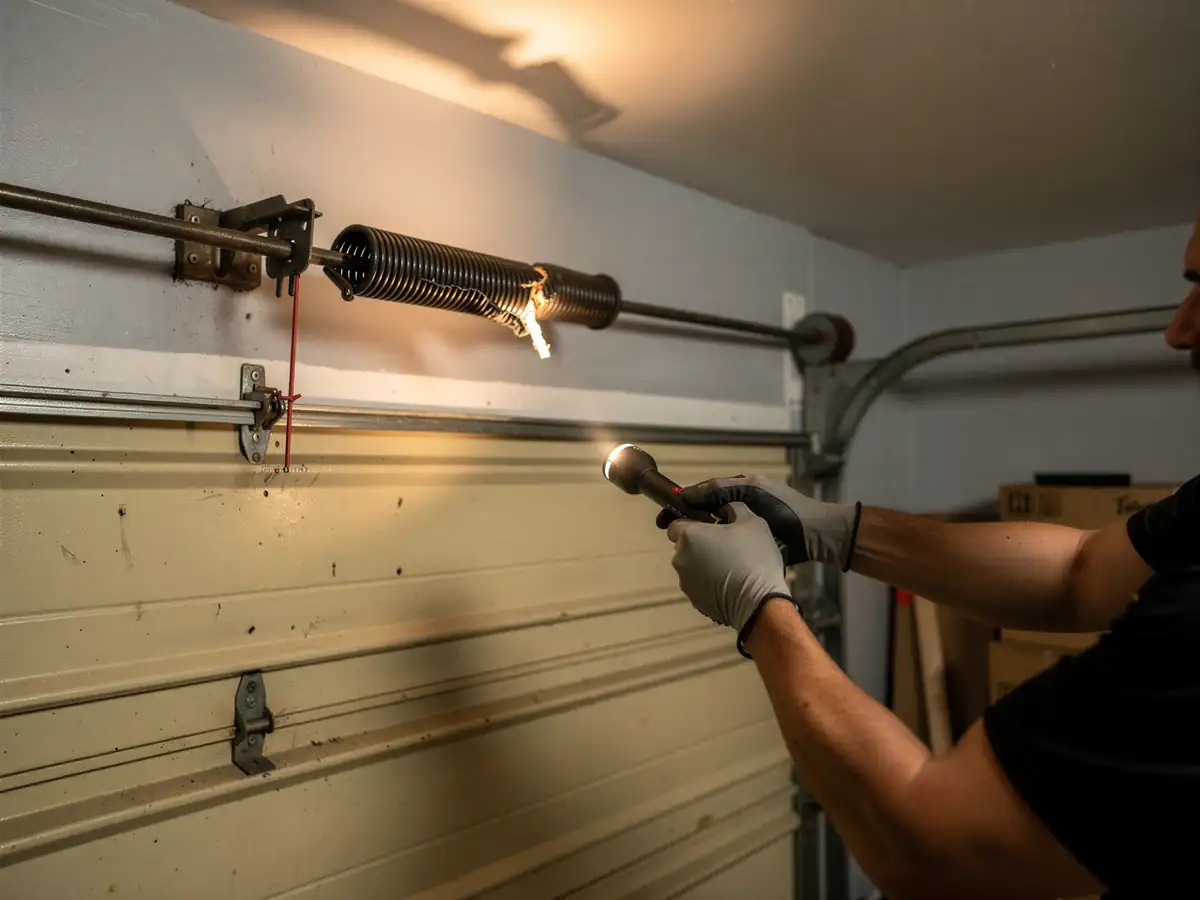
The Symptom
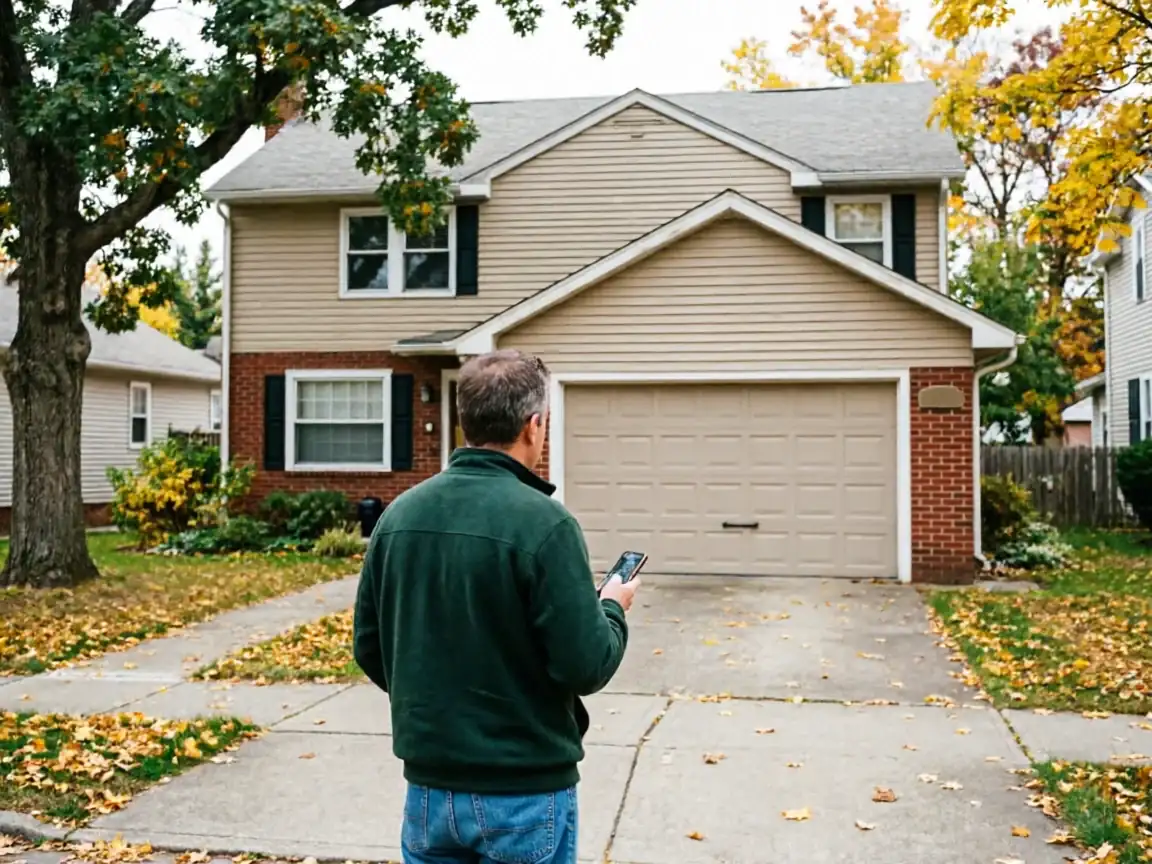
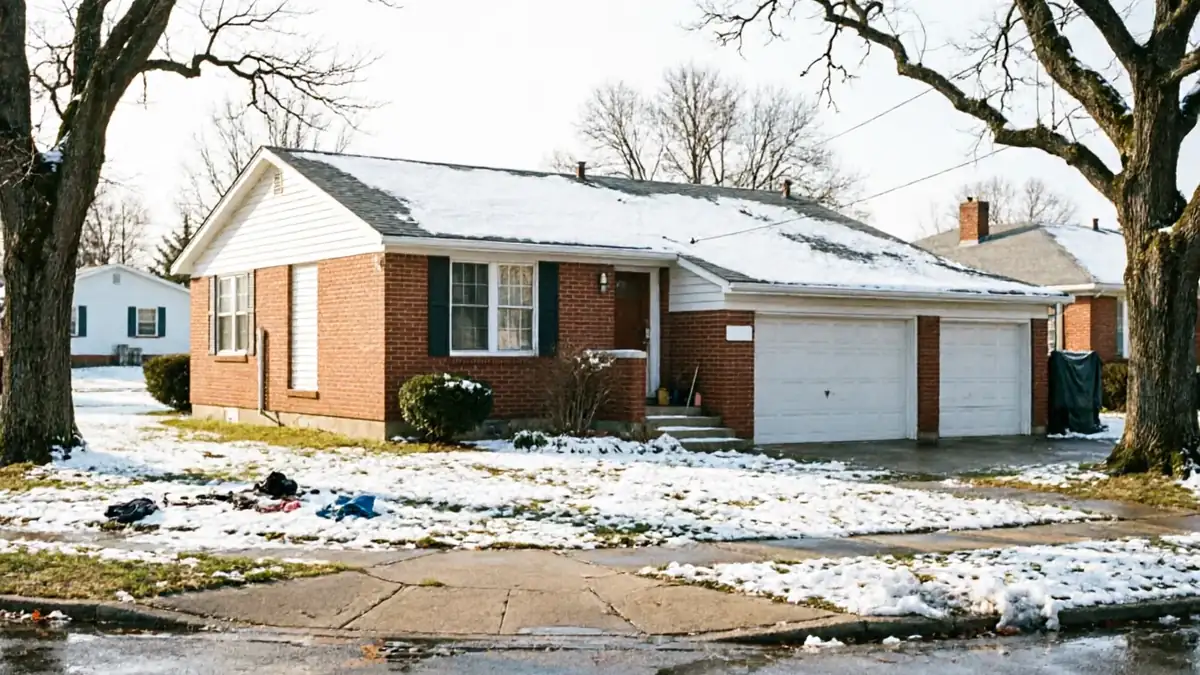
Most of Essexville went up around 1952
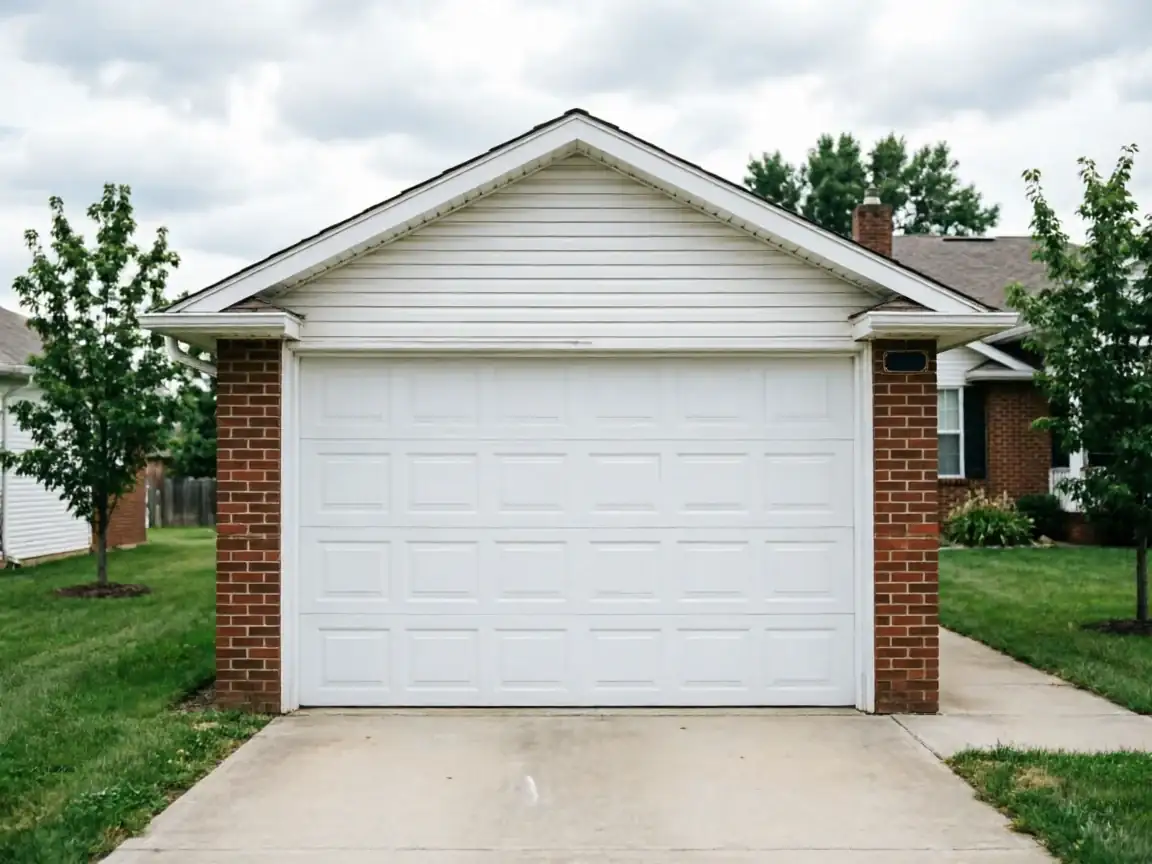
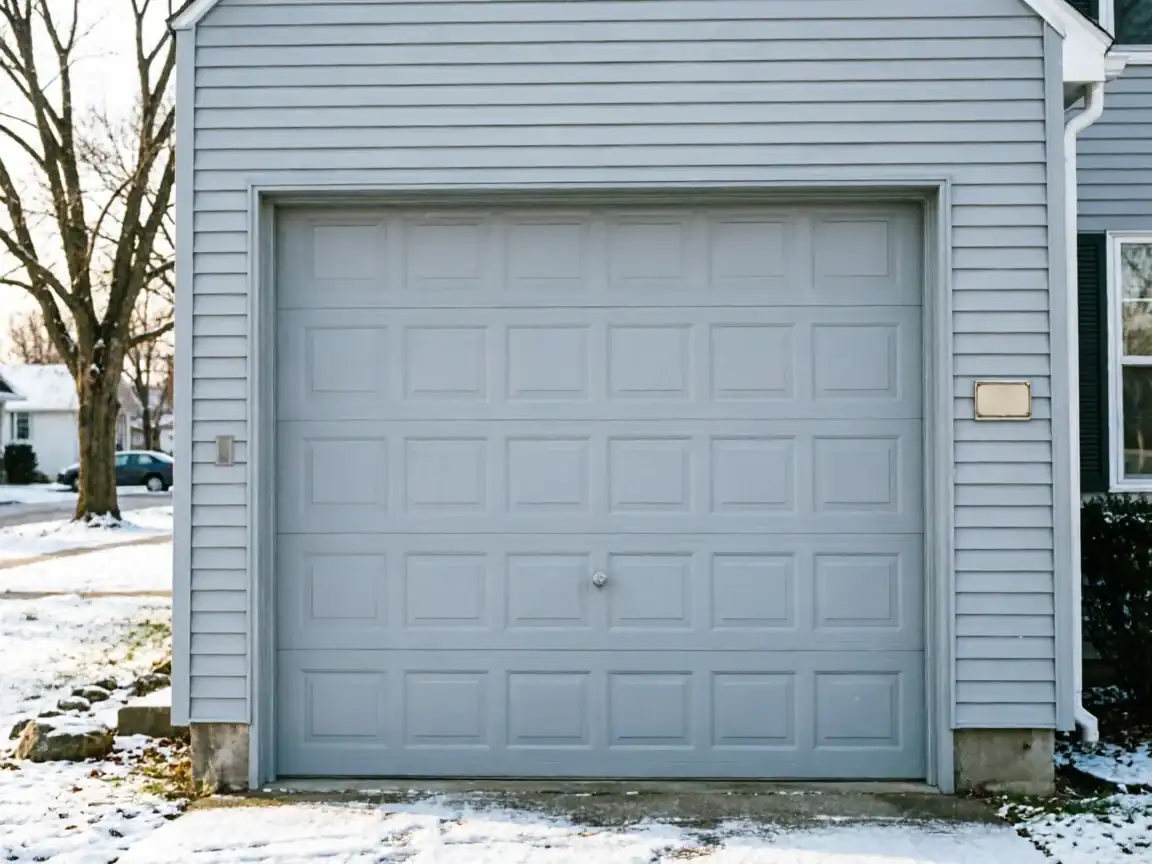
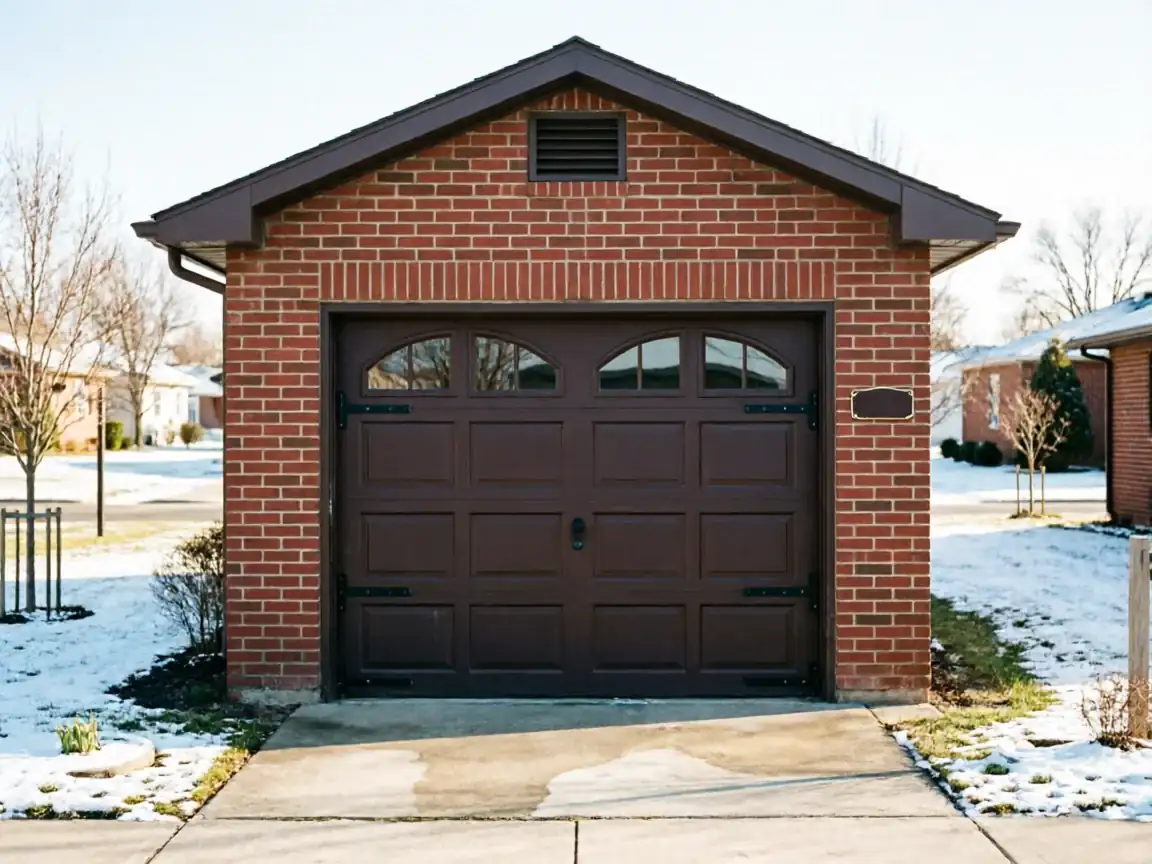
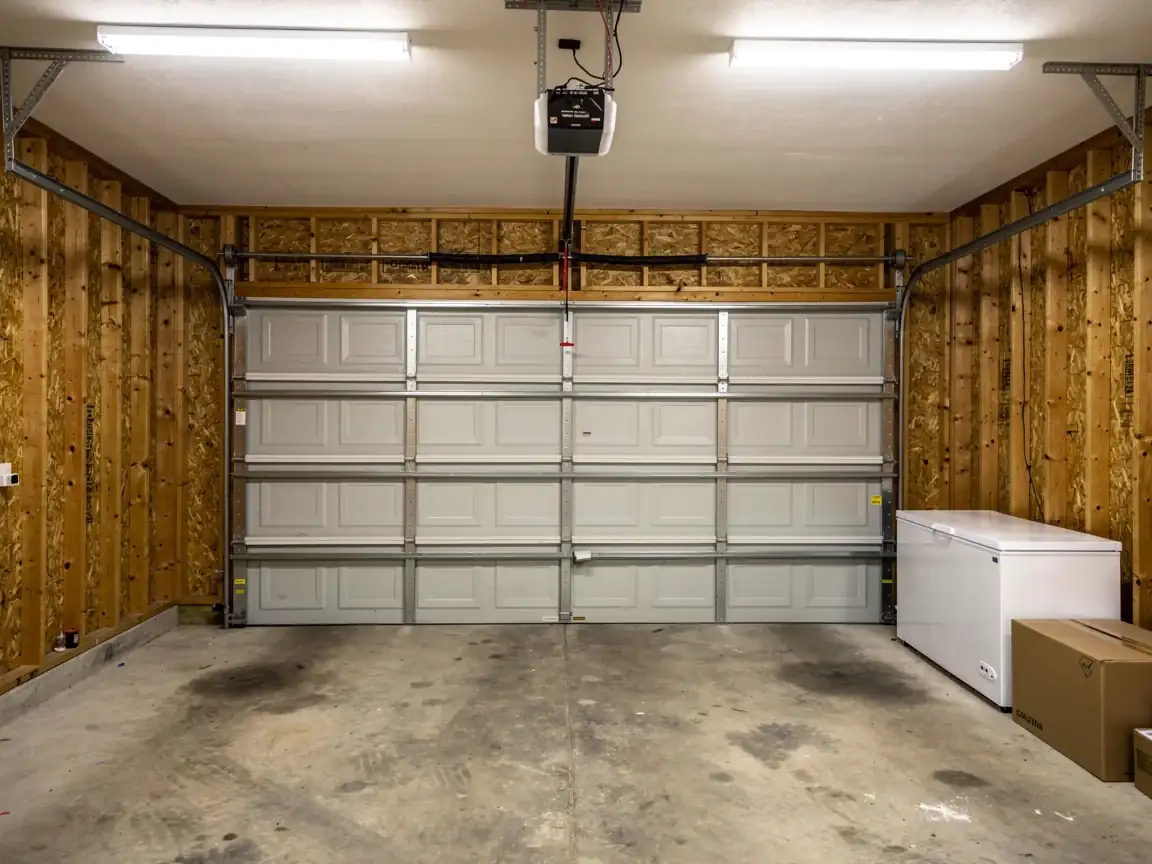
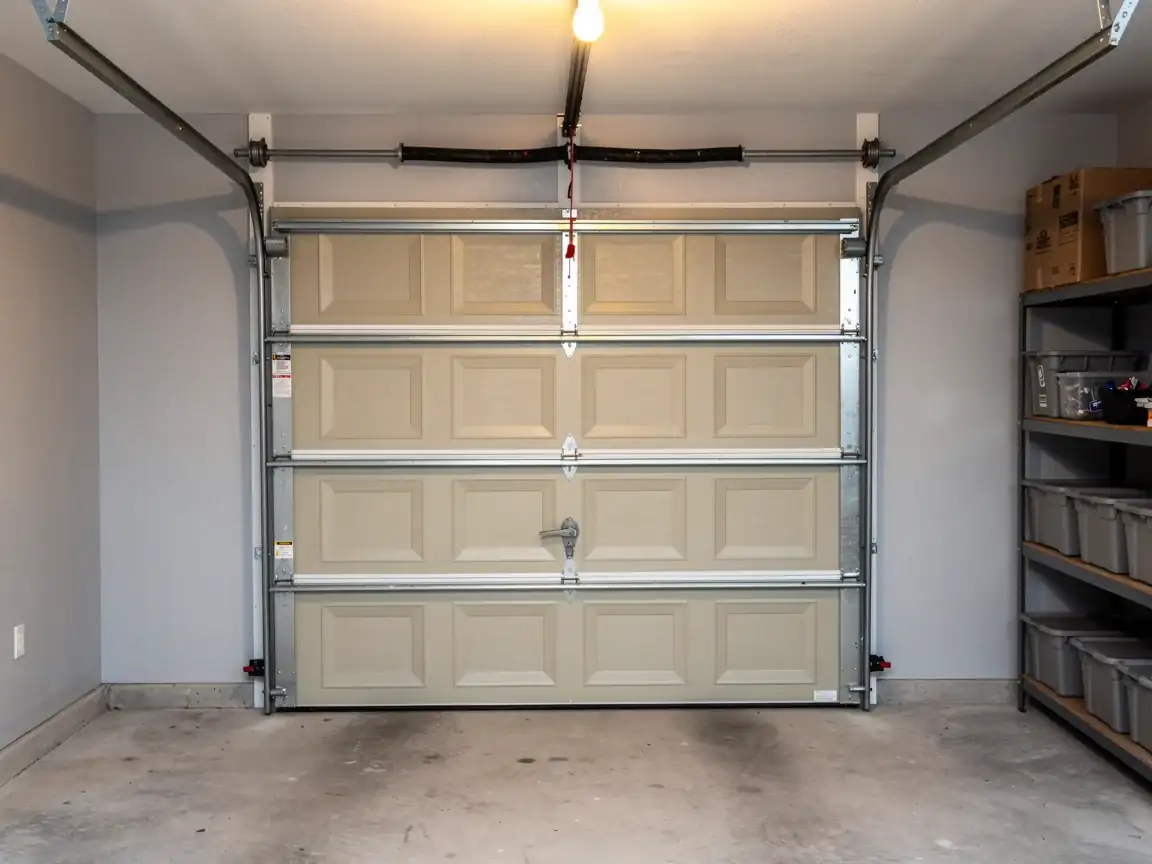
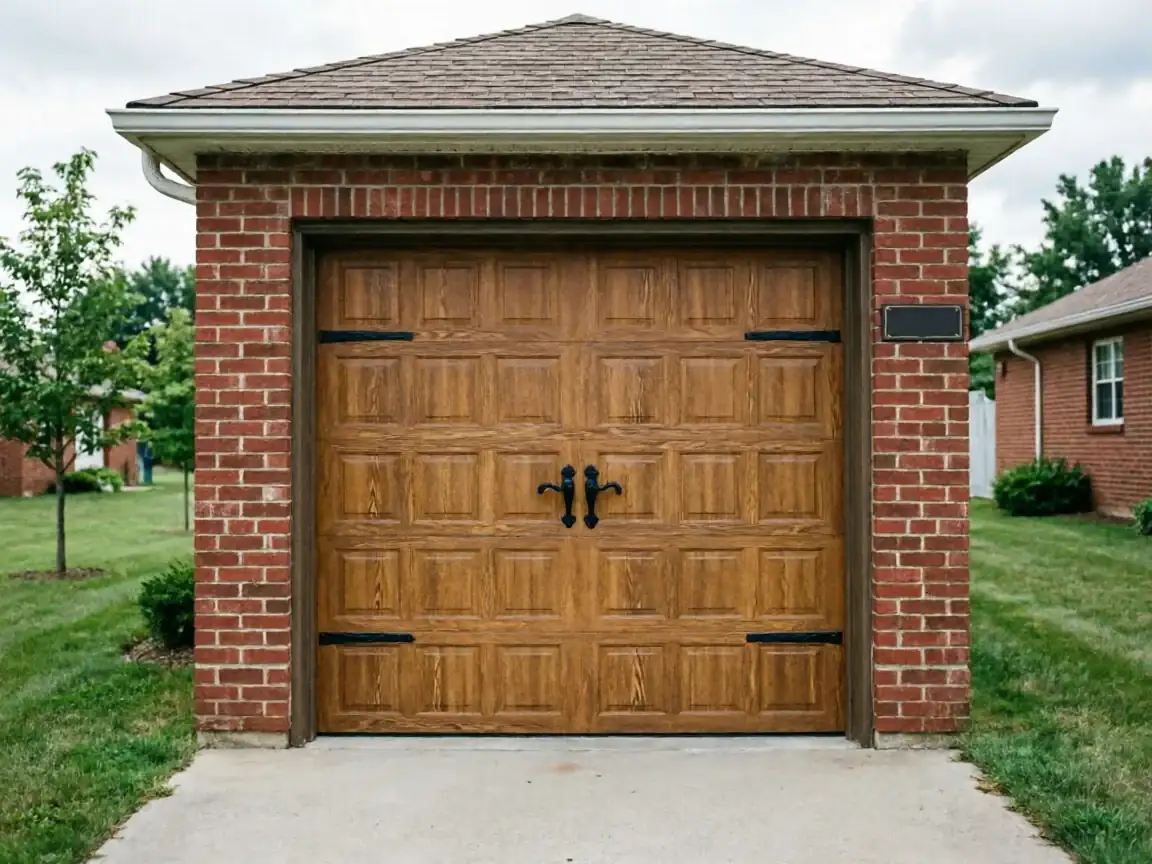
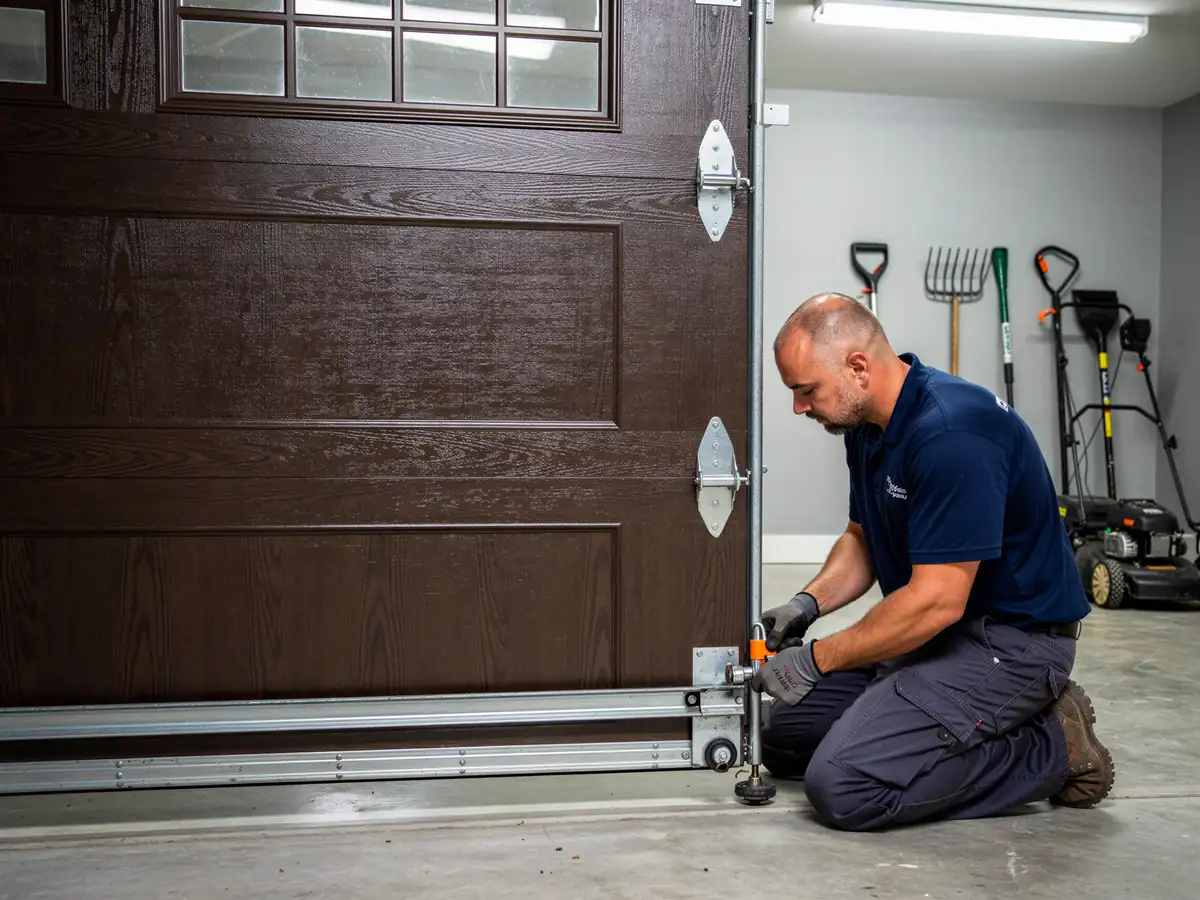
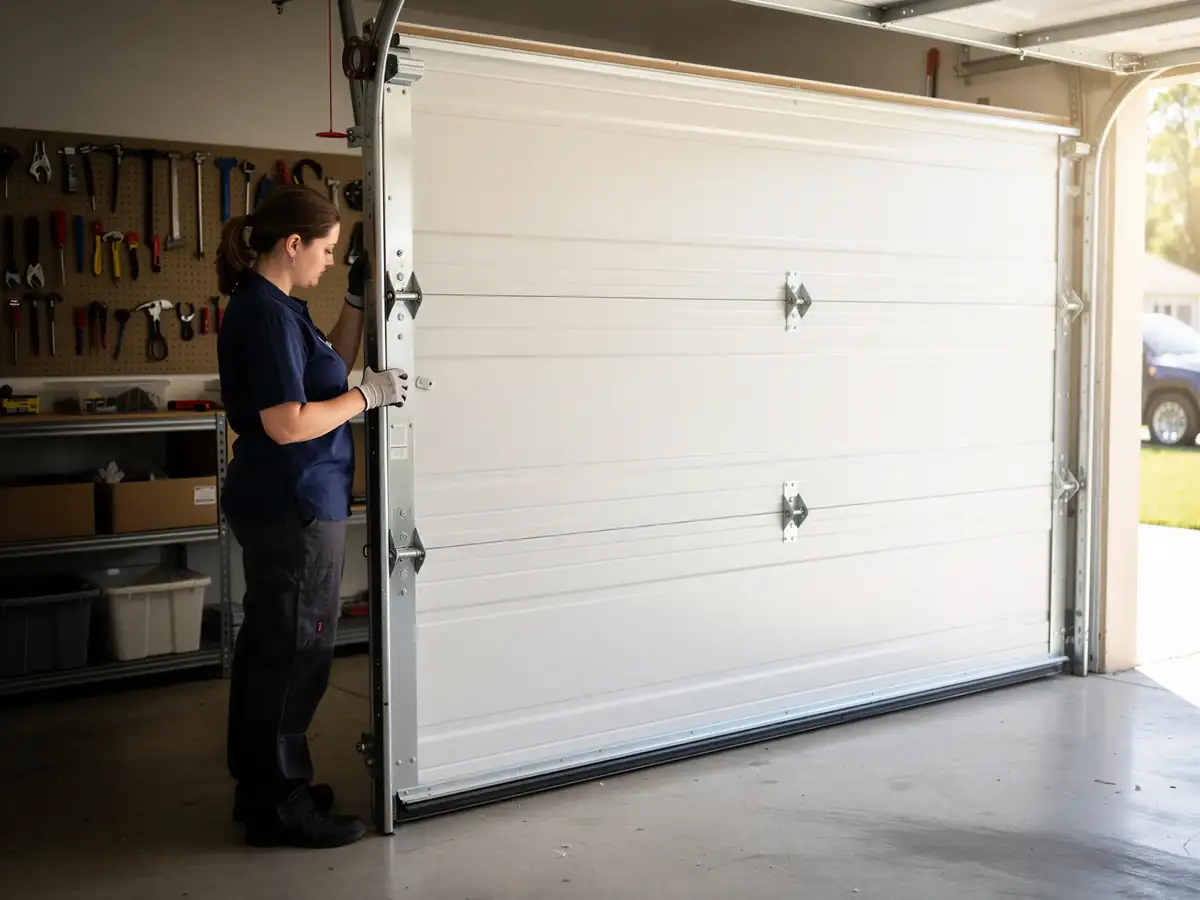
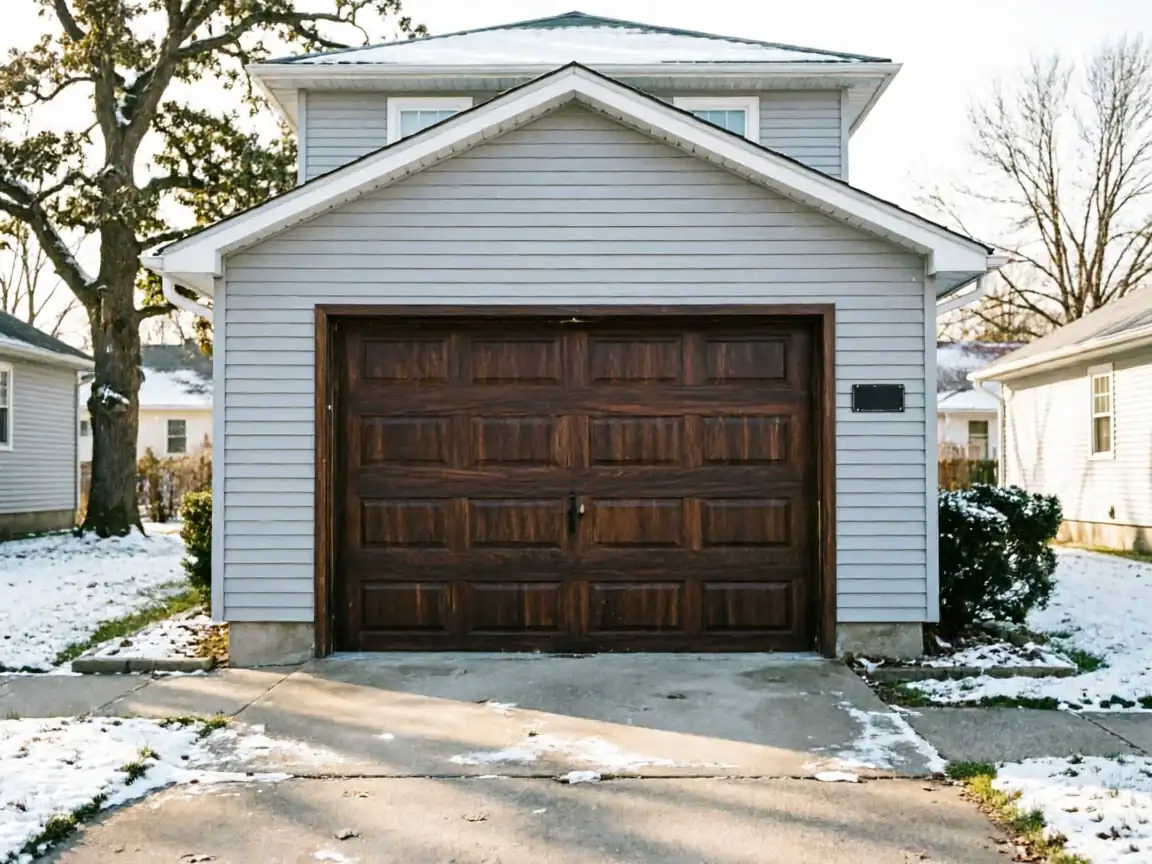
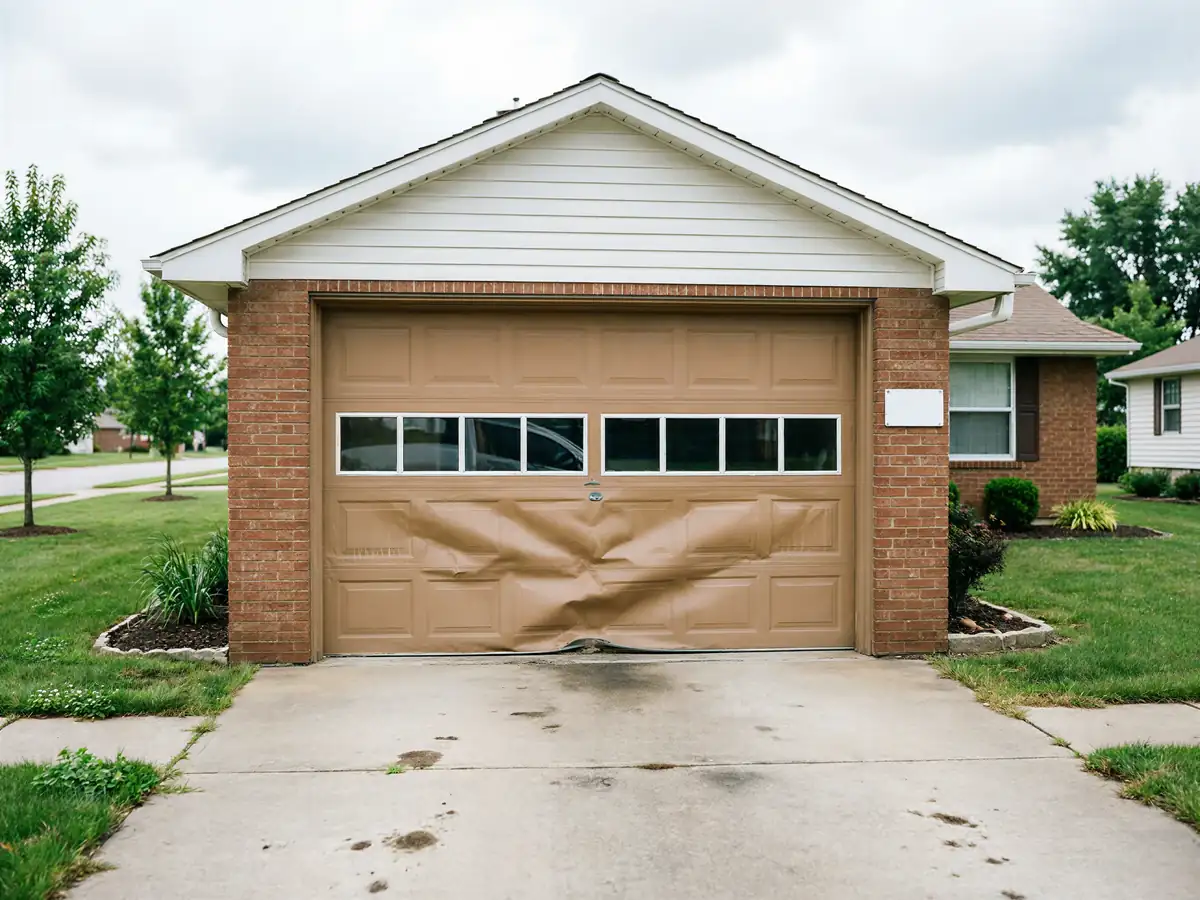
Which puts it ahead of the 1969 median for the wider Bay City service area. That earlier build date matters because of what it put in the garage: single-layer steel sections, usually 16-by-7 for the standard two-car detached garage of that period, hung before insulated panels were the default and before lighter-gauge steel became common. These doors are heavy relative to anything sold today, and the symptom that shows up first is almost always at the bottom panel - a slow sag at the center, or a corner that drags against the track as the steel flexes under its own weight year after year. On a newer insulated door that same flex barely registers. On a door built the way these were, it eventually binds the rollers, then loads up the spring that's fighting it. Garage door service in Essexville starts with that panel, not with the opener, because the panel is where the age of the house shows up first.
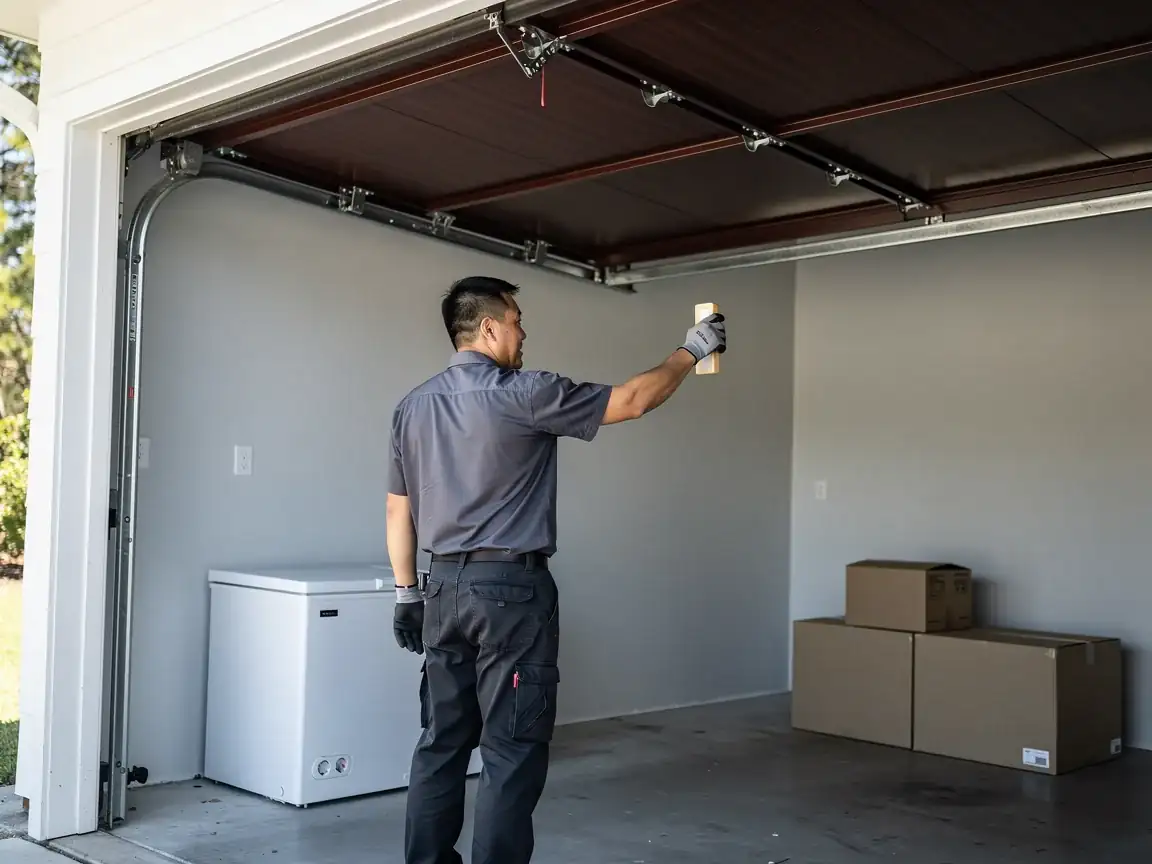
If you've noticed the door isn't level when it closes
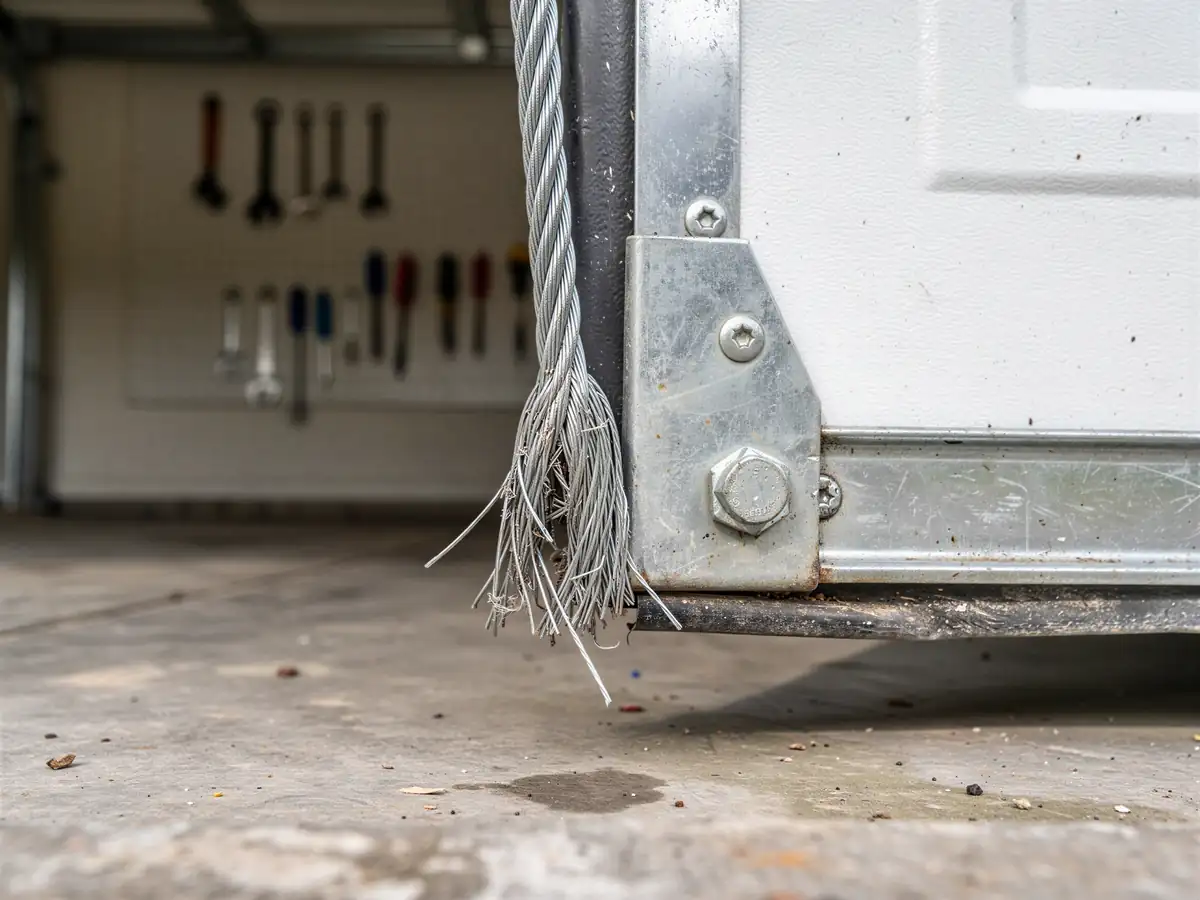
Or one side closes a beat before the other, that's the same symptom working through the cables rather than the panel. Either way, it traces back to hardware that was never built to the tolerances current doors carry.
What Causes It Around Here
The climate band here is classed cold and severe, and that's the second half of the story. Freeze-thaw cycling gets into the seams of an uninsulated steel panel in a way it doesn't bother an insulated one - moisture works into the bottom section, the steel contracts and expands through the winter, and over enough seasons the panel bows or the paint lifts and rust starts at the edge. On a door built in 1952 that process has had seven decades longer to work than on a door built in 1969, which is the difference between Essexville's housing stock and the rest of the service area in one sentence.
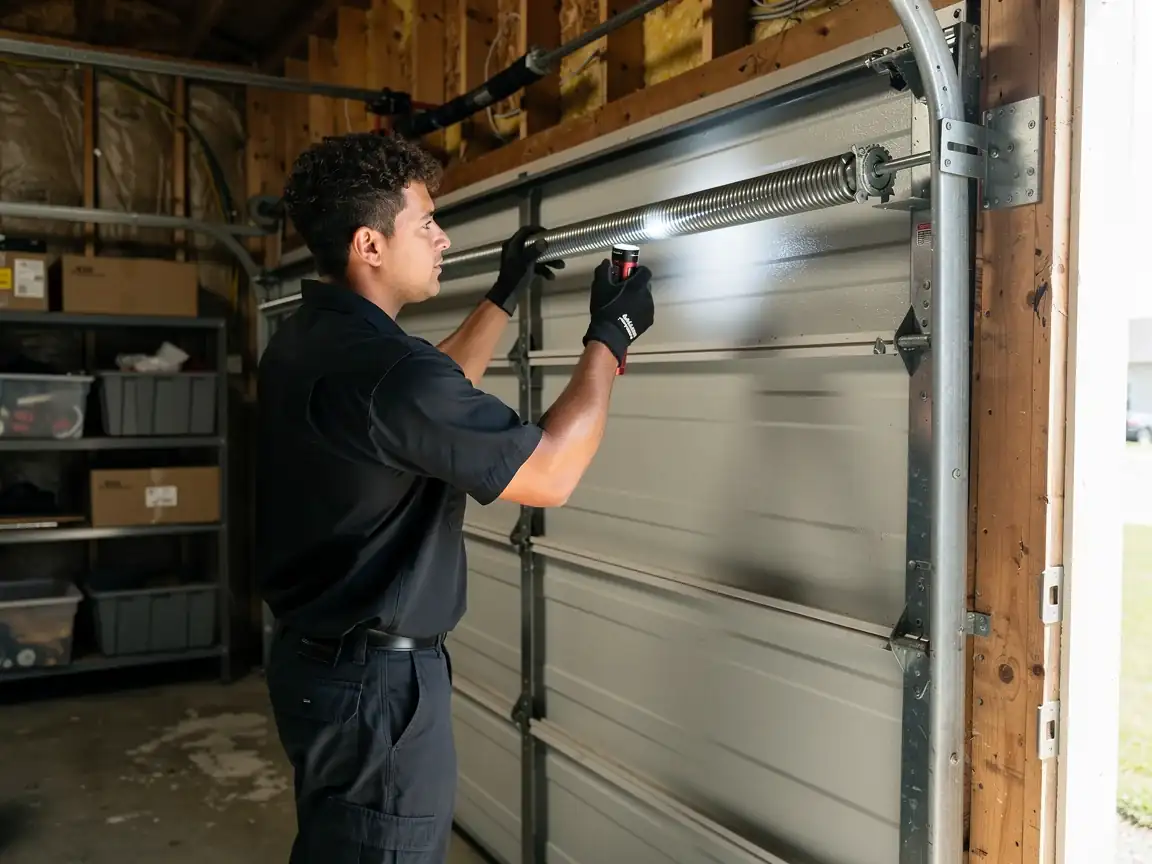
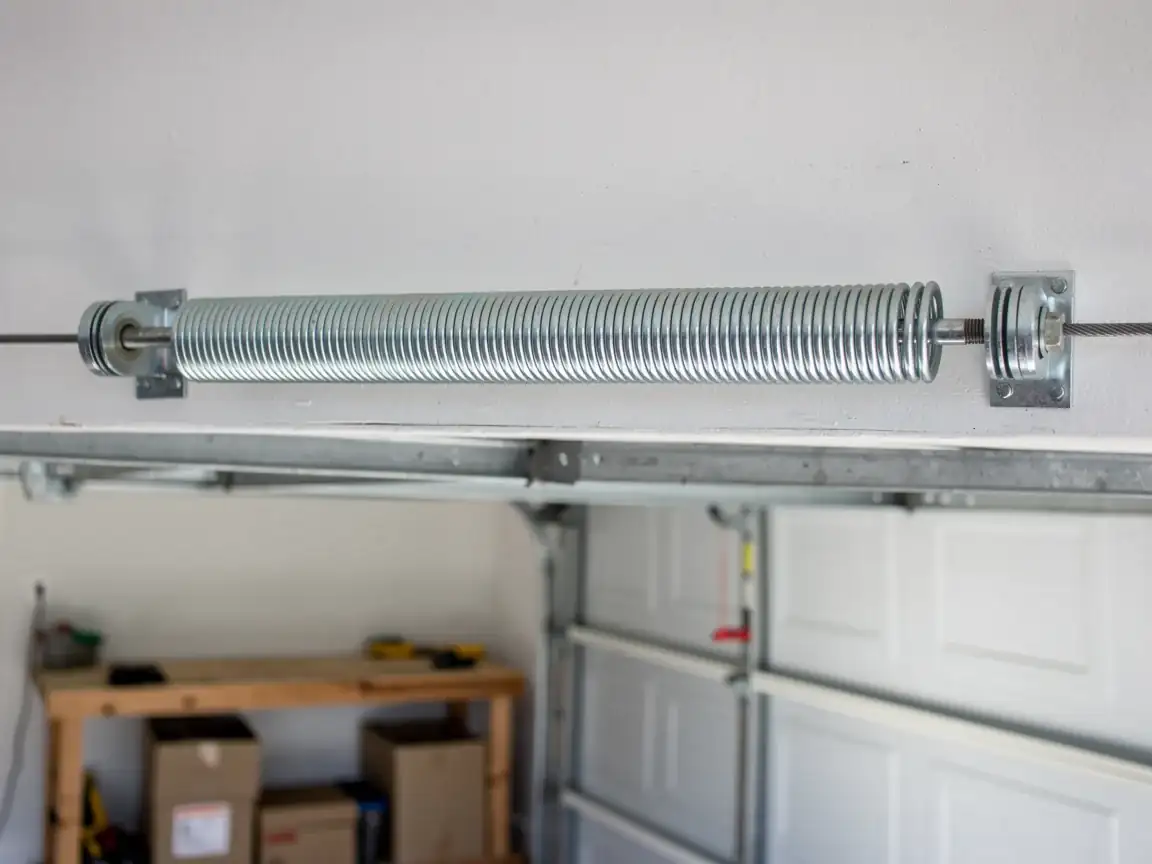
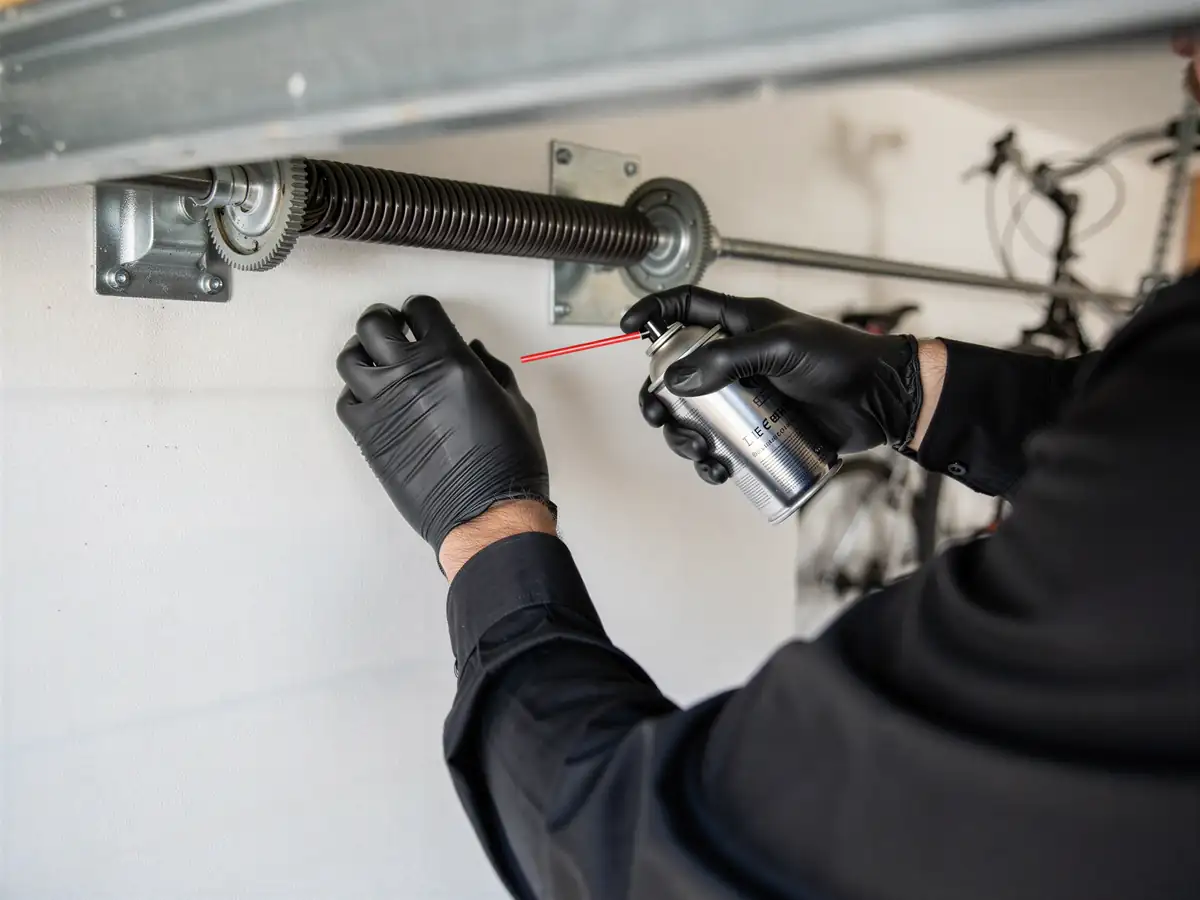
Cold also stiffens whatever lubricant is left on the torsion spring and the track, which raises the load on the opener motor every time it tries to lift a door that's already heavier than current stock. That's a second failure path layered on the first, and it's why a door that was fine in September starts groaning in January. Neither cause is dramatic on its own. Together, on a door this old, they add up to the sag and drag most Essexville homeowners eventually notice.
What It Costs
I'm not going to quote a number here that isn't grounded - what a maintenance visit runs depends on whether the door needs lubrication and adjustment or whether the bottom panel is far enough gone that hardware needs to come off and get checked for wear. What I can tell you is that with a median household income of $76,182 in Essexville, somewhat higher than the $72,558 median across the rest of the service area, most of the calls I get here are maintenance calls rather than full replacements - owners choosing to keep an original door running rather than swap it out. That's a reasonable call on a door built in 1952 as long as the panel steel and the hardware are still sound.
The honest limit: once a bottom panel has bowed past a certain point, tightening the hardware around it doesn't fix anything, it just delays a replacement by a season or two. I'll tell you straight if that's where your door is rather than run a maintenance visit that won't hold.
Where This Job Goes Sideways
The place this goes wrong is parts
A torsion spring or a drum sized for a door built in 1952 isn't always something that's sitting on a shelf anywhere - some of that hardware predates the sizing standards the industry uses now, and matching it means either special-ordering or adapting a current part to fit an older drum and shaft. That can mean the job takes a second trip rather than one, and I'd rather tell you that up front than pretend every Essexville call wraps in a single visit.
The other way it goes sideways is a homeowner catching the sag early and assuming it's just the opener
Nine times out of ten on a door this age, the opener is doing exactly what it's told - it's straining against a panel and spring setup that's asking more of it than it was built to give. Fixing the opener settings without touching the hardware underneath just buys you a few more months before the same symptom comes back worse.
What Is on the Truck
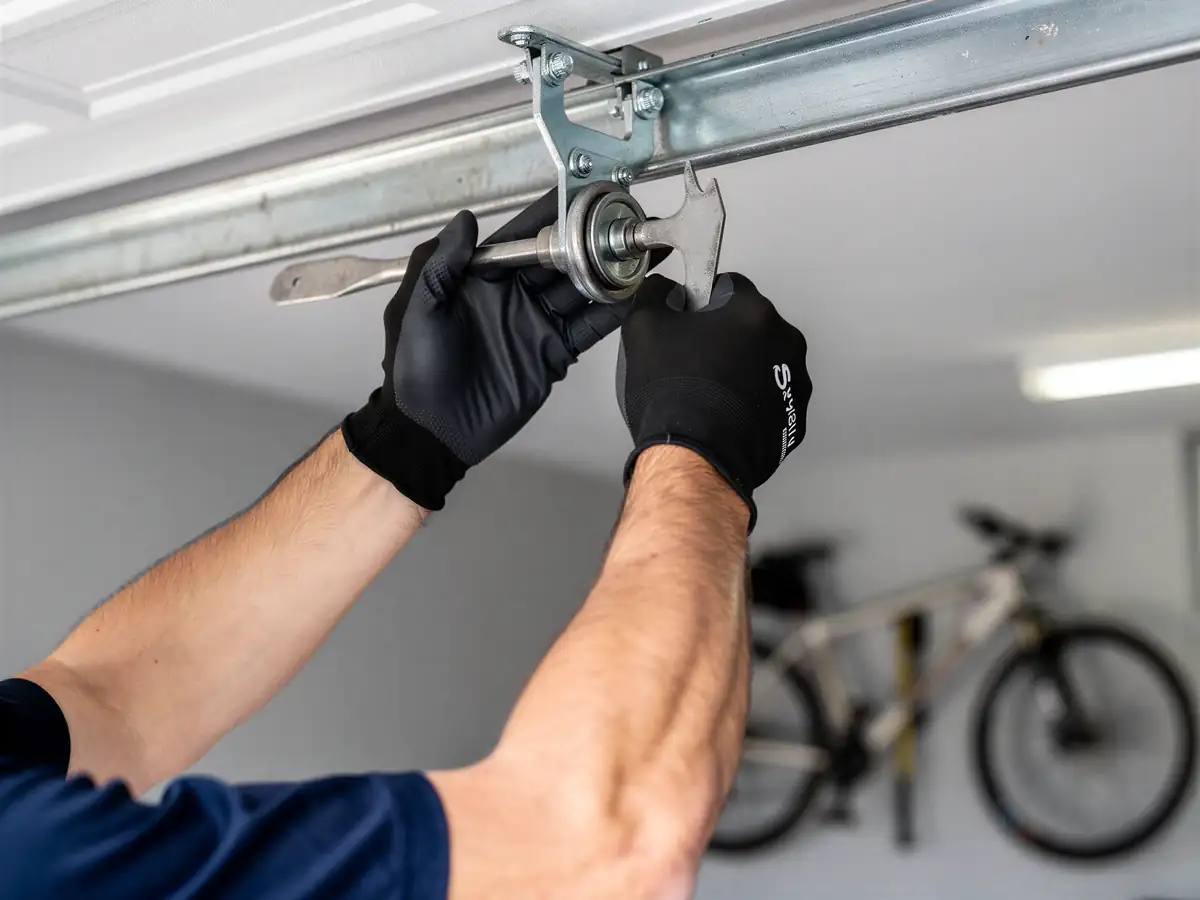
For maintenance calls in Essexville the truck carries what fits a door of this era: torsion springs in the sizes that match pre-1970s drums, replacement rollers, lift cable, track hardware, and lubricant rated for the cold-severe conditions this part of Michigan sits in rather than a general-purpose grease that stiffens up by December. None of that is exotic - it's the same stock that covers most of the 1952-to-1994 housing wave across the service area - but having the right spring size on hand the first visit is what keeps an Essexville maintenance call from turning into a second trip for a part.
Details on full garage door maintenance from the Bay City shop cover what's involved on newer doors too, if your Essexville garage happens to be one of the later builds rather than the 1952 wave.