What Causes It Around Here
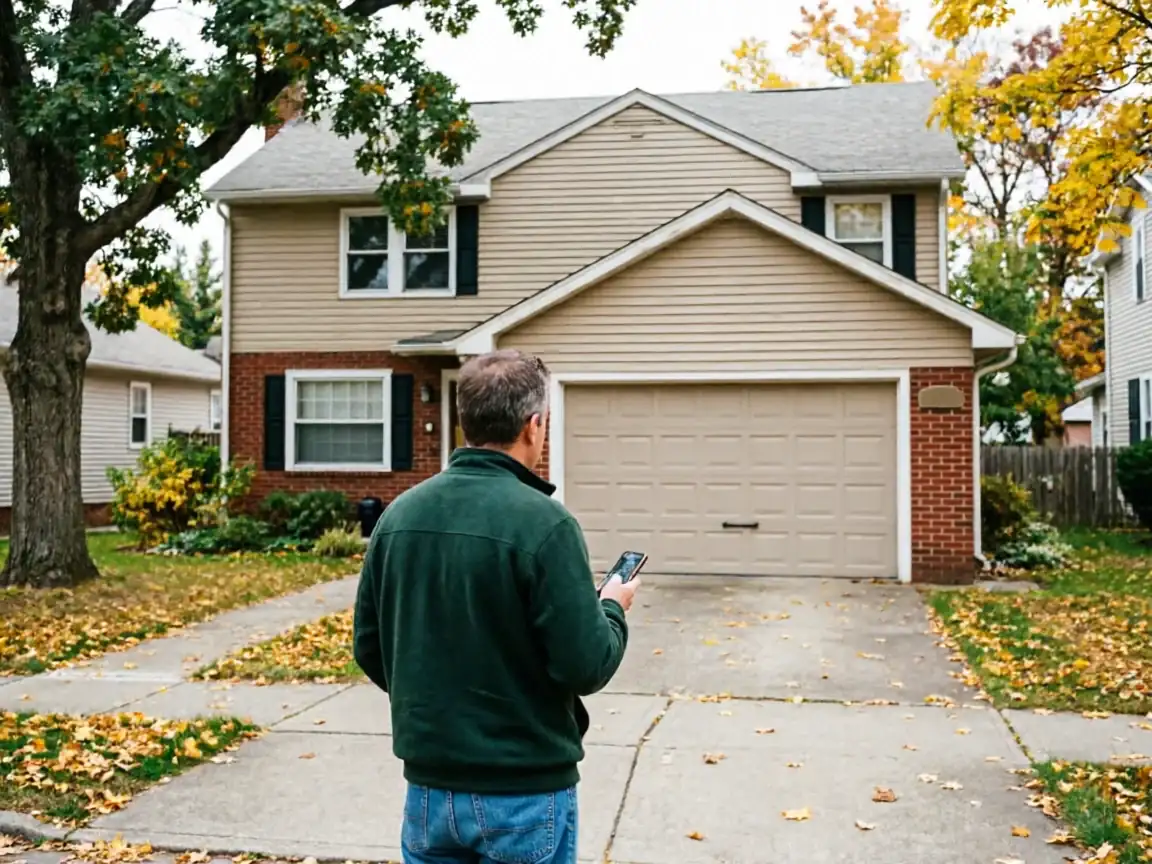
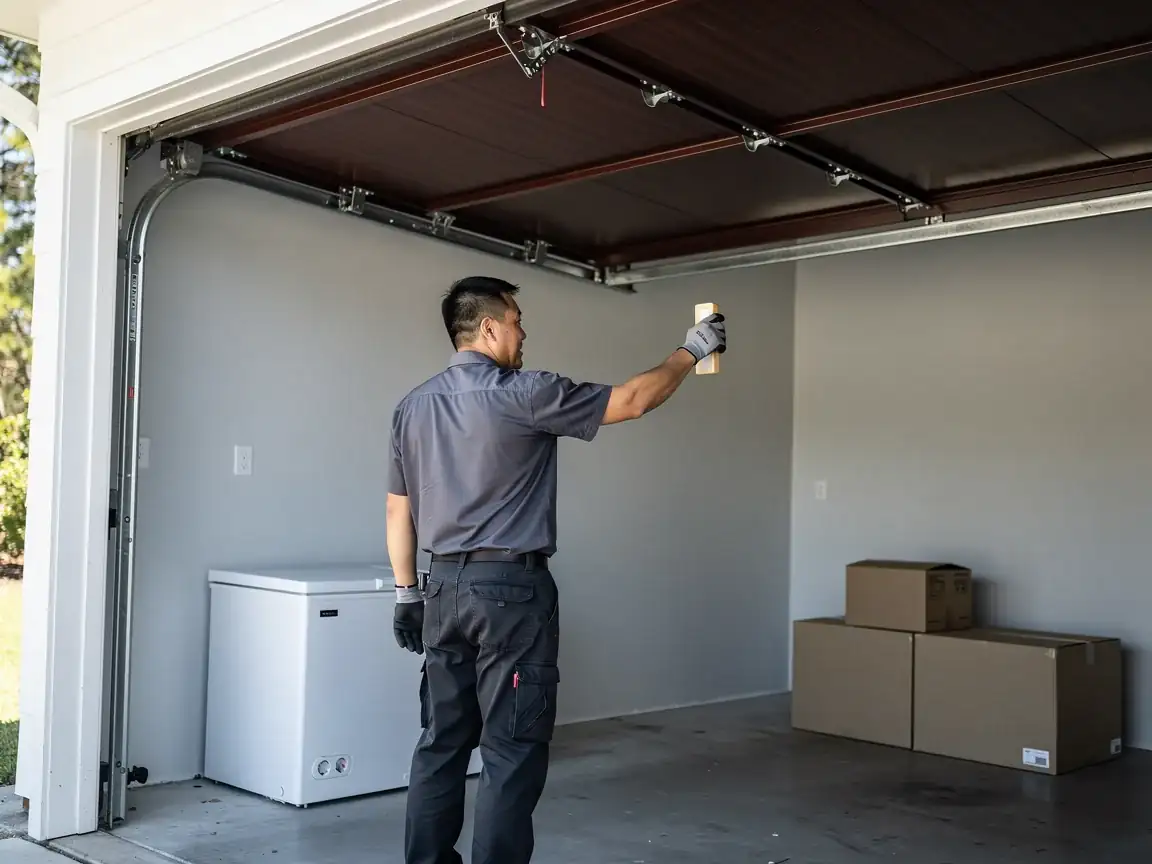
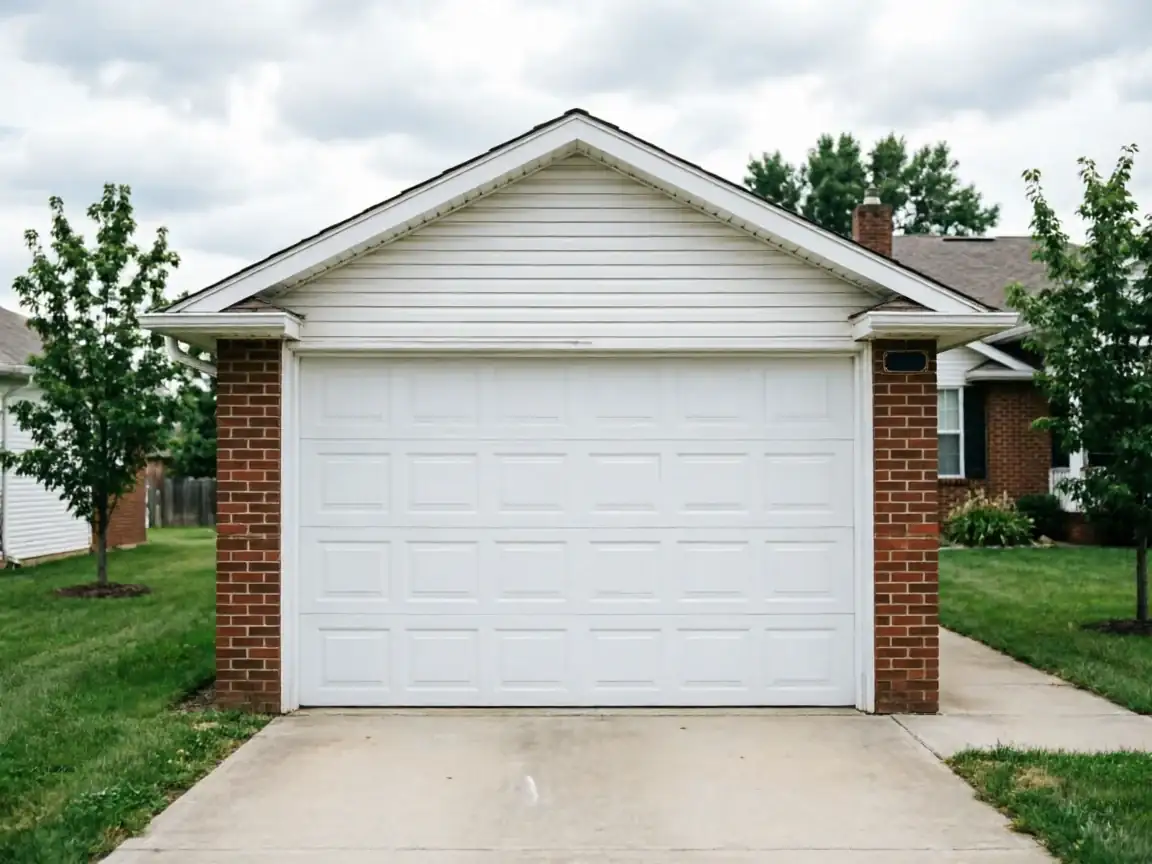
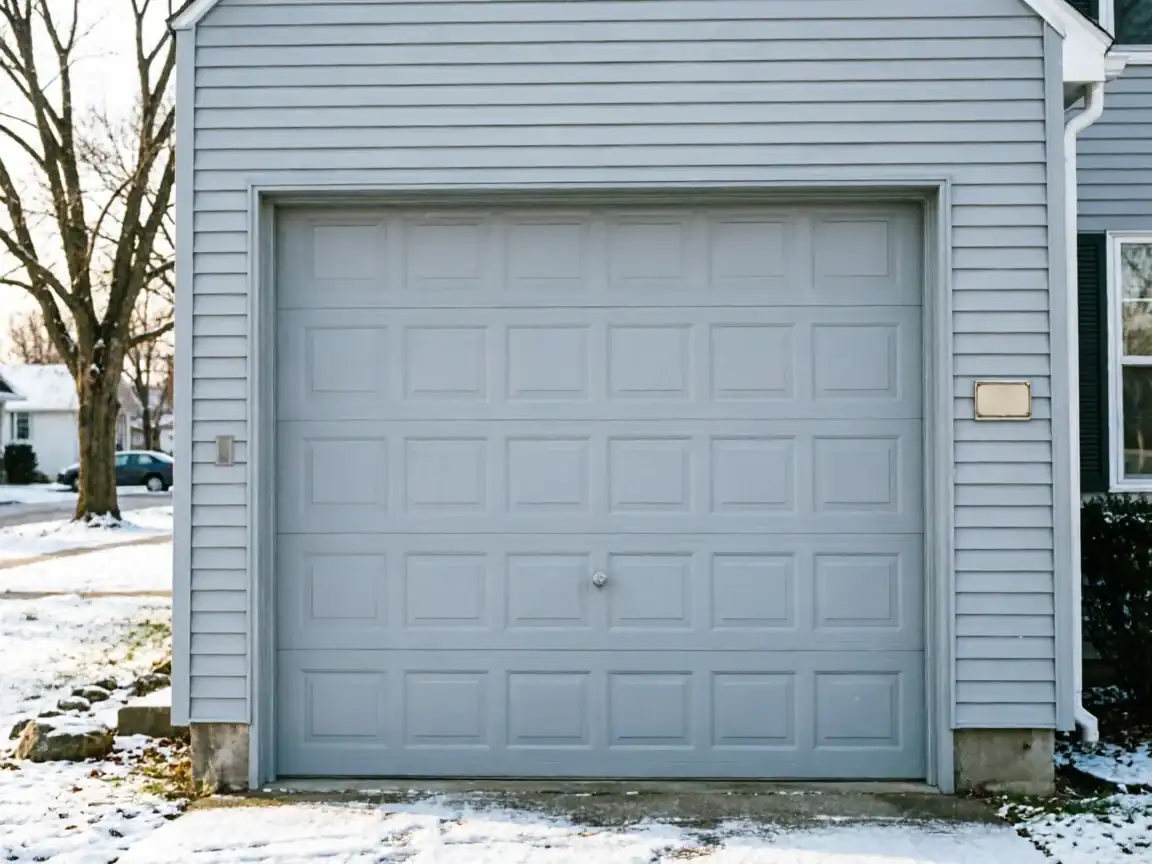
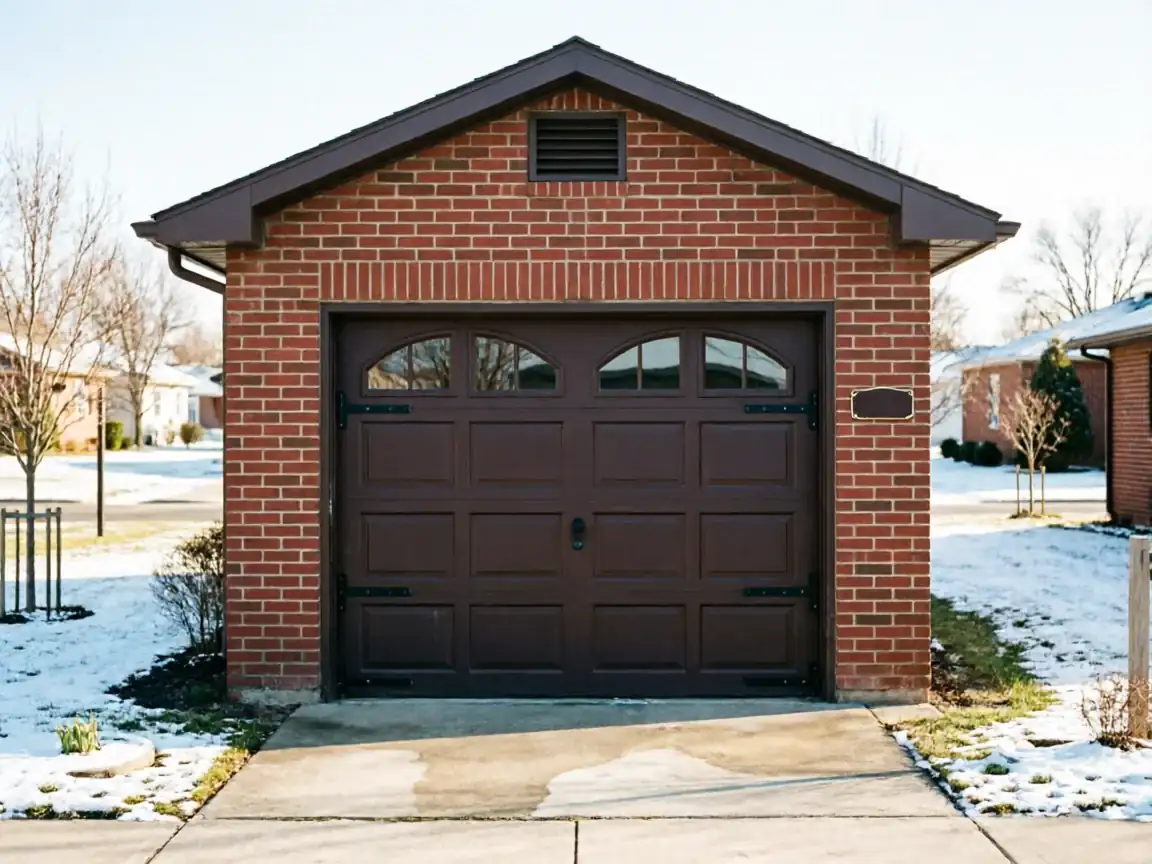
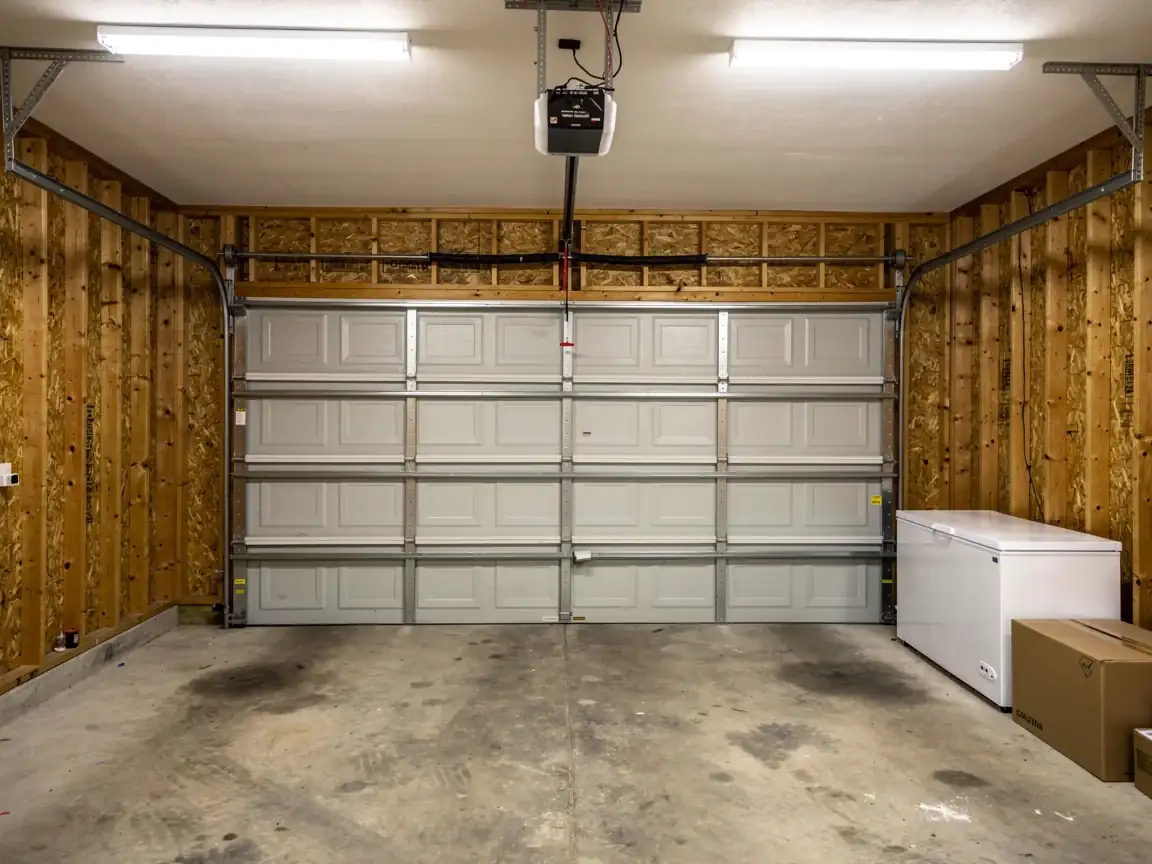
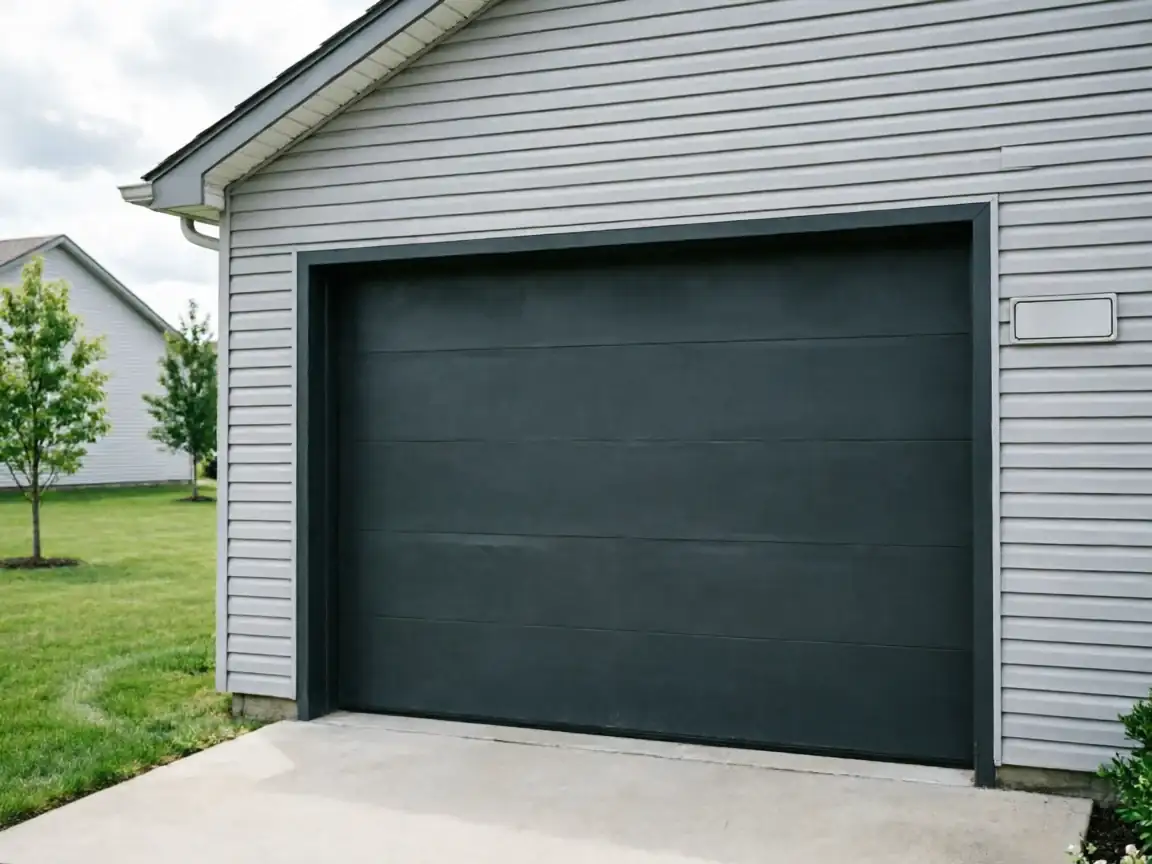
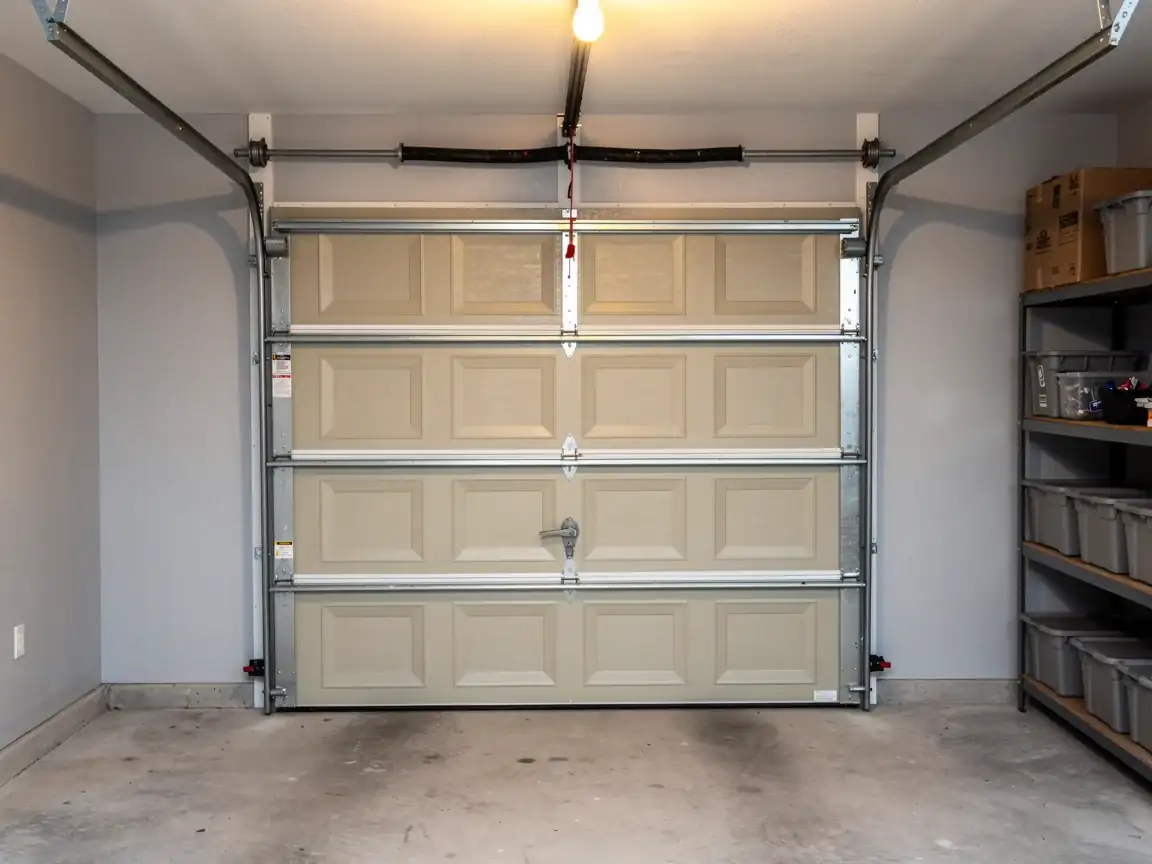
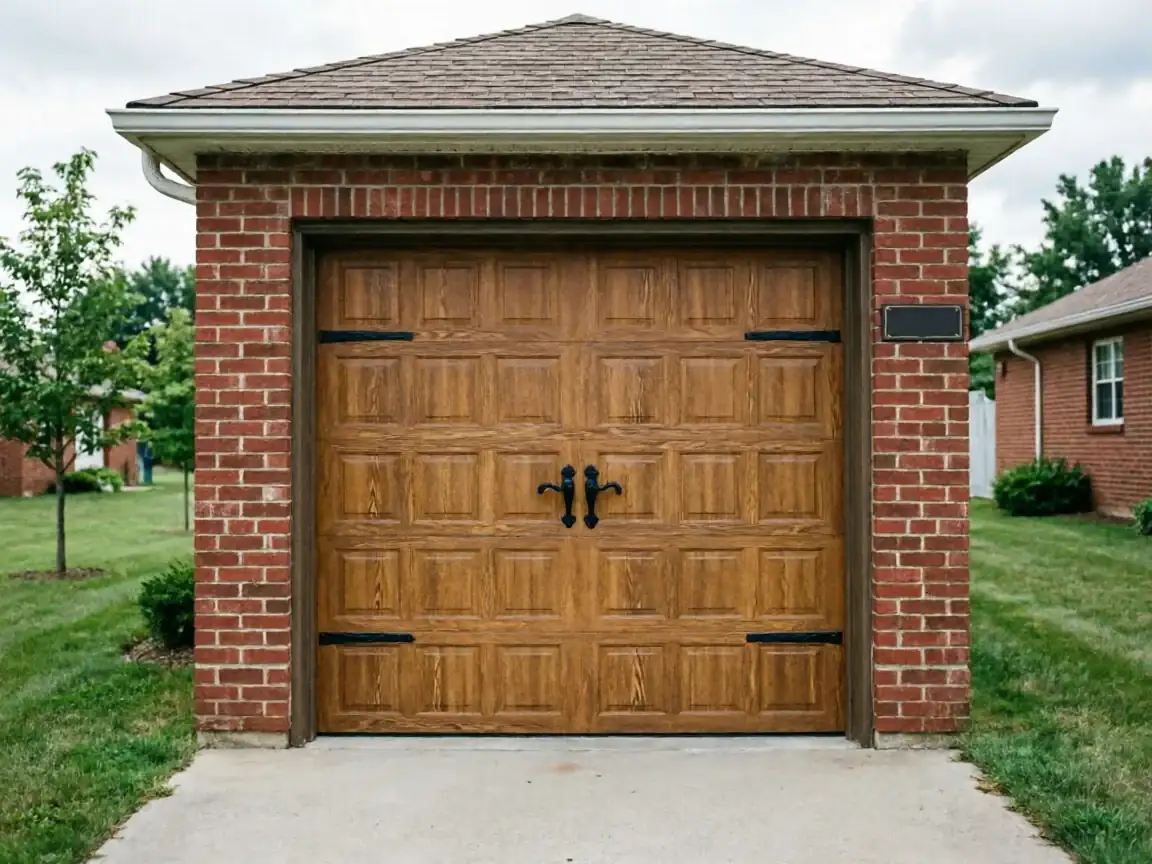
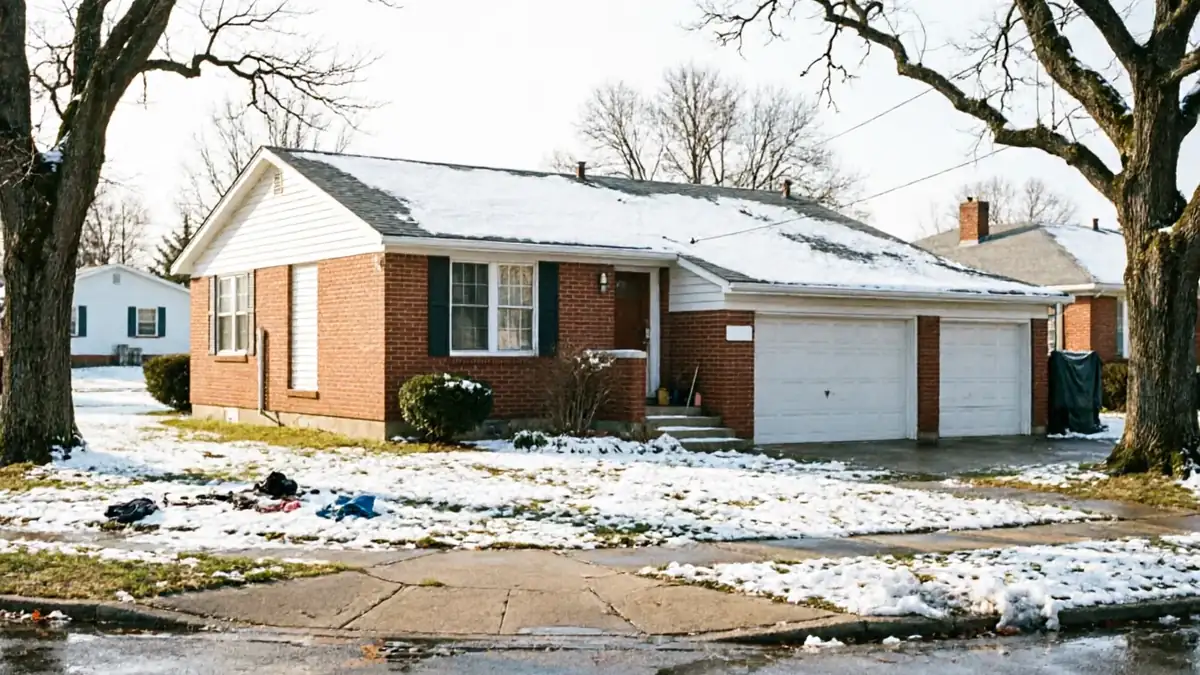
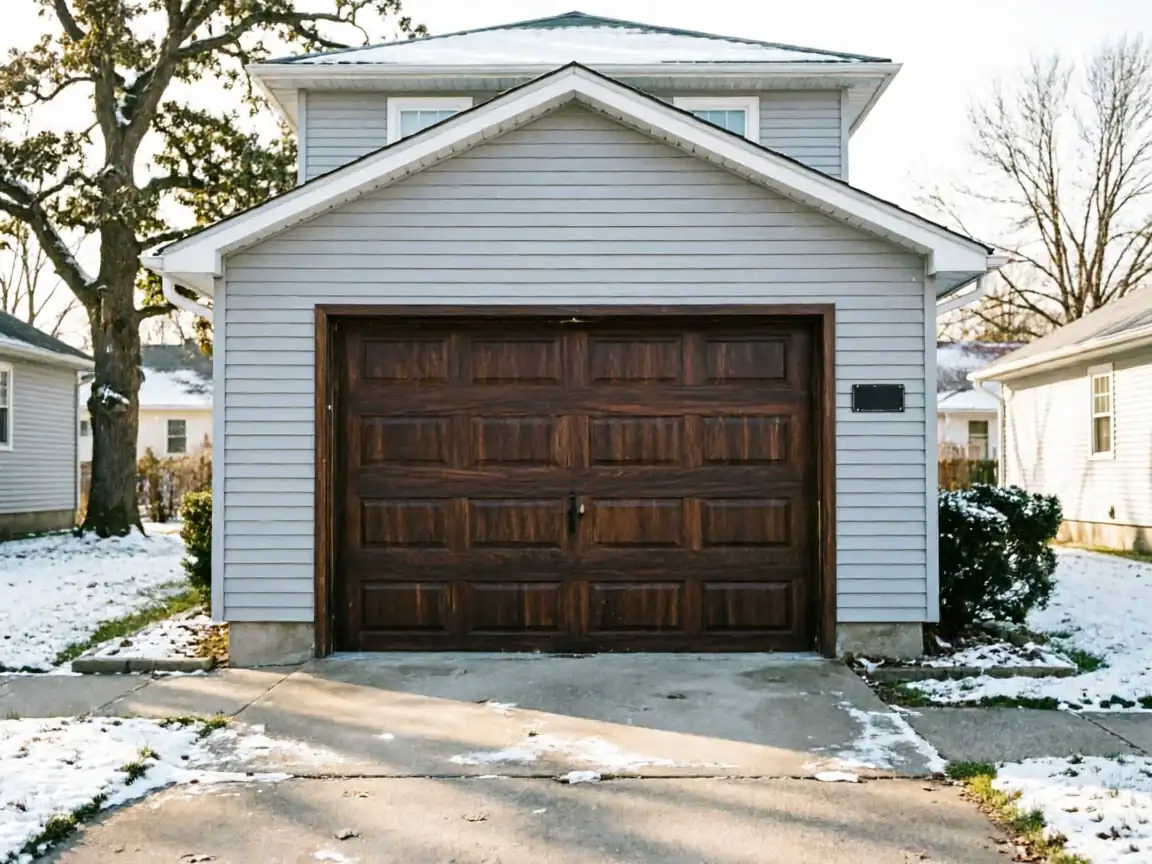
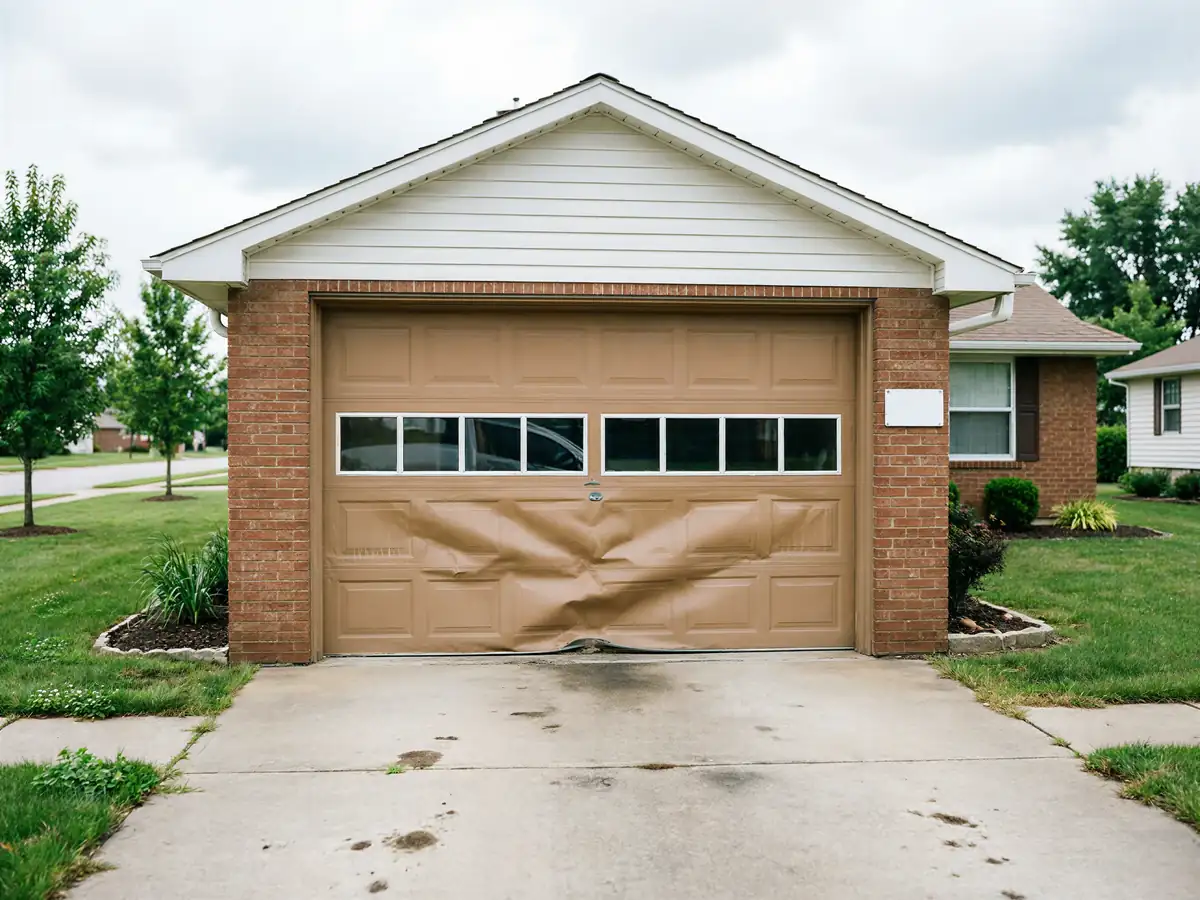
The houses here cluster around a median build year of 1952, a few years ahead of the 1969 median for the wider Bay City service area. That earlier build date means more homes with narrower single-car doors and steel panels from an era when insulation wasn't part of the design. Those older panels are thinner than what's sold today, so a dent that would just dimple a modern door can crease or buckle an original 1950s panel all the way through. Add in a cold, severe winter climate, and you get metal that contracts hard overnight and expands again by afternoon - repeated enough winters and the seams around an aging panel start to separate even without a direct impact. Rust along the bottom edge is common too, especially on doors that have never been replaced since the house was built. We see it less as one single cause and more as an old panel finally losing a fight it's been having with freeze-thaw cycles for sixty-plus years.
What It Costs
We don't have a fixed number to post here, because panel cost swings on things we can't know until we're standing at the door: whether your panel size is still in production, whether the whole line was discontinued and you need a full door instead, and whether the track or hinges took damage along with the panel. What we can tell you is that a single-panel repair on an older steel door usually lands well under a full door replacement, but if your door is an obsolete width or an unusual color from a 1950s or 60s build, that single panel can be harder to source than the labor to install it. Median household income in Essexville runs a bit higher than the broader Bay City-area figure, which doesn't set your price but does mean we're not guessing at what a household here can plan for. We'll give you the real number after we've seen the panel and checked what's available, not before.
What Is on the Truck
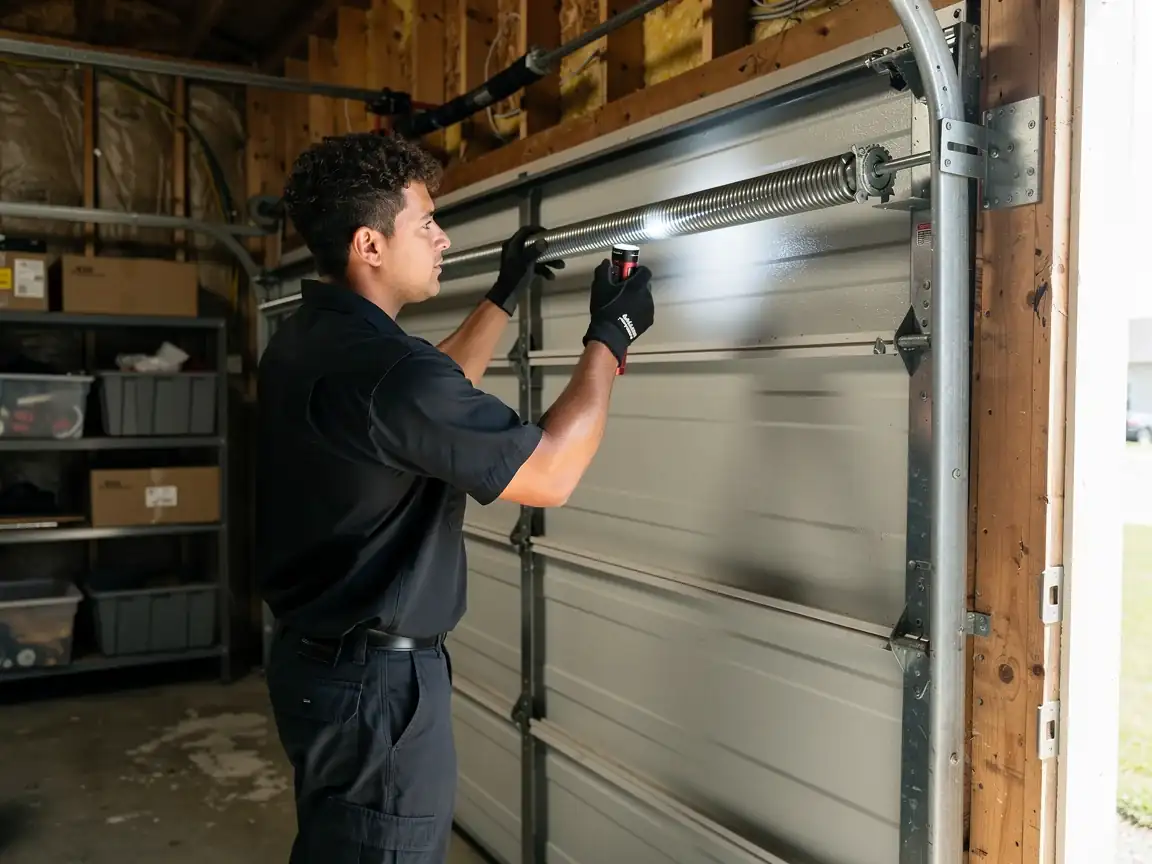
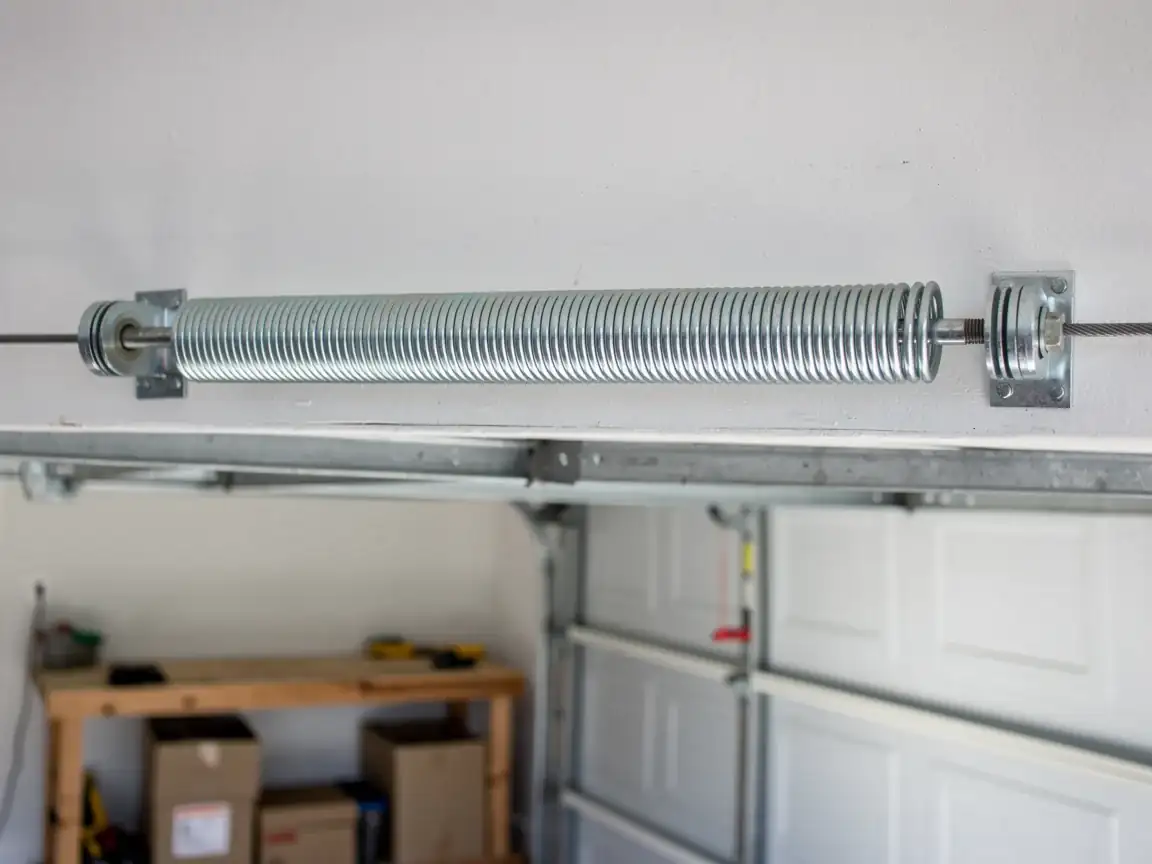
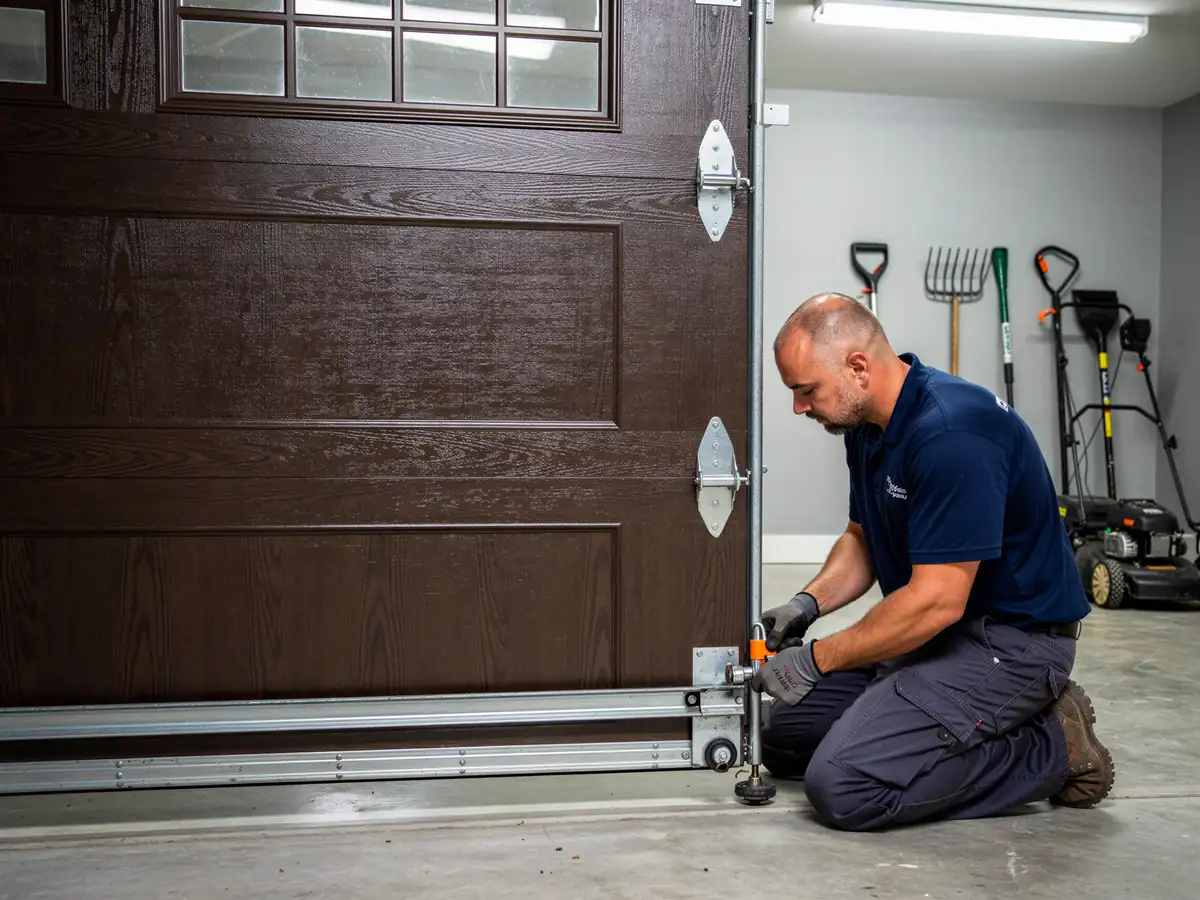
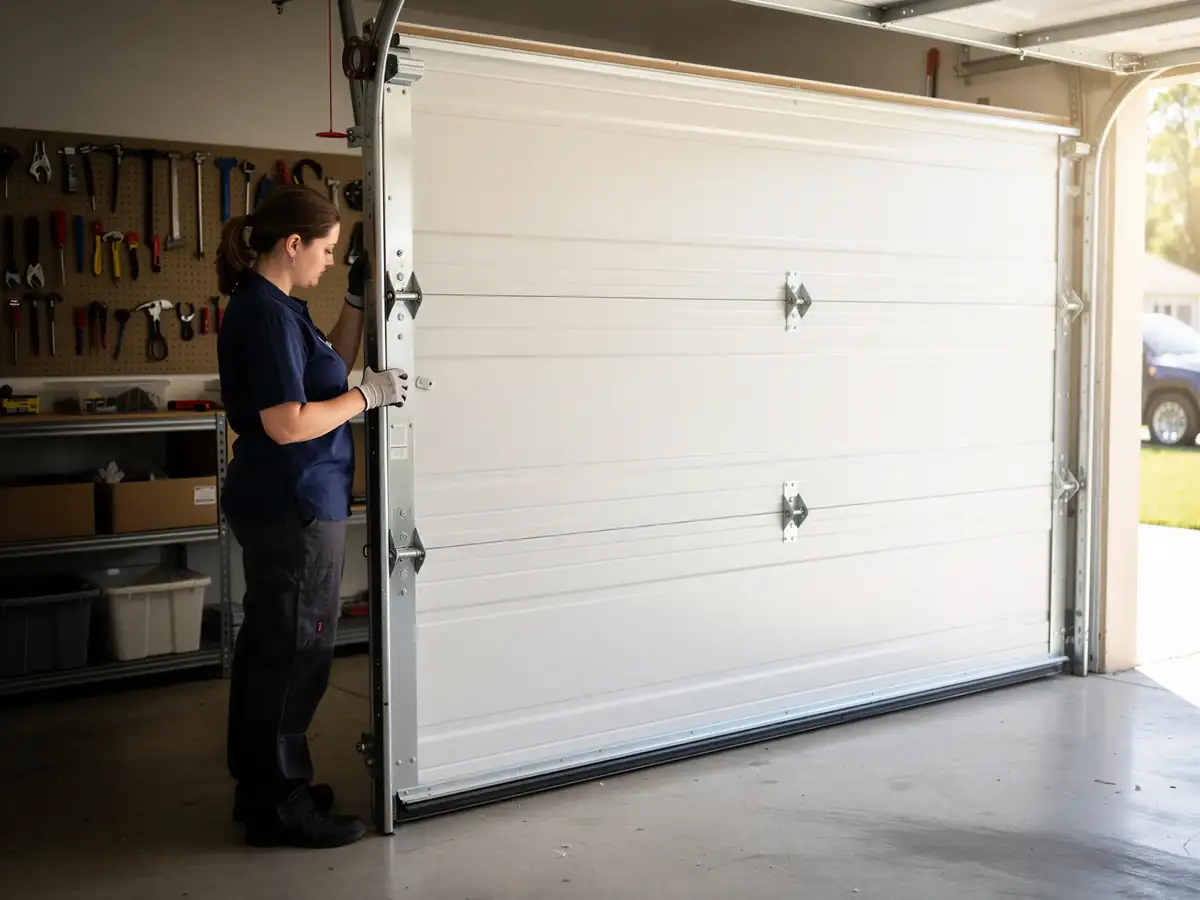
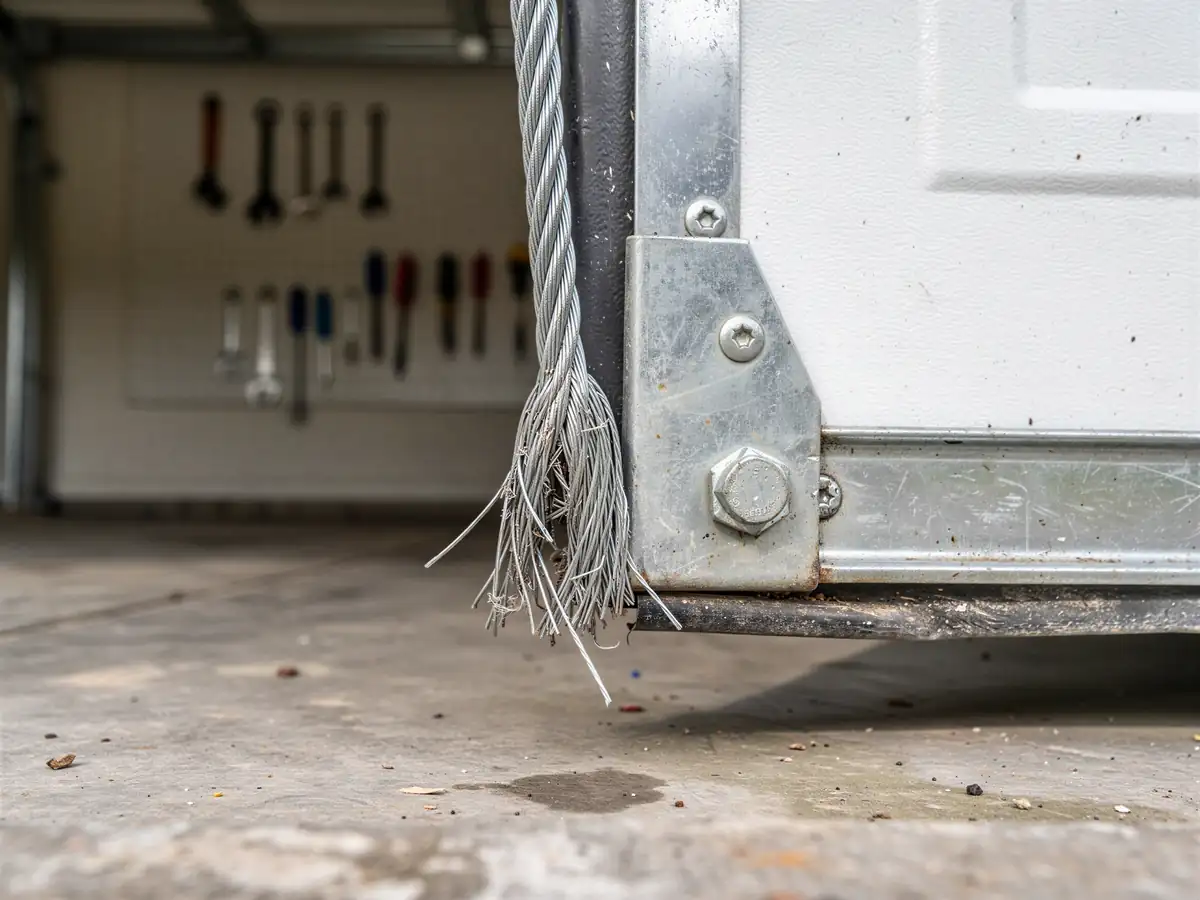
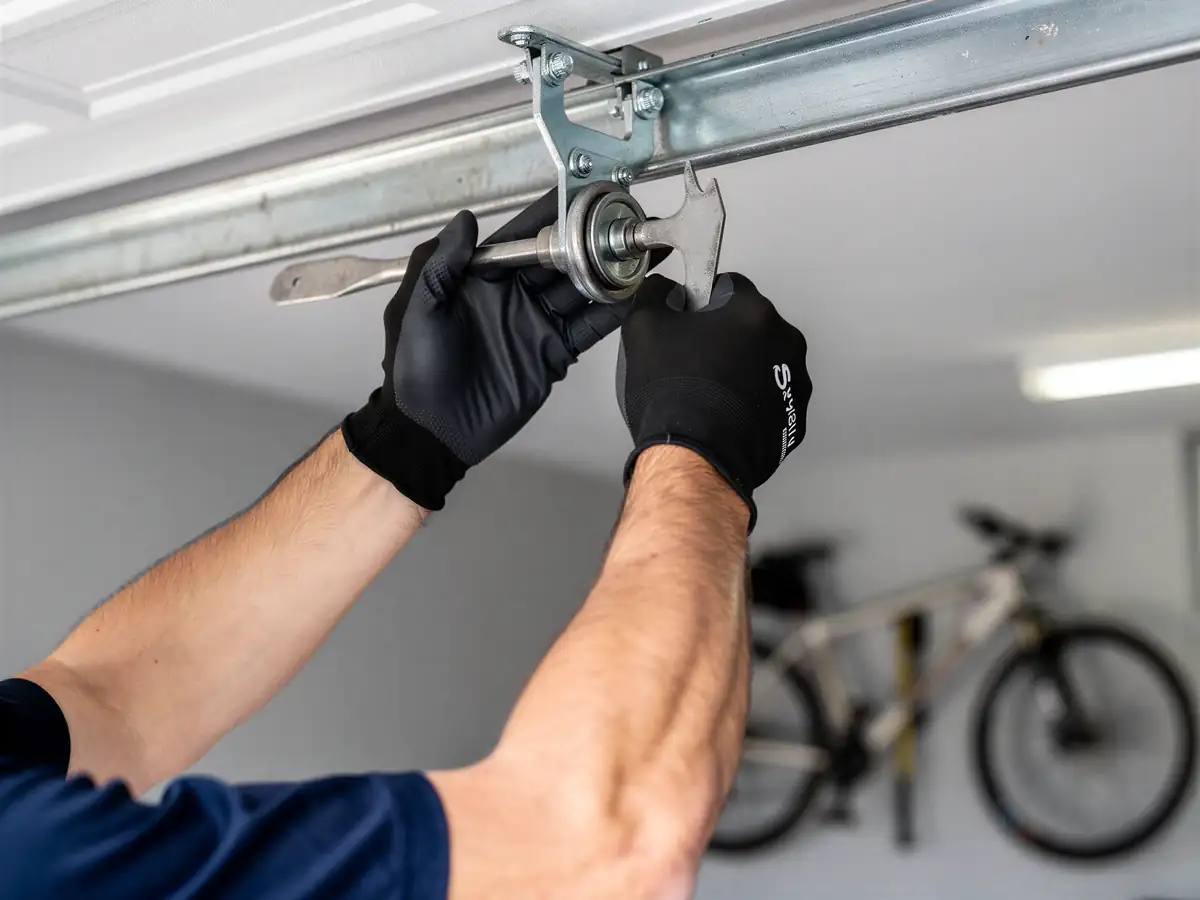
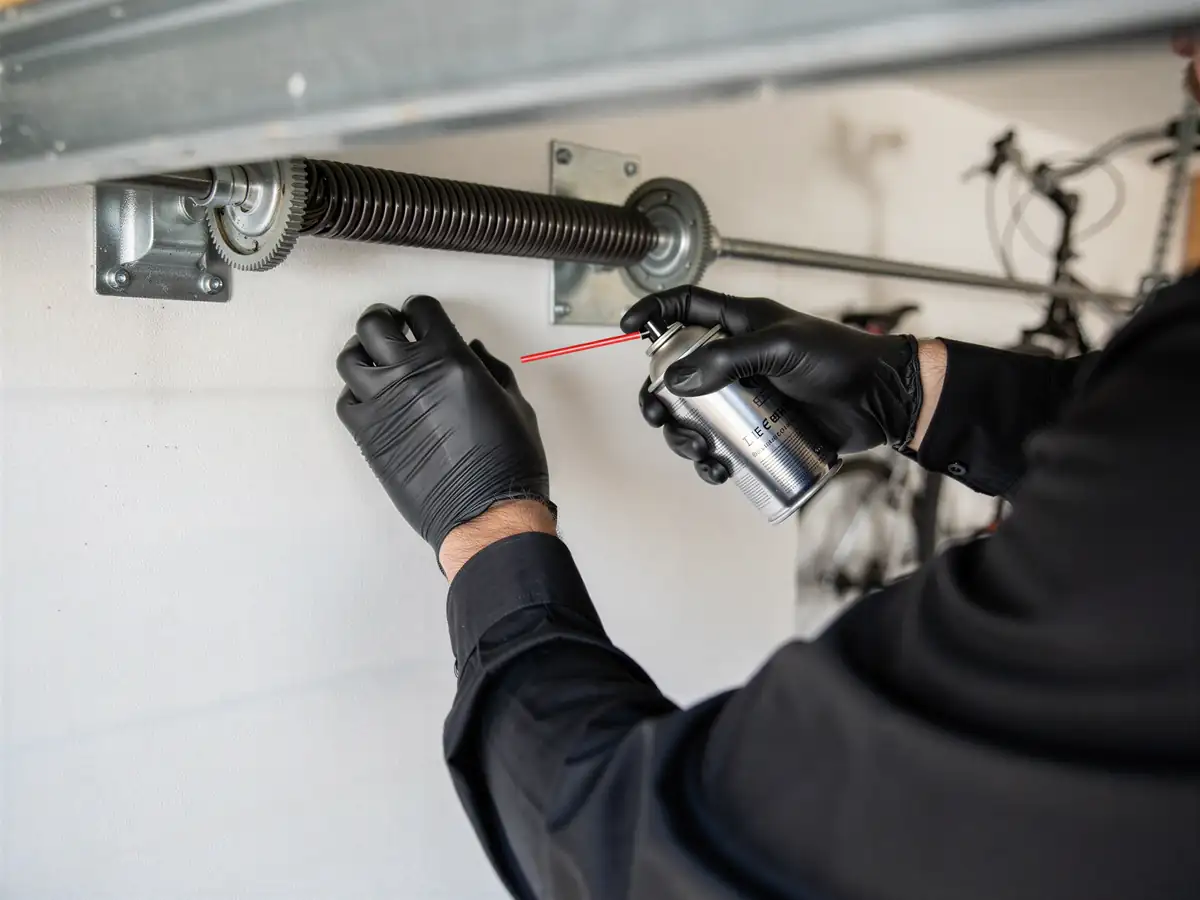
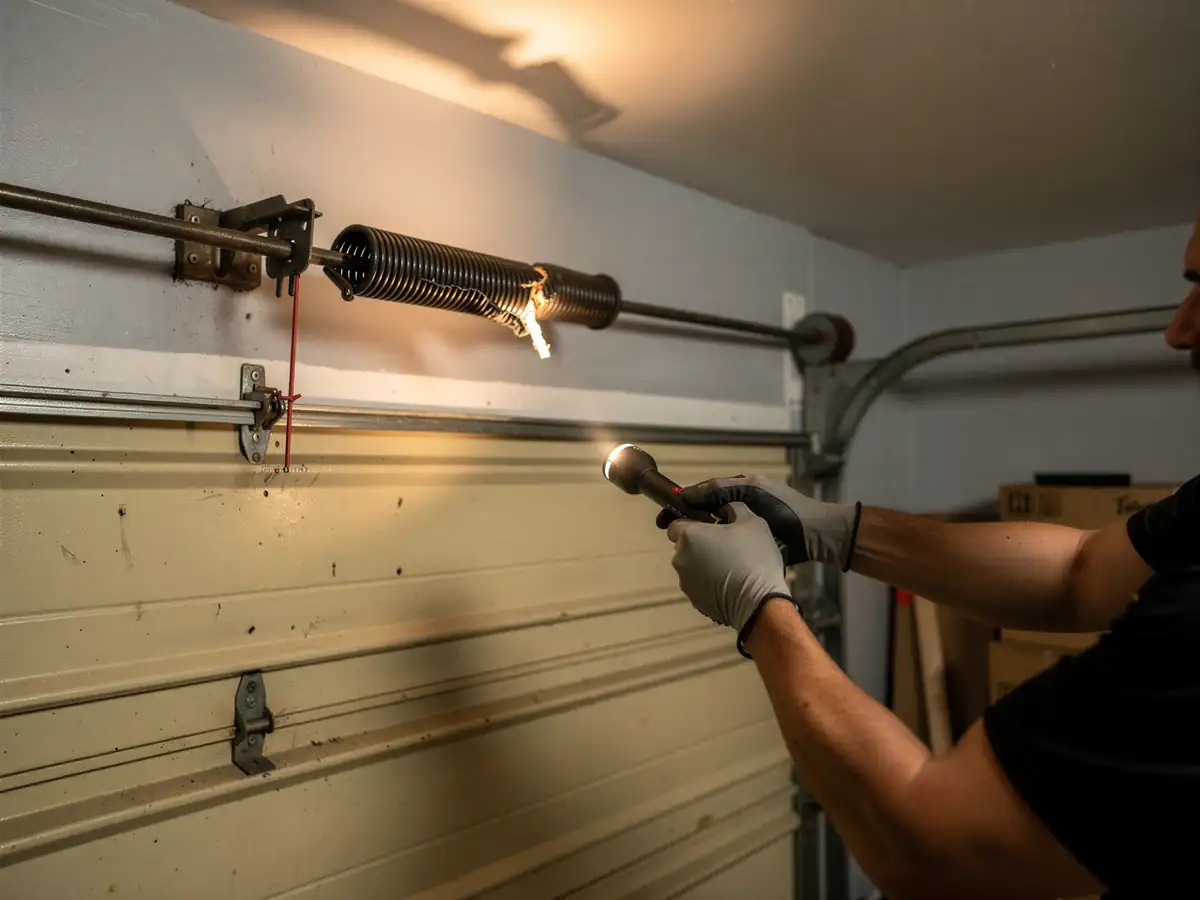
Because so much of the housing here dates to the early 1950s, we carry a range of panel widths sized for the narrower single-car doors that era favored, not just the wider two-car panels common on newer construction. We also stock torsion hardware and rollers sized for the older track systems that tend to pair with those original doors - a door installed when this neighborhood was built in 1952 has outlived three or four re-paints and at least one full spring replacement by now, so the hardware around a replaced panel is often as old as the panel itself. We bring primer and matching paint for steel panels since an exact factory color match isn't always possible on an older run. What we don't carry is every obsolete panel profile ever made - if your door needs something rare, we'll confirm availability before we quote the job rather than promise a part we haven't actually located.