What Causes It Around Here
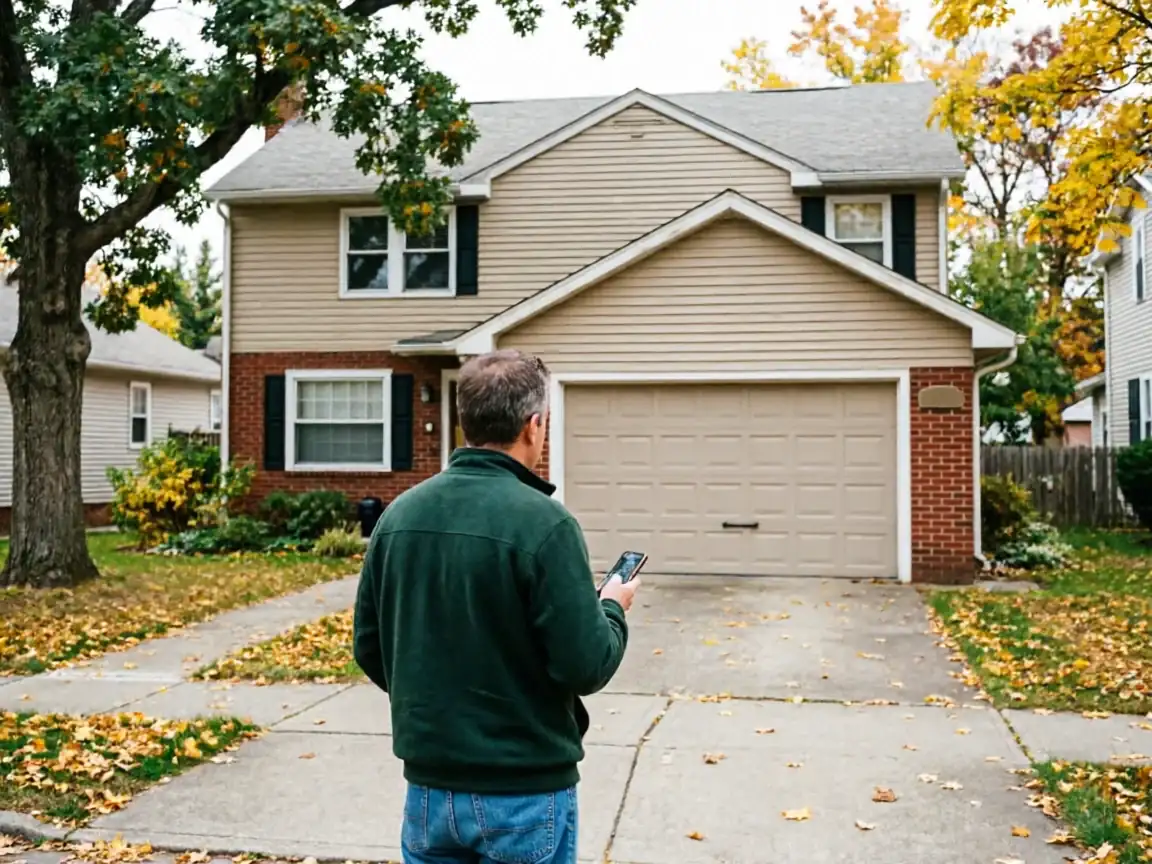
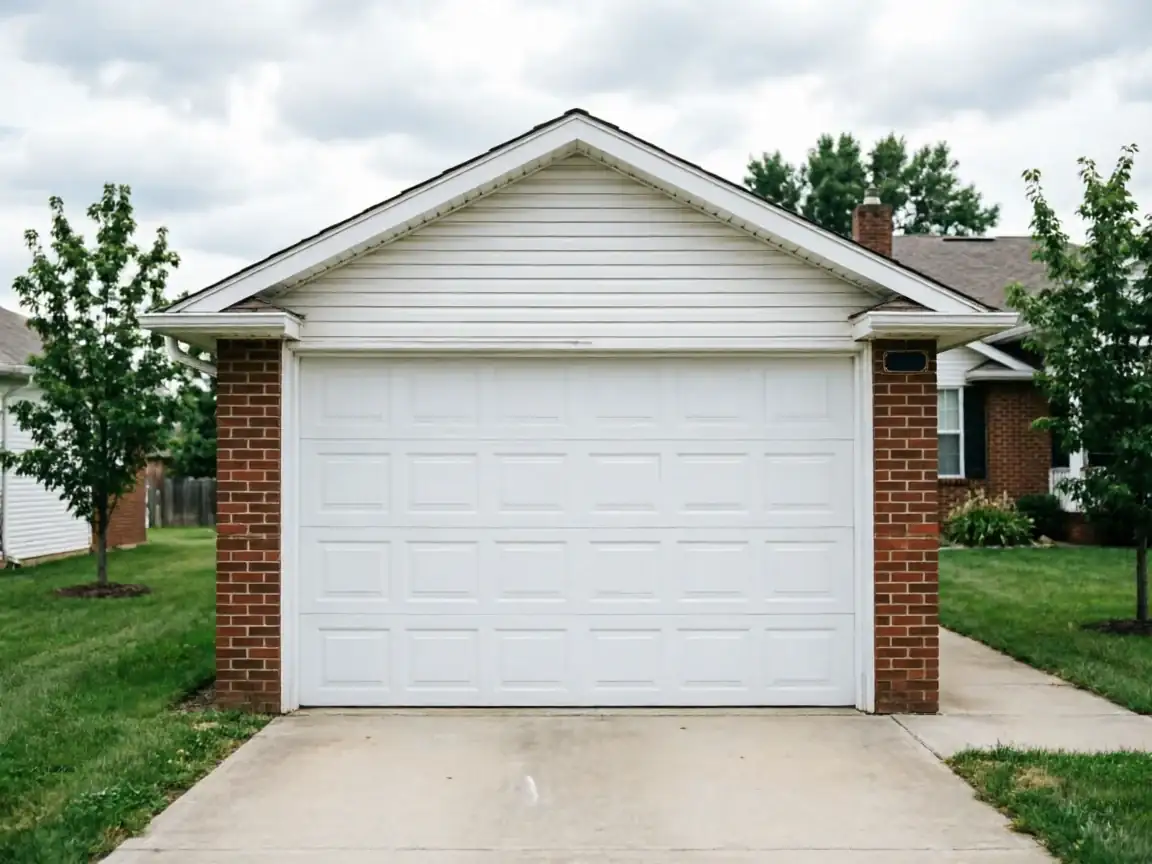
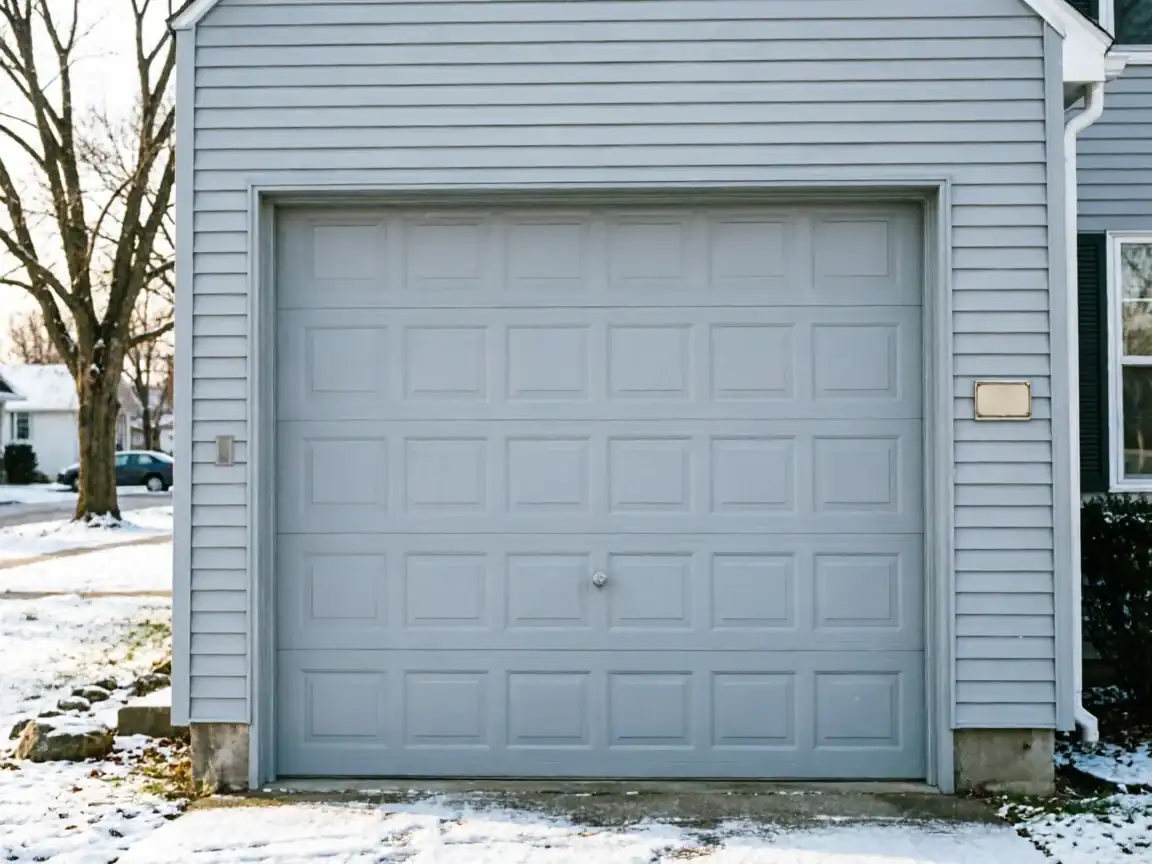
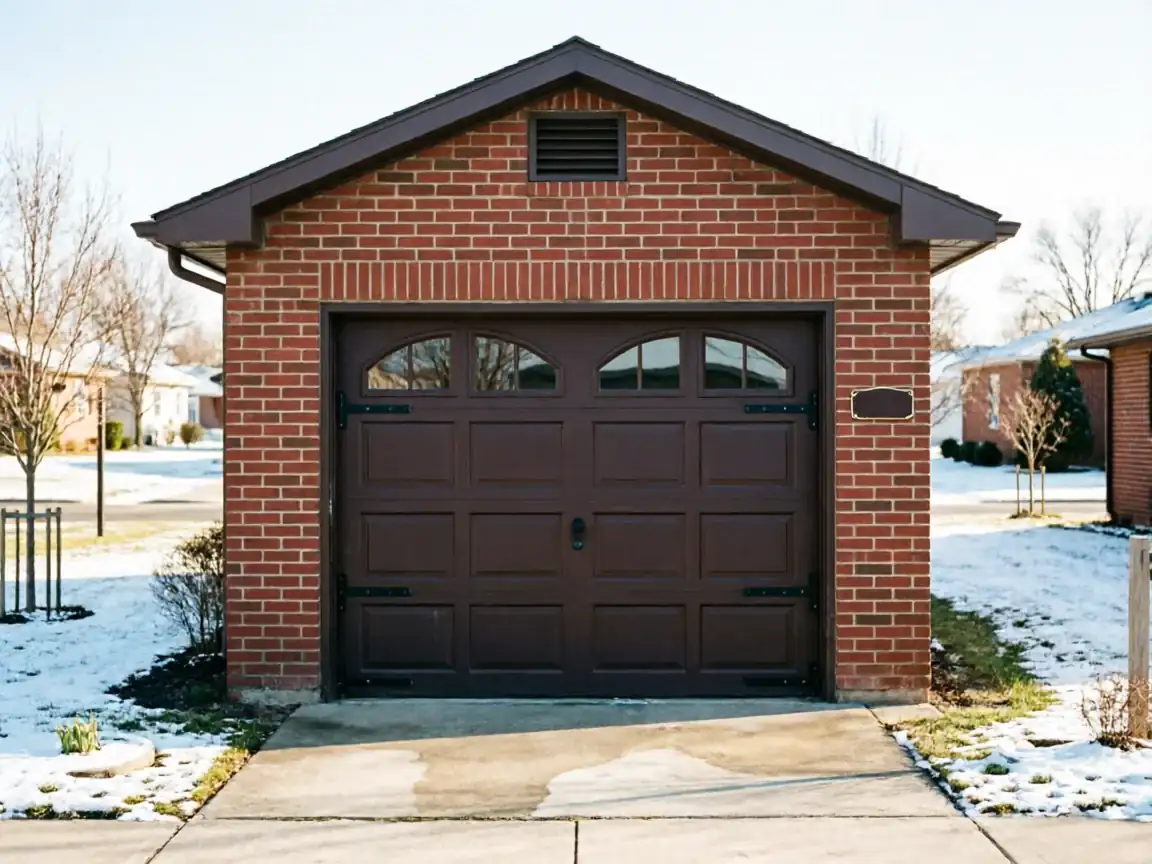
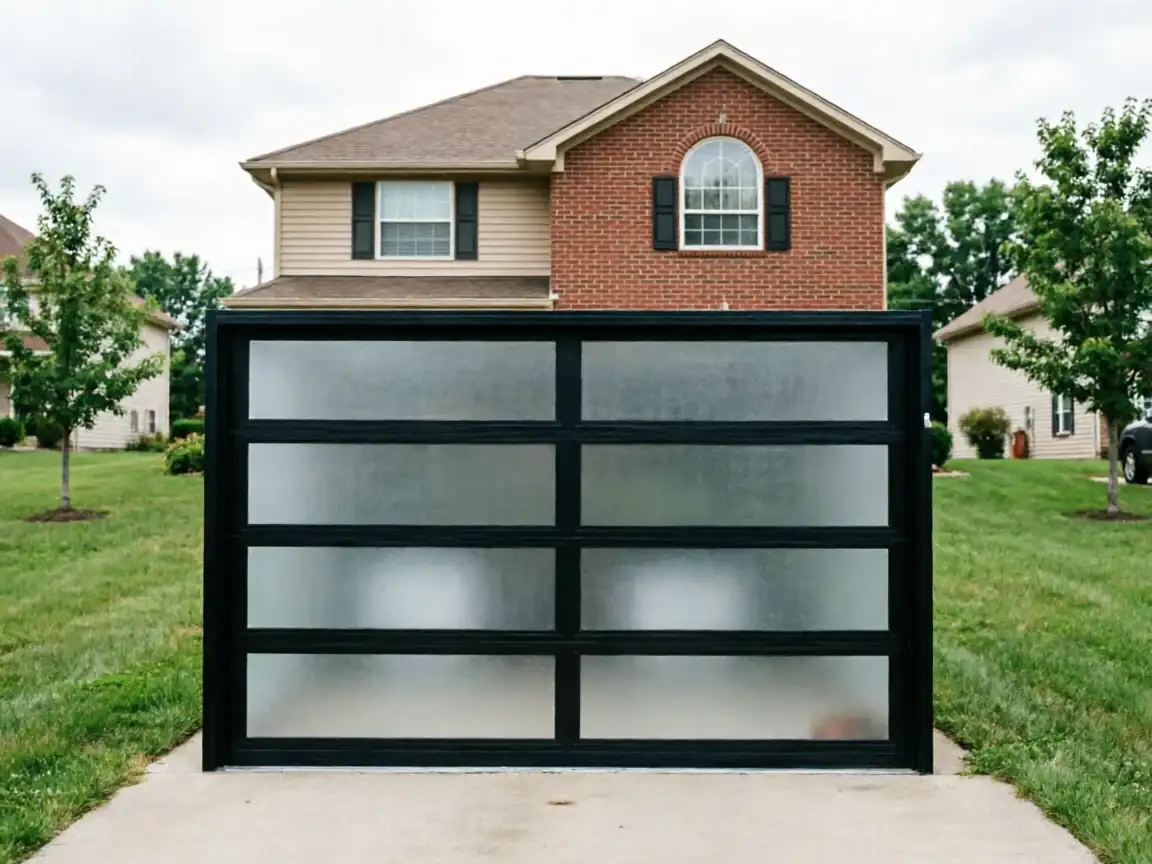
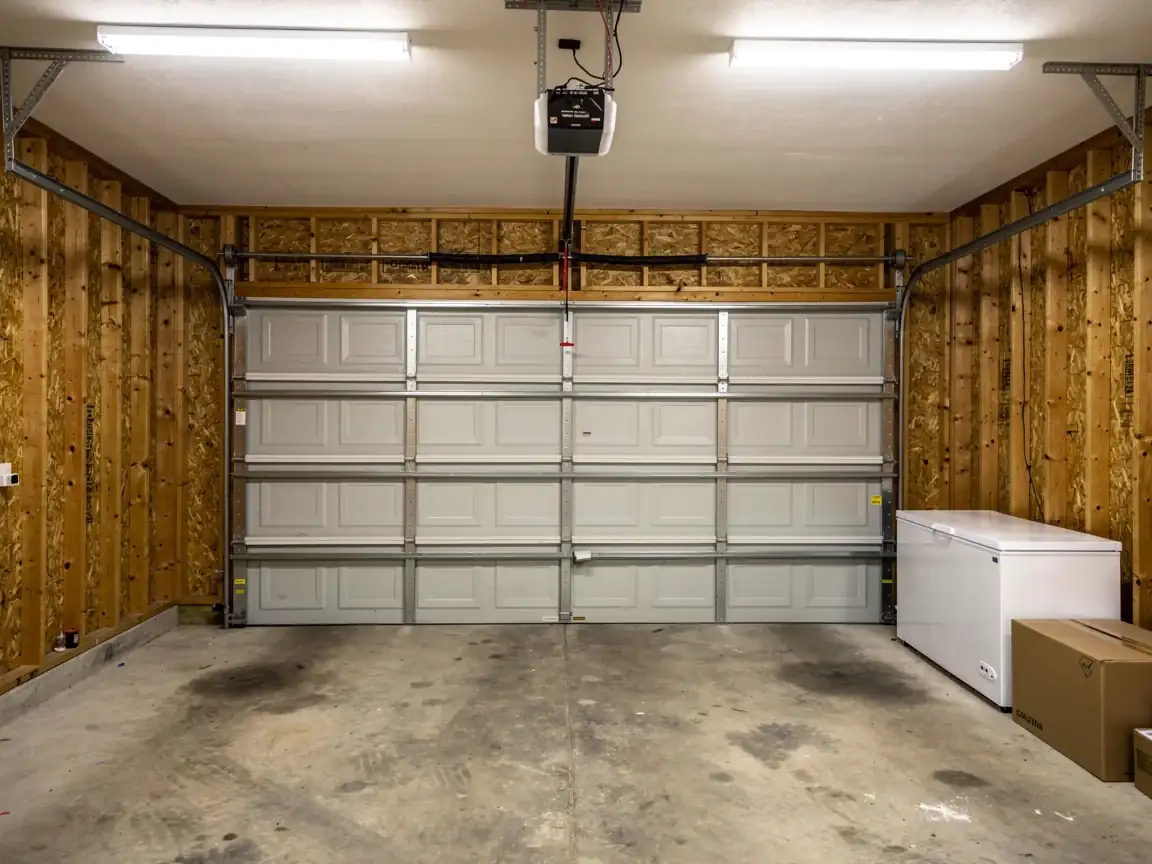
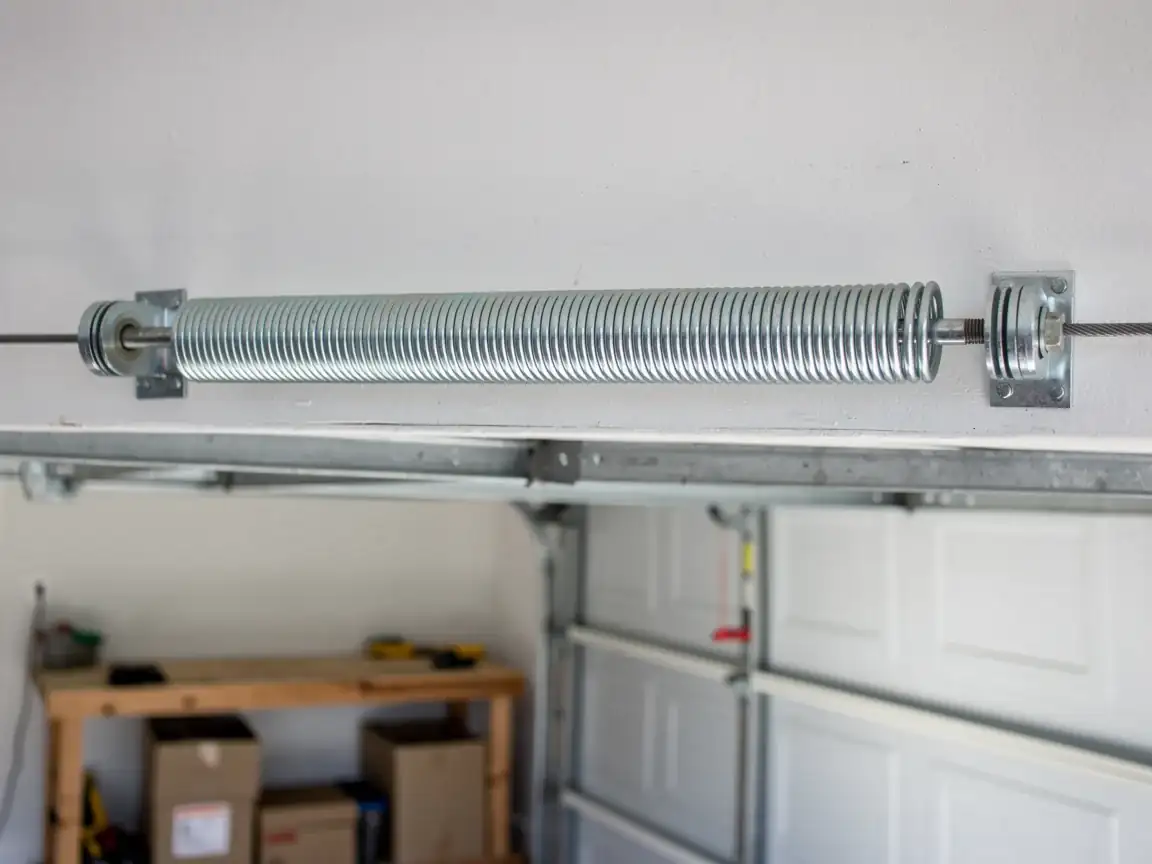
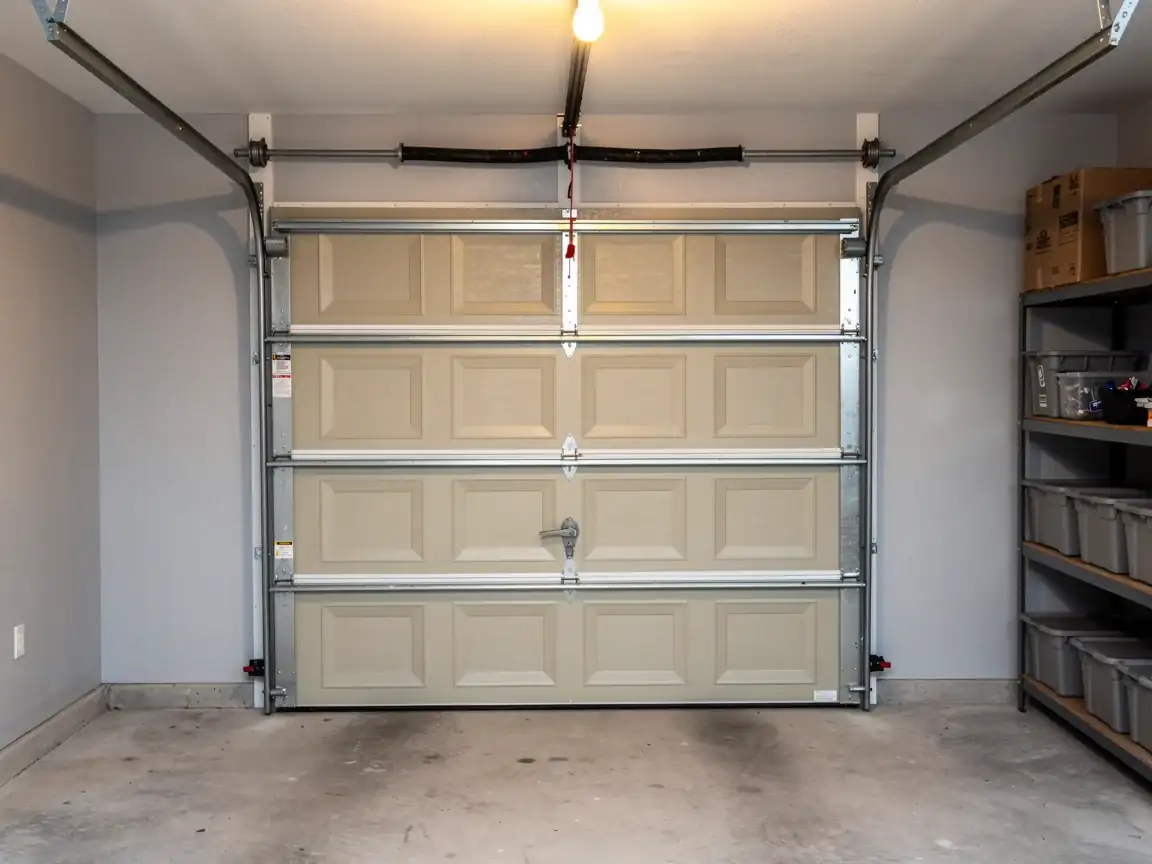
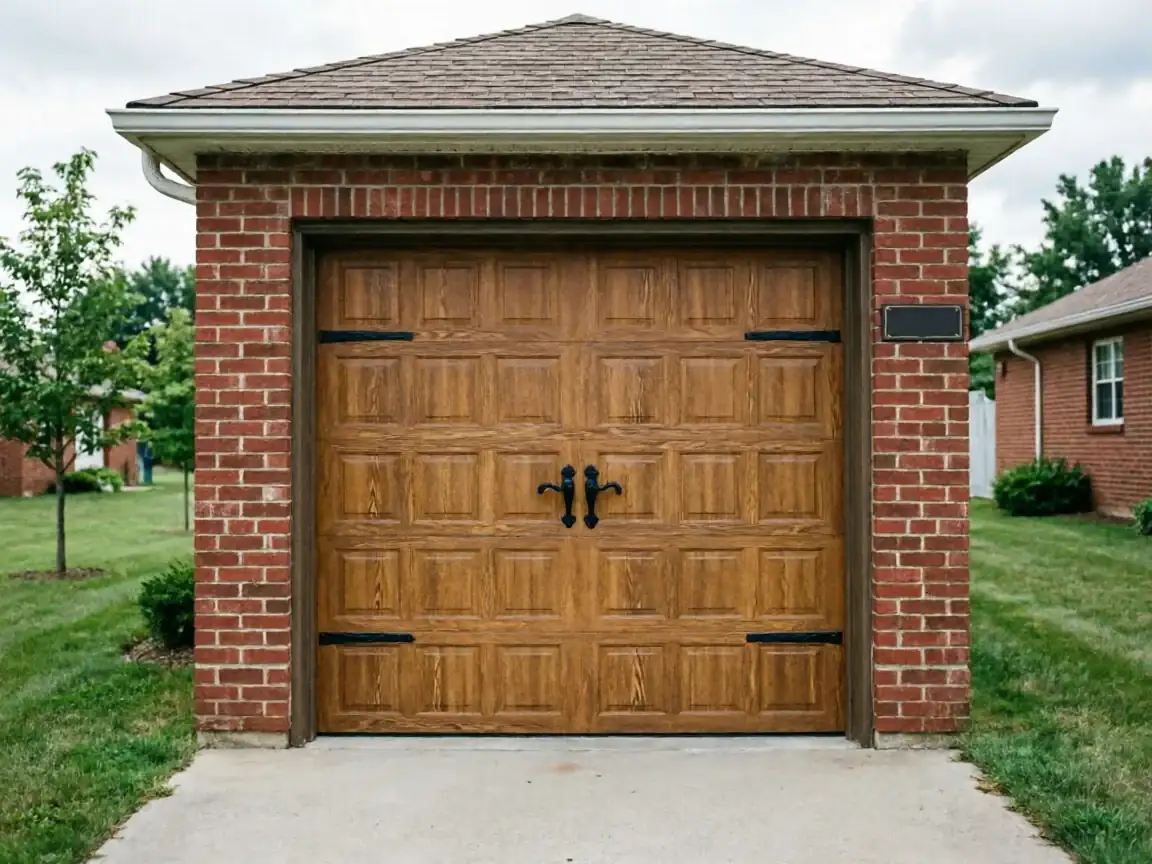
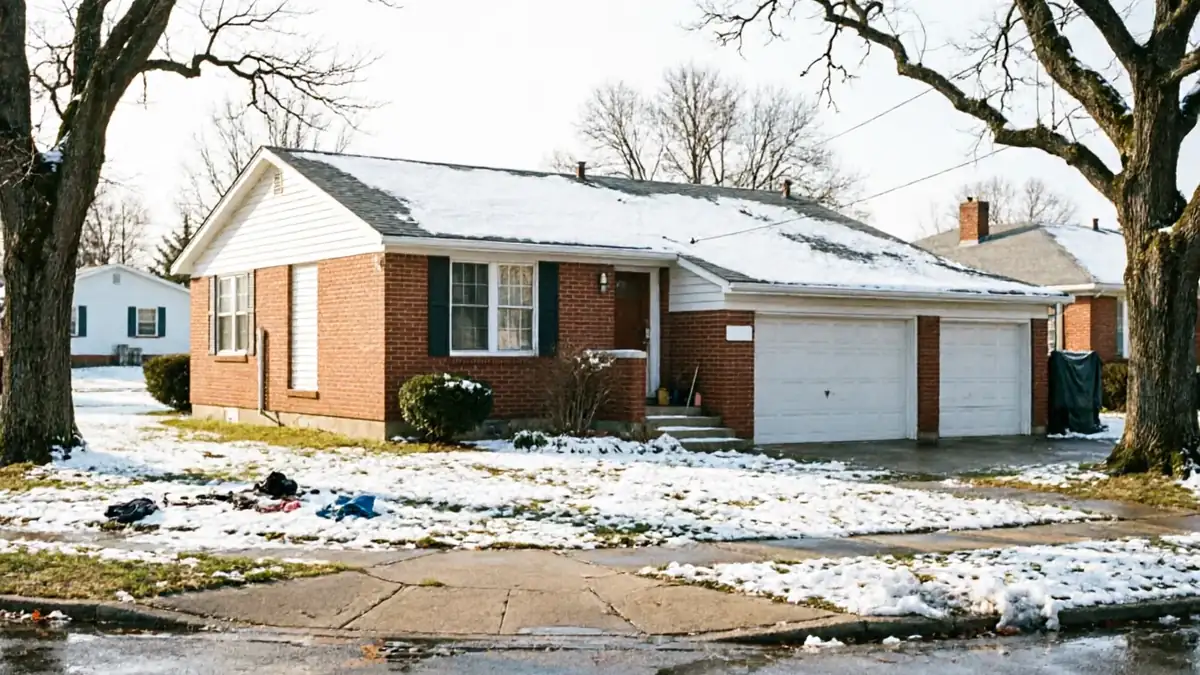
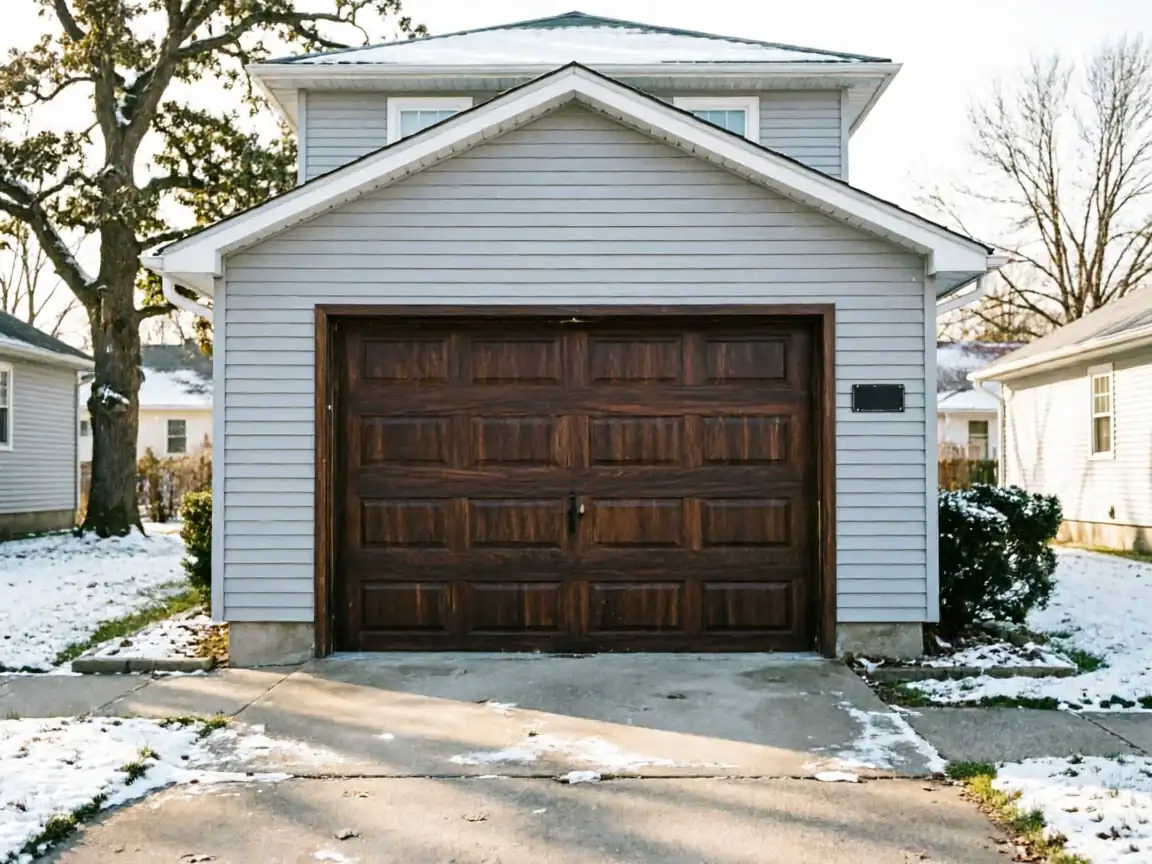
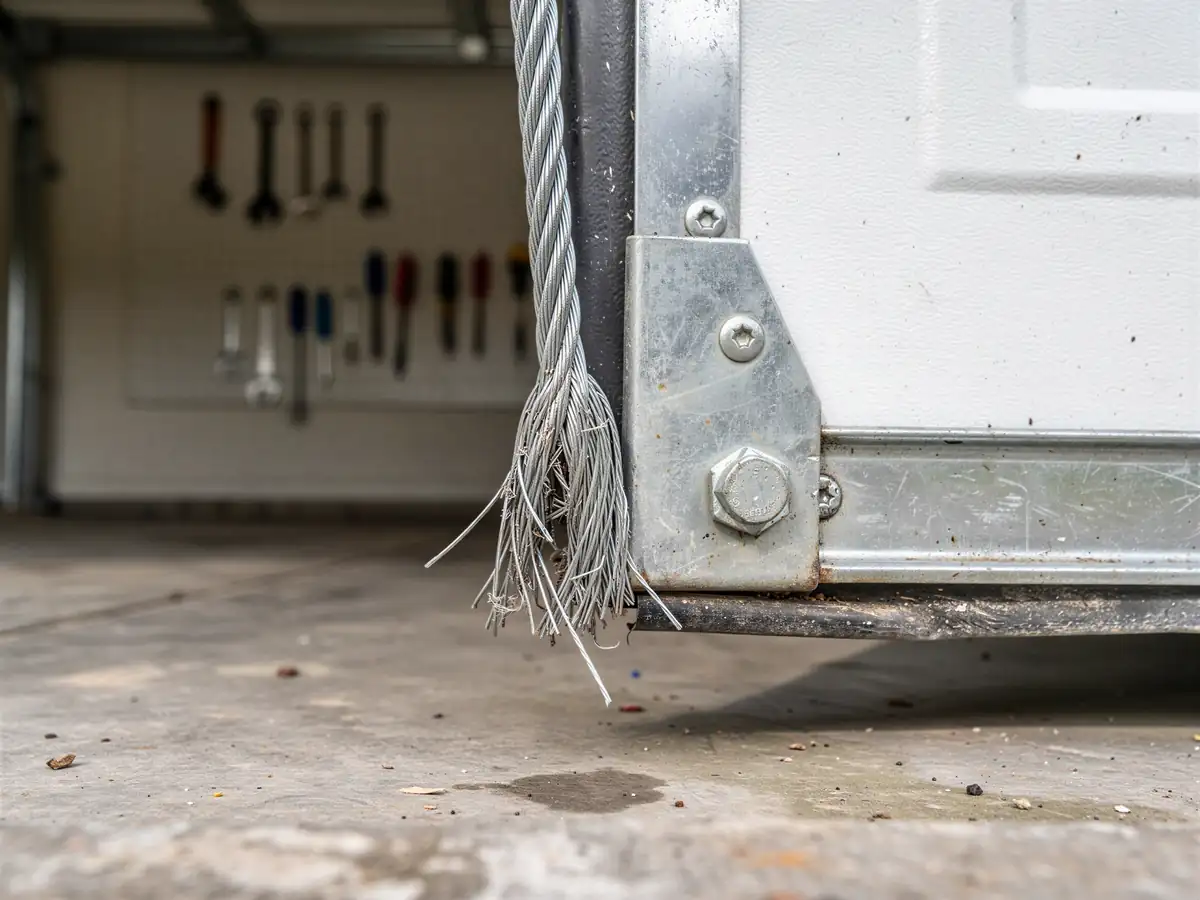
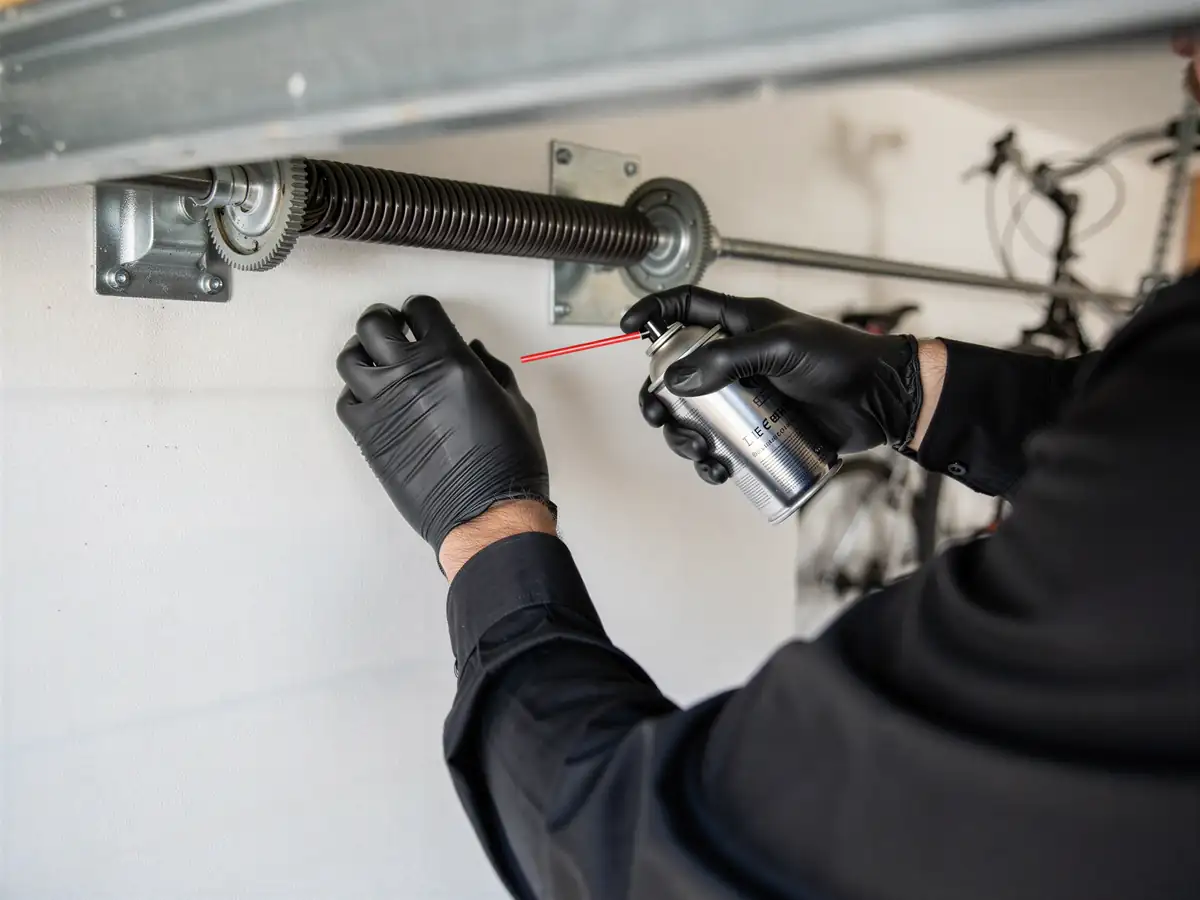
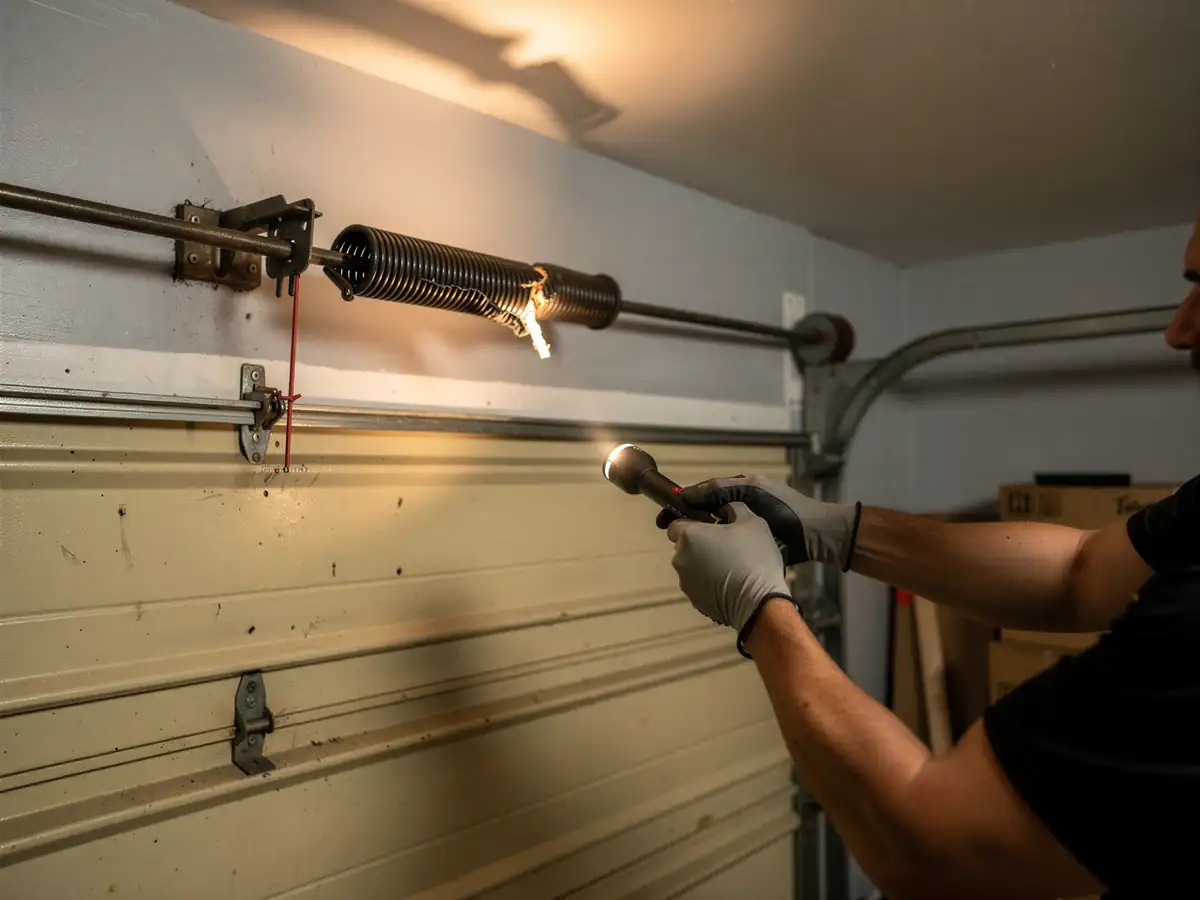
Freeland's housing stock sits on a median build year of 1994 - a generation newer than the 1969 median across the broader service area. That matters for what breaks. Older stock elsewhere still carries one-piece doors on side-mounted torsion hardware, parts nobody stocks new anymore. Freeland's doors are mostly sectional steel on standard torsion springs mounted overhead, the setup that became common once builders moved past the older panel styles. The failure pattern is more ordinary: a spring fatigues after years of cold-weather cycling, a cable frays at the drum, or an opener's gear set strips after the door's been fighting a misaligned track for months. The severe cold band this area sits in still plays a role - steel contracts, lubricant thickens, and springs under tension are more likely to let go on a frigid morning than a mild one. But you're not fighting fifty-year-old hardware here. You're fighting normal wear on newer equipment, which usually means more common parts and fewer surprises once the door's open.
Getting It Booked In
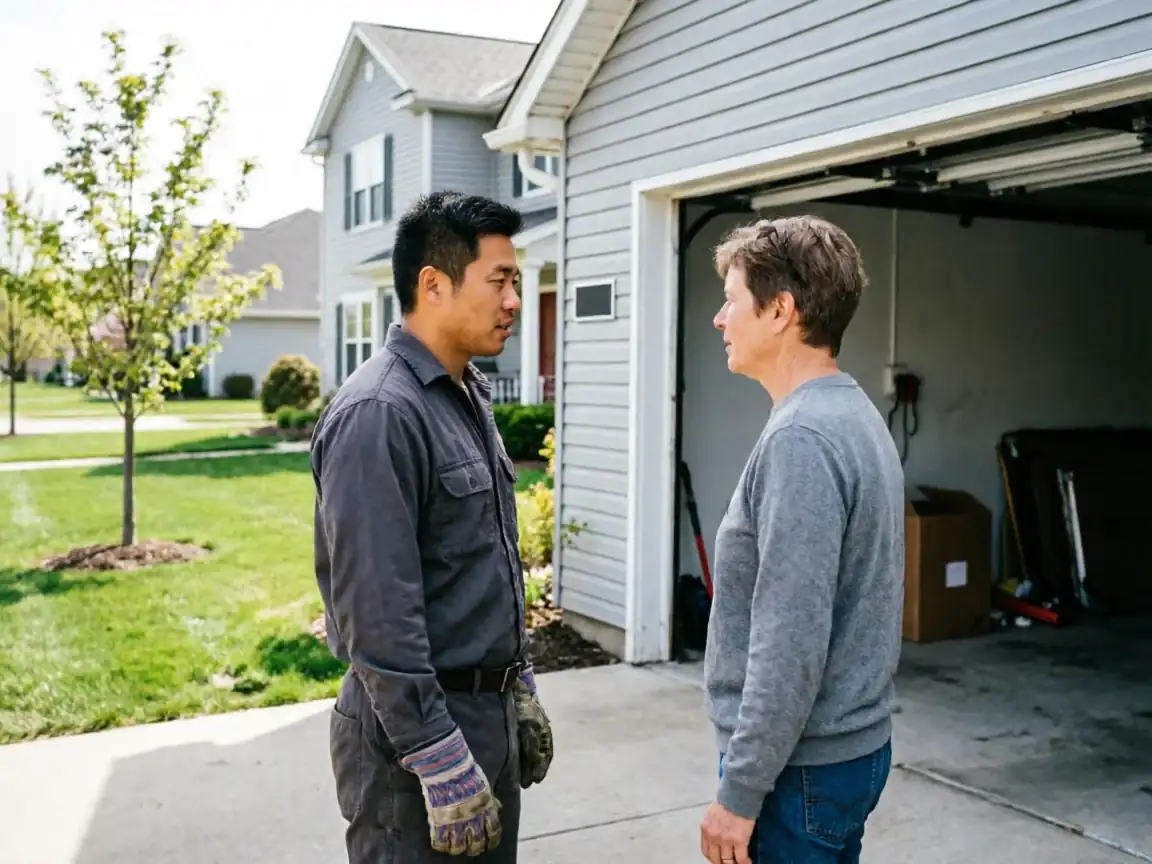
Freeland sits about 12 miles out from Bay City, and the truck comes from there - there's no branch sitting in town to shave minutes off the drive. When you call, tell us what the door is actually doing: won't open at all, opens partway and reverses, makes a bang and stops, or the opener runs but nothing moves. That tells the tech what to load before leaving the yard. If the garage is attached and the door won't close, mention whether you can still get a car out manually - that's often the difference between an inconvenience and something that needs attention today. We'll ask for the door's approximate age if you know it, since Freeland's newer housing stock means parts are usually easier to match than on an older door, but we still need to confirm before quoting anything over the phone.
The Symptom
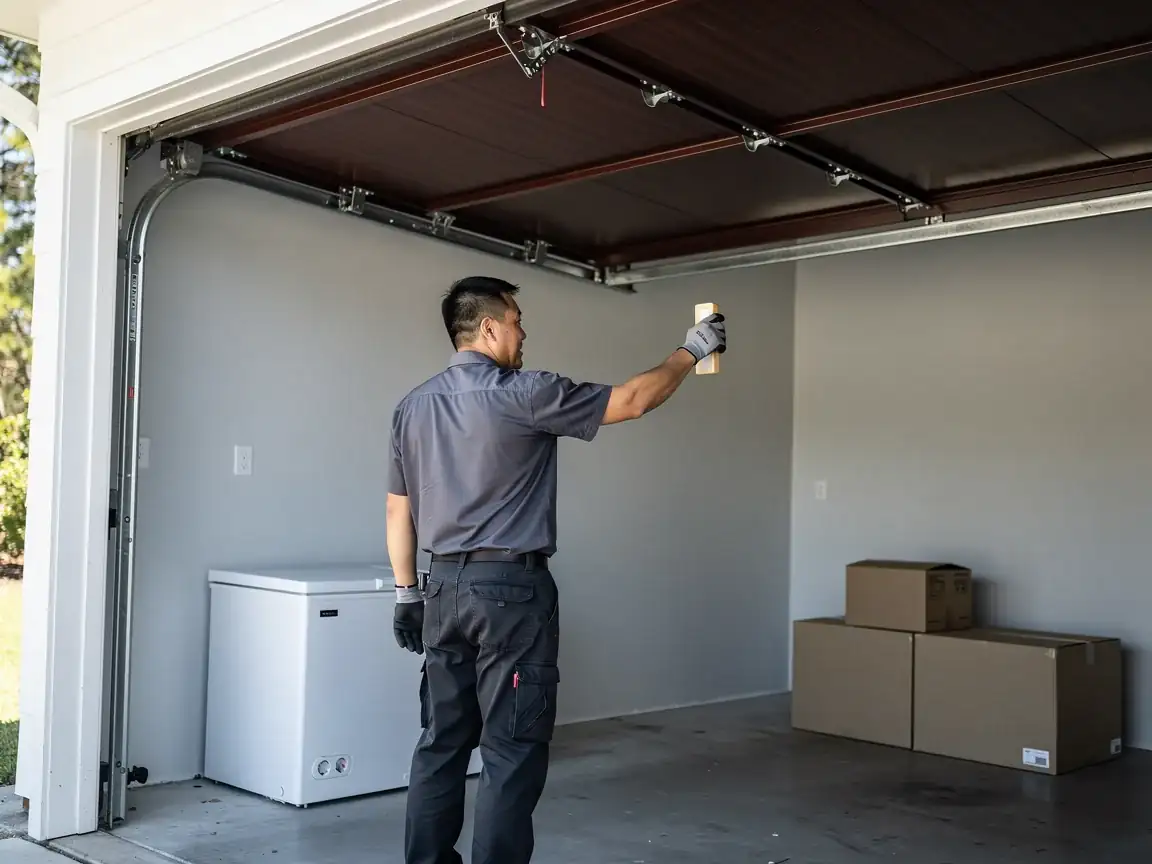
Most Freeland calls start the same two ways: a door that won't budge past a few inches before reversing, or a loud bang followed by the door refusing to move at all. The bang is almost always a spring. The partial-open-and-reverse is usually a sensor misalignment or a track binding on one side, not the spring. A door that opens fine but closes on its own after a few feet is usually a safety sensor trip, often something as simple as sun glare or a box sitting in the beam, and it's worth checking before you call. If the opener motor runs but the door doesn't move at all, that's a disconnected trolley or a stripped gear, which is a repair, not a replacement - one of the cheaper calls we make.
What the Repair Takes
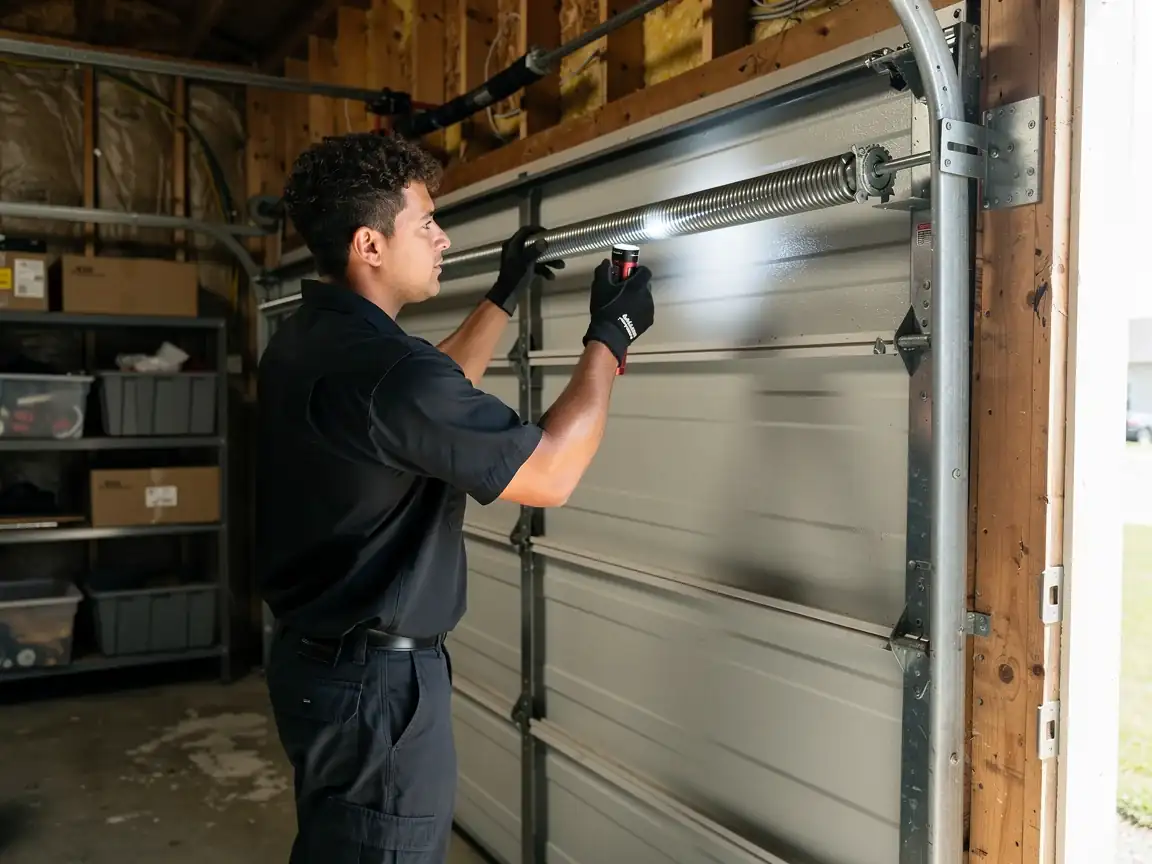
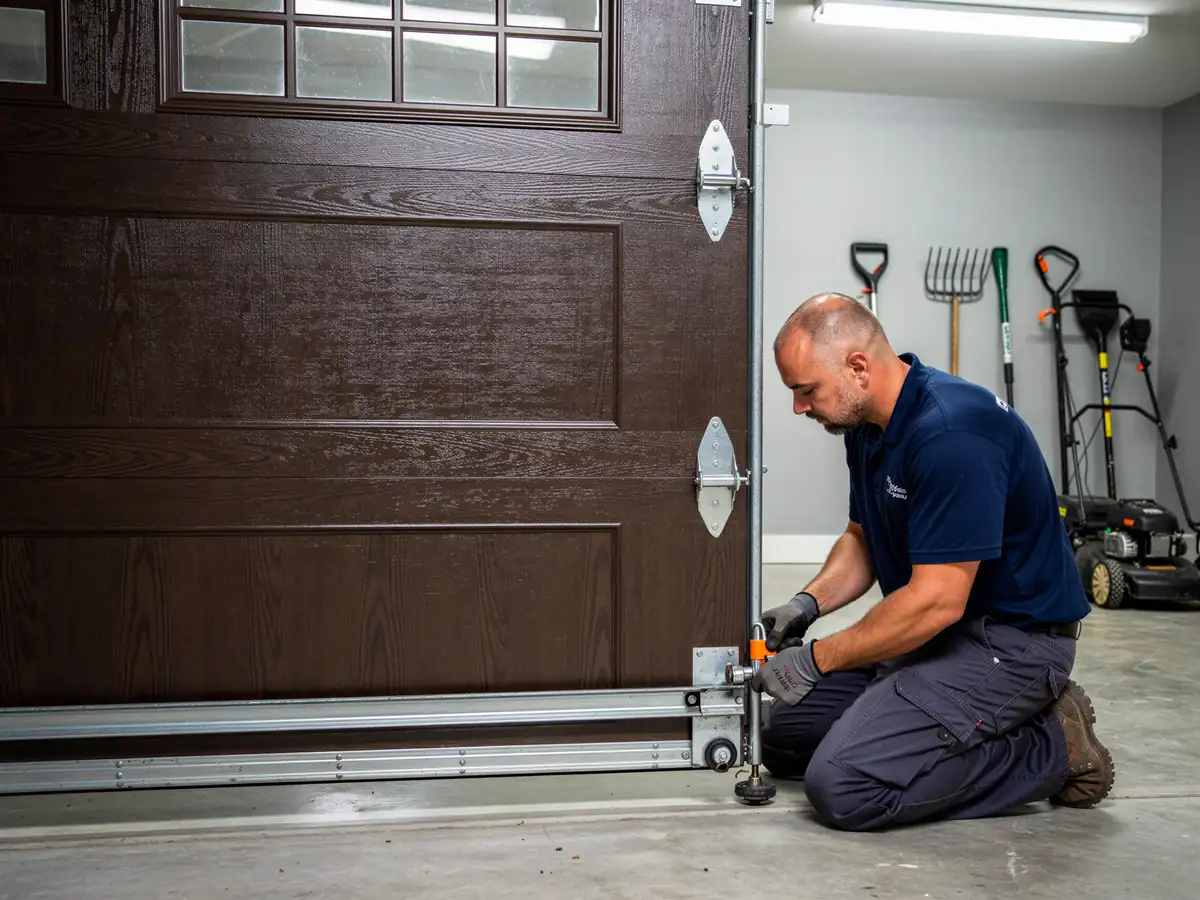
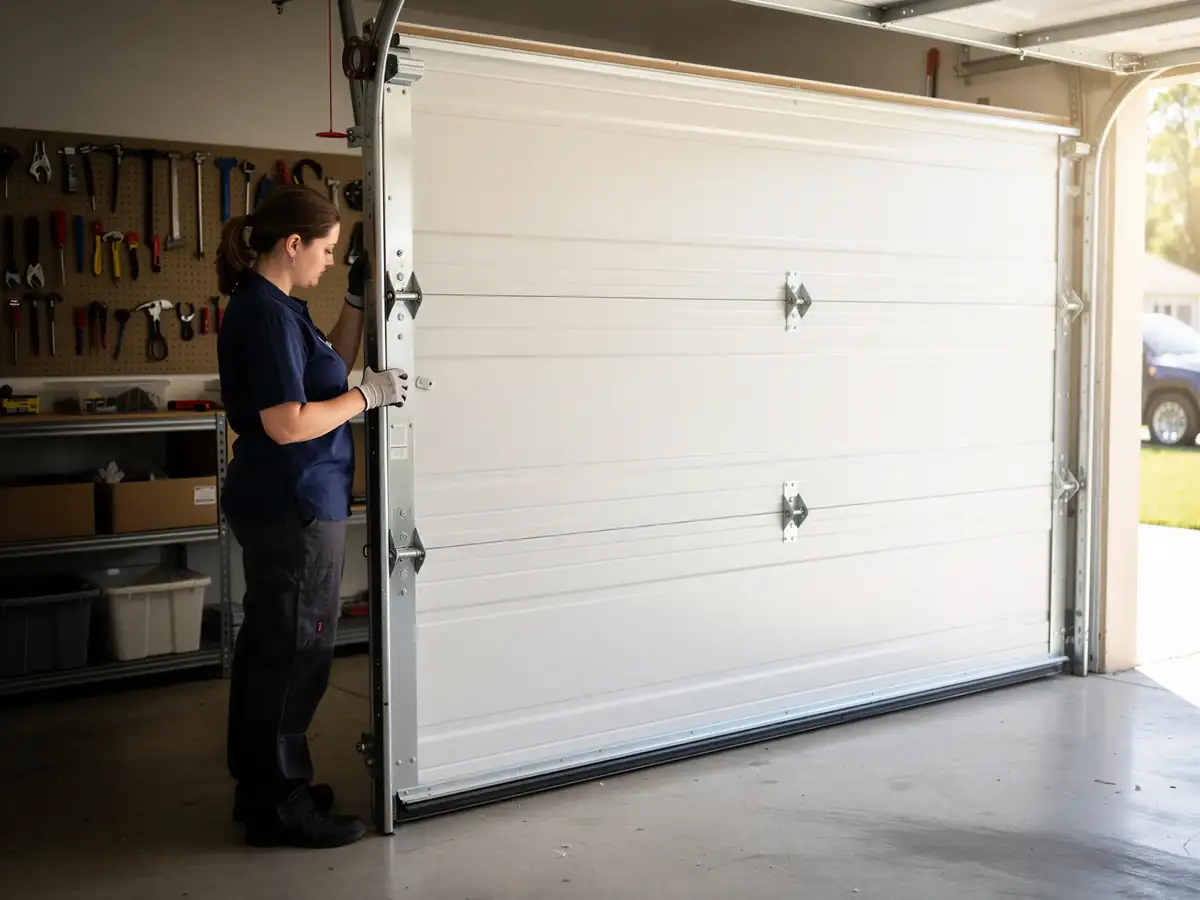
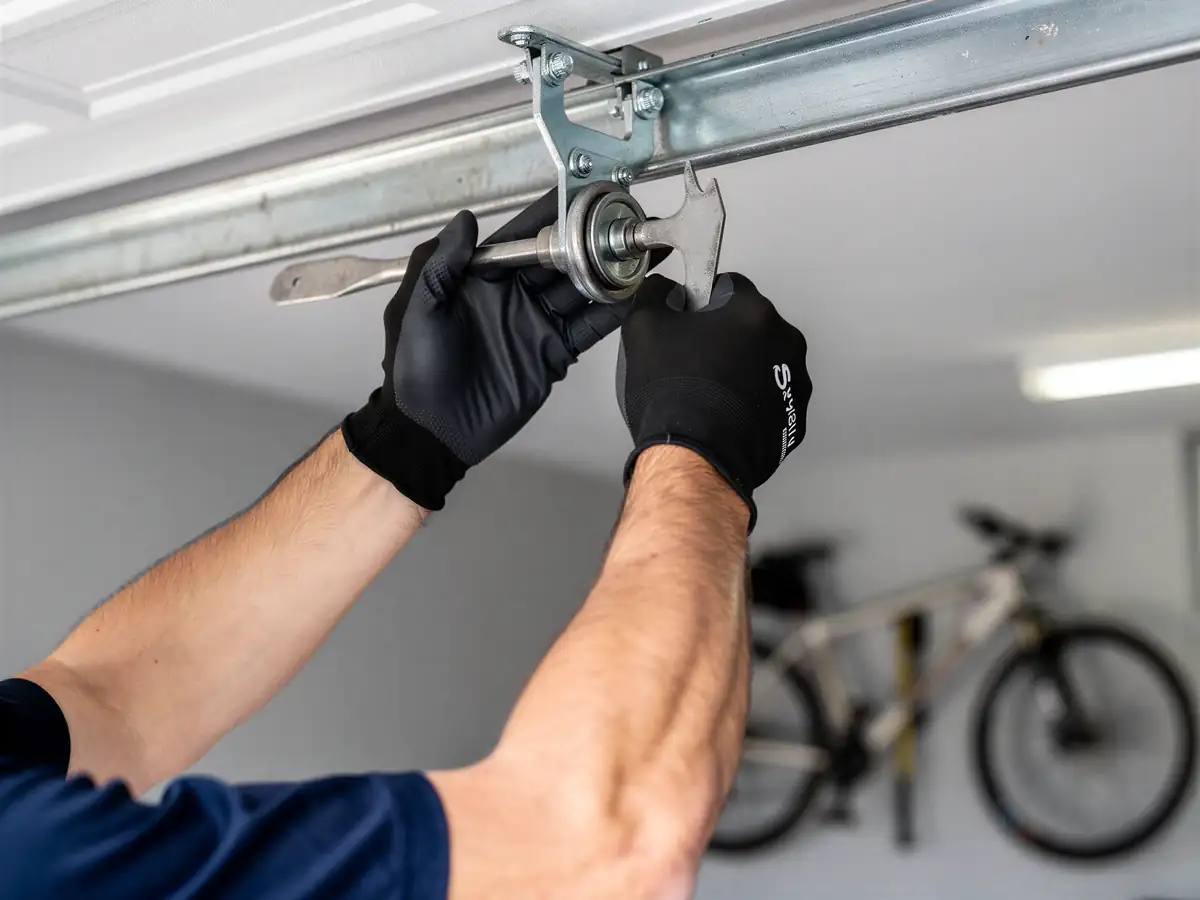
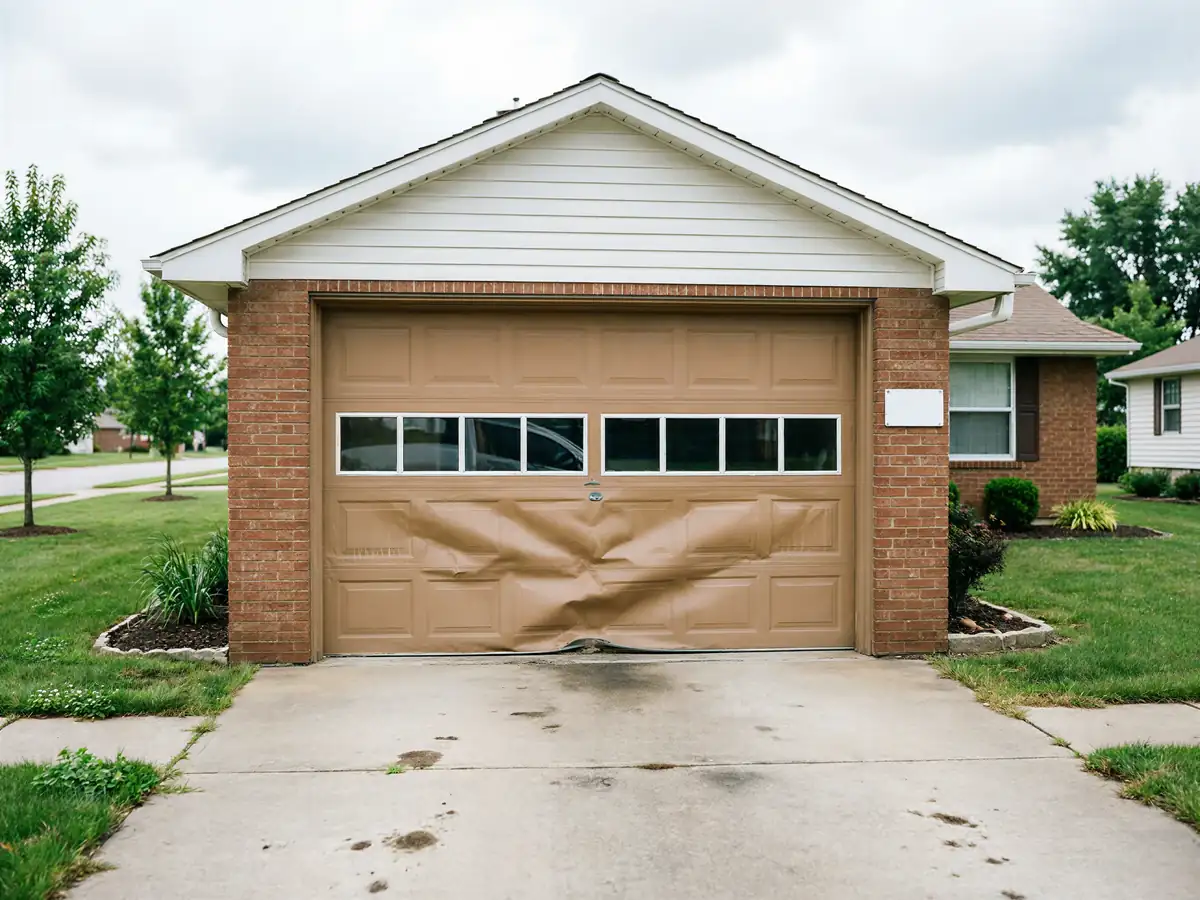
A standard torsion spring replacement on a Freeland door is usually a one-visit job, parts and labor done in under two hours once the tech is on site. Cable and roller swaps run faster. Opener logic board issues or a bent track from an impact take longer and sometimes need a return trip if the part isn't common. Given the income level here, we see more owners ask directly whether a repair is worth doing versus pricing a new door - and for a working door with one bad component, repair almost always wins. Where it doesn't: a door that's been patched twice already, or one where the track is bent badly enough that a new spring would just load against a door that's still going to bind.