What Causes It Around Here
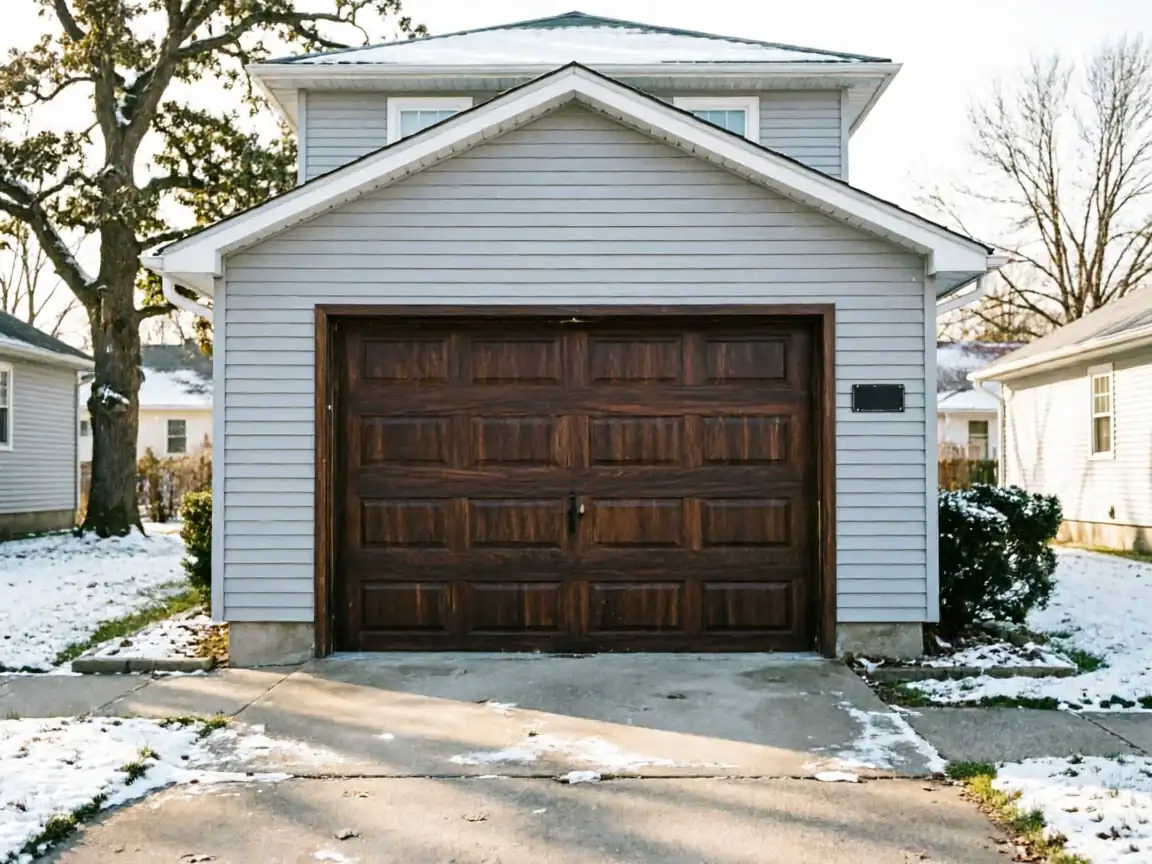
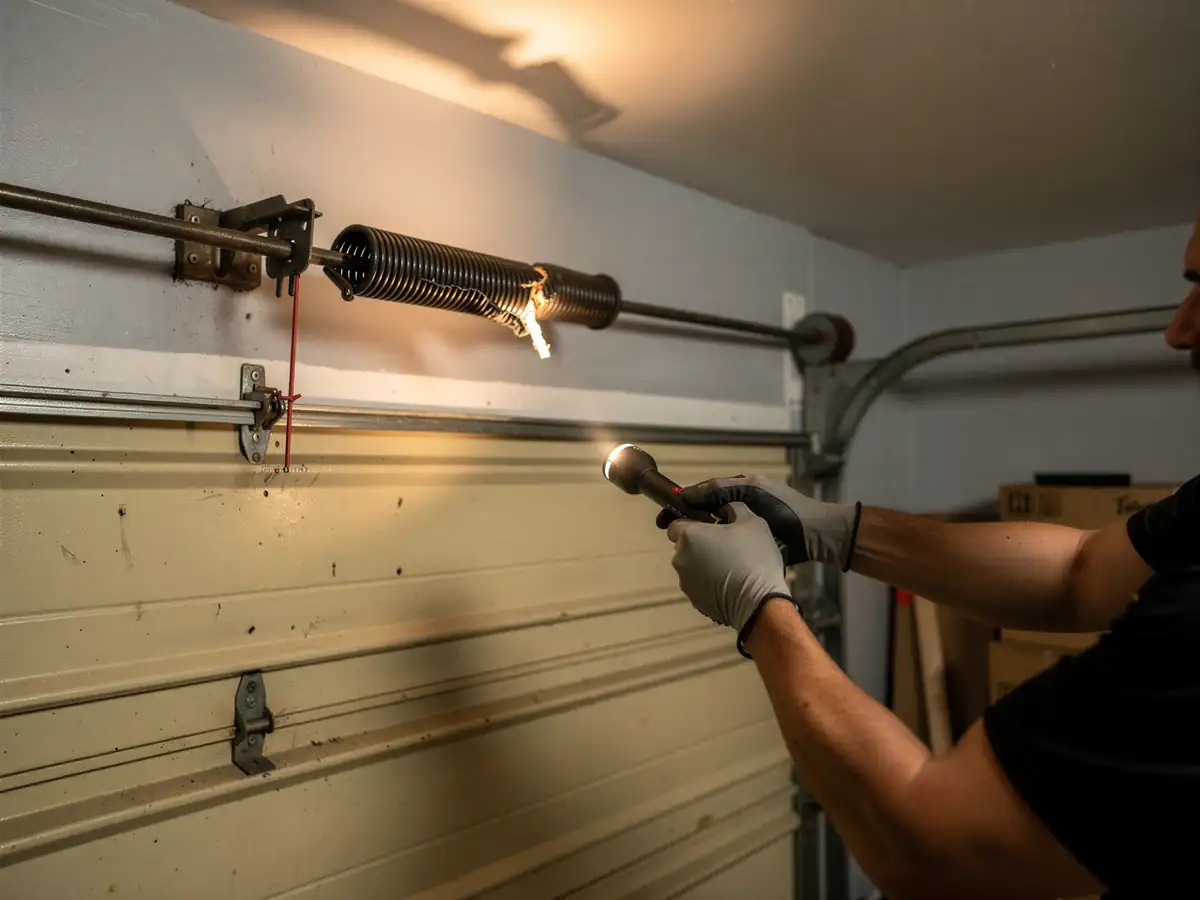
A door built in 1994 was engineered for the energy codes and insulation standards of that era, not for the cold snaps this part of Michigan gets now. The service area sits in a severe cold climate band, and steel panels that age move more than people expect - they contract hard in deep cold, and a seam that was tight in July can rattle loose by January. Add in a knock from a car mirror or a snowblower, and a dented panel on a 30-year-old door is a different repair than on a 5-year-old one: the gauge of steel, the foam backing, and the fastener spacing have all likely changed since this panel was made. We also see cracked bottom panels from moisture wicking up through a worn weatherstrip, which is common on doors this age that have never had the seal replaced.
Getting It Booked In
We run this job out of Bay City, about 12 miles from Freeland, so we schedule panel work in batches rather than same-day. When you call, tell us the door's approximate age, how many panels are affected, and whether you can get us the brand or model off the inside label - on a 1994-era door that label is often faded or missing, and if so we'll size and photograph the panel on site before ordering anything. Freeland's household income runs well above the regional average, and we mention that only because it tends to mean owners want the repair done right the first time rather than patched - we'll give you the option of a matched panel or a full door swap and let you decide based on cost, not guesswork.
The Symptom
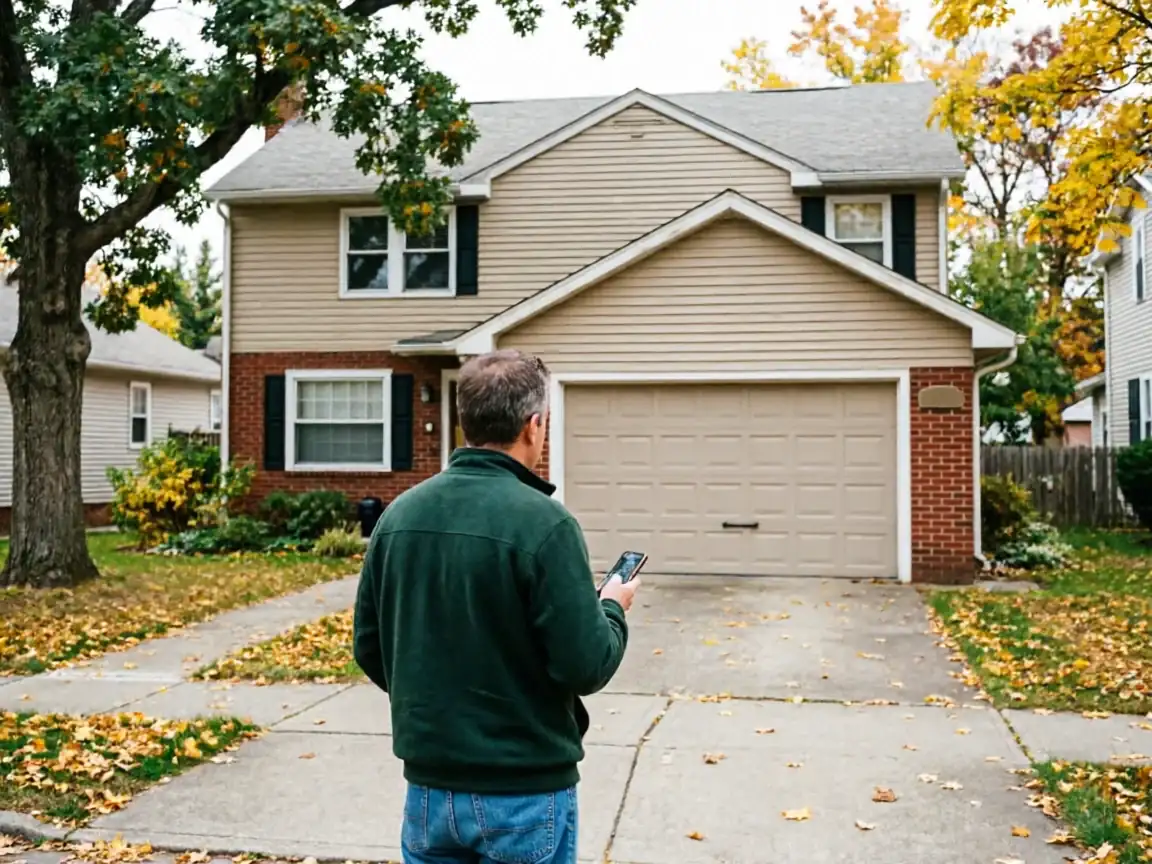
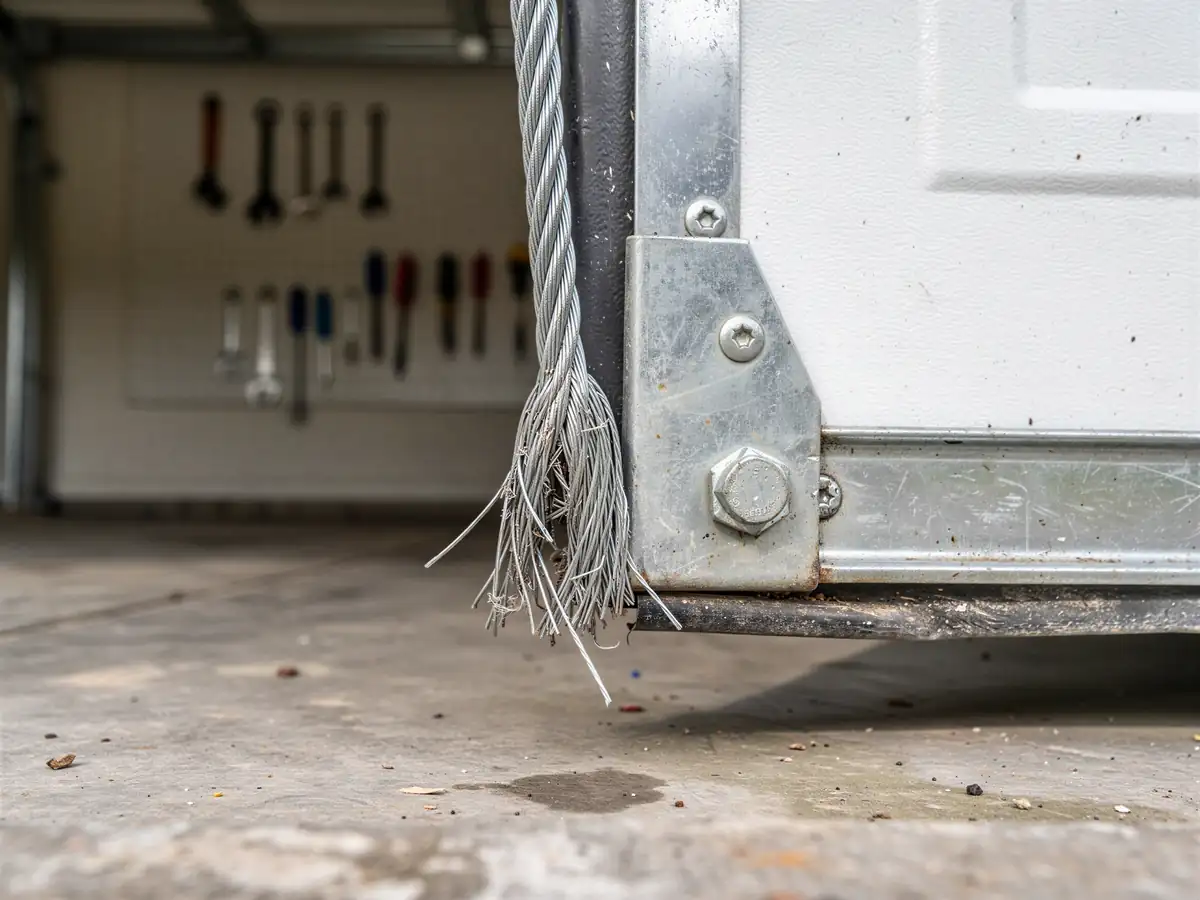
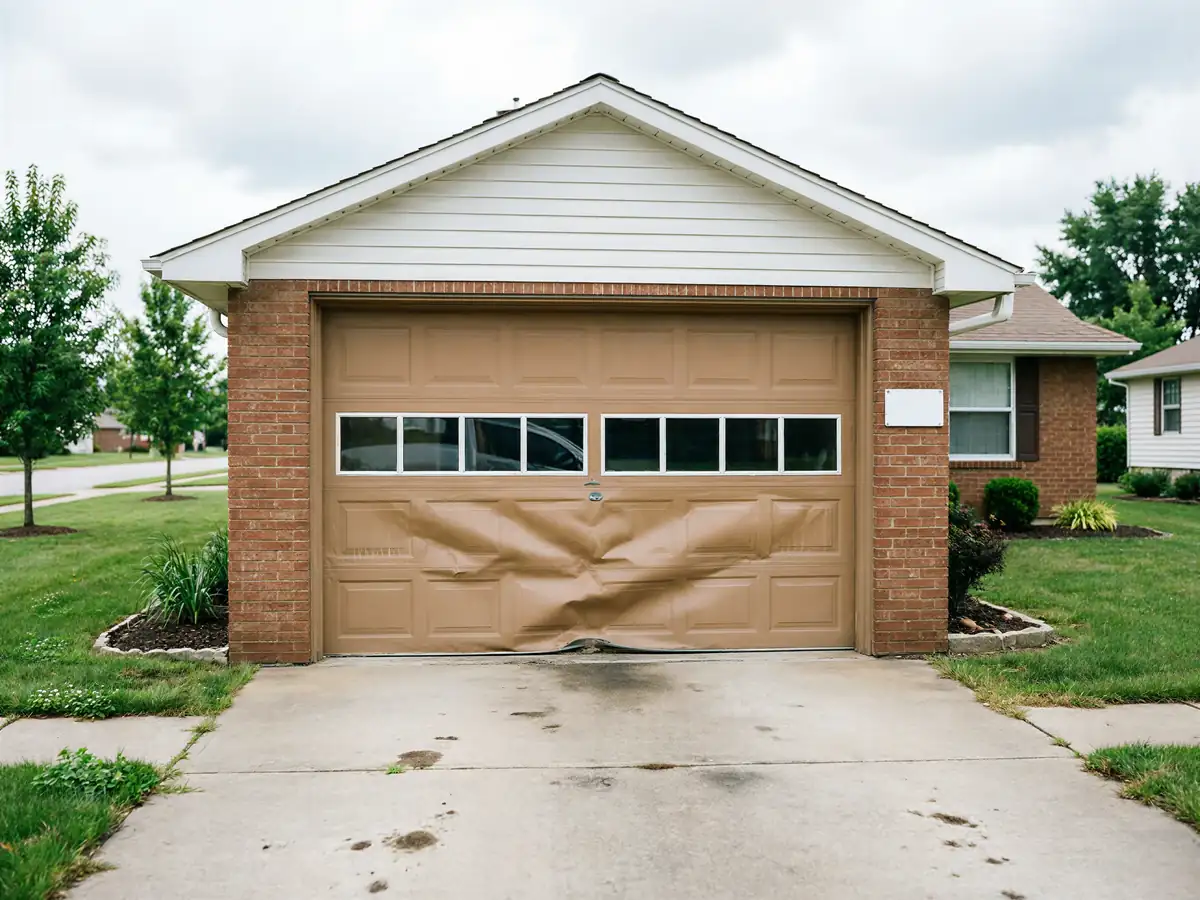
Most calls we get for panel work in Freeland start the same way: a visible dent or crack on one section, usually the bottom or second-from-bottom panel, with the door still operating but louder than it used to be. Sometimes there's a gap at the seam you can see daylight through, which on a door built in the mid-90s usually means the panel has warped slightly from decades of thermal cycling rather than from one single impact. If the door is binding on the track when it opens, that's usually not the panel itself - it's the stile pulling out of true, which can happen once a panel has been cracked for a while and flexes more than it should.
What the Repair Takes
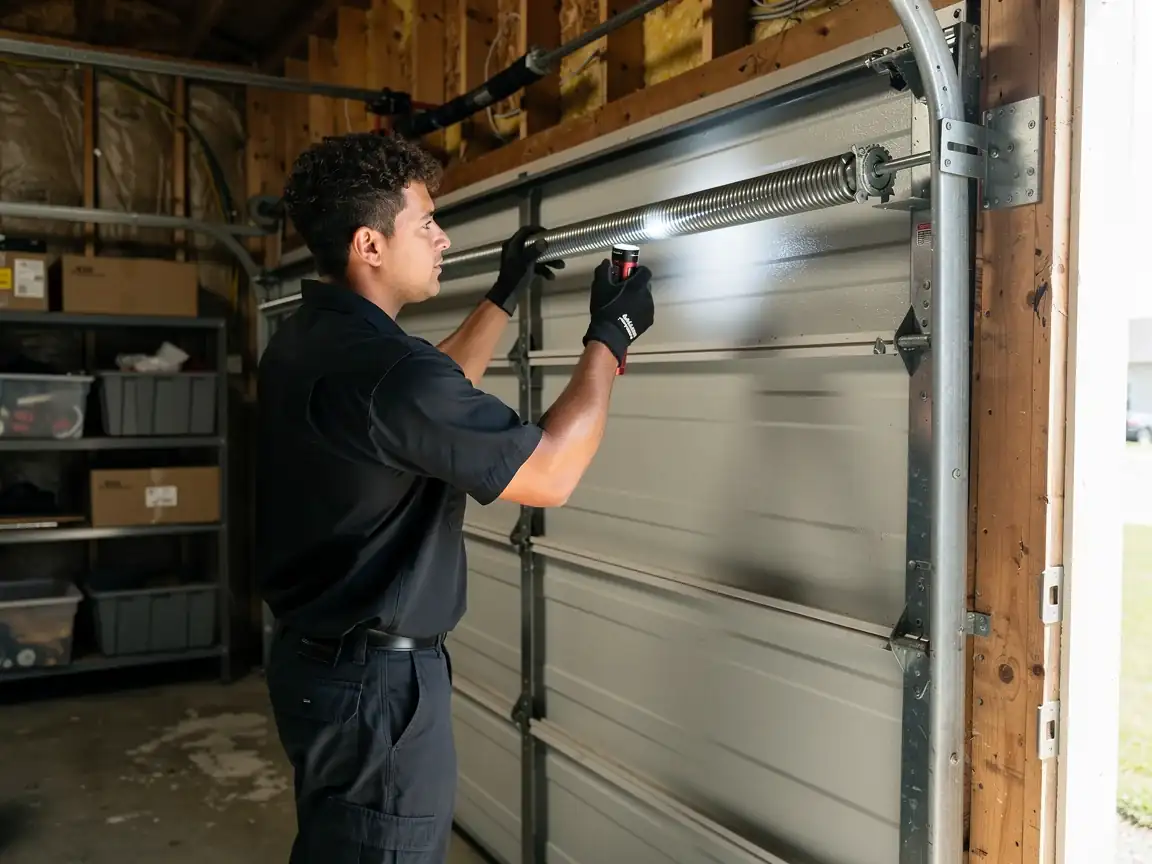
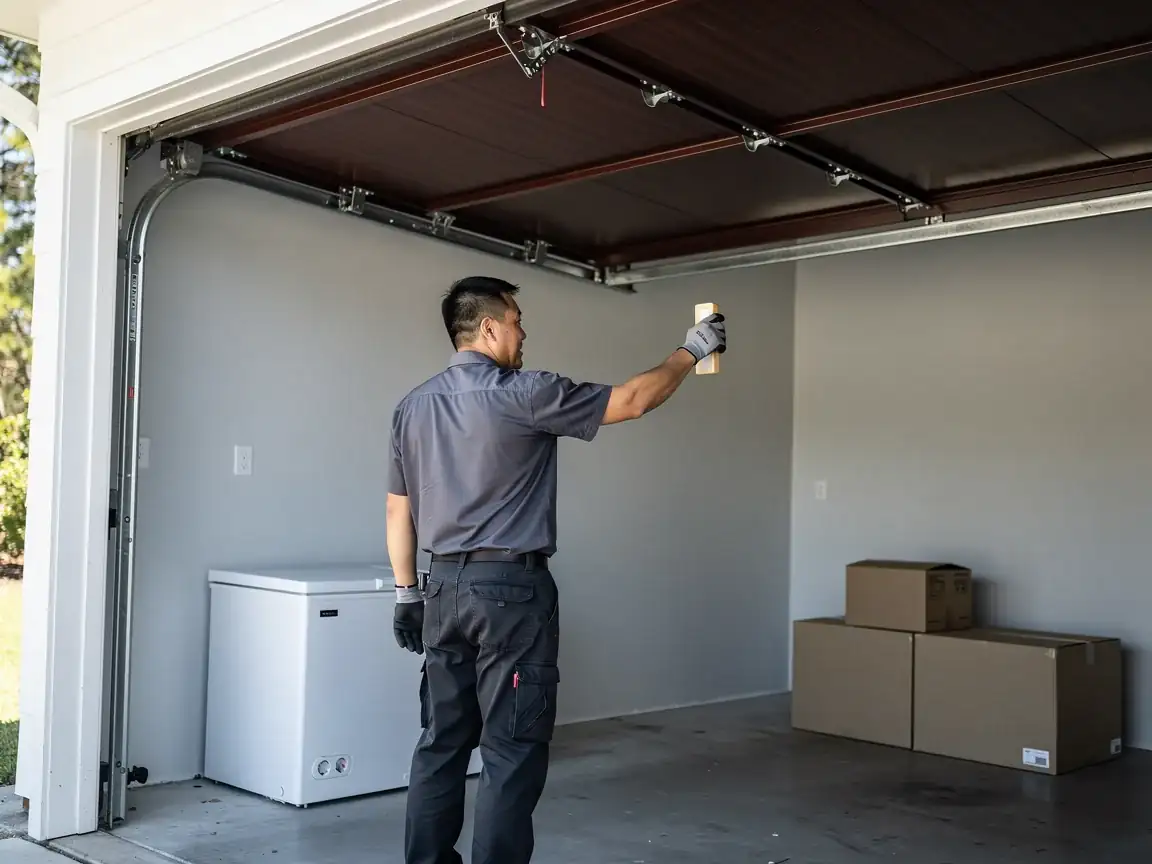
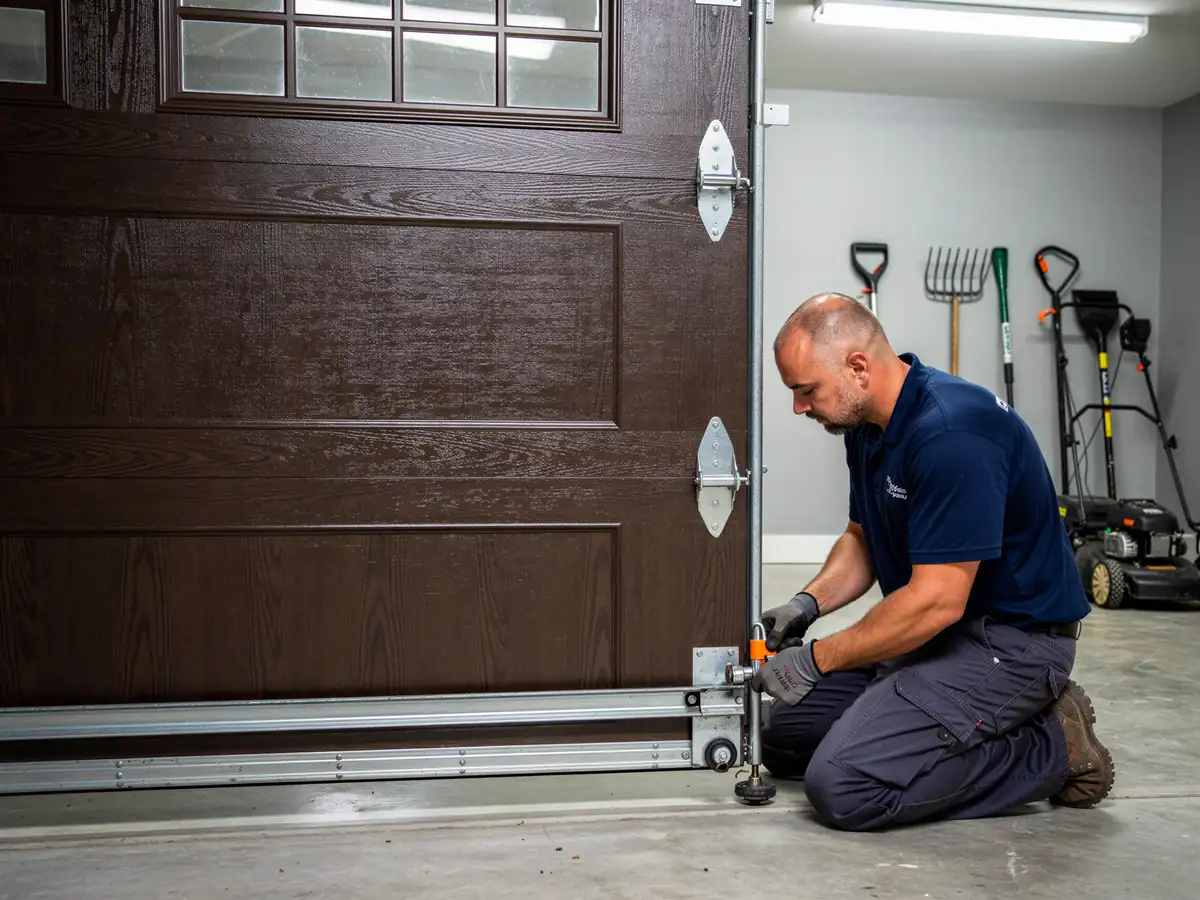
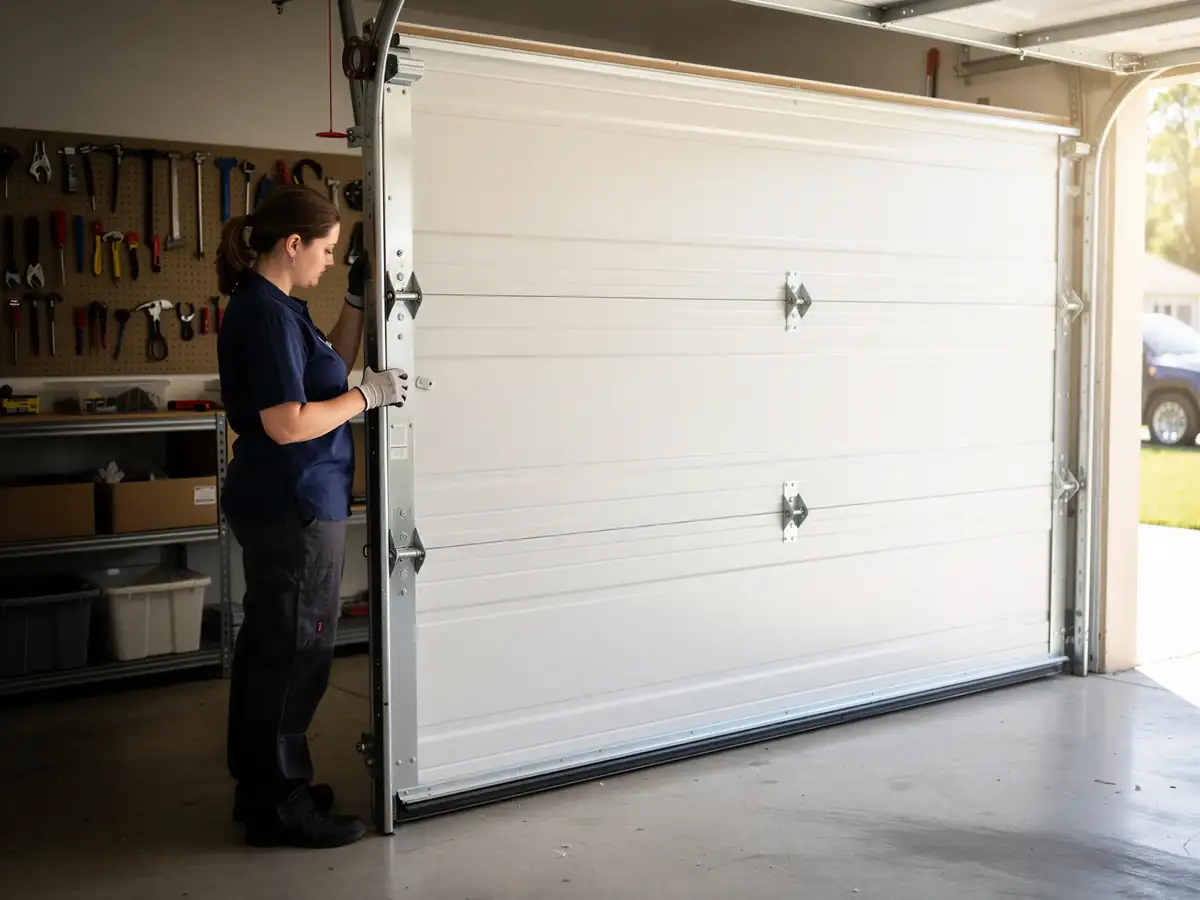
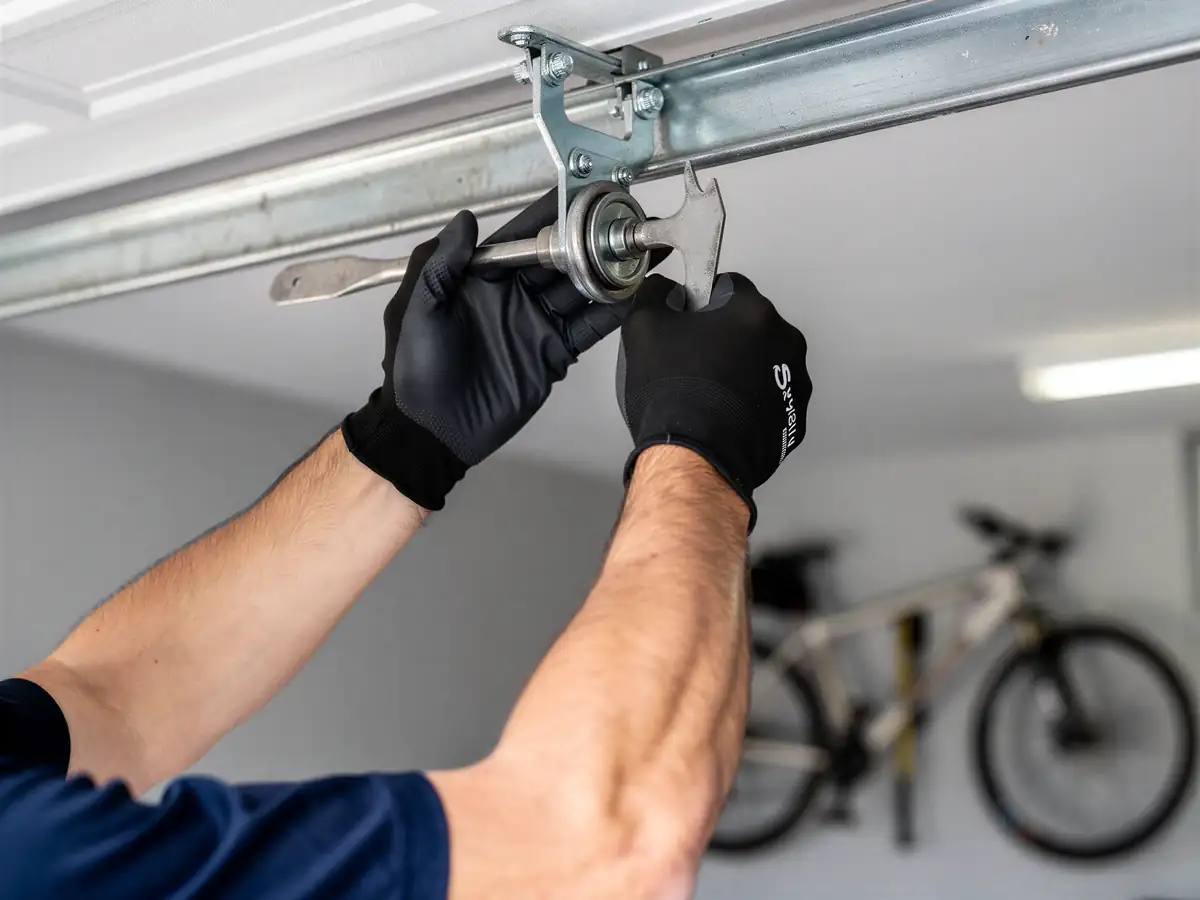
A single panel swap on a door this age, once we've confirmed the match or ordered the section, is usually a straightforward on-site job - unbolt the damaged panel, swap it, reset the hinges and rollers, check the balance. Where it gets longer is sourcing: if your door is an orphaned builder model with no current match, full replacement often ends up cheaper and faster than hunting for a part that may not exist anymore. We'll always quote both ways so you can see the real numbers side by side before deciding.