What It Costs
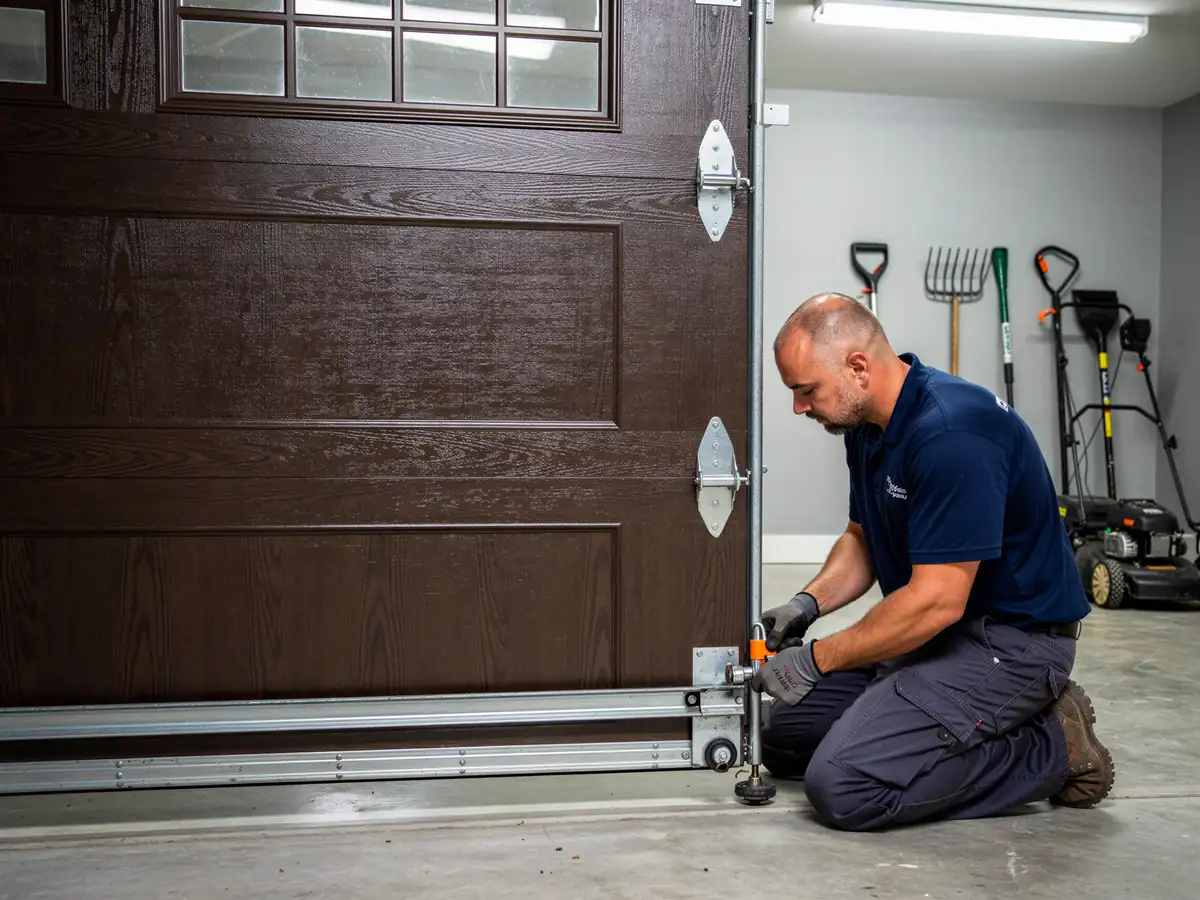
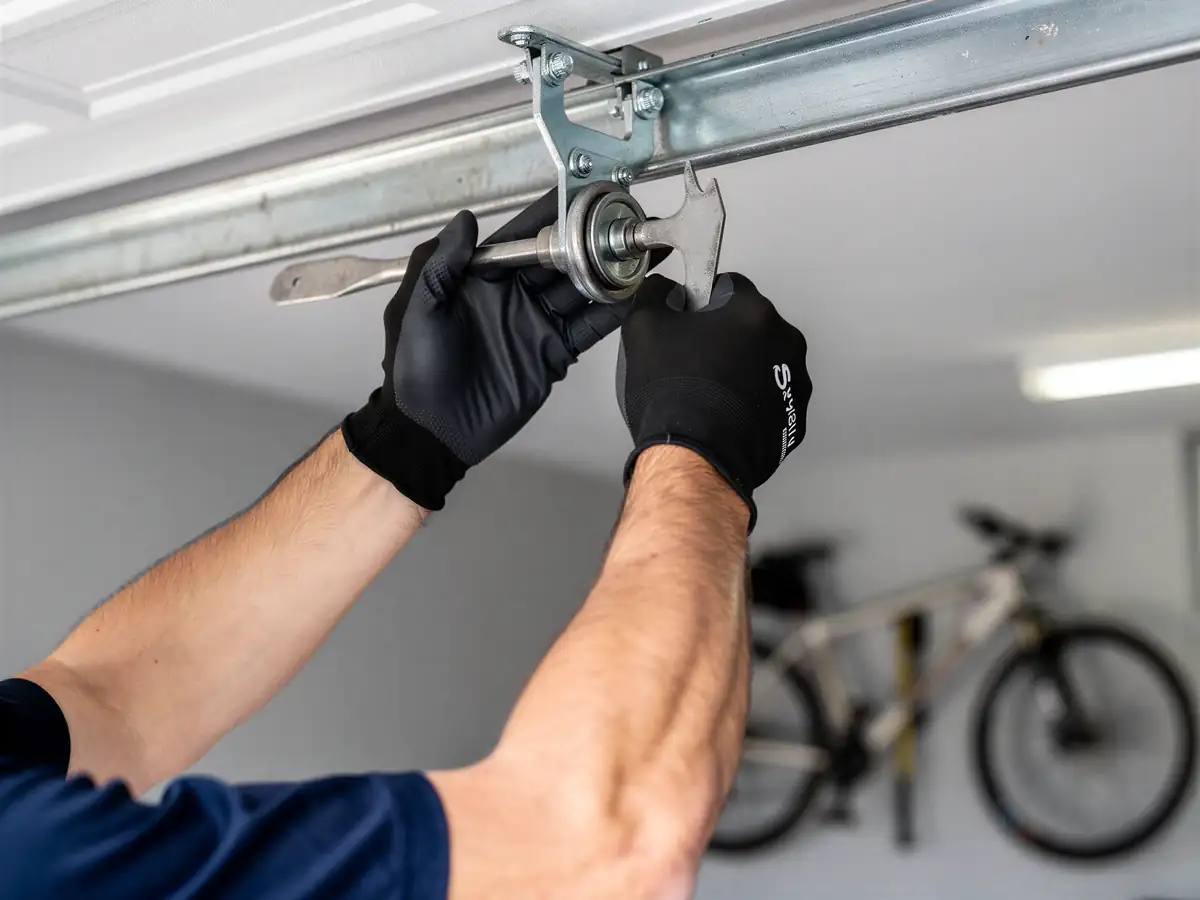
We don't post a flat number here because what you're dealing with on a 1966-built door varies a lot - a single broken extension spring is a different job from a seized torsion system that's locked the door in the closed position. What we can tell you is that Bridgeport's median household income runs lower than the wider Bay City service area, and we price the same regardless of which town we're driving to. The cost driver is almost always the number of parts involved, not the trip. If it's one cable, that's one job. If the spring took the cable, a roller, and stripped the drum with it, that's a bigger ticket. We'll tell you which one you've got before we start, not after.
Getting It Booked In
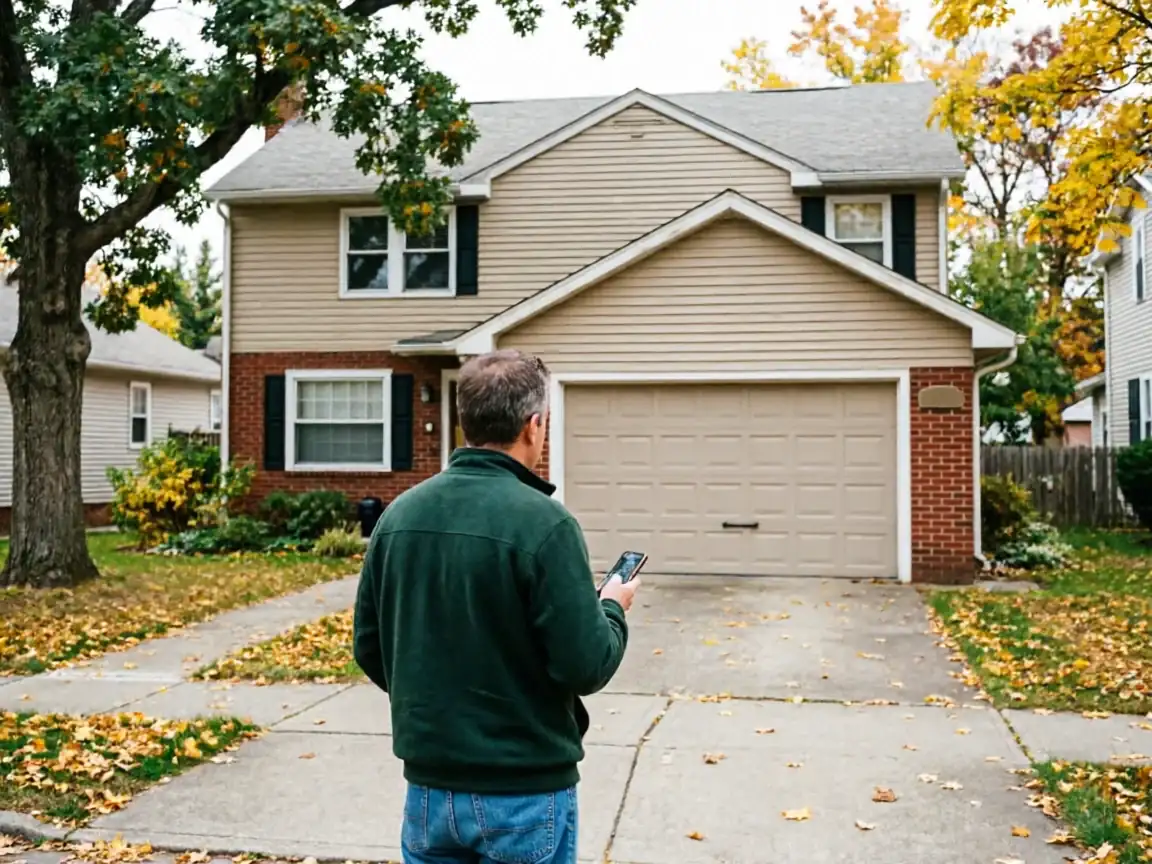
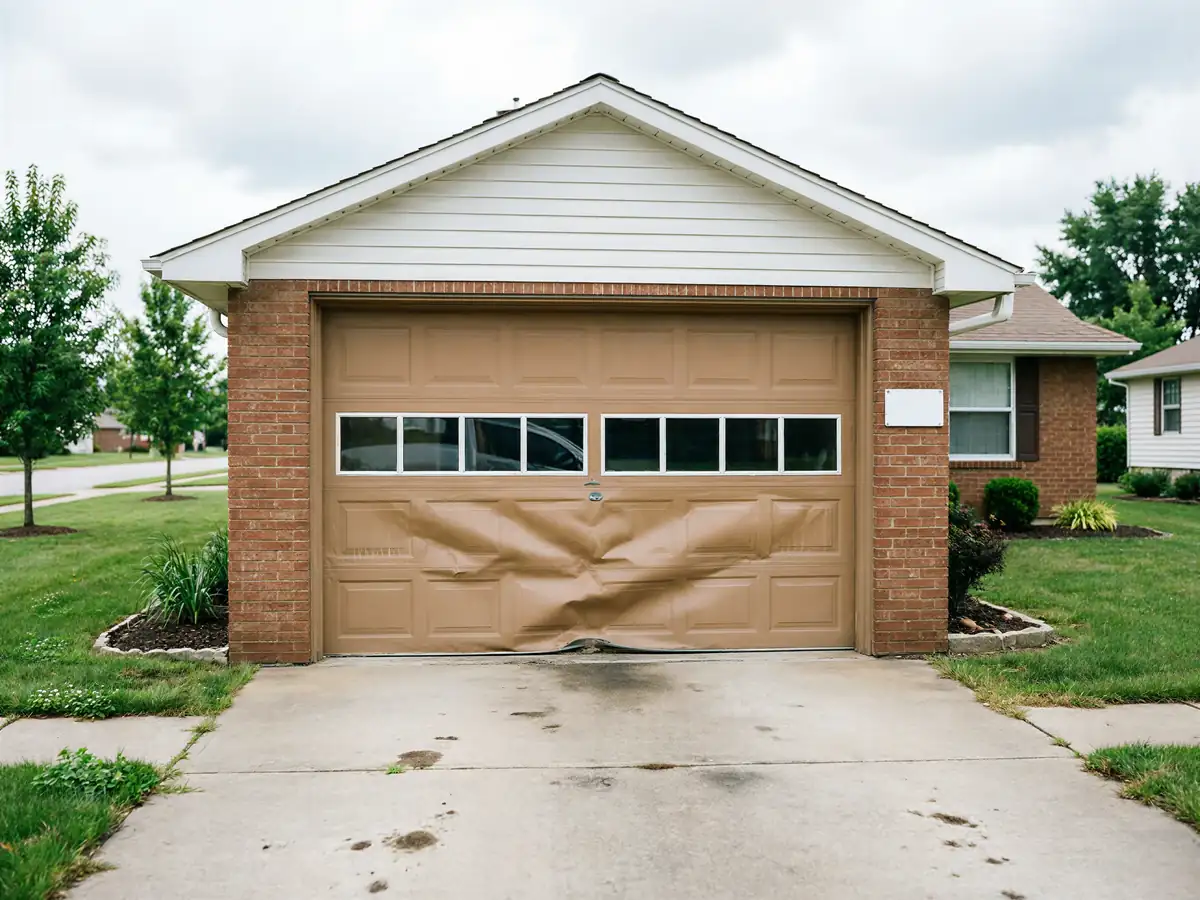
We come out from Bay City, about 15 miles to Bridgeport, so when you call, tell us straight away if the door is stuck open (security risk) or stuck closed (you can't get the car out) - it changes what we load on the truck before we leave. Give us the age of the house if you know it, or just say "older place, never been worked on," and we'll come prepared for original hardware rather than a modern retrofit. We don't keep a branch in Bridgeport itself, so every call routes through Bay City first.
Doing It Yourself
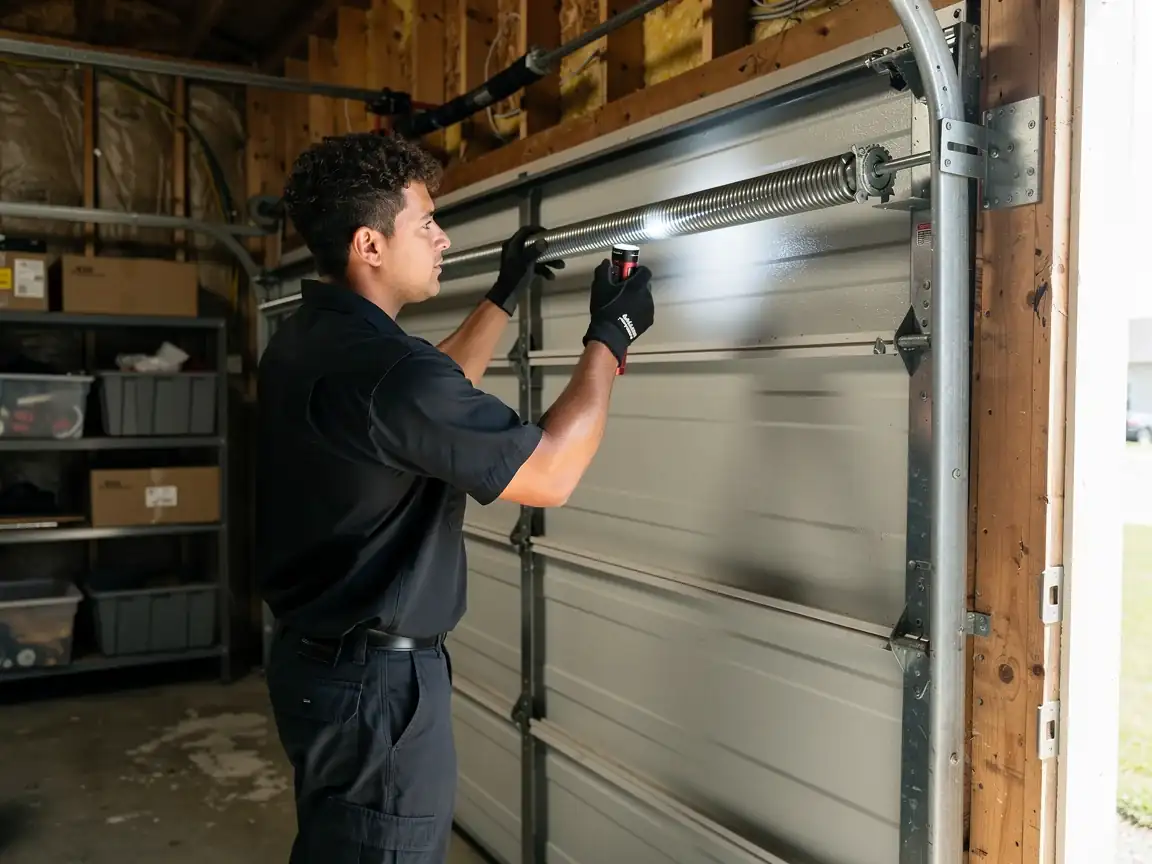
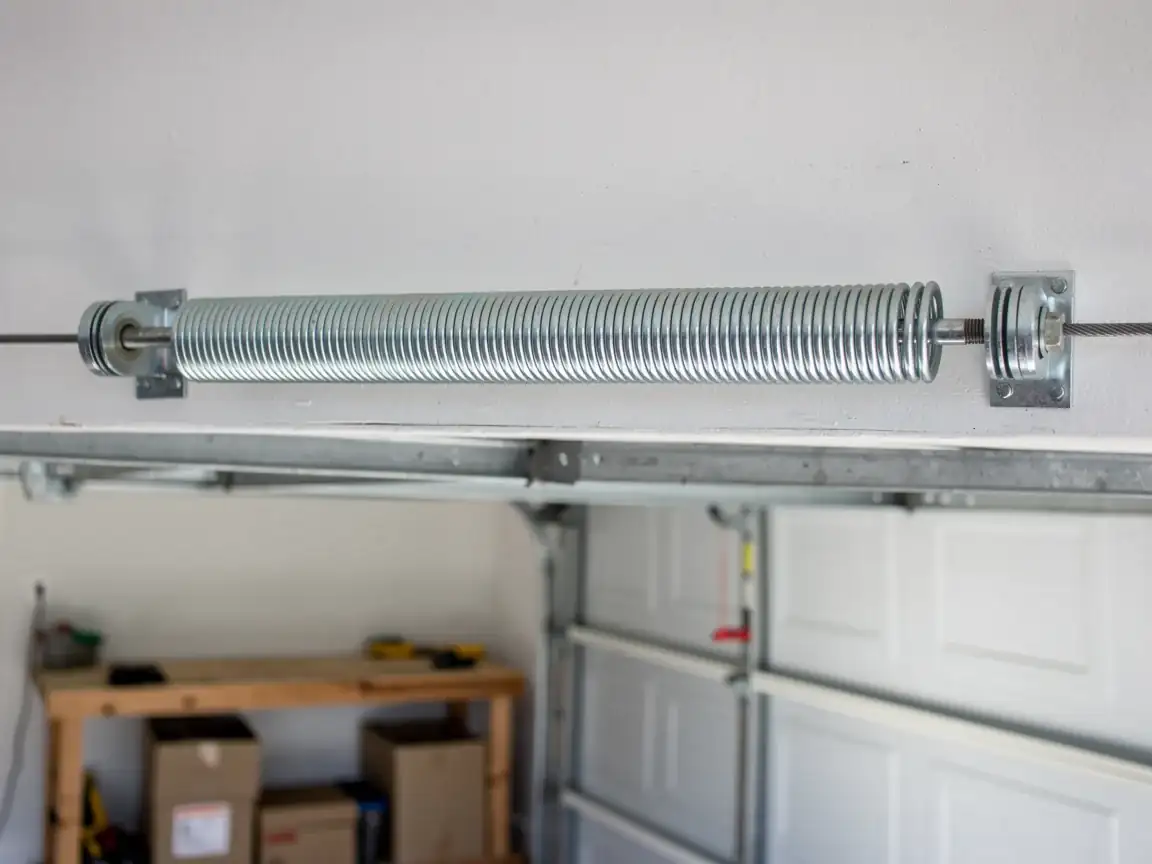
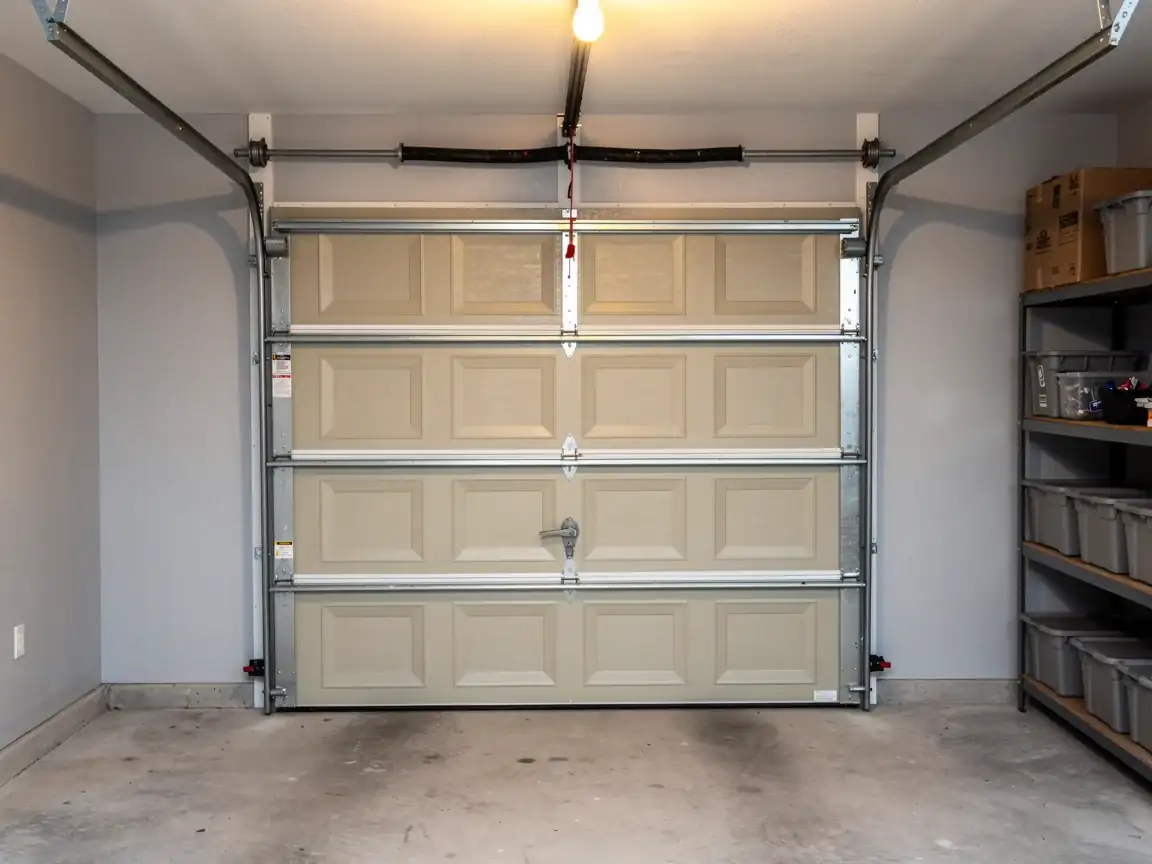
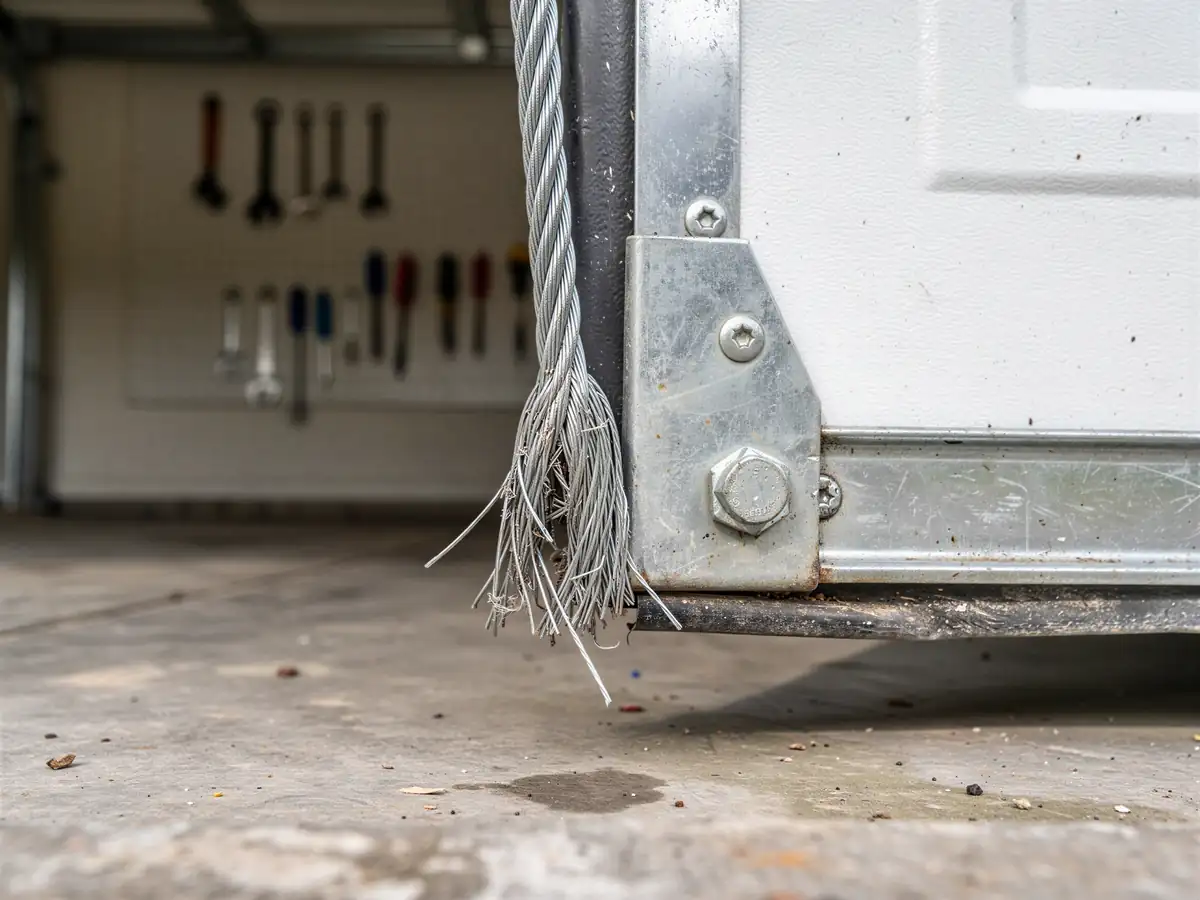
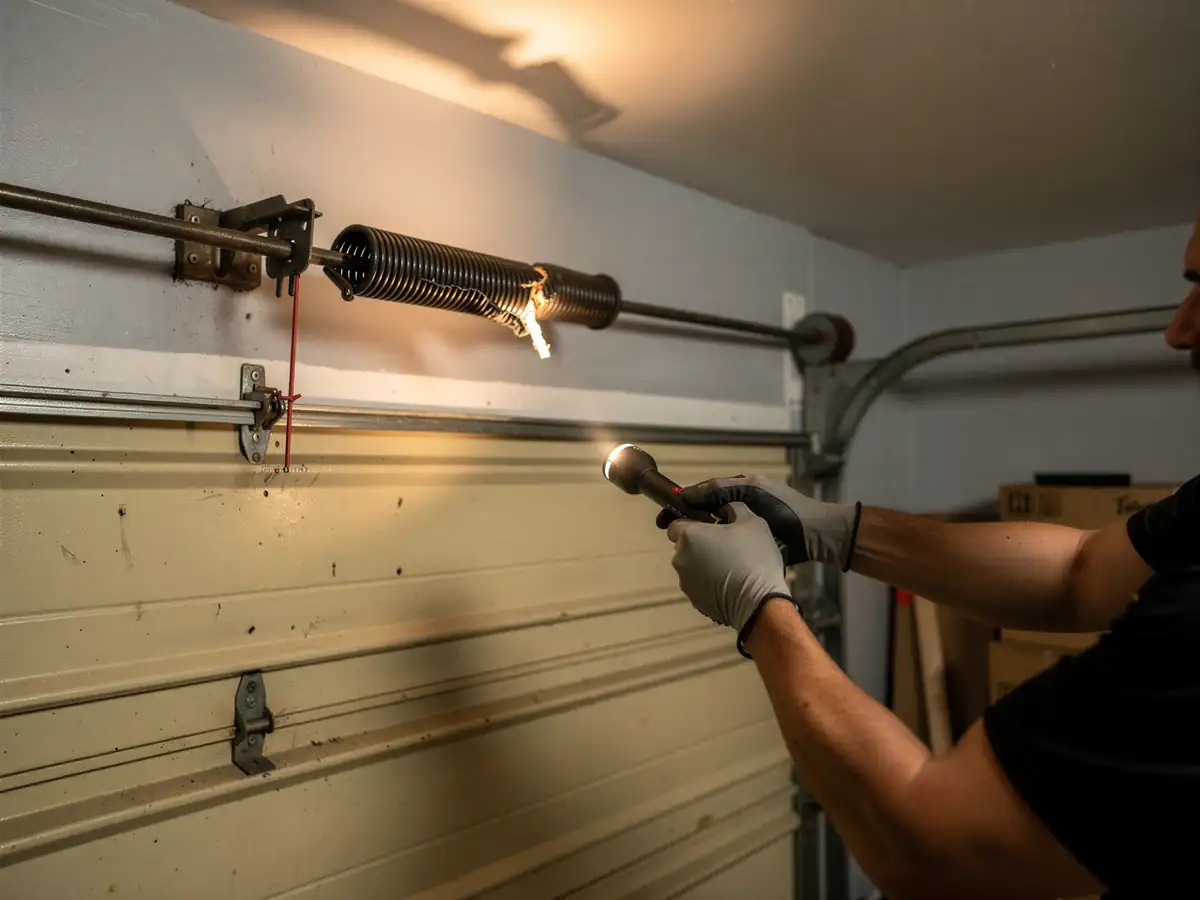
If your opener just clicks and doesn't move the door, check the obvious first: is the safety sensor at the bottom of the track clean and aligned, and is anything blocking its light beam. That fixes more stuck doors than people expect. What you should not touch yourself is a torsion spring under tension - on a door this old, the spring has likely never been replaced and may be weaker or rustier than it looks, and a spring that lets go under load can break fingers or worse. Cables under tension are the same story. If the door is stuck shut and you can see a snapped spring or a cable off the drum, leave it and call rather than forcing the opener to muscle through it, which usually burns out the motor.
What Causes It Around Here
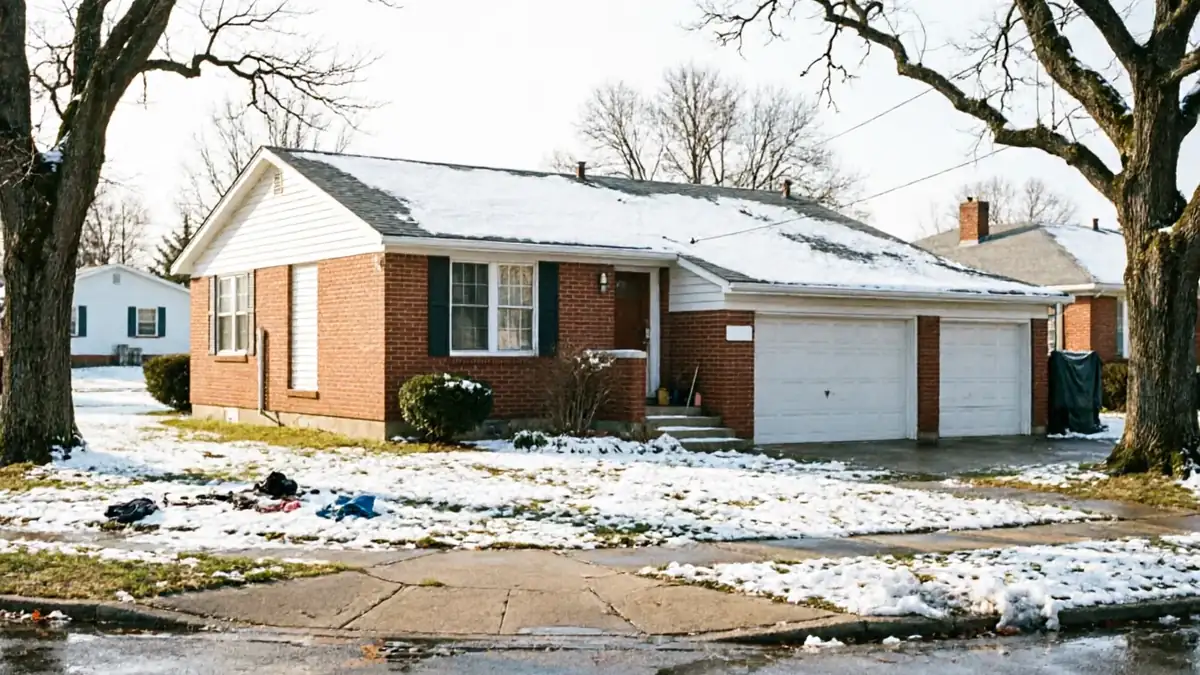
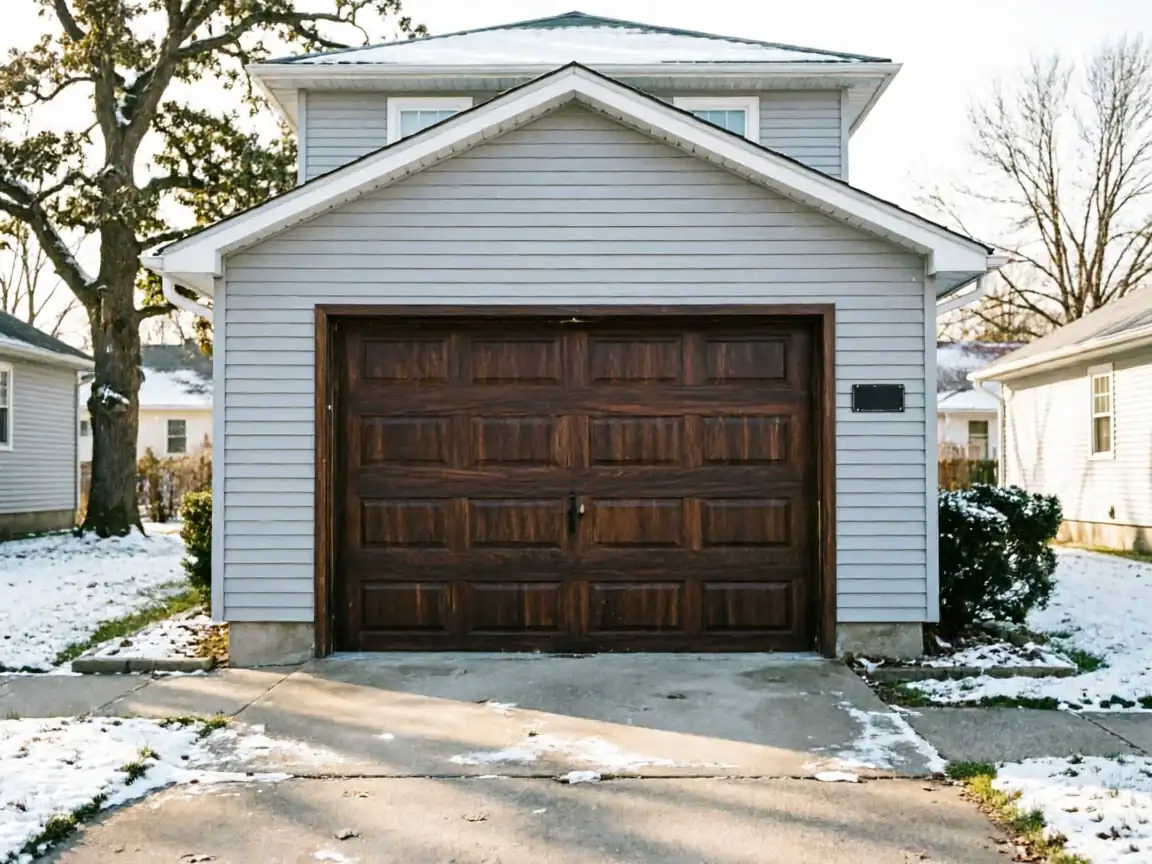
This area sits in a cold climate zone with real winter severity, and that matters more on original hardware than on anything newer. Cold makes steel springs more brittle right as ice and snow add extra weight to the door itself - that combination is what snaps a spring that's already decades past due. Garages here also see more condensation and rust on tracks and hinges than a newer, better-sealed structure would, simply because the materials and weatherstripping standards from 1966 don't match what goes into a door built today. We see the failures cluster the same way every winter: springs first, then cables that were already fraying where they ride the drum, then openers straining to lift a door that's gotten heavier with moisture and age.