What It Costs
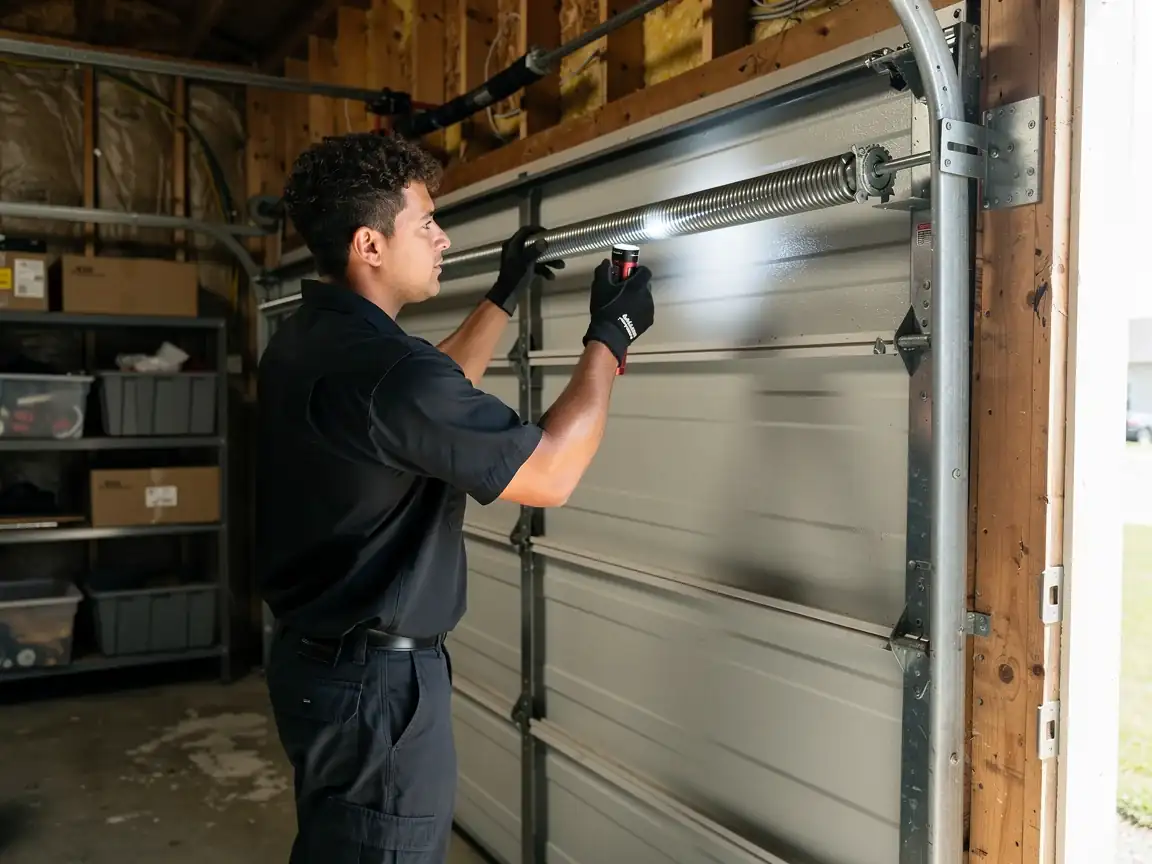
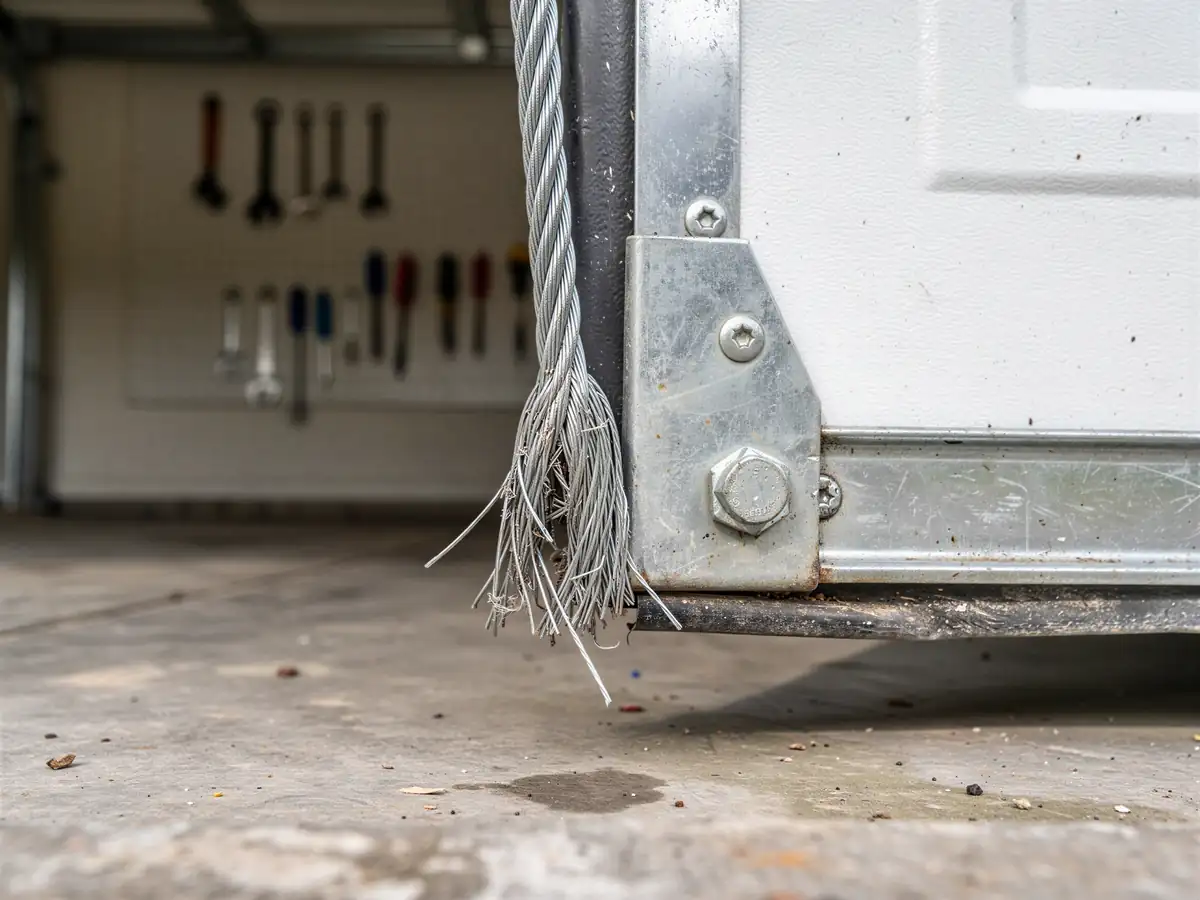
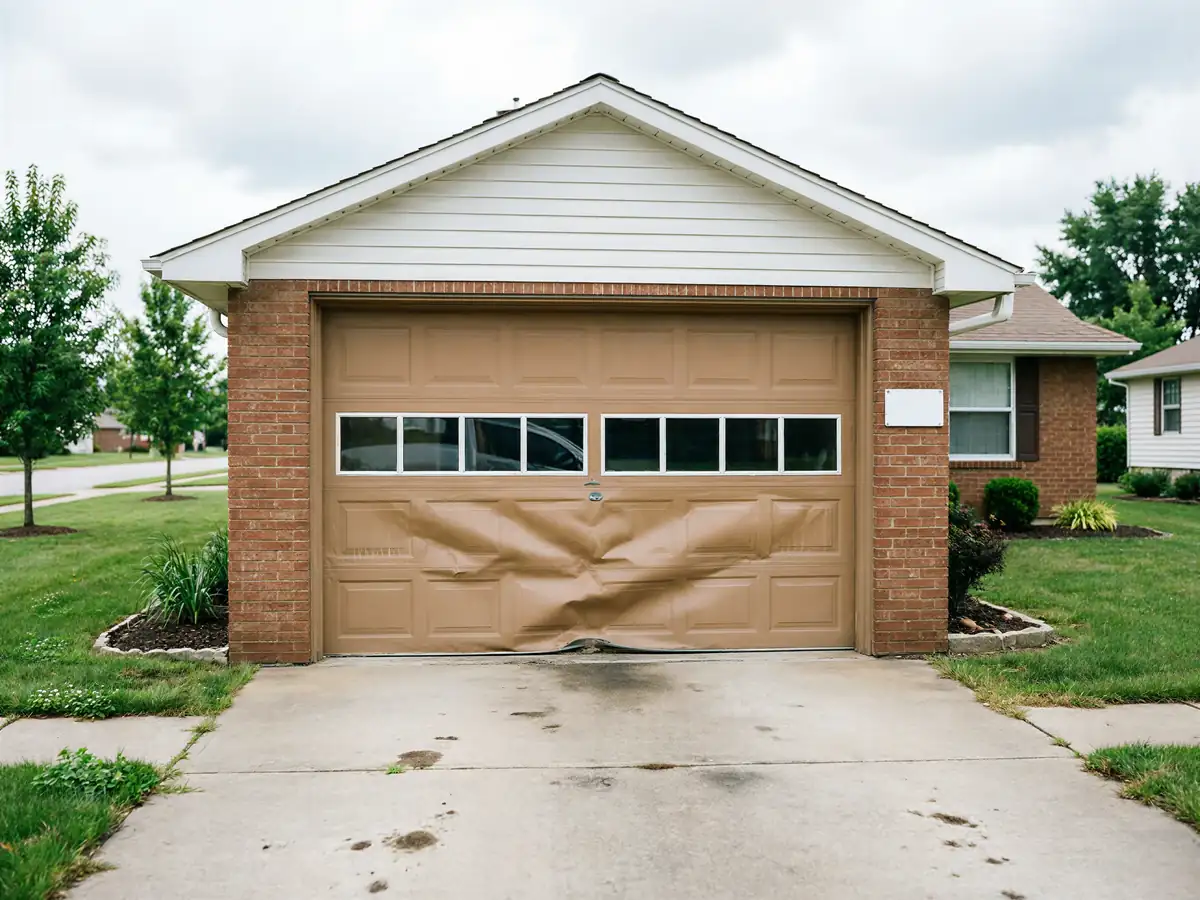
Bridgeport's median household income sits at $47,325, noticeably below the $72,558 median across the rest of Bay City Garage Door Pros' service area. That gap matters here because it shapes how we talk about maintenance versus replacement - we're not going to push a full door swap on a routine tune-up call when the door still has life in the original hardware. A standard maintenance visit covers spring tension, track alignment, roller and hinge wear, cable condition, and opener safety checks. If something needs parts beyond that scope - a cracked drum, a bent track section, a opener gear kit - we price that separately and tell you before we order anything. We don't publish a flat number here because the spread between a quick adjustment and a parts-heavy fix on a door this old is wide, and quoting one figure for both would be dishonest. What we can tell you is that catching spring wear or track misalignment on a maintenance visit is almost always cheaper than waiting for a snapped cable or a jumped track to force an emergency call.
Getting It Booked In
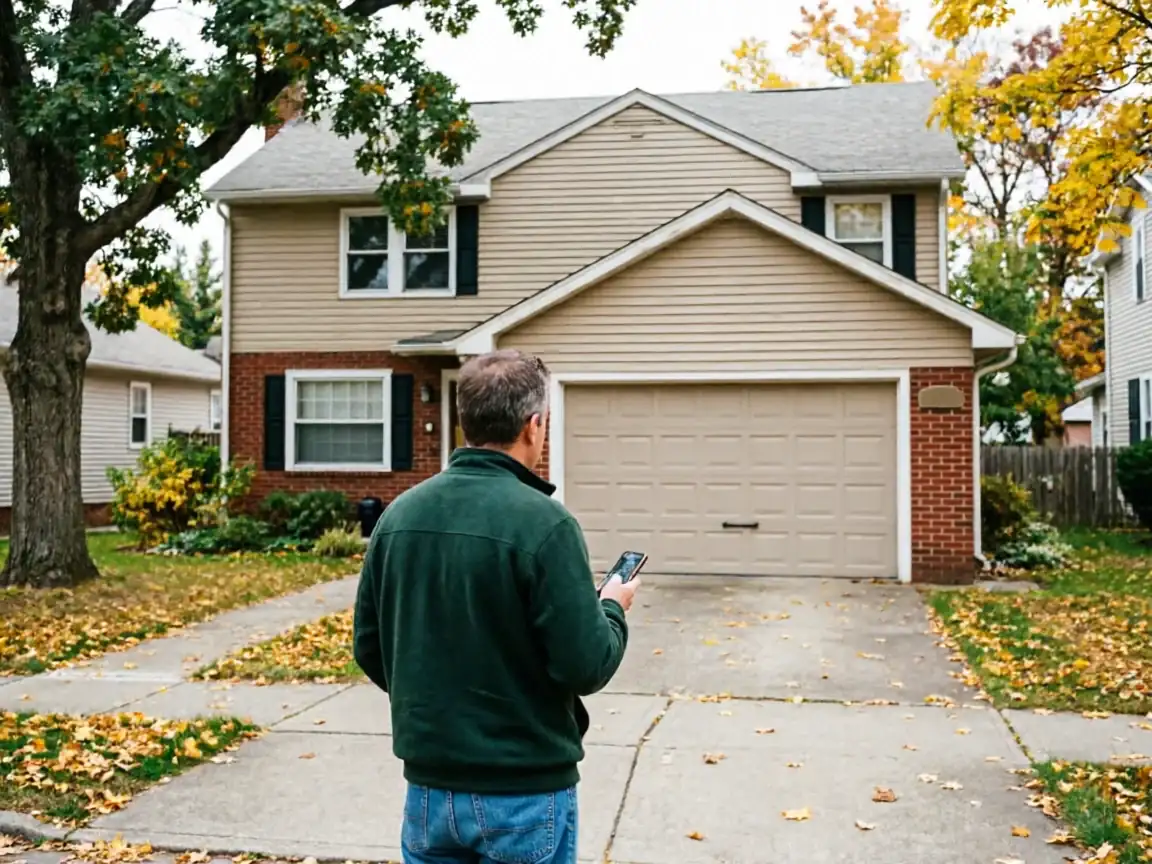
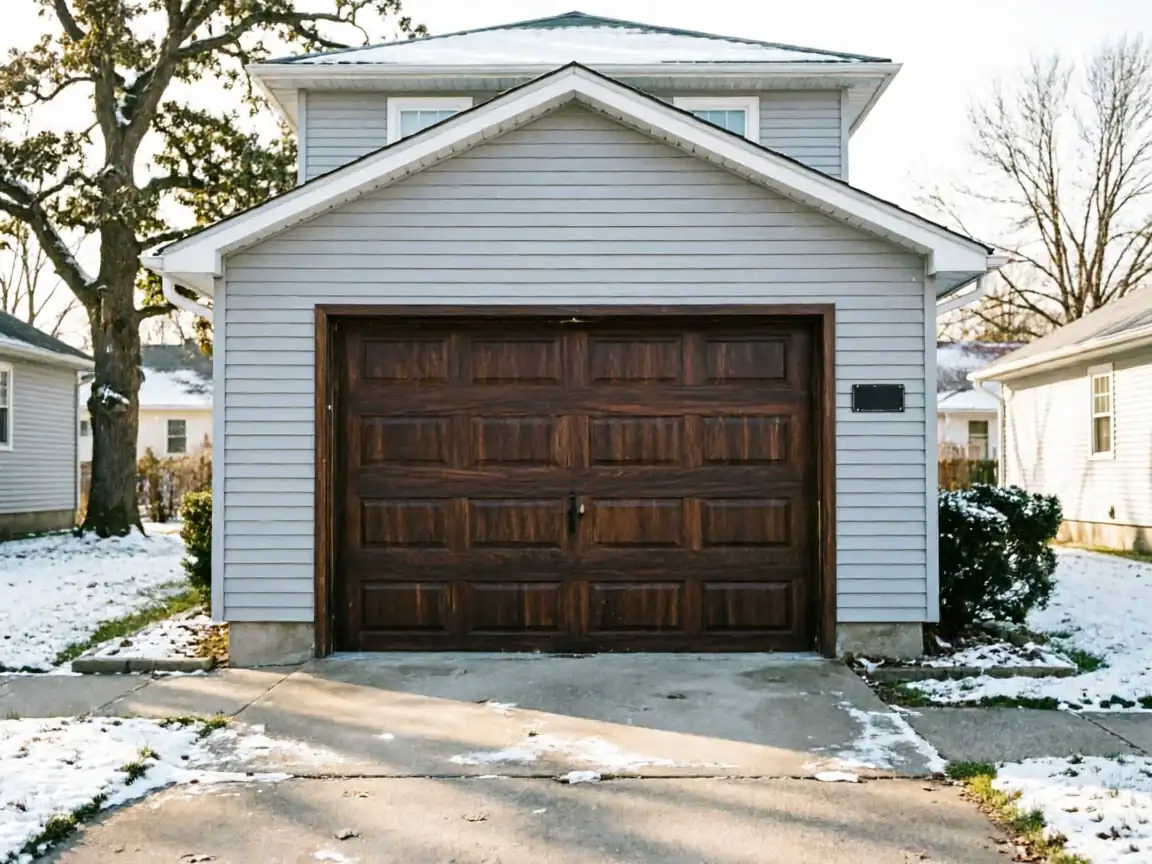
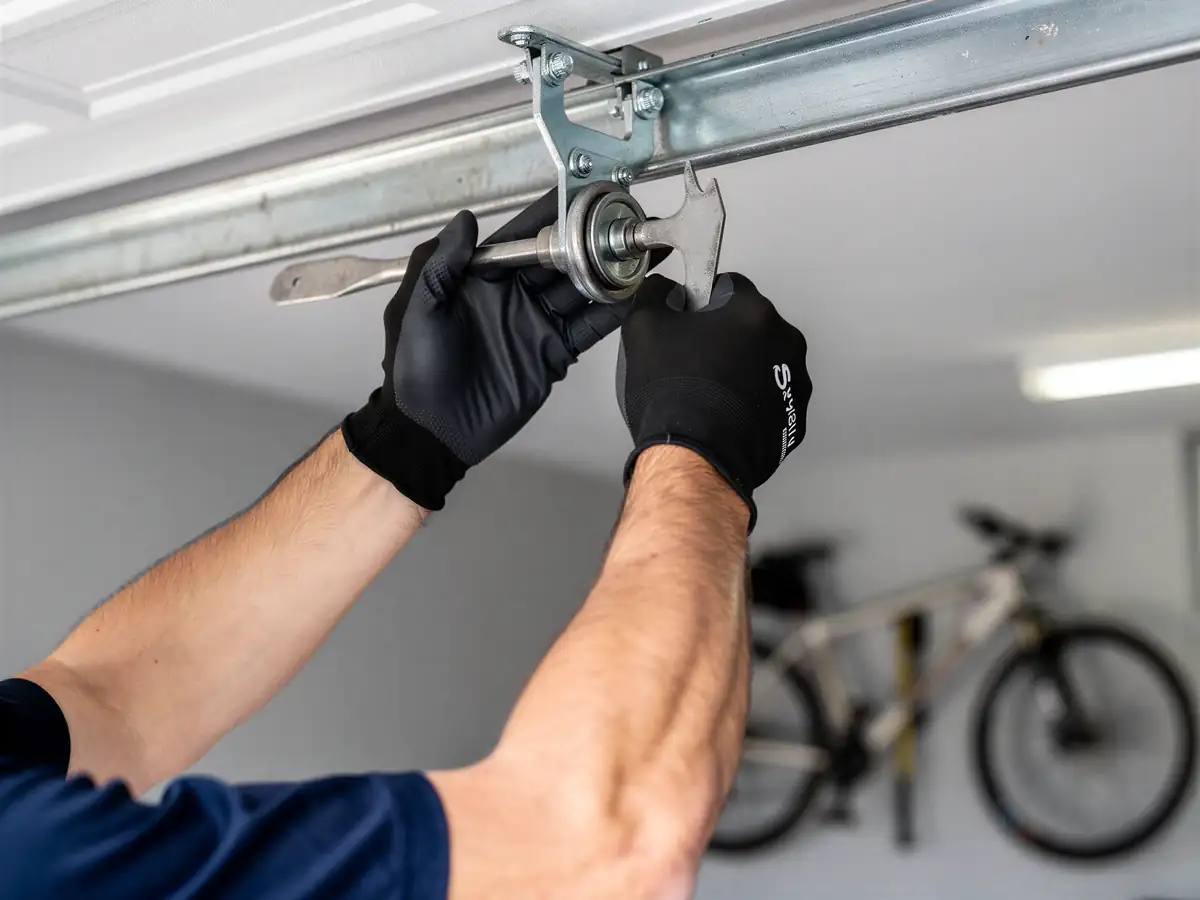
We run out of Bay City, about 15 miles from Bridgeport, so maintenance visits here get scheduled on the route rather than dispatched same-hour. That's worth knowing up front - this isn't a same-day emergency service, it's a planned visit, and it works best when you book it rather than wait for the door to fail in January. Tell us the door's approximate age when you call; if it matches the 1966-era build common on this side of town, we bring the right drum and bearing stock for that door width rather than showing up to discover we need a second trip. We also ask whether the opener has been swapped since the house was built, since a lot of these doors are running original hardware but a replacement opener from the 1990s or 2000s - two different maintenance checklists depending on which it is. Booking ahead also means we can bundle the visit with a nearby stop on the same route day, which keeps the trip efficient on both ends.
Doing It Yourself
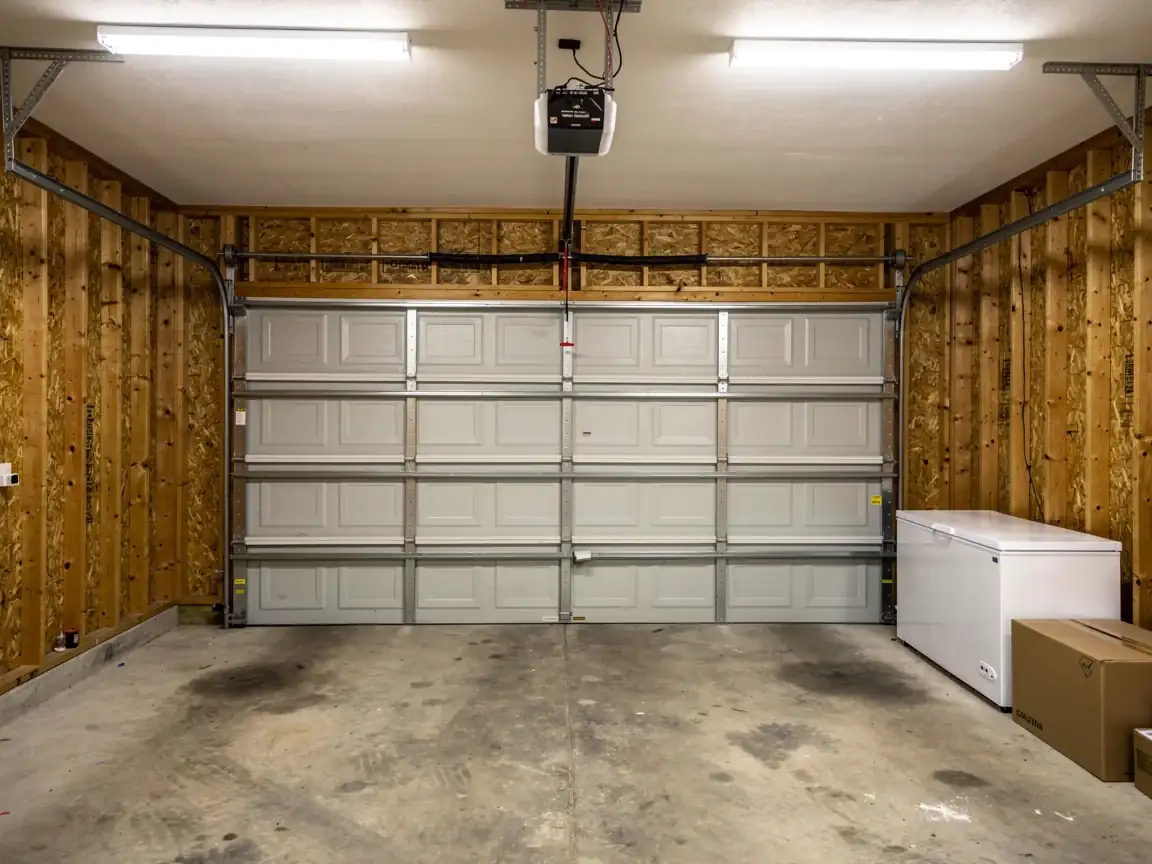
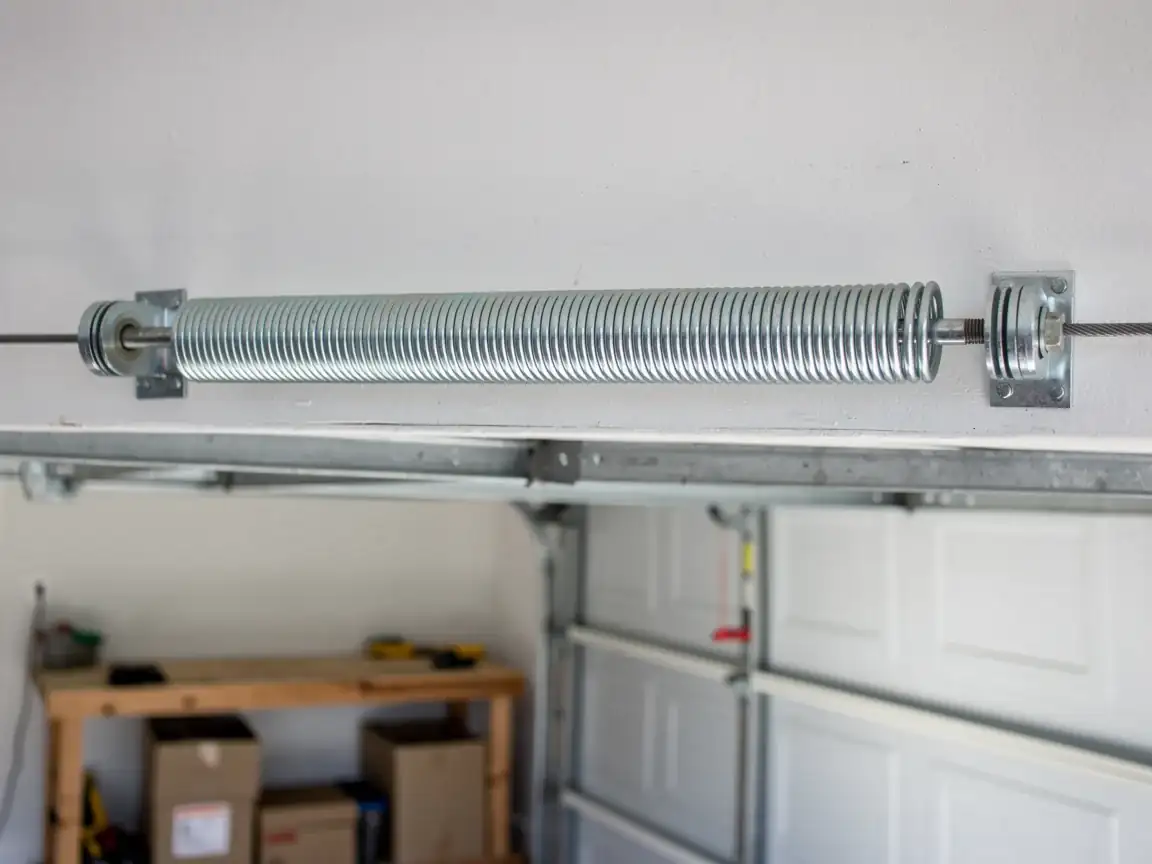
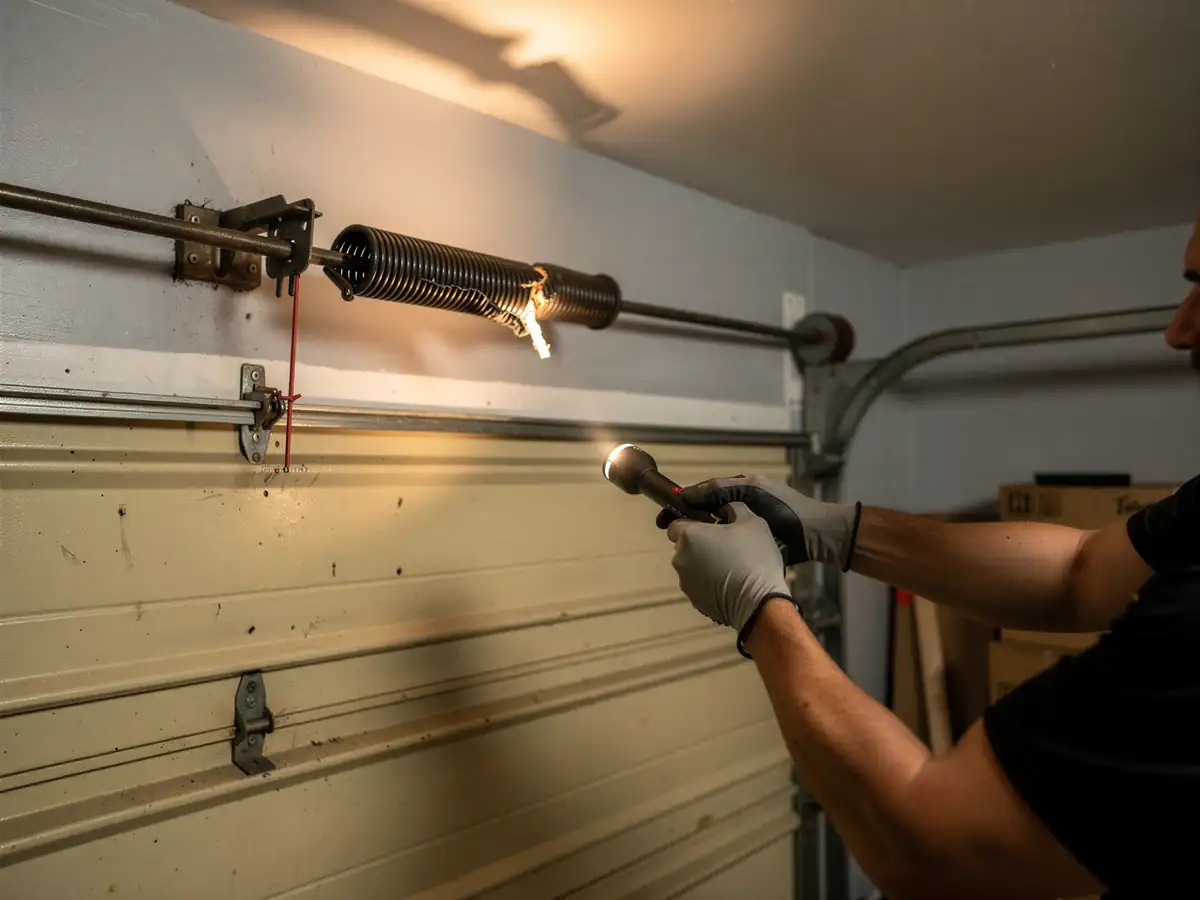
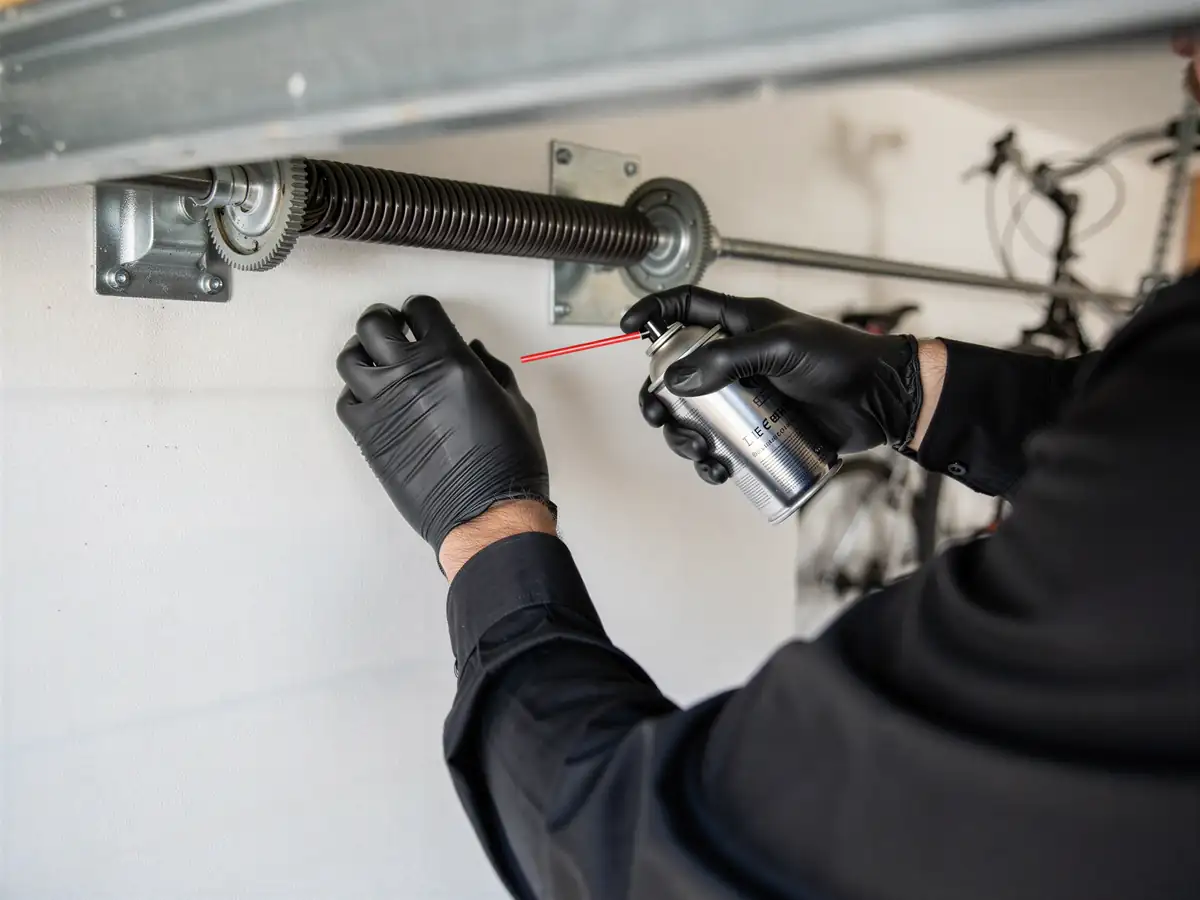
There's a fair amount you can check yourself before calling anyone. Look at the bottom seal for cracking or gaps - on a door built around 1966, the original rubber has likely been replaced at least once, and if it's flattened or torn, that's a cheap fix you can do without a torsion spring anywhere near the job. Lubricate the rollers and hinges with a garage-door-specific lubricant, not household oil, which attracts grit and gums up faster. Check that the photo-eye sensors (if the opener has been upgraded since the original build) are aligned and unobstructed. What you should not touch is the torsion spring itself - on a door this old, the spring is under high tension and the drums and bearing plates may already be worn past safe adjustment. That's not a DIY repair on any door, and it's a worse idea on hardware that's been cycling since the 1960s with no record of when it was last serviced.
What Causes It Around Here
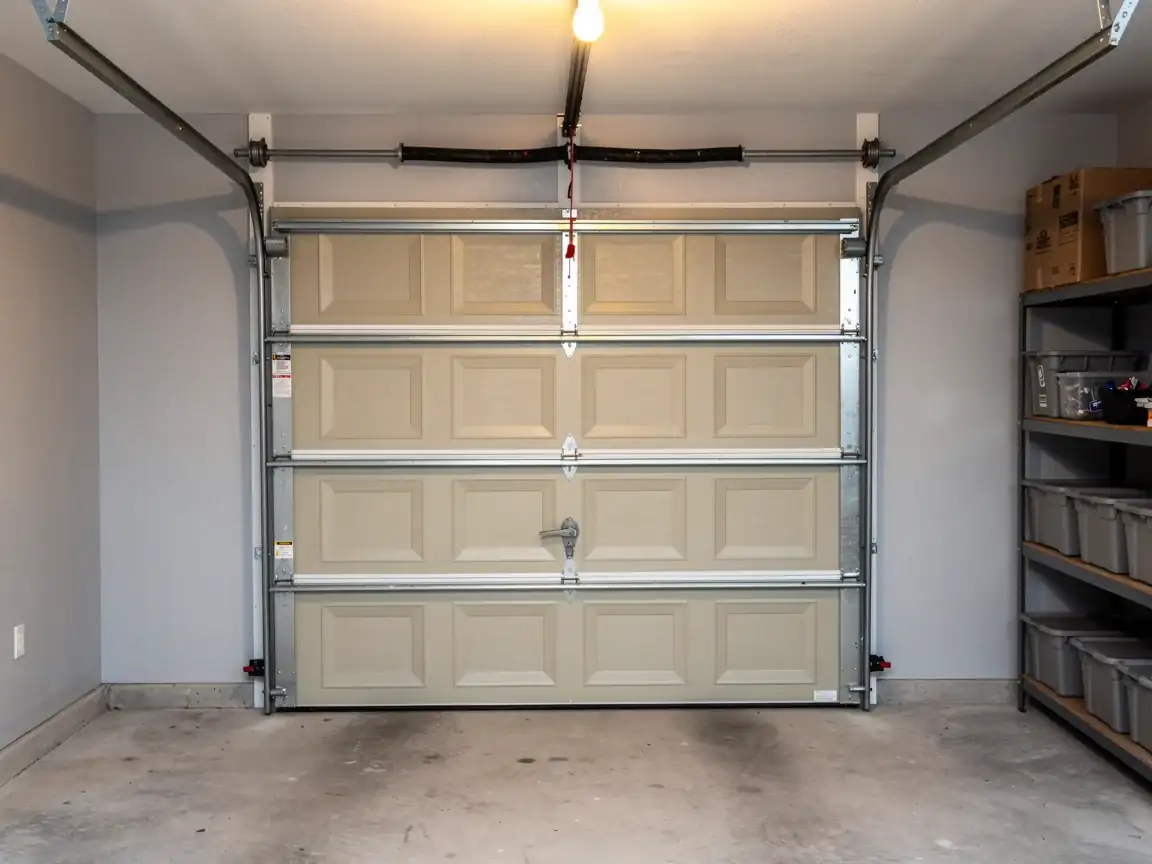
The cold band this region sits in - sustained freeze cycles, not just the occasional cold snap - is hard on a door this age in specific ways. Steel contracts in deep cold, and on an original track from the 1960s or 70s, that contraction shows up as play at the brackets that wasn't there when the door was installed. Moisture that gets under a worn seal freezes overnight and can pin the bottom panel to the slab, which is a common call-out here every winter once temperatures drop and stay down. Springs lose tension faster under repeated cold-to-warm cycling than they would in a milder climate, so a spring rated for a certain number of cycles at installation often falls short of that number here. None of this is unique to one house - it's a function of a 1966-era door built before current cold-climate sealing standards, run through decades of a severe winter pattern. Maintenance timed for early fall, before the hard freezes set in, catches most of it before it becomes an emergency call.