What the Repair Takes
Bridgeport's median household income sits at $47,325
Which is well under the $72,558 median across the wider service area. That number matters more than people think, because it sets where the repair-or-replace line actually falls. A $300 spring job makes sense almost anywhere. A $1,400 full door-and-opener replacement is a harder call on a Bridgeport budget than it is three miles over in Essexville, and we say that up front rather than push a bigger job than the house needs.
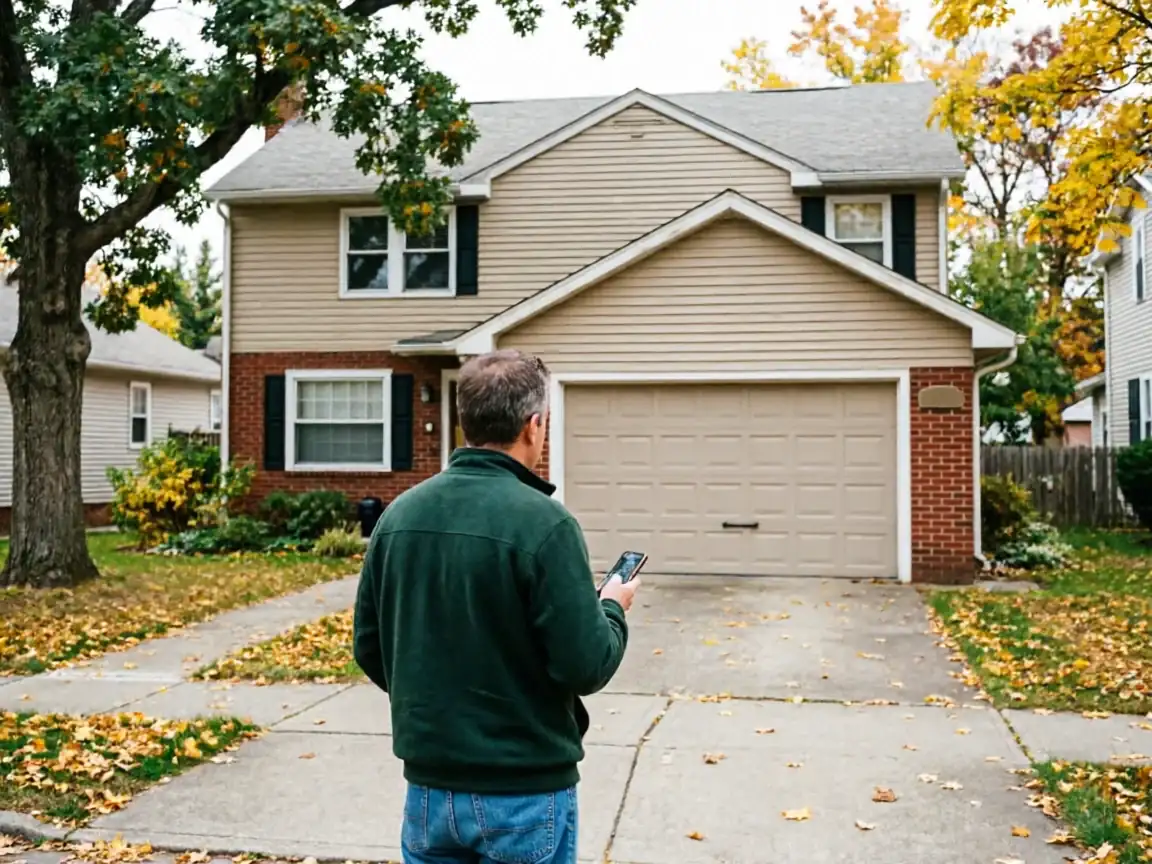
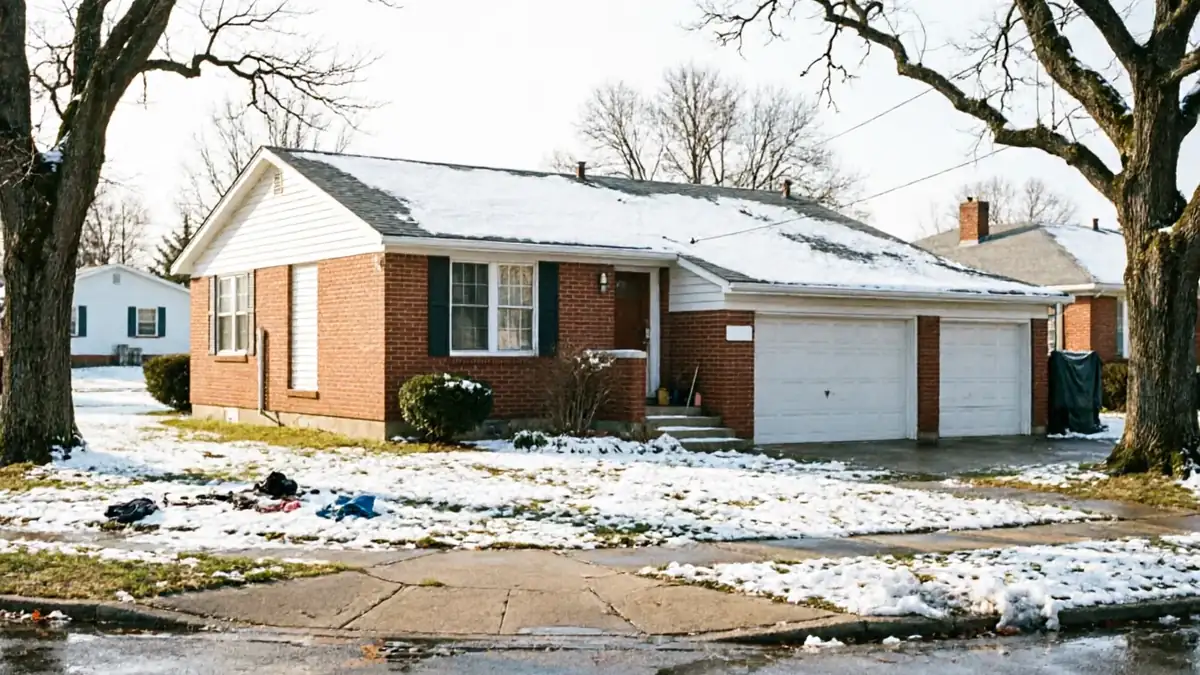
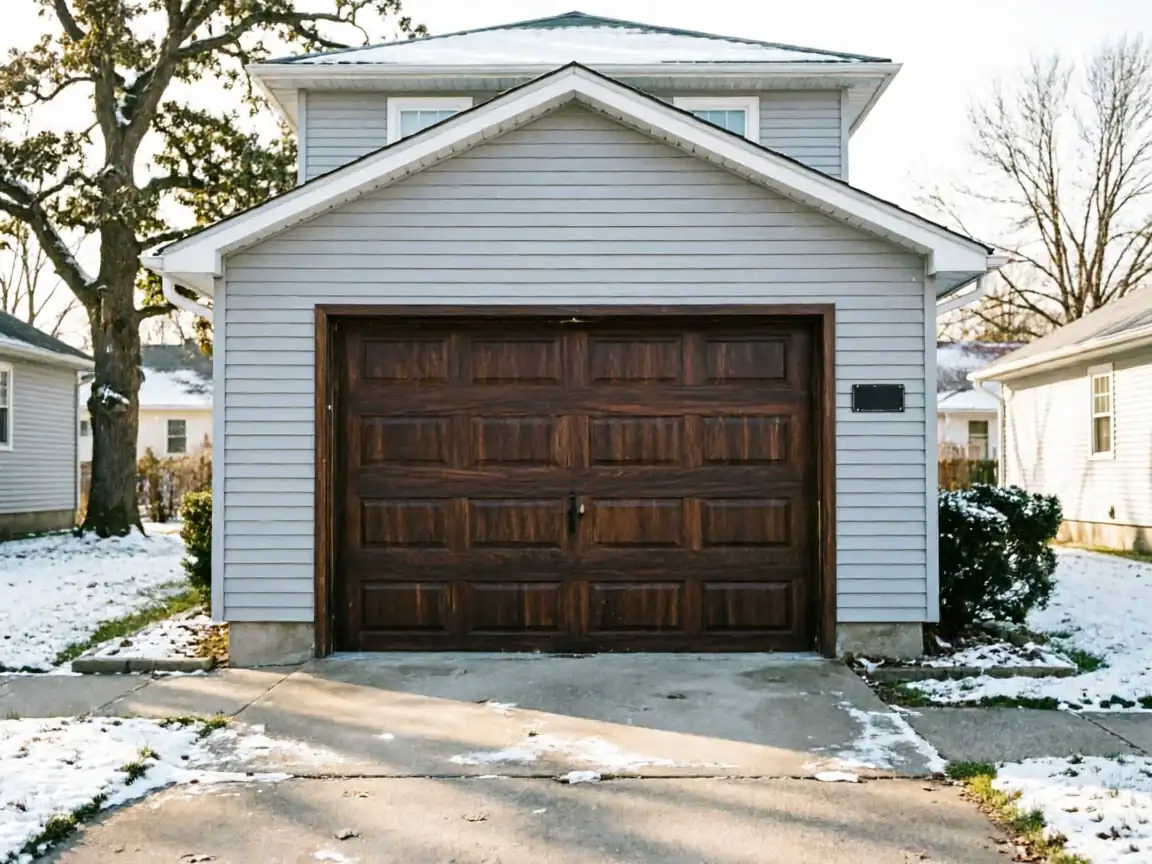
Most Bridgeport houses went up around 1966
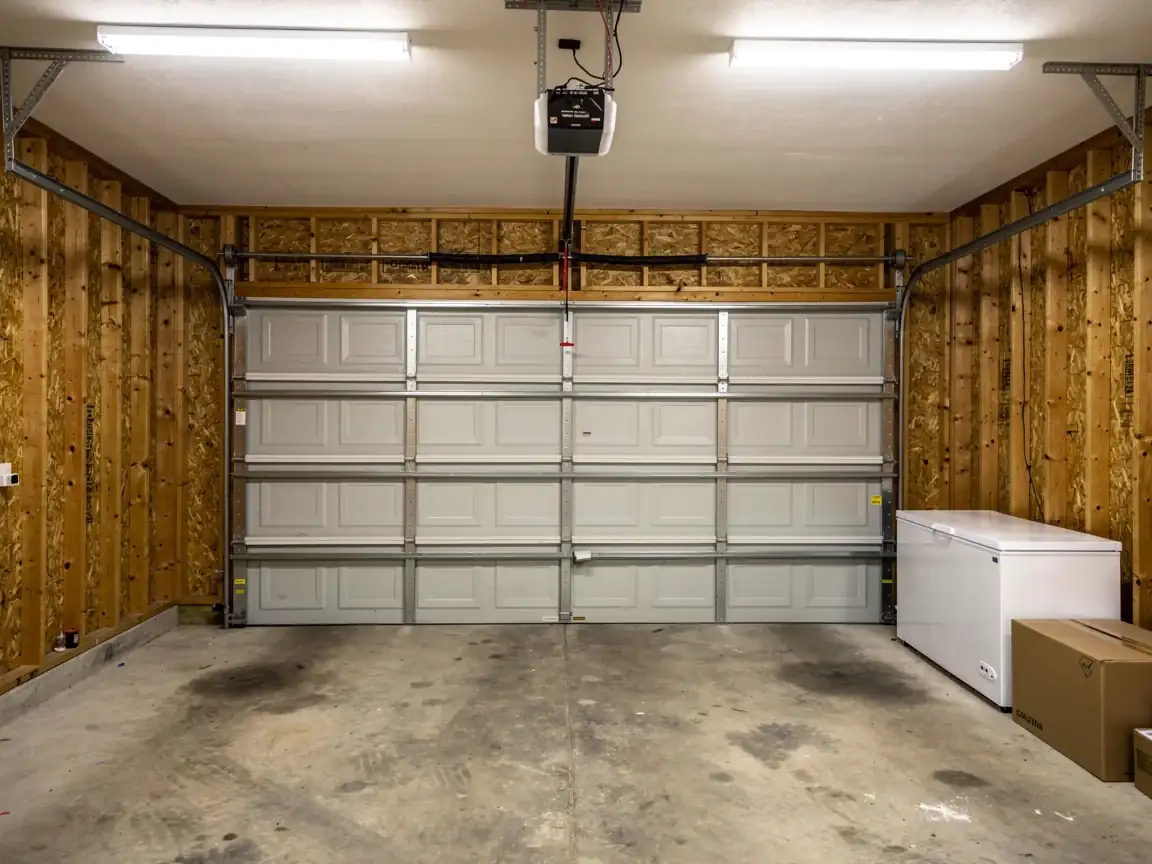
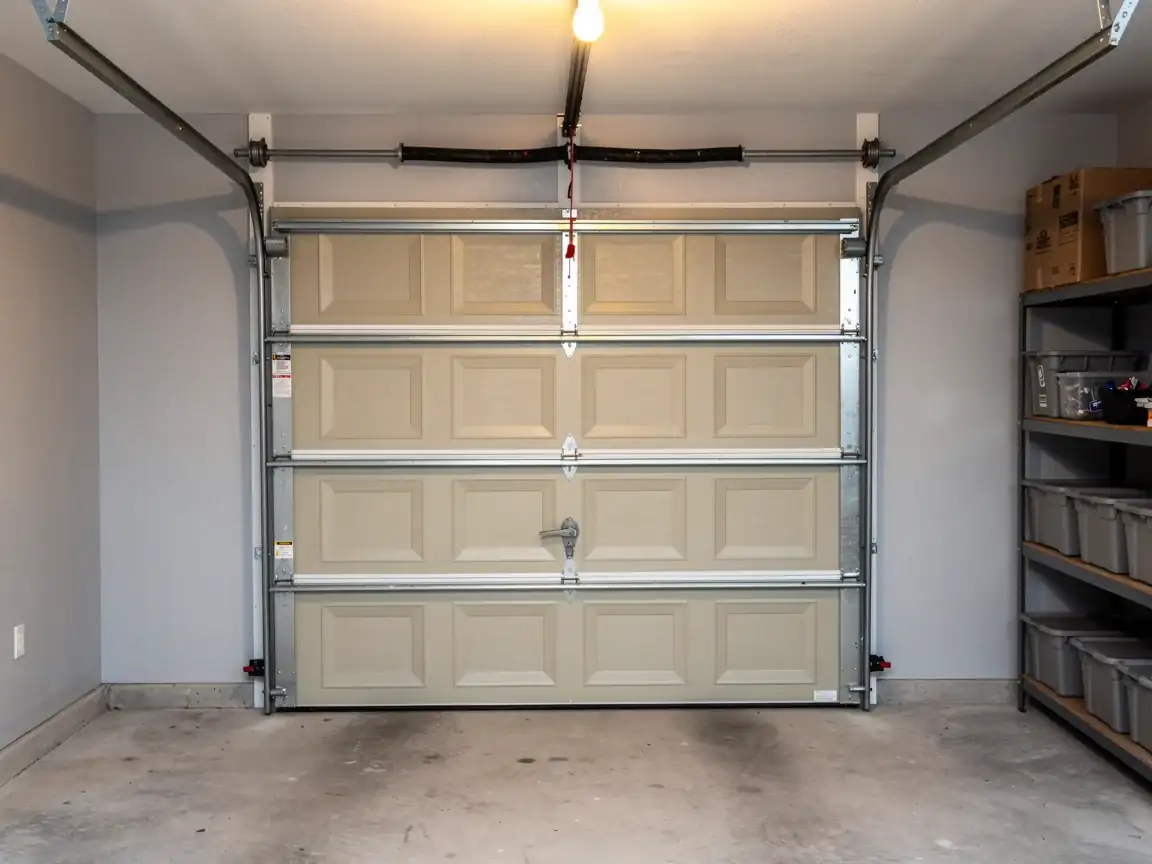
Inside the broader 1952-1994 build window across the service area. A door from that era is usually a single steel panel on a torsion spring mounted over the opening, with hardware that was standard then but isn't stocked on most trucks now. The repair takes longer when we're sourcing an older drum or a shaft size nobody carries anymore - that's the honest limitation here, and it's worth knowing before you call expecting a same-visit fix on original 1960s hardware.
We come out from Bay City, about 15 miles away
So we're not a local depot - we're a crew that drives in for the job and does it once, correctly.
- 15 miles
What It Costs
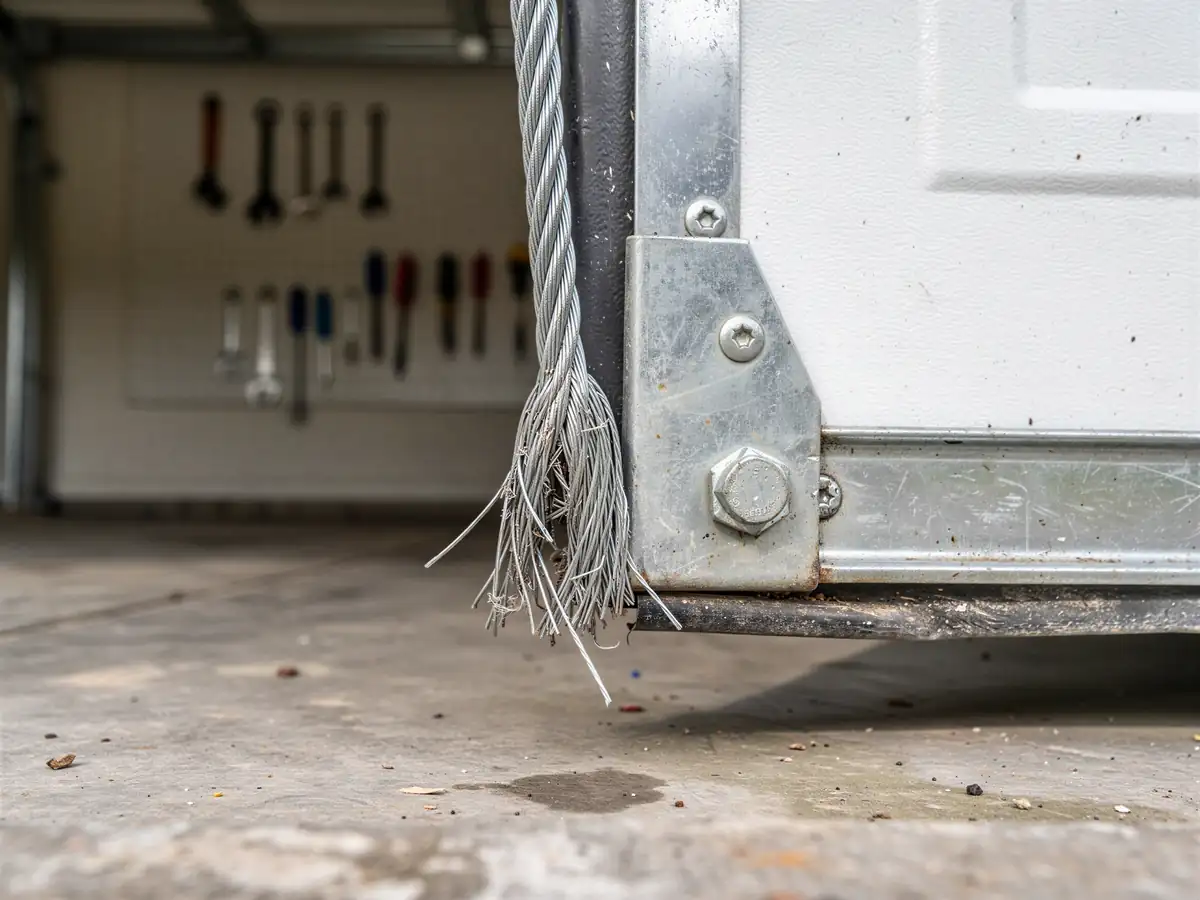
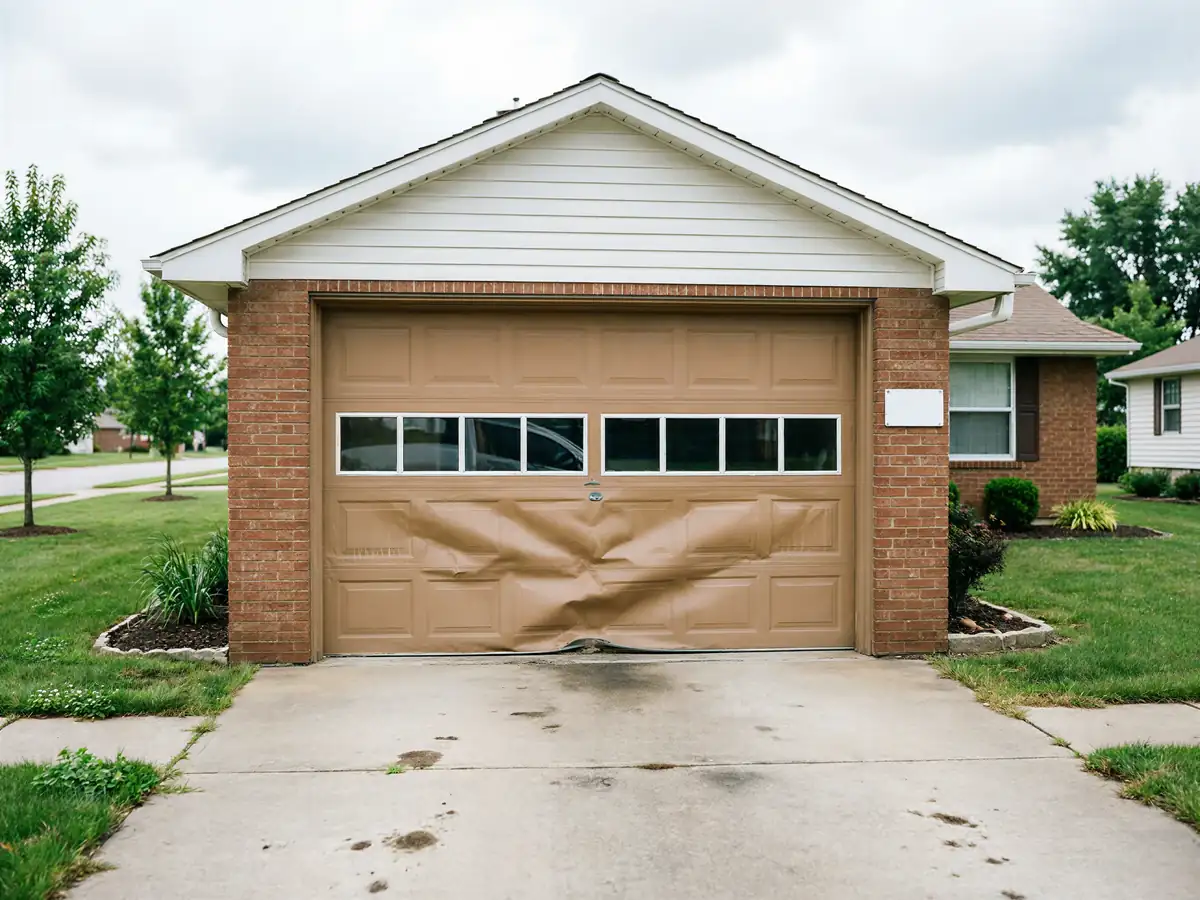
We don't have a Bridgeport-specific price list to quote here, and listing a number we can't back up would do more harm than skipping it. What we can tell you is how the decision usually breaks down on a street of houses built around 1966: a cracked roller or a frayed cable is a repair, full stop. A torsion spring that's let go on a door that's otherwise sound is a repair. A steel panel that's rusted through at the bottom, or an opener drawing more current than it should on a door that's fighting itself - that's where replacement starts making more sense than another patch.
Given the median income here, we try to flag the replacement conversation early rather than let repair costs stack up past what a new door would run. That's not a sales pitch, it's just math that works out differently in Bridgeport than it does in a neighborhood with a higher median.
Getting It Booked In
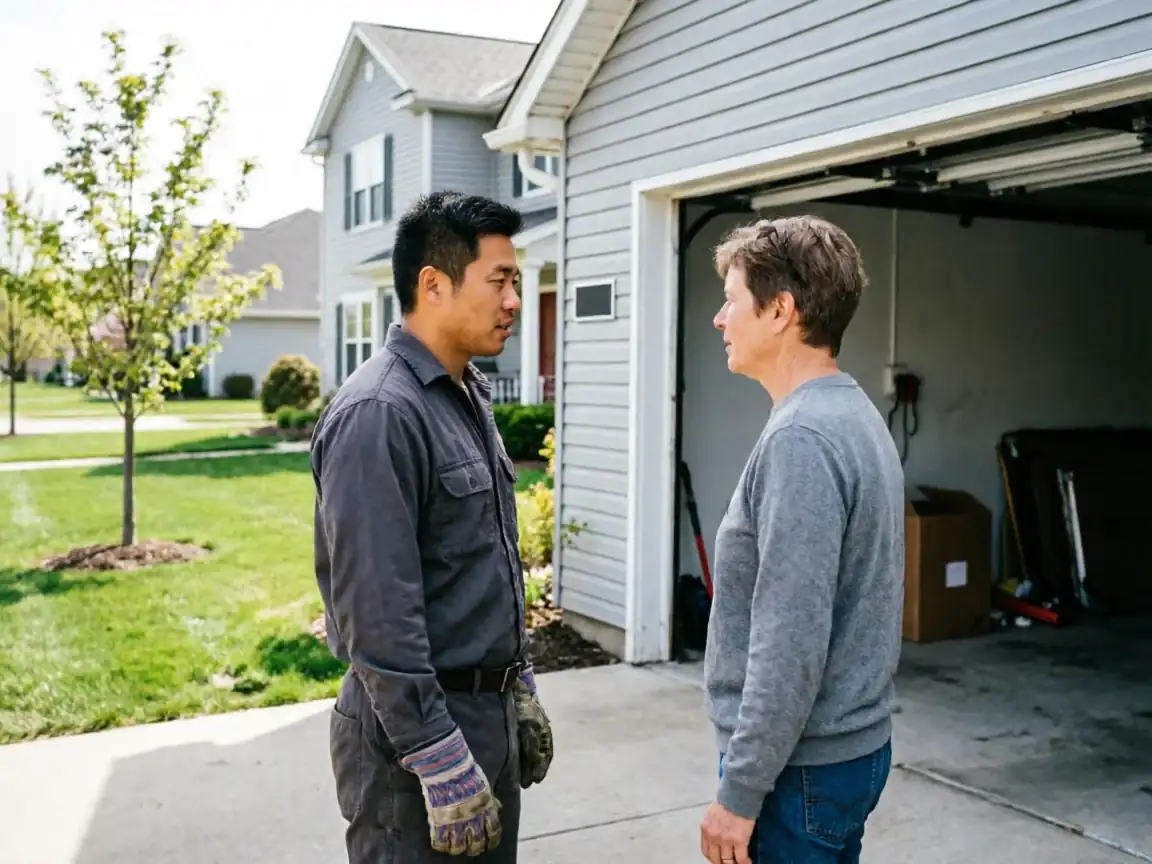
Since we're coming from Bay City rather than working out of a spot in Bridgeport itself, the most useful thing you can do before we arrive is know what the door is doing: won't open, opens partway and reverses, makes a bang and stops, or just won't respond to the opener at all. That tells us what's likely riding on the truck before we're in the driveway.
We don't have a posted response-time guarantee to give you, so we won't invent one. What we can say is that the 15-mile run from Bay City is a known distance, not a guess, and we plan the day around it rather than treating it as an afterthought.
What Is on the Truck
For a service area where the housing stock mostly dates to the 1960s and 70s
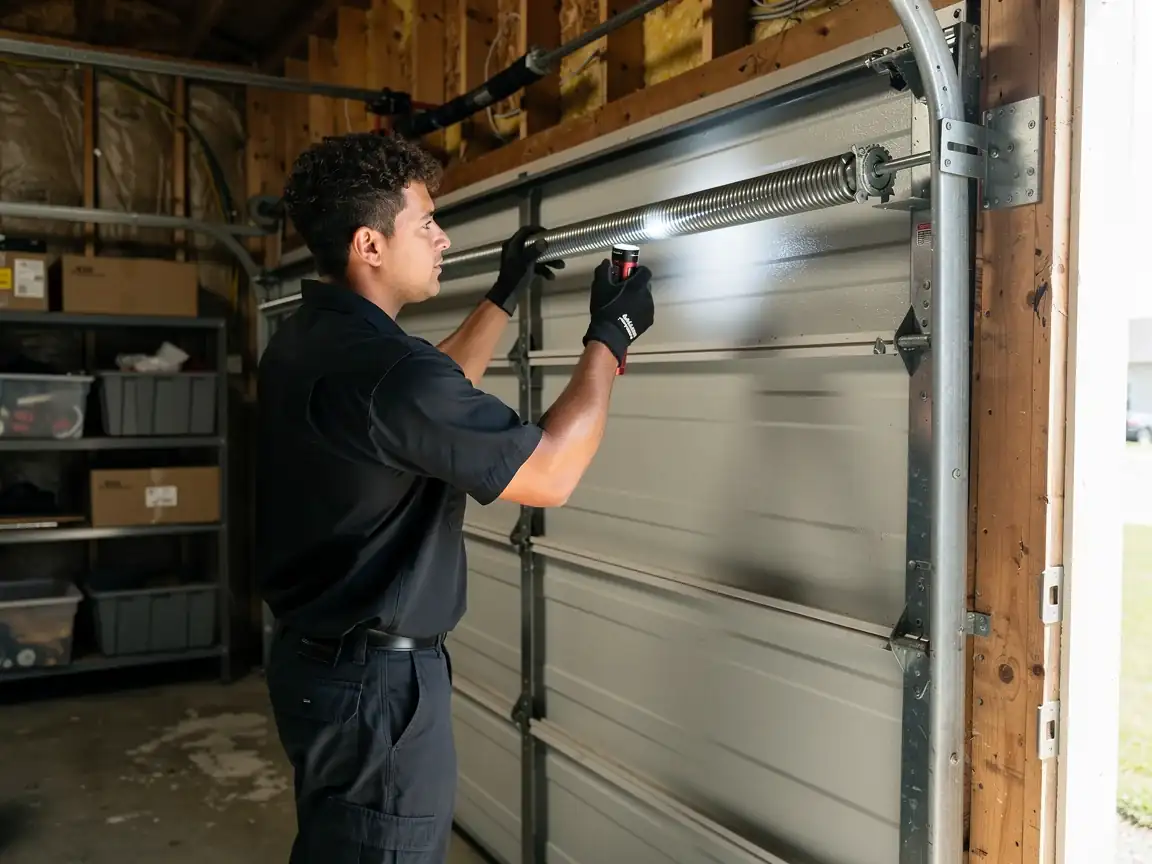
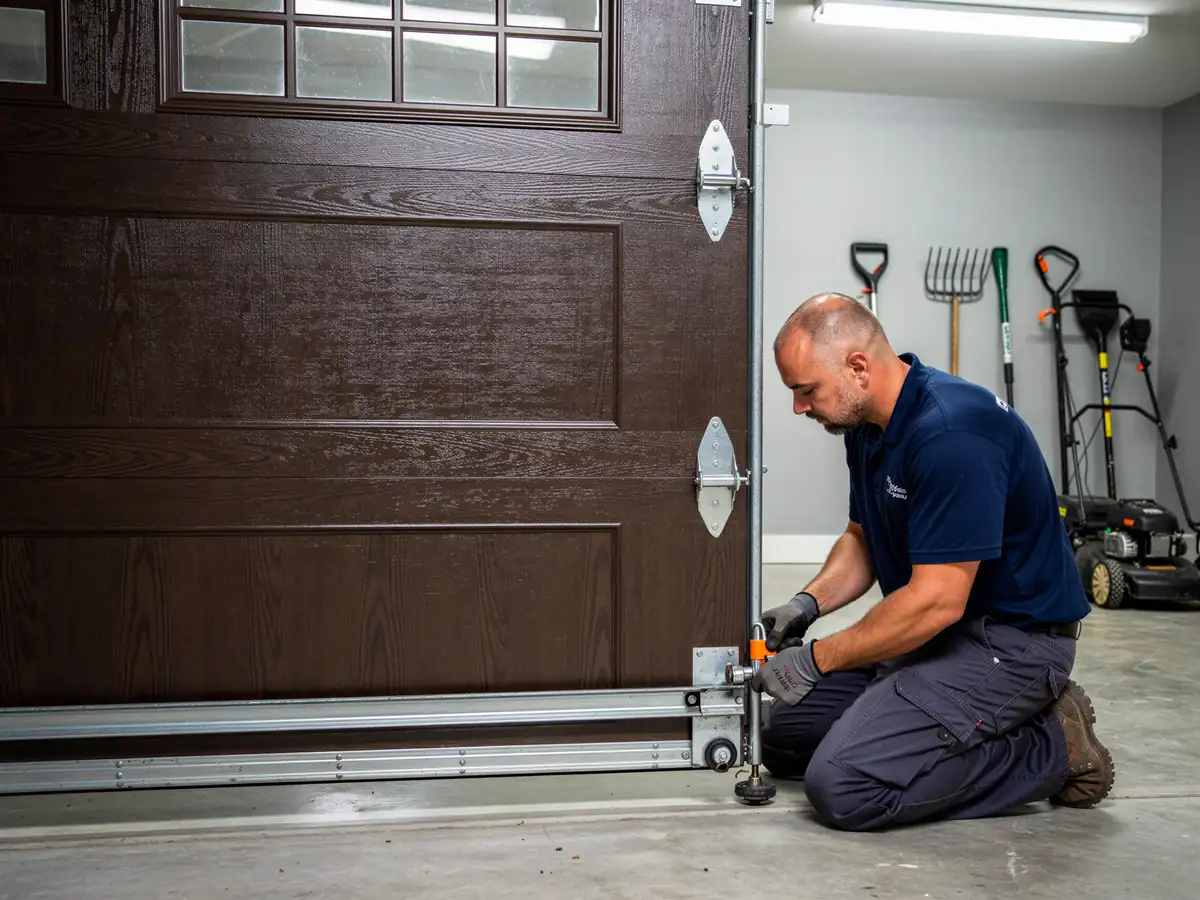
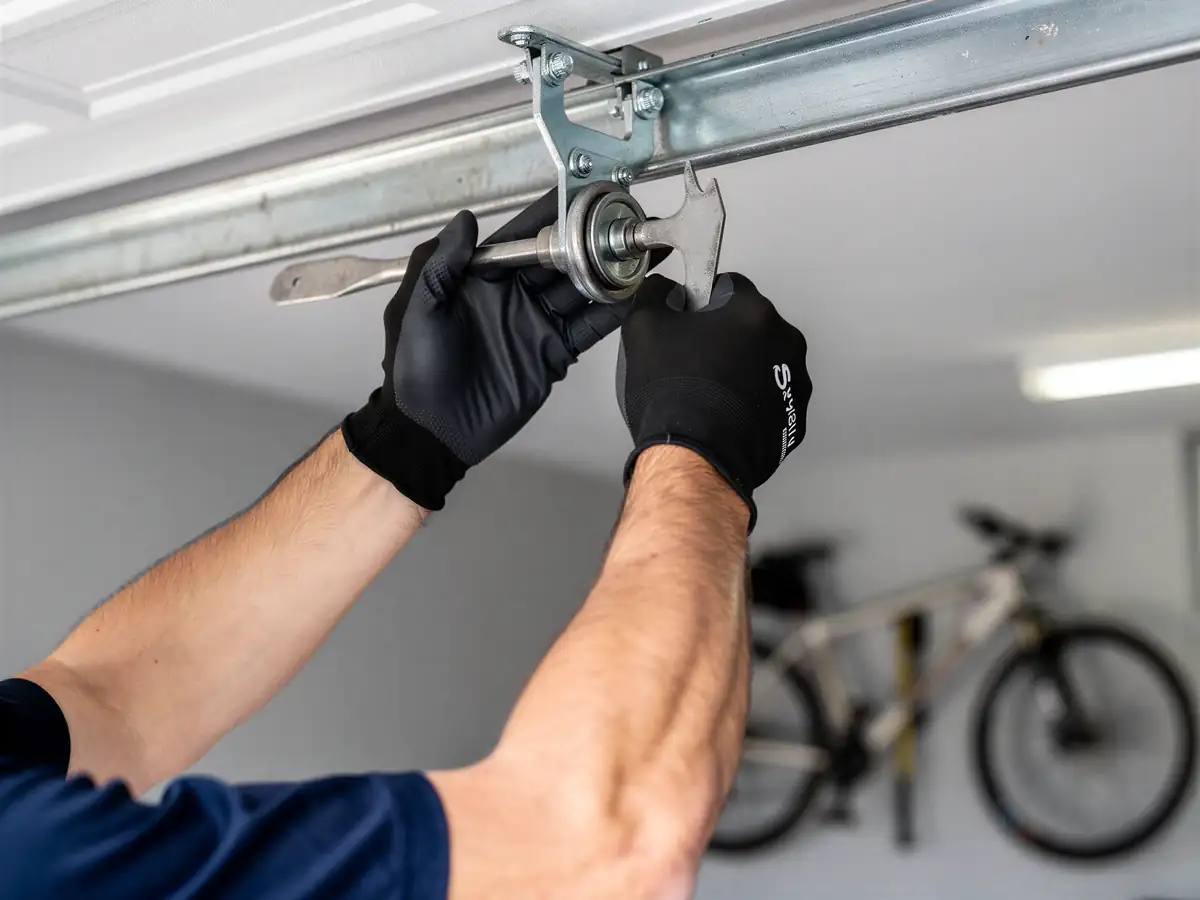
The truck carries torsion springs across the sizes that era used, standard rollers and cables, and openers that work with older rail and bracket setups rather than only the newest models. That's a deliberate call based on what's actually on the roofs here, not a generic stock list.
What we don't always have on the truck is an exact match for original 1966 hardware
A specific drum width or an obsolete shaft size. When that happens, the honest answer is a return trip once the part's in, not a mismatched fix that fails again in six months. We'd rather tell you that up front than pretend every door from this era is a quick swap.
Doing It Yourself
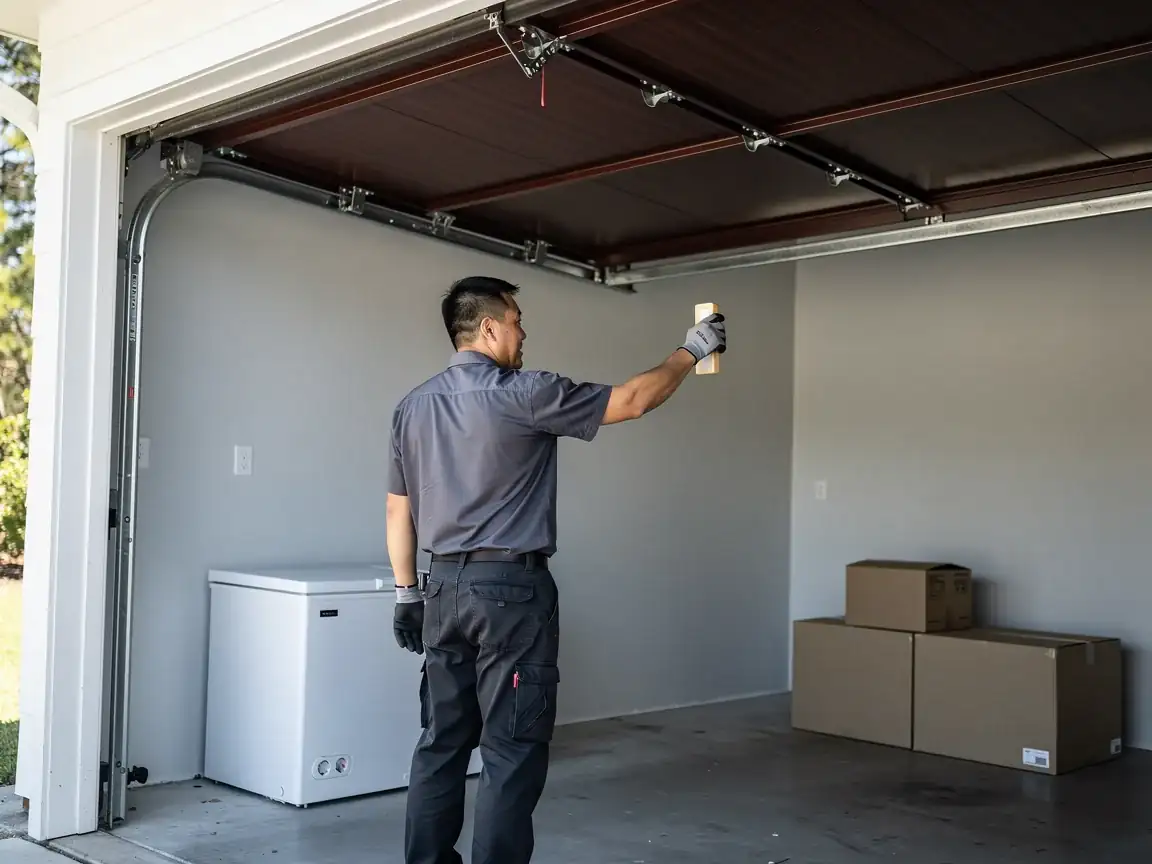
A door that won't close all the way, or reverses on the way down, is often just a misaligned safety sensor - something you can check yourself before calling anyone. Clear the sensor eyes, make sure nothing's blocking the beam between them, and see if that clears it.
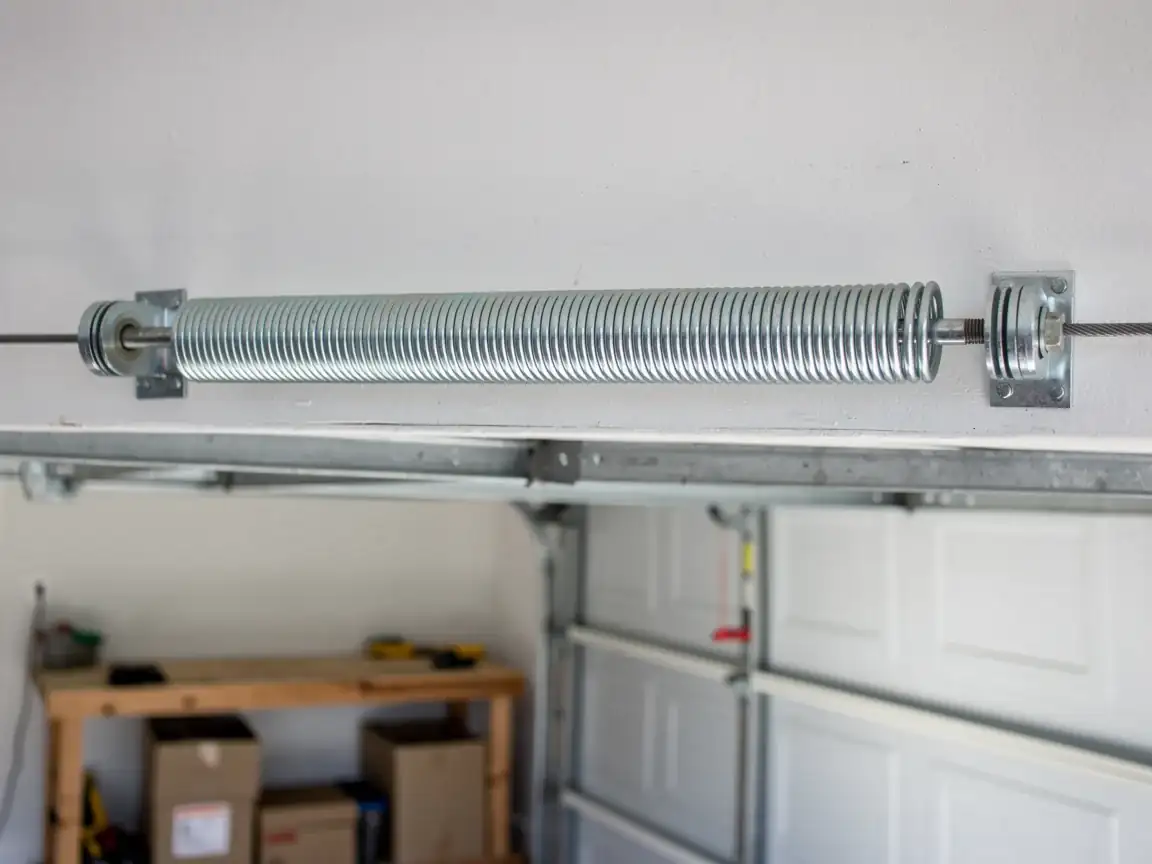
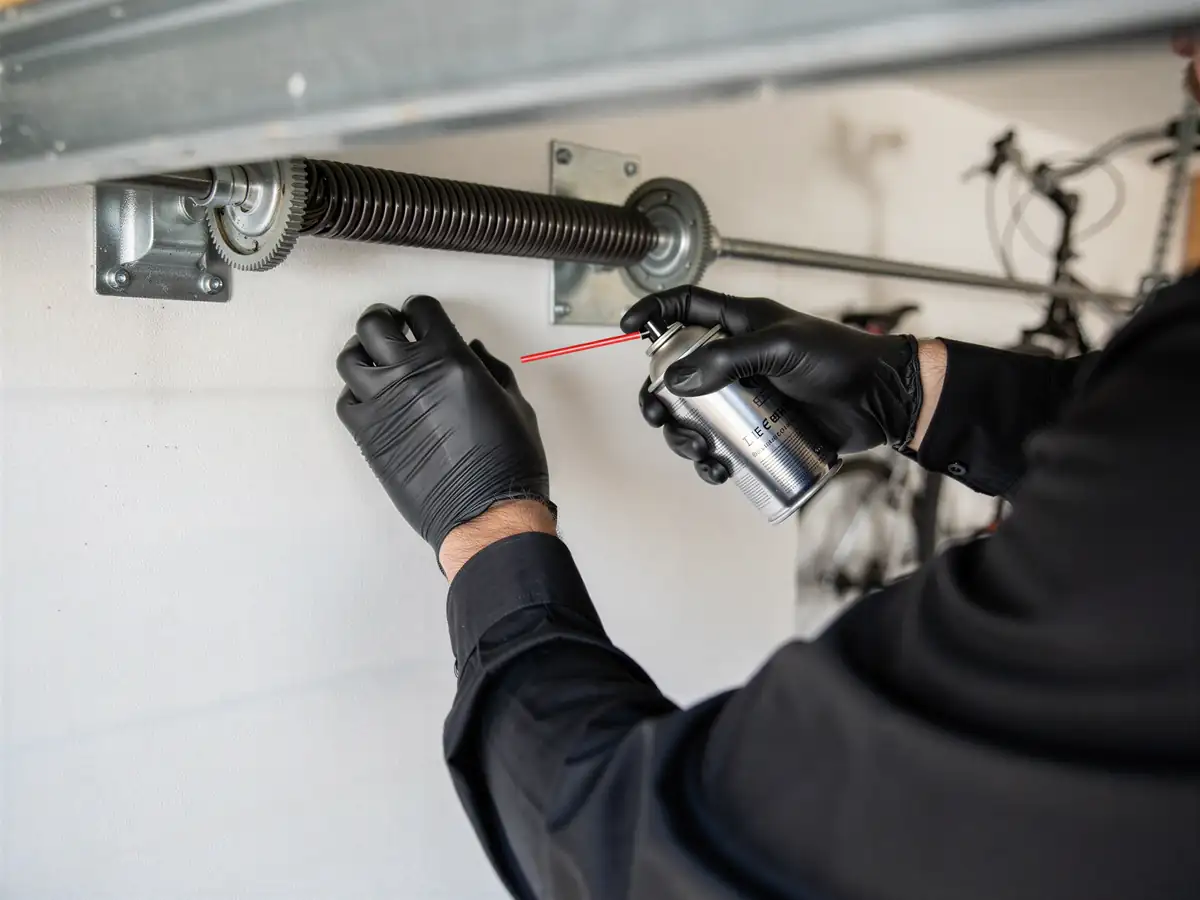
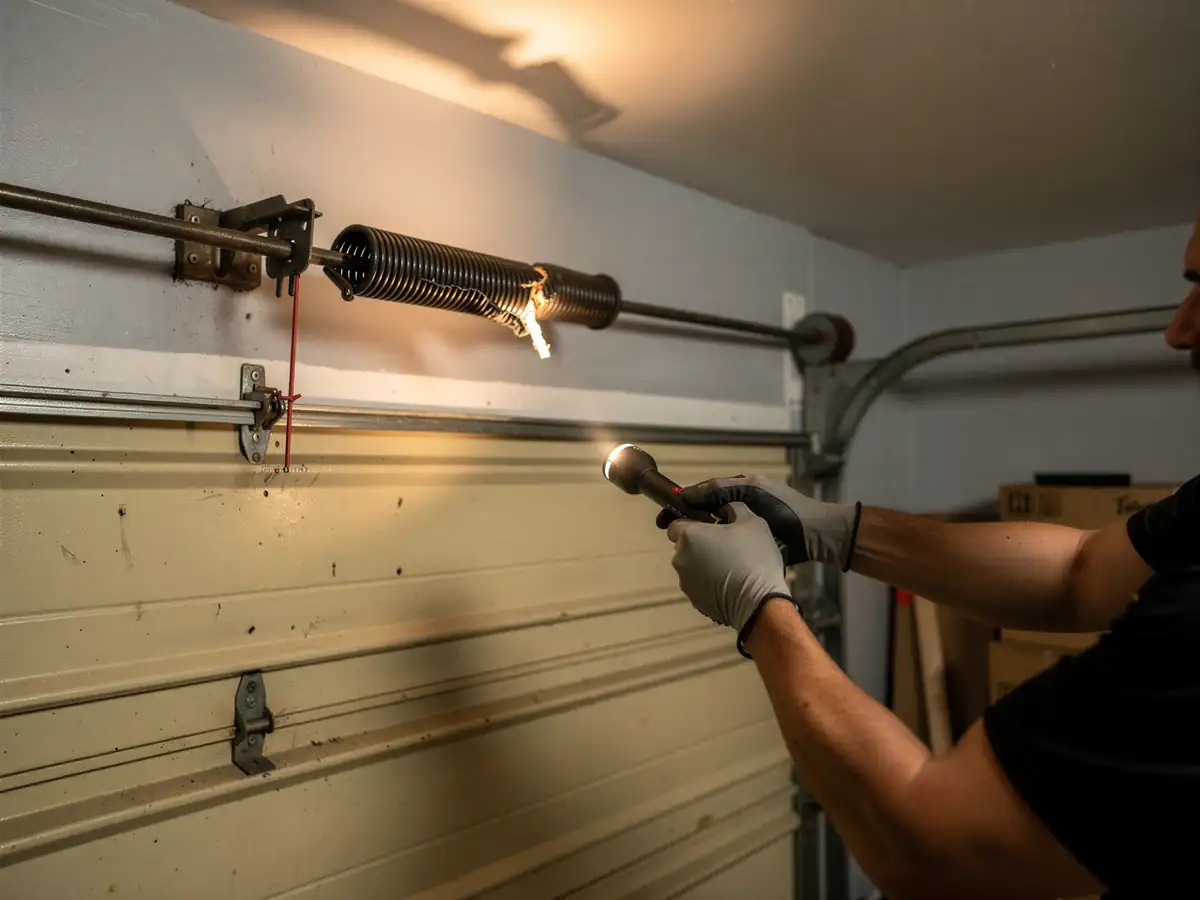
What you should not do yourself: touch a torsion spring under tension. On a house built in the 1960s with original side-mounted hardware, that spring has been loaded for decades and the drum and cable configuration isn't always what a newer kit expects. This is the one place where the age of Bridgeport's housing stock actually raises the risk of a DIY attempt rather than lowering it - older setups don't match the diagrams that come with a big-box replacement spring kit.
What Causes It Around Here
The service area sits in a cold, severe winter climate, and that shows up in specific failure patterns: steel contracts in deep cold, which is when a spring that was already fatigued finally lets go, usually on the coldest morning of the stretch, not the mildest. On a door install dating to 1966, the spring has had close to six decades of cycle wear layered on top of that seasonal stress.
The other pattern is simpler: original hardware wasn't built with the rollers and seals used today, so weather stripping that's long past useful life lets cold air and moisture into the track, which speeds up rust on a panel's bottom edge. None of this is unique to Bridgeport's exact address, but it is tied to the build era and the climate band this part of the service area sits in.