What the Repair Takes
Bridgeport sits about 15 miles from our Bay City base
Which puts a panel-replacement call here closer to a half-day job once you count the drive both ways plus the actual swap. That changes how we schedule it - we're not popping over for a five-minute look, so we try to nail down the panel size, the door brand, and whether it's insulated steel or plain steel before the truck leaves.
- 15 miles
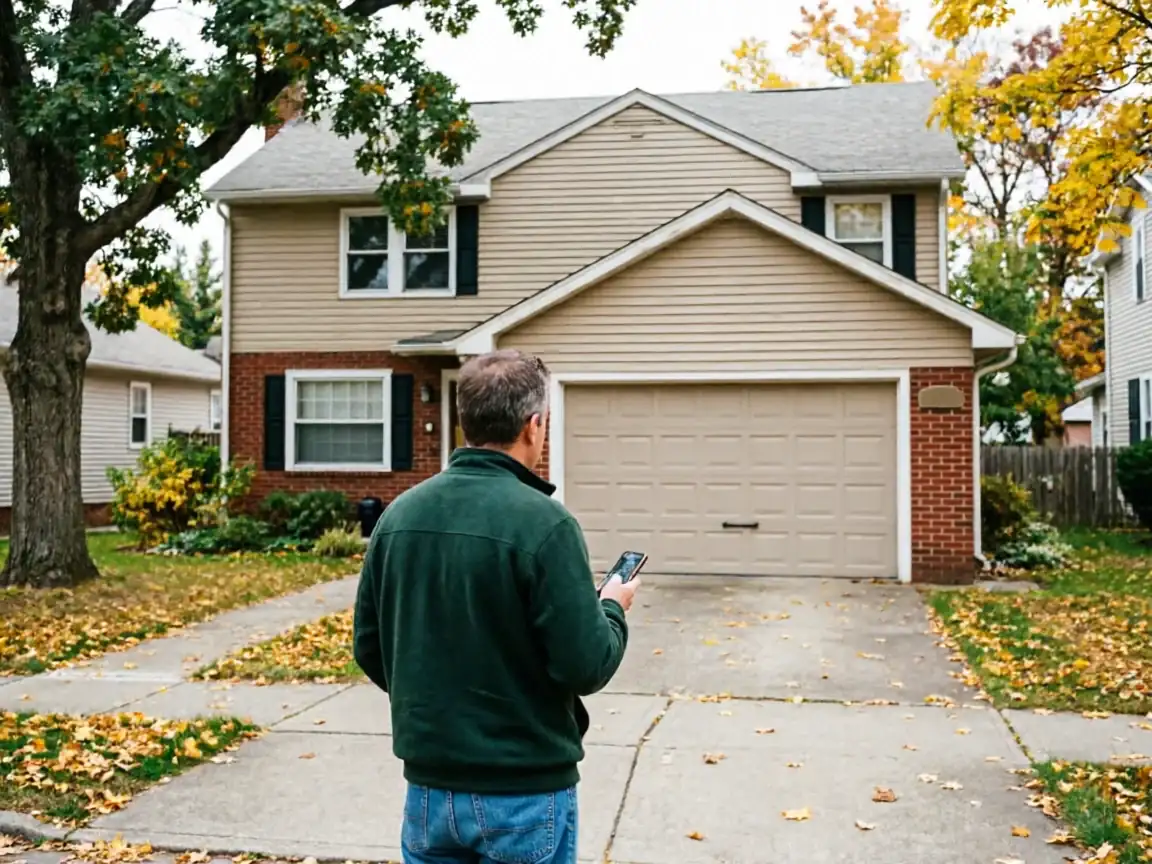
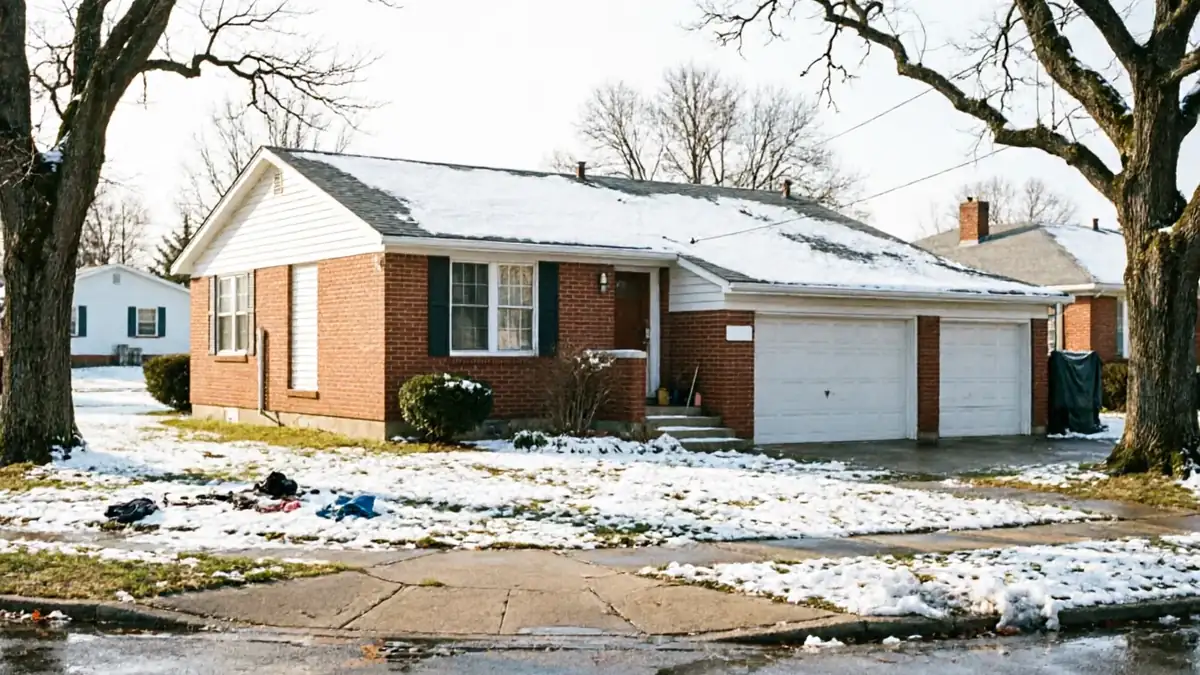
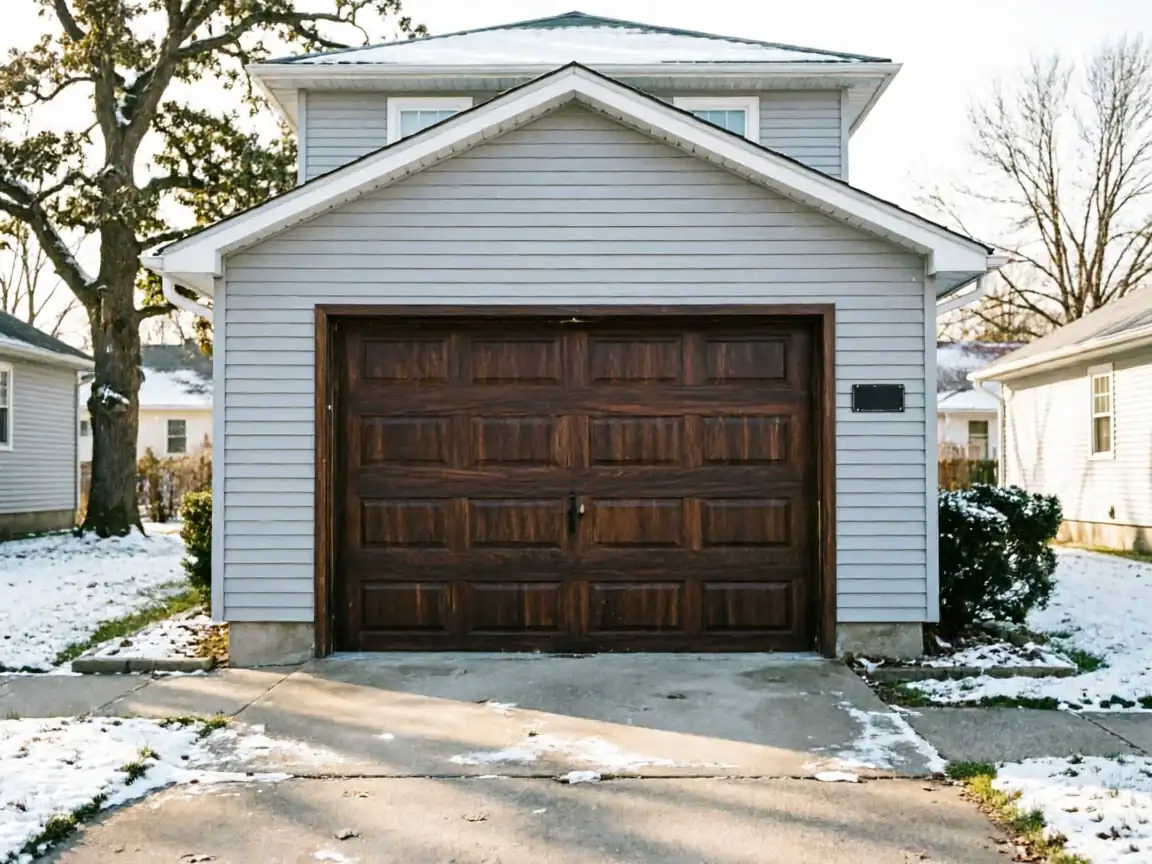
Most houses in Bridgeport went up around 1966, a few years newer than the wider service area's 1952-1994 range
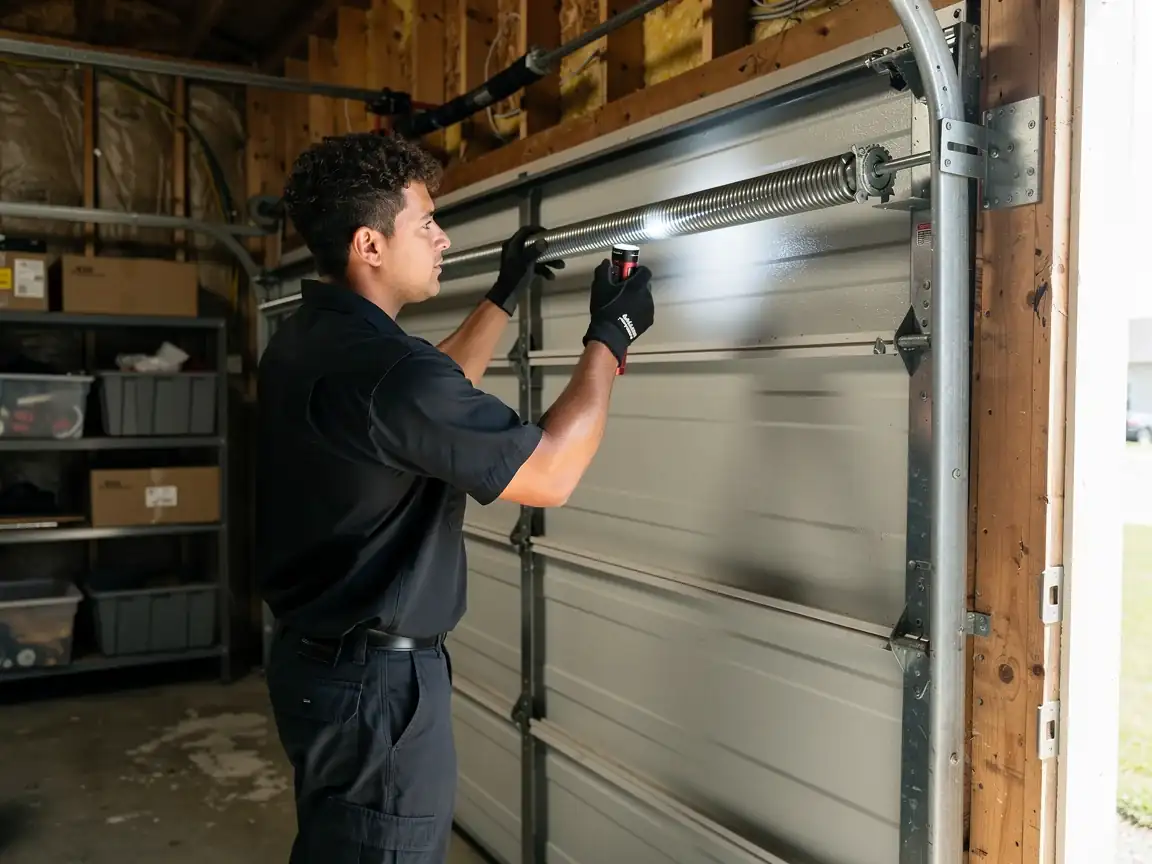
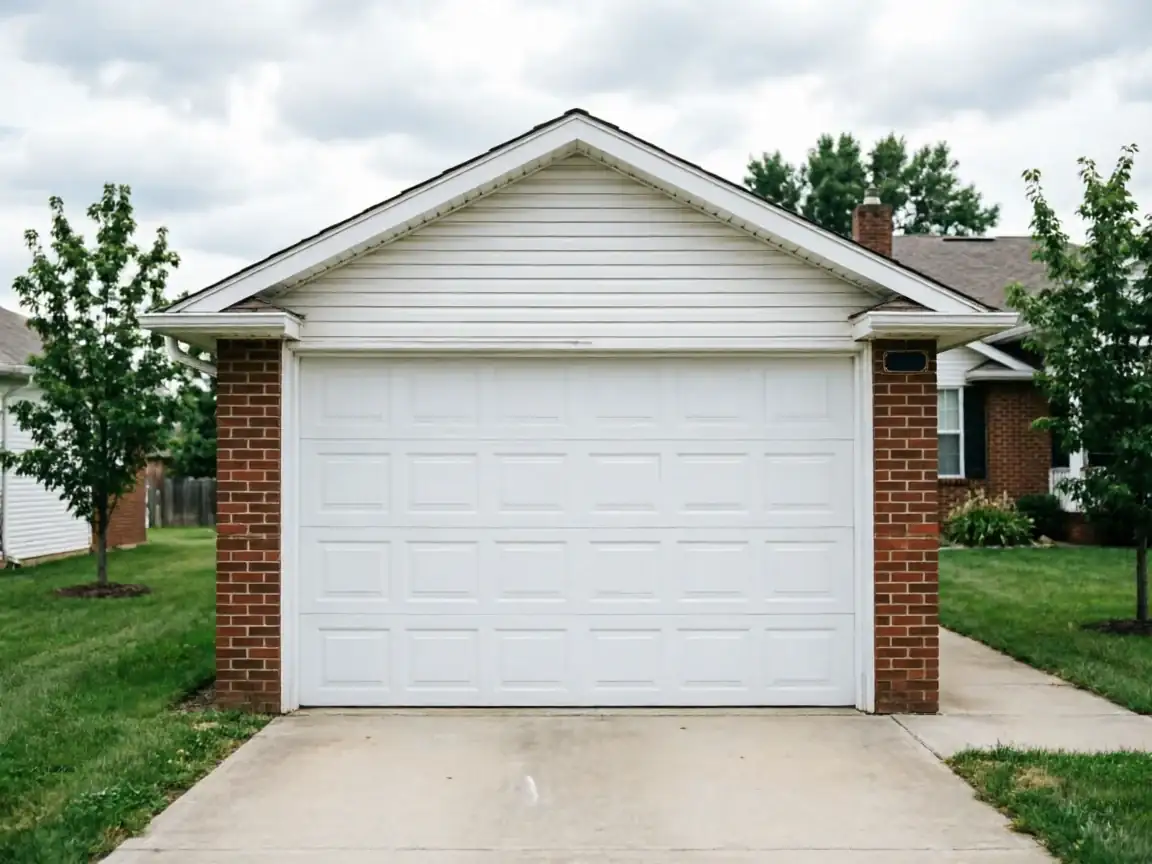
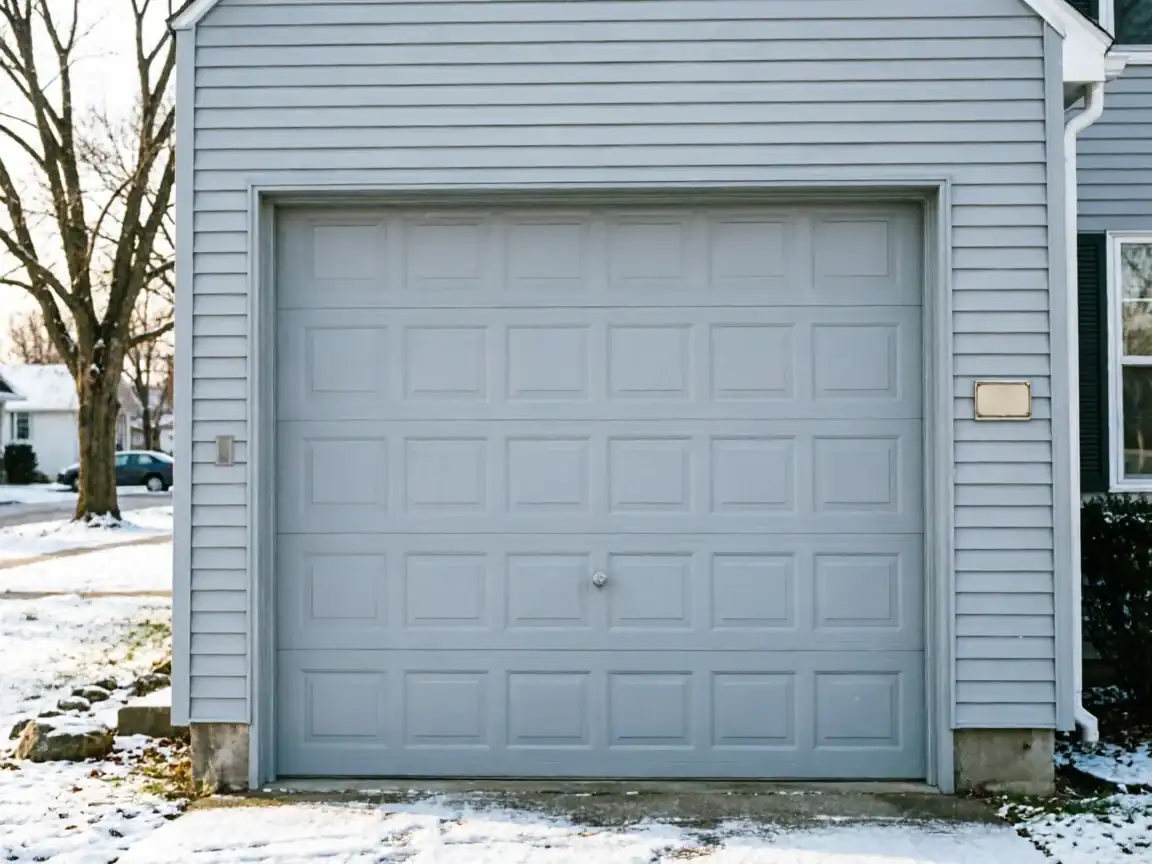
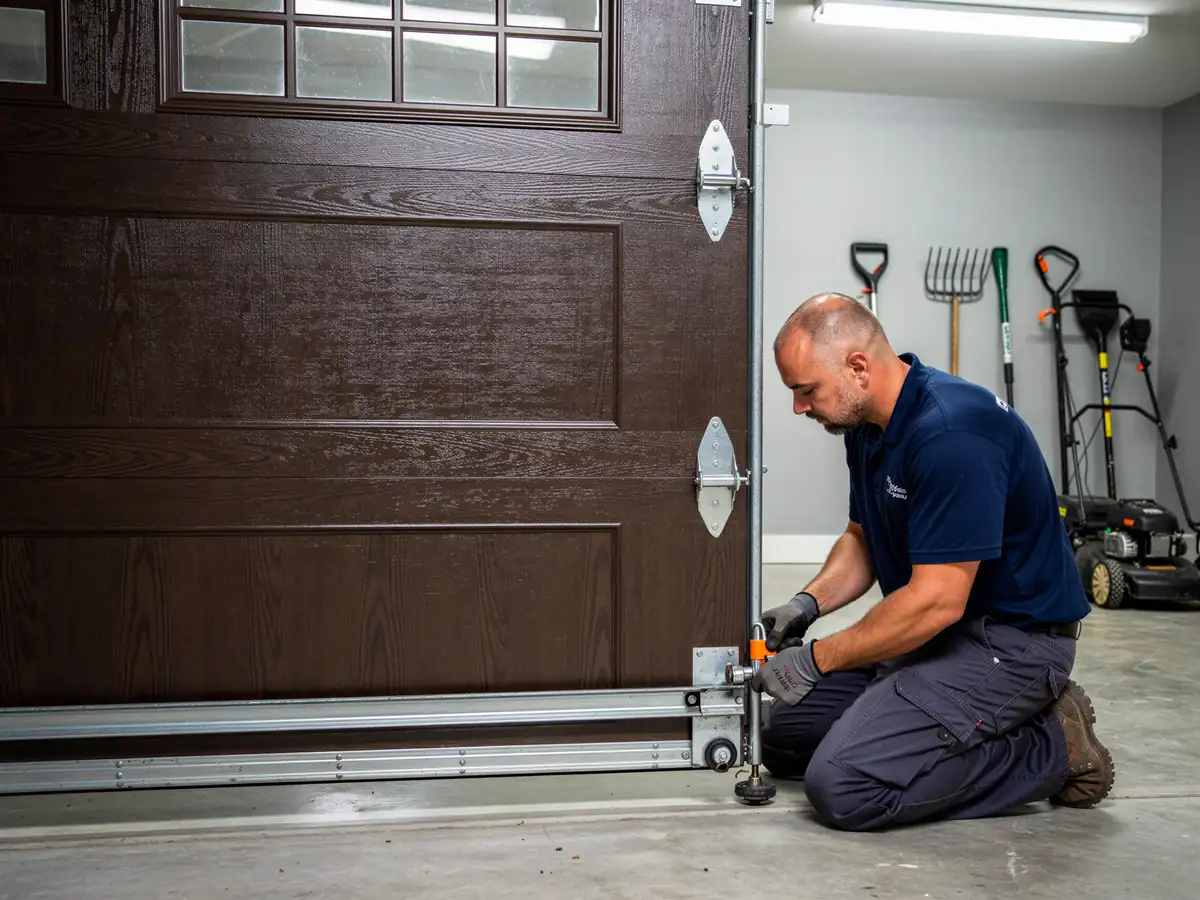
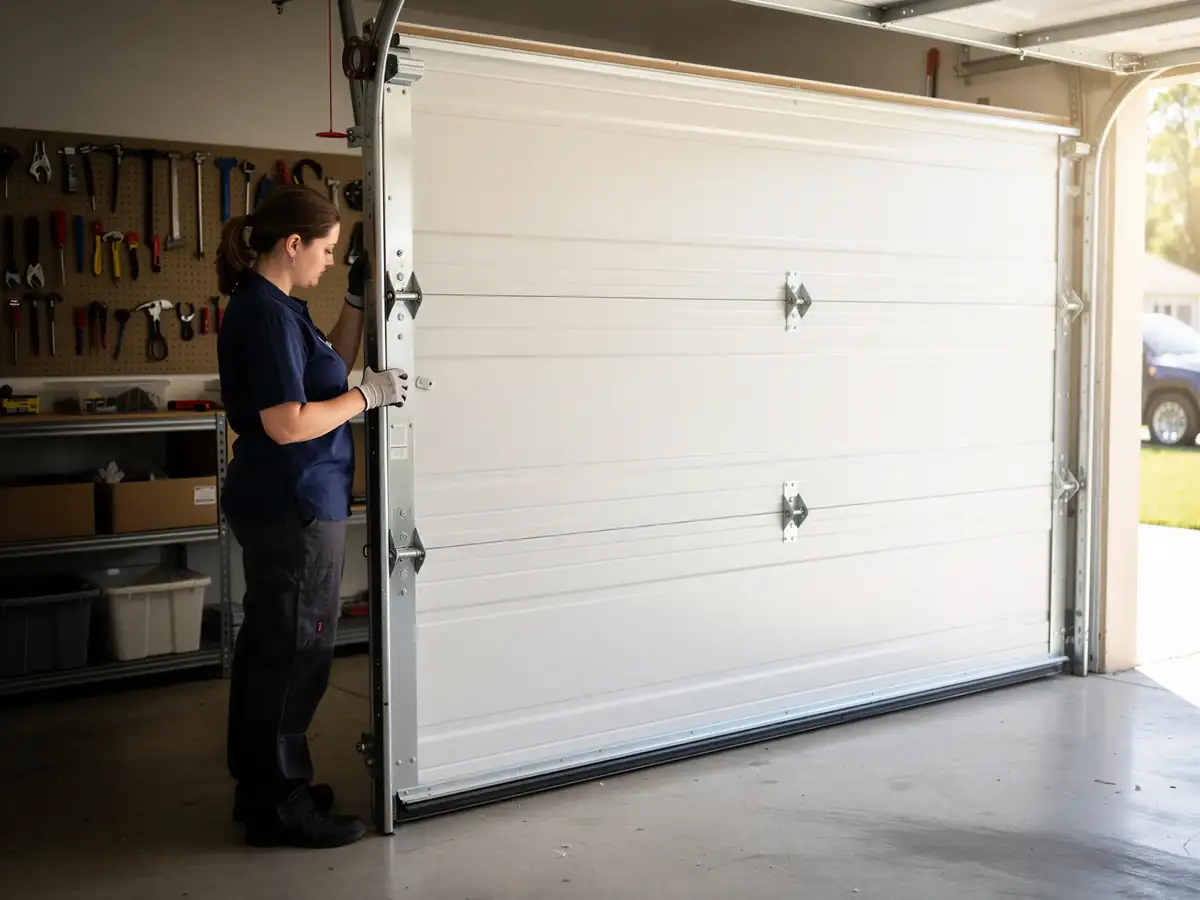
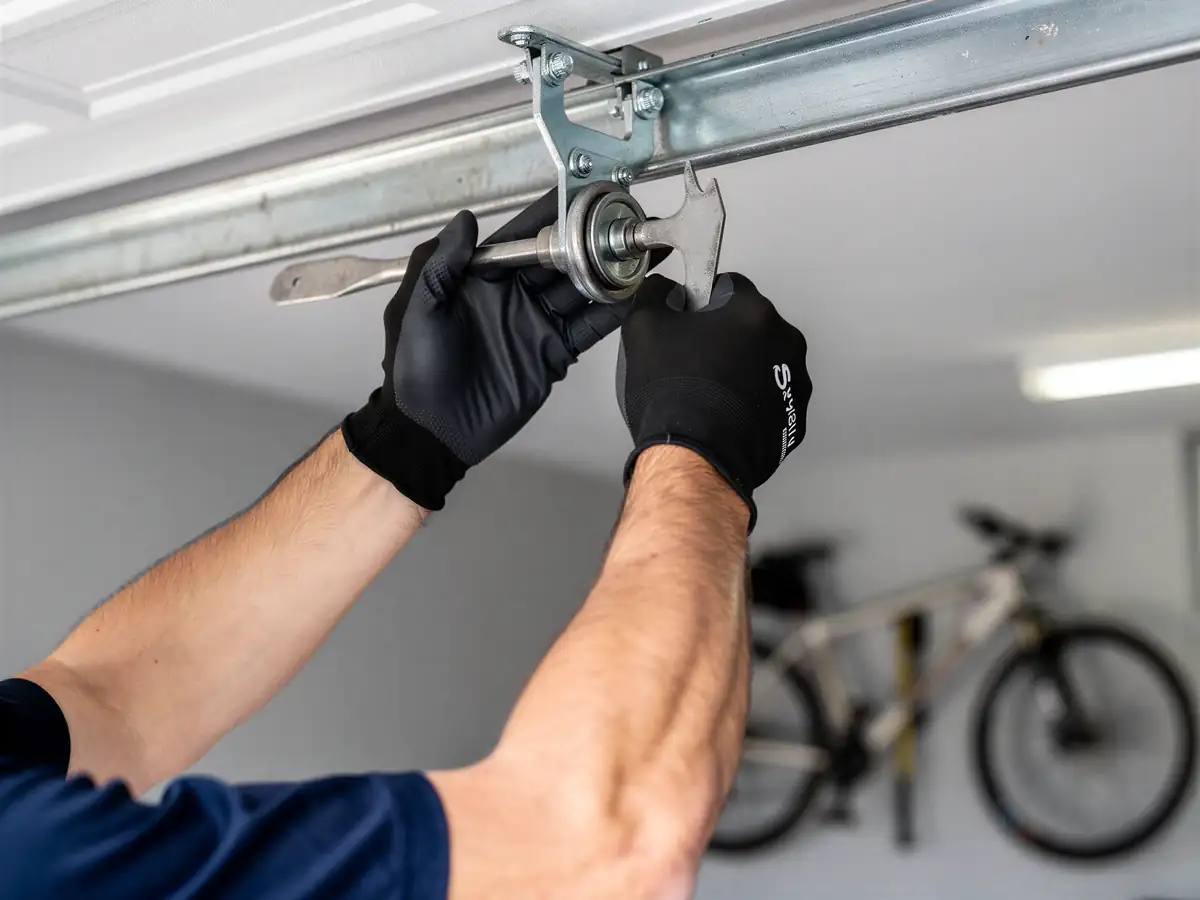
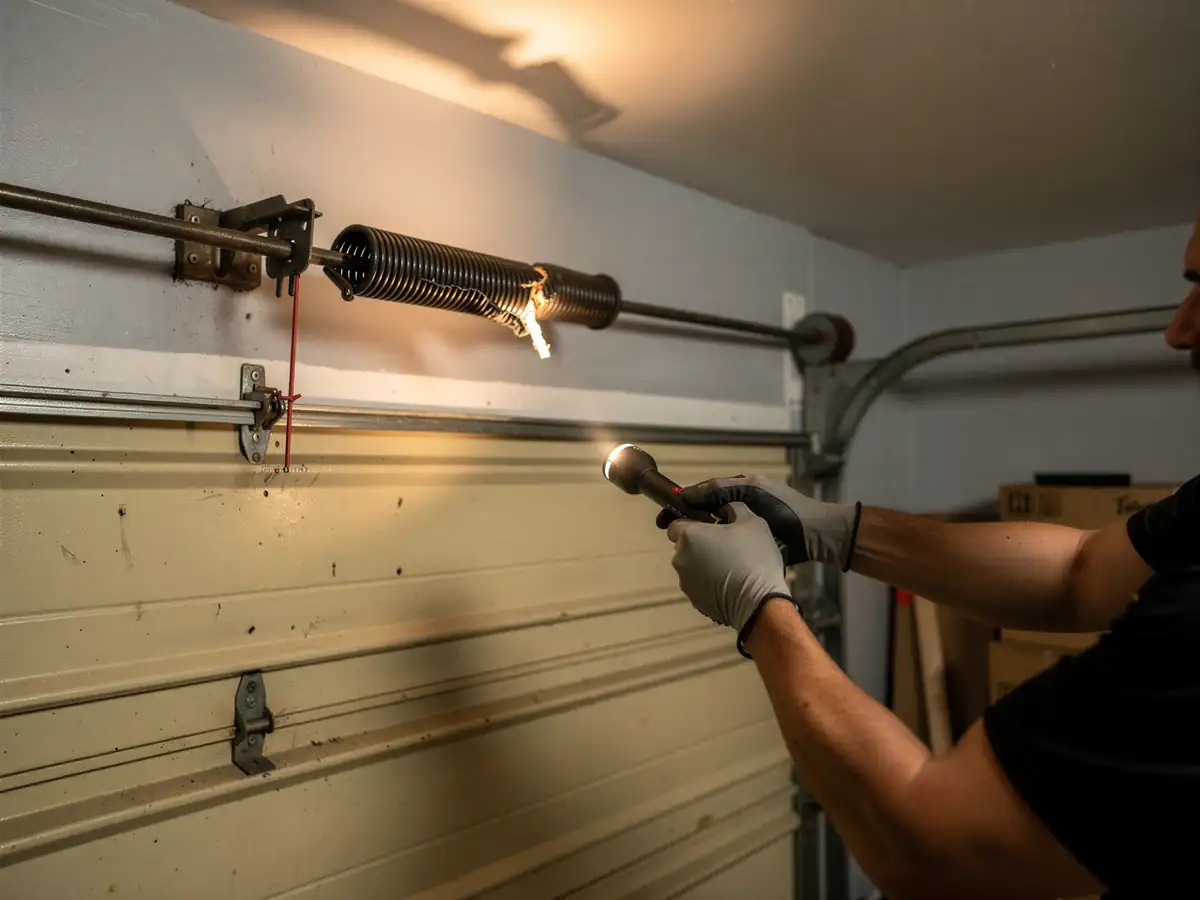
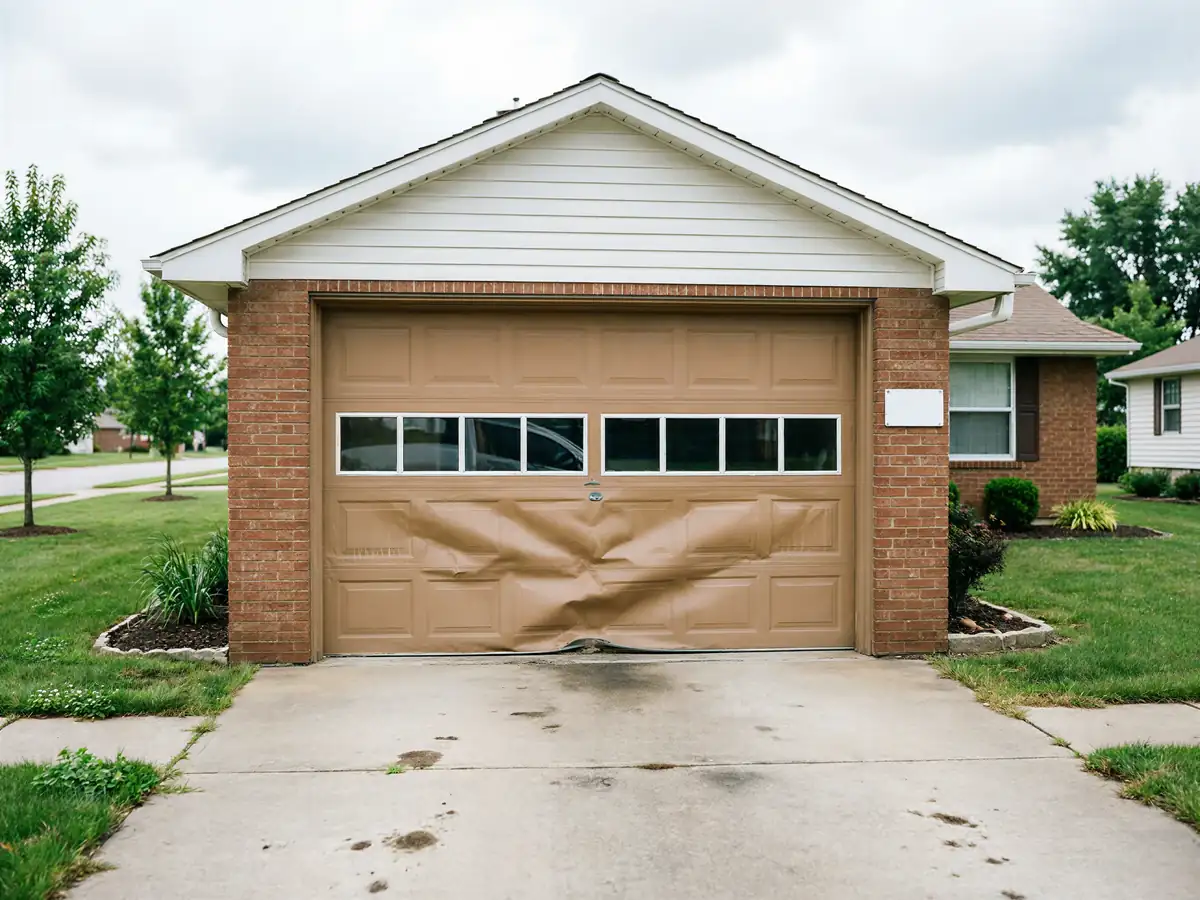
So the doors here tend to be steel sectional rather than the old one-piece wood slabs you still find on some of the oldest Bay City streets. That's good news for parts - steel sectional panels are easier to source than the original flush wood panels from the 1950s stock nearby. The job itself is straightforward: unbolt the damaged section, pull the hinges and rollers, slide the new panel in, and re-hang. The time sink is almost always matching the panel, not installing it.
If more than one panel on the same door is dented or the track is bent along with it
That's a different conversation - sometimes replacing the whole door costs less than chasing parts for a 55-year-old design panel by panel.
What It Costs
We don't post a flat price for panel replacement here, because it swings on two things we can't know until we see the door: which panel size and insulation type it needs, and whether the brand still makes a matching style. A single bottom panel on a common steel door is a different job than a top panel with a window cutout on a door nobody makes anymore.
Bridgeport's median household income runs $47,325, noticeably lower than the $72,558 median across the wider service area. We mention that because it shapes the advice we give, not the price we quote: when a panel swap and a full door replacement land close together in cost, we'll say so plainly instead of defaulting to the bigger job. With 2,725 households in Bridgeport, most of them built in the same mid-60s window, we see enough repeat door models here to usually know fast whether a panel is still in production or whether we're into special-order territory, which is the real cost driver.
Getting It Booked In
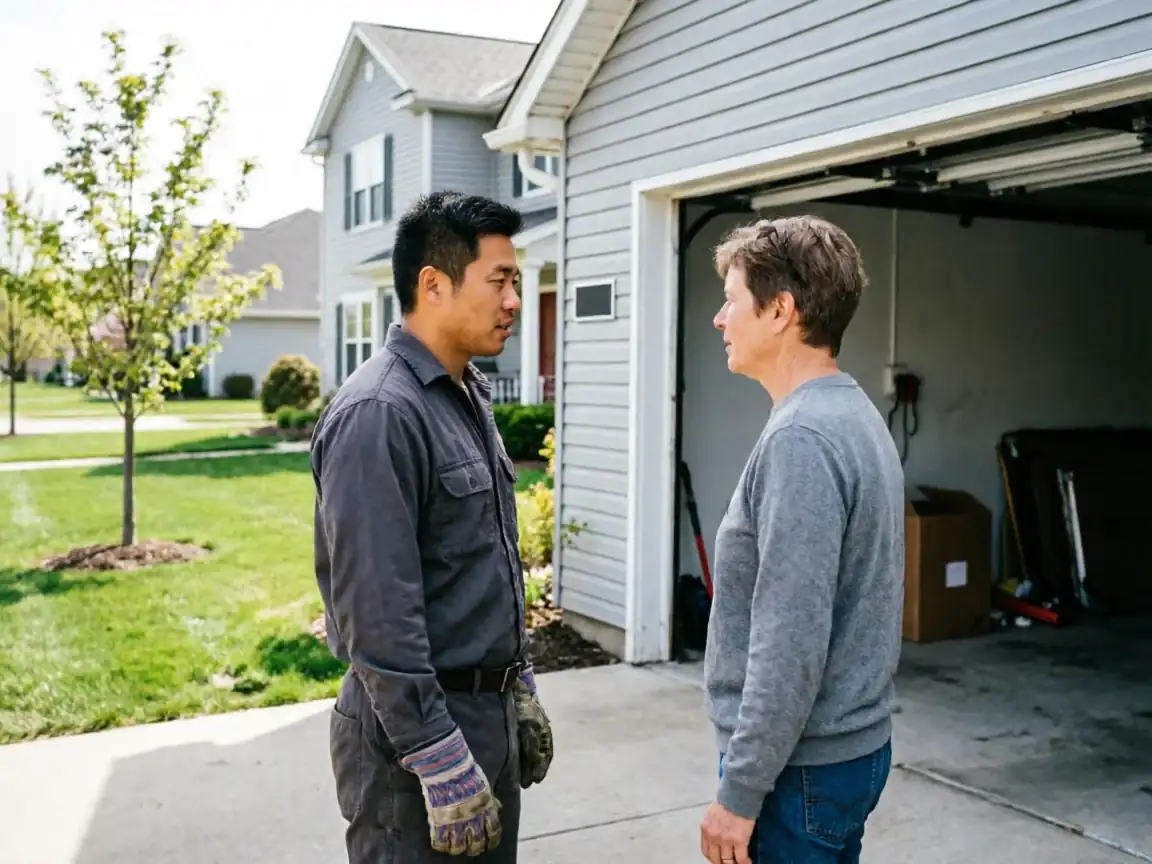
Because the drive out is 15 miles each way, we ask for a photo of the damaged panel and the door's brand label before we book the appointment, if you can get one. It saves a wasted trip if the panel turns out to be discontinued and the job needs to shift from a swap to a full door quote.
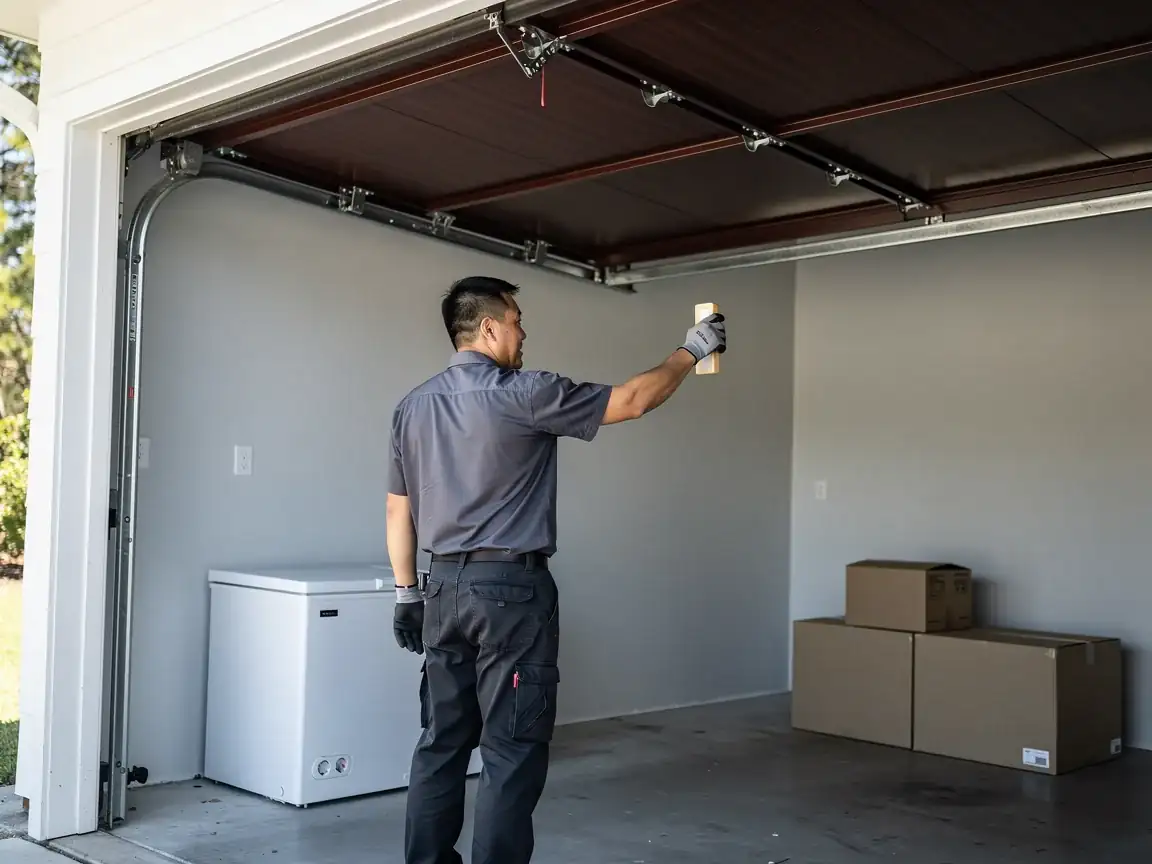
Once we know the panel size and style, we schedule the visit around when we can bring the right part on the truck rather than driving out twice - once to look, once to fix. For a common steel panel on a door built after the mid-60s housing wave here, that's usually one trip. For anything older or custom, we tell you up front that the part has to be ordered first.
What Is on the Truck
We stock the panel sizes and colors that match what's common on Bridgeport's housing stock
Steel sectional in the widths that fit doors from the mid-1960s on, the era most of this town was built in. What we don't carry is every obsolete style from the oldest wood-panel doors still standing closer to Bay City's core streets; those get ordered once we've confirmed the exact model.
The truck also carries matching hinges, rollers, and end stiles
Because a mismatched panel bolted onto old hardware is how you end up with a door that binds in the track. Given the cold winters this area gets, we also carry foam-core insulated panels as a standard option, not just an upsell - a steel door with a cracked, uninsulated panel loses more heat through that one section than people expect.
Doing It Yourself
Swapping a single garage door panel looks simple on paper: four bolts, lift it out, drop a new one in. In practice the hard part is matching the panel - exact width, exact ridge profile, right insulation thickness - not the bolts. Order the wrong width and you're left with a seam that won't seal, which matters a lot in a cold-climate winter.
If your door is a common steel model from the 1960s-70s building wave that covers most of this area, and you can get the exact part number off the old panel or the brand label inside the door, a handy homeowner can do this one. Where we'd push you toward calling instead: top panels with window inserts, anything on a door older than the main building wave here, or any panel on a door that's already out of square. Forcing a new panel into a racked door usually just transfers the damage somewhere else.
What Causes It Around Here
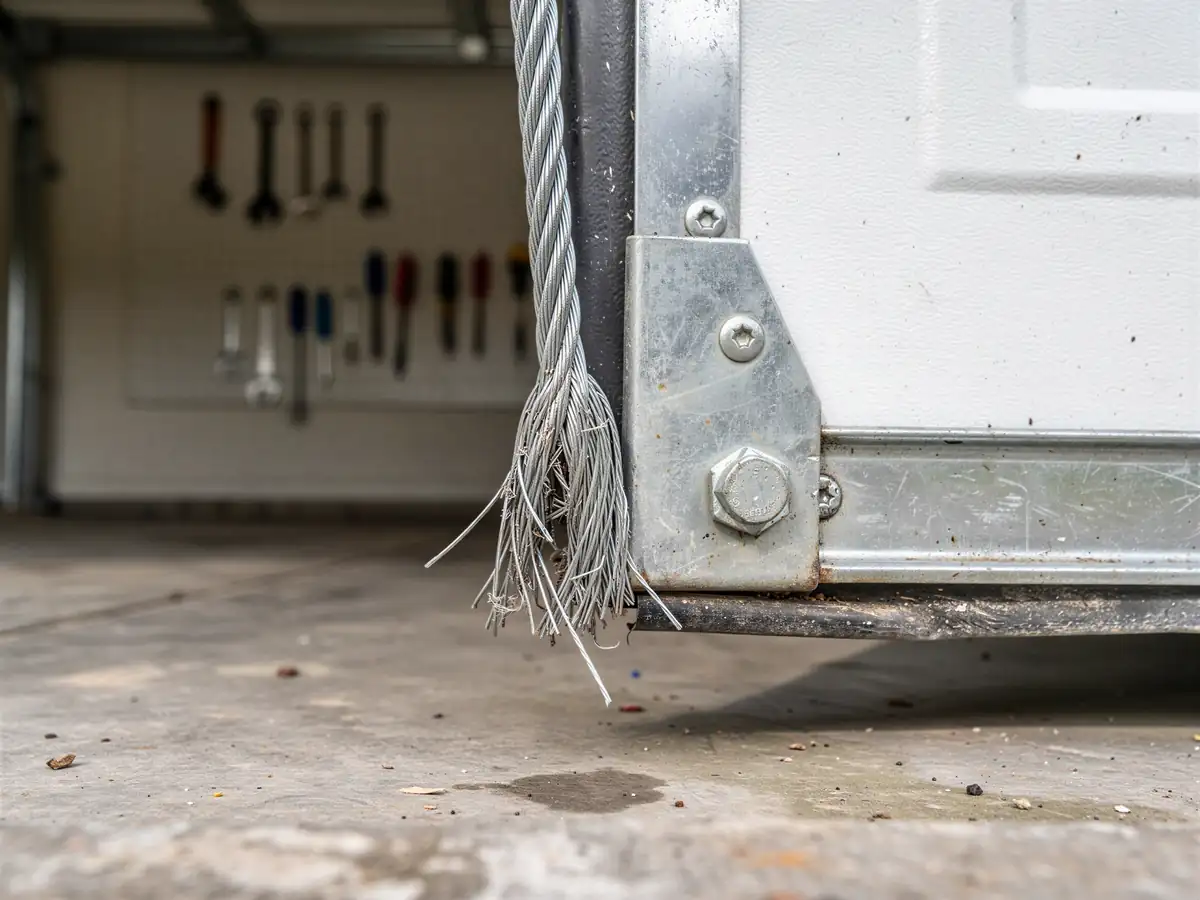
Two things drive most of the panel calls we get out this way. First, the climate - this area sits in a cold, severe winter band, and steel panels crack at the seams and around window cutouts when they take a hard knock while the metal's already brittle from the cold. A car bumper tap that would just dent a panel in July can split it clean in January.
Second, the housing stock itself. With most Bridgeport homes dating to around 1966, falling inside the broader 1952-1994 wave across this service area, a lot of doors are original steel sectional units well past their expected panel life. The paint's chalky, the seams have flexed thousands of times, and one more impact - a trailer hitch backing in wrong, a basketball hoop mount gone loose - is often what finally splits a panel that was already thin from age rather than starting the damage from scratch.