Doing It Yourself
There's a short list of things worth doing yourself before you call anybody
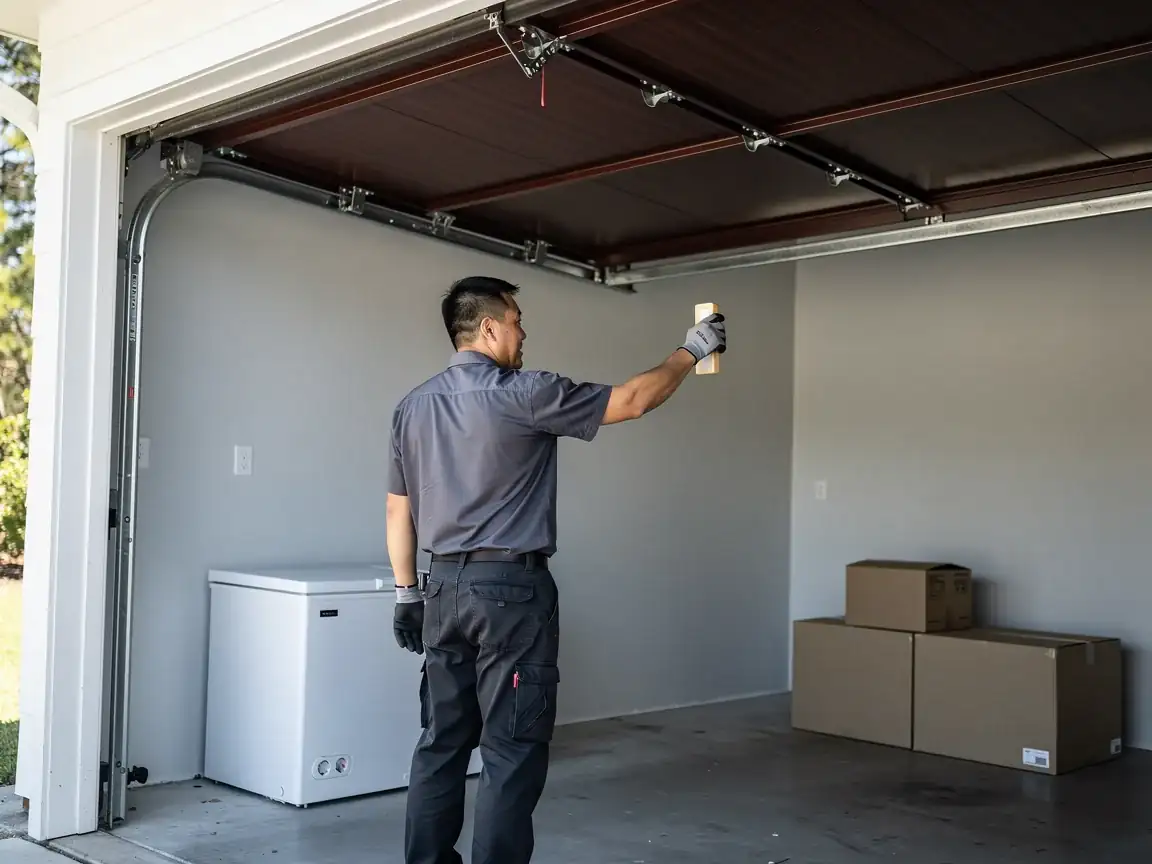
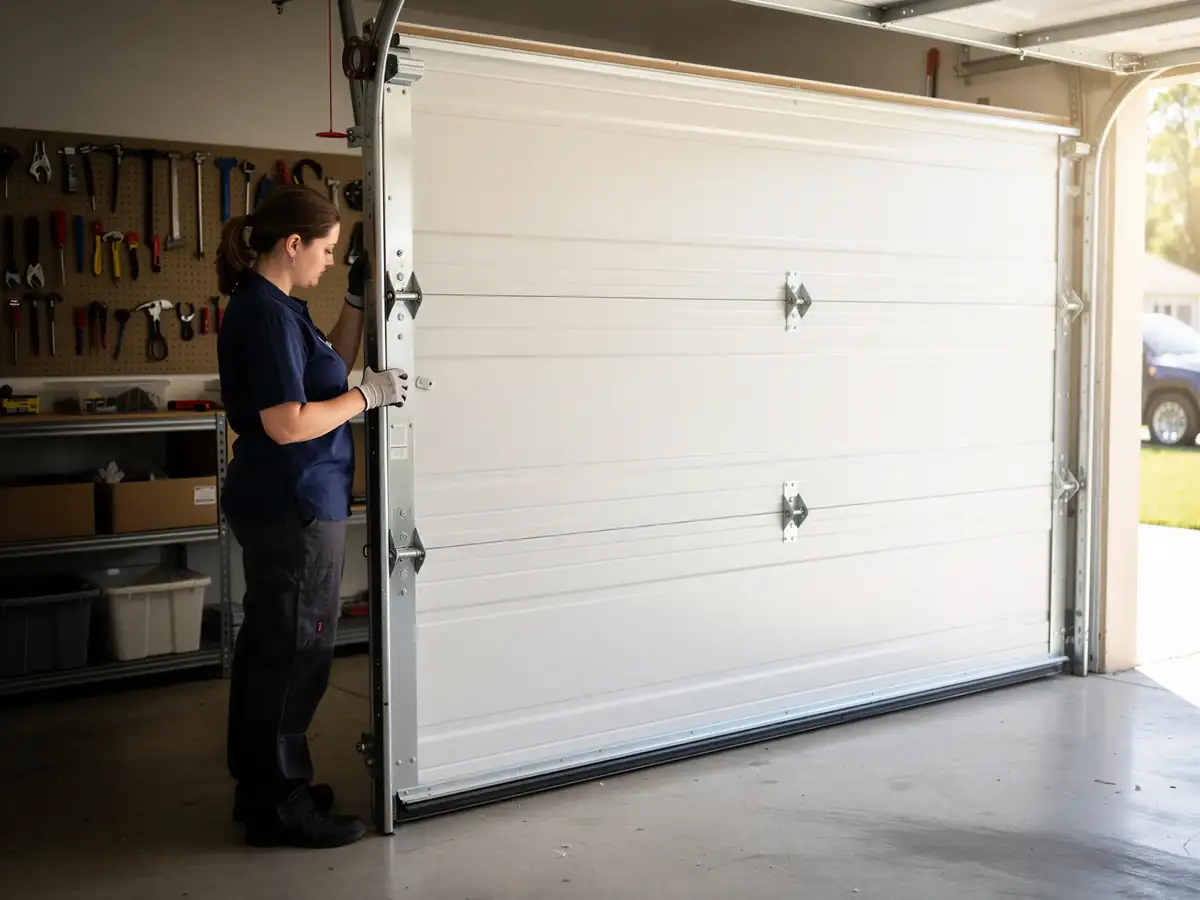
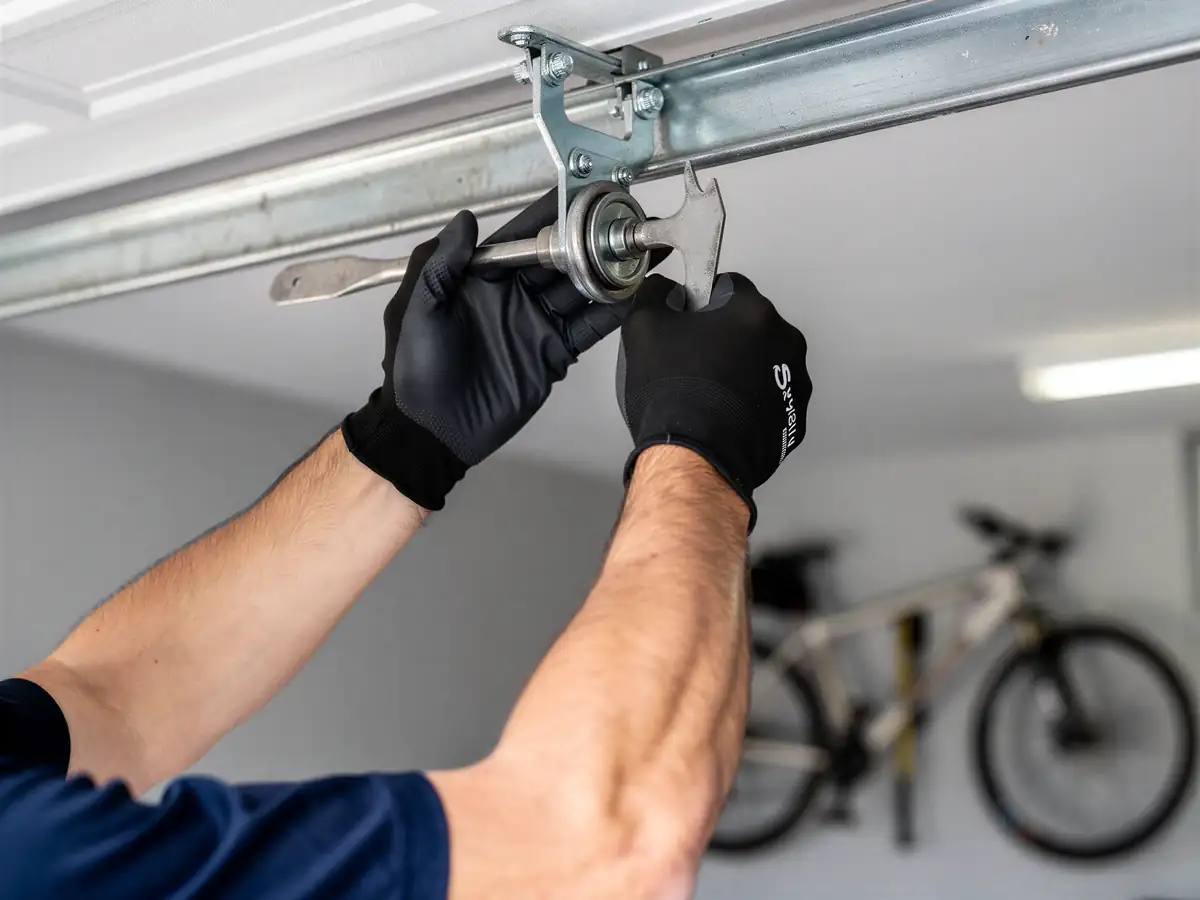
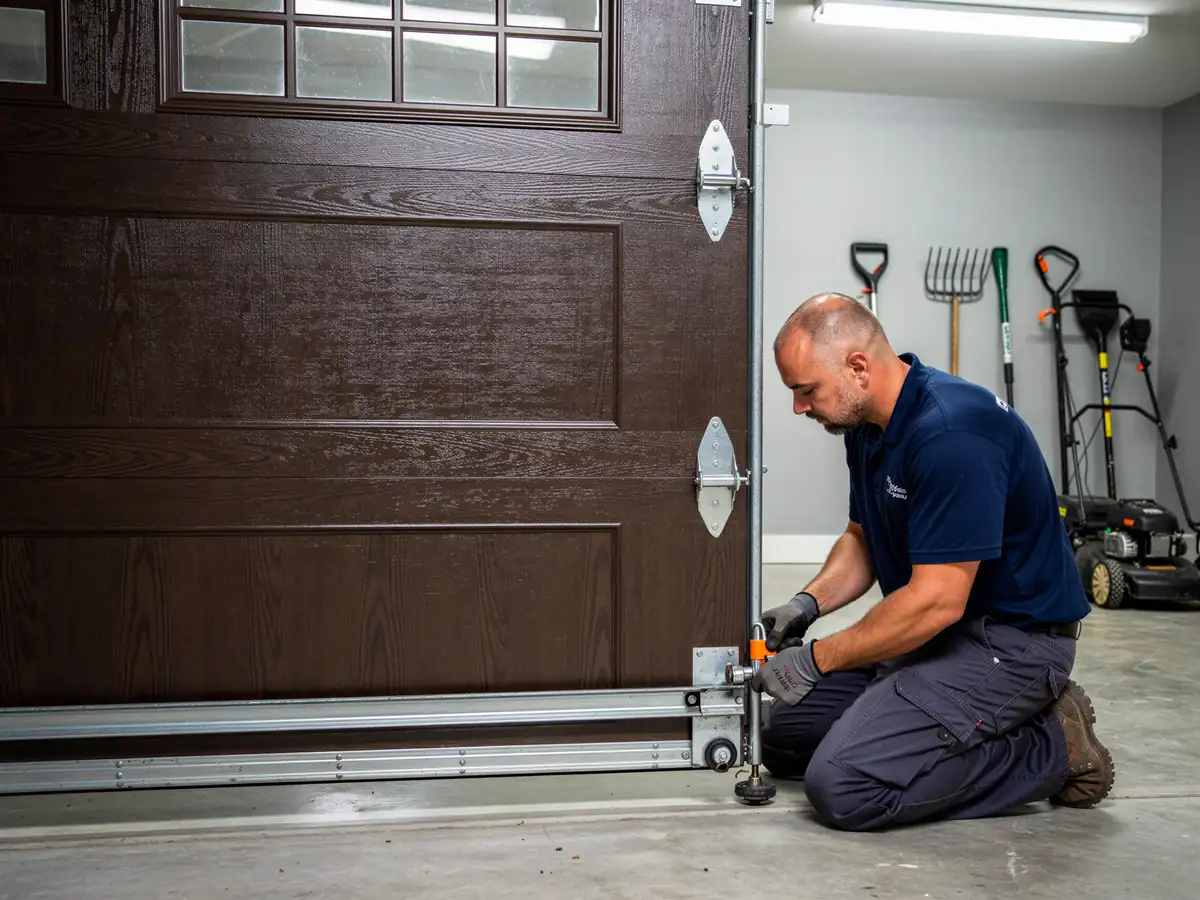
Wipe down the tracks and check for bent spots, make sure the bolts holding the roller brackets haven't worked loose, and keep the rollers lubricated - in a severe cold climate like this one, grease that's too thick seizes up by January and makes the door fight the opener all winter. That part's safe no matter how old your house is.
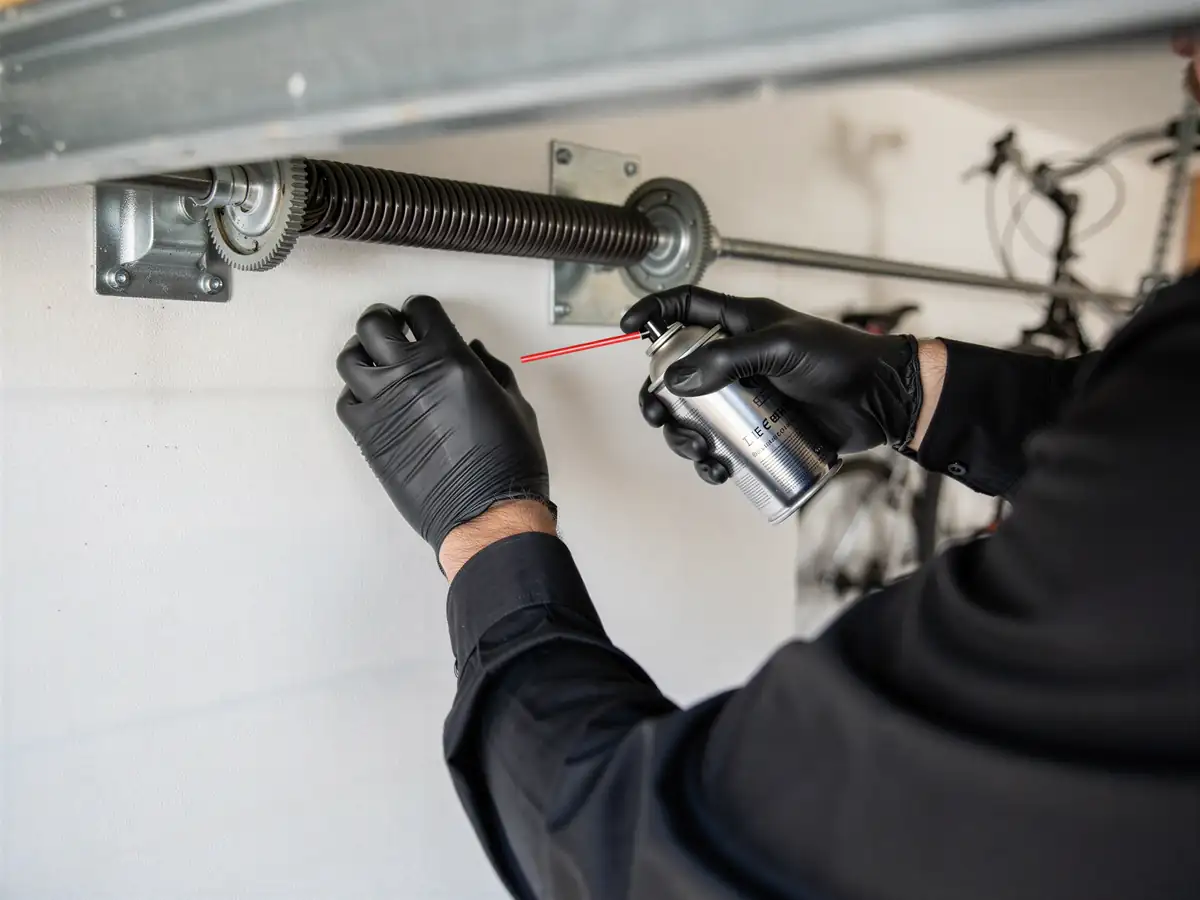
What isn't safe to DIY: torsion springs
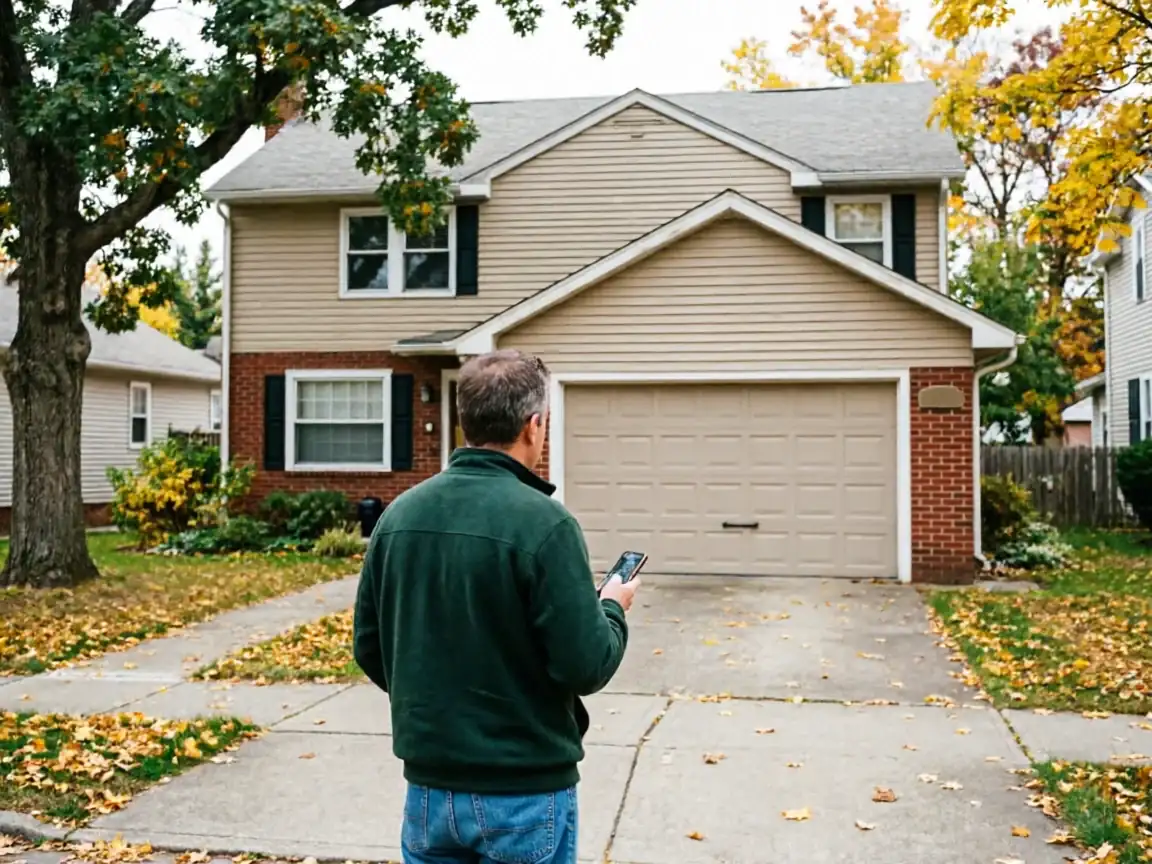
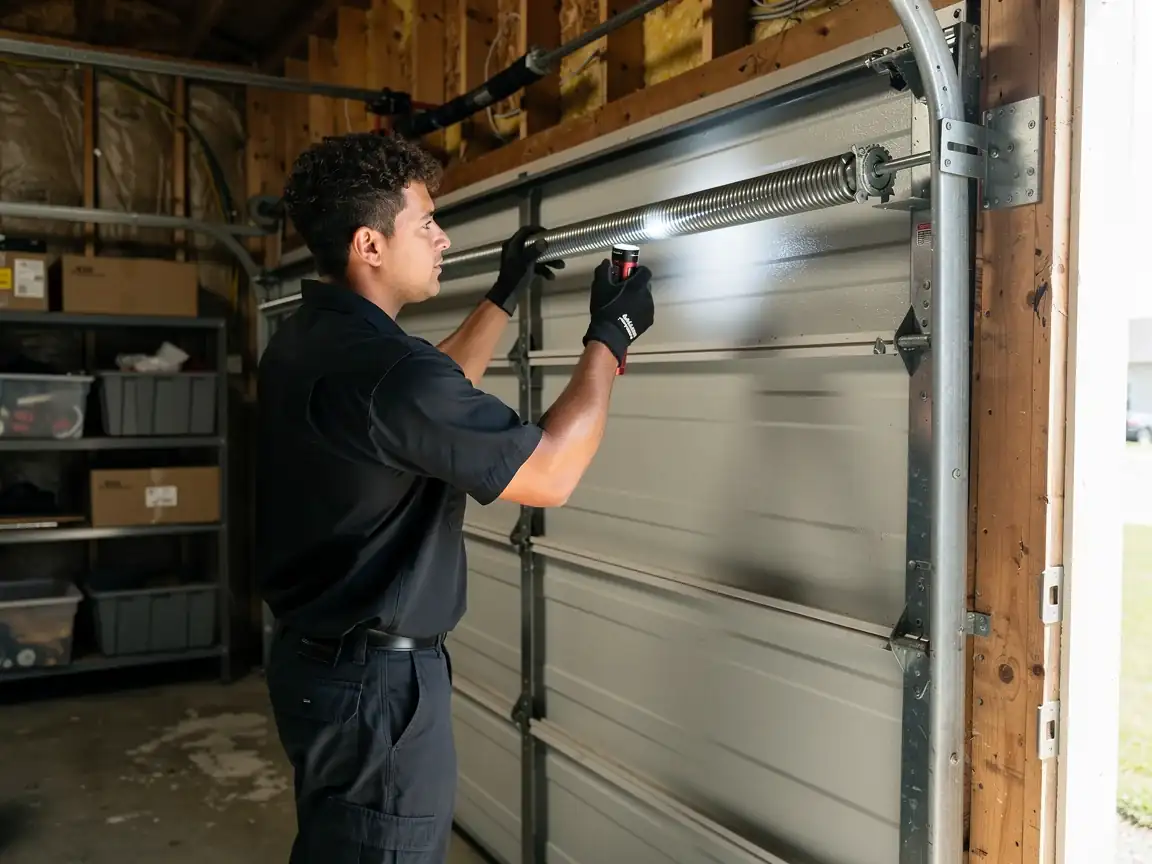
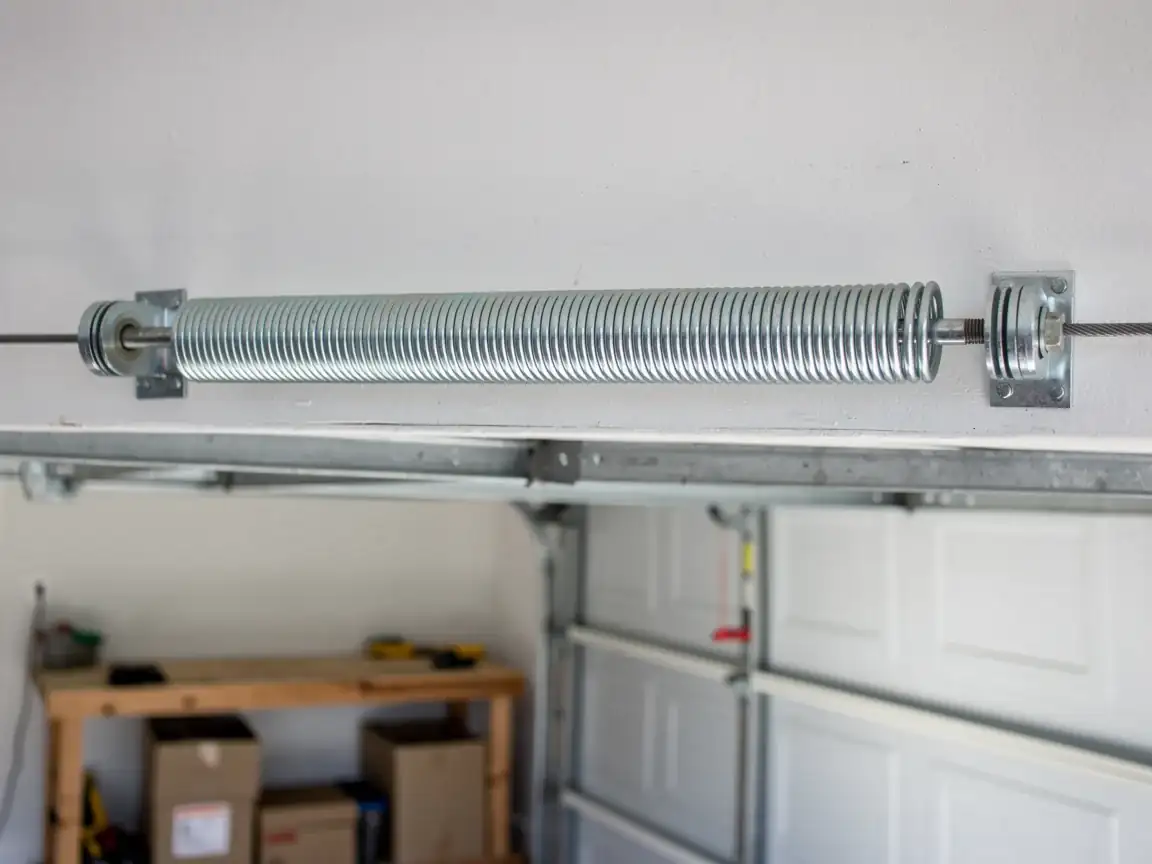
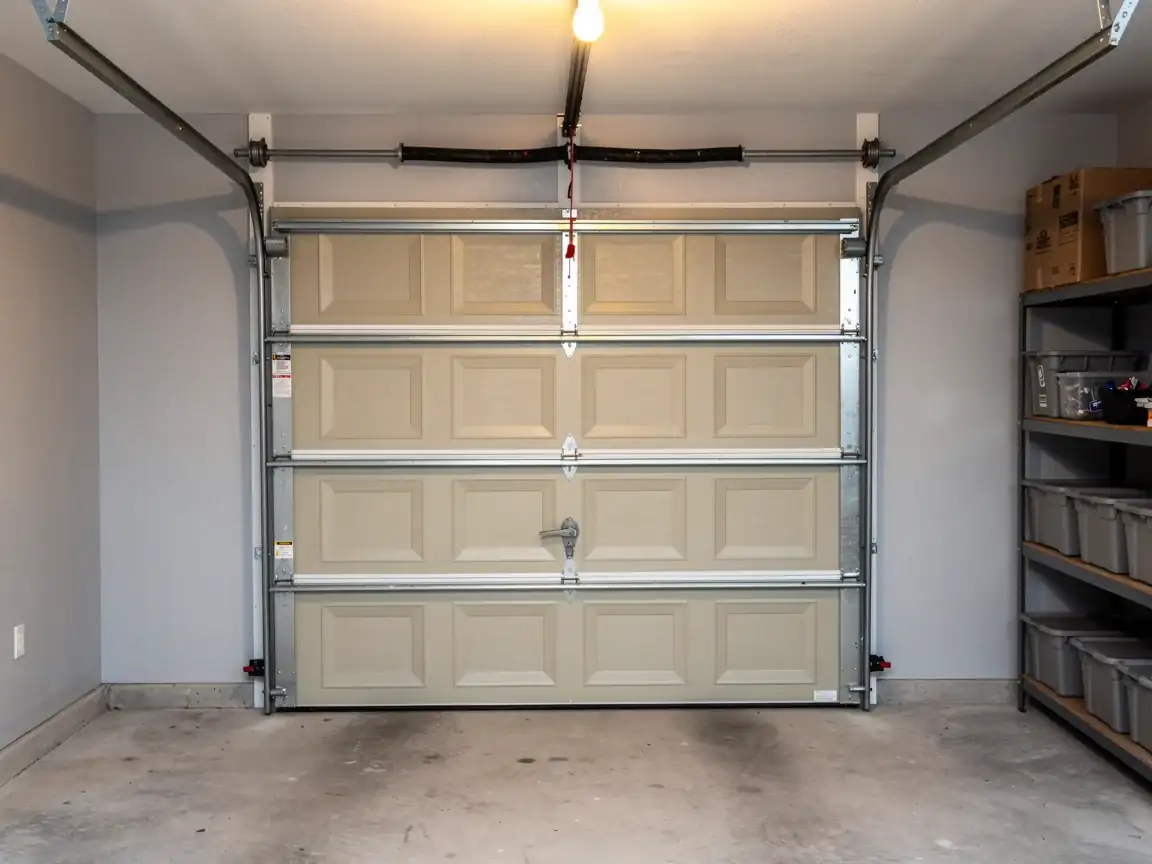
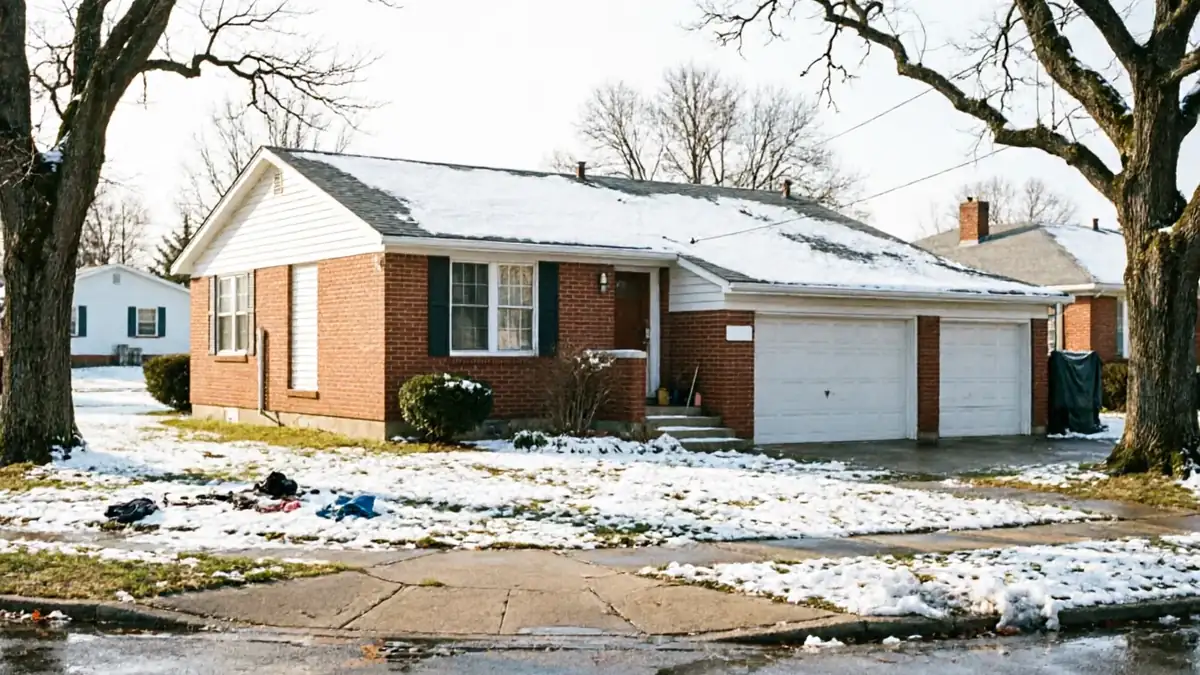
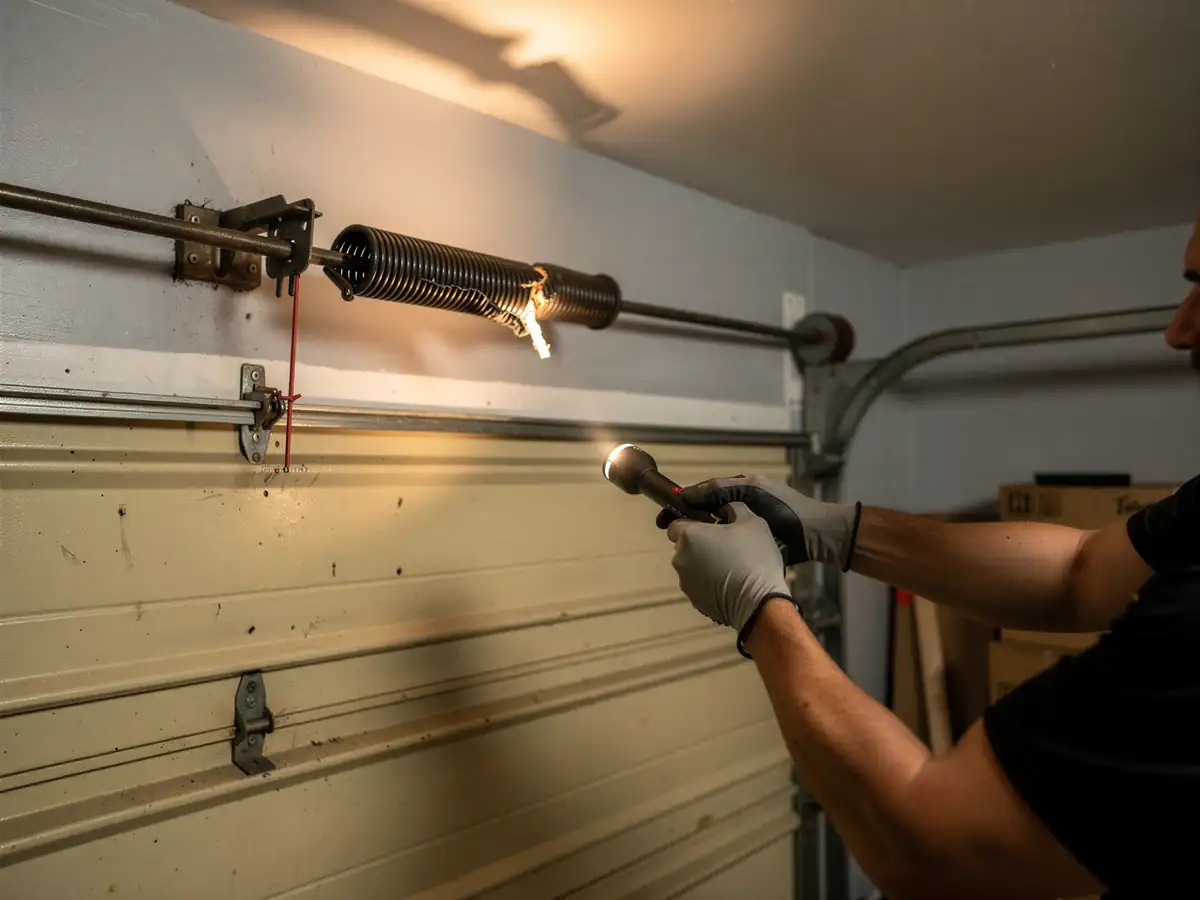
A lot of houses in Fraser went up around 1964, and that means original or first-replacement torsion hardware that's wound tighter than newer systems and mounted on brackets that weren't built to the same tolerances as what's sold today. Winding or unwinding that spring with the wrong bars, or on a shaft that's corroded from forty-plus winters, is how people end up in the ER. If the door won't move, or moves but drops hard when you release it by hand, stop there and call it in rather than troubleshoot further yourself.
Where This Job Goes Sideways
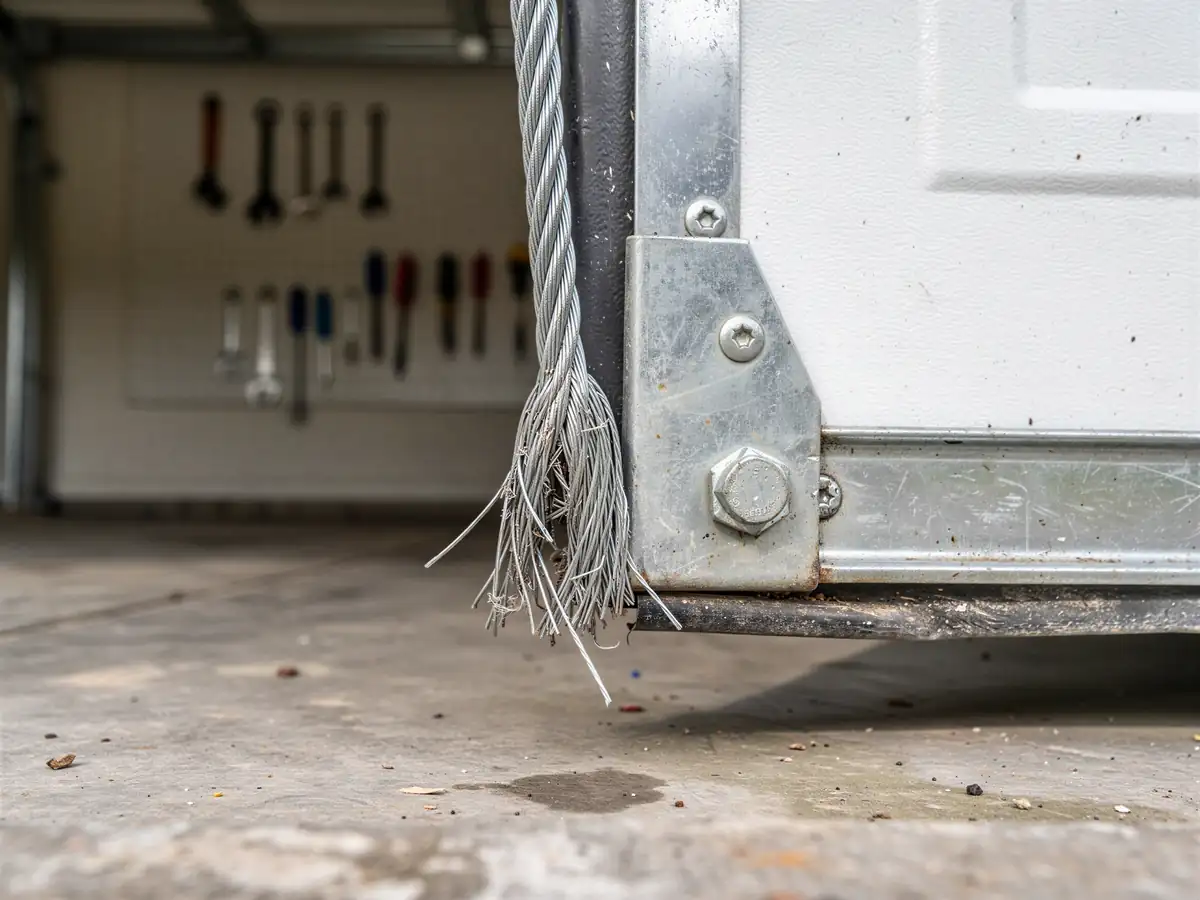
The failure we see tied to housing from the early-to-mid 1960s is springs that look fine but have lost a huge amount of tension without snapping outright - the door still opens, just slower and heavier each week, until one day a cable jumps the drum. Cold makes this worse. Steel that's fatigued gets brittle below freezing, so the spring that was merely weak in October can fail outright during a hard freeze.
The other way this goes sideways is parts. Original hardware from a 1964 build - certain drum sizes, certain bracket spacing - isn't something every supplier still carries. We can usually match it or adapt a modern equivalent, but if a part has to be special-ordered, that adds days you didn't plan for. We'll tell you up front if that's where your job is headed rather than quote a one-visit fix and miss it.
Getting It Booked In
Fraser sits about 14 miles out from our base in Bay City, so a call here is a planned trip, not a drop-by. That's not a problem, but it does mean the more you can tell us before the truck leaves - the door's rough age, the brand on the opener if there is one, whether the spring is on one side or centered, whether the door is single or double - the better we can load the right spring and hardware on the first run instead of a second trip for the same repair.
We don't run a branch or a dispatch point in Fraser itself; every job here is covered out of Bay City. That's worth knowing if you're expecting a same-hour walk-in - it's a scheduled visit, and we'll give you a window rather than a knock on the door.
What It Costs
We're not going to put a number here we can't back up for your specific door
But here's the honest shape of it. Fraser's median household income runs lower than the wider service area's - around $56,389 here versus roughly $72,558 across the full area we cover - and that's worth factoring into the repair-versus-replace call. A single spring swap on a door that's otherwise sound is usually the cheaper road. A door where the hardware is original to a 1964 house and multiple parts are worn - rollers, cables, the drum itself - can tip toward full replacement being the smarter spend, because you're not paying labor twice on the same opening within a year or two.
The honest limitation
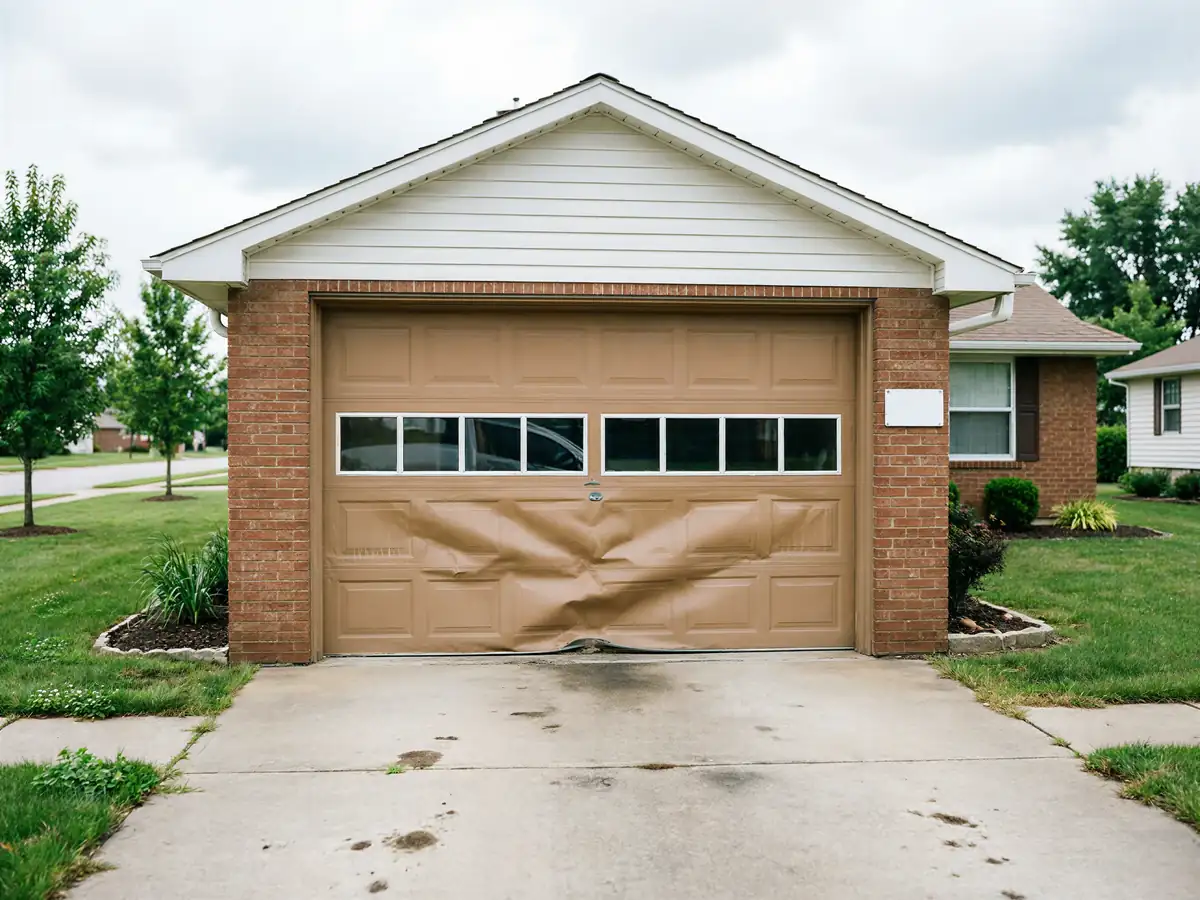
If we get out there and the track or the panel is bent enough that patching it just delays the same call again, we'll say so instead of selling a repair that won't hold.
The Symptom
The complaint we hear most from this stretch of the area is a door that creeps instead of lifts - it starts fine, slows about a third of the way up, and the opener strains or reverses. On houses from the early 1960s that's almost always spring fatigue, sometimes paired with rollers that were never upgraded from the steel originals, which bind hard once the temperature drops.
A second common one: the door comes down off-level, dragging on one track before it seats. That points to uneven spring tension or a cable that's stretched more on one side, and it's more common on older single-spring setups than on newer double-torsion ones. Either symptom is worth a call before it turns into a snapped cable or a jammed opener gear, both of which cost more to fix than catching it early.