Doing It Yourself
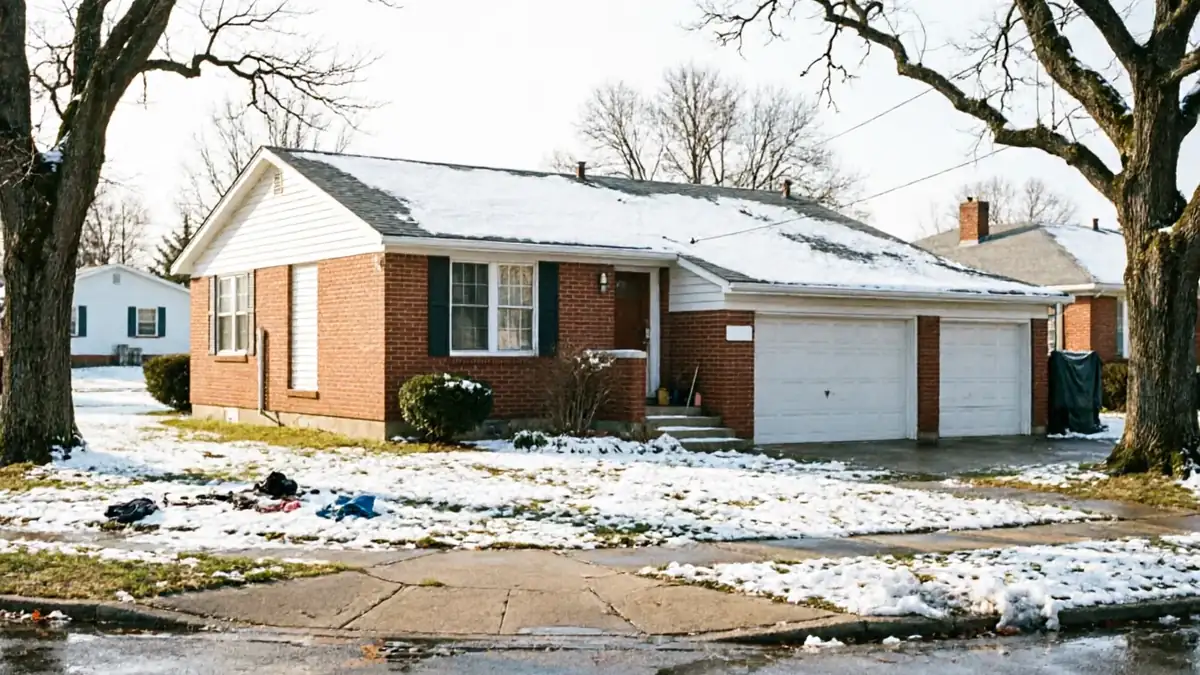
Fraser's housing stock centers on 1964
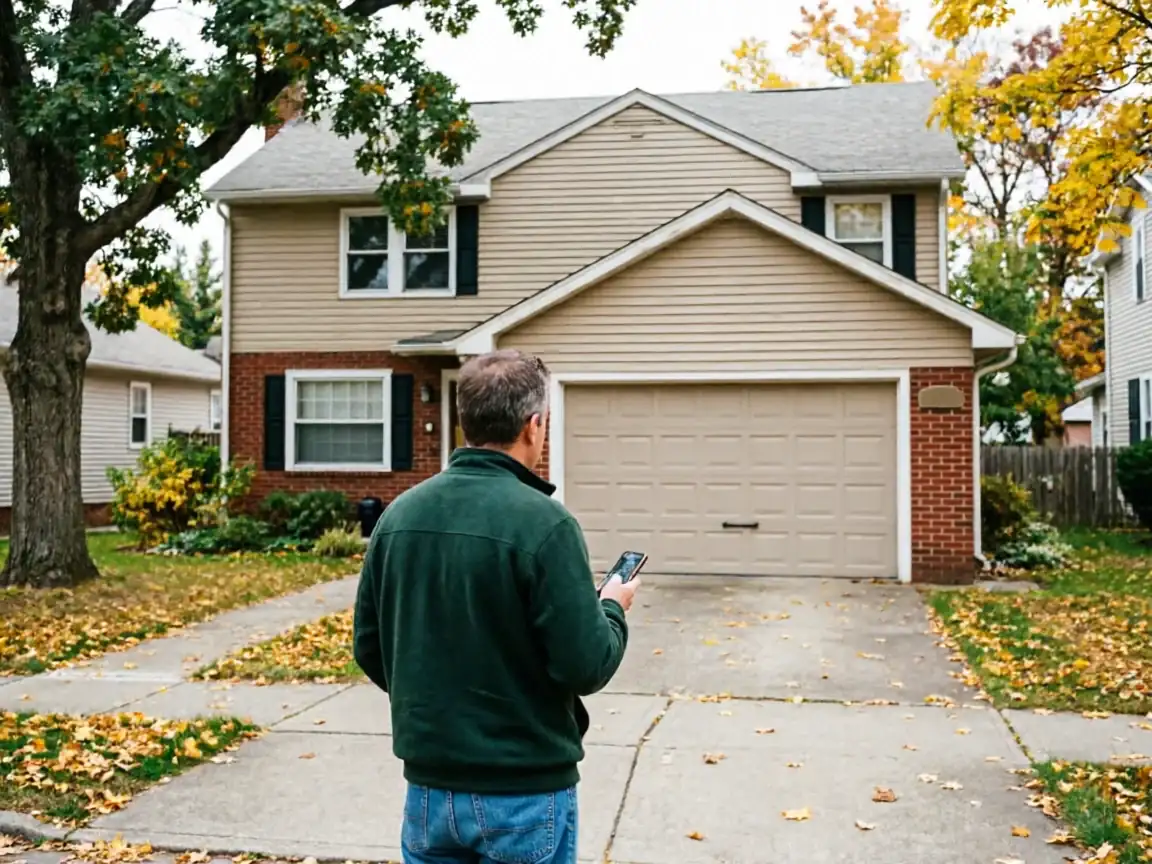
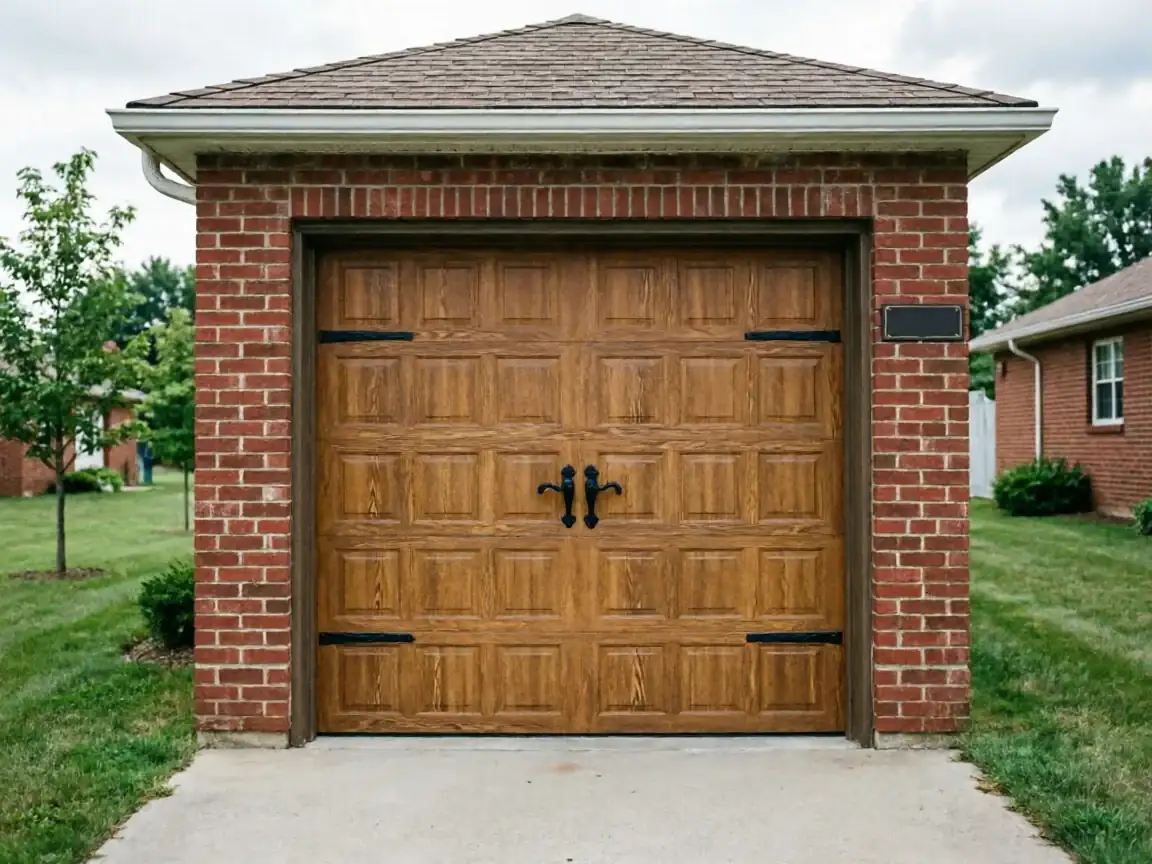
Which puts most garage doors here into steel sectional territory rather than the wood doors of older neighborhoods or the composite doors of newer builds. A single dented or rusted-through panel on a door that age is a real do-it-yourself candidate if you can find a matching section - the trouble is finding one. Panel profiles and stile widths shifted more than once between the 1960s and now, so a section ordered off a general parts site often doesn't rack up flush against the originals.
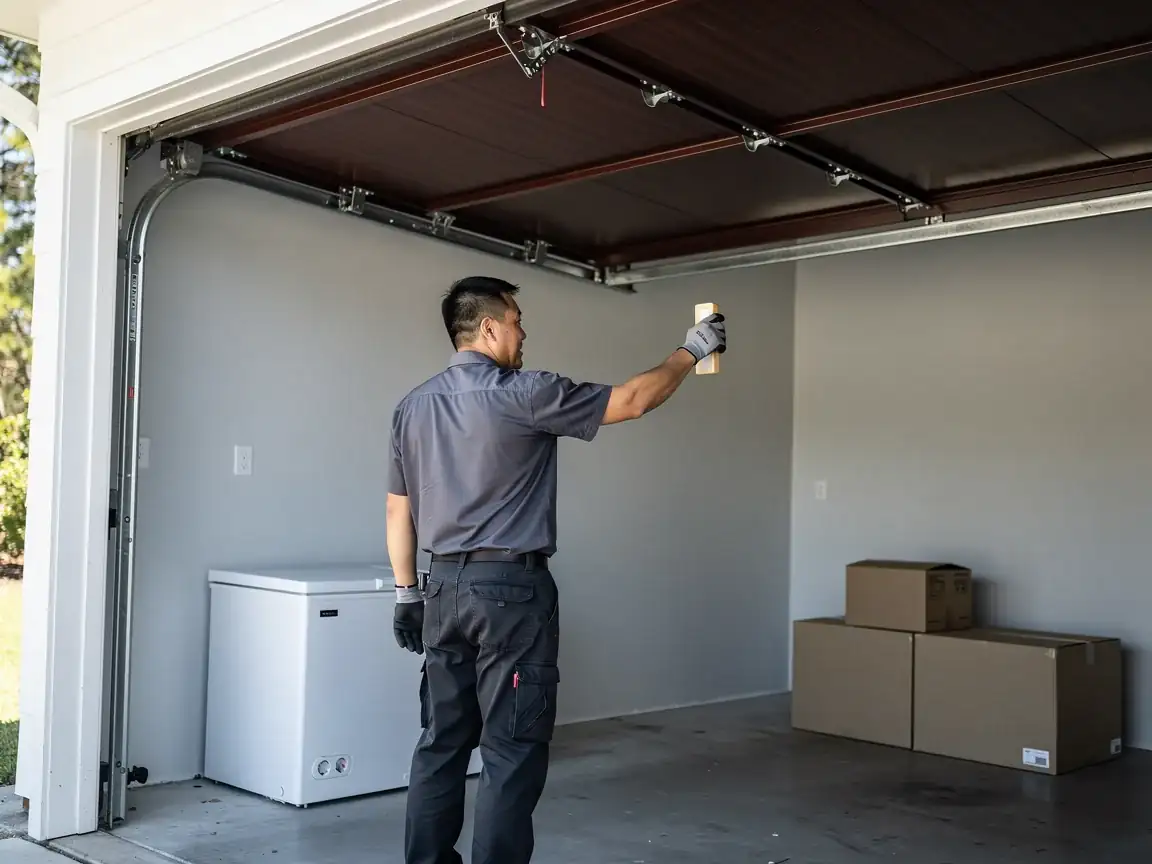
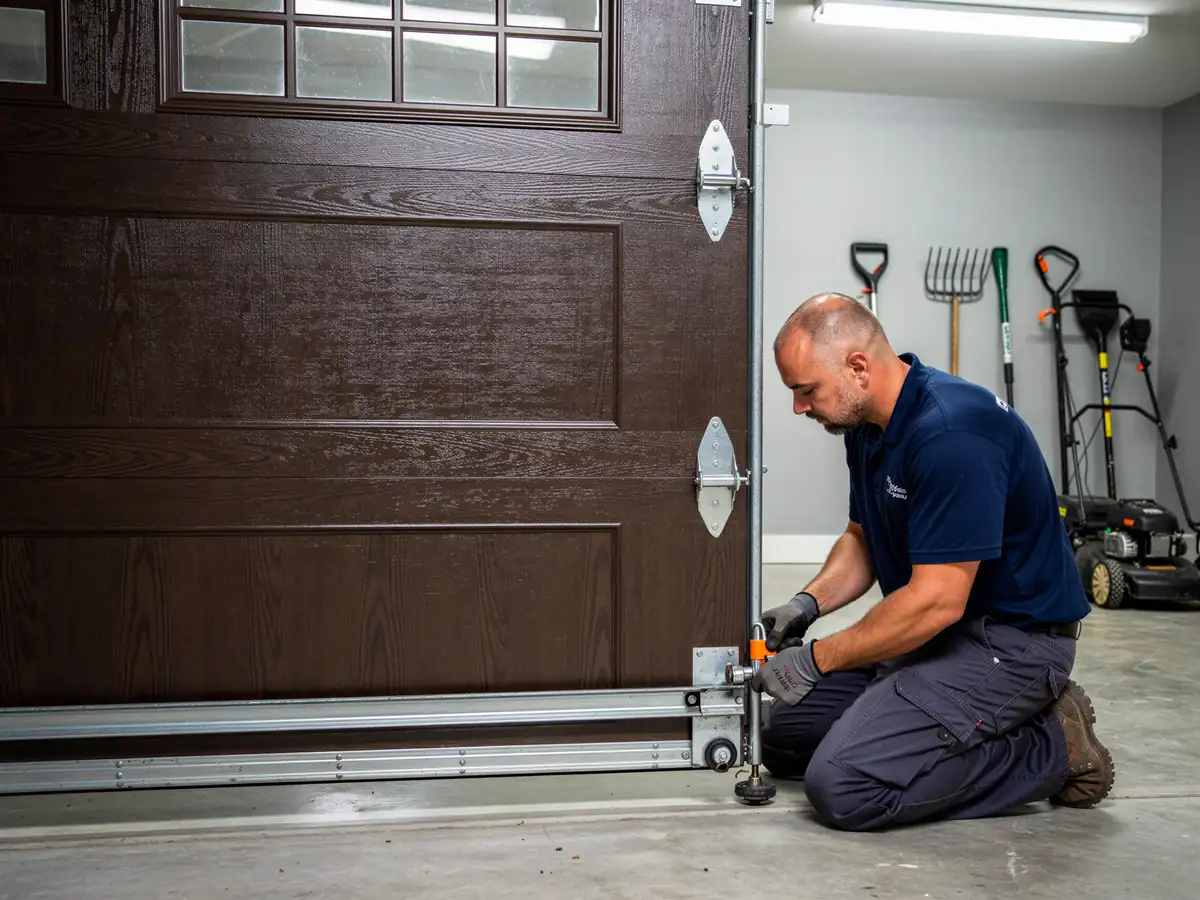
If you're set on doing it yourself, measure the section height, the track width, and count the ribs on the panel face before you order anything
Mismatched sections throw the door's alignment on the rollers even if they bolt in fine, and that shows up as noise or binding within a season. Cold-climate steel also gets brittle with age, so a 1960s-era panel you pry at in January can crack rather than bend.
We're honest that this isn't a job we push people toward hiring out automatically
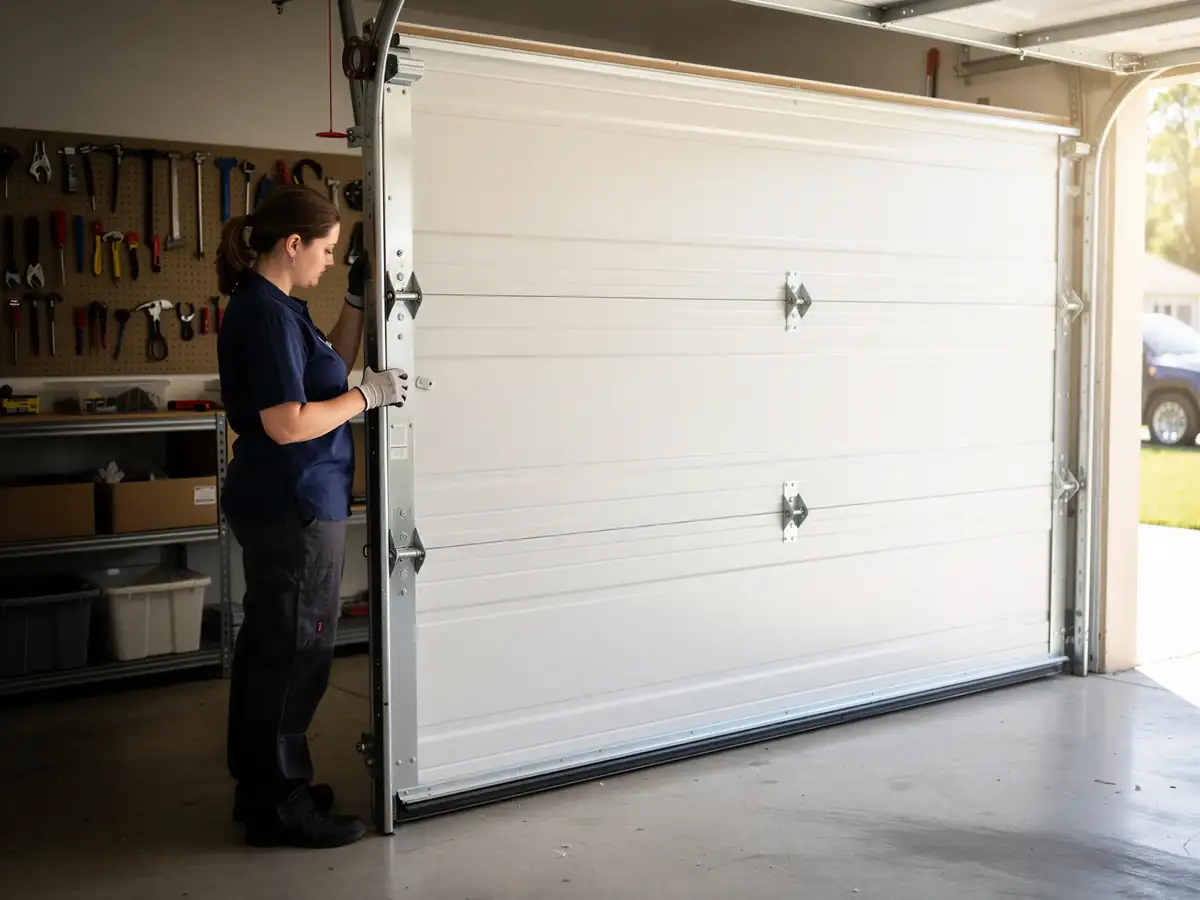
A clean single-panel swap on accessible hardware is within reach for a homeowner with the right tools and a Saturday. Where it stops being a DIY job is when the panel damage has pulled the track out of plumb, which is common enough on doors this age that it's worth checking before you order parts.
Where This Job Goes Sideways
The failure mode we see most on Fraser's 1960s-era doors is ordering a replacement panel that's close enough to look right in a photo and wrong enough to bind the door once it's hung. Doors built around 1964 often used panel heights and rib spacing that later manufacturers changed, so a part that fits a 2010s door frame doesn't sit flush on original hardware.
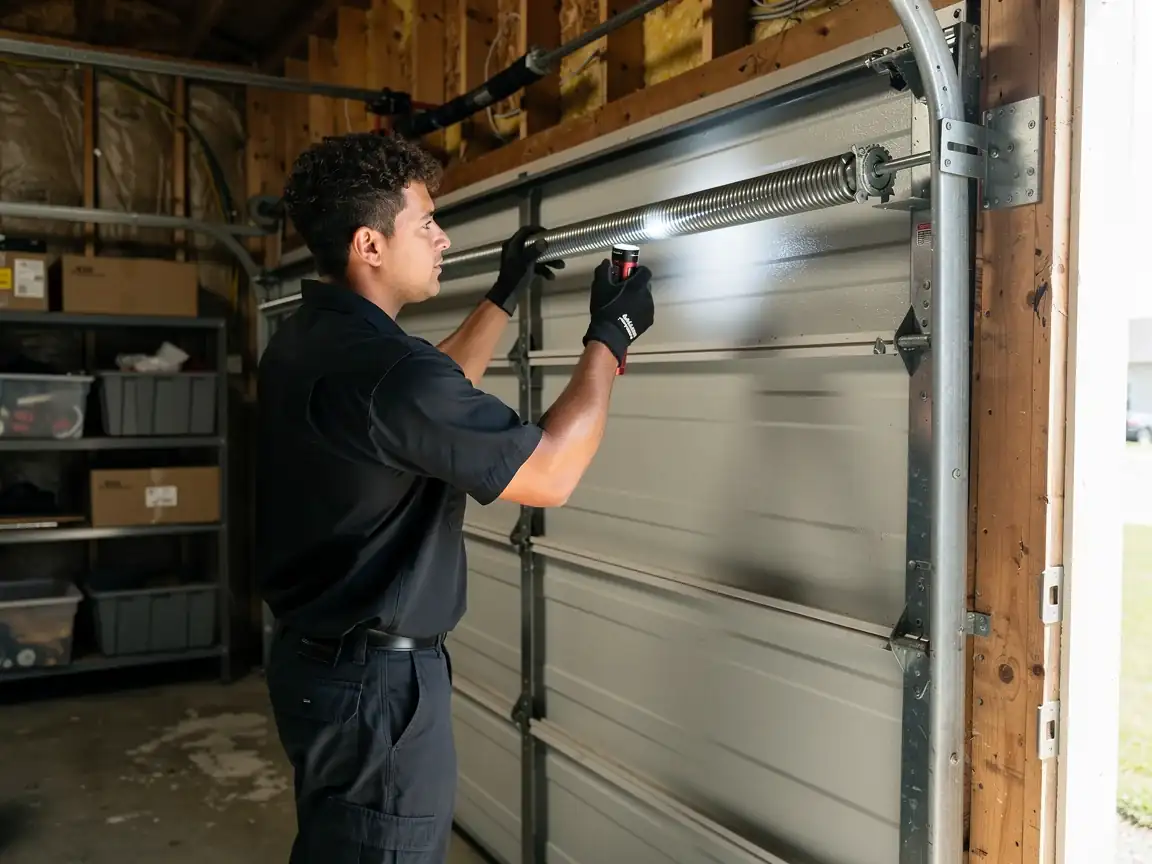
The second way it goes sideways is hardware fatigue nobody flagged. A door running on its original rollers and hinges for six decades has wear that a new panel will expose immediately - the new section is stiffer and straighter than the rest of the door, so it fights the old tracks instead of riding with them. Cold-climate swings through a Michigan winter accelerate that wear on steel that's already been through fifty-some seasons.
The honest limitation here: if the door has more than one damaged panel, or if the track alignment is off by more than a little, panel-by-panel replacement stops making financial sense. At that point a full door replacement often costs less in labor and headache than chasing matching sections for a discontinued profile. We'll tell you straight if that's where your door is before we start ordering parts.
Getting It Booked In
We work out of Bay City, and Fraser sits about 14 miles out, so booking a panel job here means scheduling a drive, not a same-day drop-in. That's worth knowing up front - this isn't a job where someone's parked around the corner.
When you call, have the door's approximate age and a photo of the panel damage ready. For a house in the 1964 range, we'll usually ask about the brand stamp inside the track or on the panel edge, because that narrows down which era of hardware we're sourcing against before the truck leaves Bay City. Matching parts for an original-era door sometimes means a short lead time on the panel itself, separate from when we can get out to install it.
We book the inspection and the install as two different conversations when the panel's uncertain - a quick look confirms what we're actually ordering before we commit a parts order to a profile that might not exist anymore. For straightforward matches, we can often handle both in a single visit.
What It Costs
We don't have a fixed price to quote you here without seeing the door
And we're not going to put a number on the page that doesn't hold up once we're standing in front of your garage. What we can tell you is what drives the cost on a job like this: whether the panel matches off a current manufacturer's catalog or has to be special-ordered for an older profile, and whether the track and rollers need attention alongside the panel itself.
Fraser's median household income sits lower than some of the other towns we cover from Bay City
And we know that shapes the decision between a patch repair and a fuller fix. A single matched panel swap is usually the cheaper path when the rest of the door is sound. Where the whole door is original steel from the 1964 era and multiple panels are tired, replacing the full door can come out close in cost to chasing discontinued parts one section at a time - sometimes less, once you count labor on two separate trips.
Ask for the breakdown on the call
Parts sourcing, labor, and whether a second trip is needed if the panel has to be ordered.
The Symptom
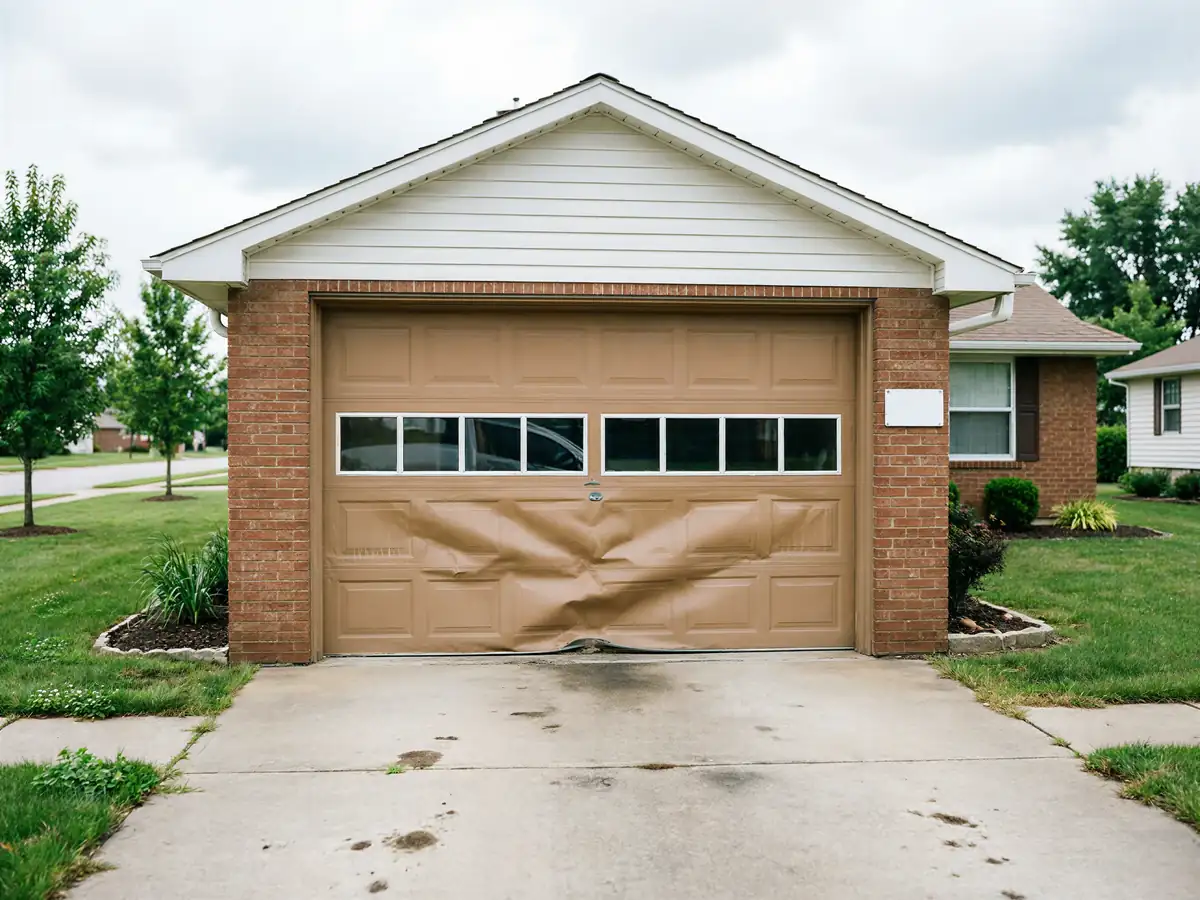
The giveaway on a Fraser garage door this age is usually a single panel that's dented, rusted through at the bottom edge, or cracked along a rib - while the rest of the door still closes and seals fine. That's a sign the damage is cosmetic and structural in one spot, not a sign the whole door's failing.
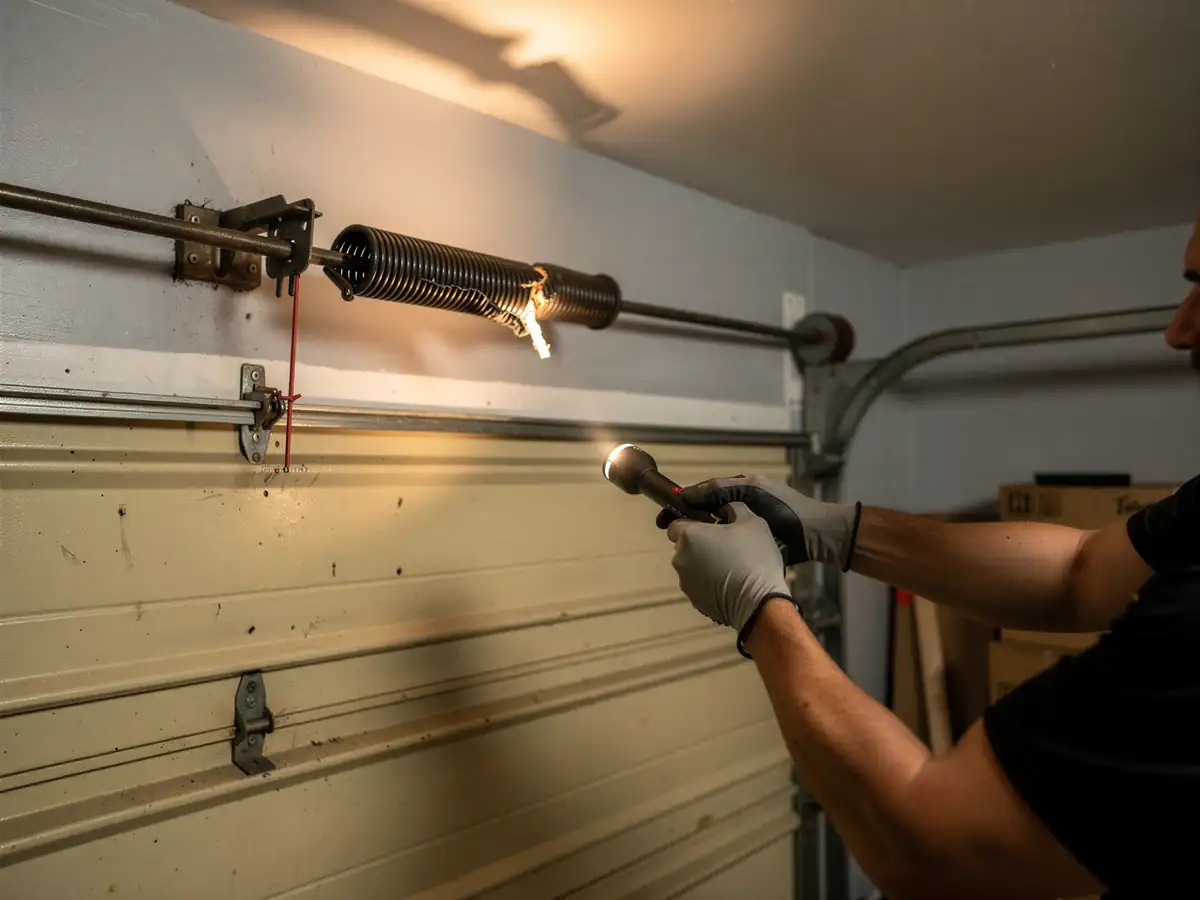
Watch for a second symptom alongside it: the door starts binding or making a new grinding noise right after the damage happens, even before anyone's touched the panel. On a door built around 1964, that usually means the dent has pushed the section slightly out of true, and it's now riding wrong in the track. Left alone through a Michigan winter, that misalignment works on the rollers and hinges faster than it would in milder weather, because cold steel doesn't flex back the way it would in summer.
If the door still opens and closes smoothly and the damage is just cosmetic, that's the easiest version of this job. If it's catching, humming, or the opener's straining to pull it up, get it looked at before the panel issue turns into a track or spring issue too.