Where This Job Goes Sideways
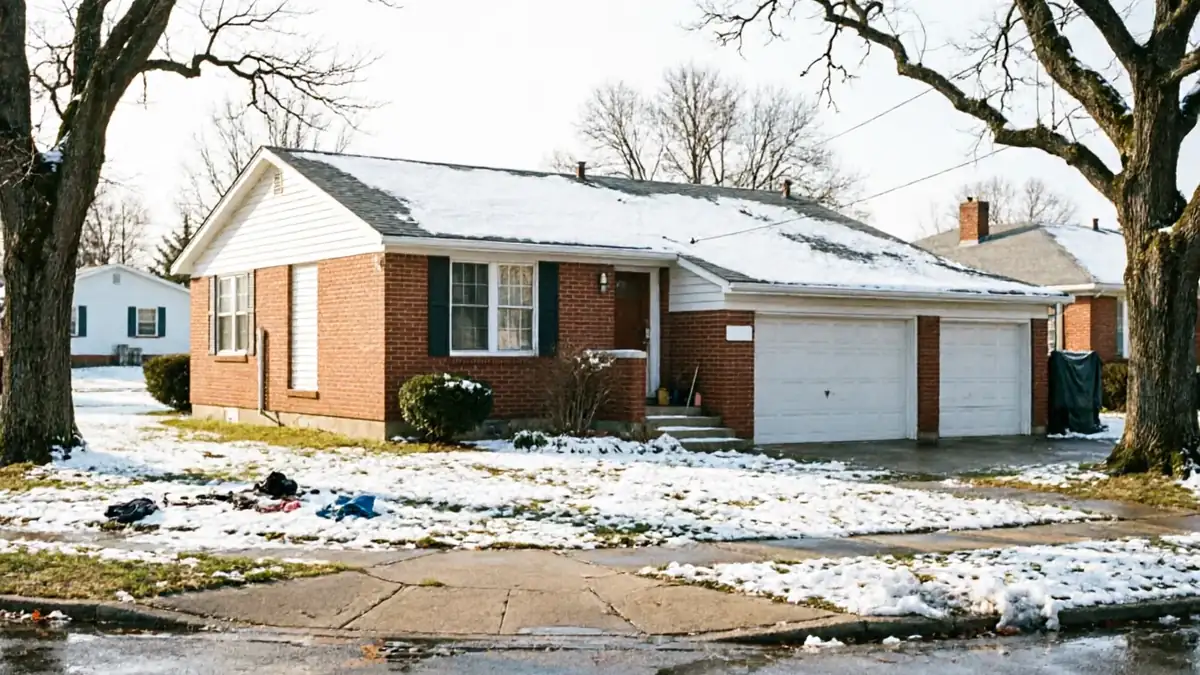
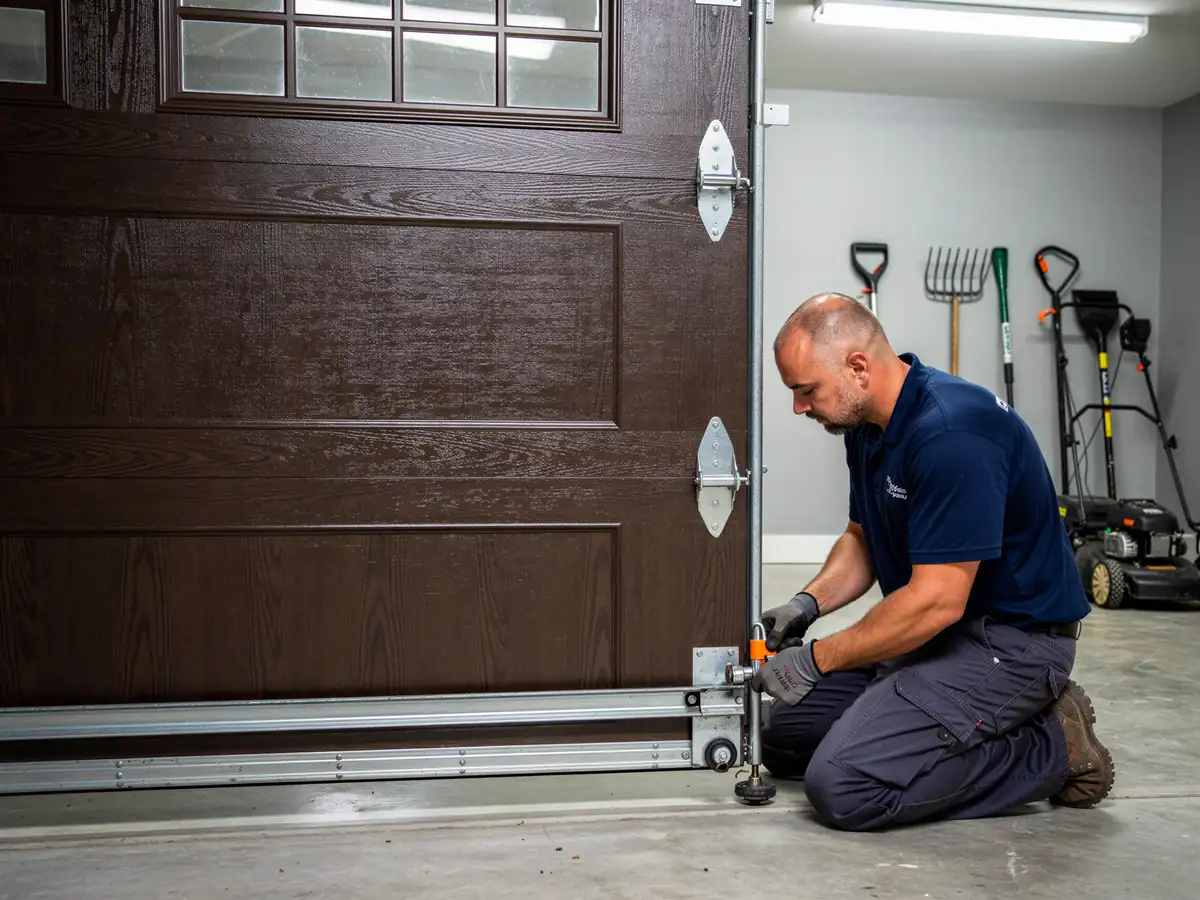
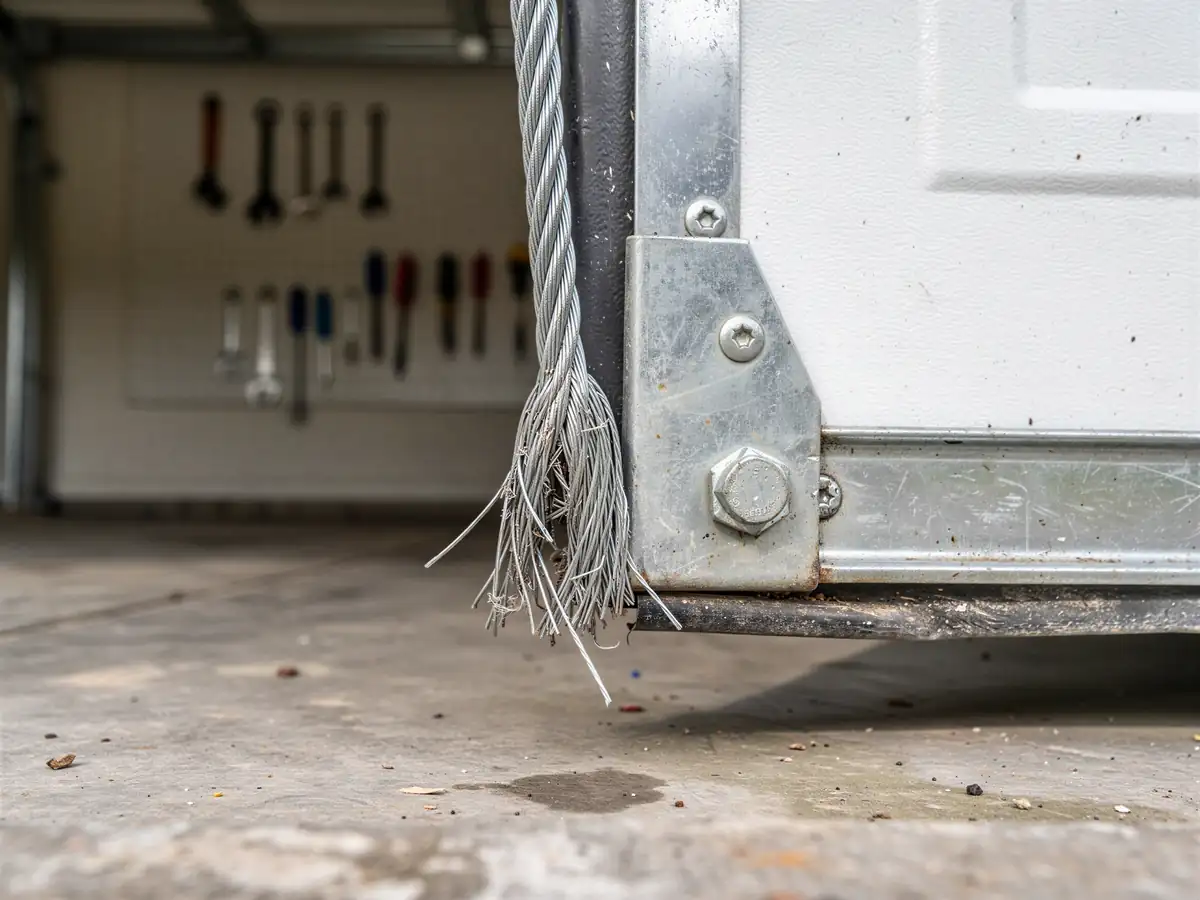
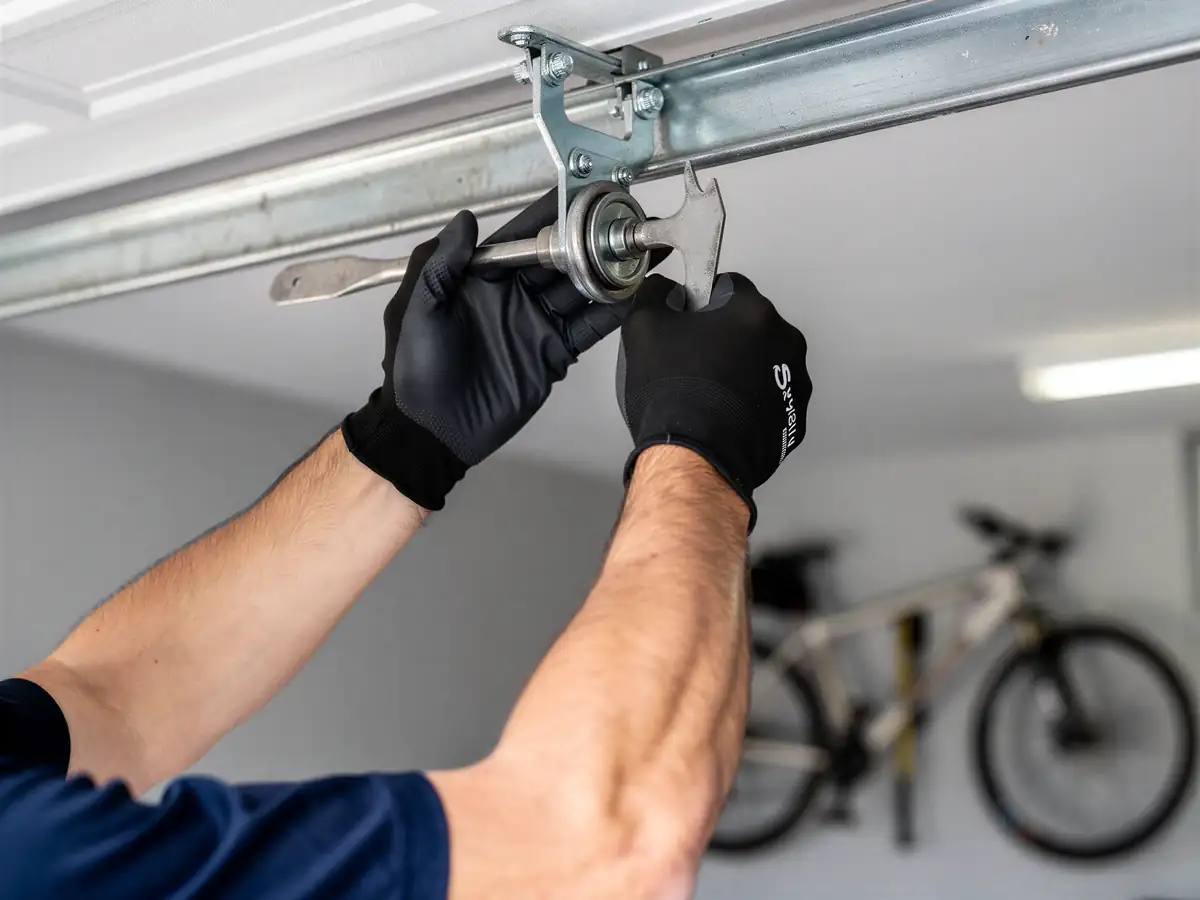
Cold-climate winters are hard on steel track and nylon rollers both, and a town built mostly in the 1960s means a lot of that original hardware is still doing its job, badly, forty-plus years past when it should've been swapped. The usual sideways turn: a homeowner replaces a broken cable themselves, gets the door moving again, and doesn't notice the opposite-side cable is also frayed. Two weeks later it snaps too, except now the door is heavier to catch because the first cable is new and tight while the second is loose. We also see doors here where someone's added a second opener motor to 'help' a spring that's under-sized for the door weight. It doesn't help. It burns out two motors instead of one and still doesn't fix the spring.
Getting It Booked In
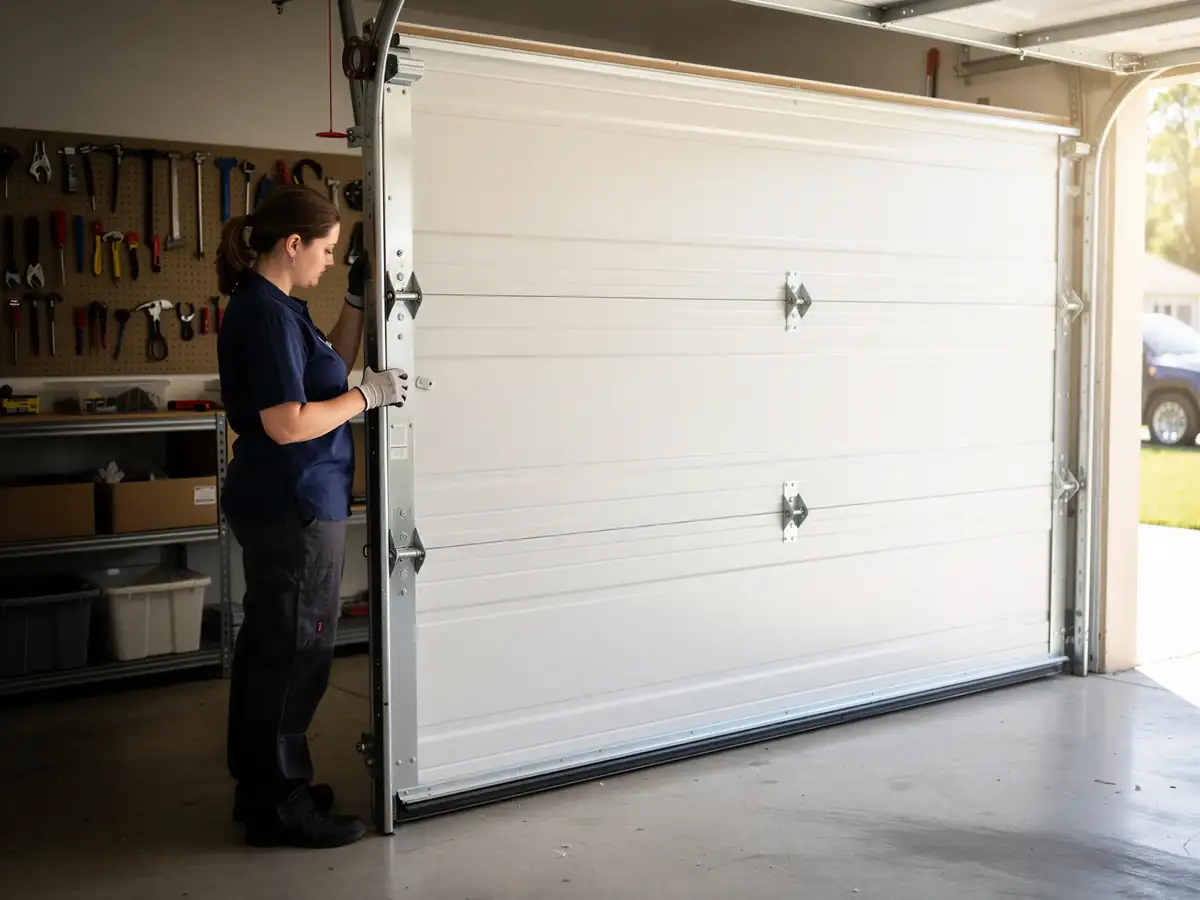
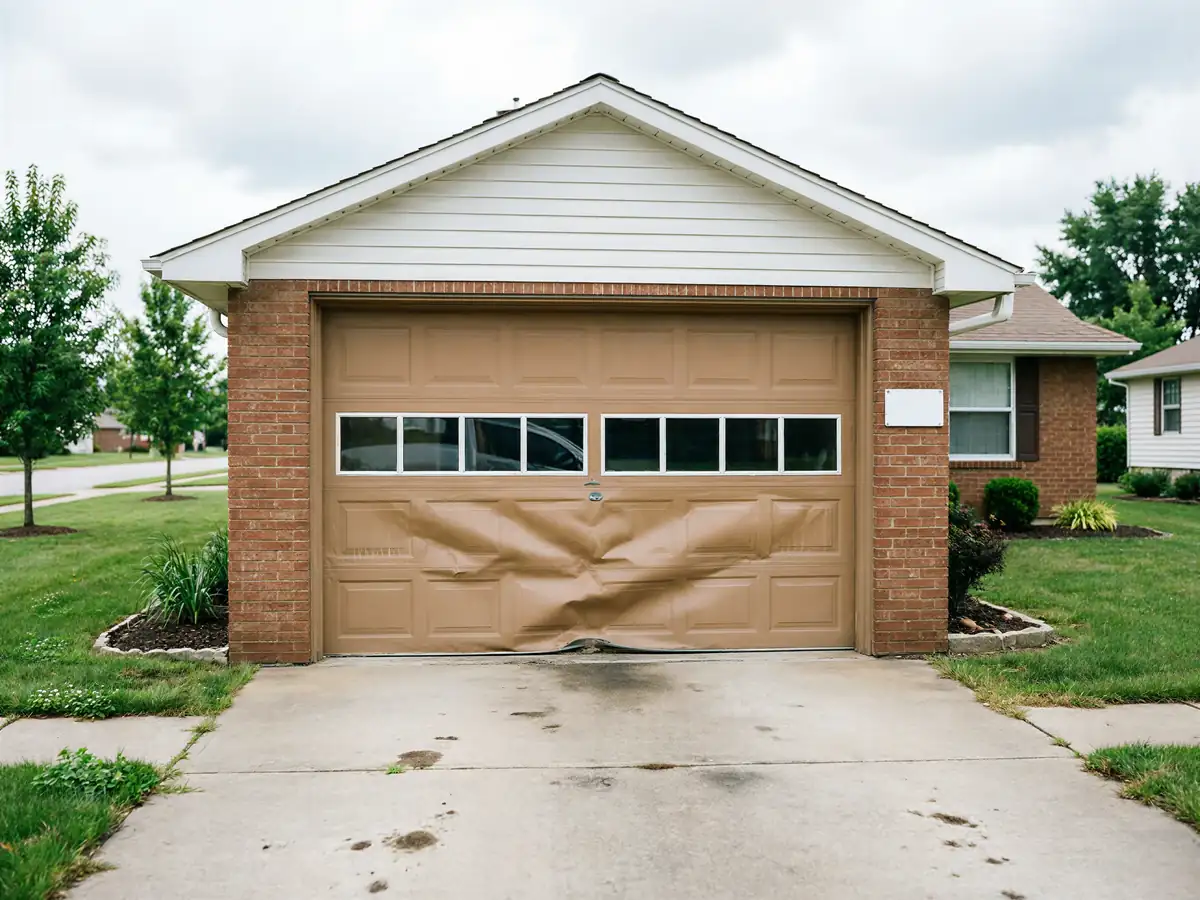
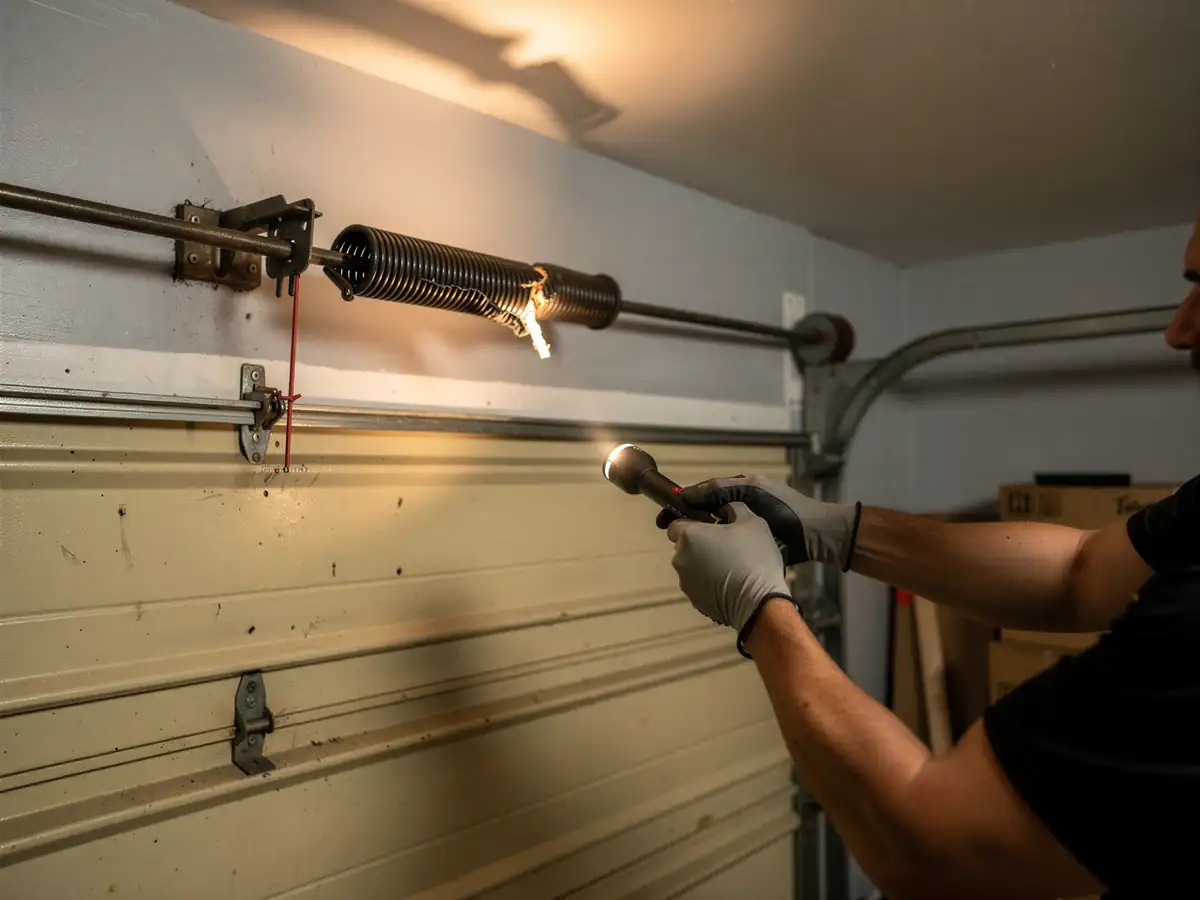
We run out of Bay City, about 14 miles from Fraser, so when you call we're scheduling the trip, not dispatching from around the corner. That means it helps to know roughly what's wrong before we're on the way: a spring that's visibly separated, a door that won't respond to the remote at all, or a track that's bent and binding. We don't keep a branch in Fraser and we're not going to pretend otherwise - what we can do is bring the right spring size and the right cable gauge for the job instead of guessing and driving back.
The Symptom
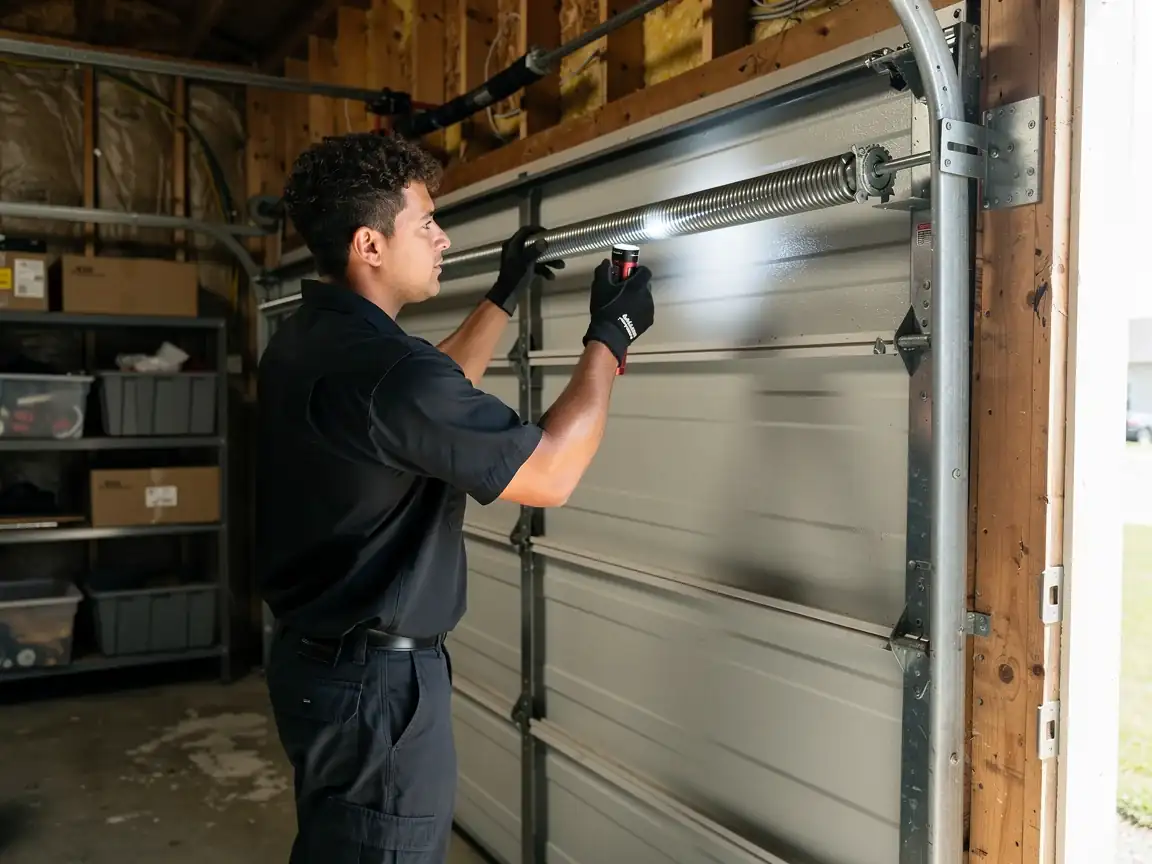
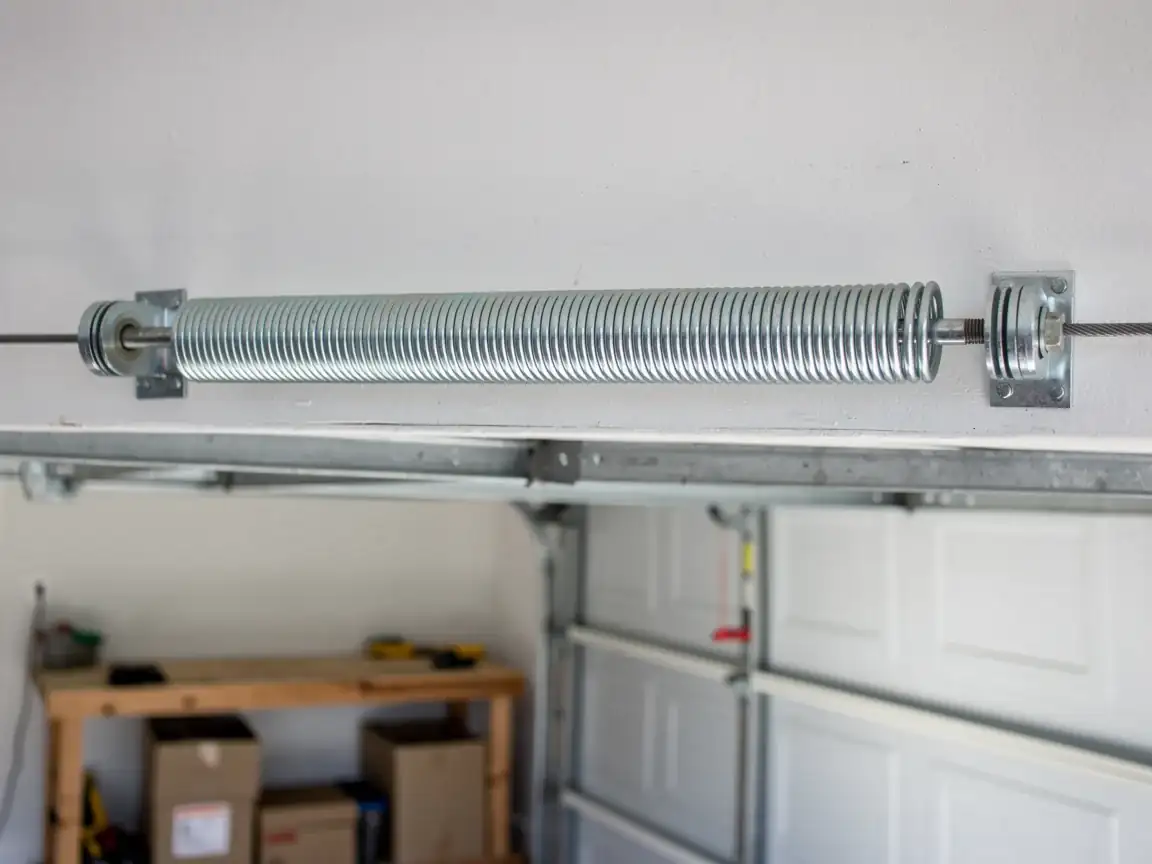
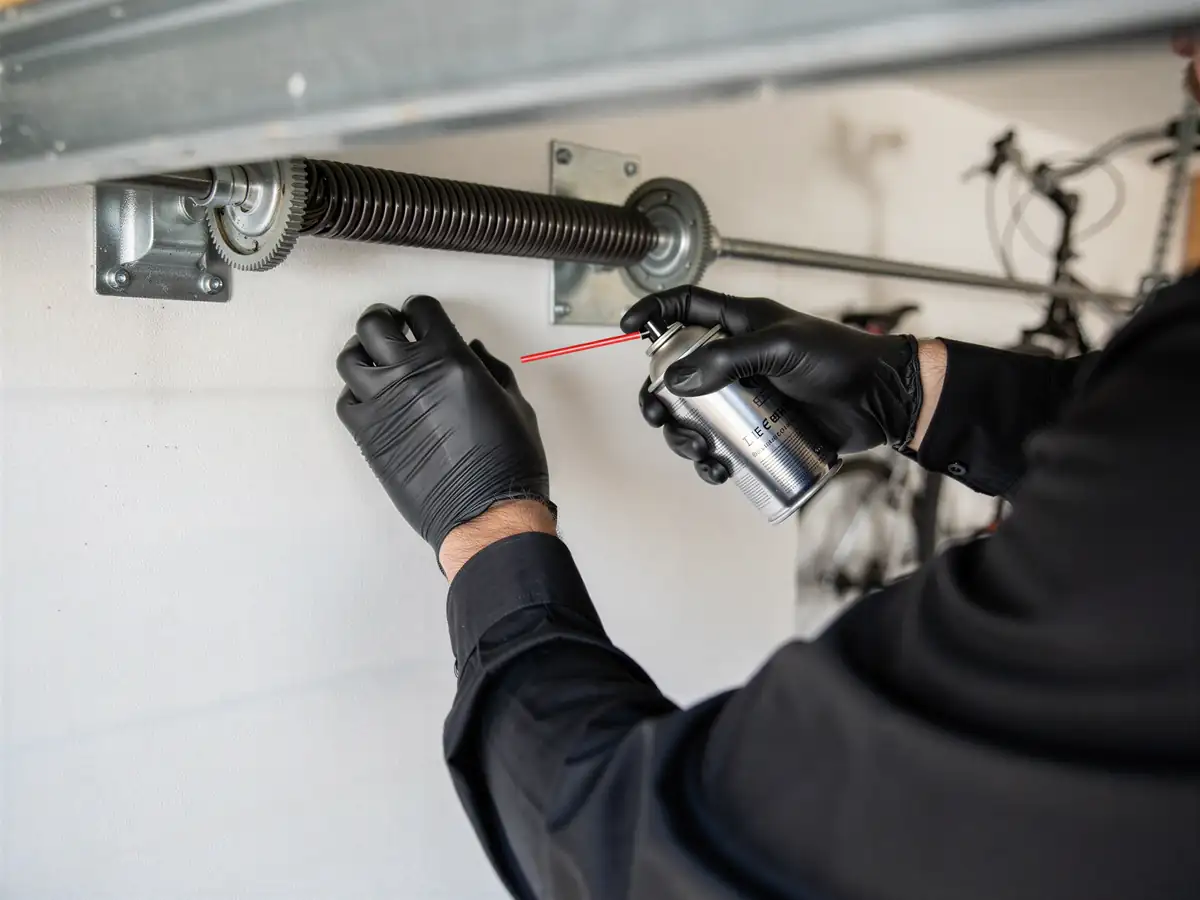
The complaint we hear most out of Fraser is a door that opens partway, then stalls or reverses - which on a house built around 1964 is almost always a spring that's lost tension, not an opener problem, even though the opener is what the homeowner blames first. The opener's logic reads the spring as resistance; weaken the spring and the opener thinks it's hit an obstruction and backs off. Swap the opener and the same stall happens the next day. If your door does this, the fix is the spring, not the motor.