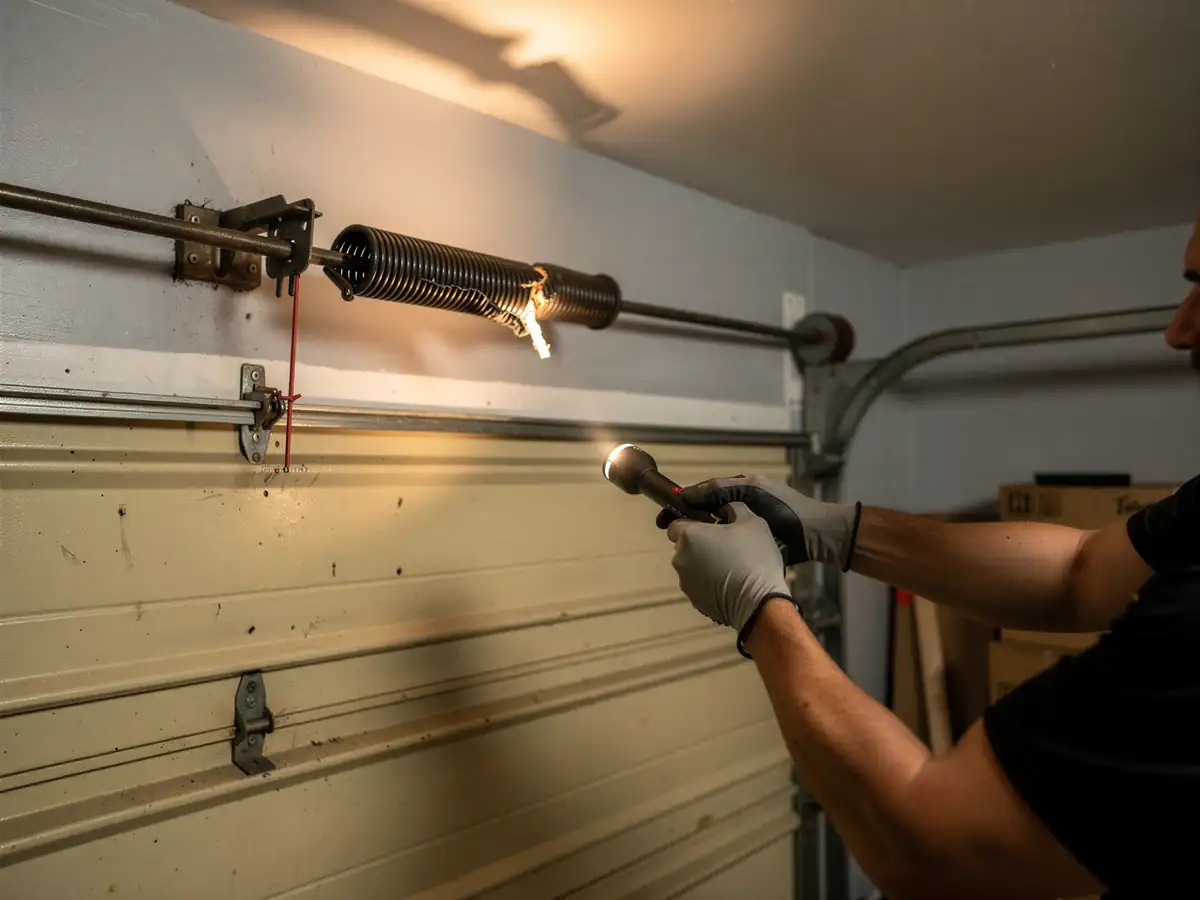
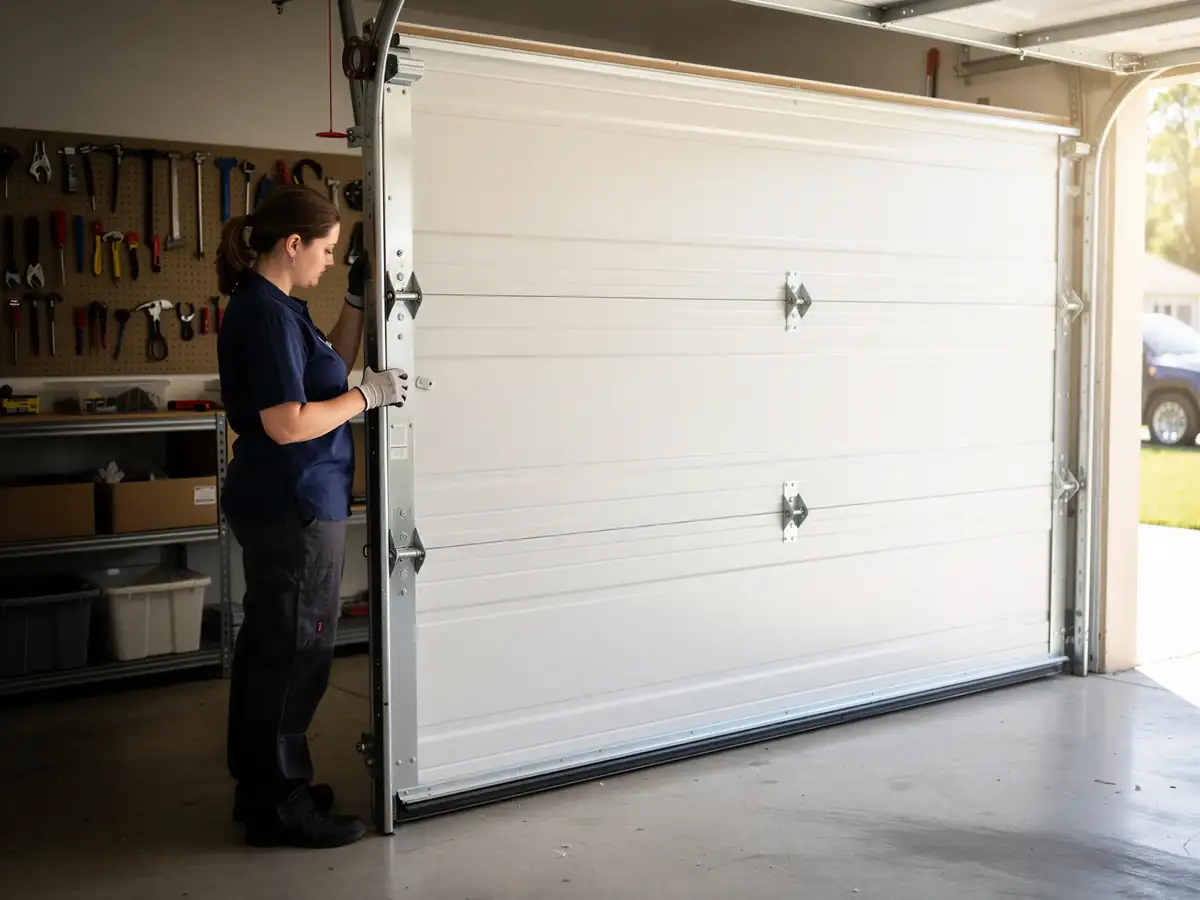
Doing It Yourself
Fraser's median household income sits at $56,389
Noticeably below the $72,558 median across the wider Bay City service area. That gap matters for a decision like this one, because a new door and opener is a few thousand dollars whichever way you cut it, and at this income level a homeowner has less room to absorb a bad guess.
The math that actually applies here
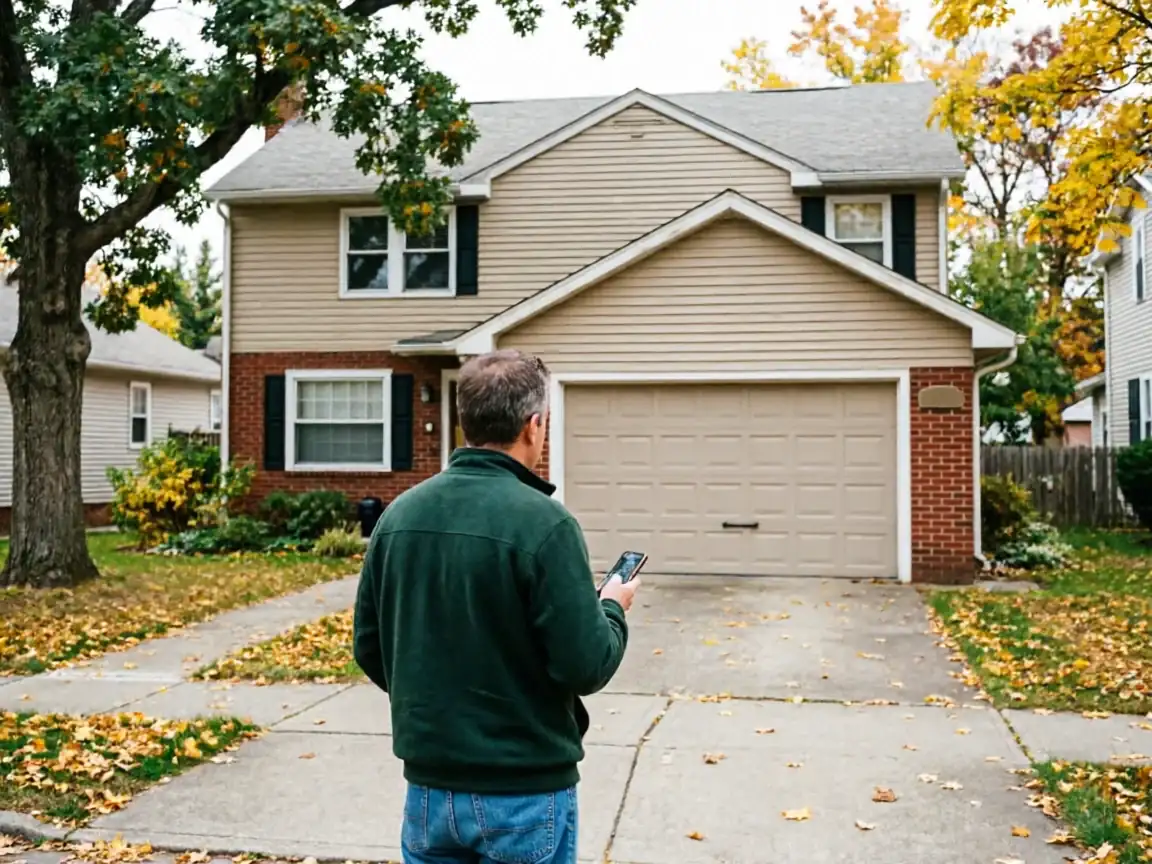
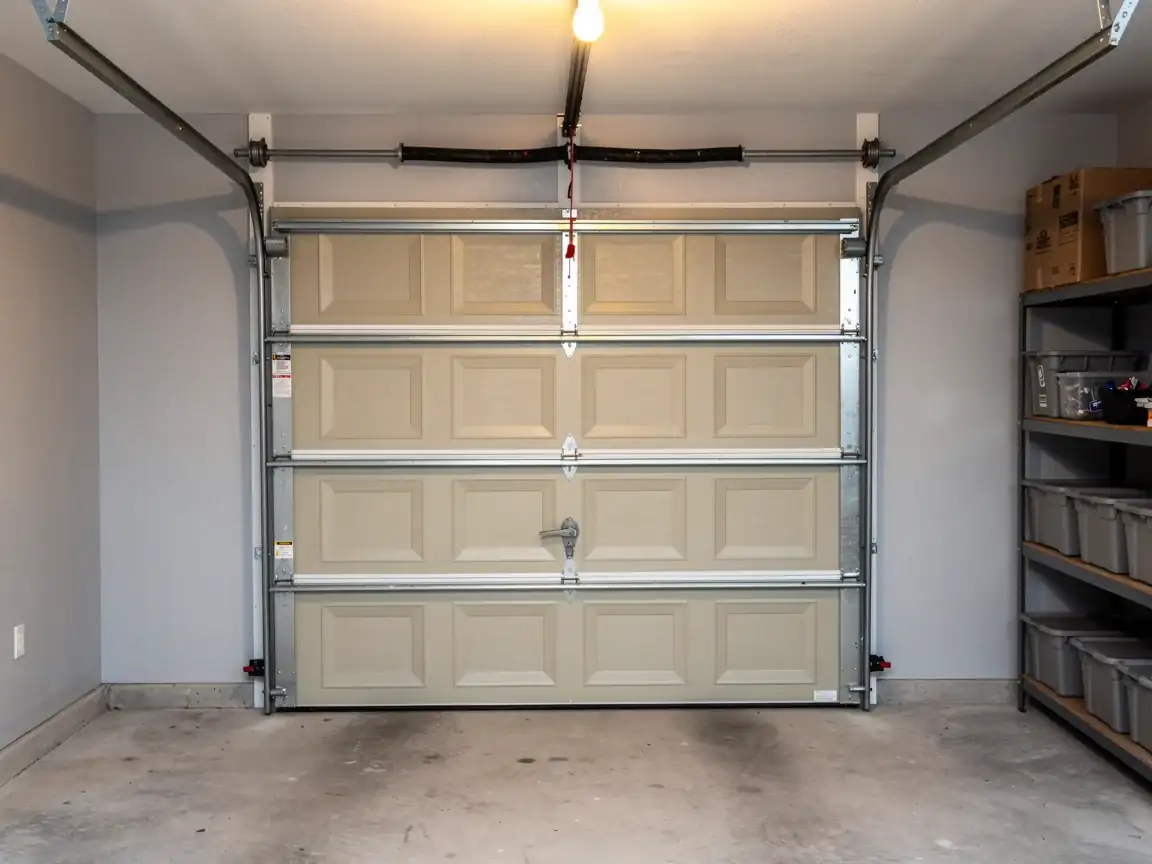
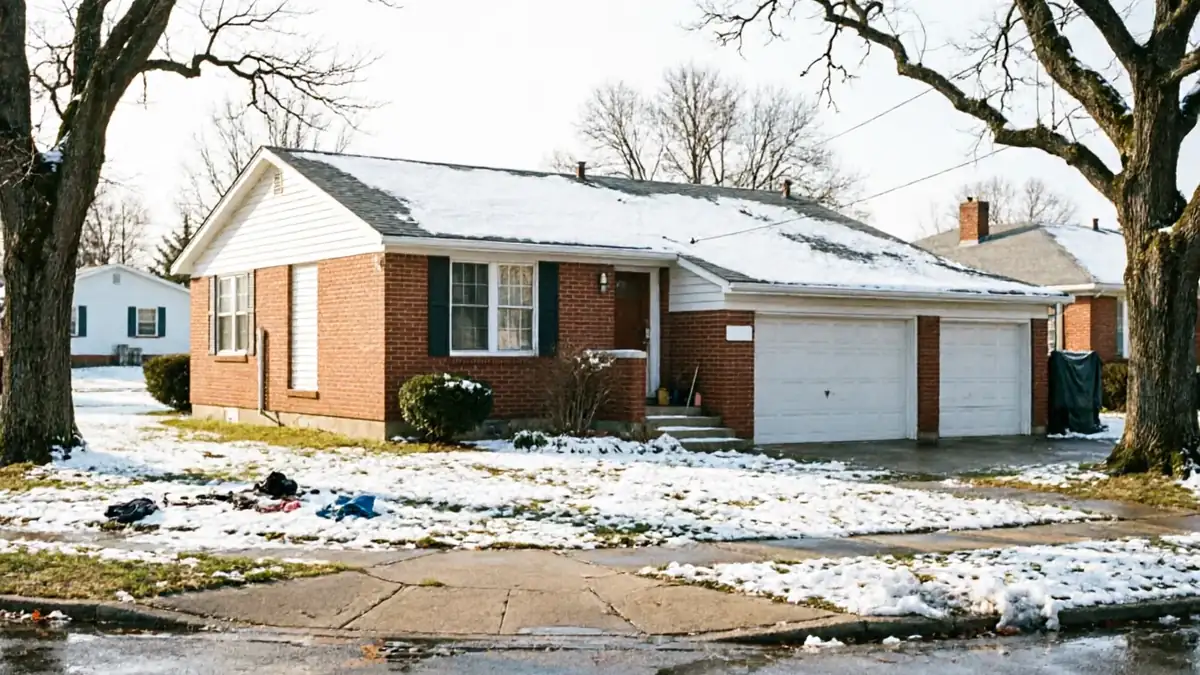
If your door is original to a house built around 1964 - which is the median build year in Fraser - you're looking at hardware that predates current wind-load and insulation standards. A new double door with a decent opener usually runs less over ten years than two or three spring and panel repairs stacked on a door that age, because you stop paying labor on a frame and track that are both tired.
Where it doesn't pencil out
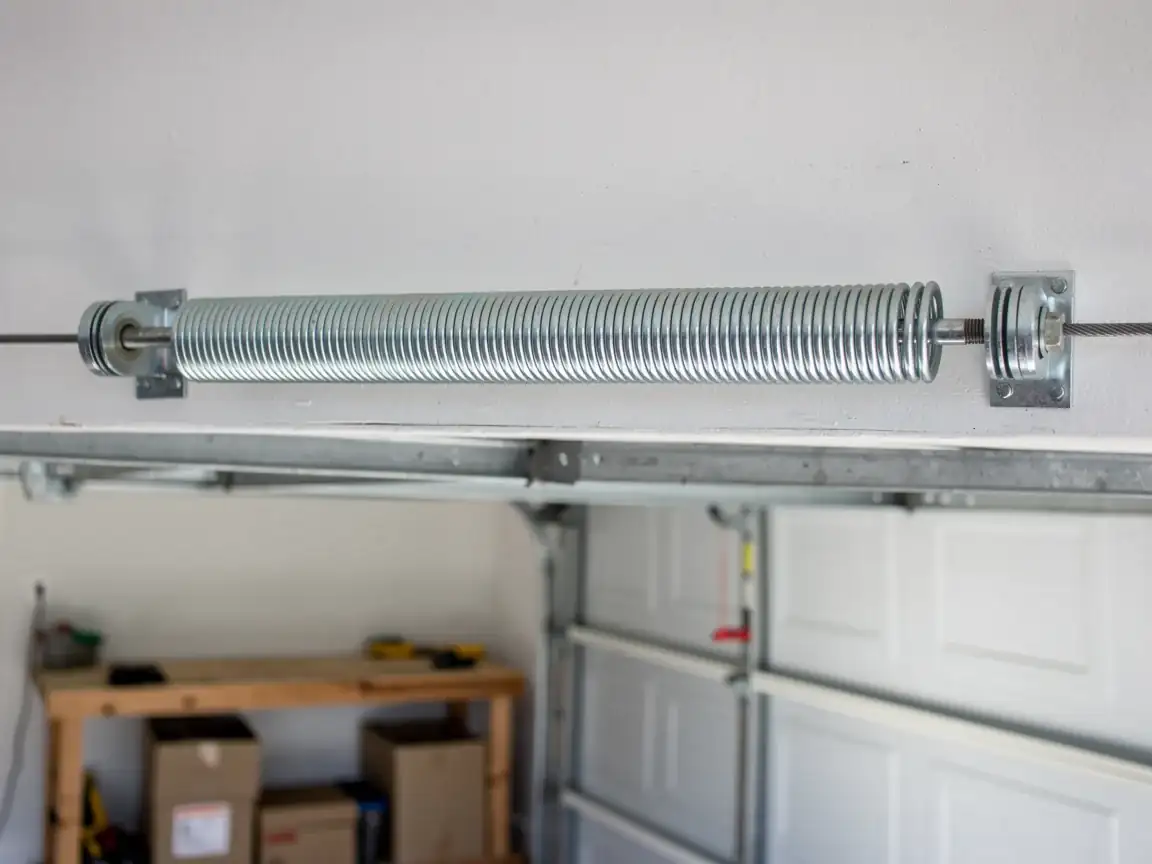
If your door and opener are from the last ten to fifteen years and the only problem is one broken spring or a bent section, replacing the whole unit is overkill. We'd tell you that on the phone before we ever load the truck. A new install only makes sense once you're replacing more than one system on the door - springs, track, and opener all near the end at once is the real trigger, not just one annoyance.
Where This Job Goes Sideways
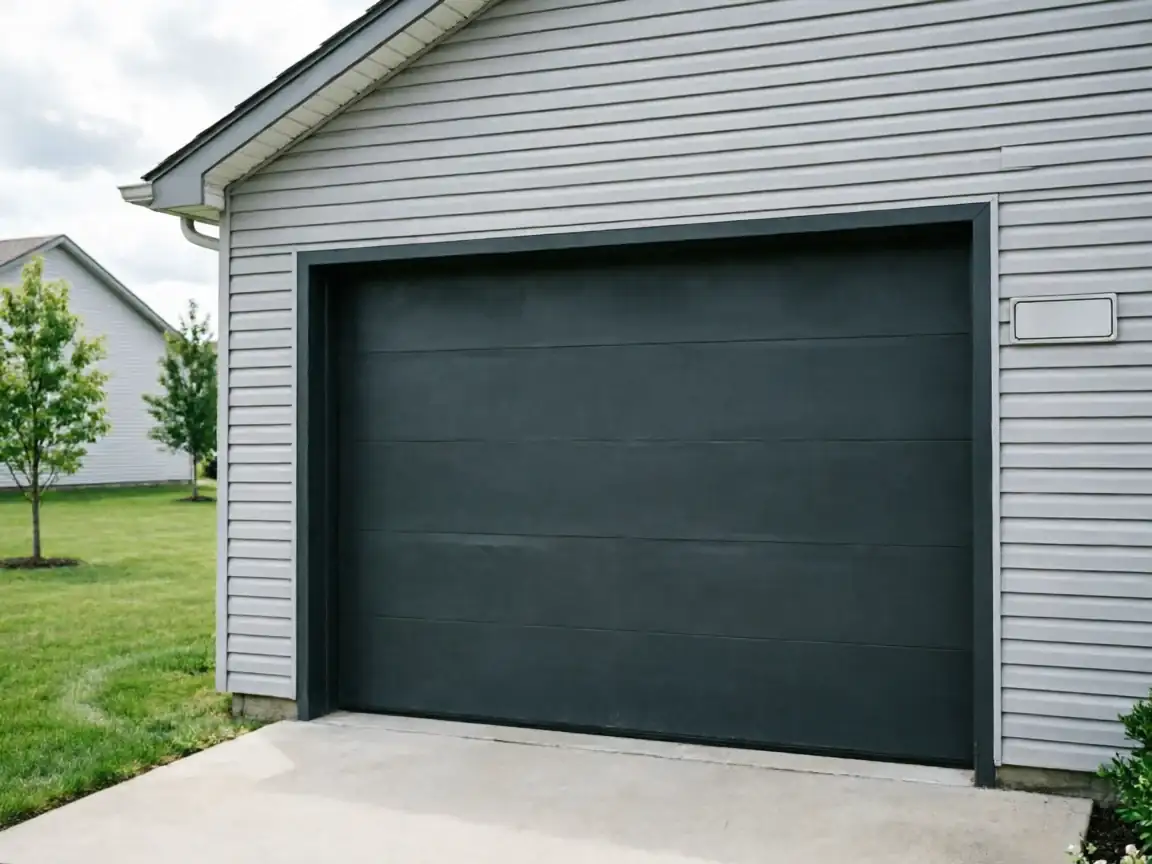
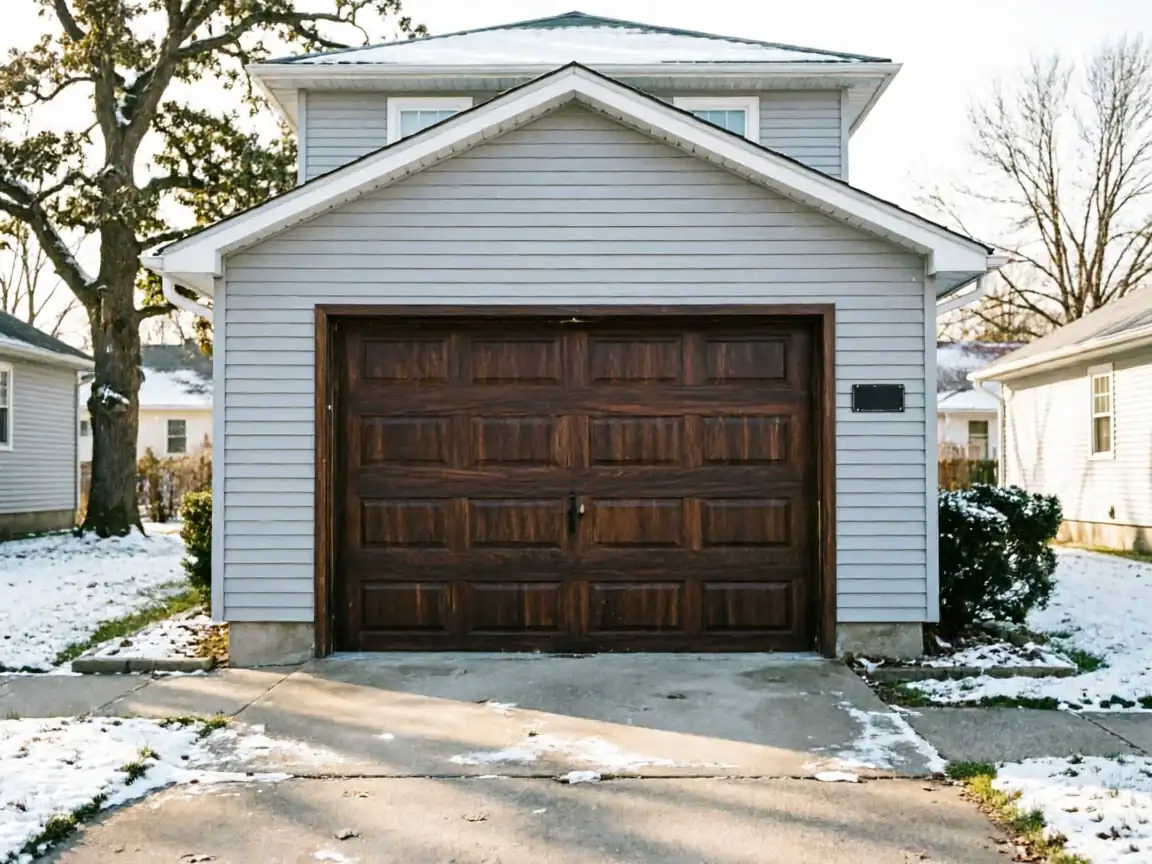
Fraser sits in a COLD-severe climate band, same as the rest of this service area, and that changes what a new door install actually involves versus a mild-climate job. Insulation rating isn't optional here - an uninsulated single-skin door on an attached garage in this climate means a cold wall next to a bedroom or a kitchen, every winter.
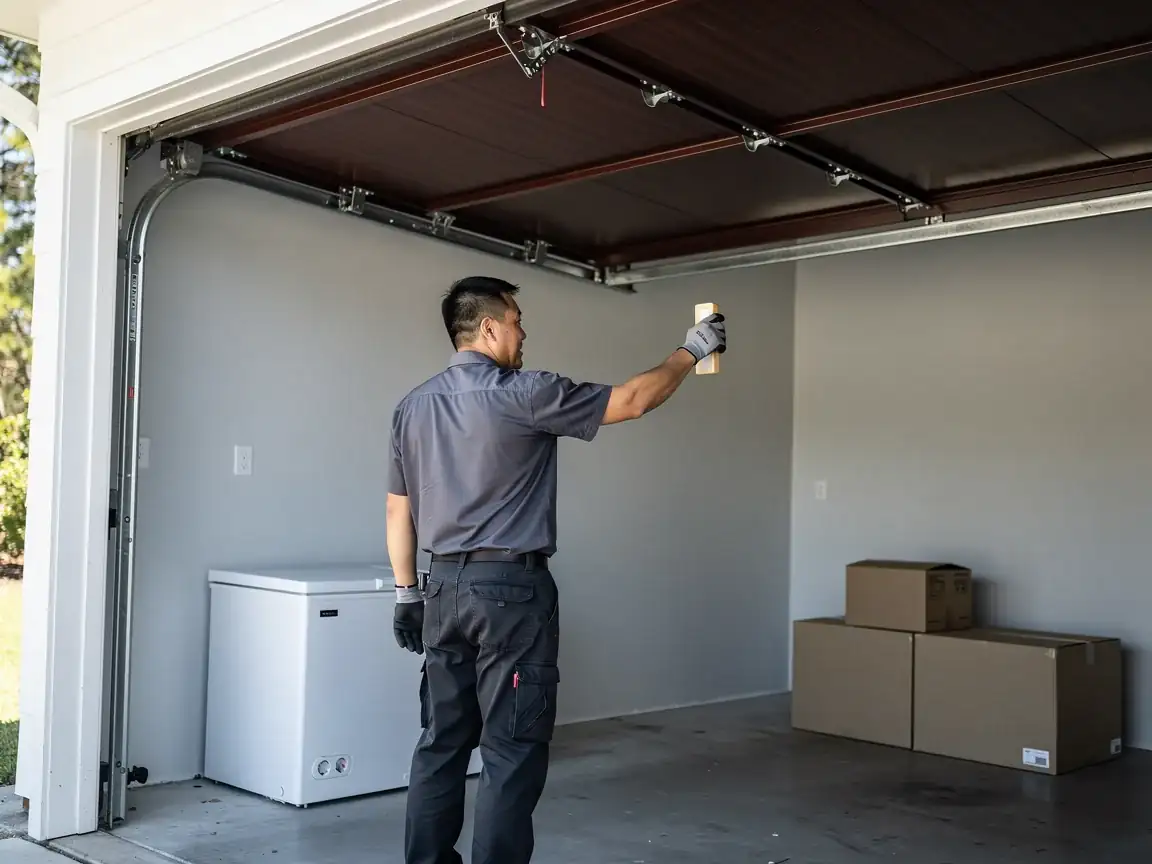
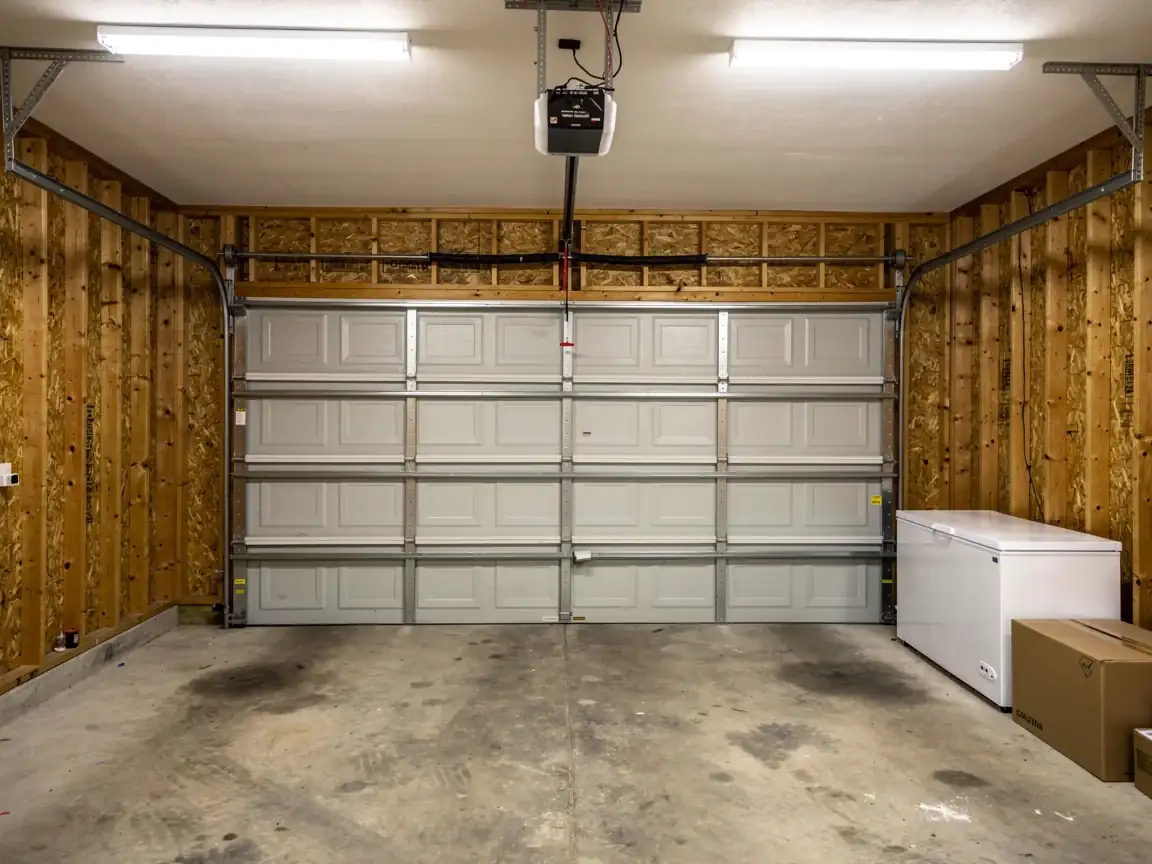
The other place this goes wrong is opening size mismatches. A lot of the housing stock from the 1960s and 70s across this area was built to openings that don't match today's standard door sizes exactly - sometimes by an inch, sometimes by three. If the install crew doesn't measure the actual rough opening and instead orders off a "standard" size, you get a door that needs field trimming on install day, which adds hours and sometimes a return trip.
We also won't install a new door on a track or header that's rotted or out of square just to save a visit. If the opening itself needs carpentry work, that's a separate conversation before the door goes in, not a surprise charge after.
Getting It Booked In
We run this job out of Bay City, about 14 miles from Fraser. There's no branch office or local crew stationed in Fraser itself - every job here is a truck coming from Bay City, so the visit gets scheduled rather than dropped in same-day on a whim.
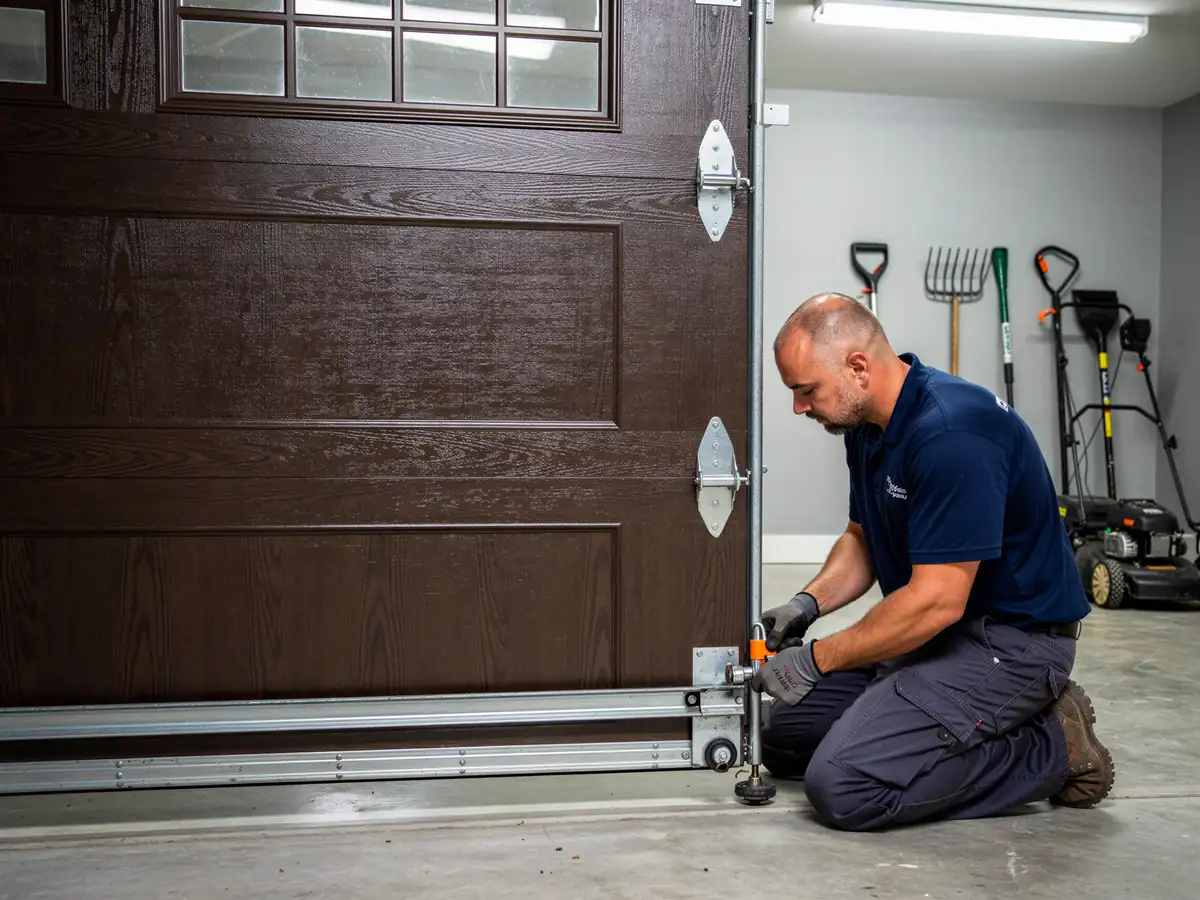
For a new installation specifically, that trip usually happens in two parts: a measure visit to confirm the rough opening and get a firm quote, then the install day itself once the door and hardware are in. Some straightforward jobs can be measured and quoted over the phone if you can give accurate opening dimensions and photos, which saves a visit.
Because Fraser is one of several areas we cover out of Bay City, we batch visits by day and direction when we can, which keeps the trip cost reasonable rather than charging a premium every time. Weather is a factor too - a severe-cold-climate install crew won't want to set an insulated door and seal it properly in the middle of an ice event, so winter bookings sometimes shift a day or two for conditions rather than convenience.
What It Costs
We don't have a published price list for new installs
And giving you a number without seeing your opening and current hardware would be a guess dressed up as a quote. What we can tell you is what drives the number up or down: door size (single versus double), insulation level, whether the opener is replaced or reused, and whether the existing track and header are reusable or need work.
Given the median income here is $56,389, we hear the price question first on almost every call
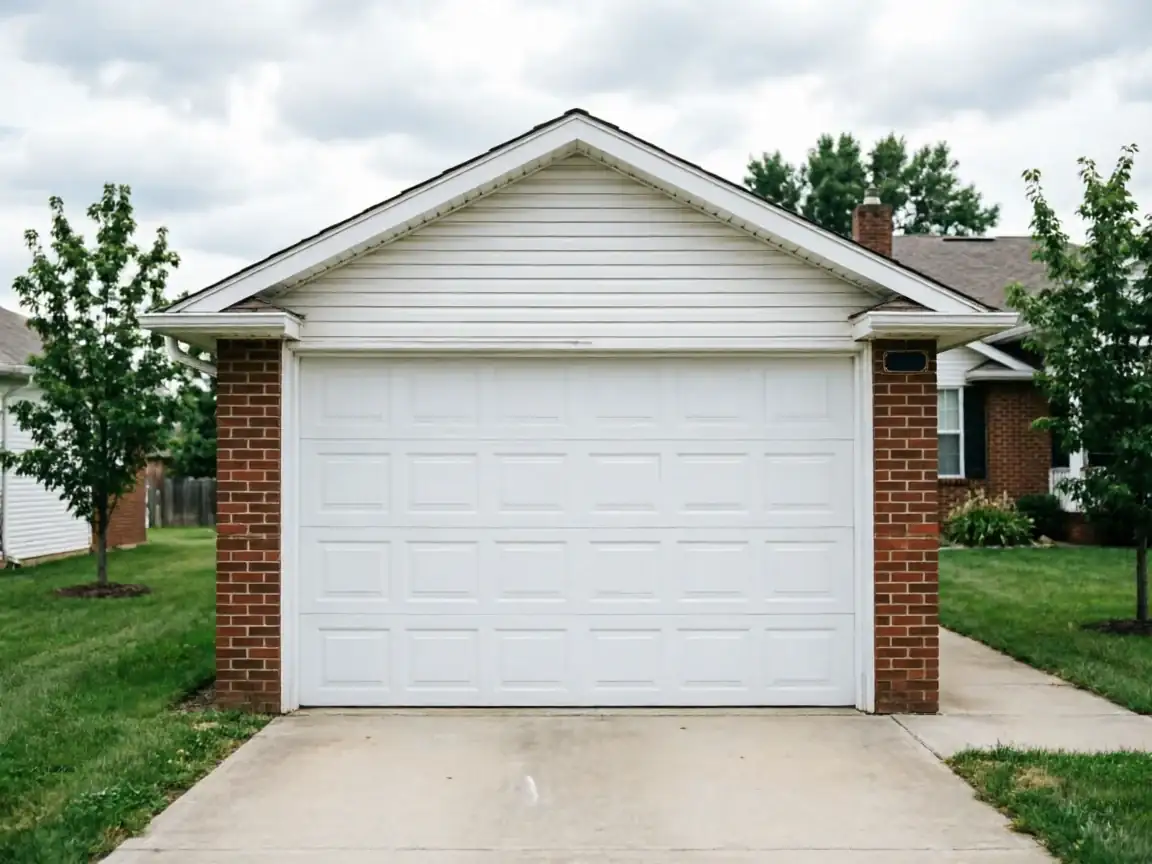
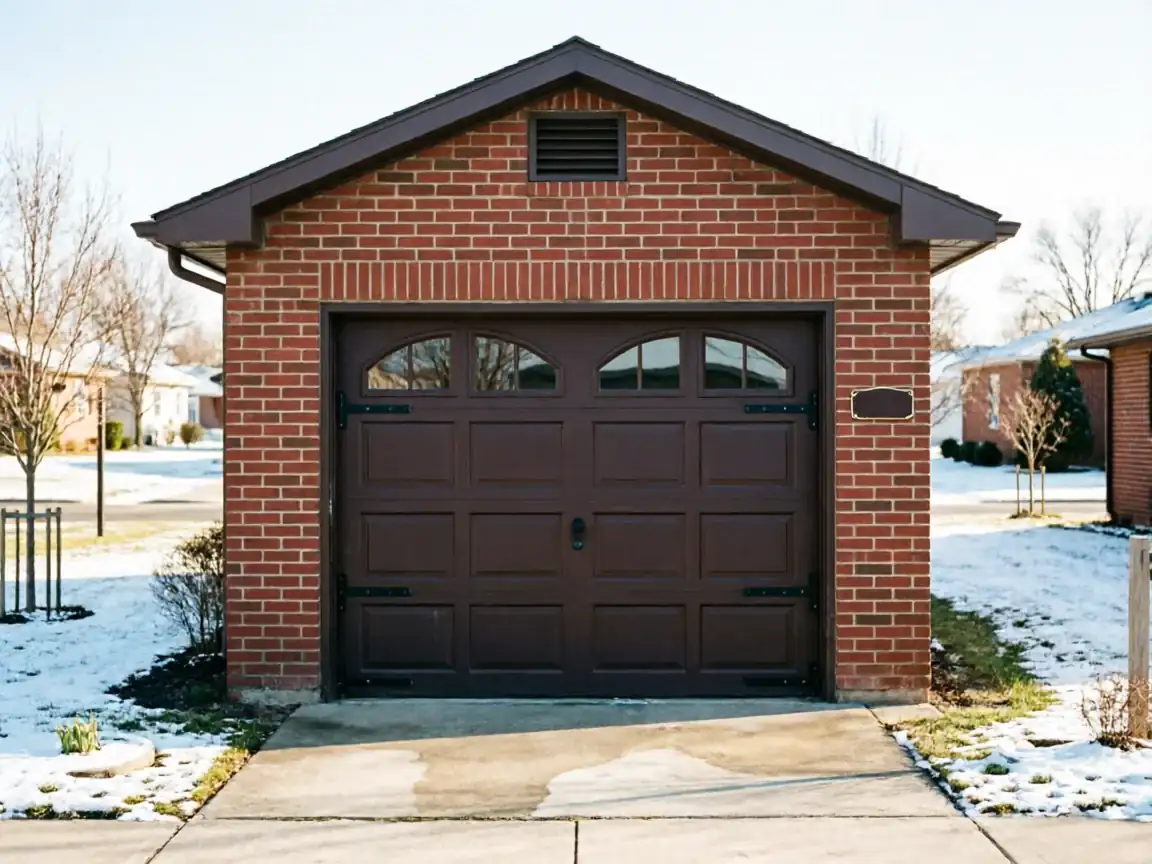
And that's fair. The honest answer is that a basic single uninsulated door costs meaningfully less than a double insulated door with a new opener, and most Fraser homes built in the 1964 era have single-car or narrow double openings rather than the wider three-car setups you see in newer construction - so the job is often smaller than homeowners expect going in.
We'll give you a firm number after the measure visit, not before, and we'll break out door, opener, and labor separately so you can see where the money goes
The Symptom
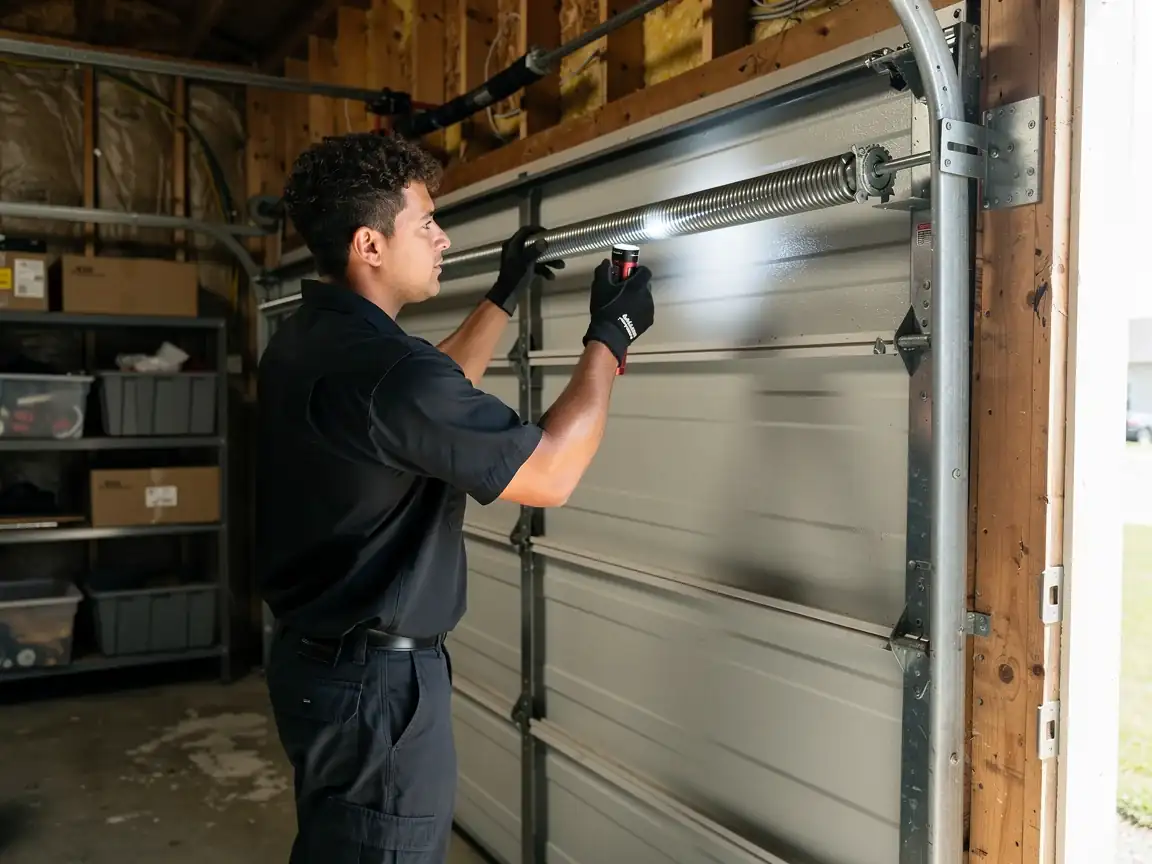
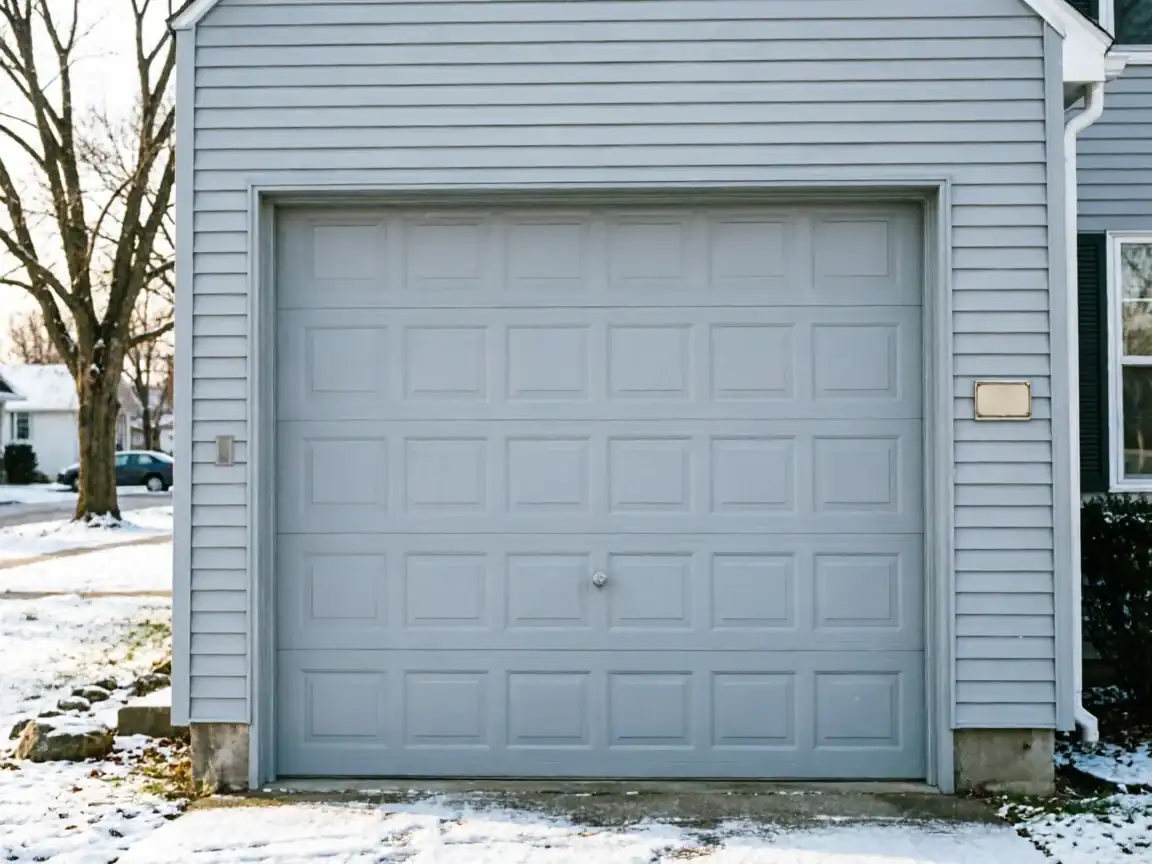
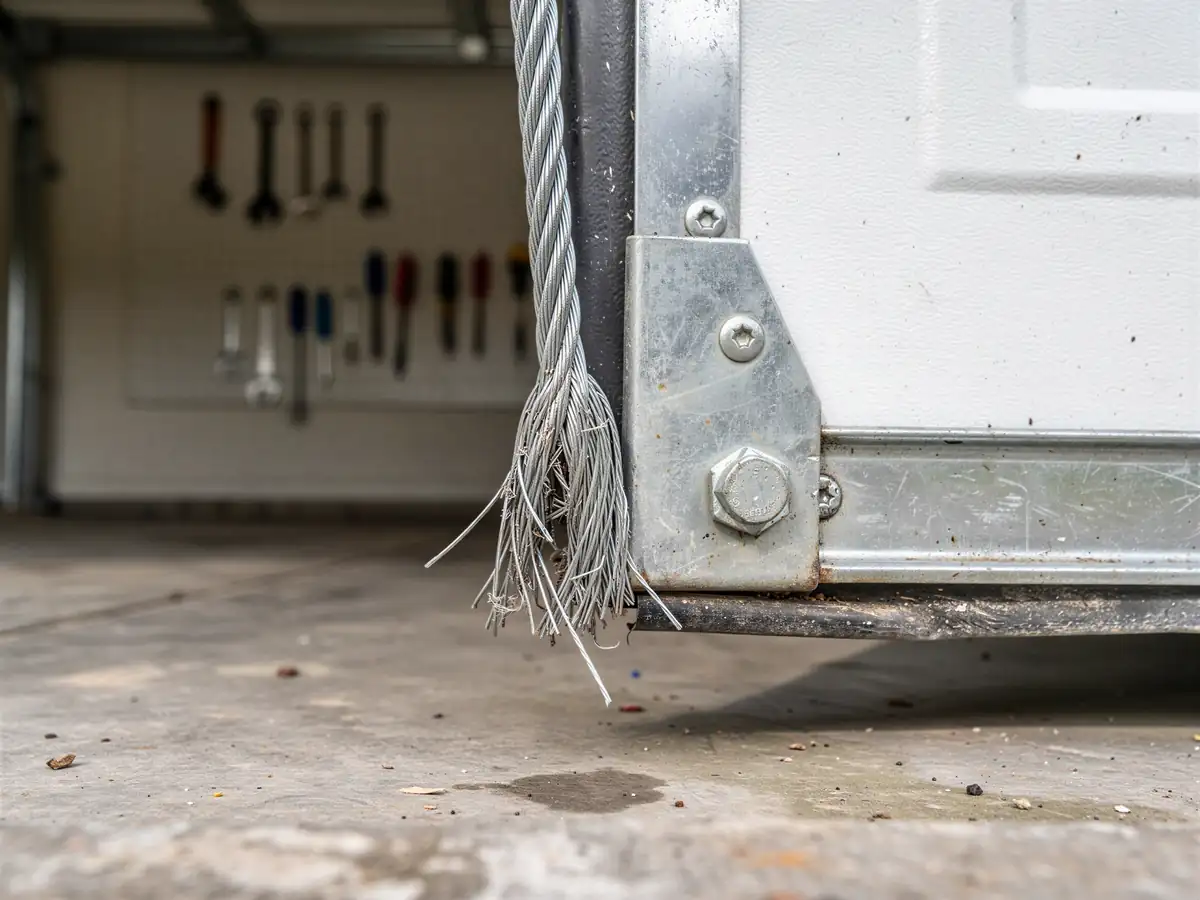
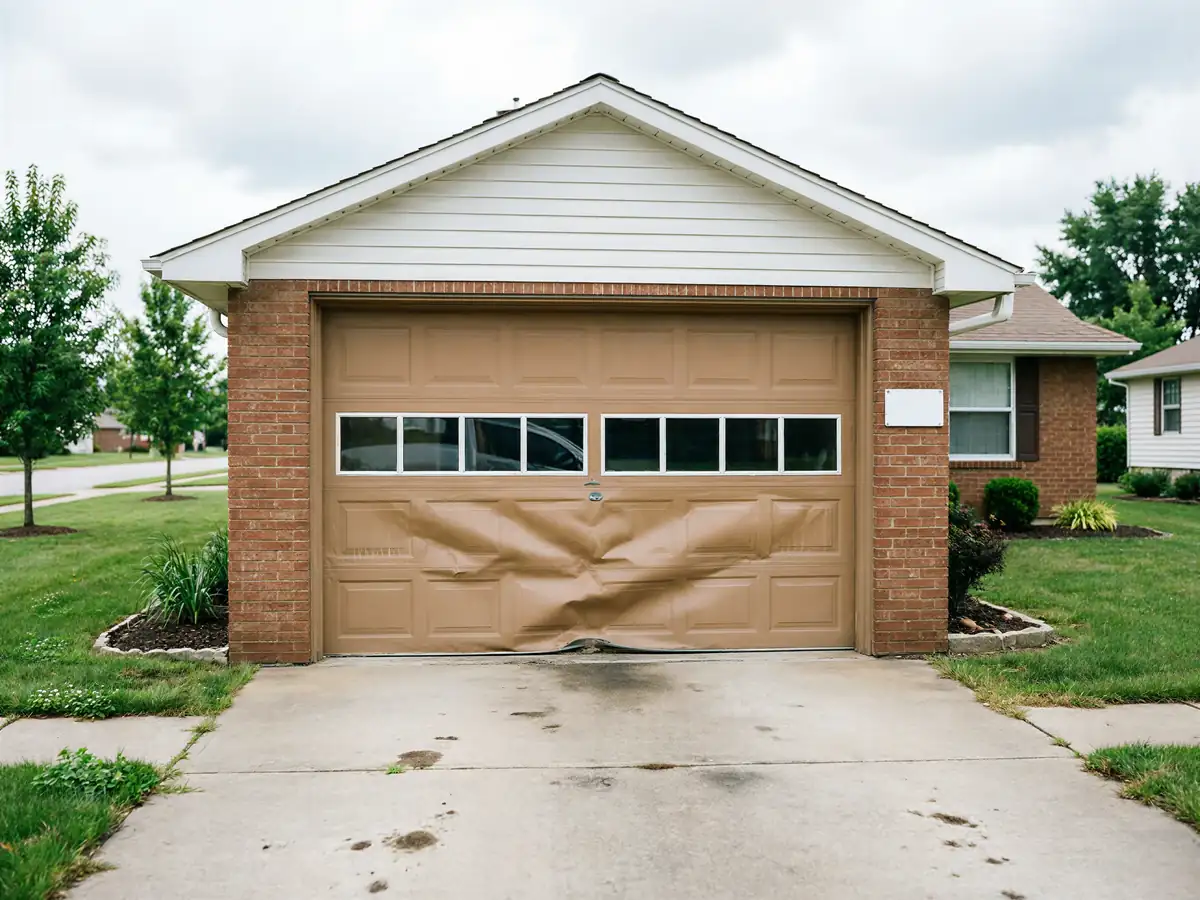
The usual reason a Fraser homeowner calls about a new door rather than a repair isn't one dramatic failure - it's a door that's started doing three or four small annoying things at once: it's slower to open, the opener strains audibly, the bottom seal has gone stiff and cracked from repeated cold snaps, and the panels show visible dents or rust at the bottom where moisture sits.
None of those alone means replace it. Together, on a door that's original or close to it on a house from the 1960s or 70s, they mean the whole system is aging out at once rather than one part failing. That's the pattern that makes a new install the better call over another round of patch repairs.
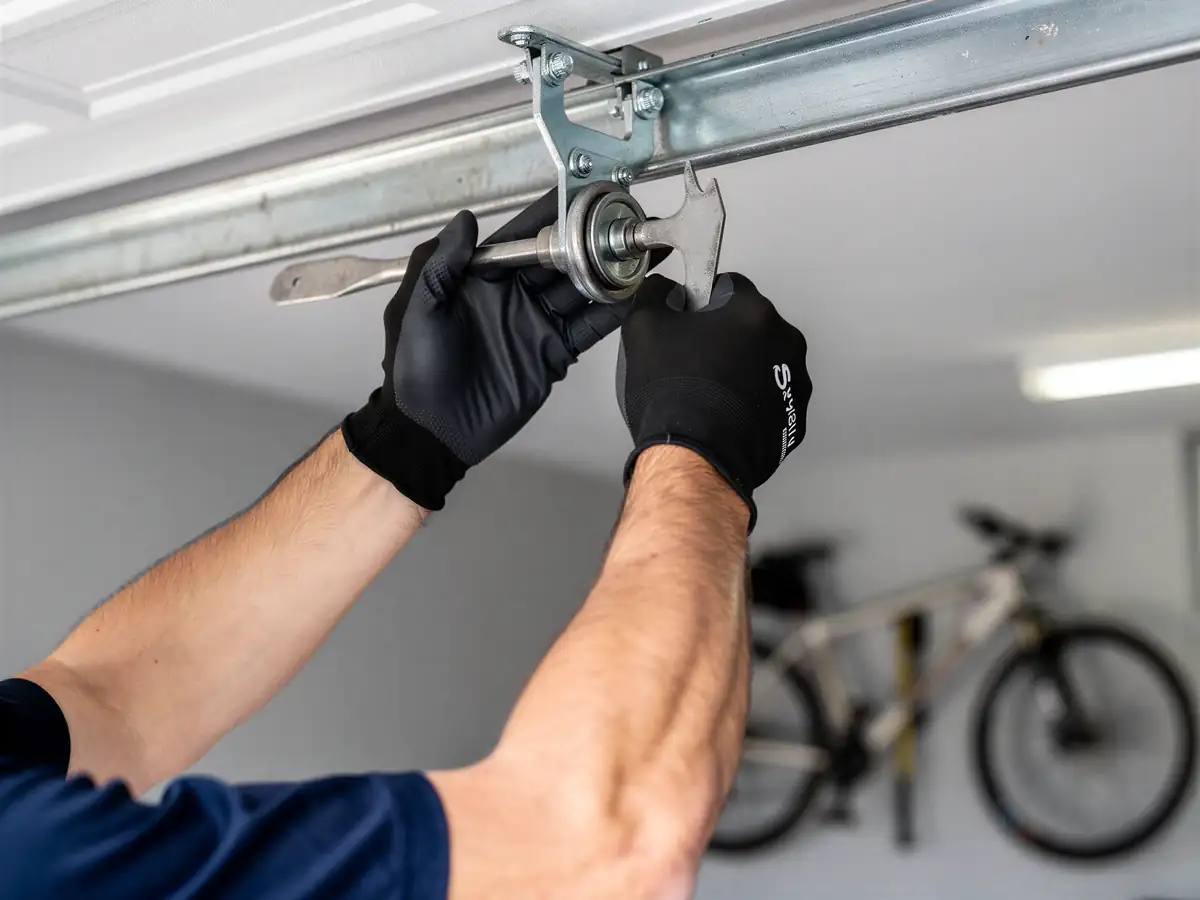
One thing worth saying plainly: if your symptom is just noise - a squeak or a rattle - that's almost never a reason to replace anything. Rollers and hinges are cheap to swap and usually fix noise on their own. Save the new-install conversation for when the door is actually failing to open smoothly, not just loud.