Doing It Yourself
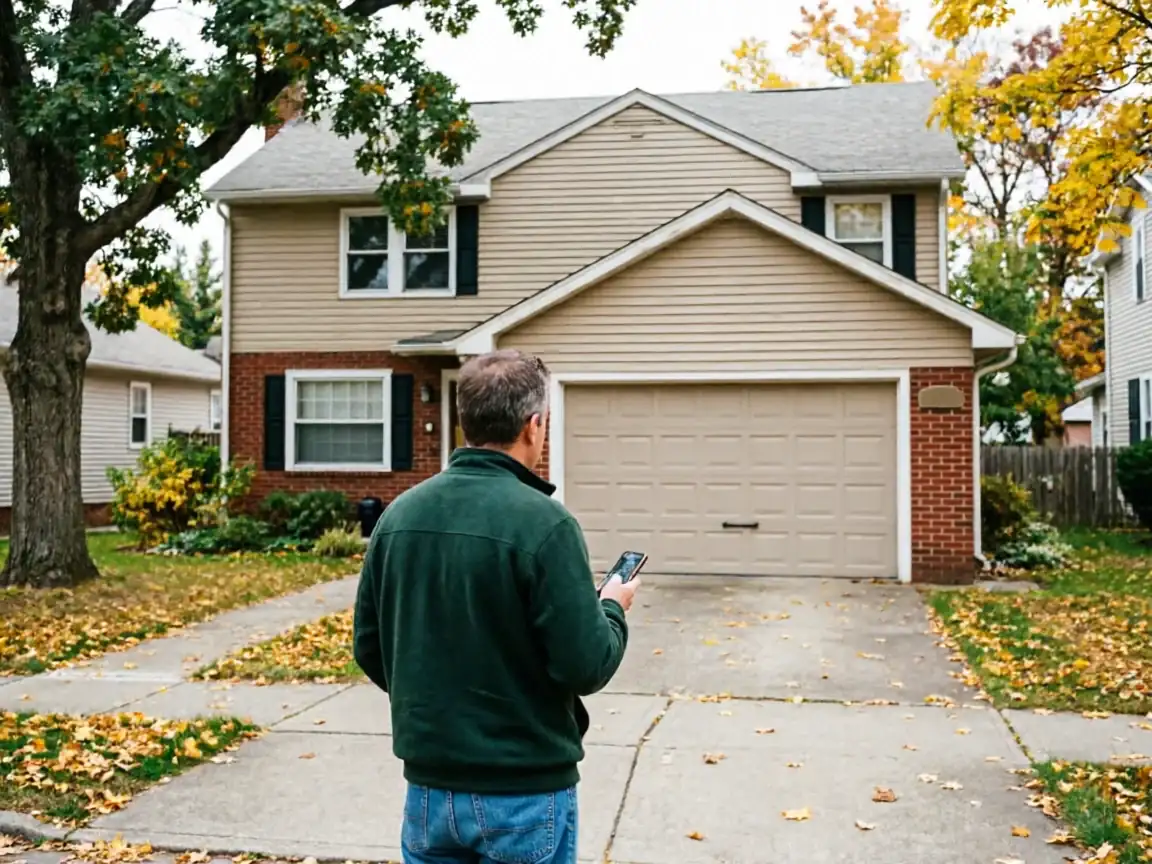
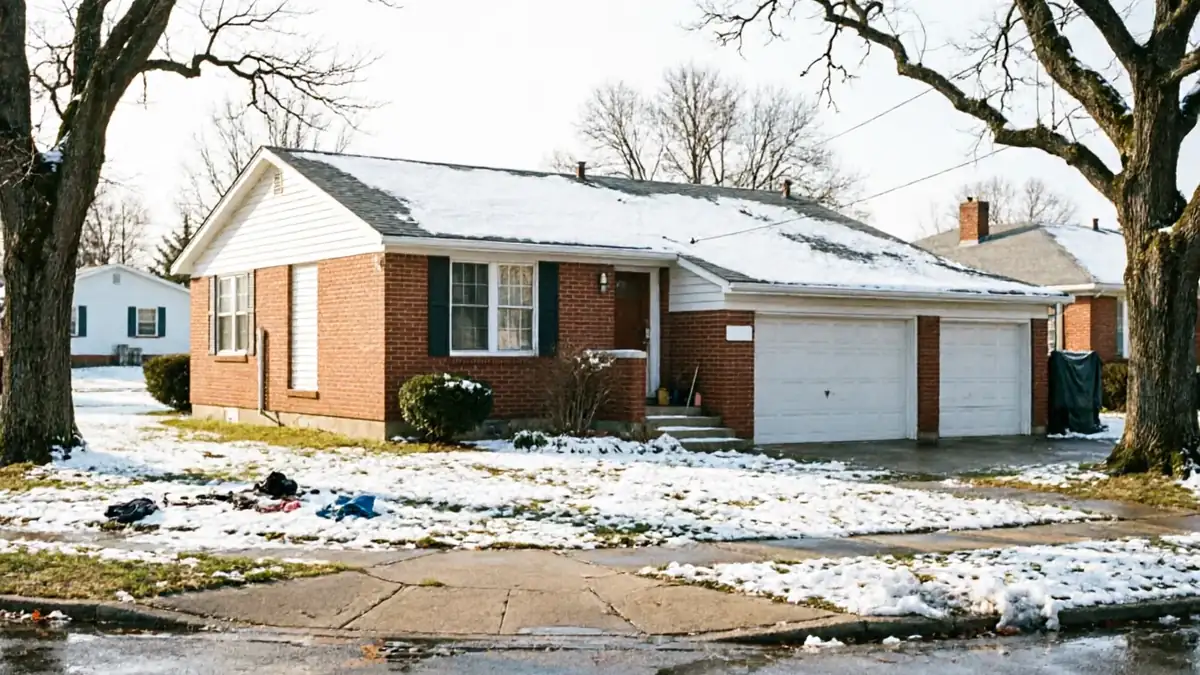
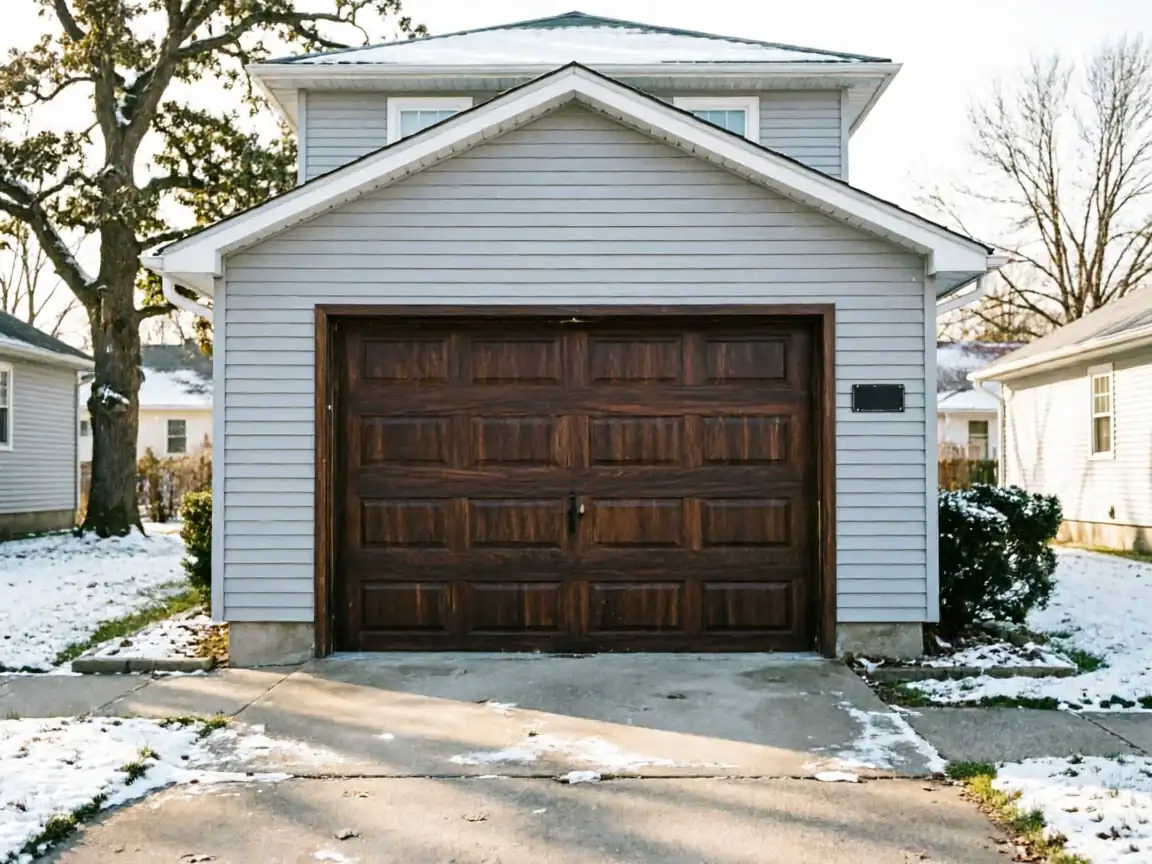
If your house in Fraser went up around 1964
Which is the median build year for this pocket of the service area, there's a decent chance the torsion spring and the track brackets are original. Nobody replaces hardware that isn't broken, so a lot of it just sits there aging quietly for sixty years.
You can do some of this yourself
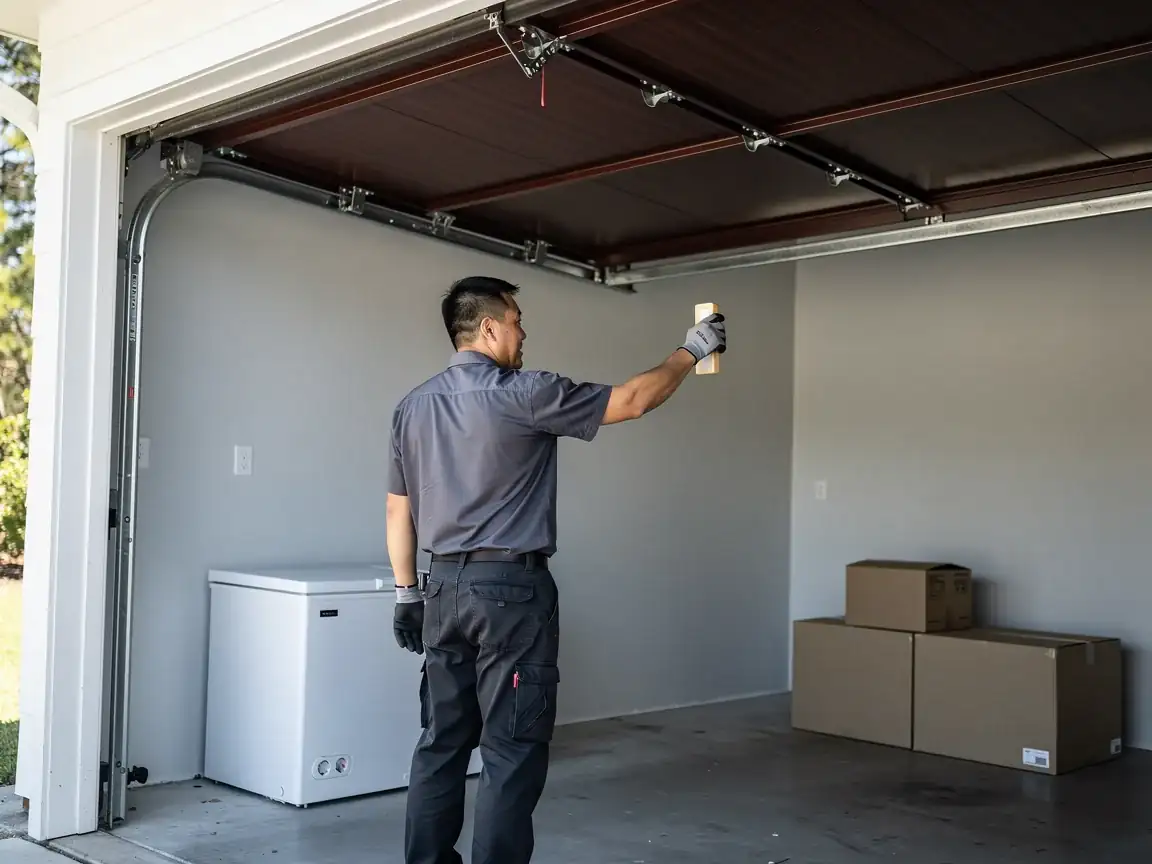
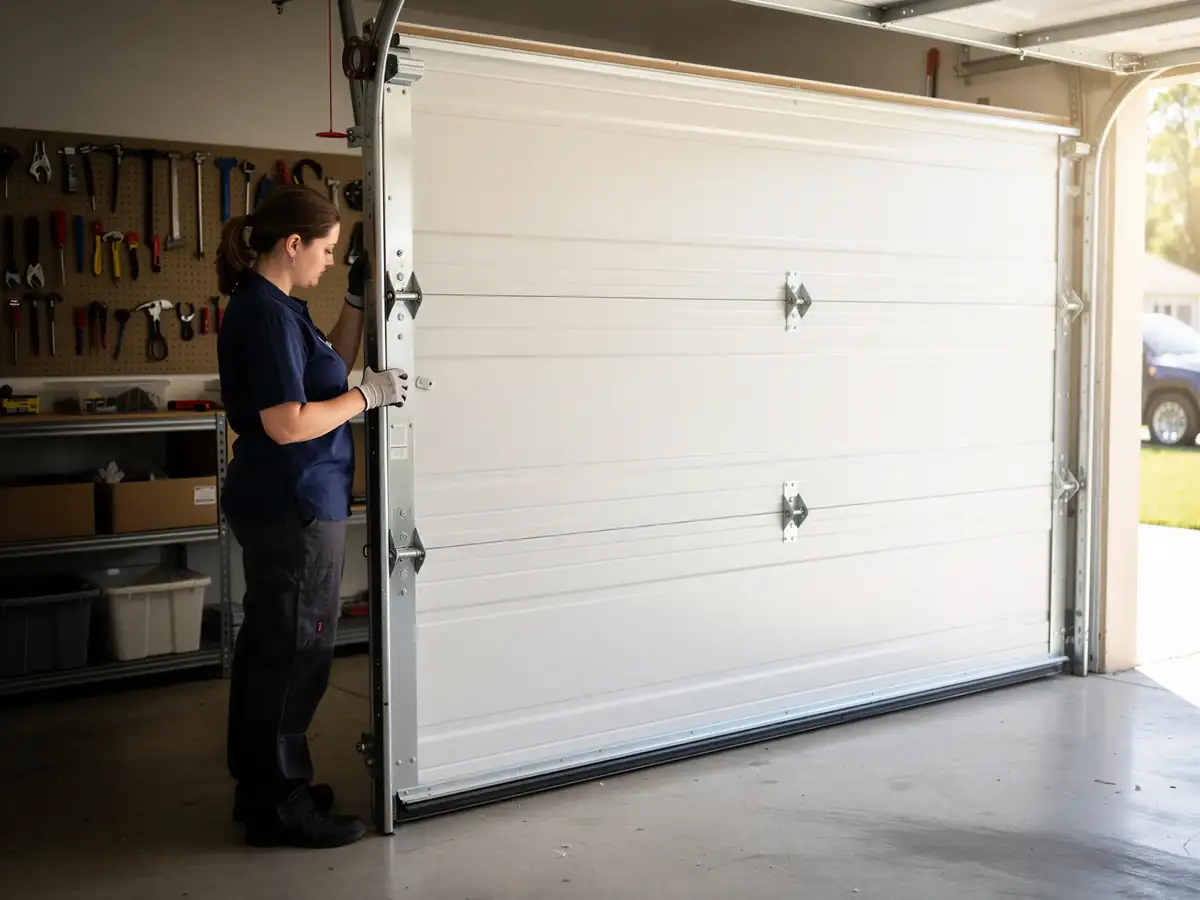
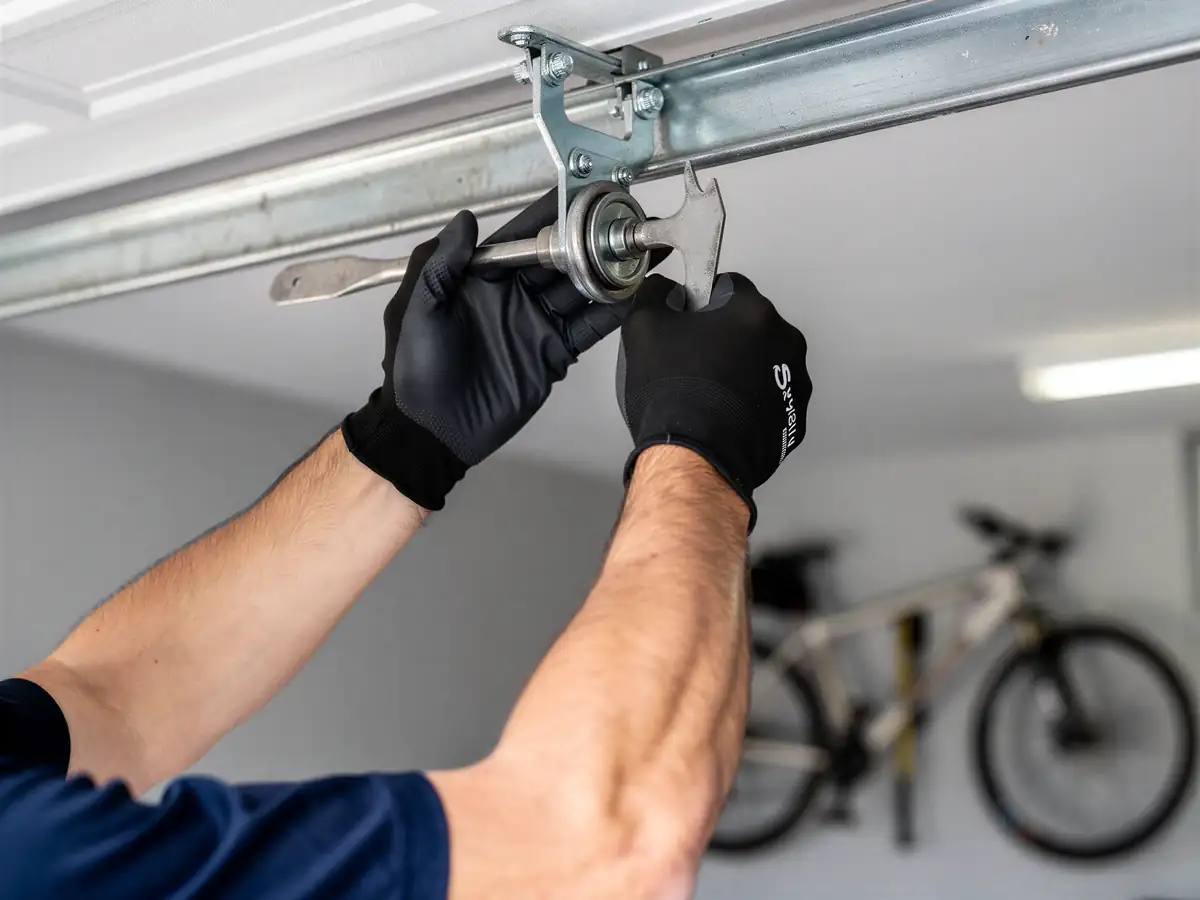
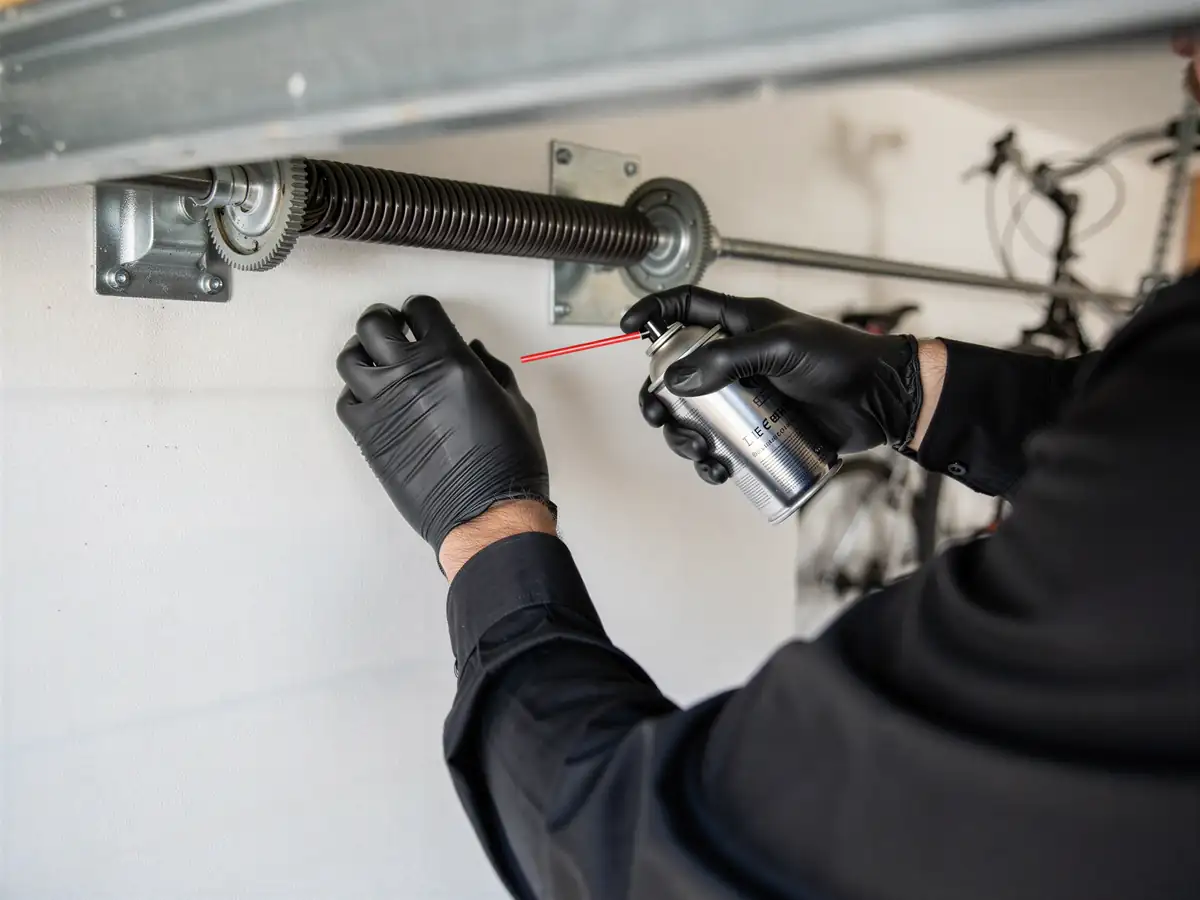
Wipe down the tracks, check that the rollers aren't cracked, and look at the bottom bracket bolts for rust bleed, which shows up fast in this climate band. Lubricate hinges with a garage-door-specific spray, not WD-40, which washes out and attracts grit.
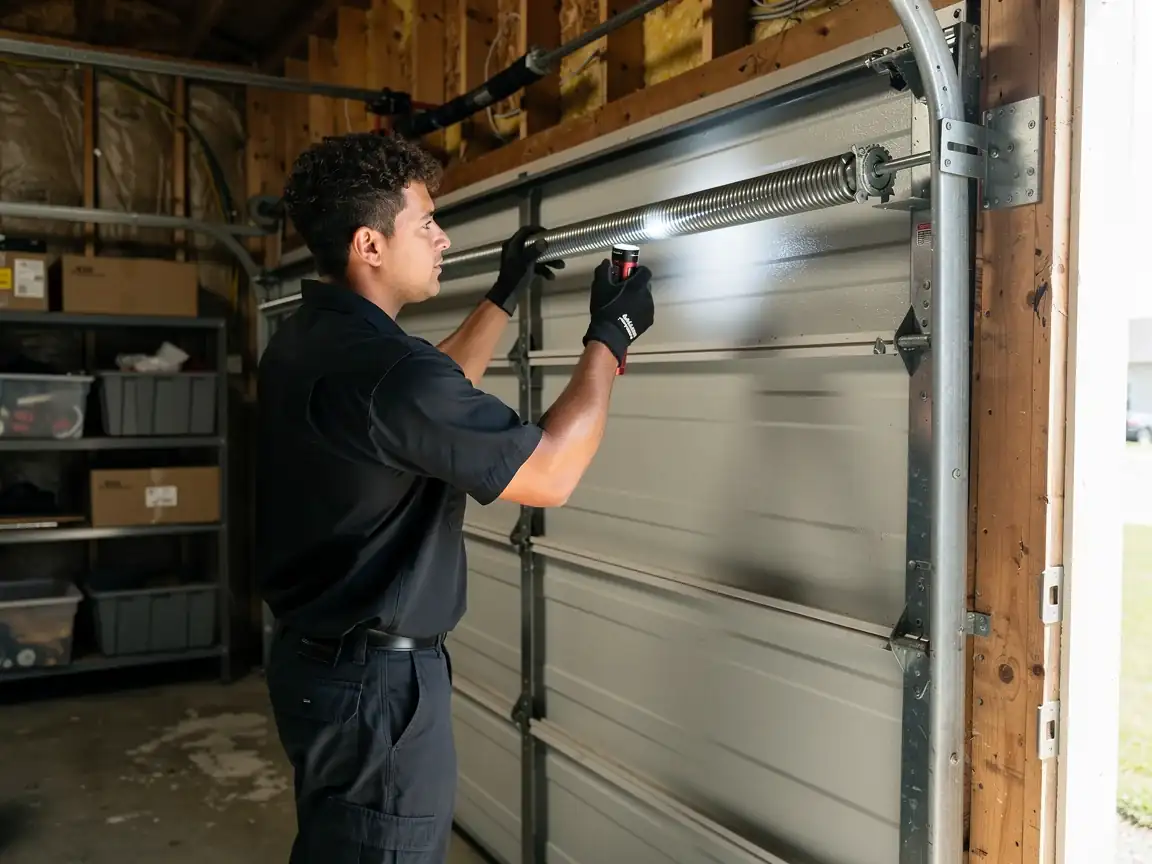
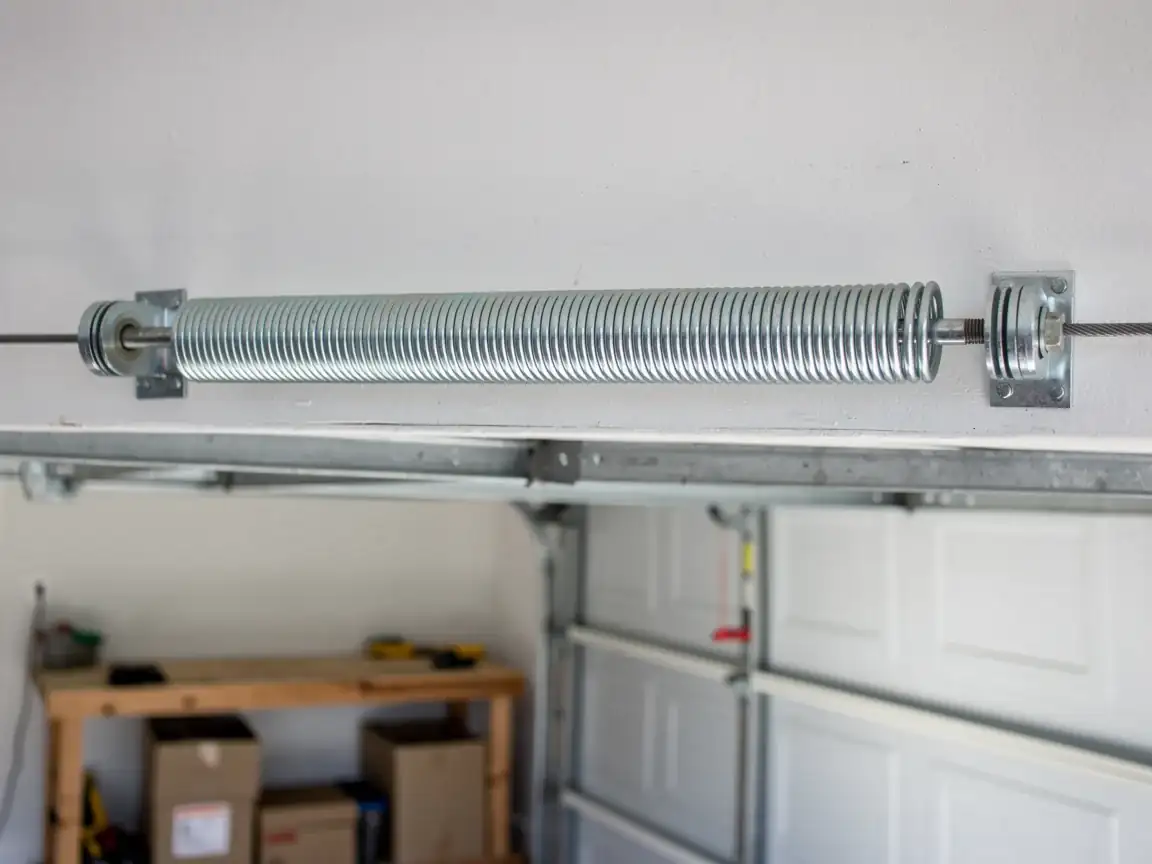
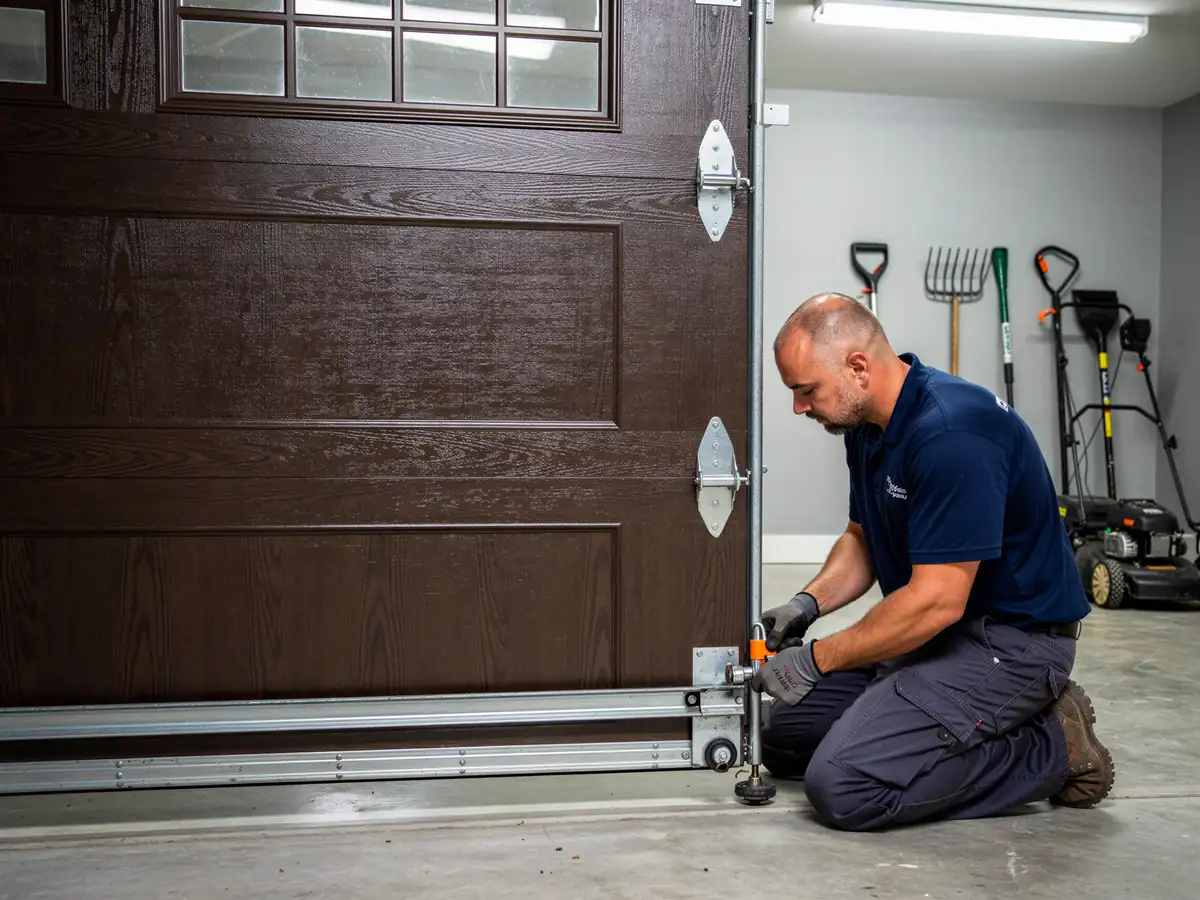
What you shouldn't touch is the spring itself
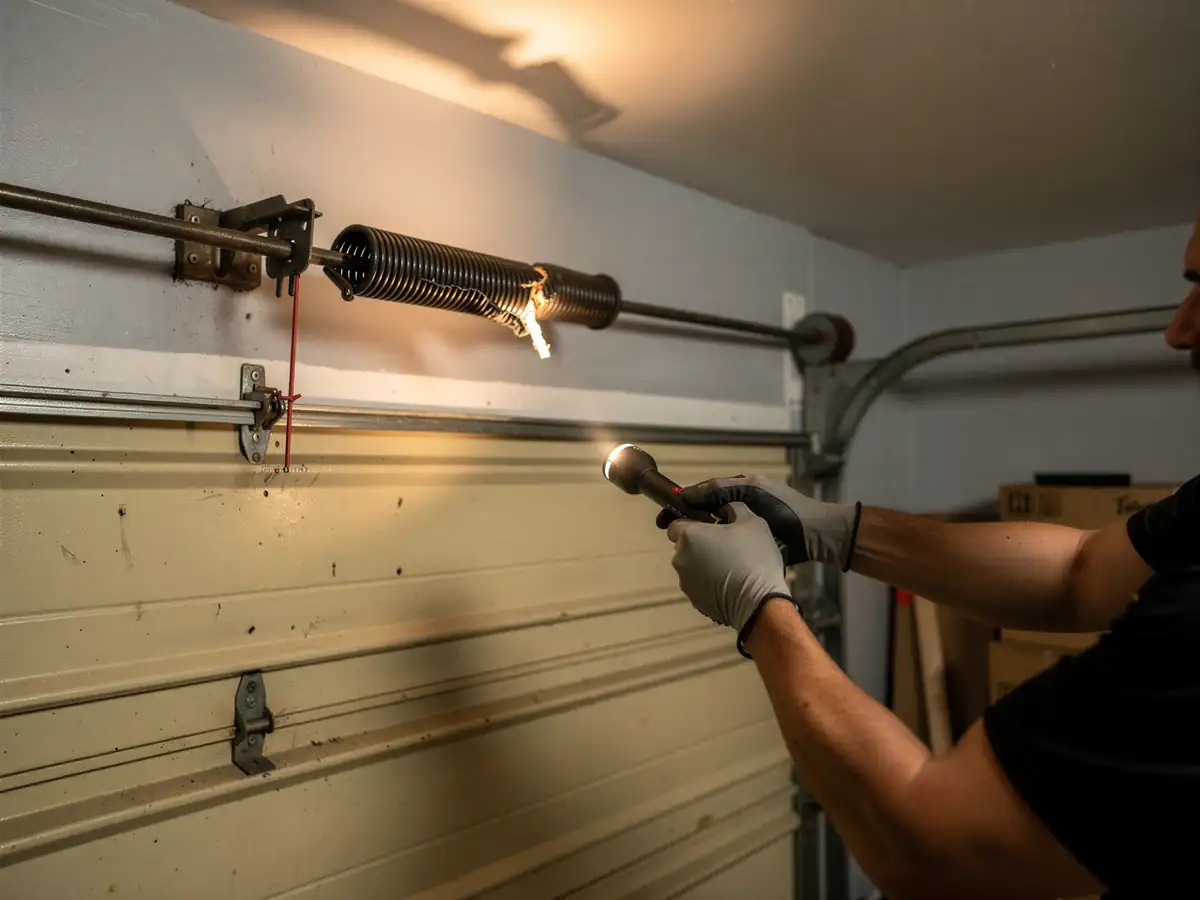
A torsion spring from the 1960s has been cycling under tension for decades, and the steel fatigues even if it looks fine. We're not going to pretend a DIY tutorial makes that safe. If the spring is original to a 1964 build, it has outlived its expected cycle count already, and that's not a job to learn on.
Where This Job Goes Sideways
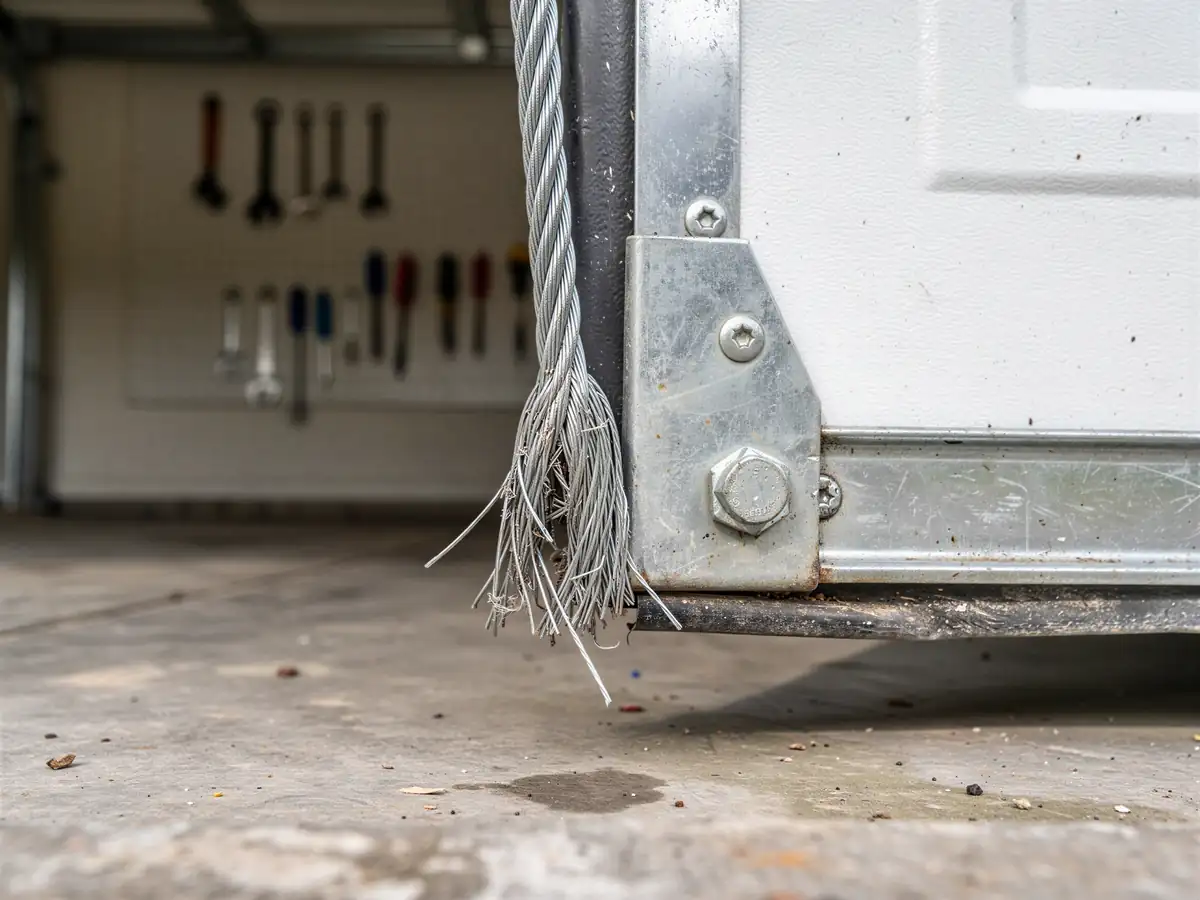
The failure we see most in houses from this era is a cable that's frayed at the drum but still holding, because nobody's looked at it since it was installed. It holds right up until it doesn't, usually on the coldest morning of the year when the steel is least forgiving.
Severe cold makes old lubricant gum up and metal contract, so a track that's been slightly out of alignment for years suddenly binds hard. On a 1960s door with original hardware, that binding puts stress on brackets that were never rated for today's heavier insulated panels if the door's been swapped out without upgrading the track.
The other sideways moment: homeowners catch the noise, assume it's the opener, and replace a $40 part while the real issue is a bent track or a spring two turns off from true. Maintenance catches that mismatch before it becomes a bigger bill.
Getting It Booked In
We run out of Bay City to cover Fraser, about 14 miles out, so this isn't a drop-everything same-day stop the way it might be for a job closer to the shop. Book ahead rather than waiting for the door to jam on a Tuesday.
When you call, tell us the rough age of the house if you know it. A door installed when the house was built in the mid-1960s gets a different inspection than one replaced in the last ten years, because the hardware generation changes what we're checking first - torsion vs. extension springs, galvanized vs. painted track.
What It Costs
We don't have a flat number to quote here without seeing the door
And we'd rather tell you that than make one up. What we can say is that maintenance on original 1960s-era hardware usually runs longer than on a newer door, because there's more to check: aged fasteners, non-standard bracket spacing, and sometimes a spring size that isn't the modern standard stock.
Fraser's median household income sits around $56,389, noticeably below the wider service area's $72,558
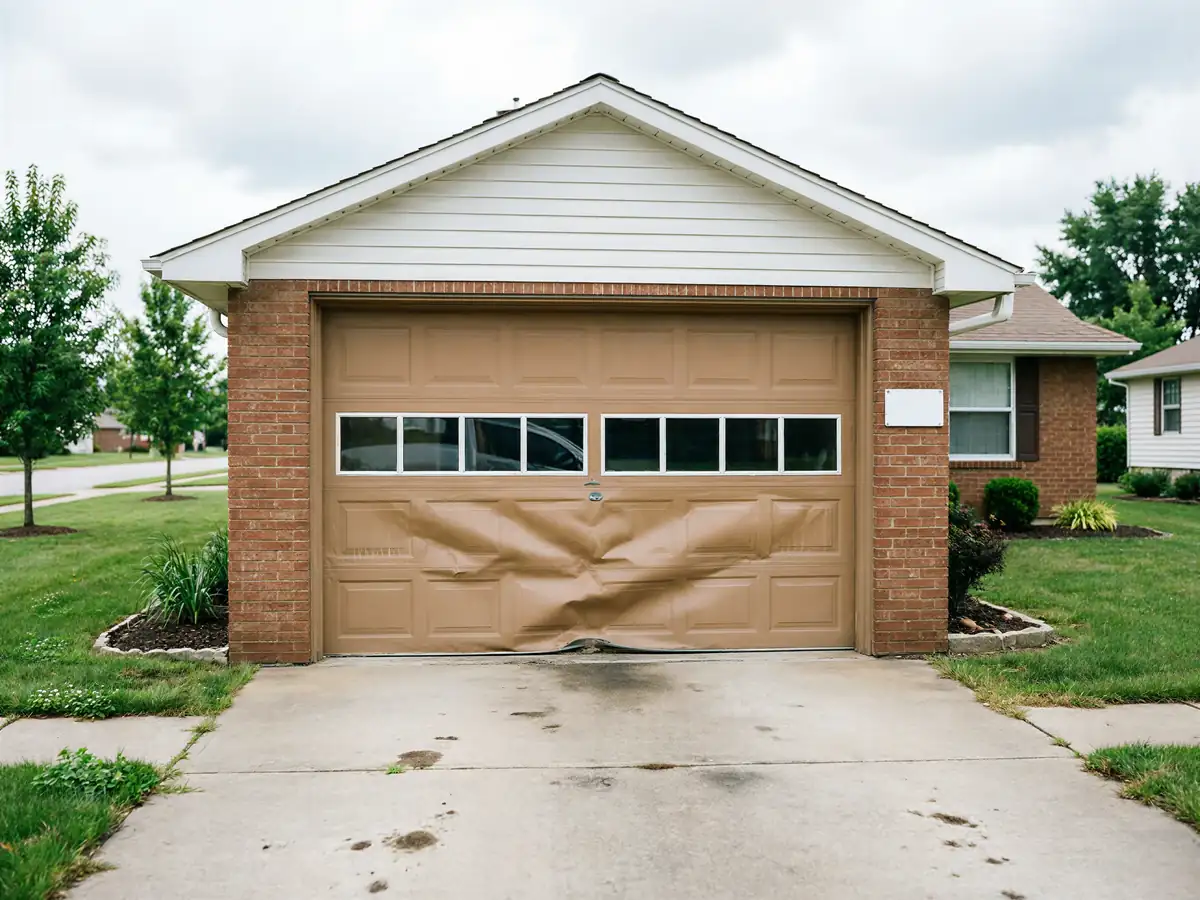
And we keep that in mind when we talk through repair-versus-replace. If the door itself is sound and it's just the hardware that's tired, maintenance is the cheaper path. If the panels are rusted through or the opener is original too, we'll say so plainly instead of running up a maintenance bill on a door that's near the end anyway.
The Symptom
The one we hear most from Fraser calls is a door that reverses halfway up, or won't fully close, on cold mornings specifically. That's almost always the spring losing tension as the steel contracts, combined with track alignment that's drifted slightly over fifty-plus years of settling.
A second common one: grinding or popping from the spring area when the door's been sitting unused for a few days, which points to corrosion on original hardware rather than anything mechanical breaking. Neither of these needs a new door. Both need someone to put eyes on the actual spring and track before the cold makes the problem worse. If you're hearing either of these, that's the call to make before winter, not after the door won't move at all.