The Symptom
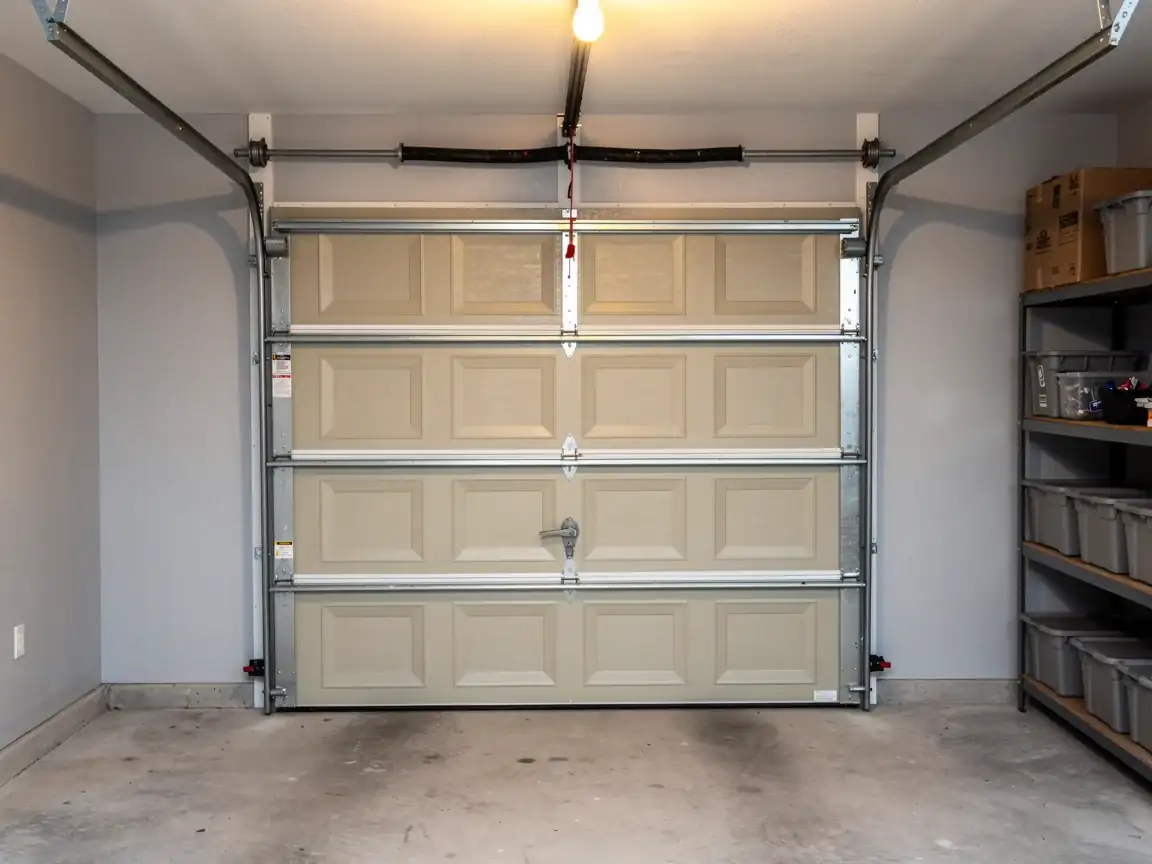
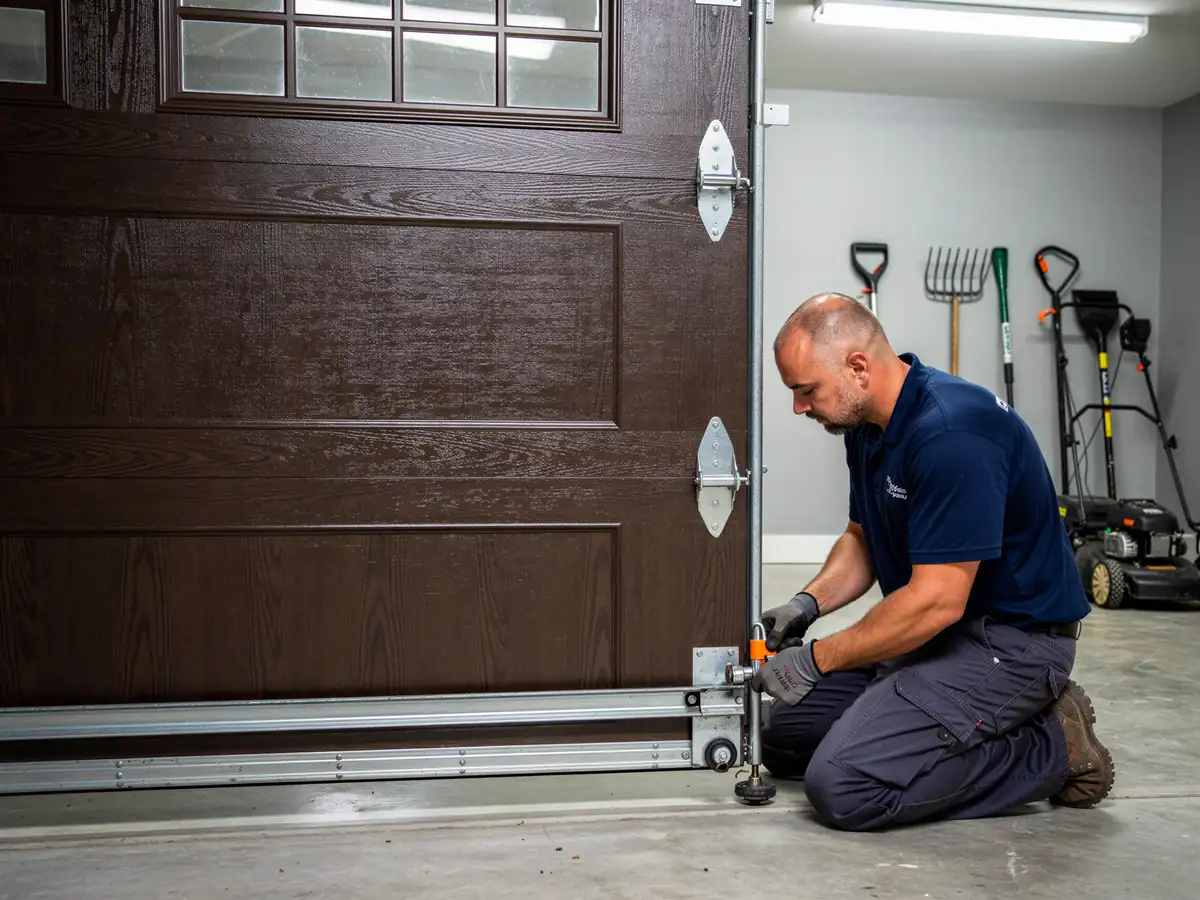
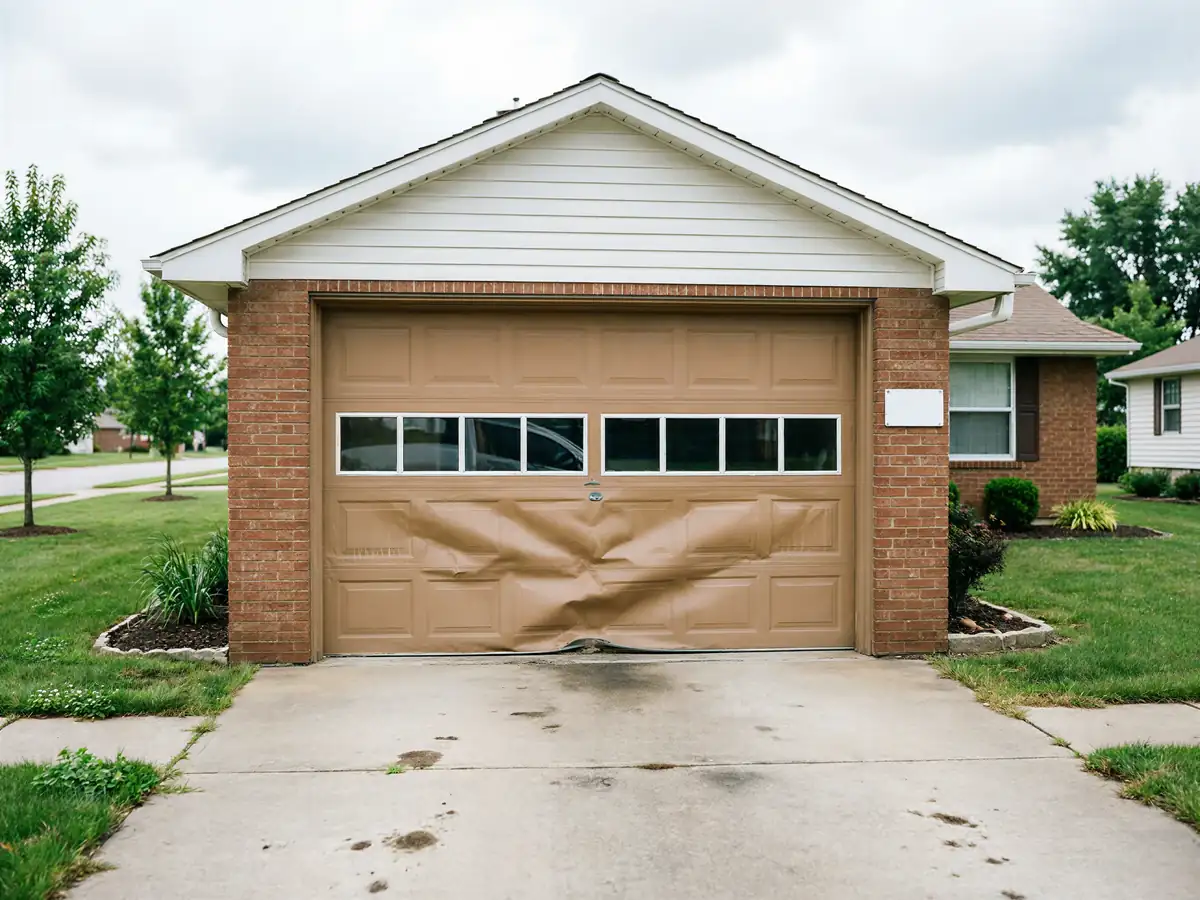
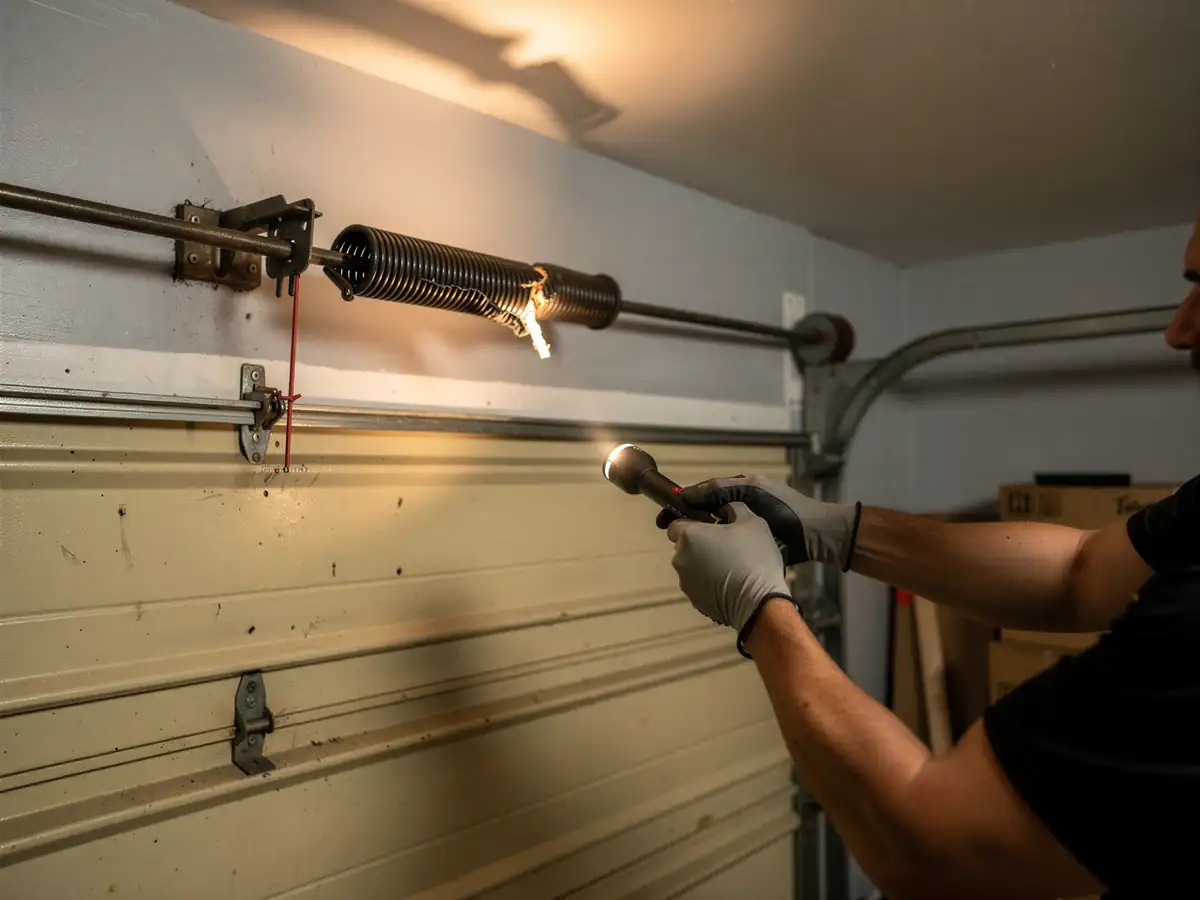
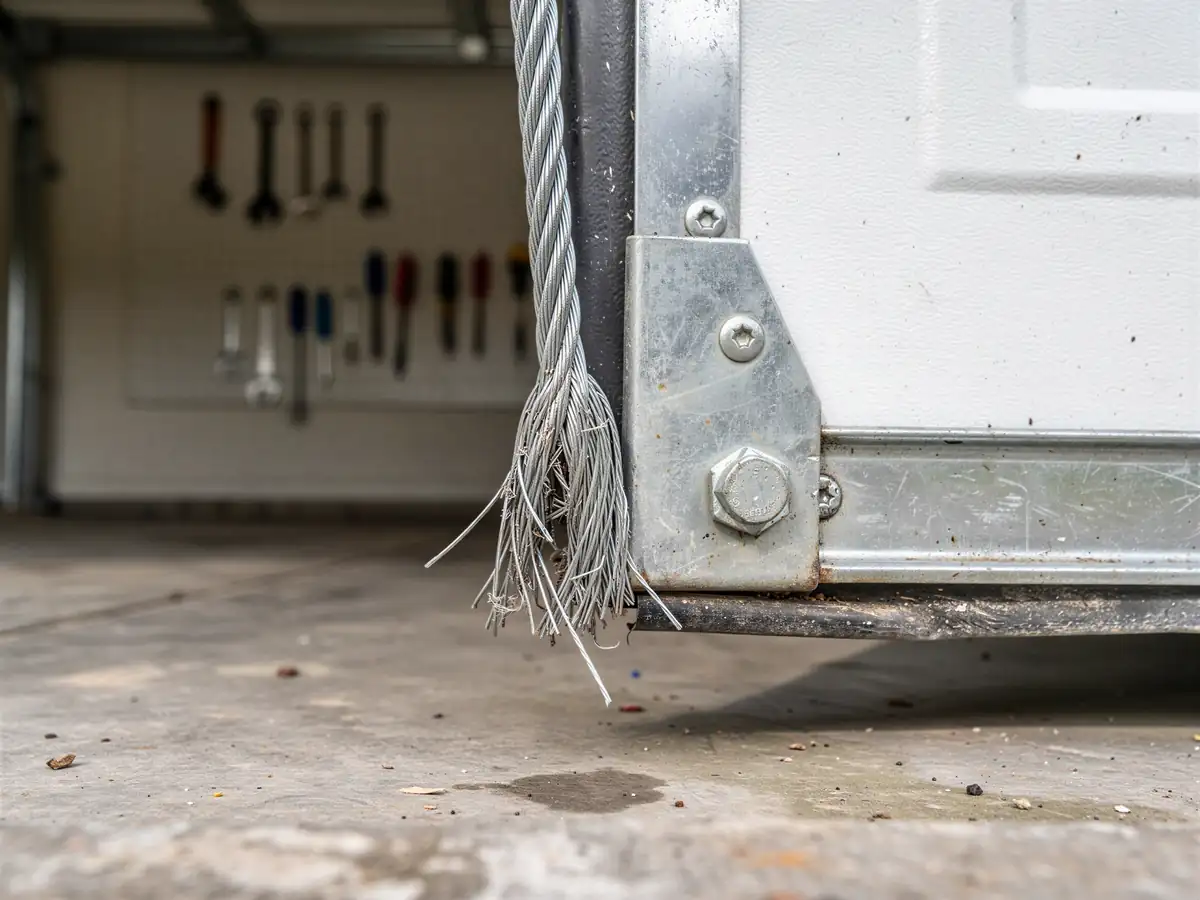
A cable going bad rarely announces itself cleanly. You'll usually see one side of the door drop lower than the other, hear a snap or a loud pop as the door comes down, or notice frayed strands bunching up near the bottom bracket where the cable takes the most abuse. In a cold-climate area like this one, the steel in those cables contracts in winter, and a cable that was already worn thin from years of flexing is more likely to let go on a sub-zero morning than a mild one. We see more cable failures here in the coldest stretch of the year than any other season, and it's not a coincidence - the metal has less give left in it when it's that cold. If the cable has already come off the drum, don't try to run the opener. That's the fastest way to turn a cable repair into a bent track or a cracked panel.
Where This Job Goes Sideways
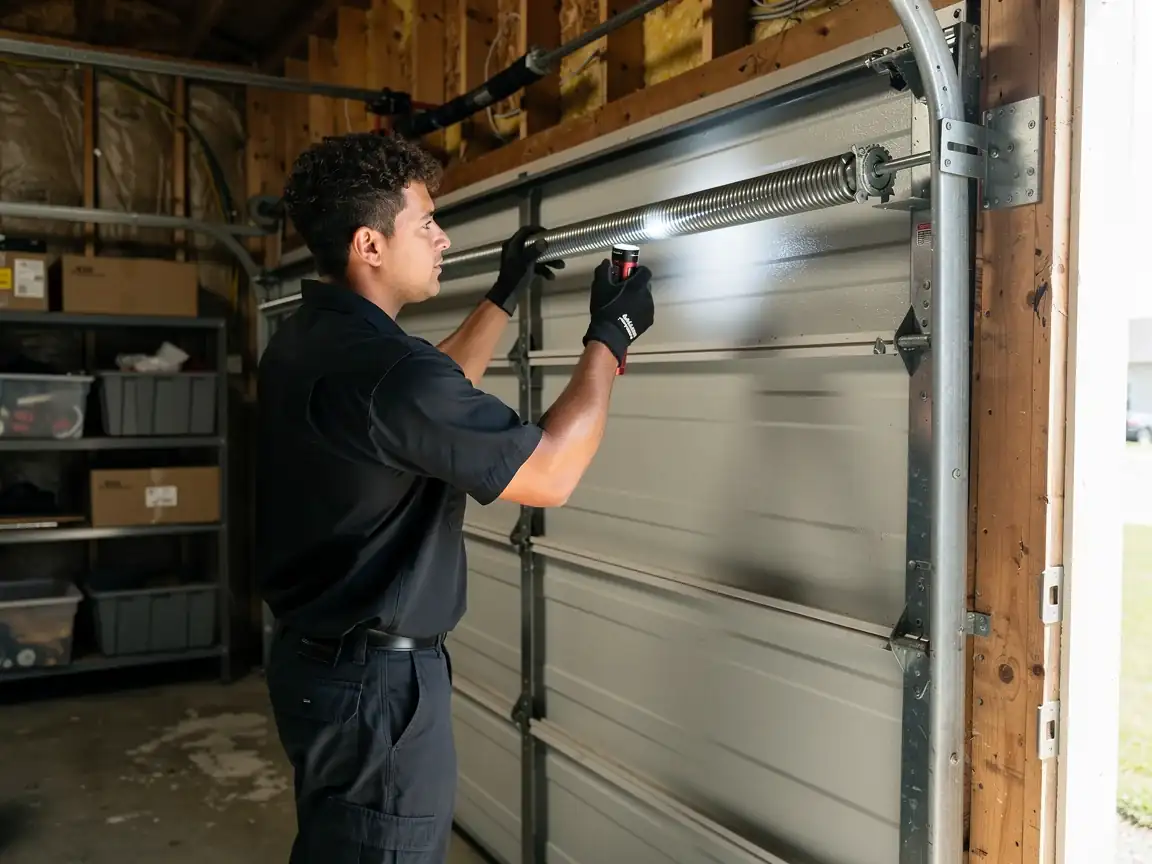
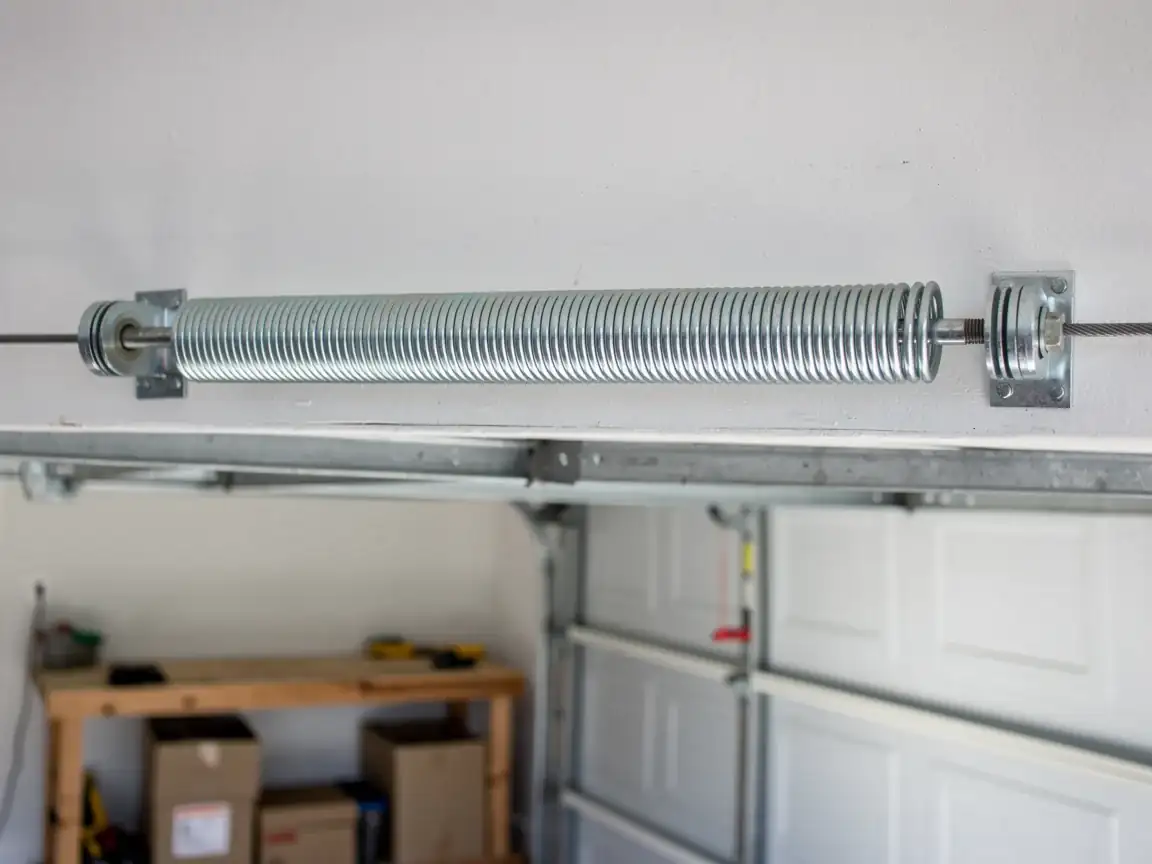
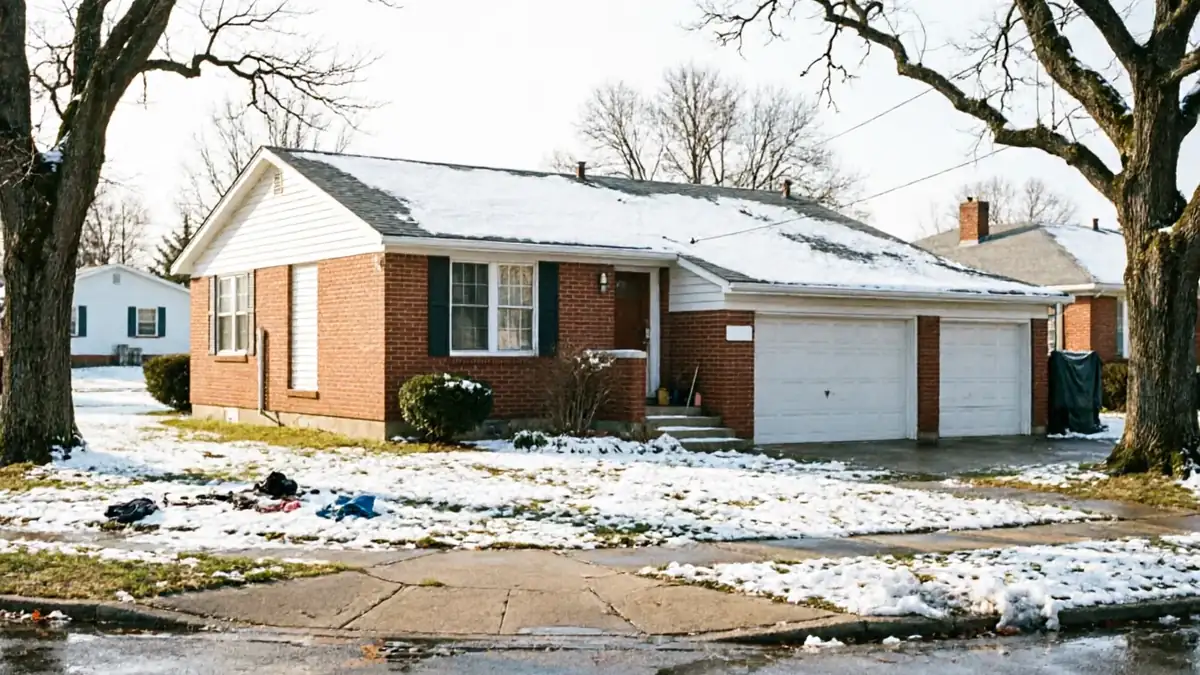
A straightforward cable swap gets more complicated when the drum itself is grooved out or the bottom bracket has rusted around the cable stop - both of which we see on doors that have been hanging on original hardware since the house was built. On a lot of Shields homes built in that mid-1970s window, the original drums are still in place, and forty-plus years of use can wear a groove that chews up a new cable in weeks if we don't catch it. We'll check the drum and the bracket before we quote the fix, not after. Here's the honest limit: if both cables, both drums, and the springs are all worn out at once, replacing cable alone just delays a bigger failure, and we'll tell you that instead of selling you a patch job. That call is harder to make on an 18-foot double door carrying heavier springs and cable loads than on a single door, so we look at the whole system, not just the broken part.