The Symptom
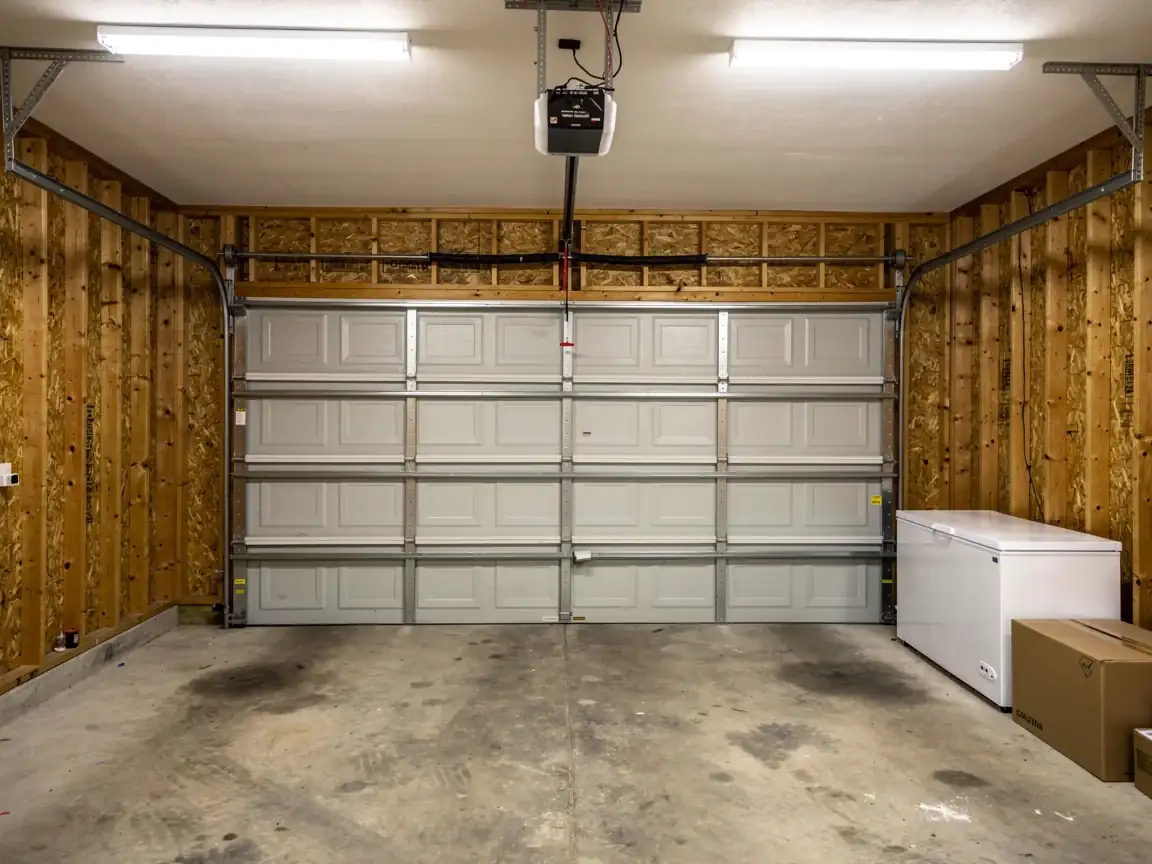
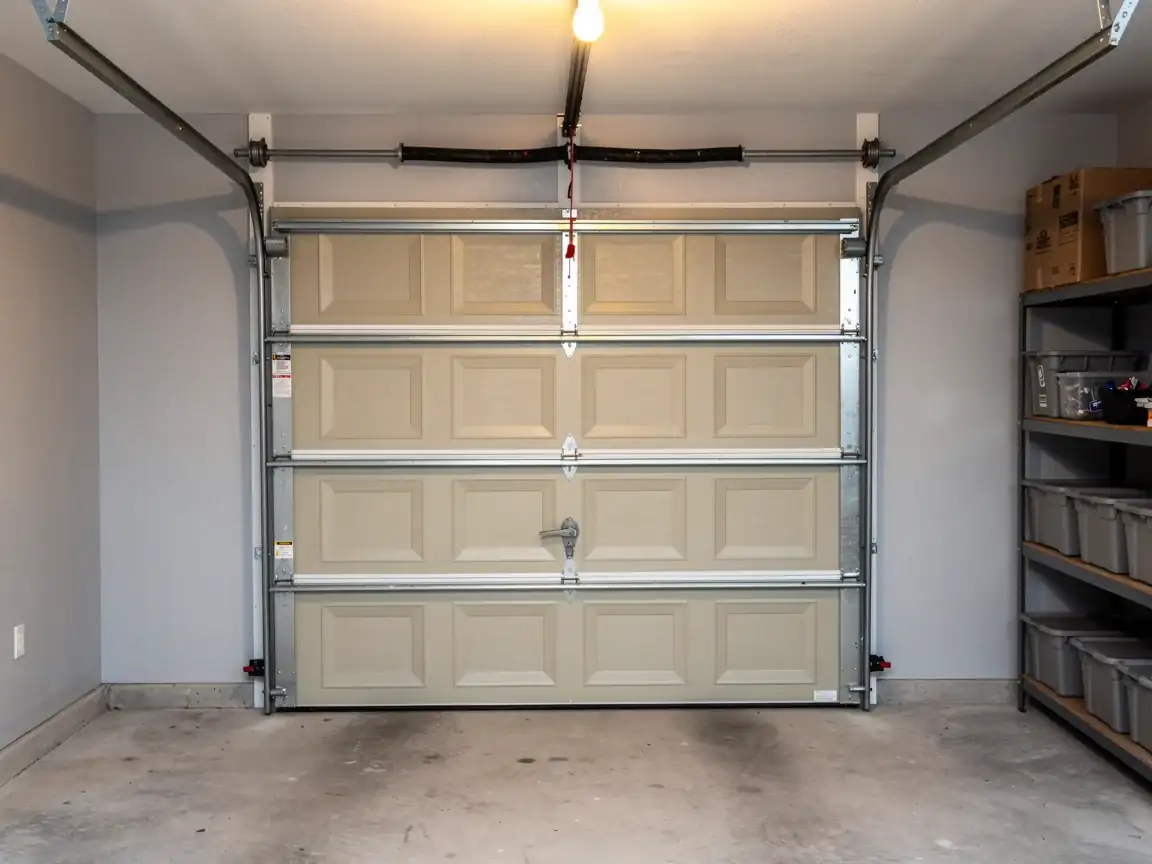
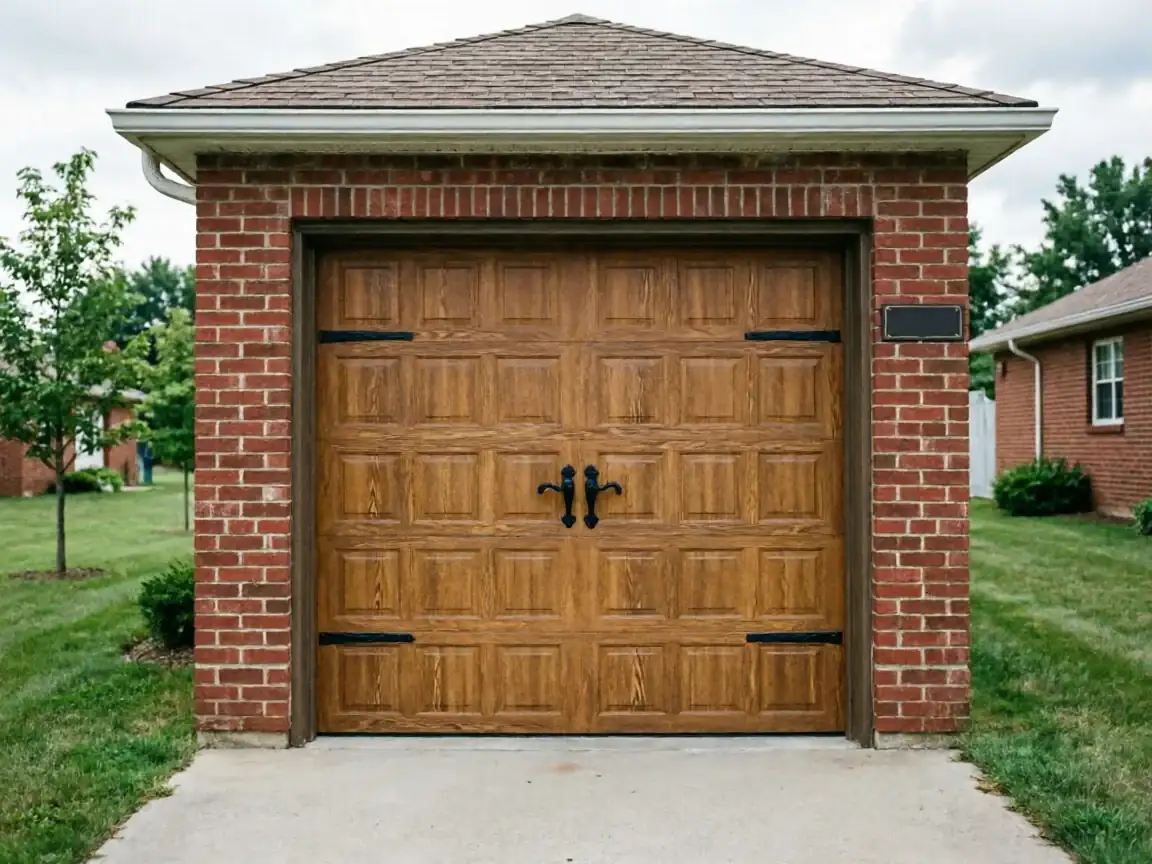
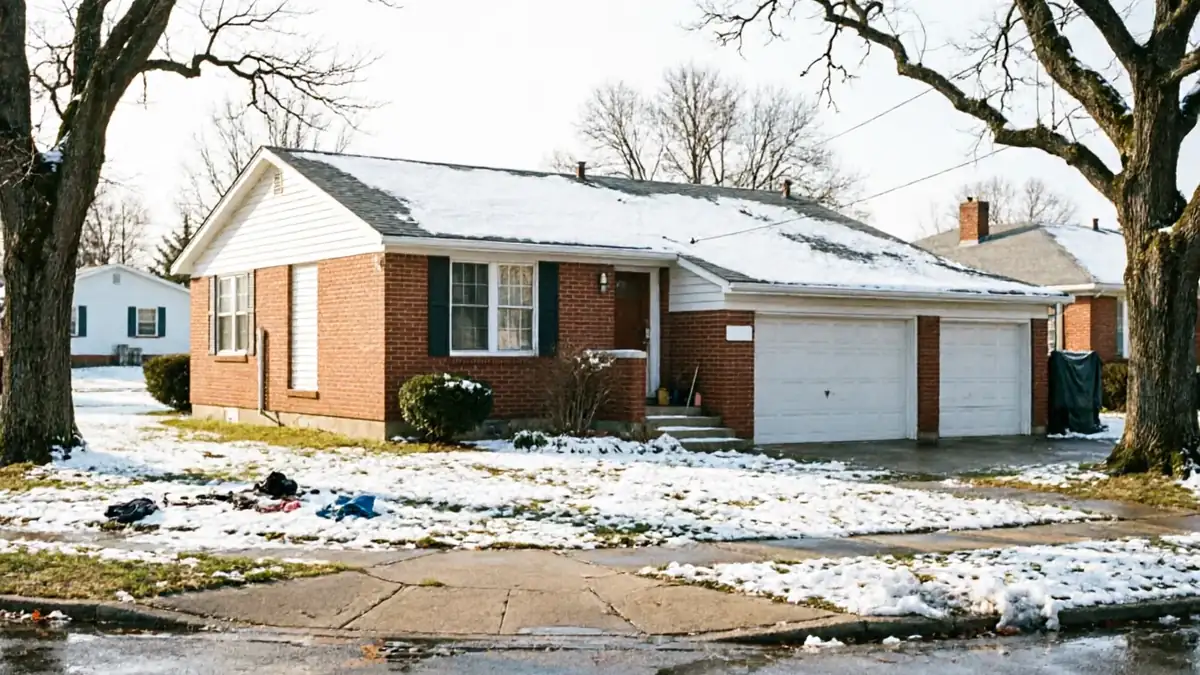
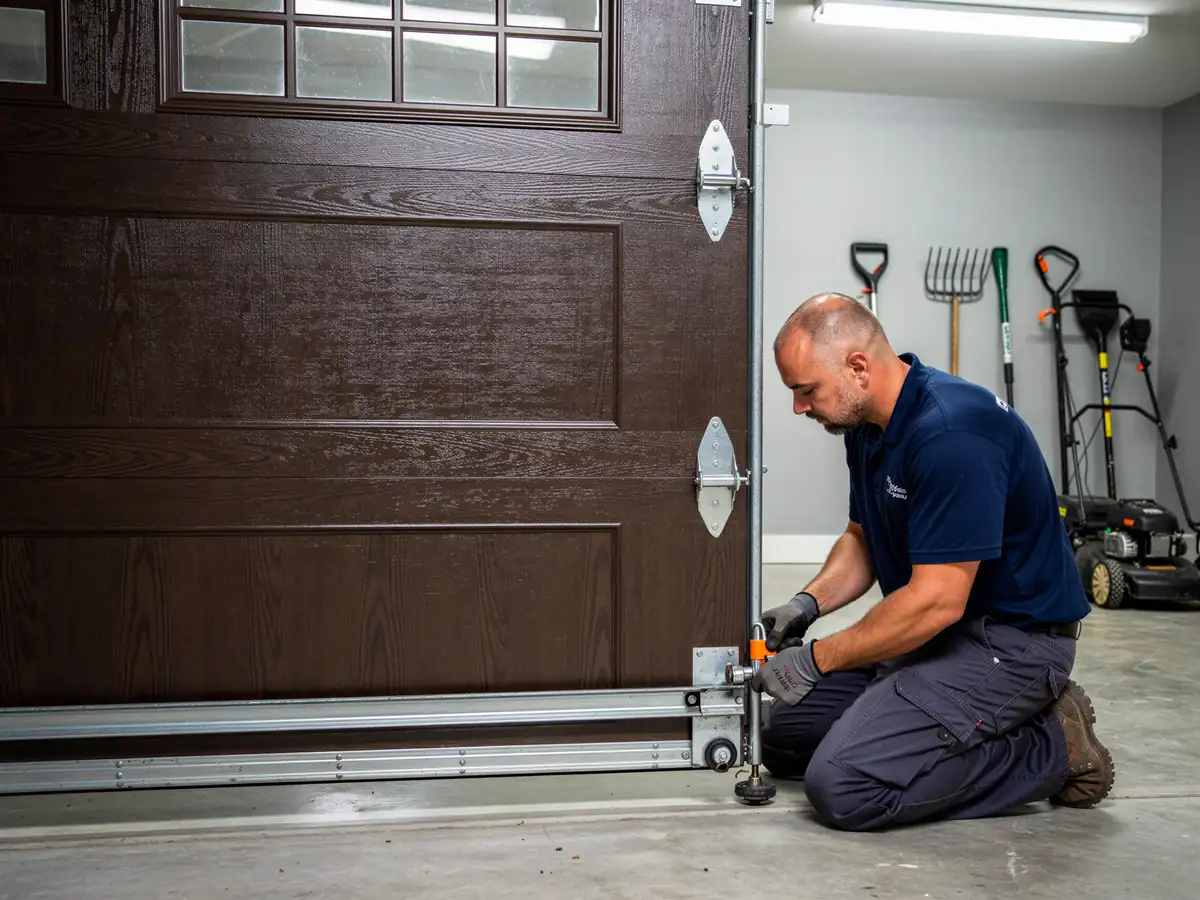
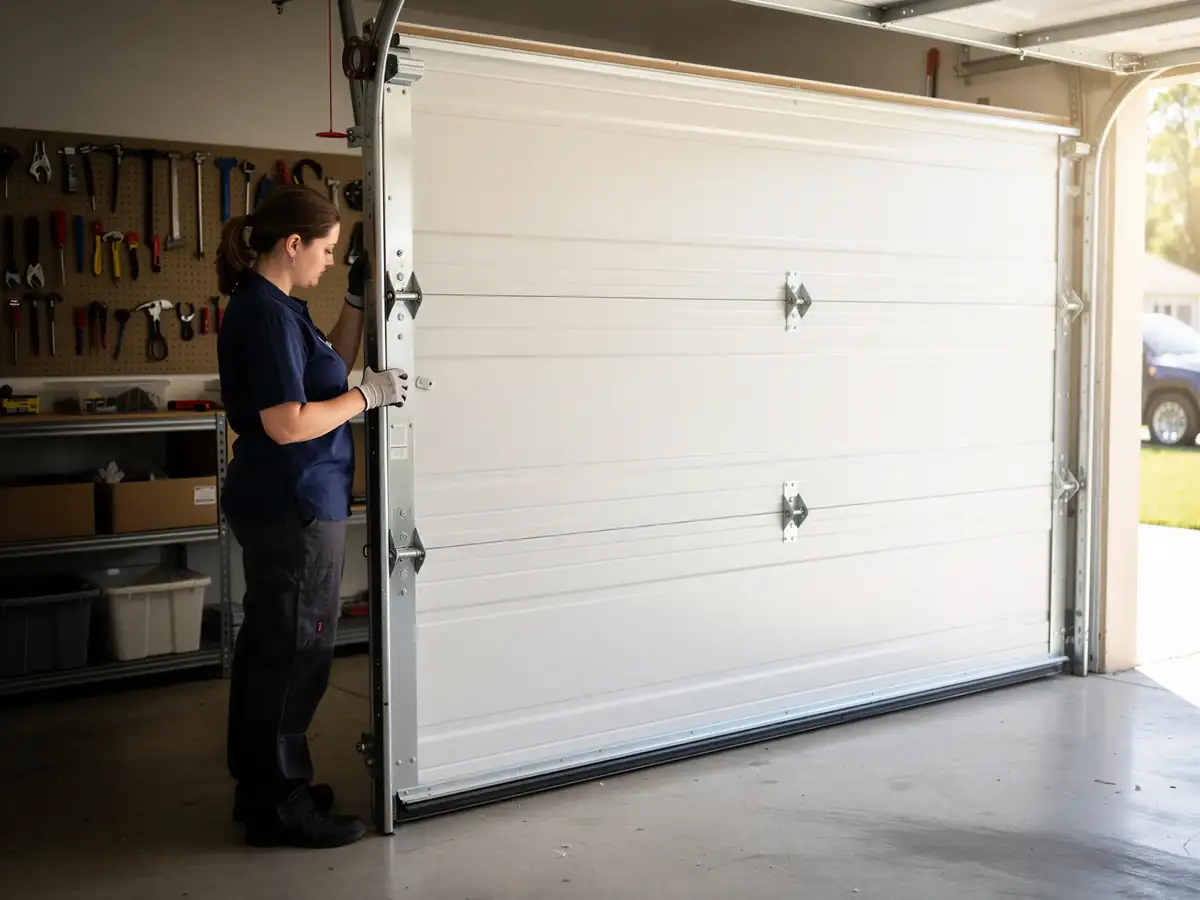
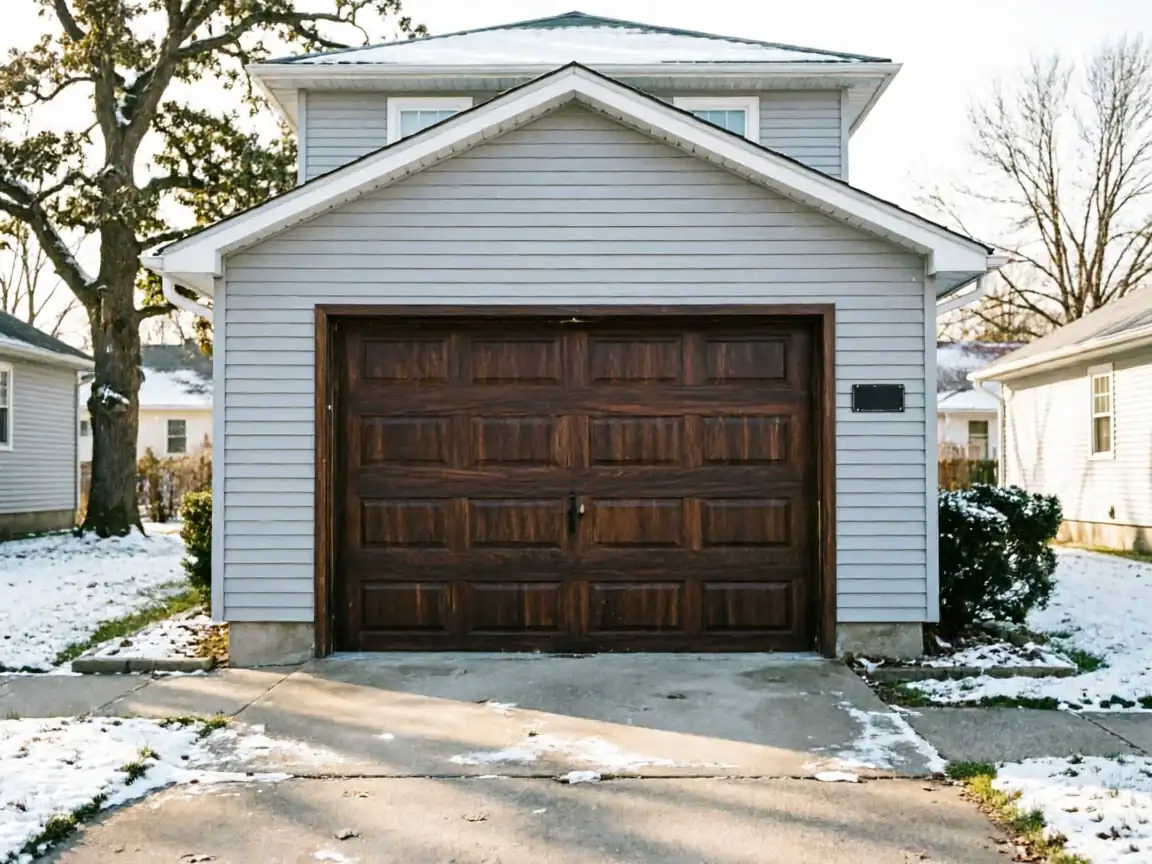
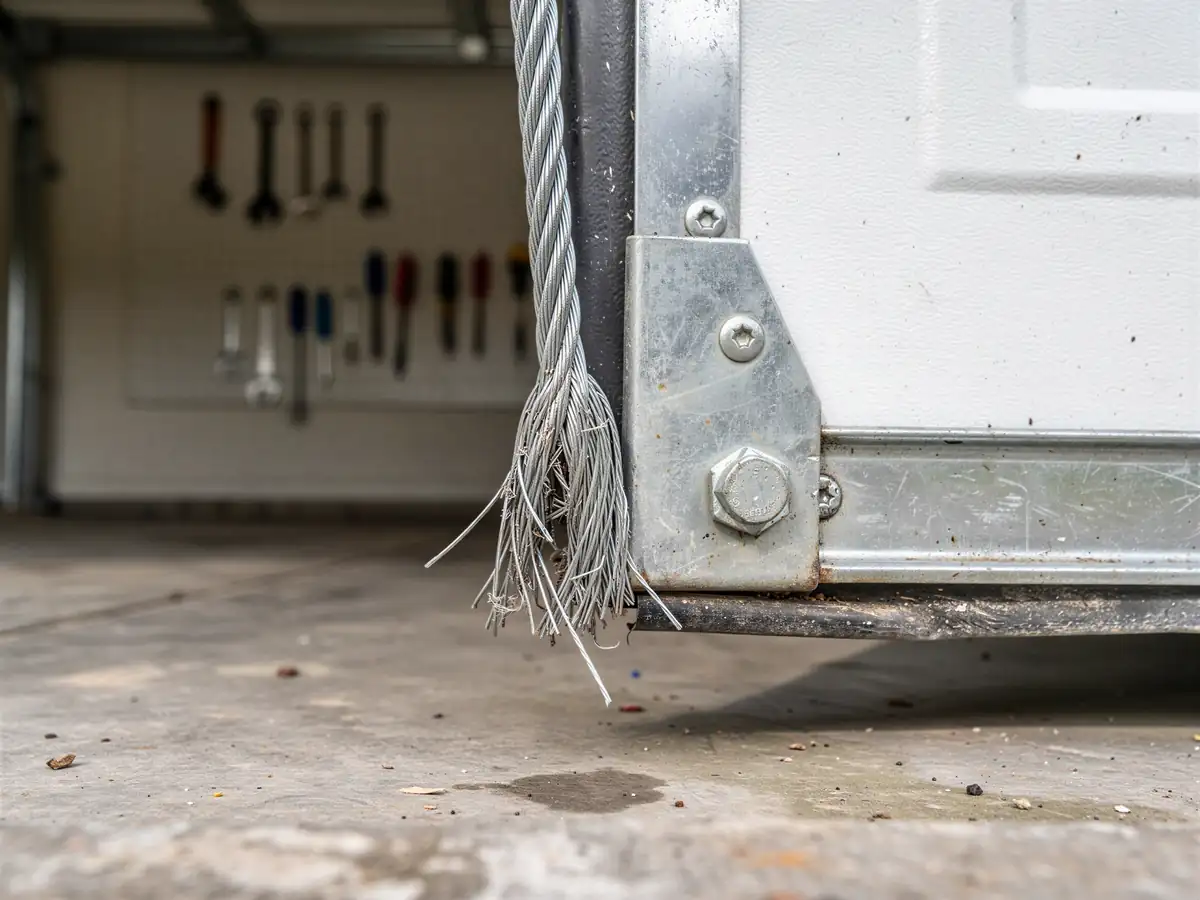
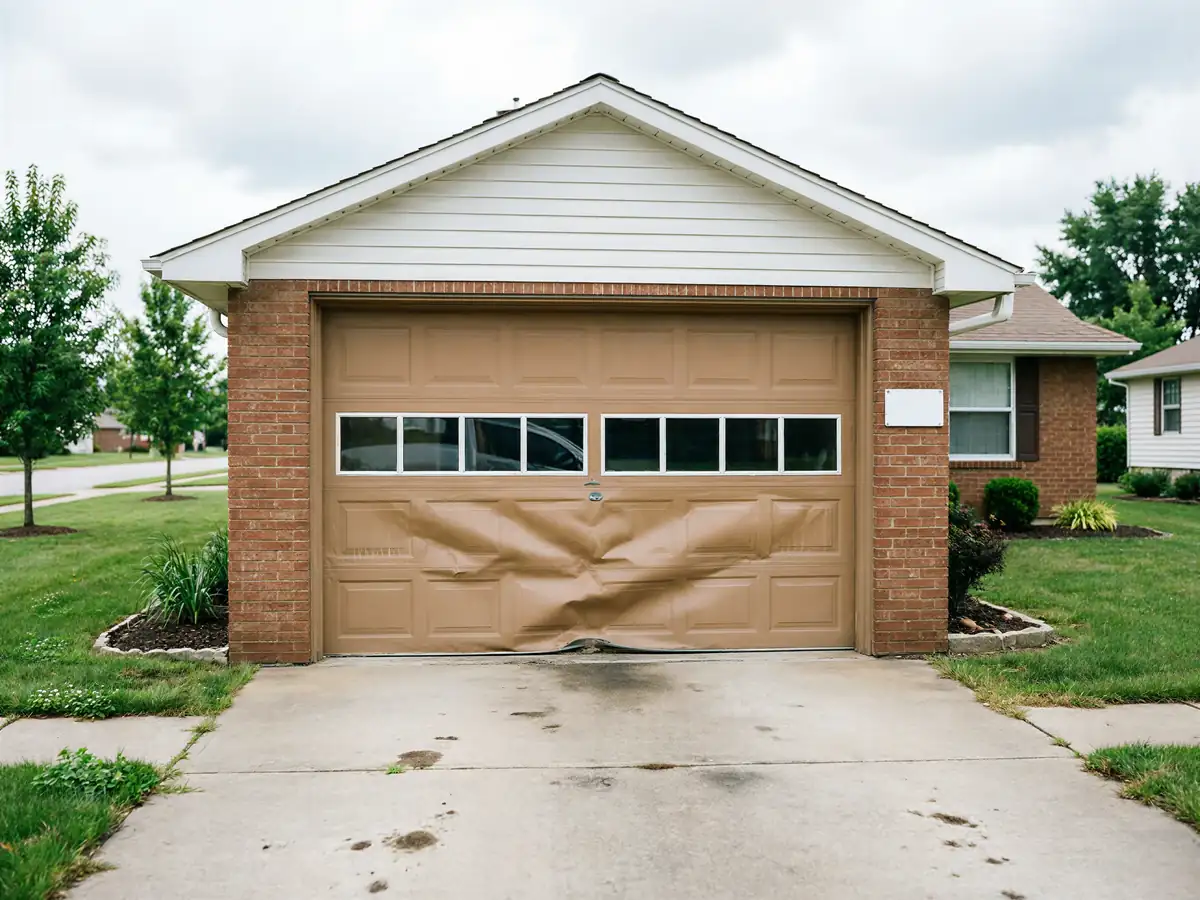
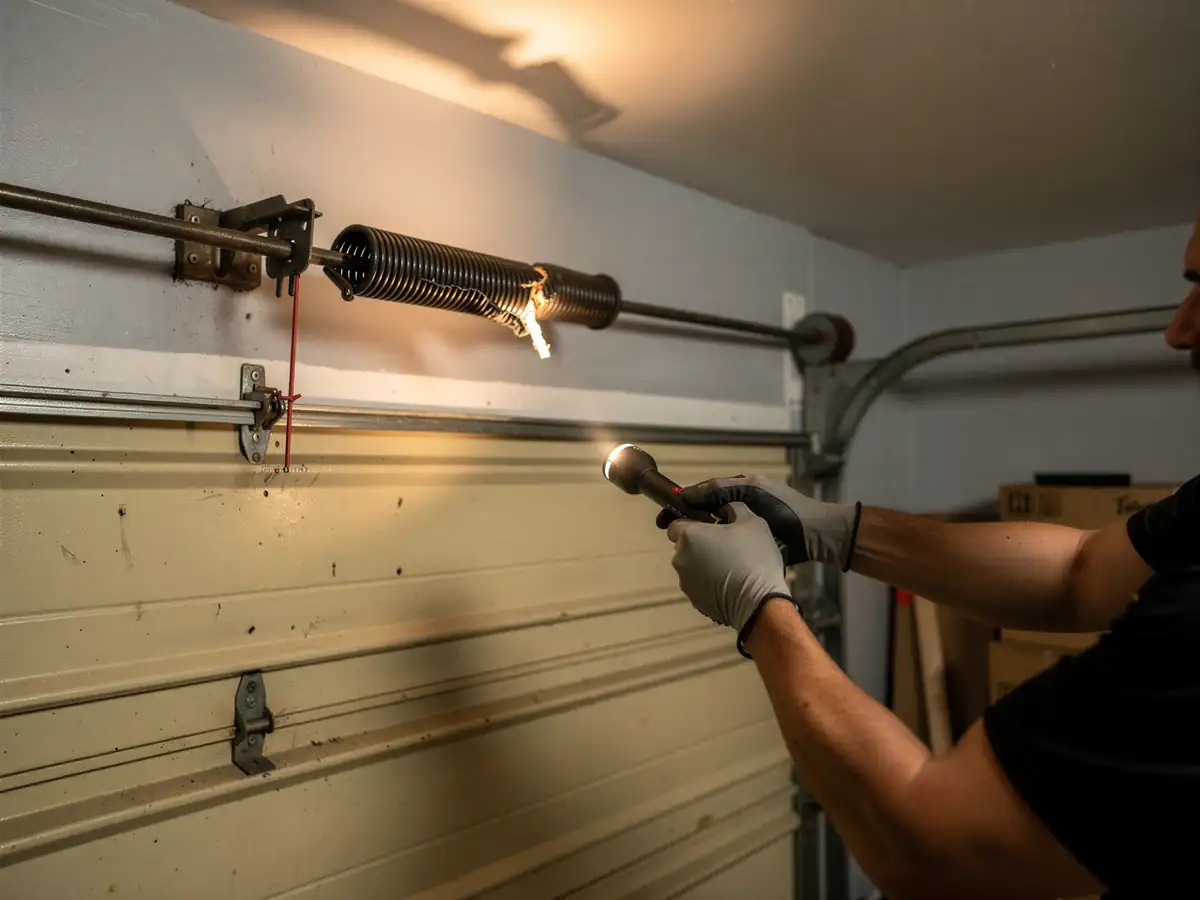
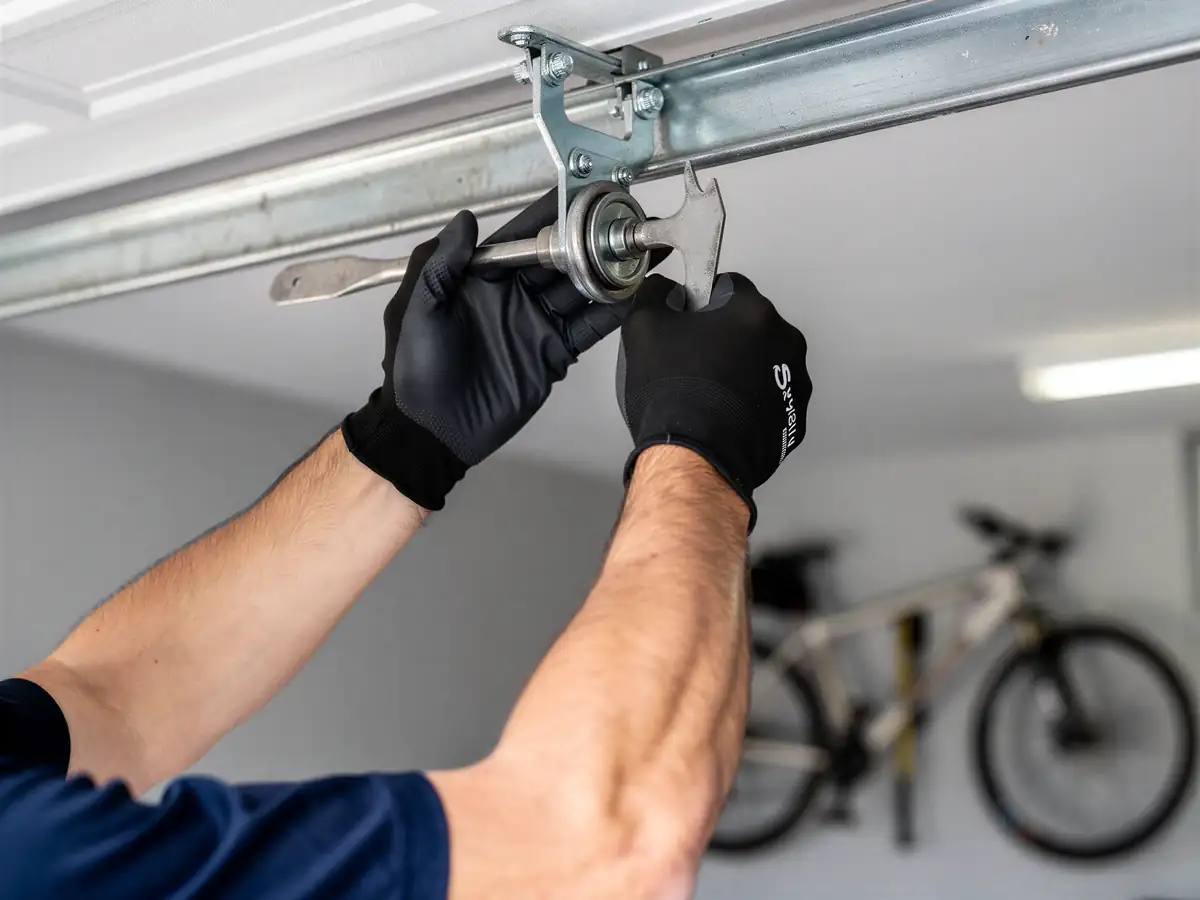
A door that's come off track in Shields usually shows one of two faces. Either it binds halfway up and won't move another inch without the opener straining against it, or it drops crooked - one corner low, the other riding high in the track - and scrapes metal on metal on the way down. The median home here was built around 1976, a few years newer than the 1969 median across the rest of the territory, which puts most Shields doors on galvanized roll-formed track rather than the heavier painted-steel track you find on the older housing stock closer to Bay City. That lighter track holds up fine under normal use, but it flexes more at the mounting brackets over fifty years of seasonal swing, and a flexed track is exactly where a roller jumps the rail. If you hear a bang followed by the door refusing to seat flush in the opening, that's usually a roller that's already out and a track bent just enough to keep putting it back out every time you run the opener.
Where This Job Goes Sideways
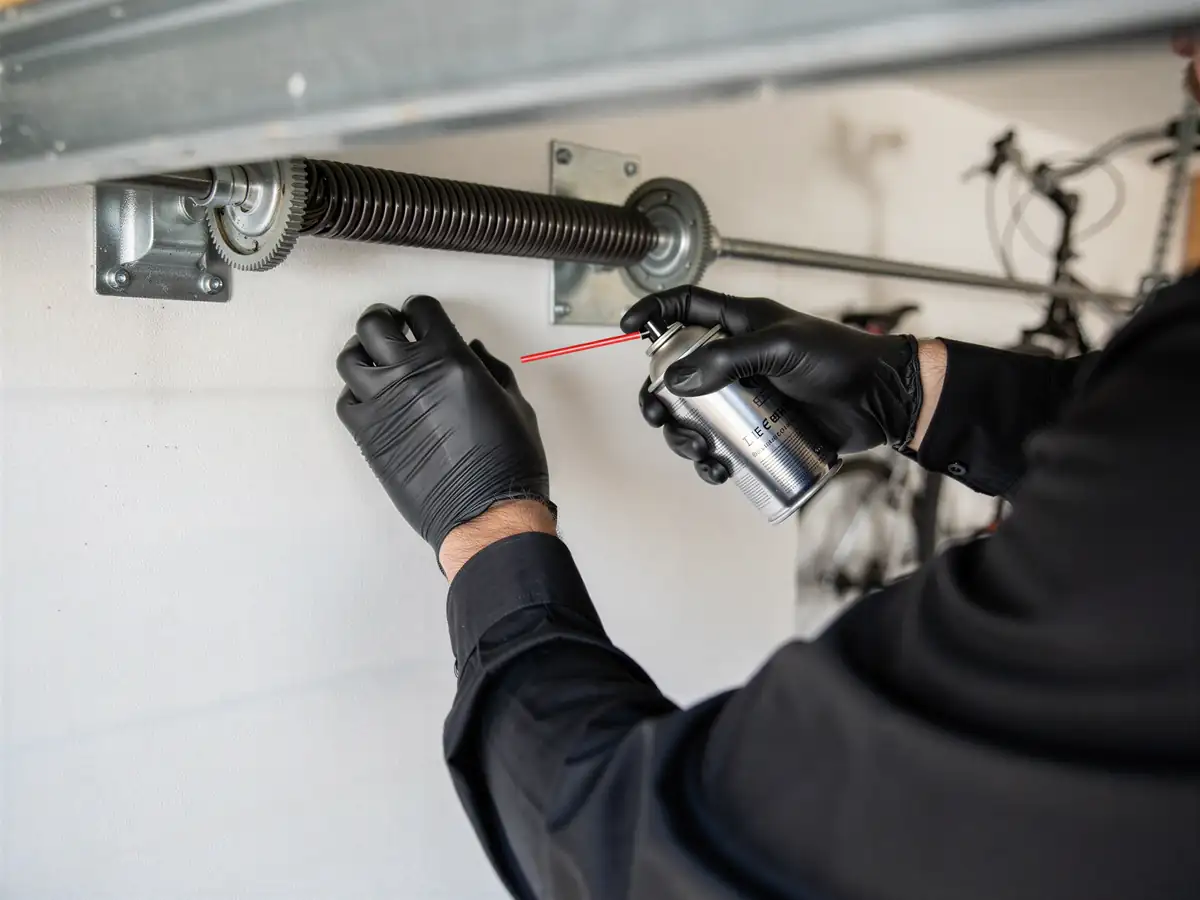
This climate is the complication nobody budgets for. Shields sits in a severe cold zone, and a frozen film of condensation inside the track channel will grab a roller and hold it just long enough for the opener to force the door past where it should stop - that's how a clean off-track problem turns into a bent track or a stripped opener gear in one cold morning. On a 1976-built house, the track channel itself tends to run narrower than what goes into new installs today, so the margin for ice buildup before something jumps is smaller to begin with. The other way this goes sideways is the bracket mounts. Original lag screws into a jamb that's seen nearly fifty winters of expansion and contraction don't always hold torque the way they did when the house was new, and a loose bracket lets the whole track rack sideways under load. We check both before we call the job a simple re-track, because re-hanging a track on a bracket that's about to pull loose again just buys you the same service call in six months.