Time on the Job
Shields is a 15-mile run from our shop in Bay City
And that distance shapes how we handle a call out here more than anything else. We don't have a second truck staged closer, so when a spring lets go or a cable snaps, the drive itself is part of the job, not an afterthought. We load the truck for what we expect to find before we leave, because turning around for a part costs more time than the drive did. That means when you call, we want to know what you're looking at - a door that won't move, a door stuck halfway, a spring visibly snapped - so the truck that shows up actually has what the job needs the first time.
We're not going to promise a number of minutes
What we can tell you is that a 15-mile stretch of road is a known quantity for us, not a guess, and we plan the call accordingly rather than quoting a response time we can't back up every time.
The Symptom
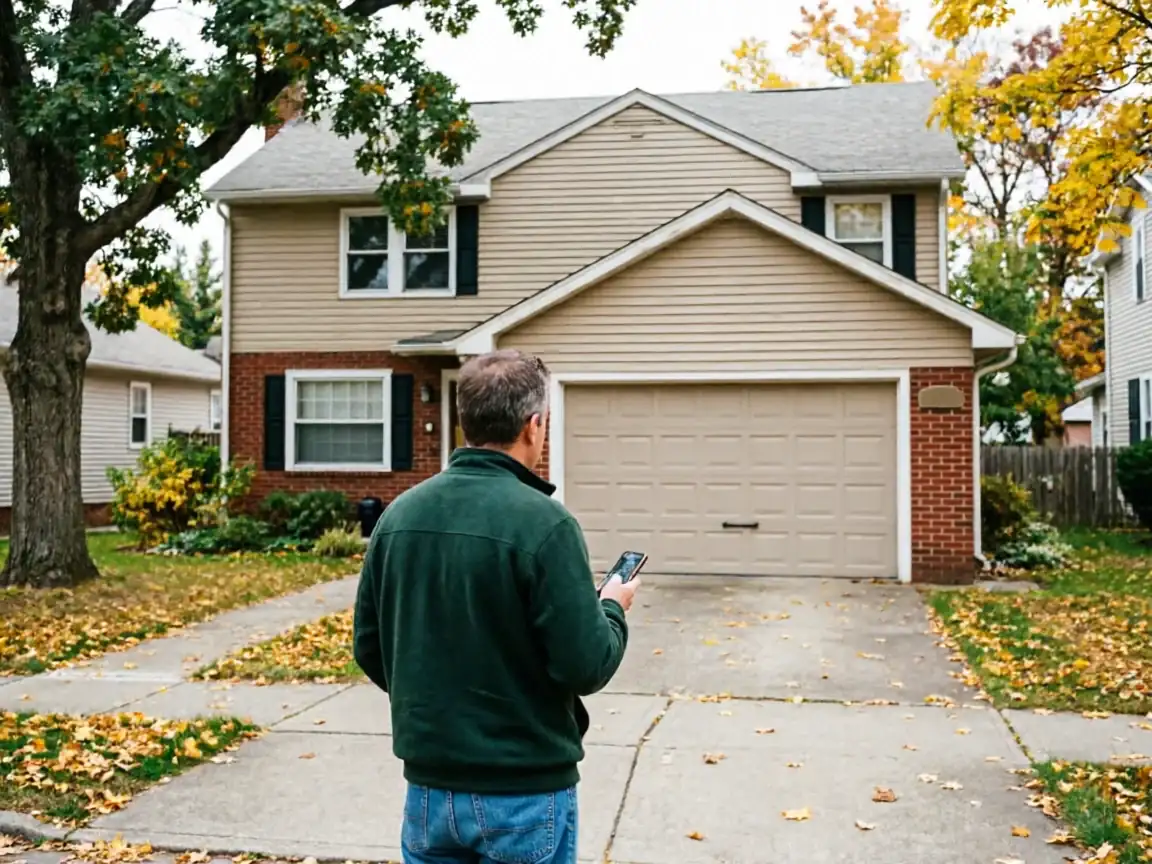
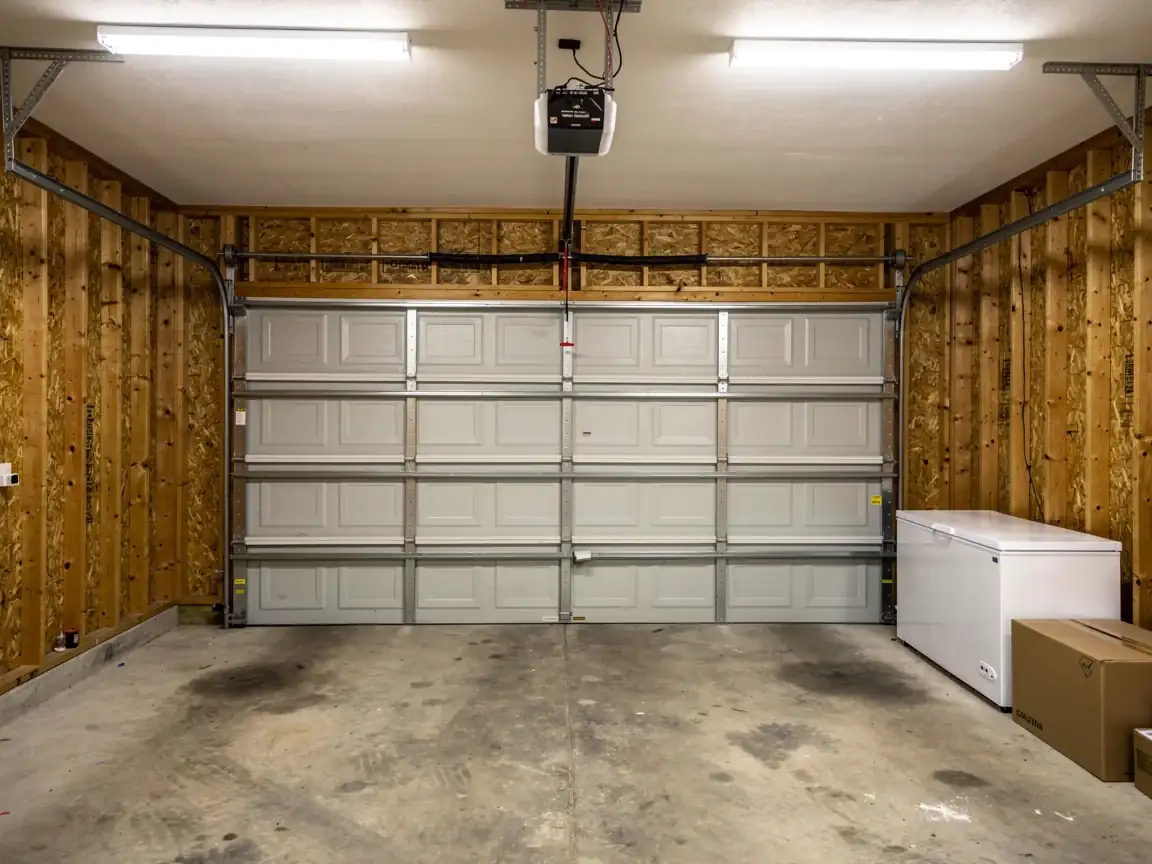
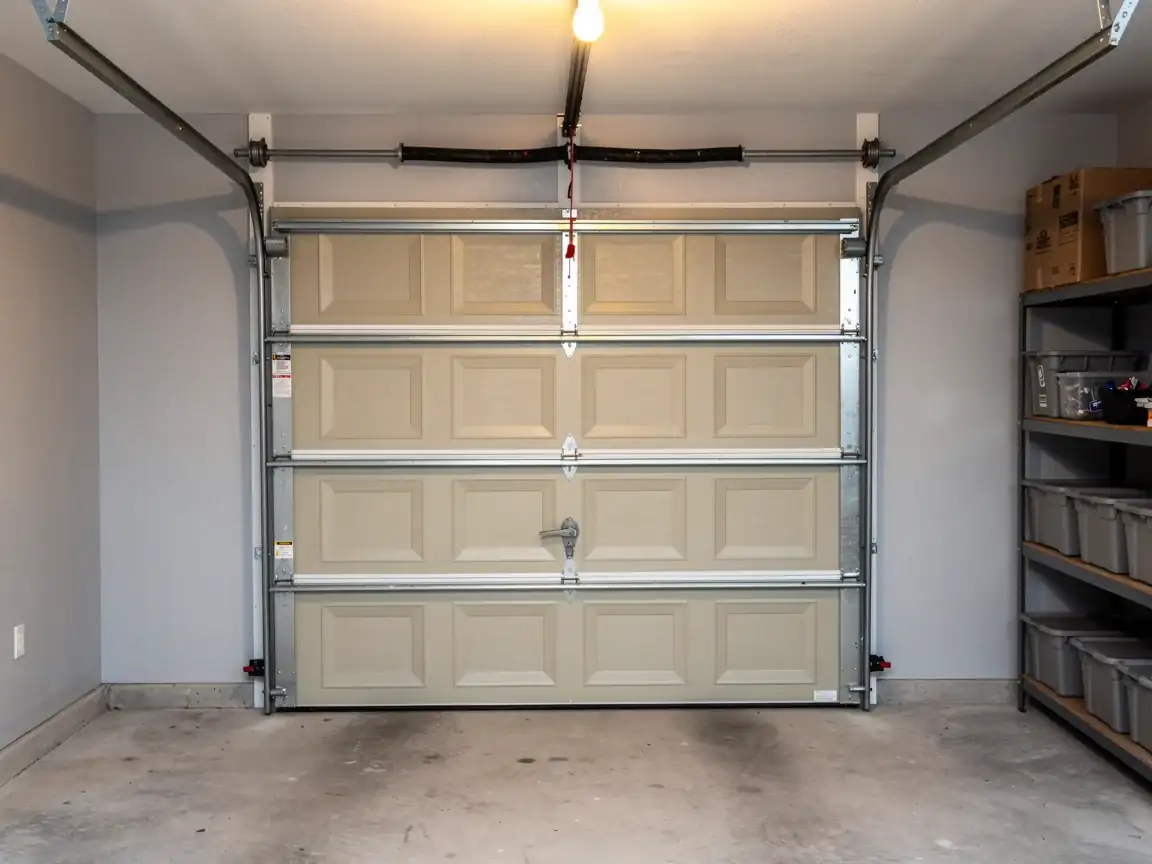
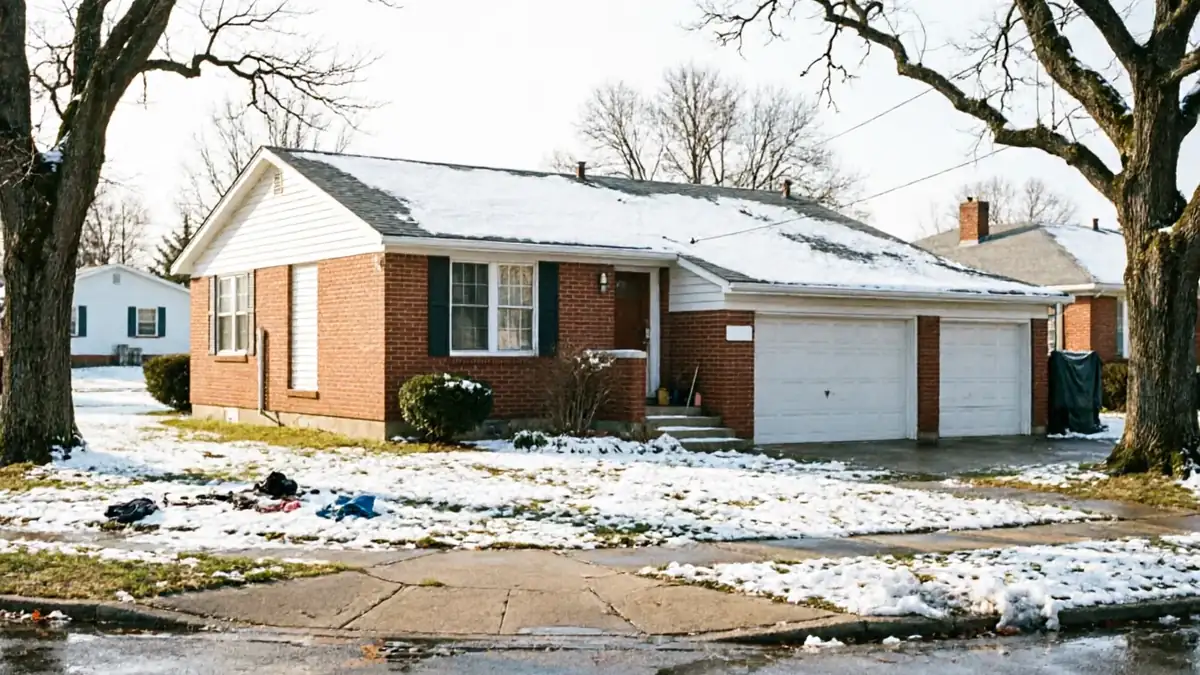
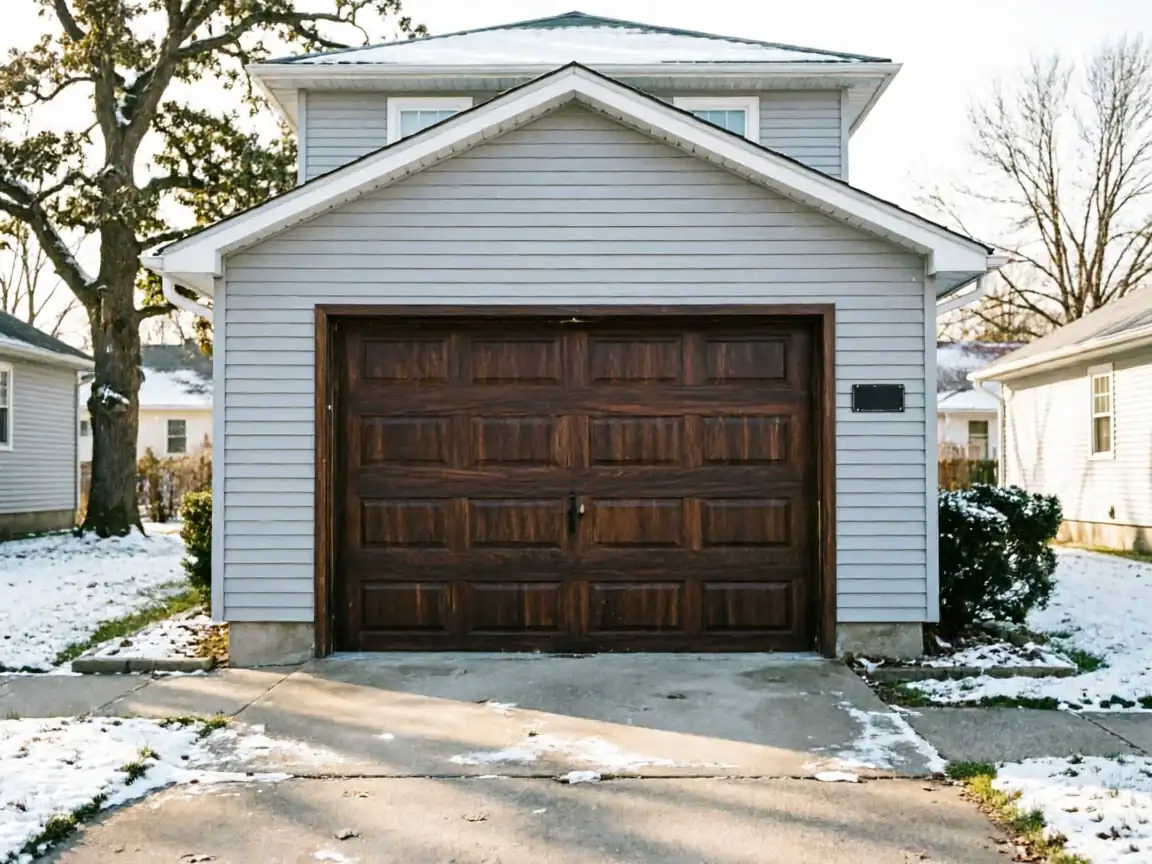
Houses in this part of the service area mostly went up around 1976, which puts a lot of Shields garages in a specific hardware window - steel sectional doors on torsion springs, with openers that have usually been swapped out once or twice since the house was built, but the track and drum setup often hasn't changed. That matters because torsion springs are rated for a number of cycles, and a door installed in the mid-70s on original brackets has had a long time to work those mounting points loose.
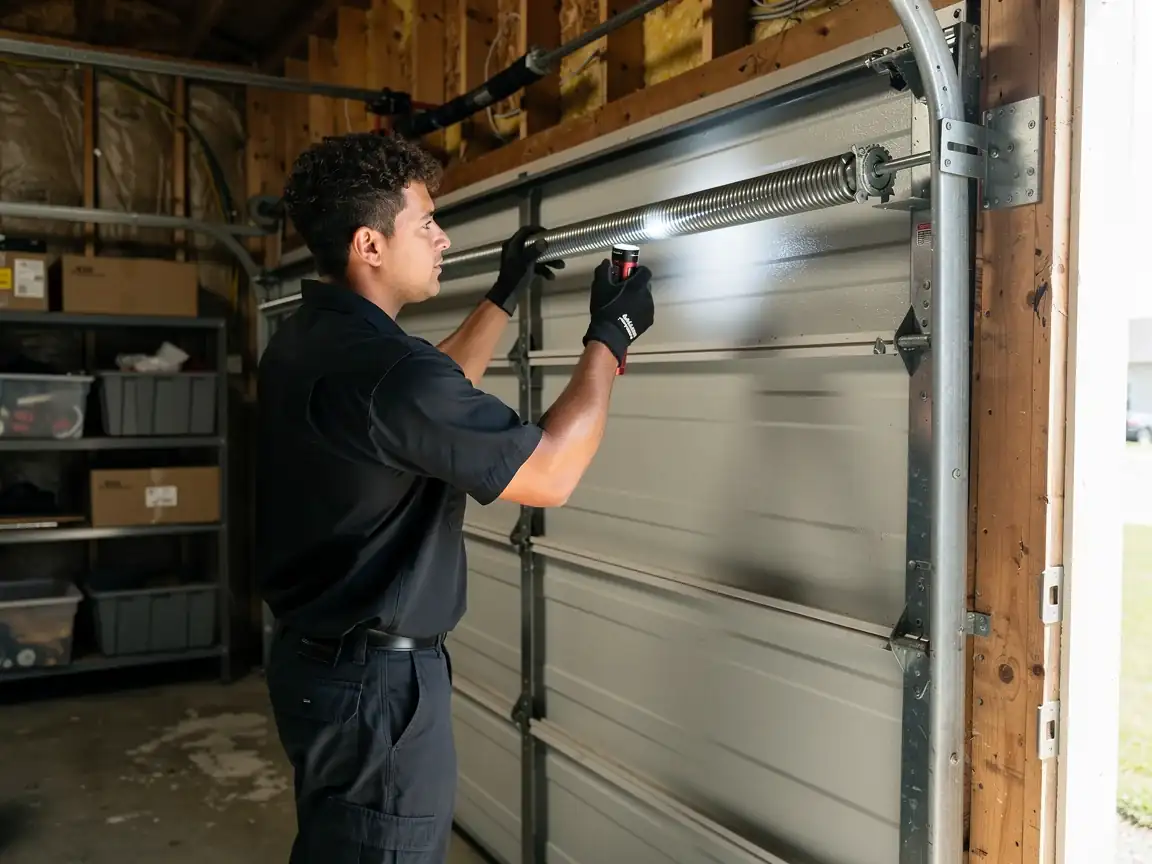
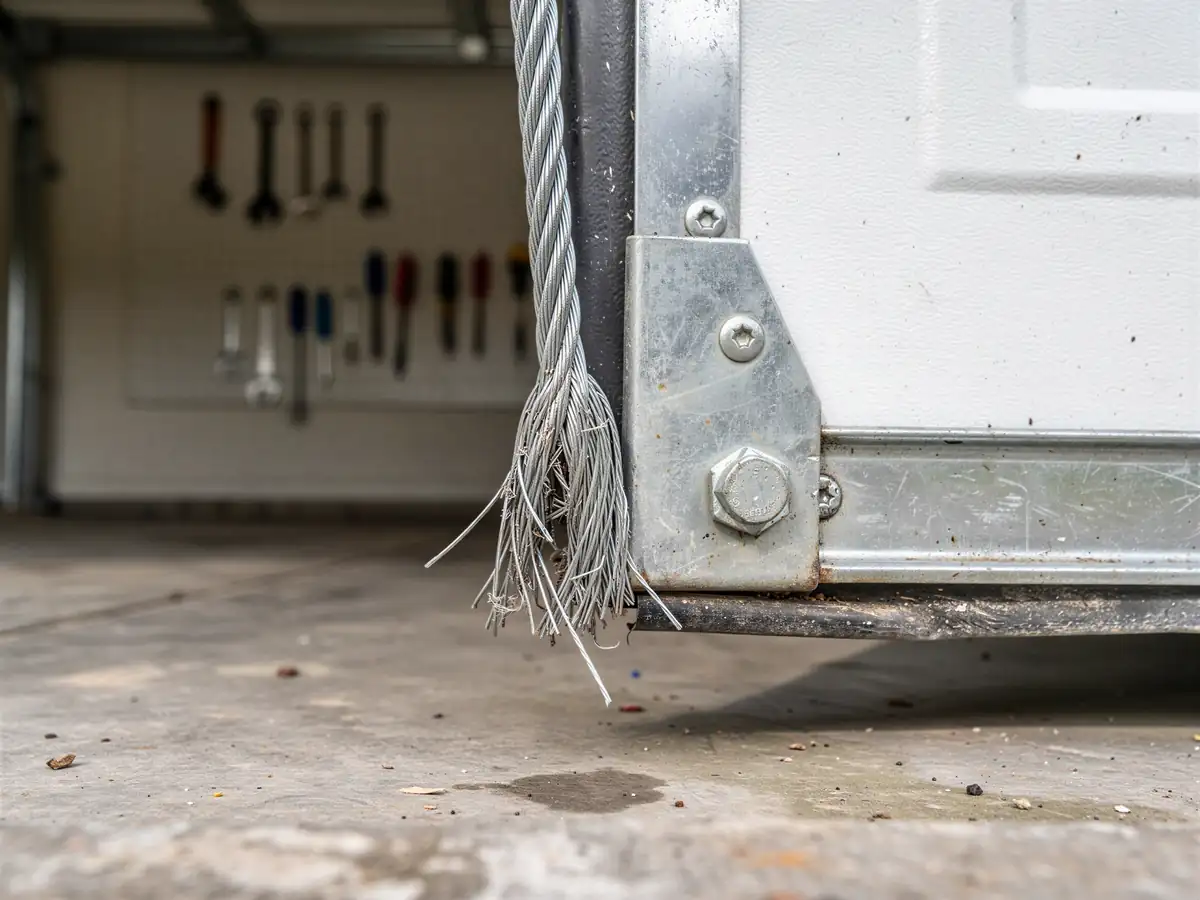
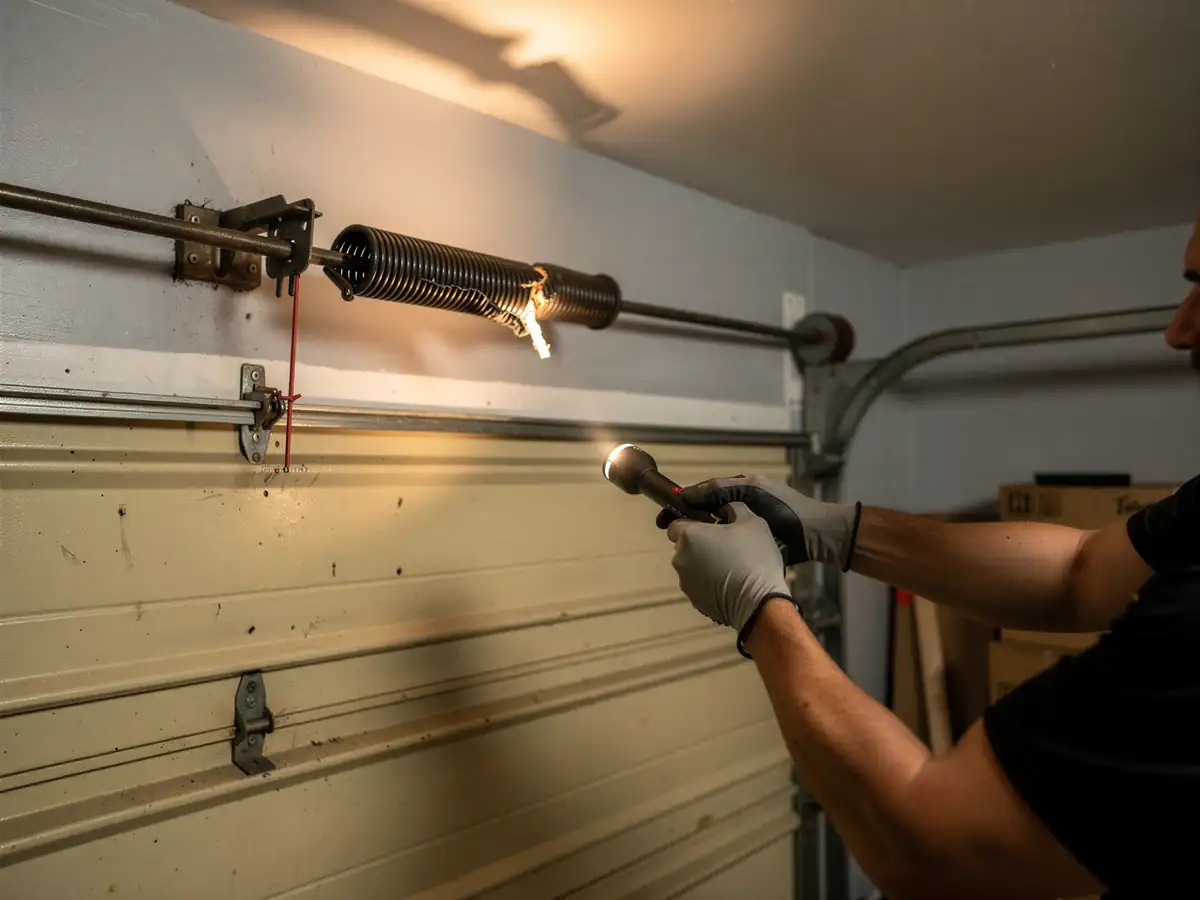
Winters here fall into the colder, harsher end of the climate band, and cold steel does different things than warm steel - springs lose a little tension, nylon rollers get brittle, and a door that was merely stiff in October can seize or snap a cable in January. If your door is slow to open, drops the last foot instead of closing smooth, or makes a bang partway through the cycle, that's usually not the opener talking - it's the spring or the cable losing its margin before it actually fails.
Where This Job Goes Sideways
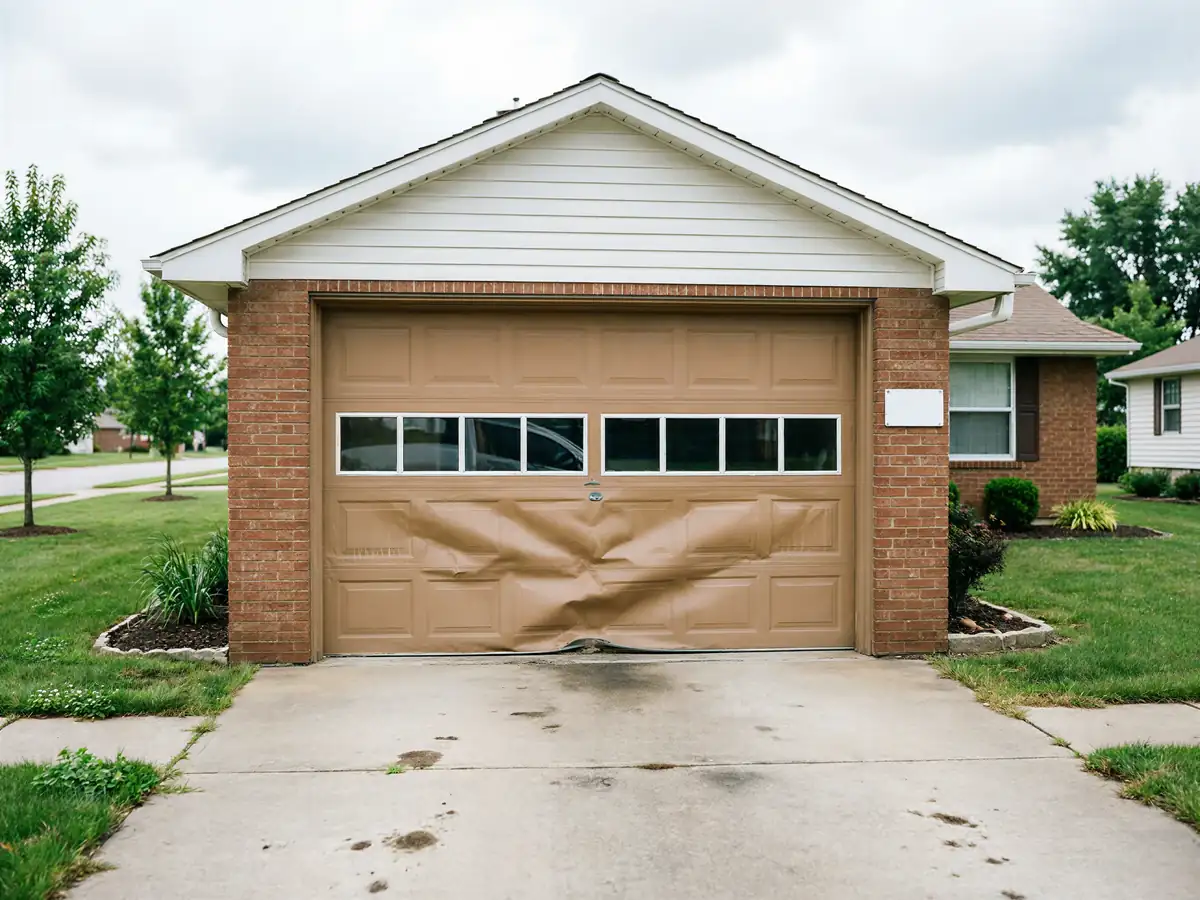
The honest limitation: if a torsion spring has already failed and the door came down hard, there's a real chance the cable, drum, or bottom bracket took damage on the way - and we won't know that until we're standing in front of it with the door open. On a house built in the mid-70s, hardware that's original or close to it sometimes means non-standard spring sizes or an older drum pattern that isn't a shelf item everywhere. We stock common sizes on the truck, but if what's on your door is genuinely obsolete, that's a second trip, not a same-visit fix, and we'll tell you that straight instead of pretending otherwise.
The other place this goes sideways is when someone's tried to force the door open manually after a spring break. That's understandable - you need your car out - but it can bend track or strip a drum that otherwise would've been a clean spring swap. If the door won't move, it's worth leaving it alone until we get there.
What Is on the Truck
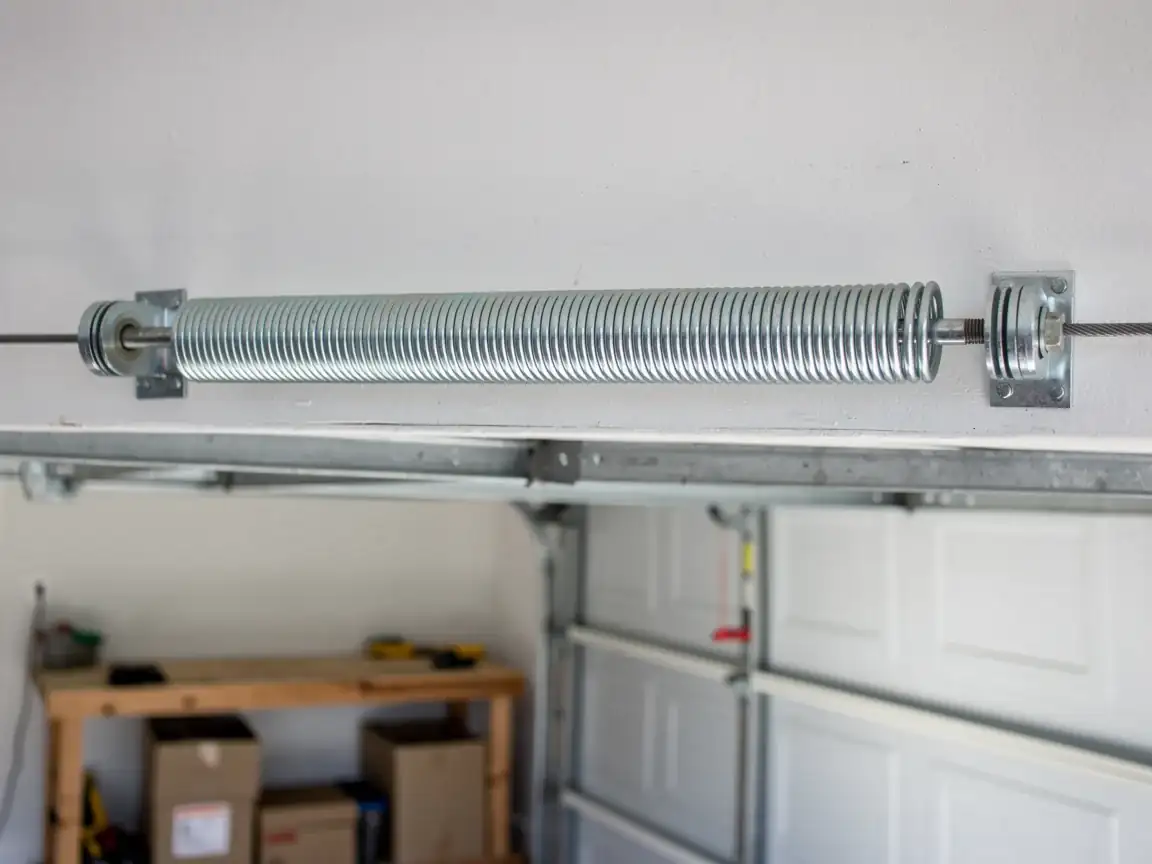
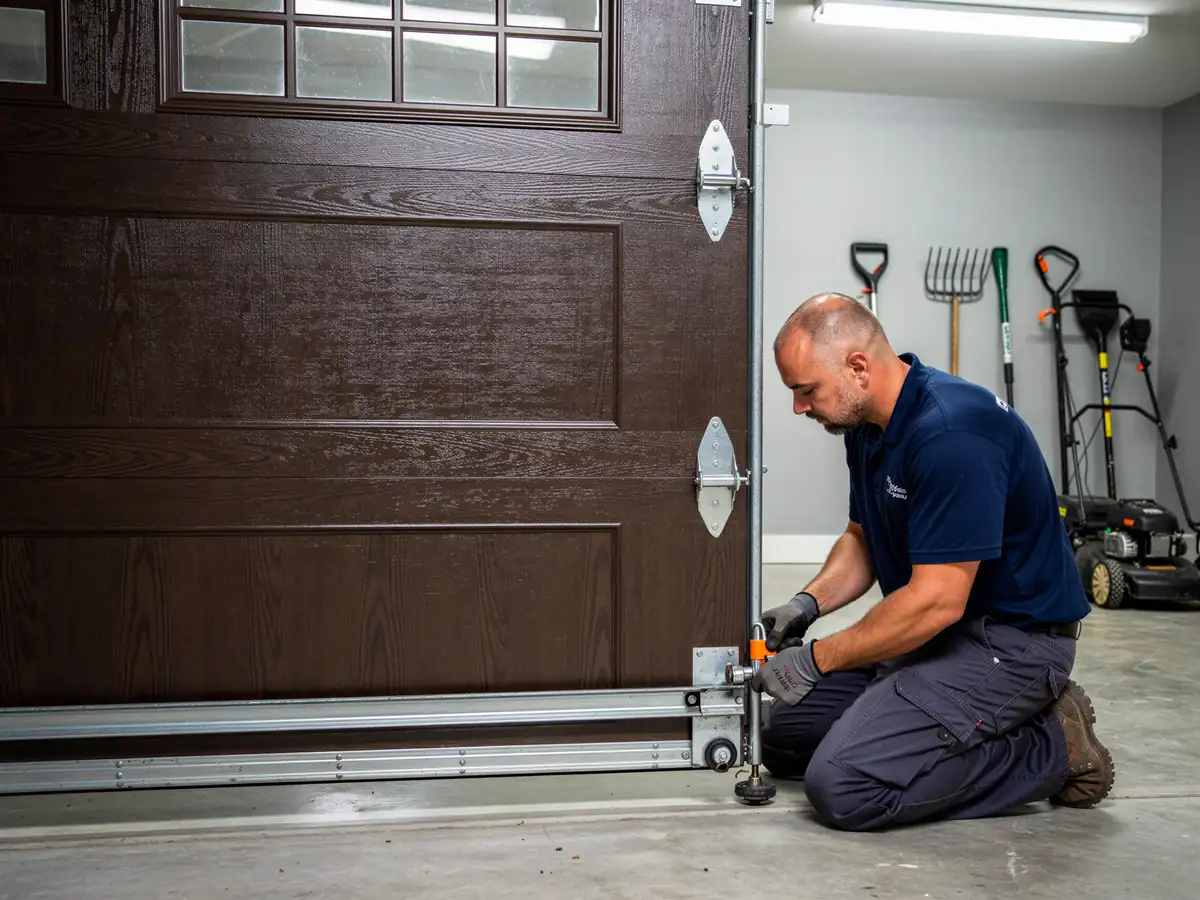
For calls into Shields we carry the torsion spring sizes that match the era of door most common out here
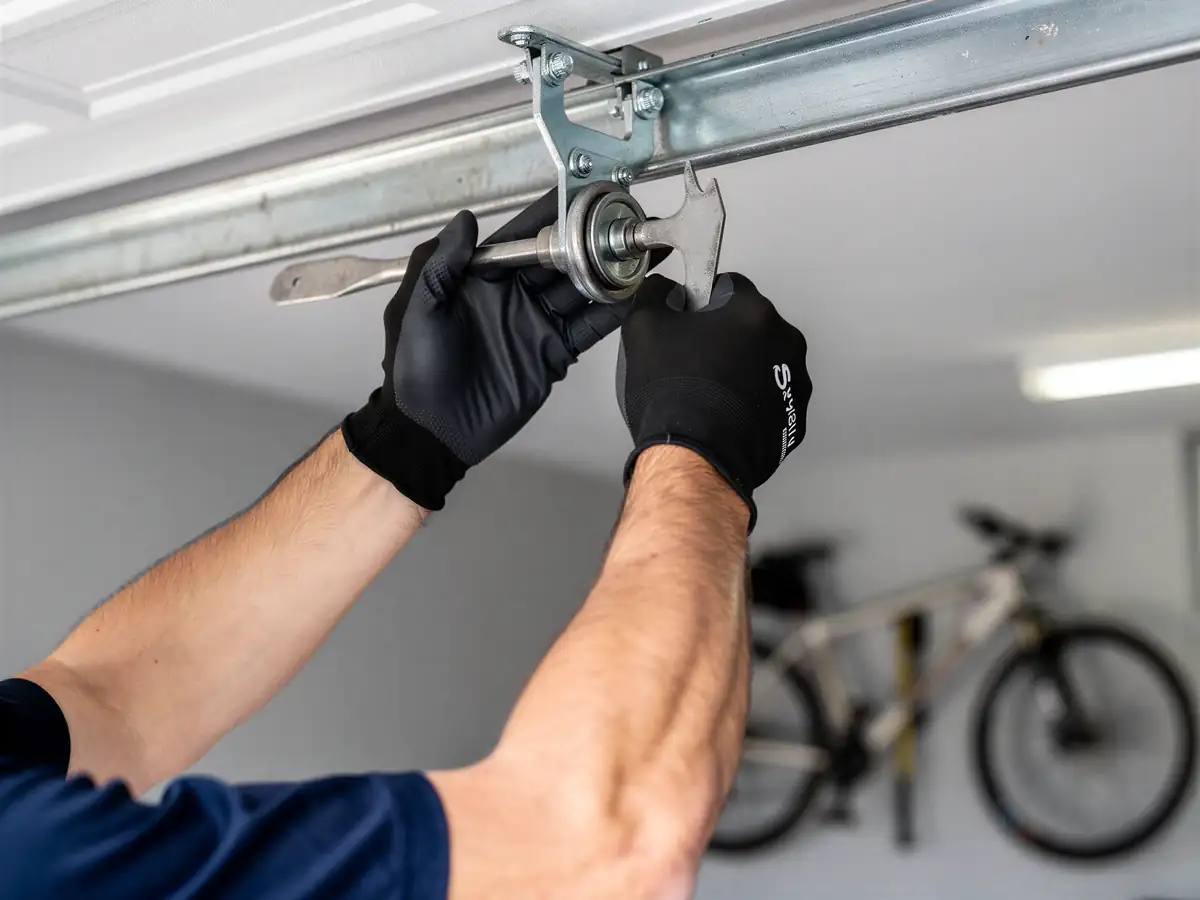
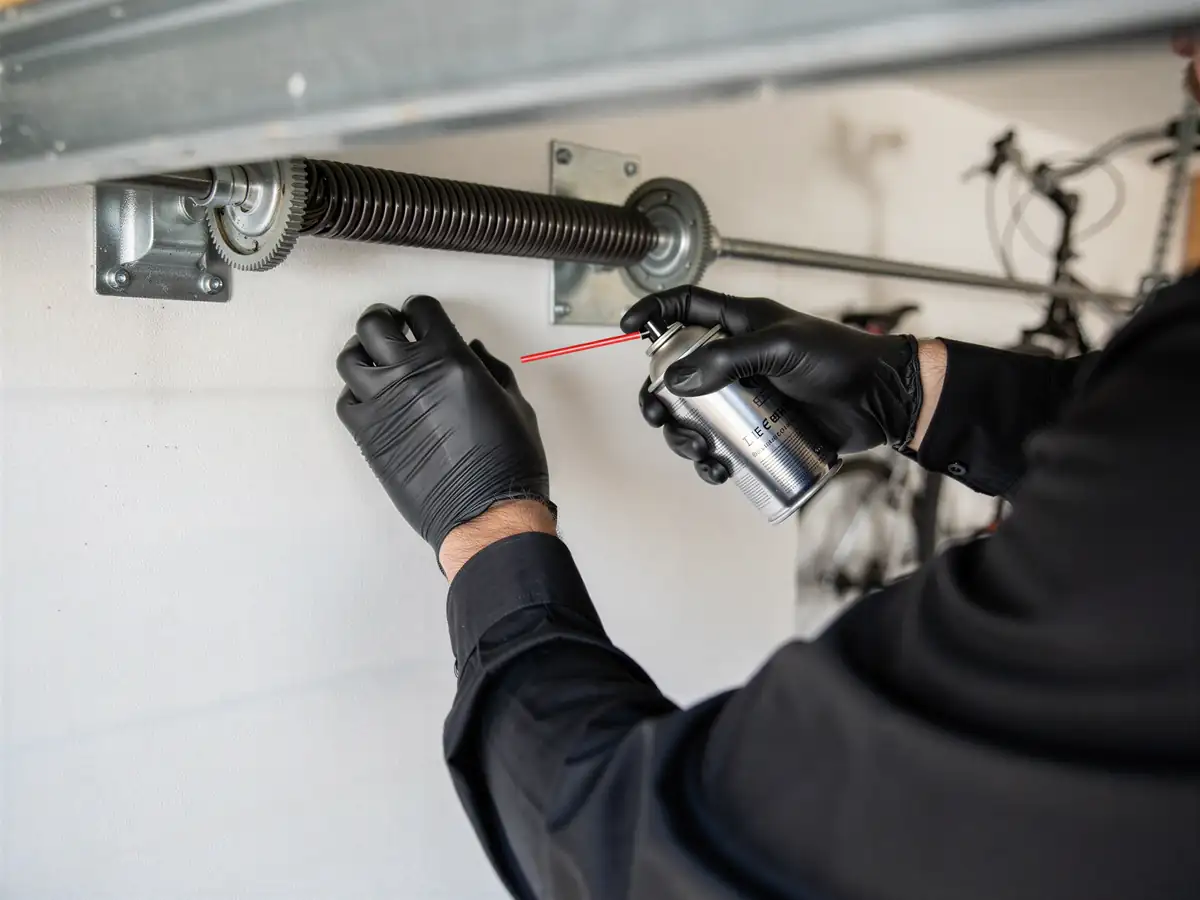
Extension springs for the older setups that still use them, replacement cables, rollers, and the drums and bearing plates that wear out alongside a failed spring. We also carry opener logic boards and drive gears for the common residential brands, since a dead opener and a broken spring get confused for each other more often than you'd think.
What we don't carry is every spring size ever made
If your garage still has a very old, non-standard torsion setup, we'll diagnose it on site and tell you plainly whether it's a same-visit repair or a return trip once we've got the right part staged. We'd rather say that up front than have you wait on a truck that can't finish the job.