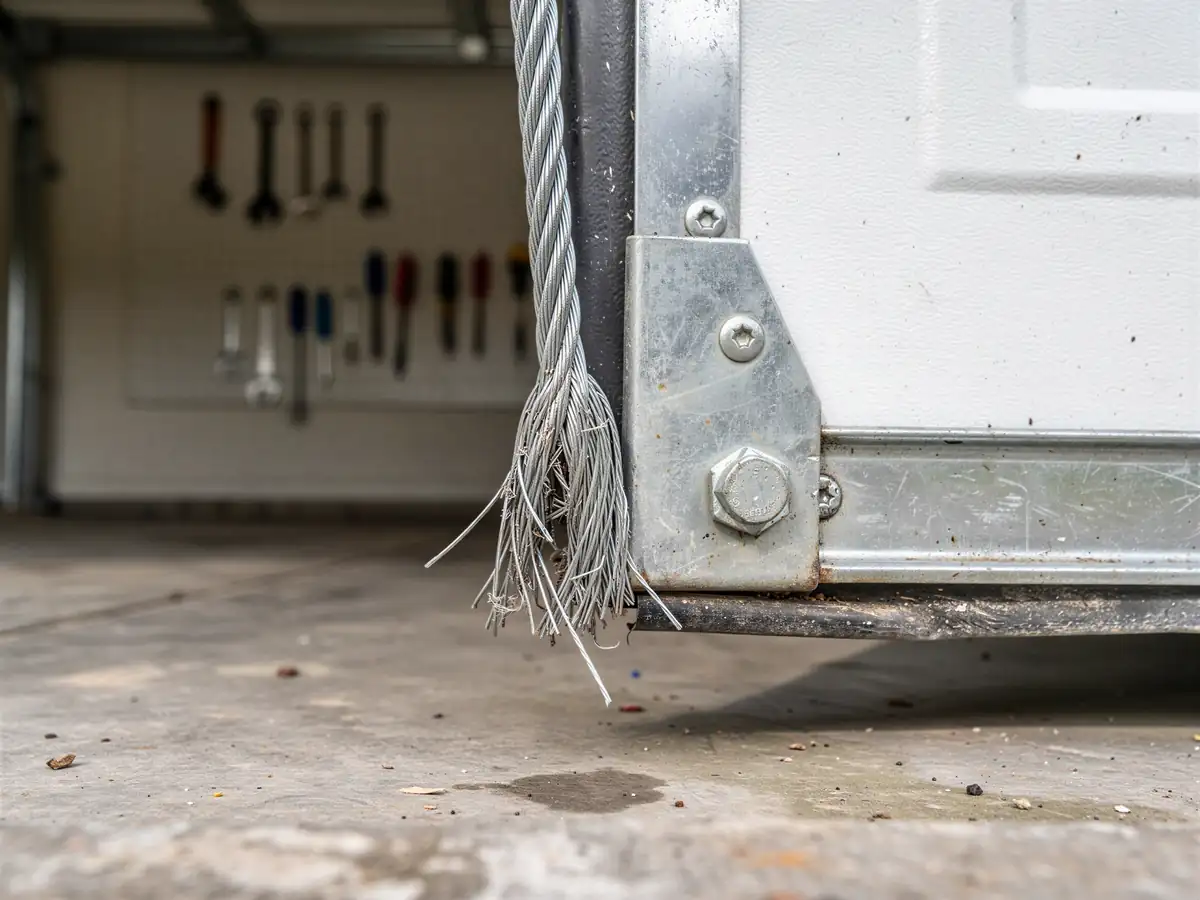
Where This Job Goes Sideways
Bay City's service area runs a wide spread of build years, 1952 through 1994
With the median landing around 1969. Pinconning sits well ahead of that curve - most houses here went up closer to 1956. That thirteen-year gap matters more than it sounds like it should, because it's the difference between a door built for a steel track-and-cable setup from the early galvanizing era and one built after cable drums got standardized to the sizes a truck stocks today.
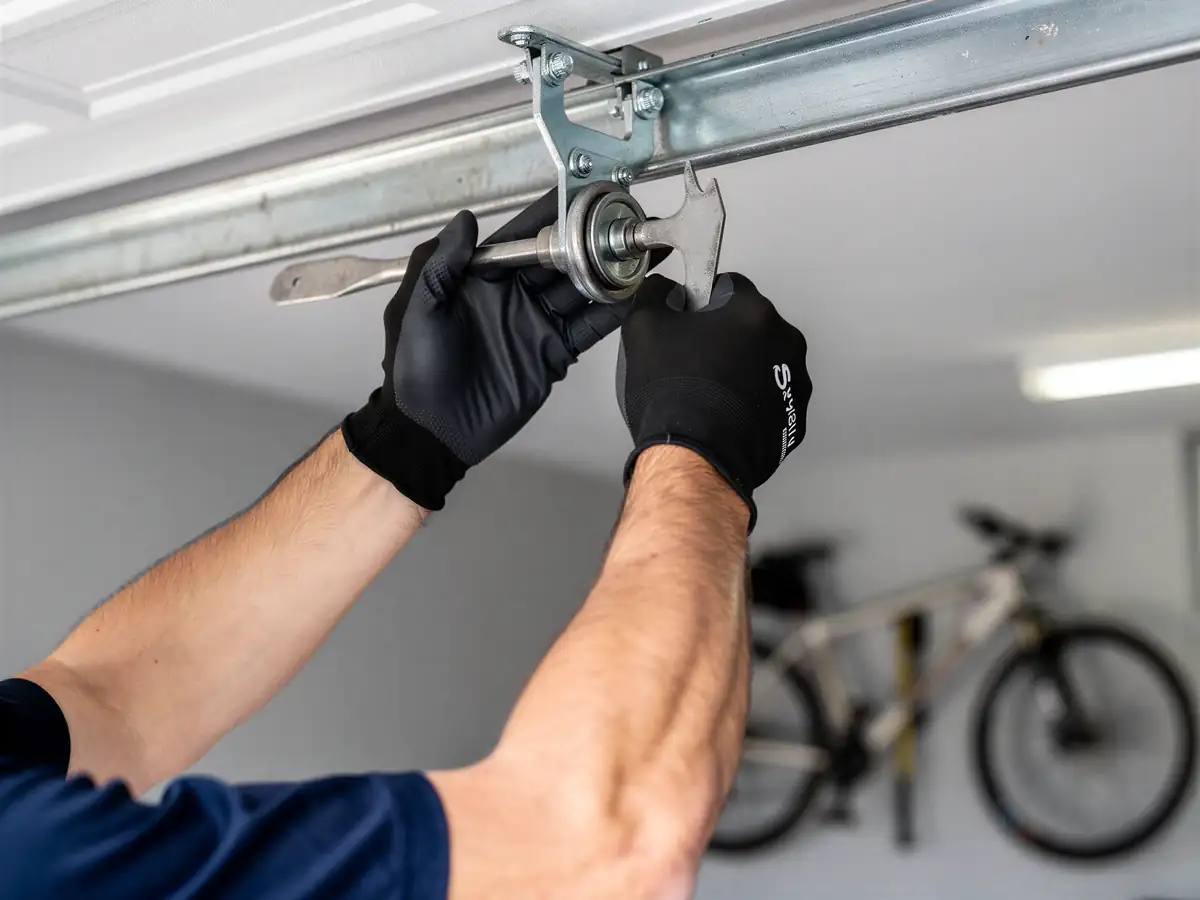
Older cable drums in this bracket wear unevenly
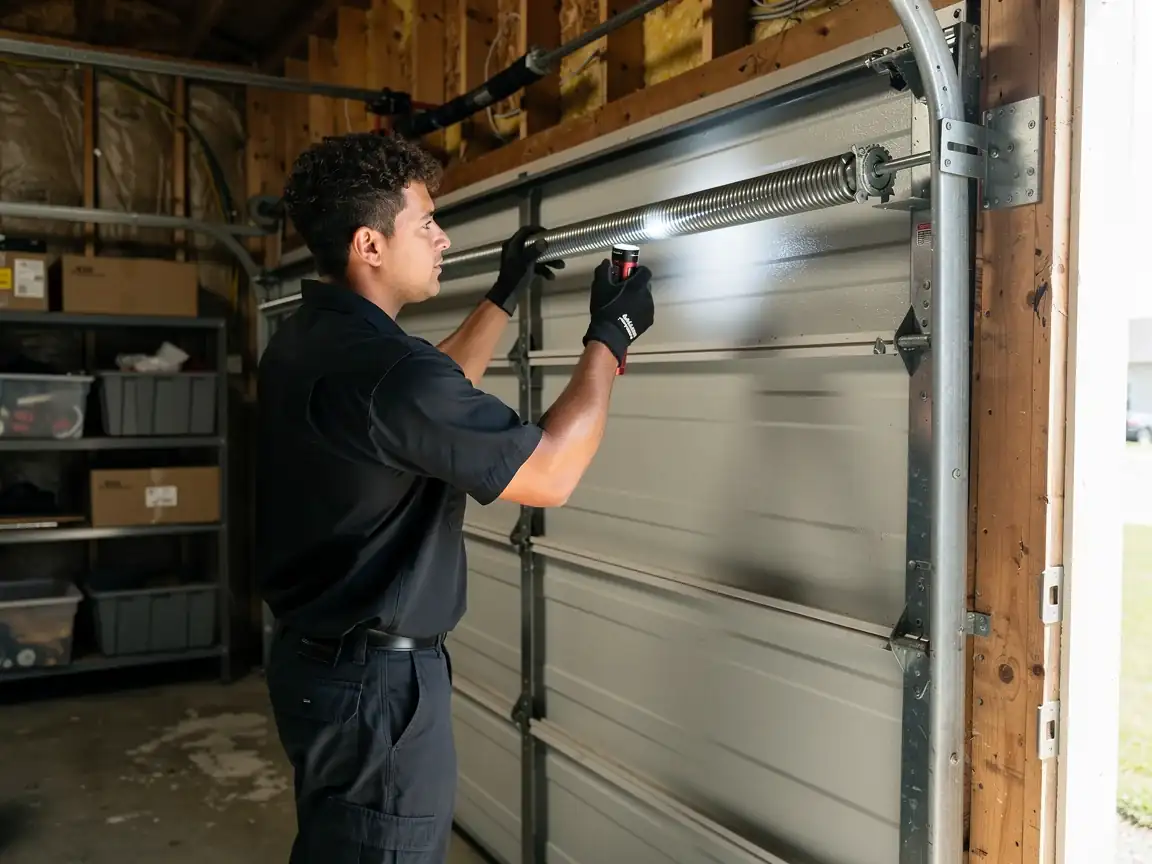
The groove that guides the cable gets a lip on one side before the other, and the cable starts riding up over itself instead of winding flat. You don't see it until the cable frays at that exact spot and lets go, usually on a cold morning when the steel has no give left in it. With only 615 households out here, we're not pulling parts off a shelf we restock weekly - a non-standard drum from a 1956-era track sometimes means a short wait while the right part comes in, rather than a same-visit swap.
- 615 households
The other thing that trips people up
A snapped cable on one side of a double door often means the other cable is close behind, especially when both have the same age and the same winter behind them. Replacing one and leaving the other is a callback waiting to happen.
Doing It Yourself
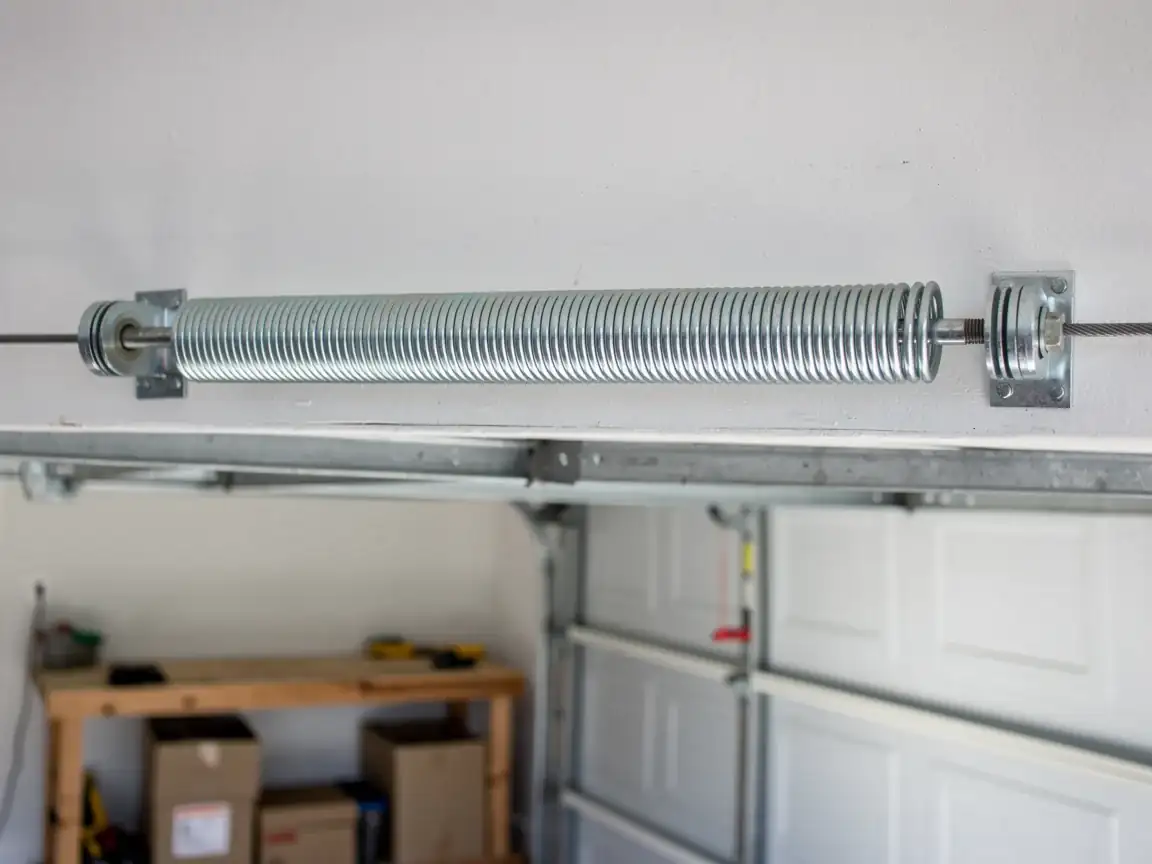
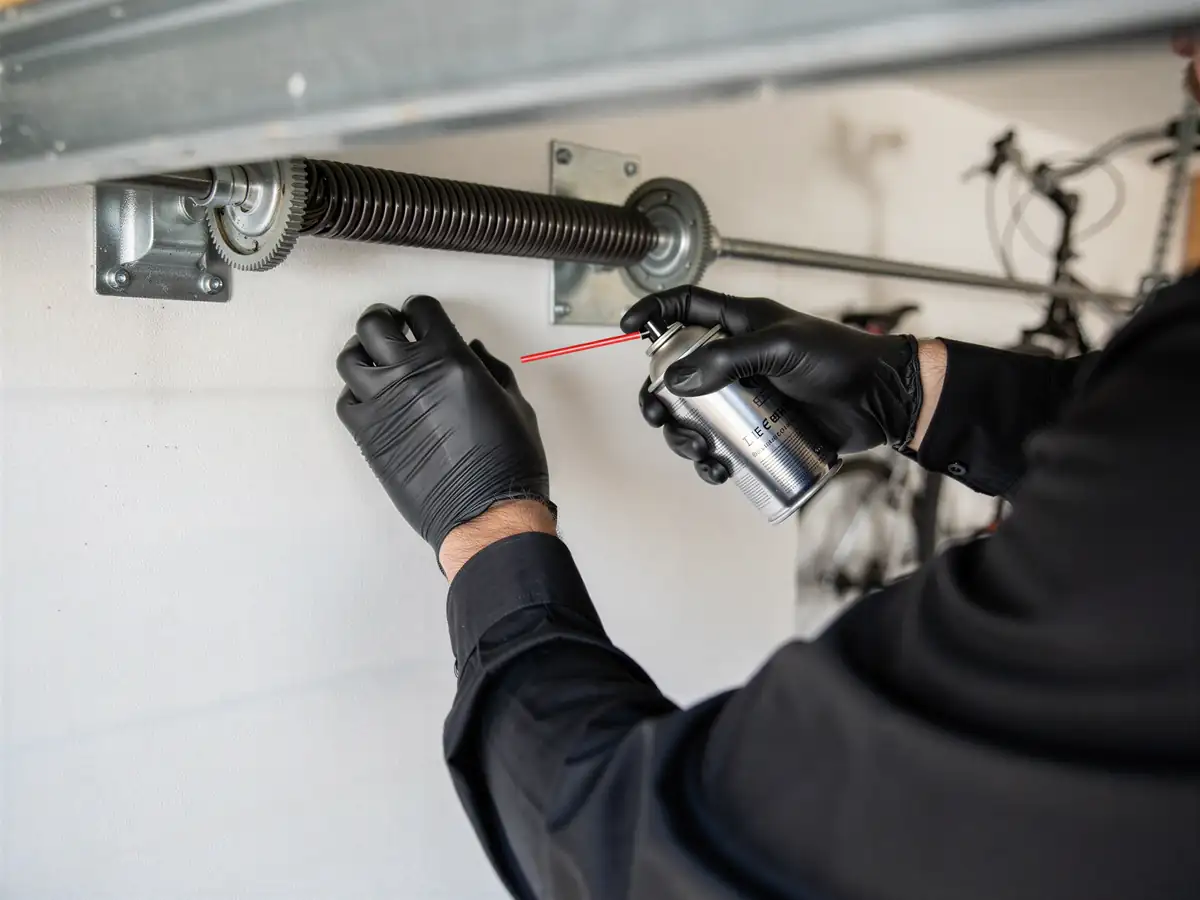
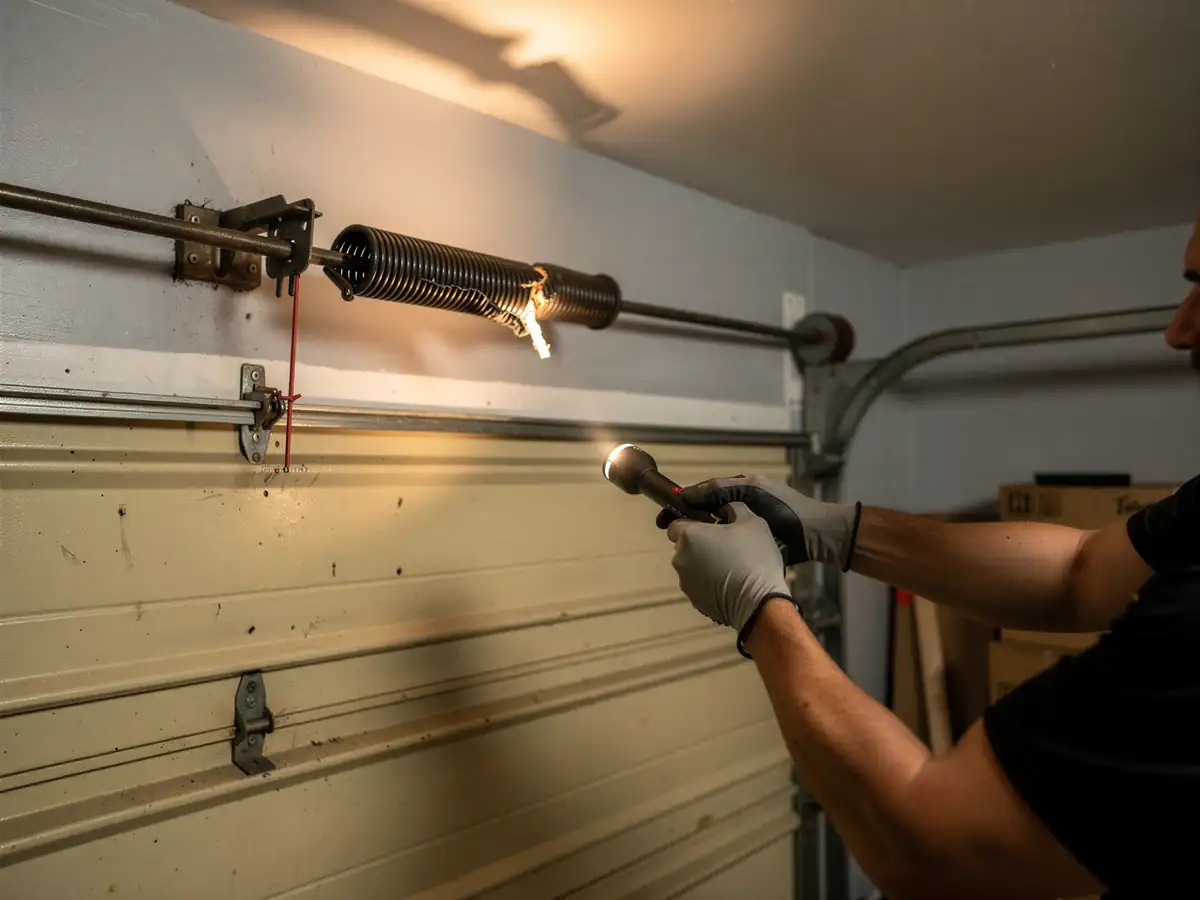
A cable under tension from an extension or torsion spring is not a weekend project, and this isn't us being cautious for the sake of it. The spring that's pulling the cable taut stores enough force to take a finger off if it lets go while you're working near it. If the cable has already snapped, the spring may still be loaded, and the door itself could be sitting on nothing but the opener's hold, which isn't rated to carry that weight long-term.
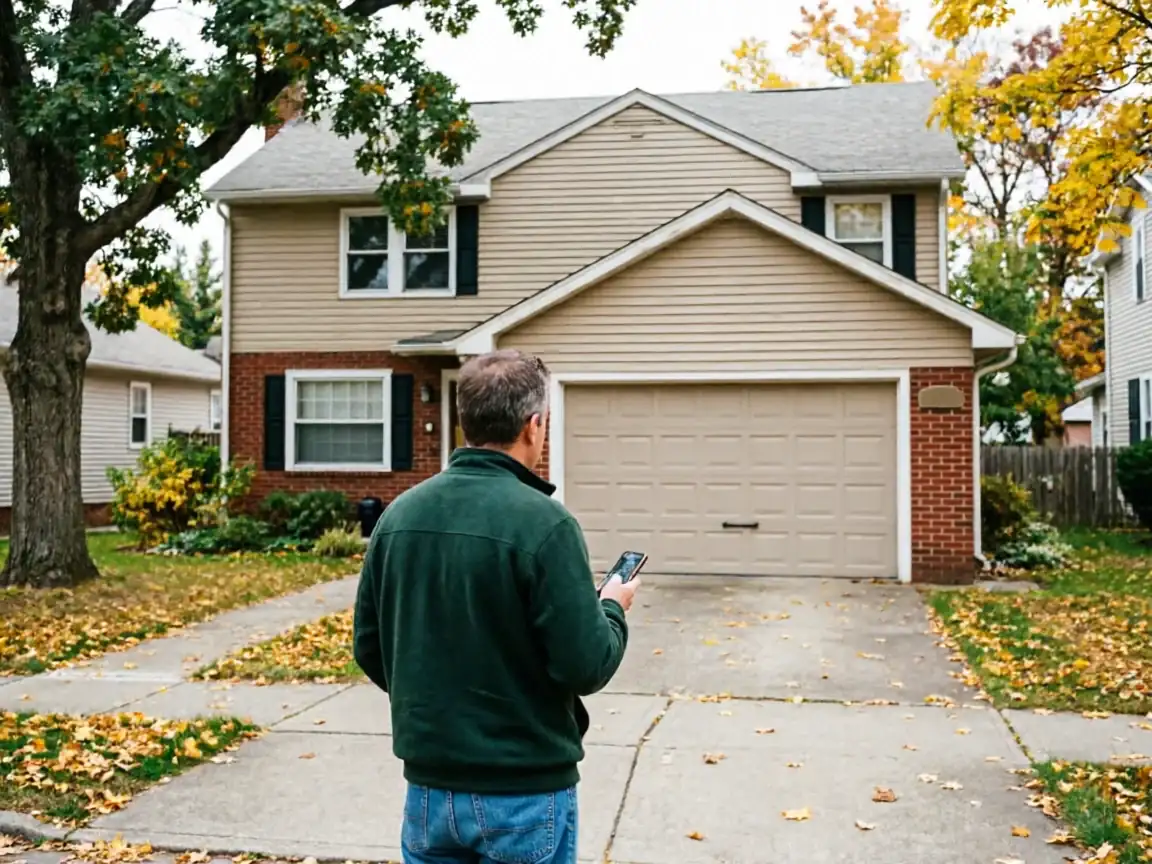
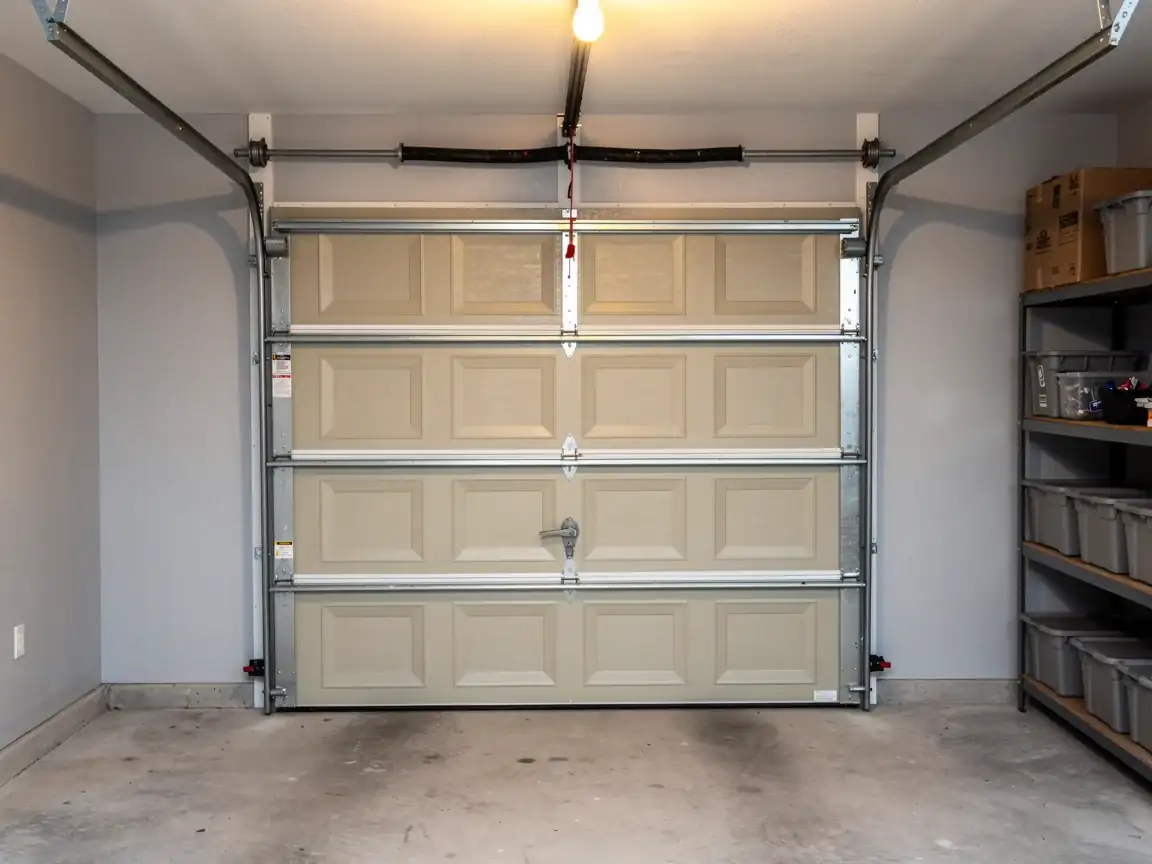
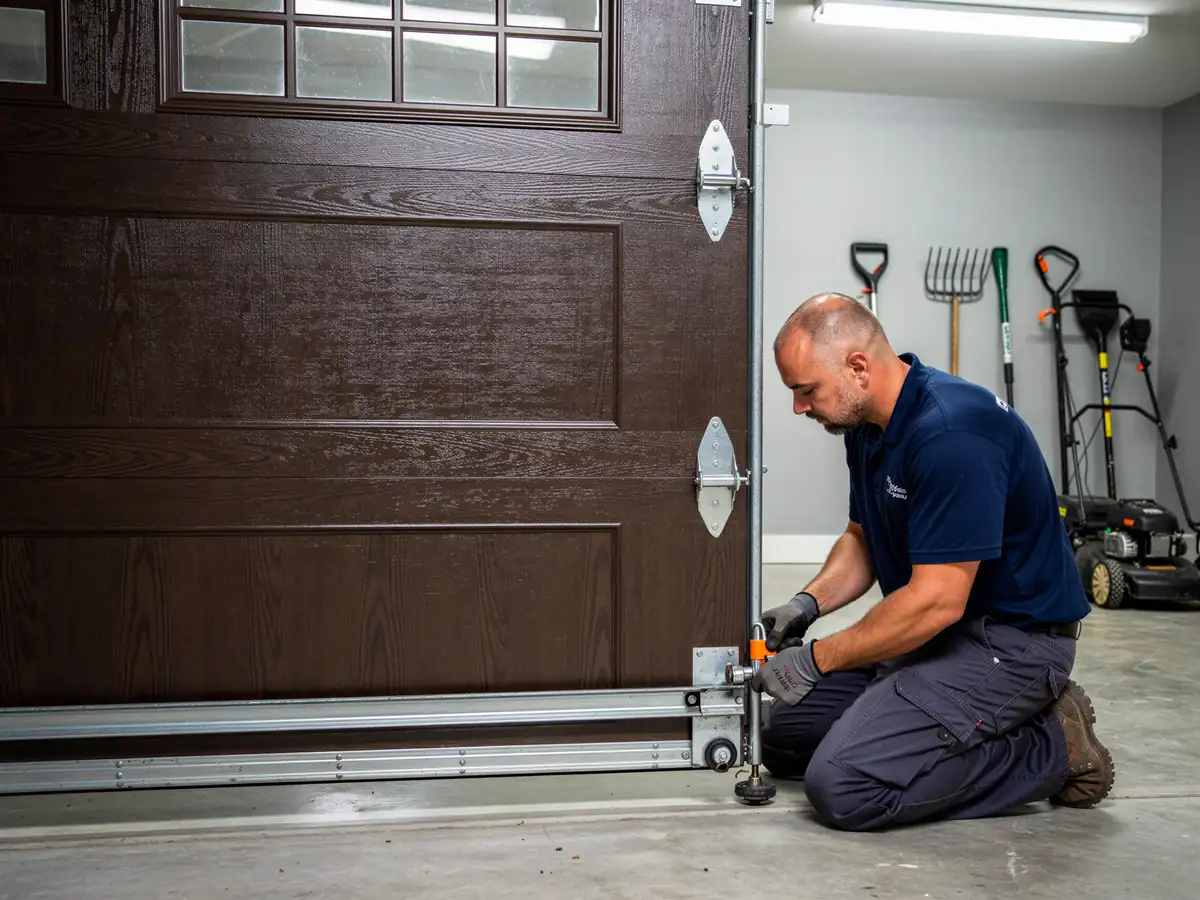
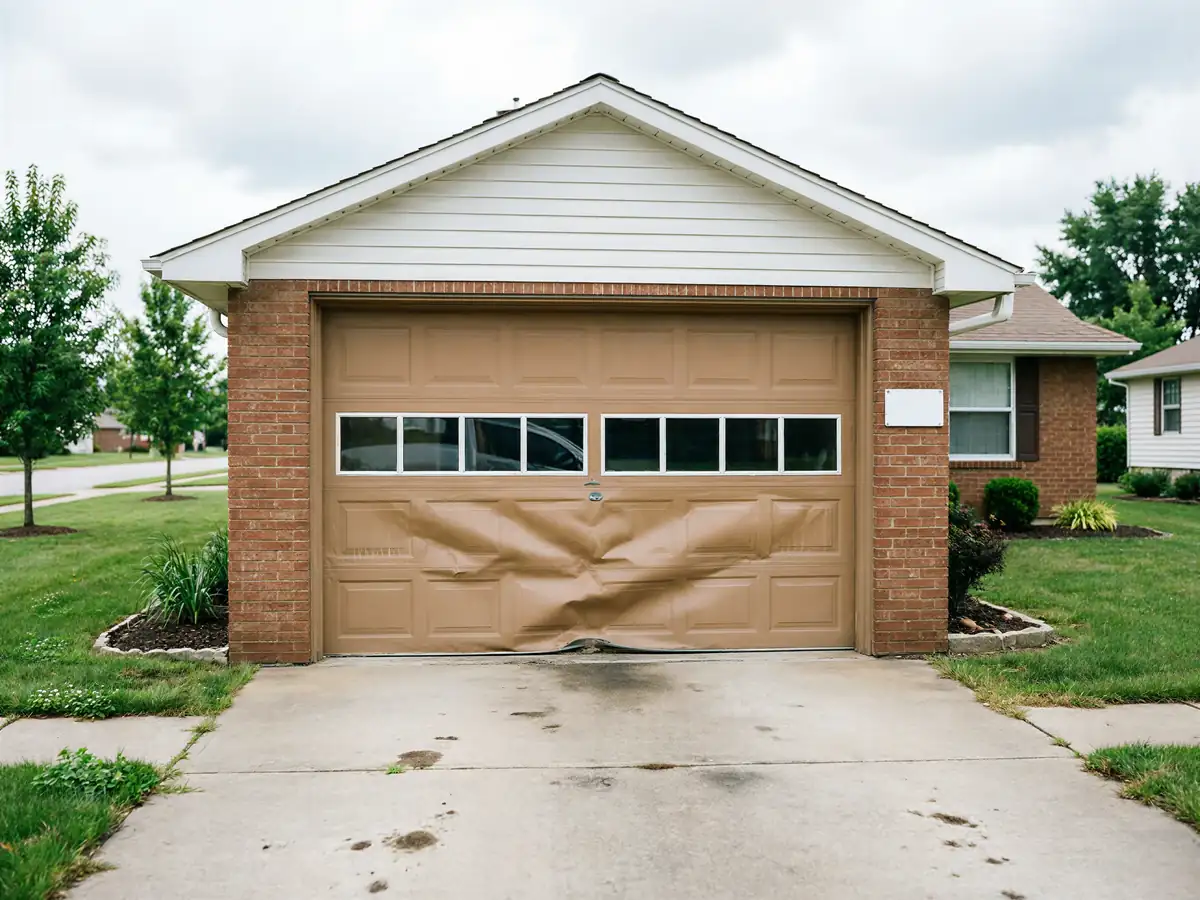
What you can safely do: look at the cable path from a few feet back. Check whether the fray is at the drum, at the bottom bracket, or somewhere in the middle of the run - that tells a repair tech a lot before they even open the truck. Check whether the door is sitting level or canked to one side, which usually means only one cable let go. And don't run the opener again once you've noticed the problem. Running a door on a bad cable is how a bent track or a cracked panel gets added to a cable job.
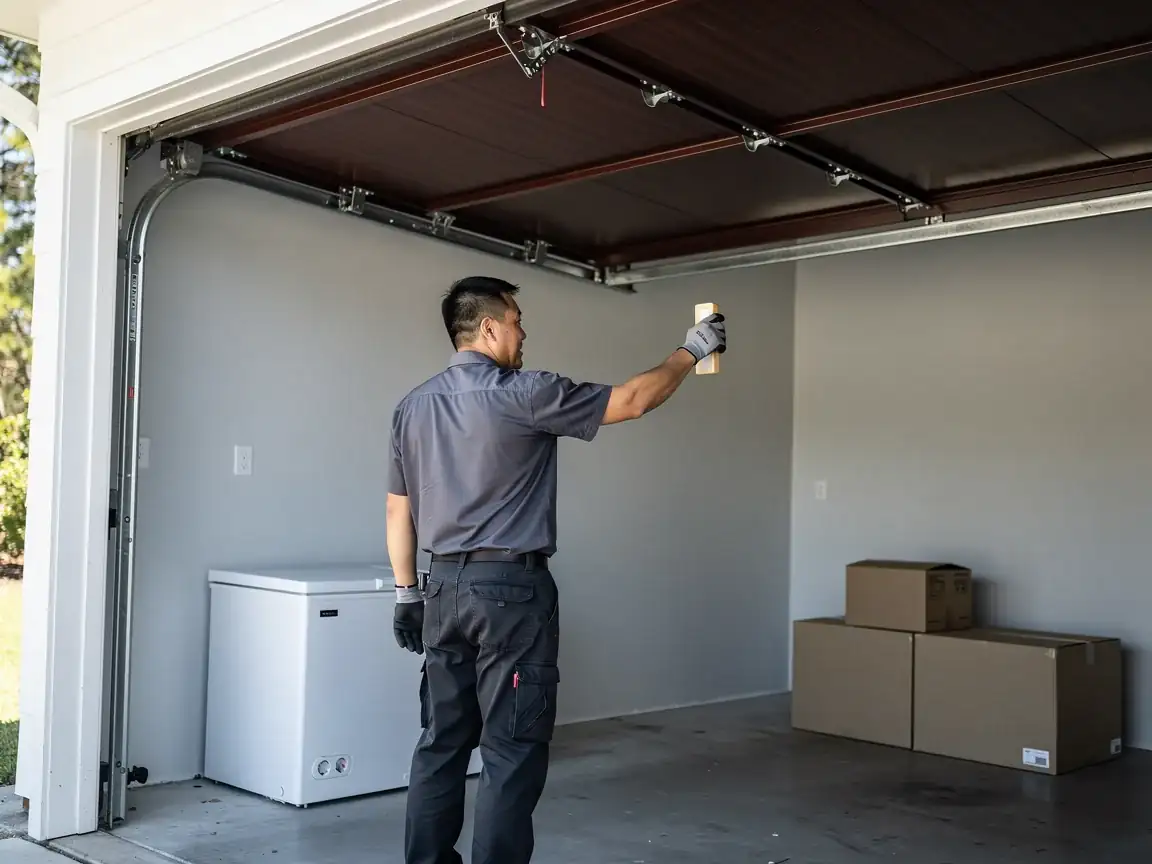
If you've got a second car in the garage, get it out before anyone touches anything. That's the one honest piece of advice that applies here regardless of what's wrong: don't trust a door that's already shown you it can fail.
Time on the Job
A straight cable replacement on a door that's otherwise in decent shape is usually a same-visit fix once the tech is on-site with the right cable length and drum match. The harder cases in Pinconning tend to come from the older drum sizing mentioned above - if the drum itself is worn or an odd diameter for a 1956-era track, matching it can add time, sometimes a second trip if the part has to be sourced rather than pulled from stock.
Because this is covered from Bay City, about 19 miles out, factor that into when you call rather than how long the repair itself takes once a truck is there. The actual wrench time on a cable job is short. The variable is parts availability on the specific hardware your door was built with, not the drive.
What It Costs
We don't have a posted price to put in front of you here
Cable cost depends on whether it's a straight swap or whether the drum or bottom bracket needs replacing alongside it, and that's something a tech needs to see in person before quoting. What we can tell you is what drives the number up or down: standard cable and drum sizing keeps it simple, while the older 1956-era hardware common in this area sometimes needs a part sourced rather than pulled off the truck, which adds to the bill.
With median household income here at $64,309
Somewhat below the wider Bay City service area's $72,558, we try to be upfront early about whether you're looking at a cable swap alone or a cable-plus-drum job, so there's no surprise between the estimate and the invoice.
What Is on the Truck
Standard aircraft-cable in common lengths and gauges rides on every truck, along with the drums, bottom brackets, and fasteners sized for the torsion and extension setups built from the late 1960s through the 1990s - the bulk of what's in the wider Bay City area. For a Pinconning job on a door closer to 1956 vintage, the standard stock usually still fits the cable itself; it's the drum and bracket sizing that can be the odd one out, and that's the part most likely to need a special order rather than a same-visit install.
Given the area's severe cold winters, the tech will also check the cable's full length for rust pitting near the bottom bracket, not just at the break point - that's where moisture sits longest and where the next failure tends to start, even on a cable that still looks fine up top.