Where This Job Goes Sideways
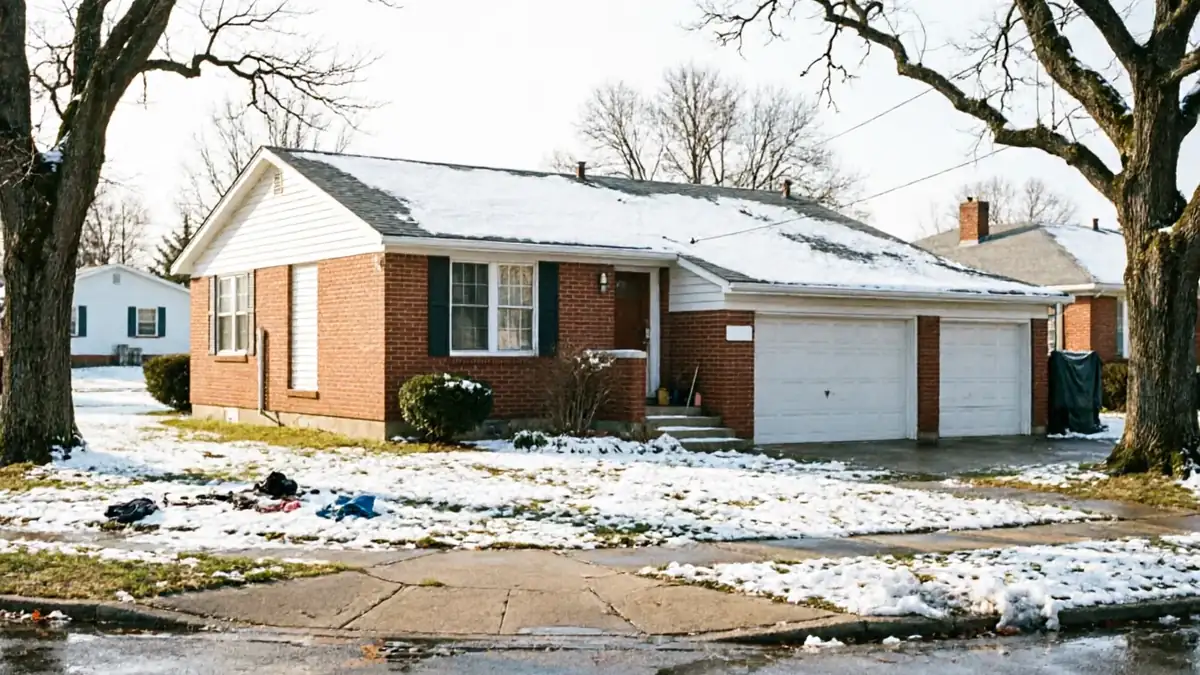
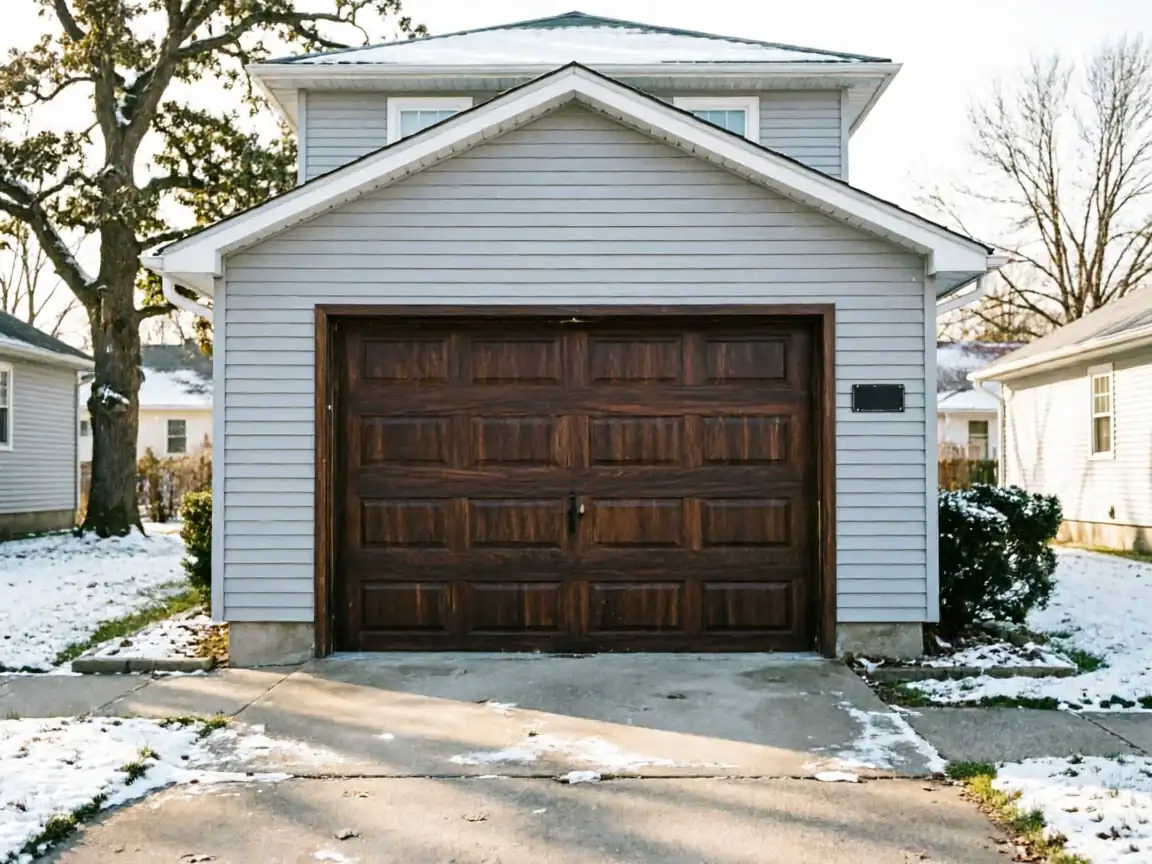
Pinconning's housing stock centers on 1956
Which puts it ahead of the wider Bay City service area's median build year of 1969 and well inside the broader 1952-1994 range. That matters because a door is only as good as the hardware bolted to the jamb the day it went up, and a lot of that original hardware in Pinconning is still there. Torsion springs rated for a certain number of cycles, hinges that were never swapped for a heavier gauge, rollers that are the original steel rather than nylon - all of it has had close to seventy years of Michigan winters to work on it.
Michigan's cold band is not gentle on steel springs and lubricant
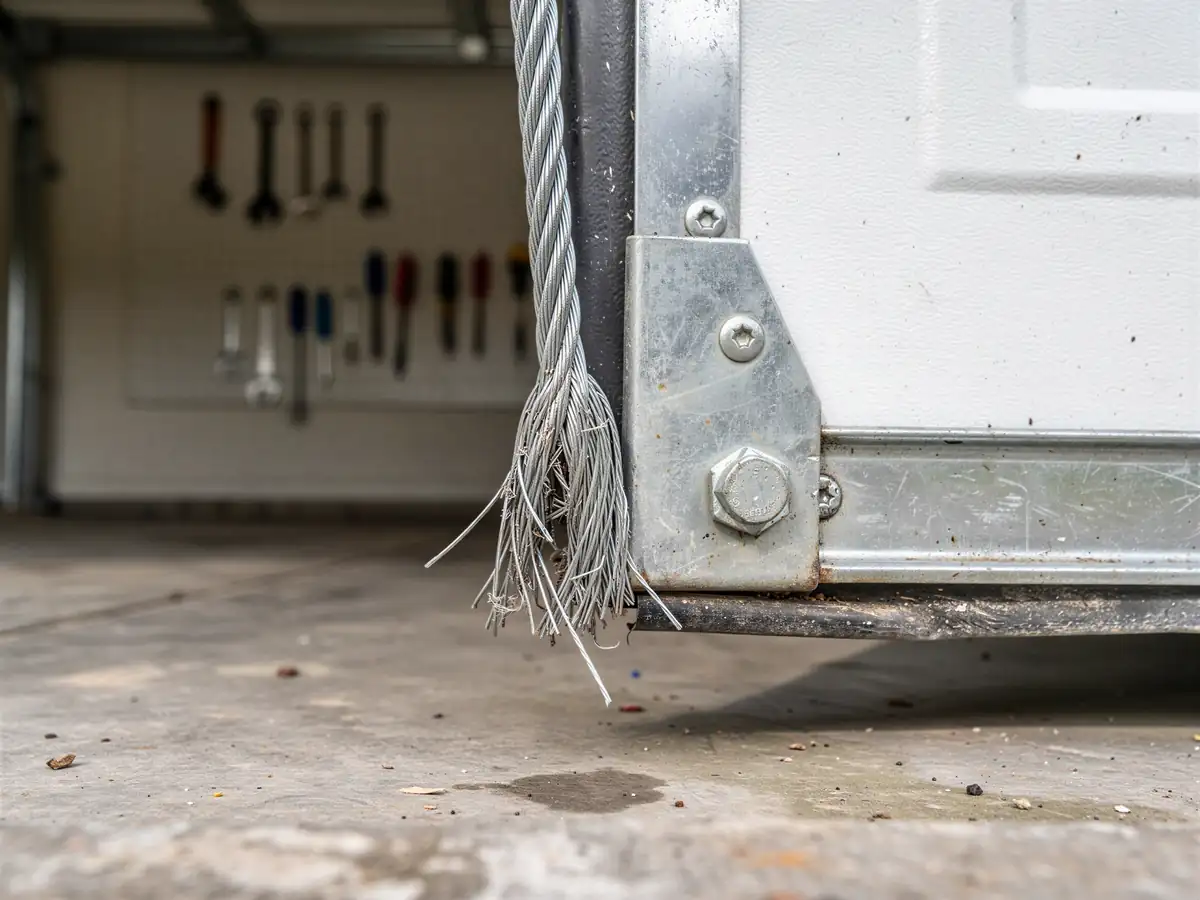
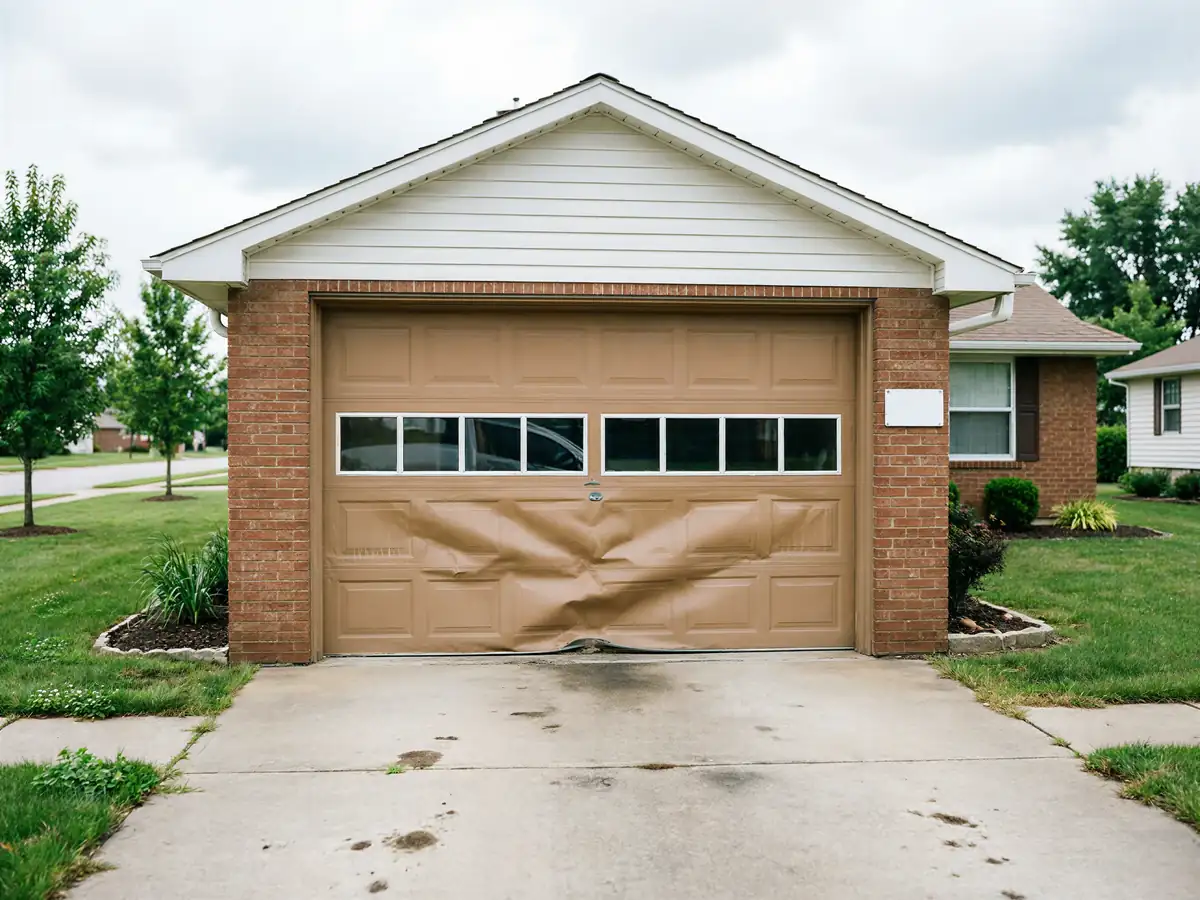
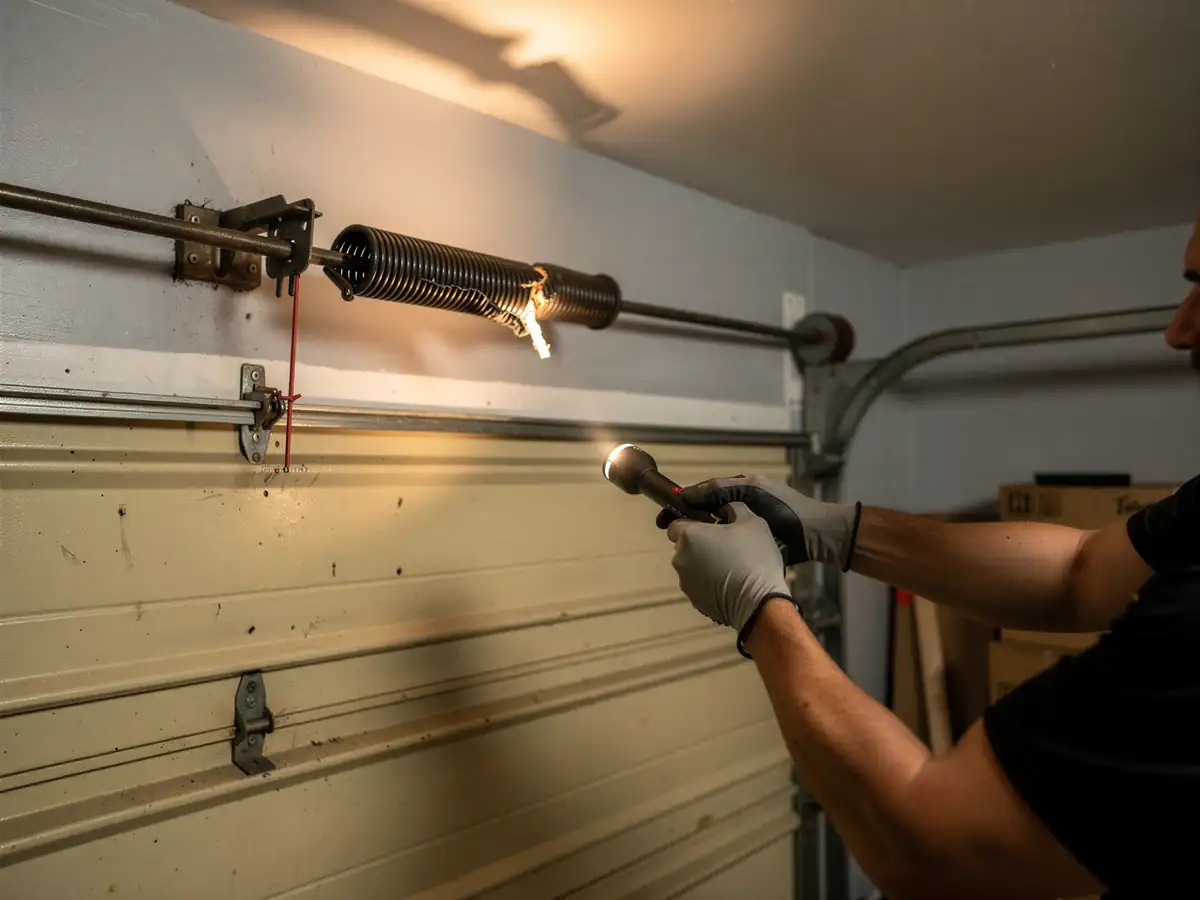
Cold makes grease stiffen, metal contract, and a spring that's already near the end of its rated life more likely to let go on the coldest morning of the year rather than a mild one. On a 1956 door, that failure point usually isn't the panel - it's the spring, the cable drum, or a bracket that's been flexing on undersized lag screws since before the interstate went through. We've found that the sideways moment on these older doors is rarely dramatic. It's a slow list to one side over a few months that homeowners write off as the door 'settling,' right up until a cable jumps the drum.
Doing It Yourself
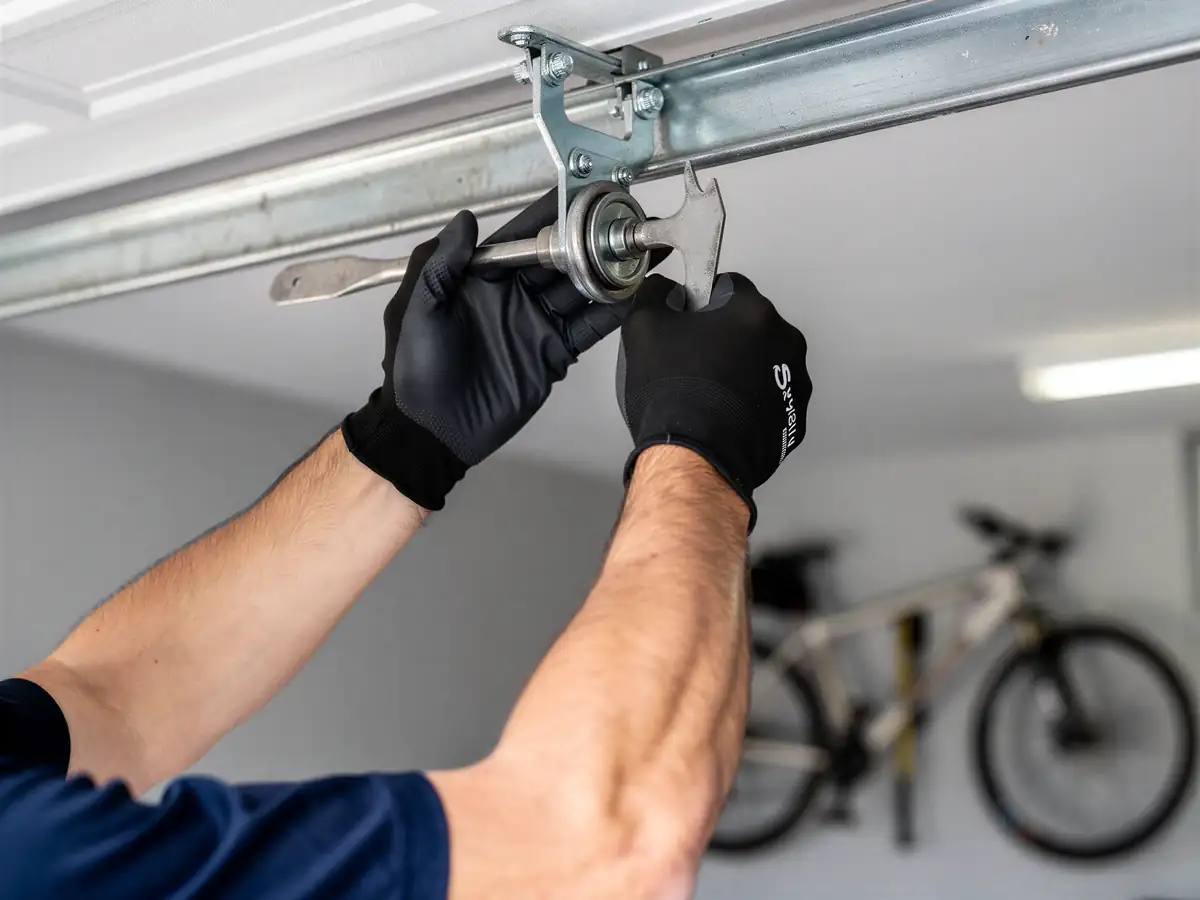
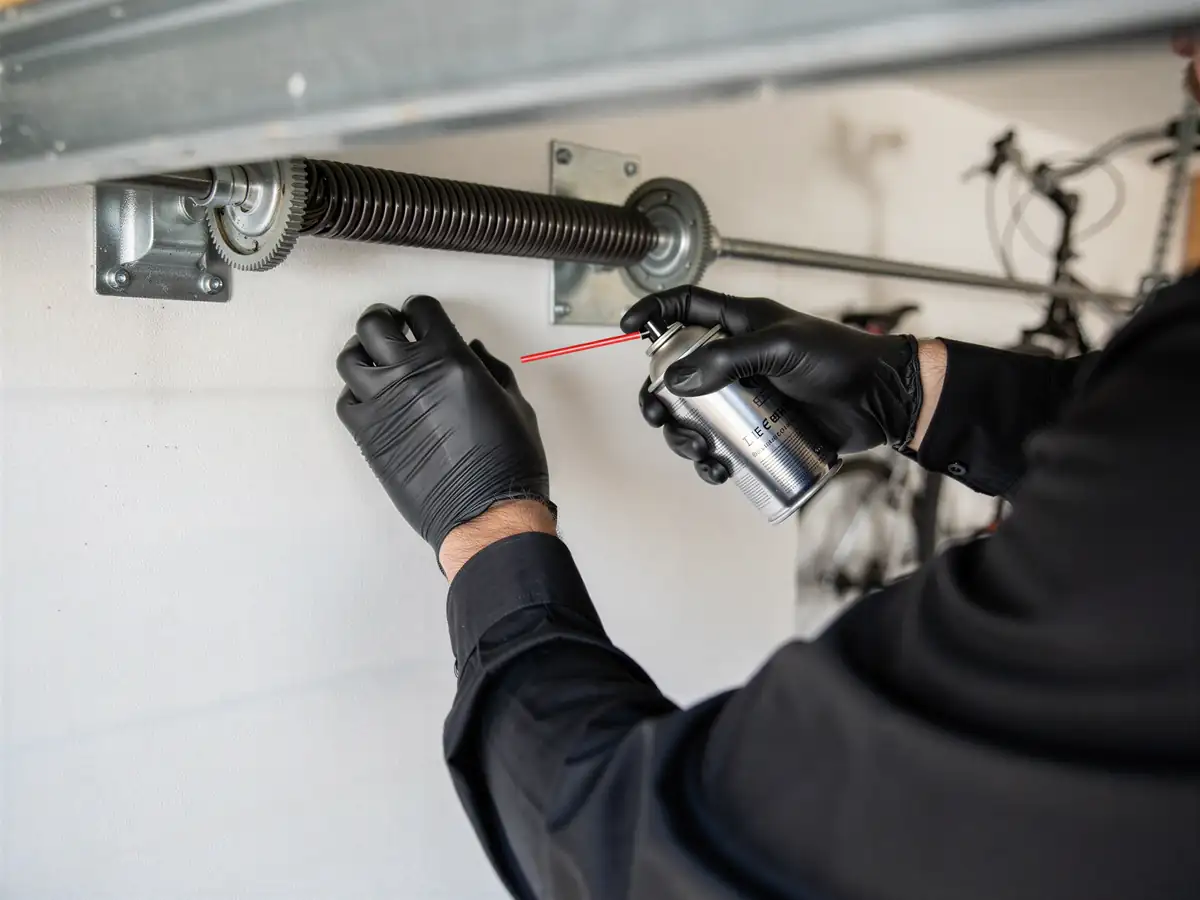
There's real maintenance a homeowner in Pinconning can do without a wrench larger than what's in a kitchen drawer. Wipe down the tracks and check for rust pitting, especially if the door sits on the side of the house that gets the worst of the wind. Lubricate hinges and rollers with a garage-door-specific grease, not WD-40, which washes out fast in cold weather and leaves metal drier than before. Look at the bottom seal - on a door this old it's likely been replaced at least once, but check it anyway, since a cracked seal lets in the kind of damp cold that speeds up rust on everything behind it.
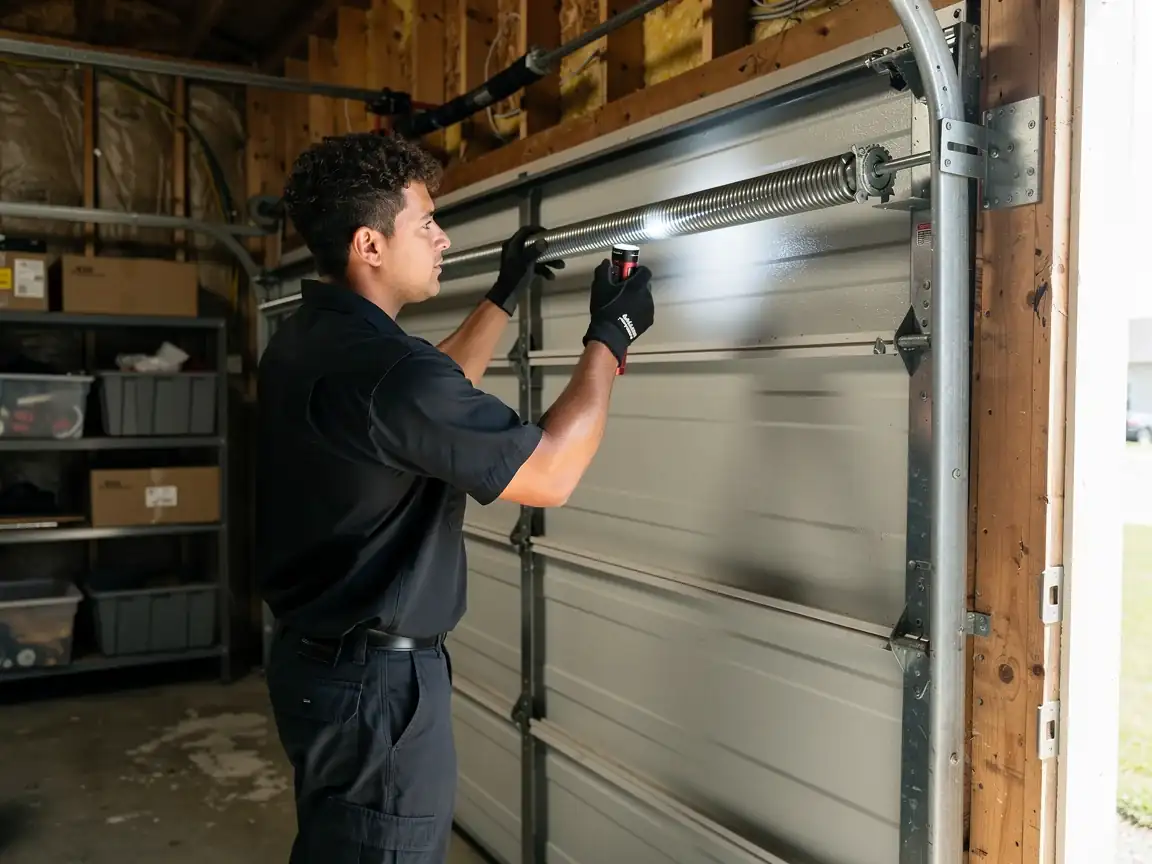
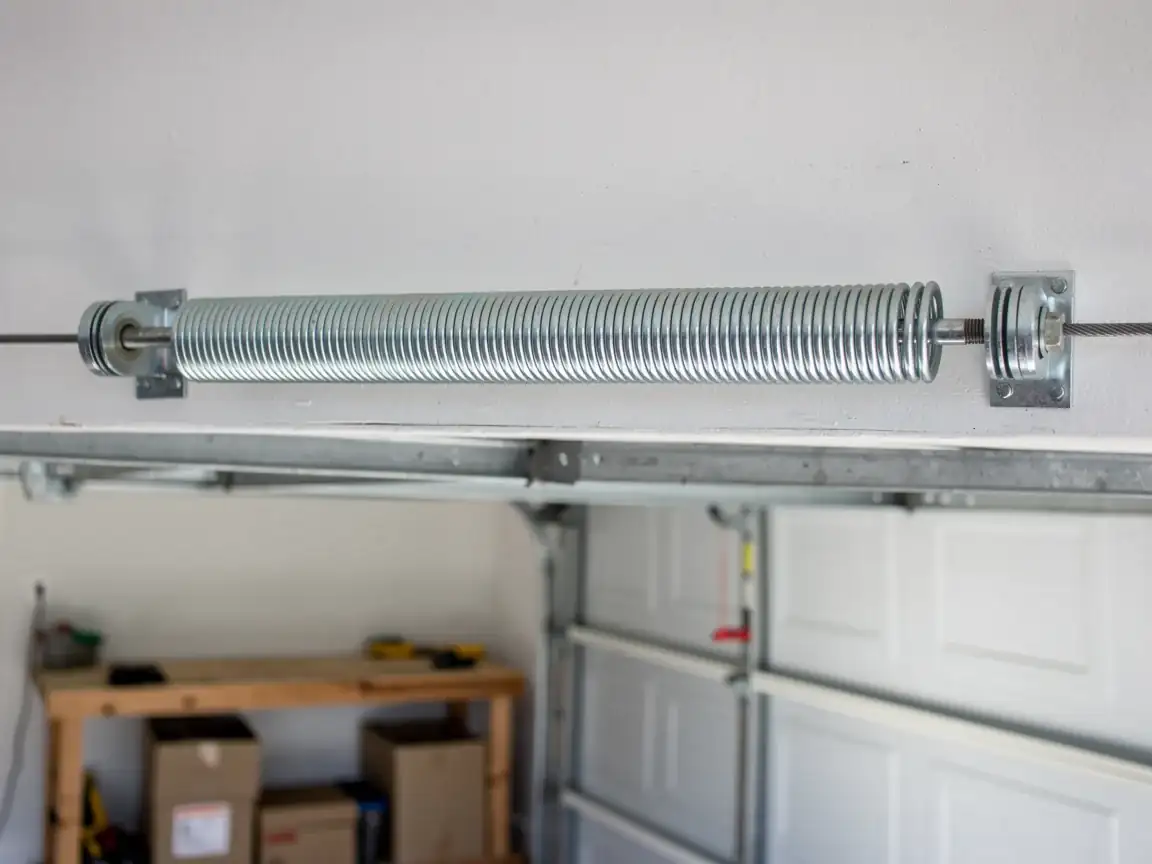
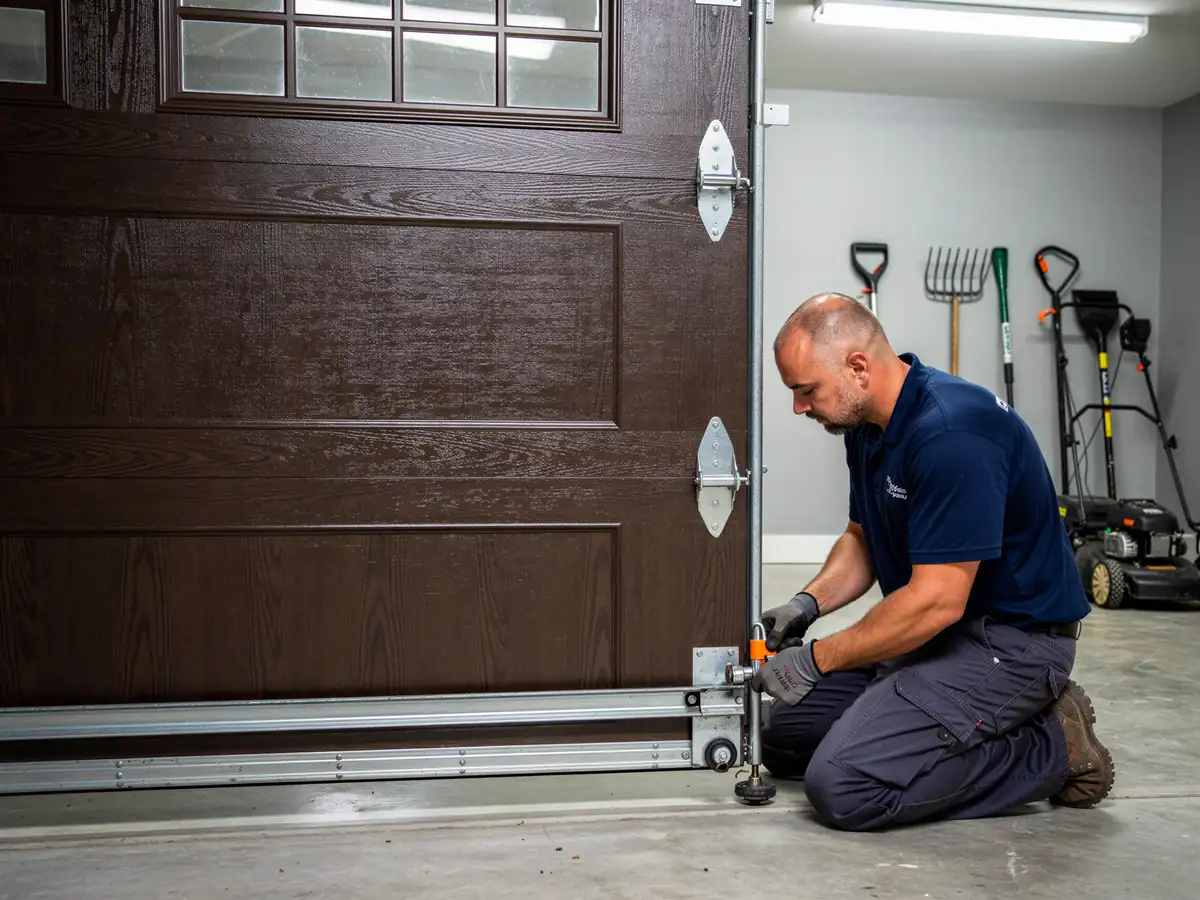
What you shouldn't touch is the torsion spring itself. On a door built in 1956, the spring and its anchoring hardware have had decades to corrode, and a spring under tension that lets go while someone's adjusting it can break a wrist or worse. Same goes for the cables and the bottom brackets they're attached to - those are high-tension points, not weekend-project points. If a spring on your 1956 door hasn't been replaced, it's not a target for a tutorial; it's a reason to get it looked at before it replaces itself on its own schedule.
Time on the Job
Pinconning sits about 19 miles out from Bay City, which puts a maintenance visit here on the same kind of route as several of the outlying stops the crew already makes. That distance doesn't change what the work takes once the truck is in the driveway, but it does mean a Pinconning call gets folded into a day's schedule rather than squeezed in between two nearby jobs the way a call three miles out might be.
On a door with original 1956 hardware, a maintenance visit often runs a little longer than it would on a newer door, simply because there's more to look at closely - more corrosion to check, more worn parts to flag even if they're not replaced that day. We're not going to promise a specific arrival window here since that depends on the day's route out of Bay City, but the actual time spent working on the door itself is driven by what the hardware looks like once we're under the springs, not by how far the truck drove to get there.
What It Costs
We're not going to put a number here that doesn't hold up once someone's actually looking at the hardware
A maintenance visit on a door built in 1956 can run differently than one on a door from the 1980s simply because there's more to inspect and sometimes more small items - a bracket, a seal, a worn roller - that come up once the springs are off and the track is exposed. Pinconning's median household income runs lower than the wider service area's $72,558, and we'd rather be upfront that the final number depends on condition than quote something generic that doesn't match what's actually on the door.
What we can say is that maintenance catches problems while they're still maintenance
A stiff spring, a worn cable - rather than letting them turn into a full replacement call. On original 1950s hardware, that difference in cost is usually the whole argument for keeping up with it instead of waiting for something to fail outright.
What Is on the Truck
For a maintenance stop in Pinconning, the truck carries the parts that most often need swapping on a door this age: rollers, hinges, cable, lubricant rated for cold weather, and seal stock in common sizes. What it doesn't carry is a shelf of original-spec parts for a door built in 1956 - if the track profile or spring size on your door is something a manufacturer stopped making decades ago, that part gets special-ordered rather than pulled off the truck that day.
With only 615 households in Pinconning, that kind of oddball original hardware doesn't come up often enough to justify stocking it in bulk, so we flag it honestly when we see it rather than pretend we can swap it on the spot. Most of the time the fix is straightforward - a new roller, fresh lubricant, a tightened bracket - and that's exactly the kind of job the truck is set up to close out in one visit. For anything larger, see our Pinconning page or the Bay City maintenance overview.