Where This Job Goes Sideways
The calls we get out of Pinconning follow a pattern you don't see as much closer to Bay City
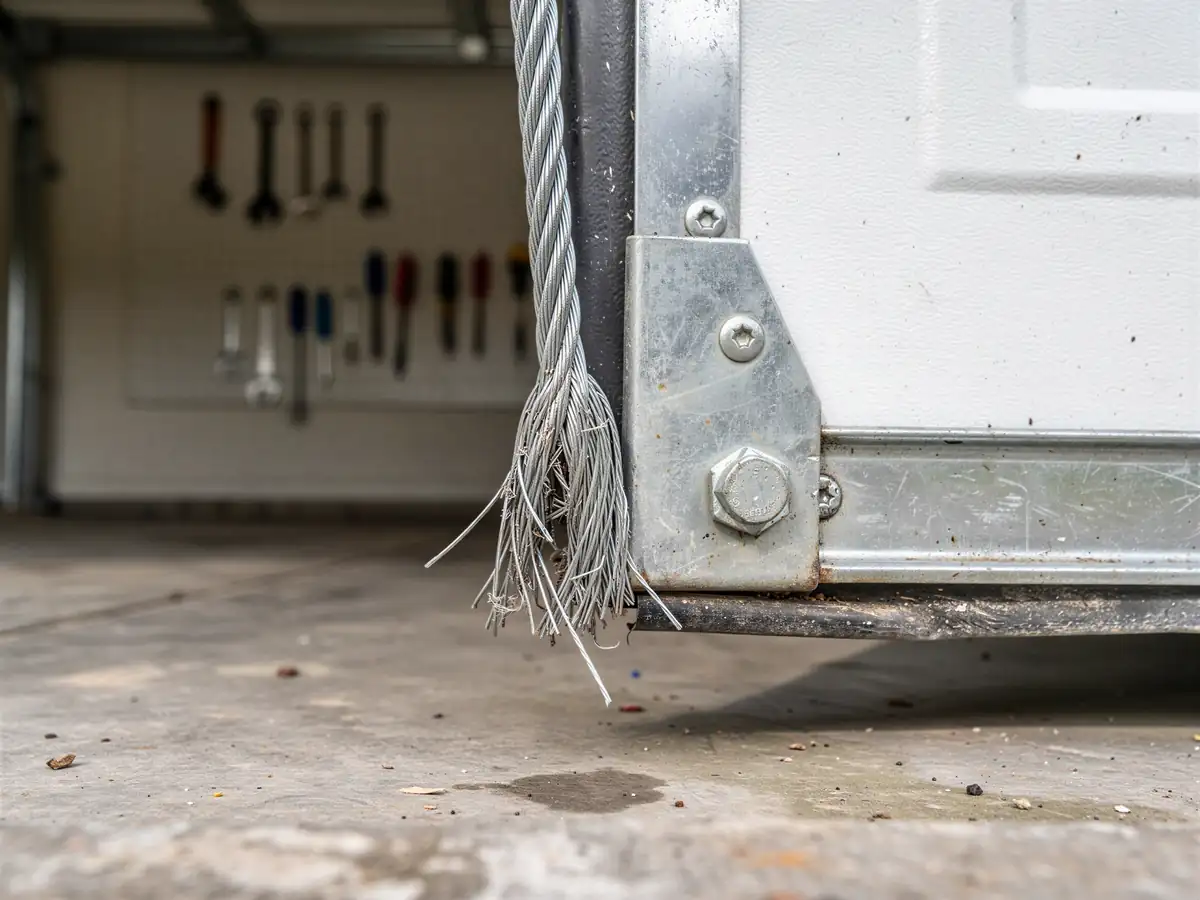
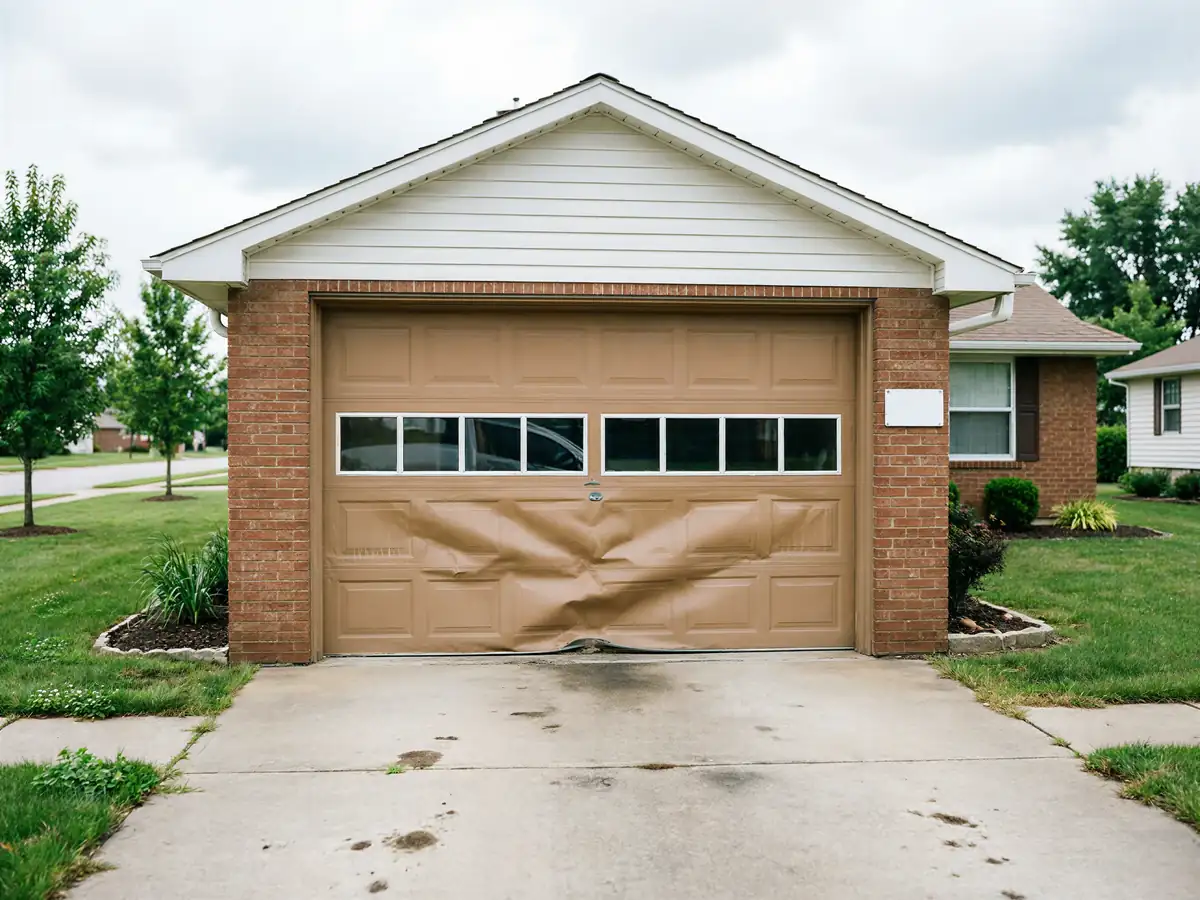
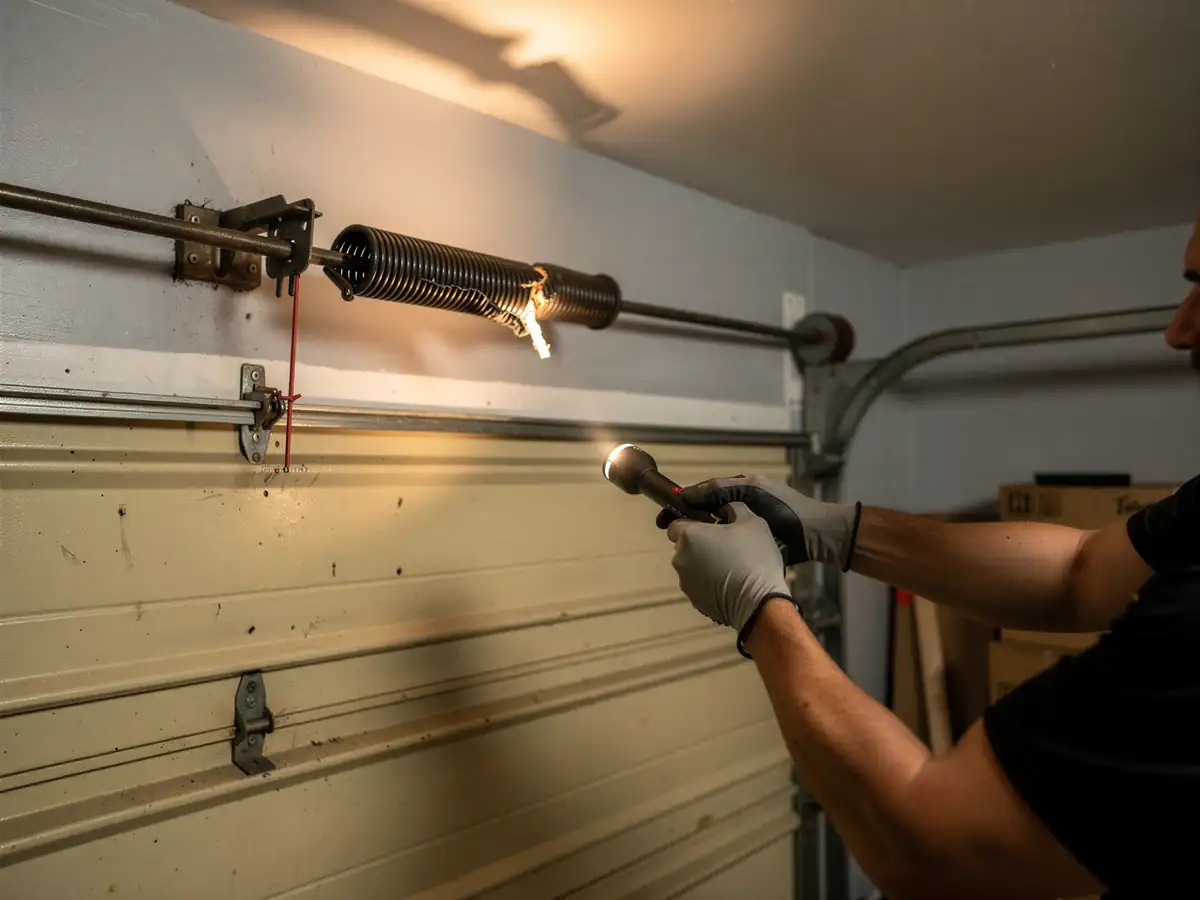
A cable jumps the drum, a roller seizes in its track, or an extension spring lets go with a bang loud enough to bring someone out of the house in their socks. The reason comes down to what's actually hanging in these garages.
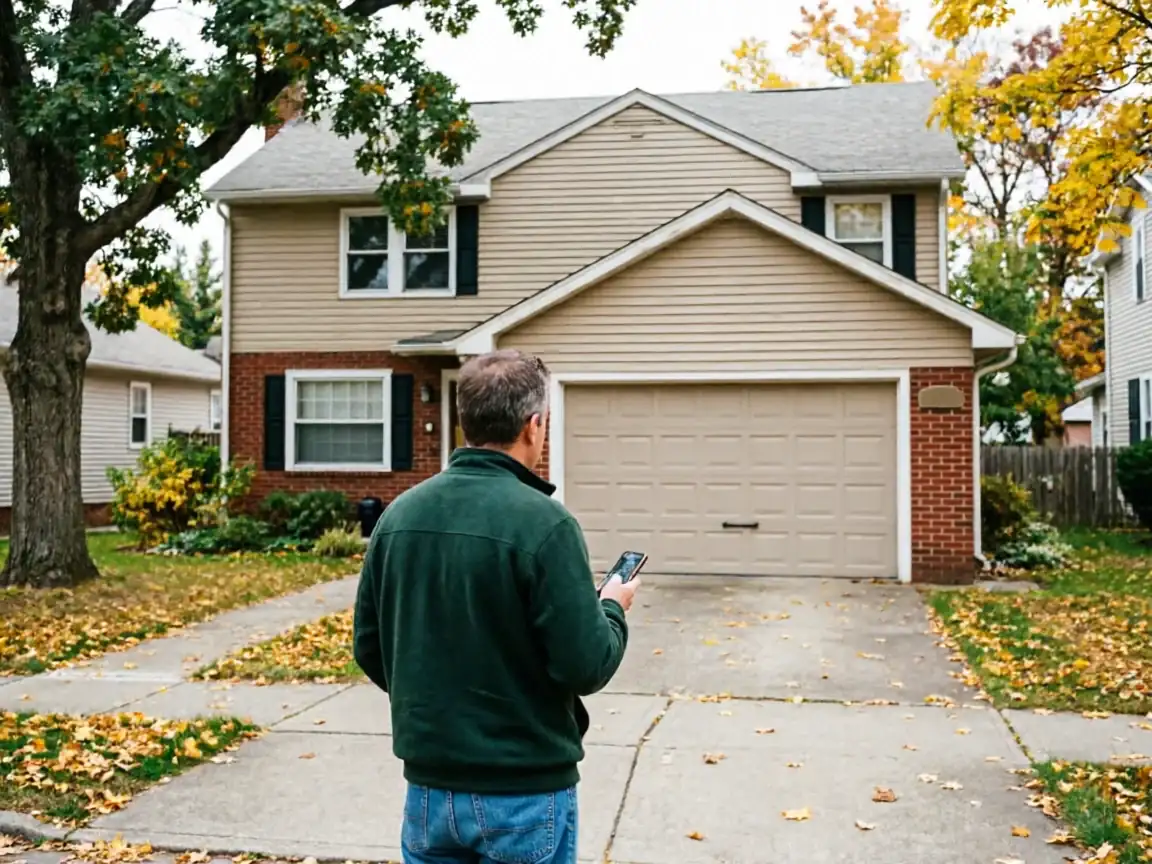
Pinconning's median home went up in 1956
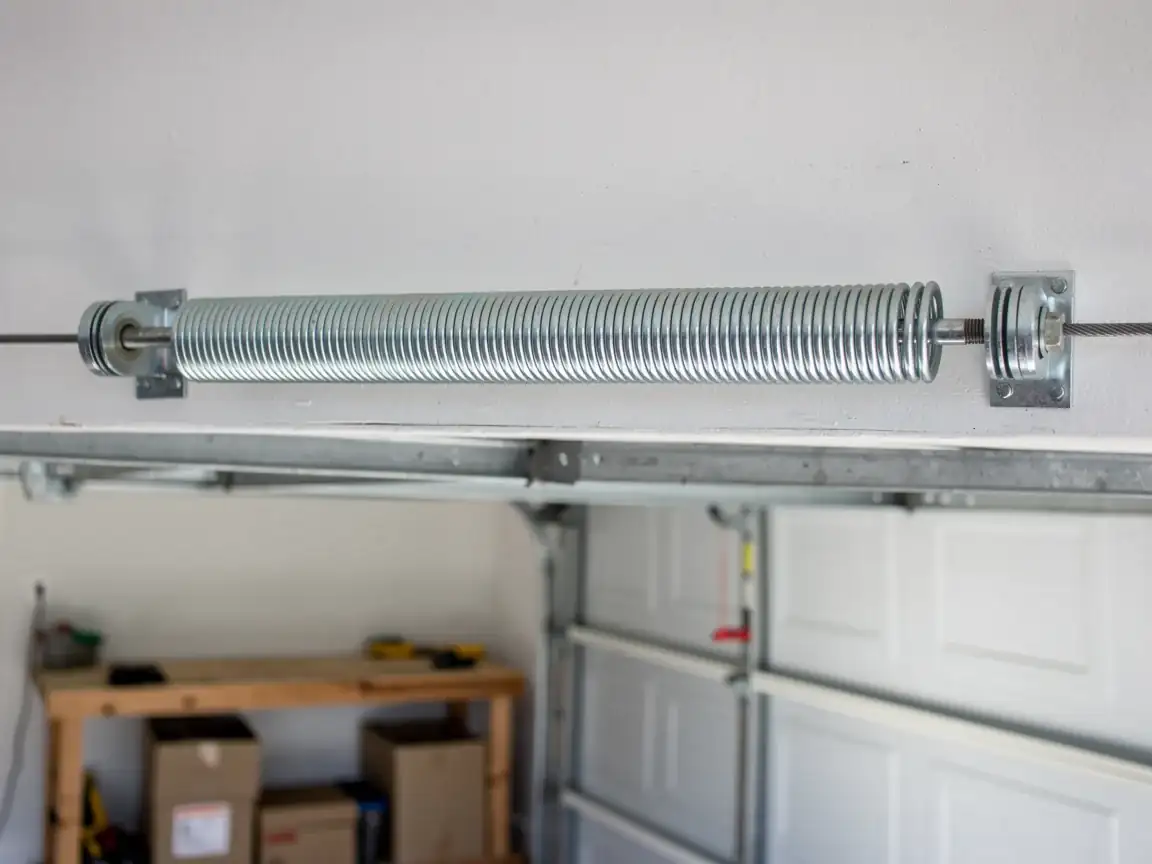
Well ahead of the 1969 median for the wider service area. That matters because a door from the mid-1950s almost never came with torsion hardware mounted over the opening. It came with a pair of extension springs running along the horizontal tracks, the kind that stretch and relax with every cycle until one day they don't stretch back. Fourteen years of extra age, on average, means more of these original setups are still in service here than almost anywhere else we cover. When one fails, it rarely fails quietly, and it almost never fails on a day you planned for.
Doing It Yourself
There's a short list of things worth trying before you call anyone. If the door won't budge, check that the opener isn't simply out of alignment with the sensor eyes near the floor - a stray cobweb or a nudge from a parked bike knocks those out more often than people expect. If the door is stuck halfway and the opener is straining, stop. Pull the release cord and try it by hand instead of letting the motor keep working against a jam.
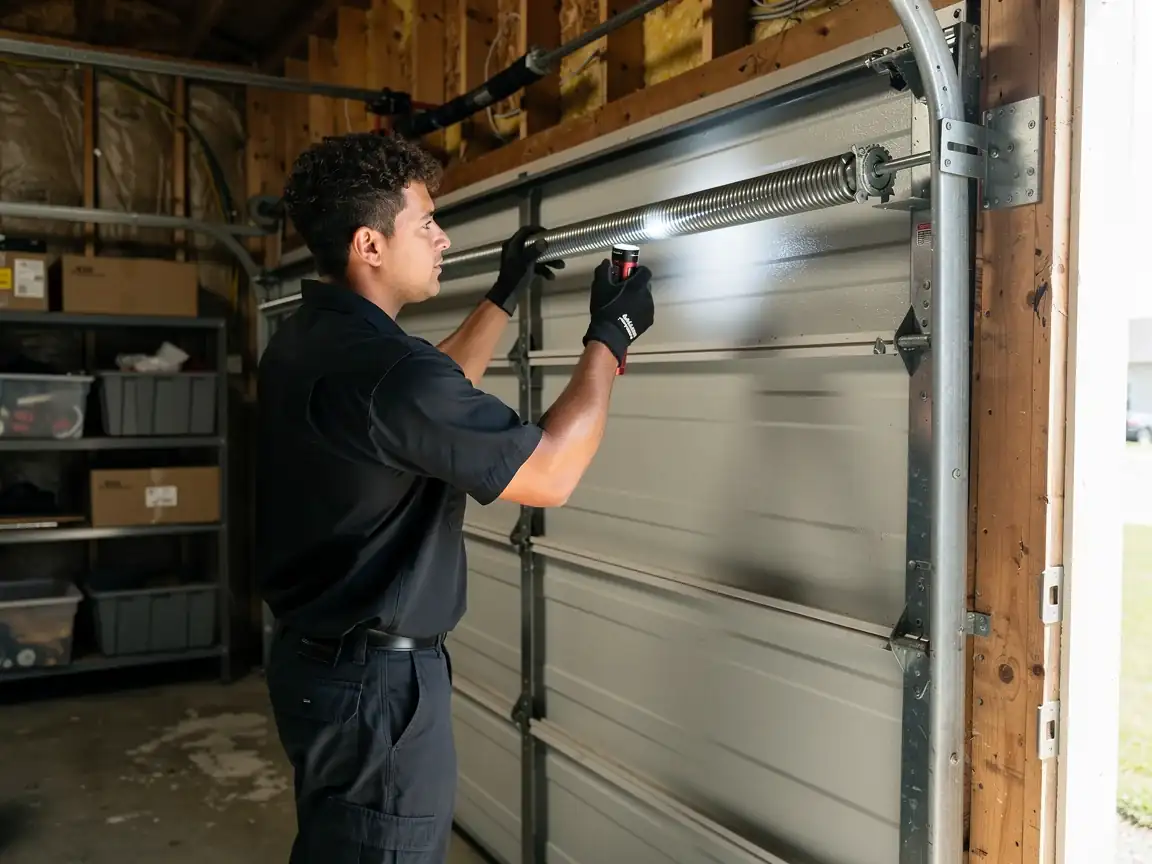
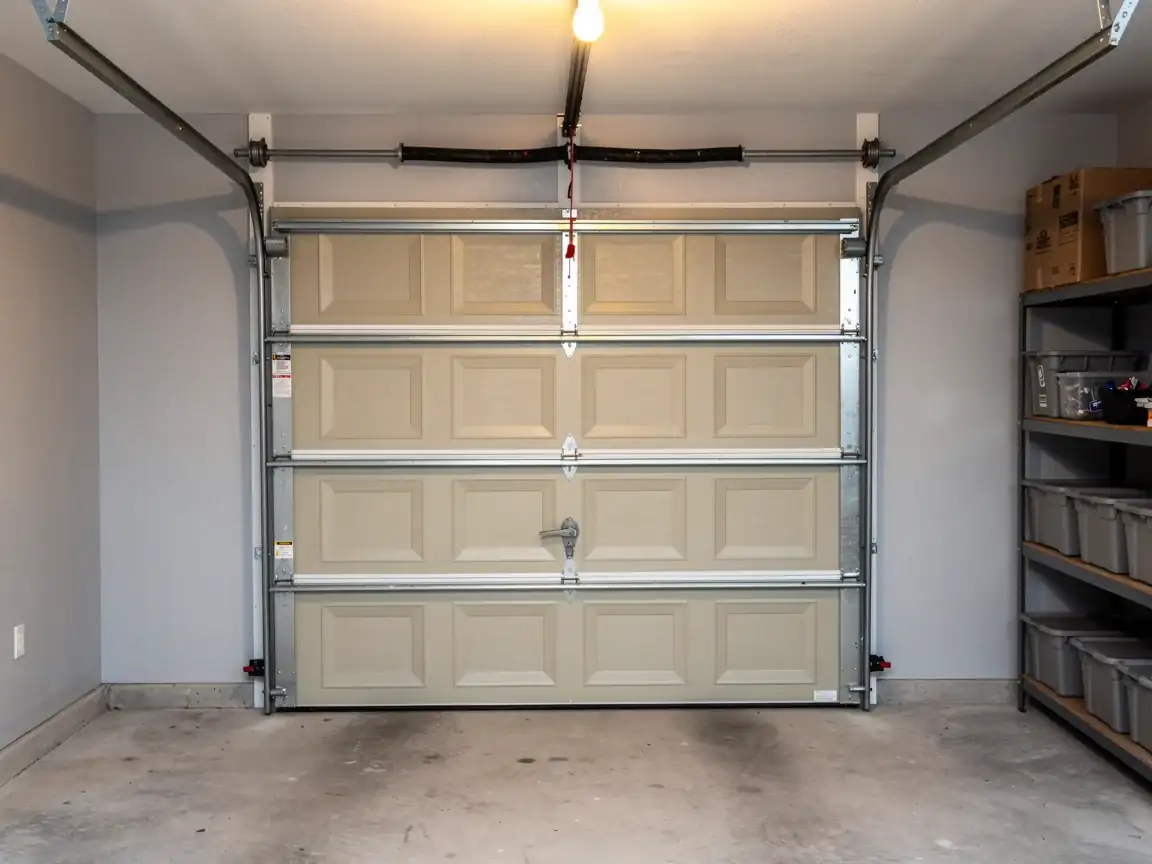
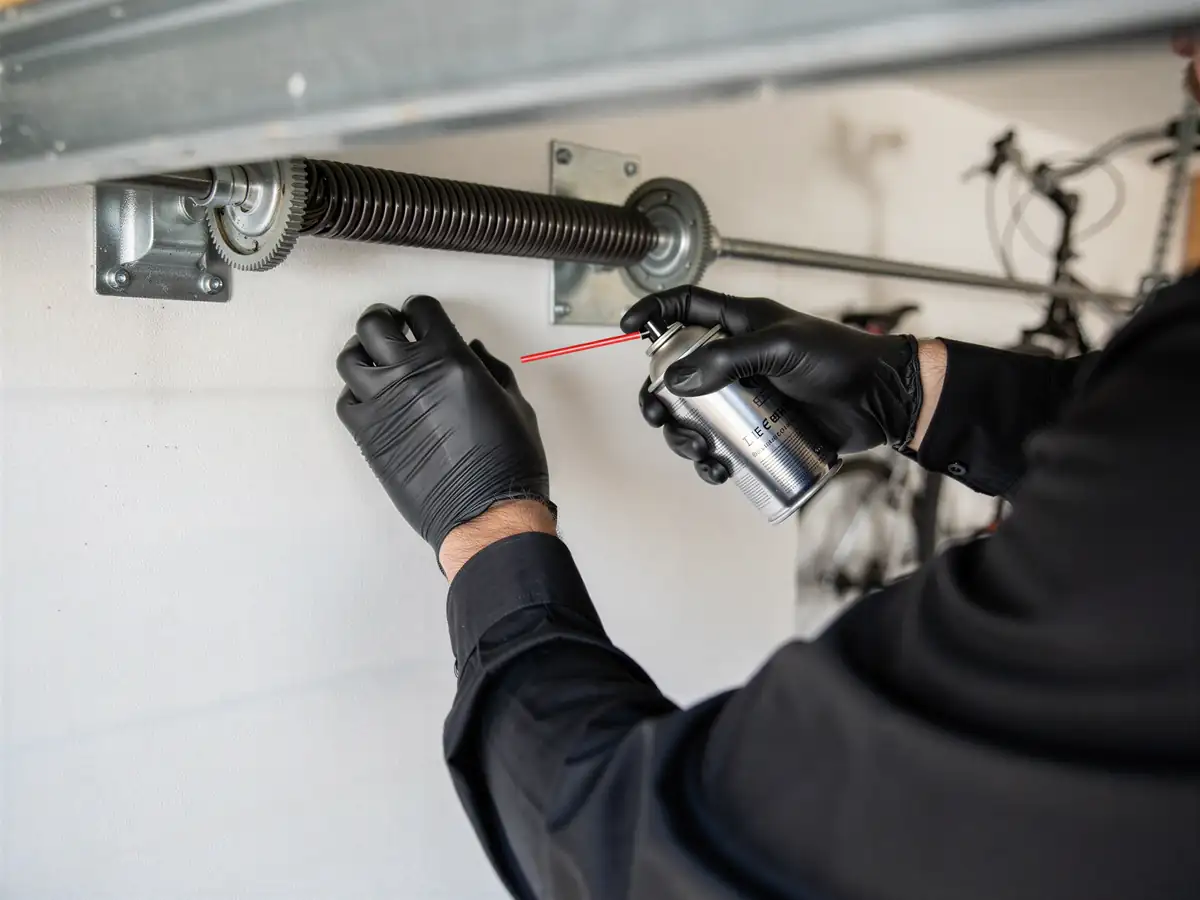
What you shouldn't touch is the spring system itself, extension or torsion. These are under enough tension to break a hand or worse, and with a 1950s-era extension setup there's often no safety cable running through the coil the way newer code requires - meaning if it lets go, it has nowhere to go but loose. That's not a DIY repair, full stop, no matter how straightforward the bolts look. If you're not sure which kind of spring you have, that uncertainty alone is the reason to leave it alone.
Time on the Job
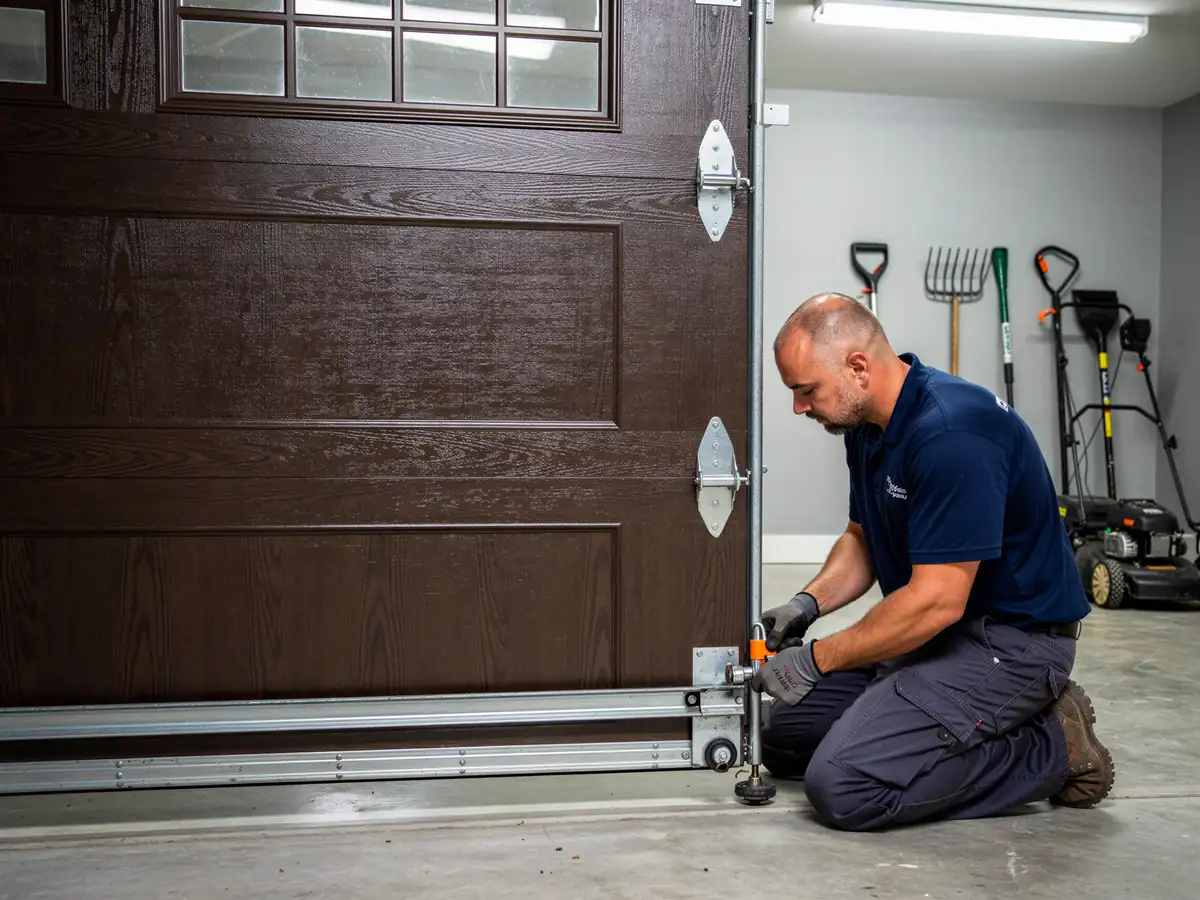
A straightforward spring replacement or cable job, once a truck is on site, usually runs under an hour. Where the time actually goes for Pinconning calls is in diagnosis, not repair - older extension spring systems and the pulleys that go with them aren't something every tech sees every week, so figuring out exactly which part failed and whether anything else on that 60-plus-year-old track assembly is about to go with it takes a closer look than a newer torsion setup would.
With only 615 households in Pinconning, this isn't a route with daily call volume, which is worth knowing if you're trying to plan around a service window. We're honest about that: a job out here gets scheduled around the run from Bay City, not dispatched from a counter down the street. If a part isn't something commonly carried for older hardware, that can add time too - we'd rather tell you that up front than promise a same-day fix we can't back up.
What It Costs
We're not going to list numbers that don't apply to your specific door
But a few things do shape the estimate here more than elsewhere. Median household income in Pinconning runs $64,309, noticeably below the $72,558 average across the wider service area, and that's part of why we try to be straight about repair-versus-replace instead of pushing a new unit by default.
An extension spring replacement on an older door is generally the cheaper fix because the hardware is simpler
But if the pulleys, cables, or track brackets around it have worn out together - common on a setup installed when the house was new in the 1950s - replacing one part only to have another fail in a month isn't worth anyone's money. We'll tell you when a repair makes sense and when it doesn't, even if that means a smaller invoice than a full swap would bring in.
What Is on the Truck
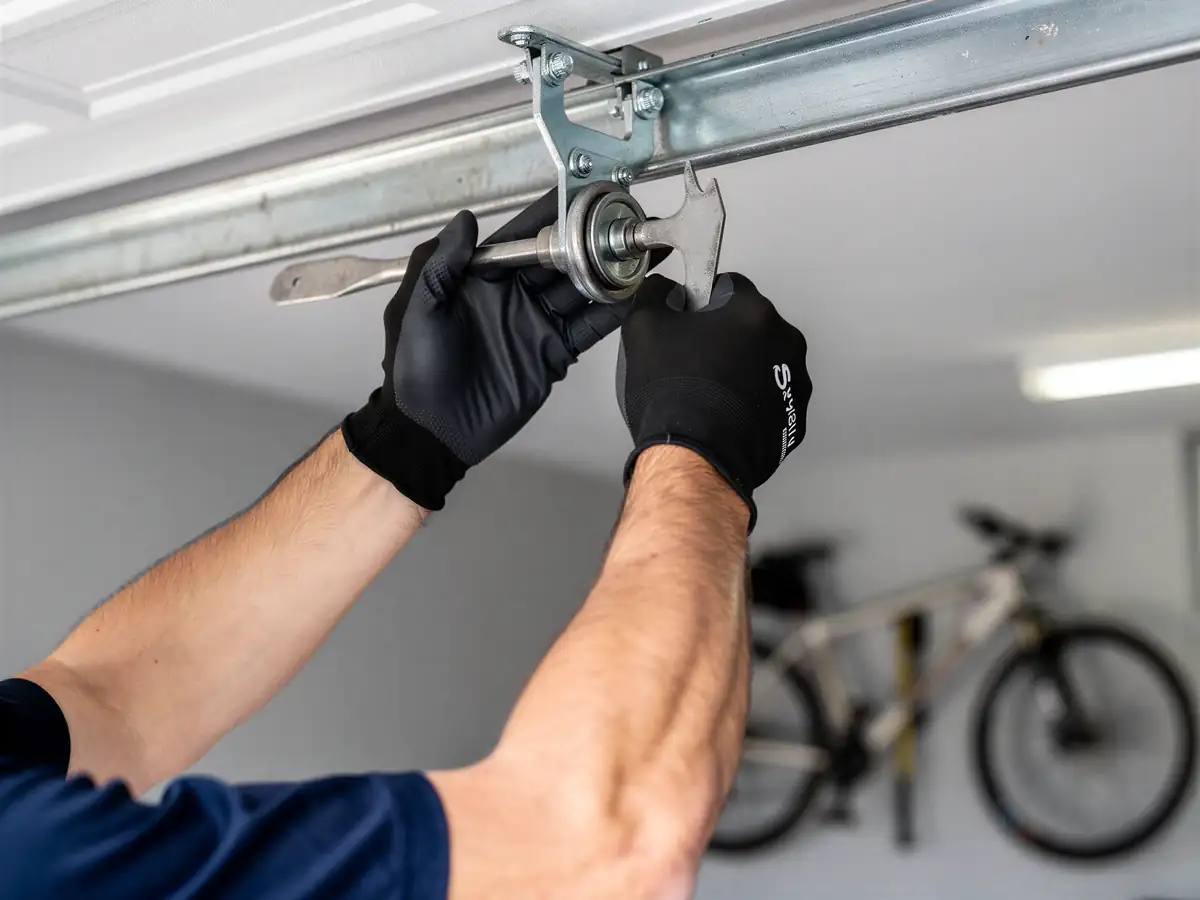
Because Pinconning sits at the far end of our run - about 19 miles out from Bay City - the truck headed that way carries a broader spread of parts than a call closer in might need, specifically because of the housing age. That means extension springs in multiple sizes, open-loop and closed-loop cable, and the older style of pulley and fork bracket that doesn't show up as often on newer torsion jobs elsewhere in the service area.
We stock the common gauges and weights, but a door that's been modified over the decades - a heavier replacement panel added at some point, say - can need a part that isn't standard inventory. In that case we'll tell you honestly if a return trip is needed rather than force a mismatch that fails again in a season. Given the distance, we'd rather diagnose it right the first time than guess.