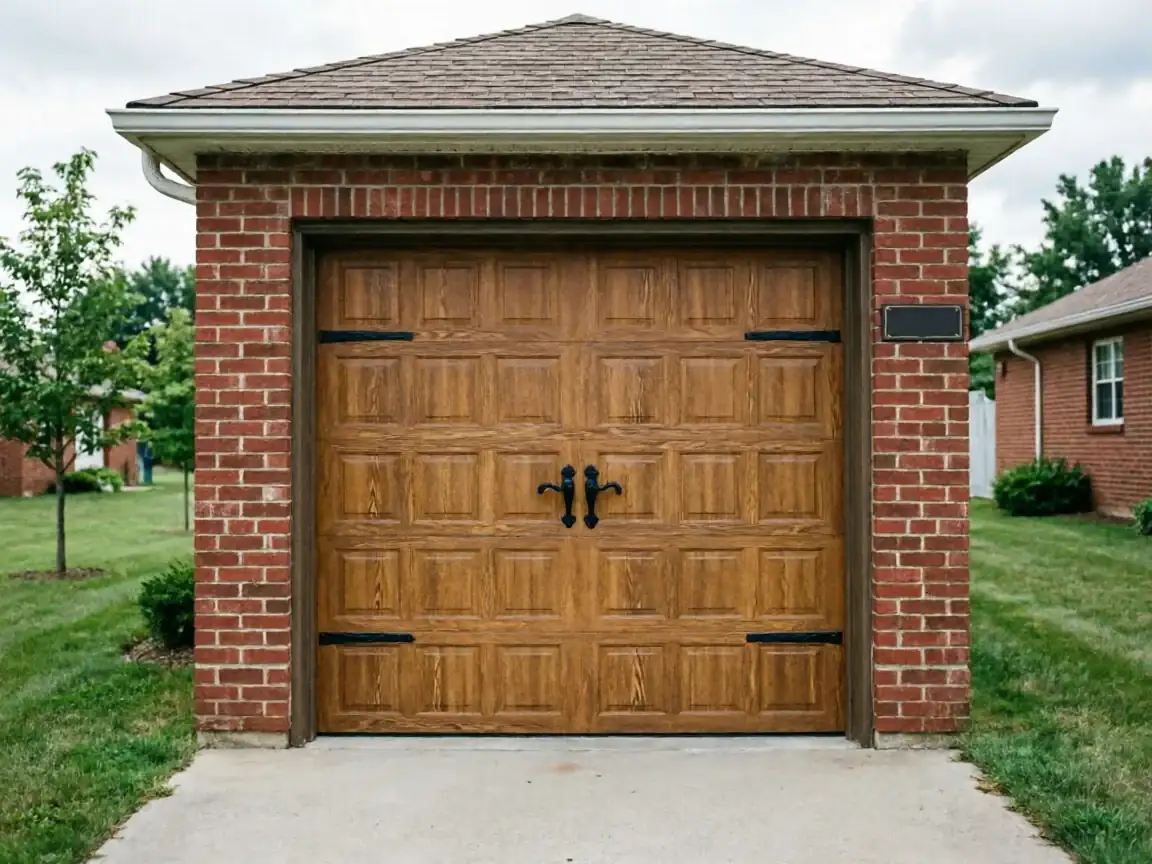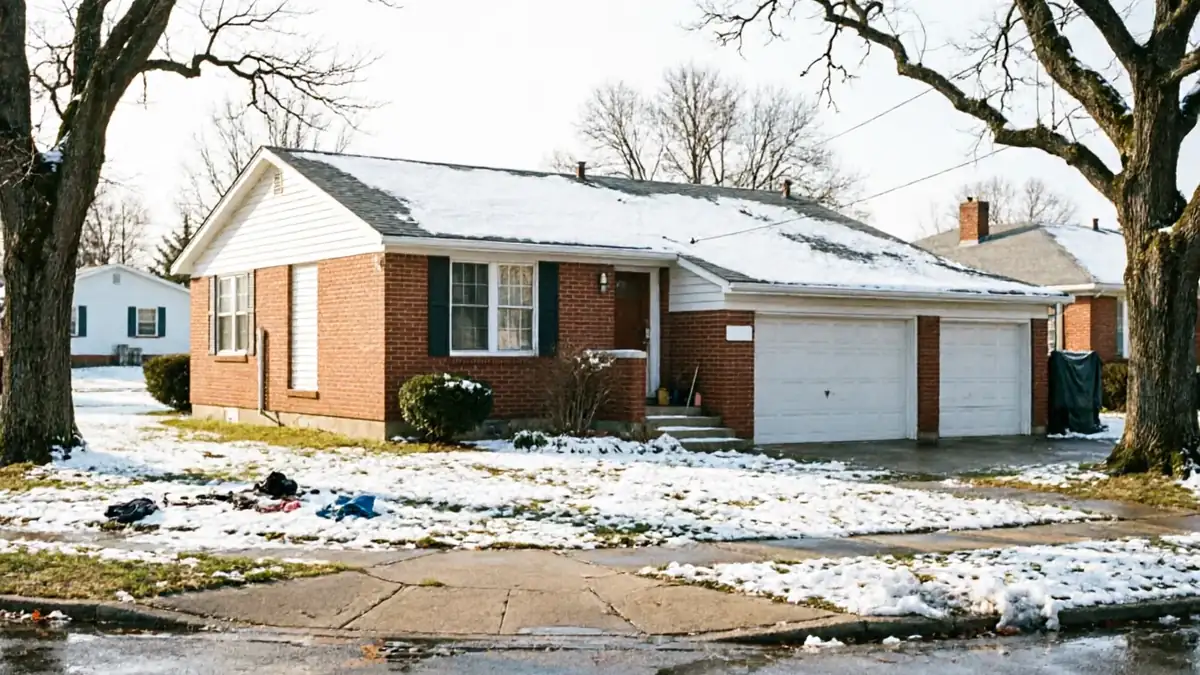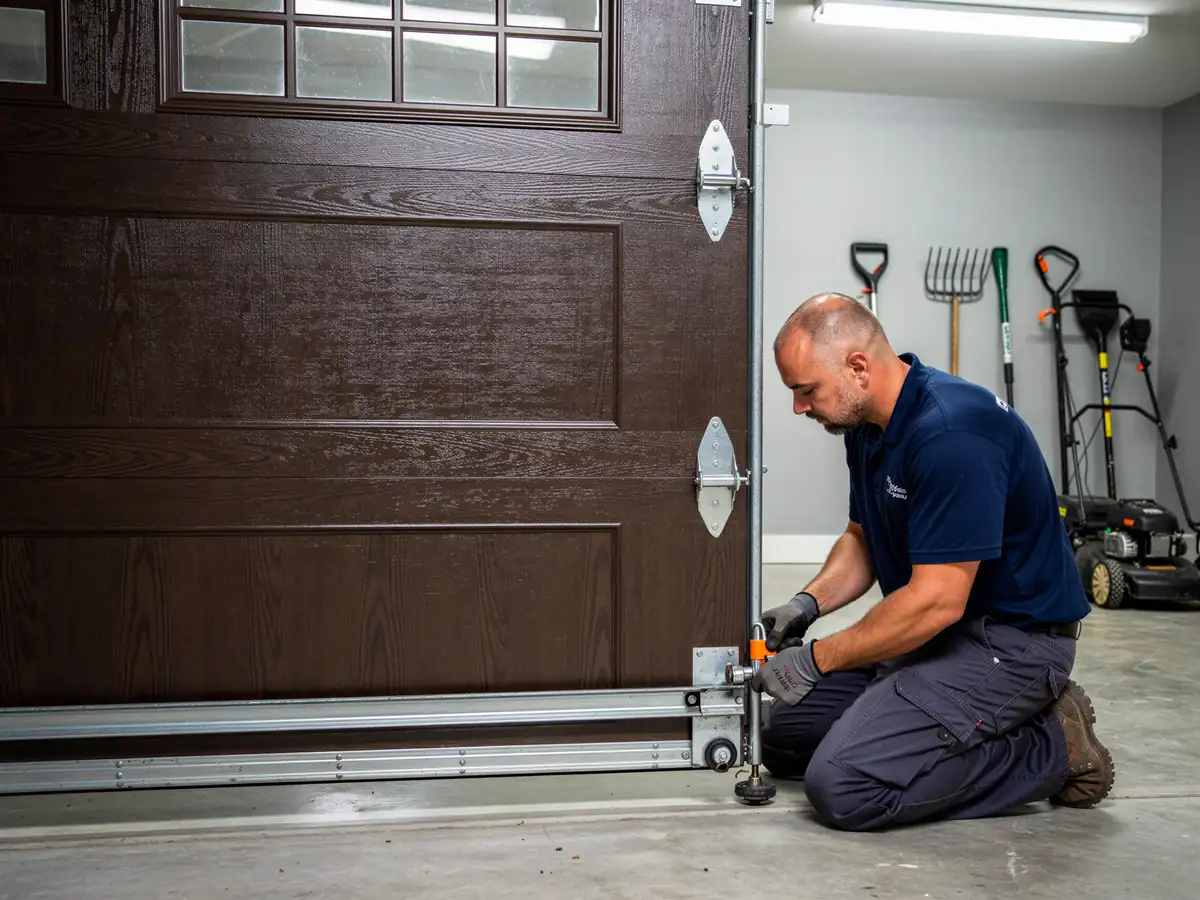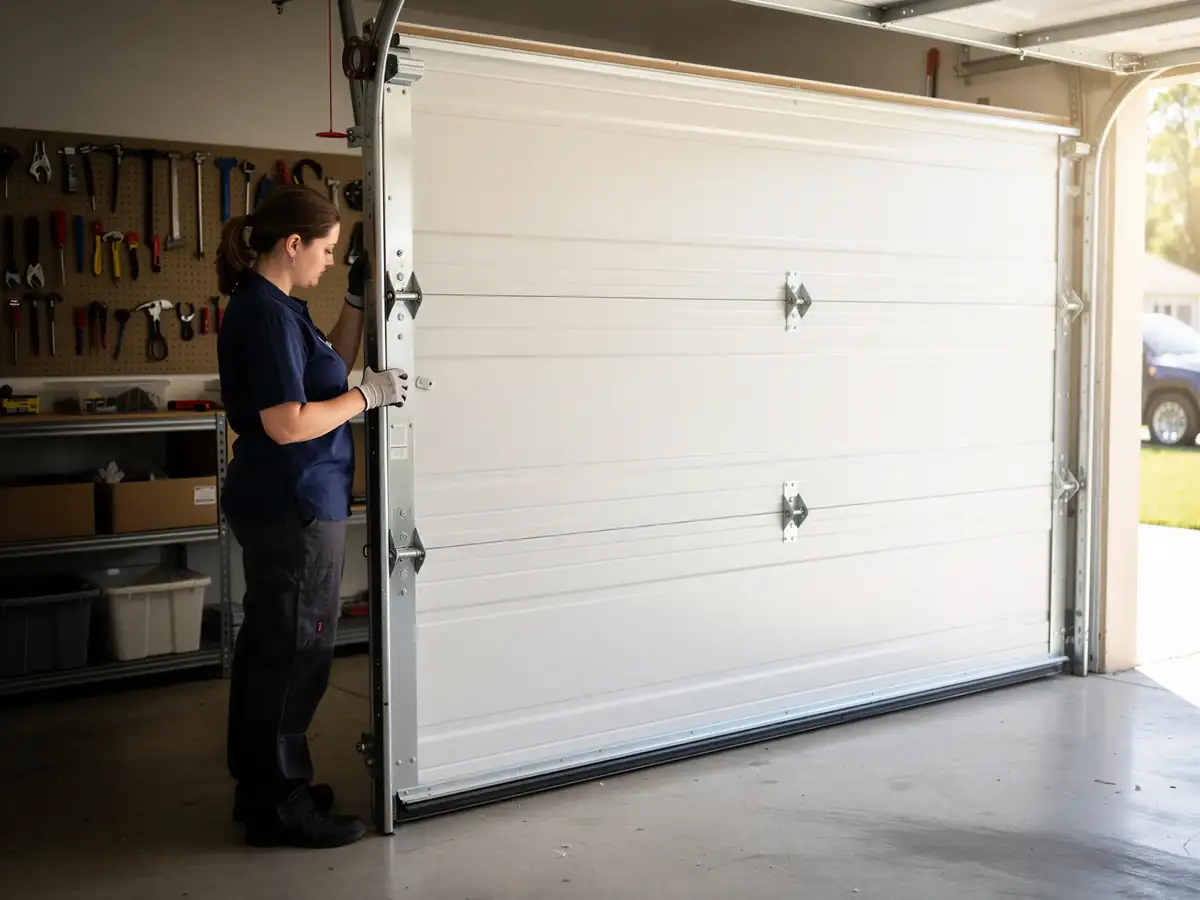
Where This Job Goes Sideways
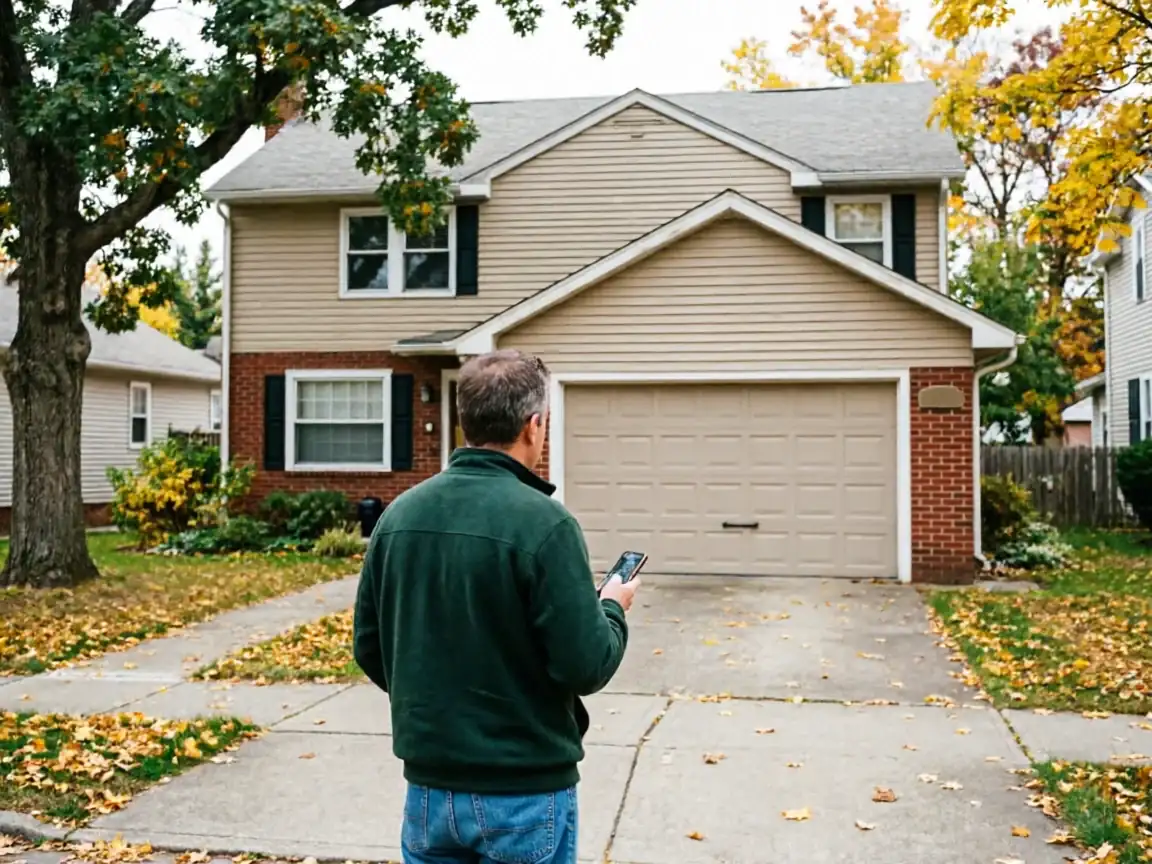
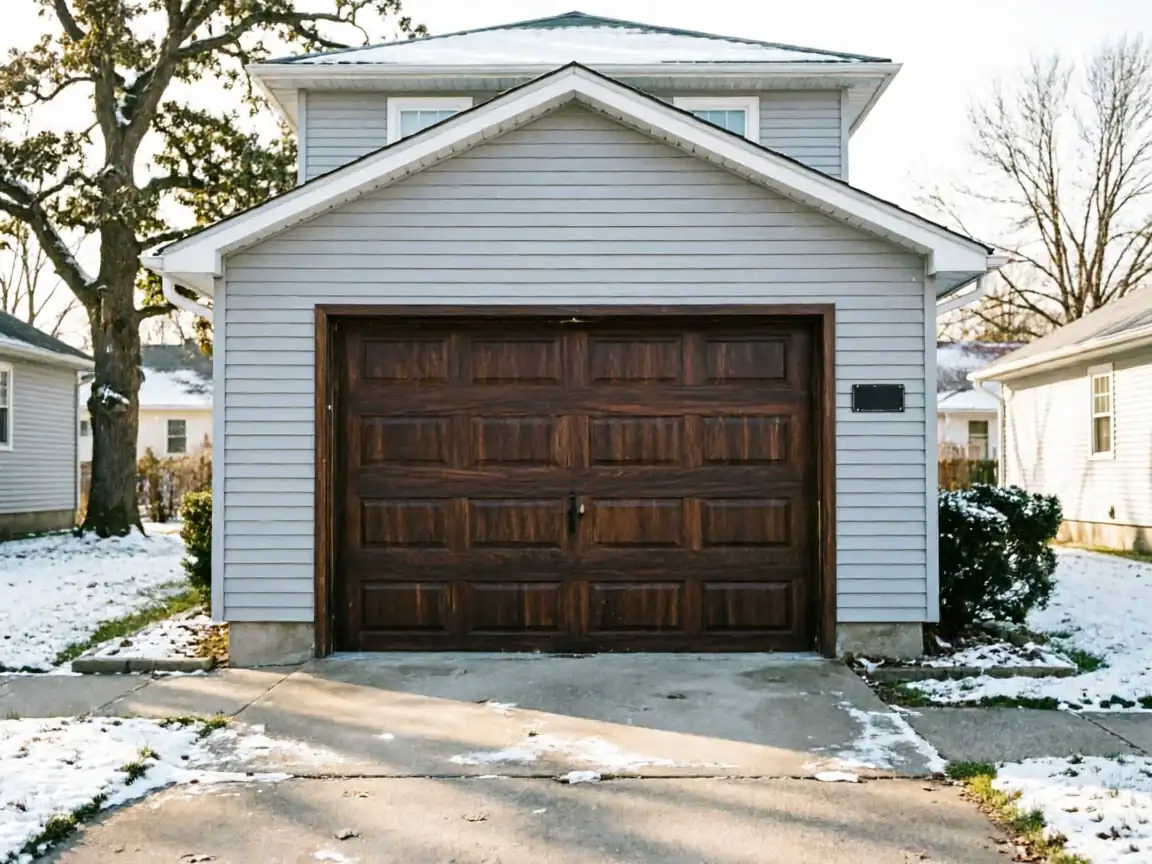
Most houses in Pinconning went up around 1956
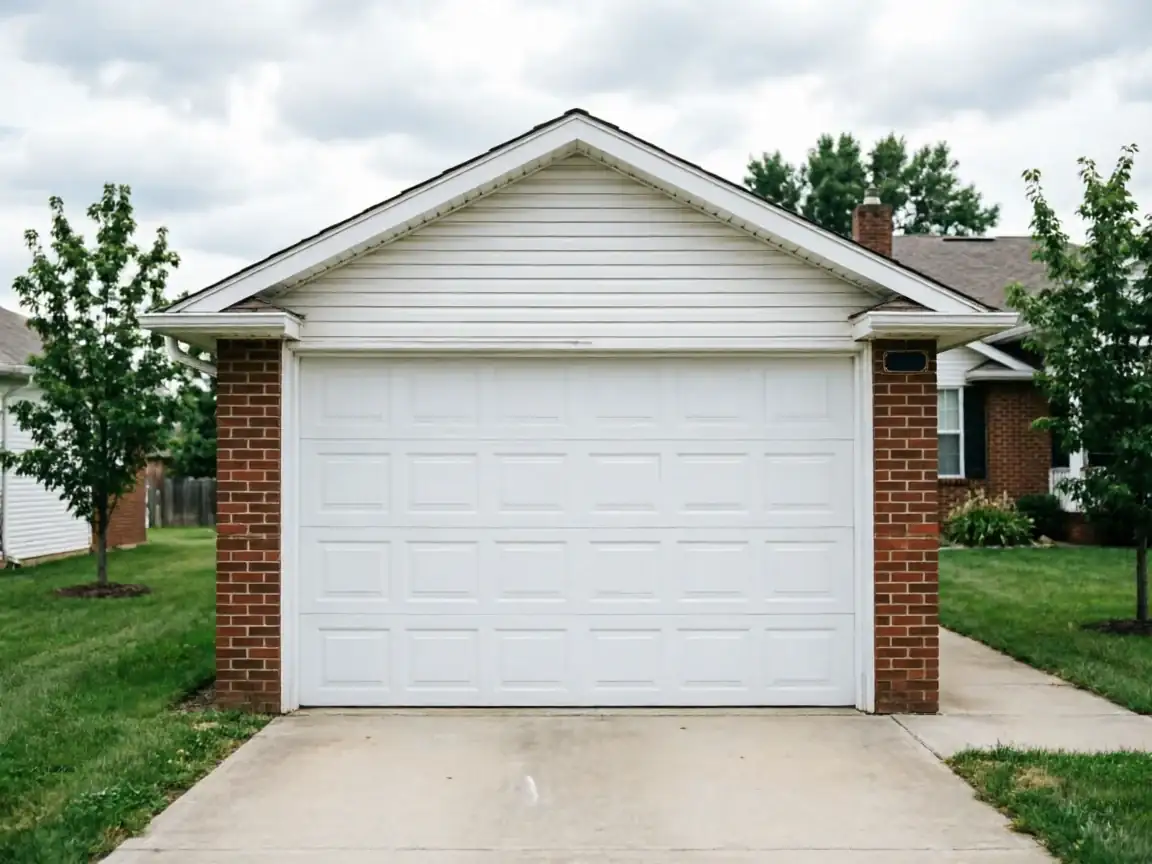
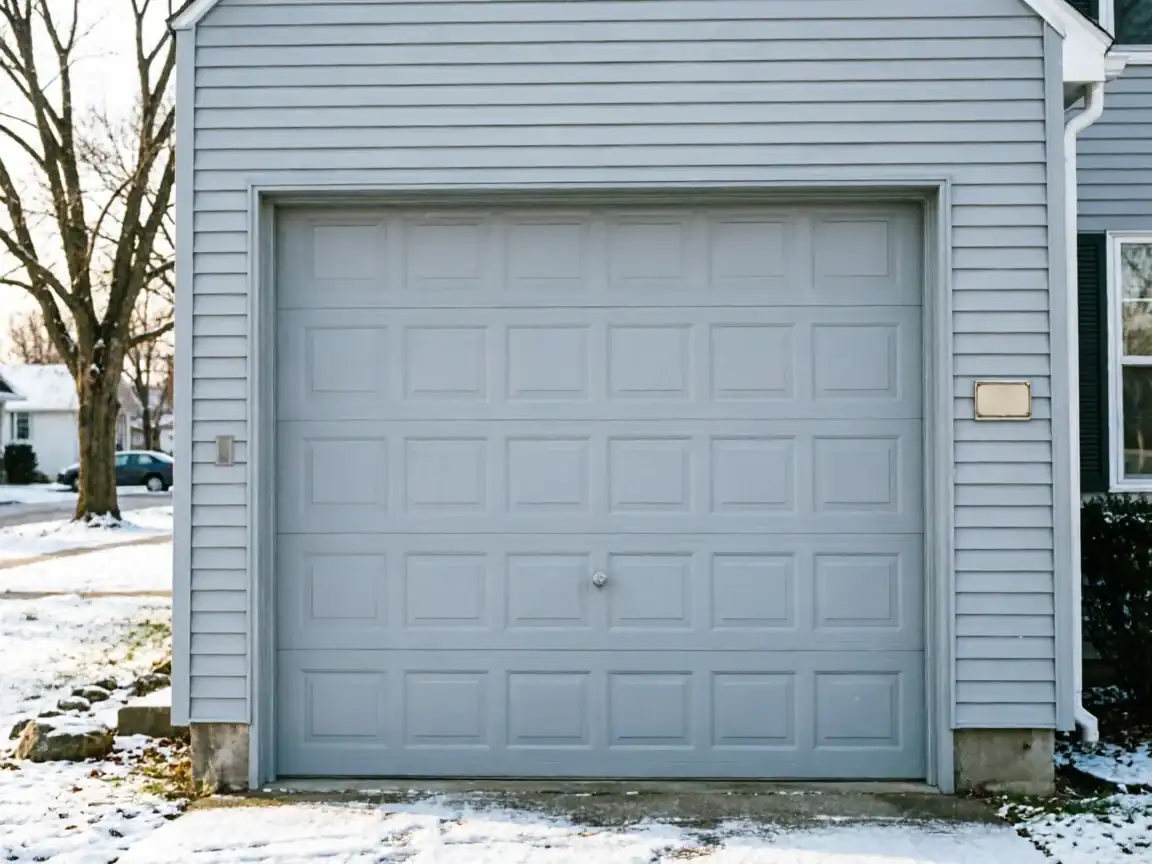
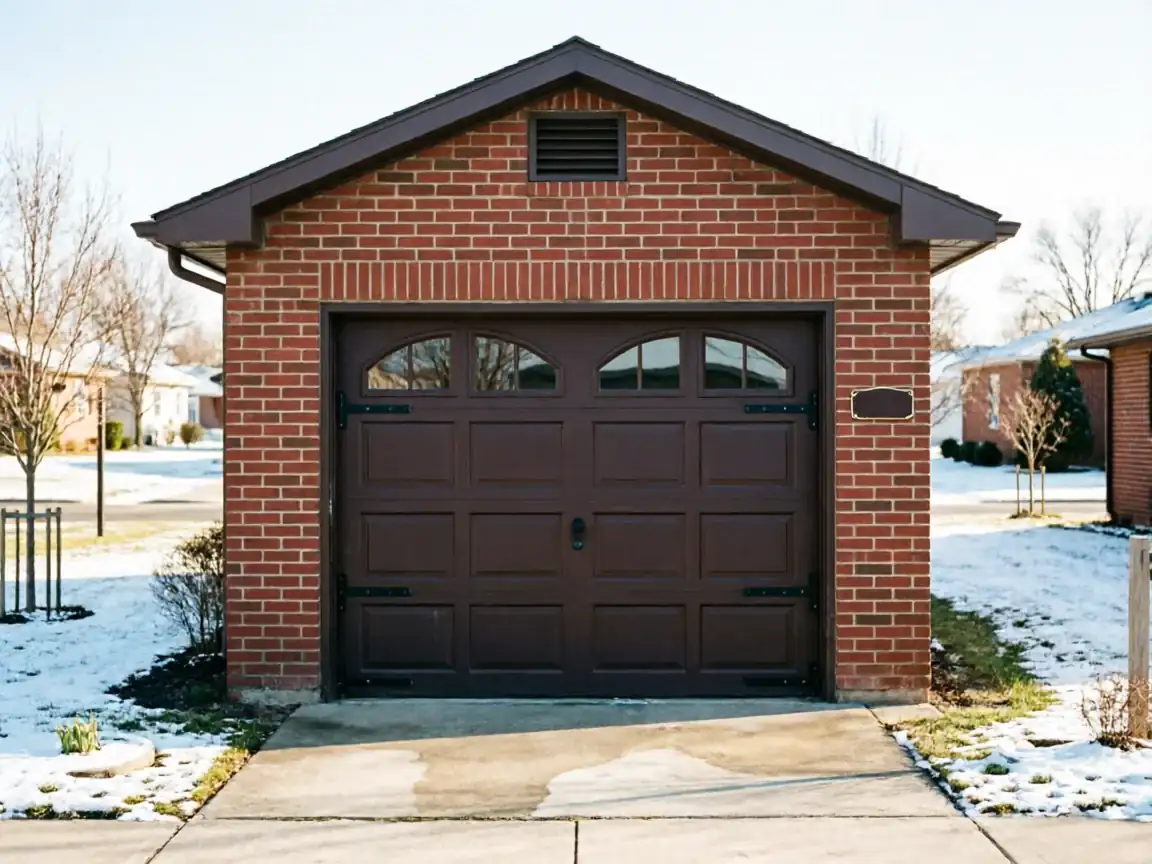
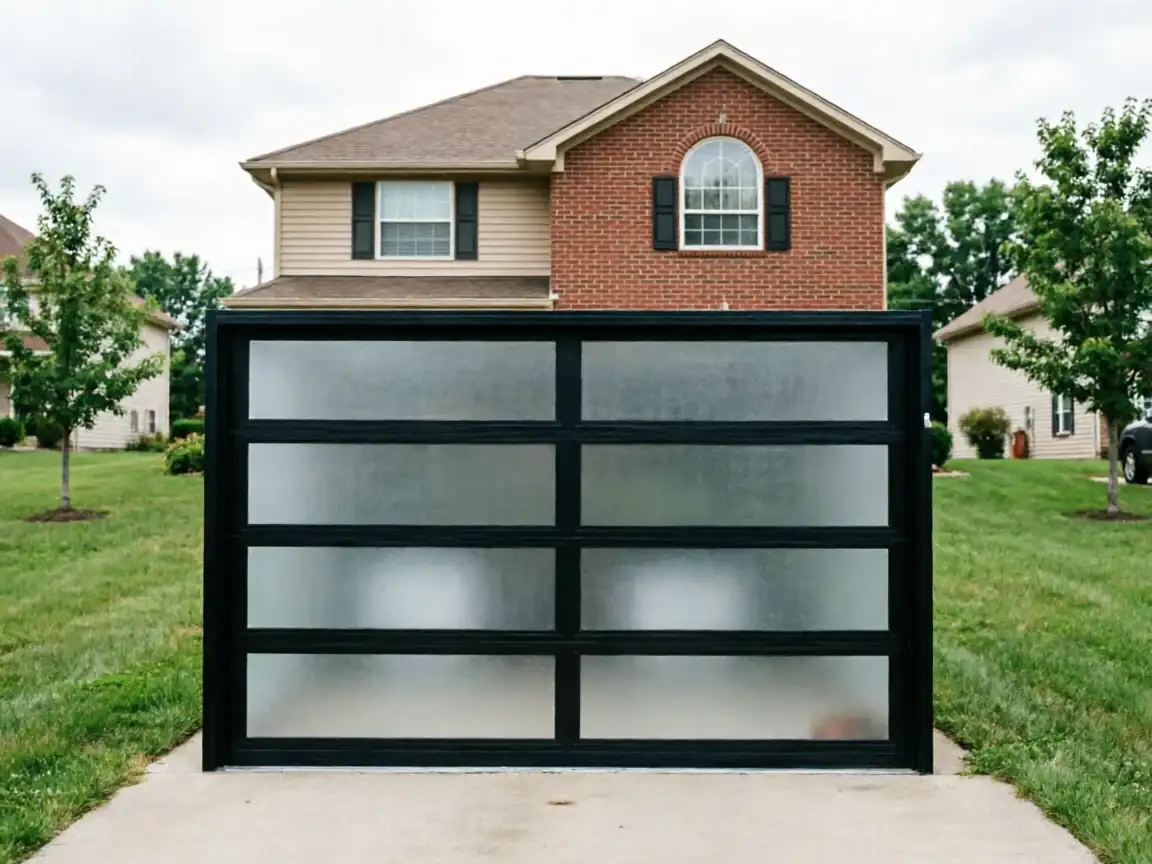
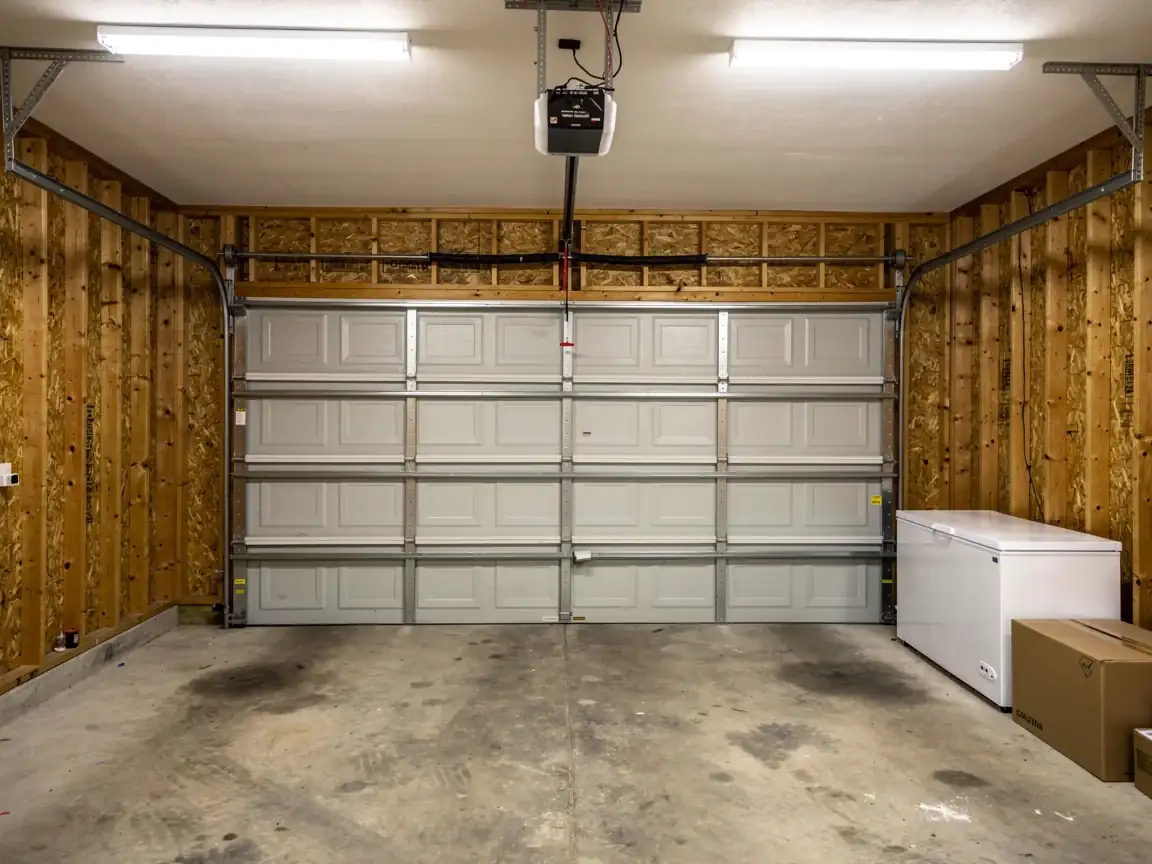
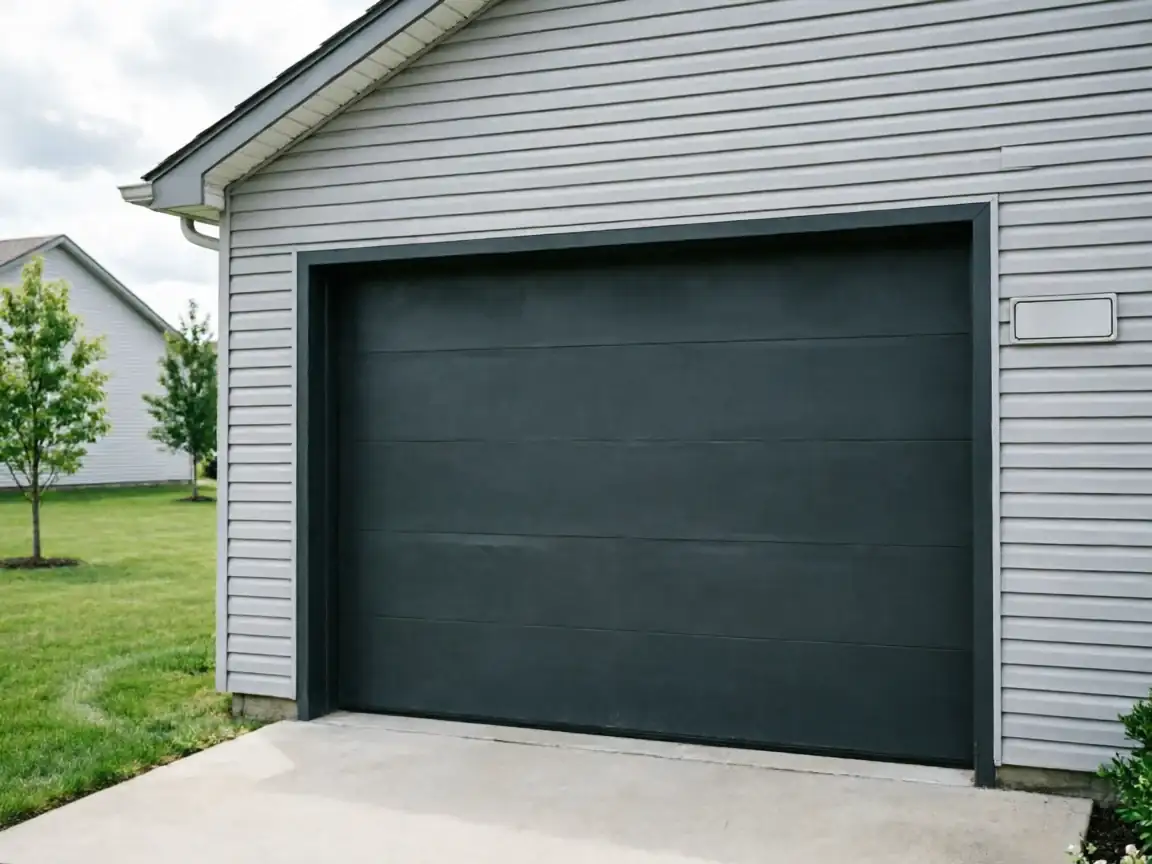
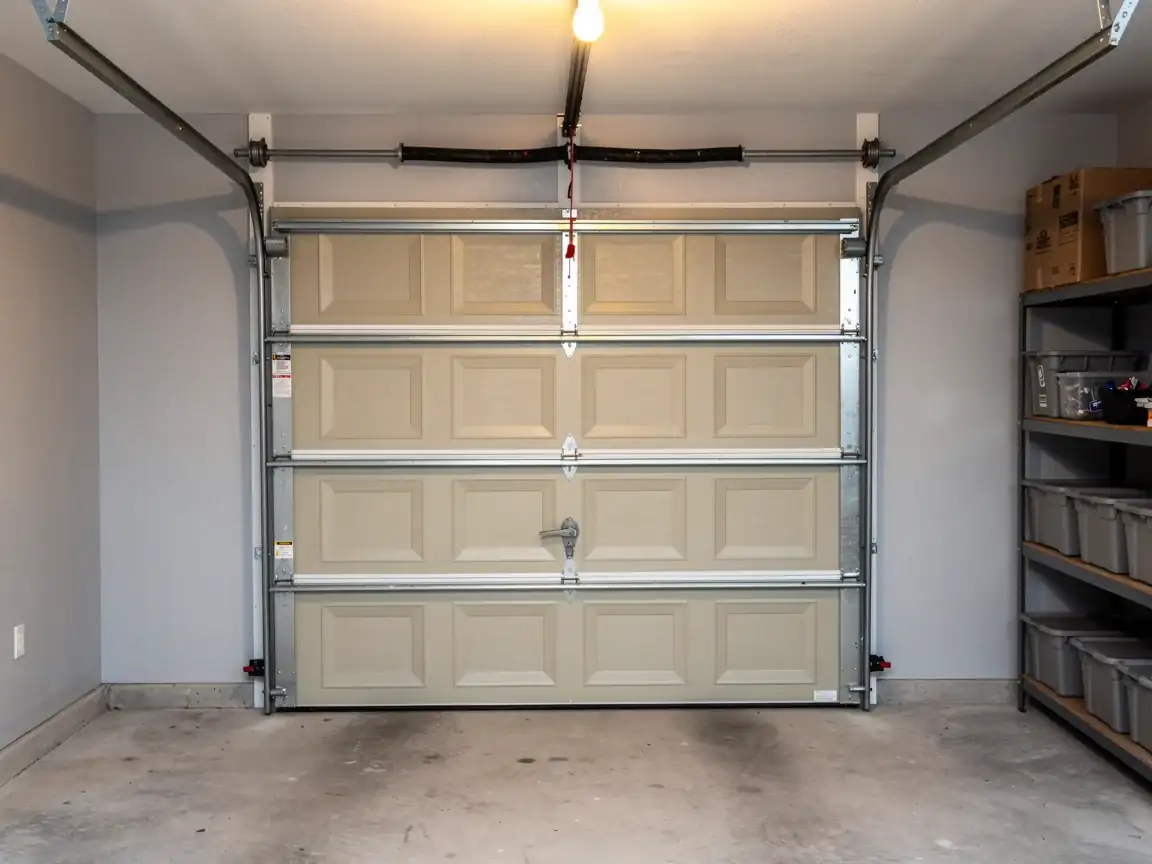
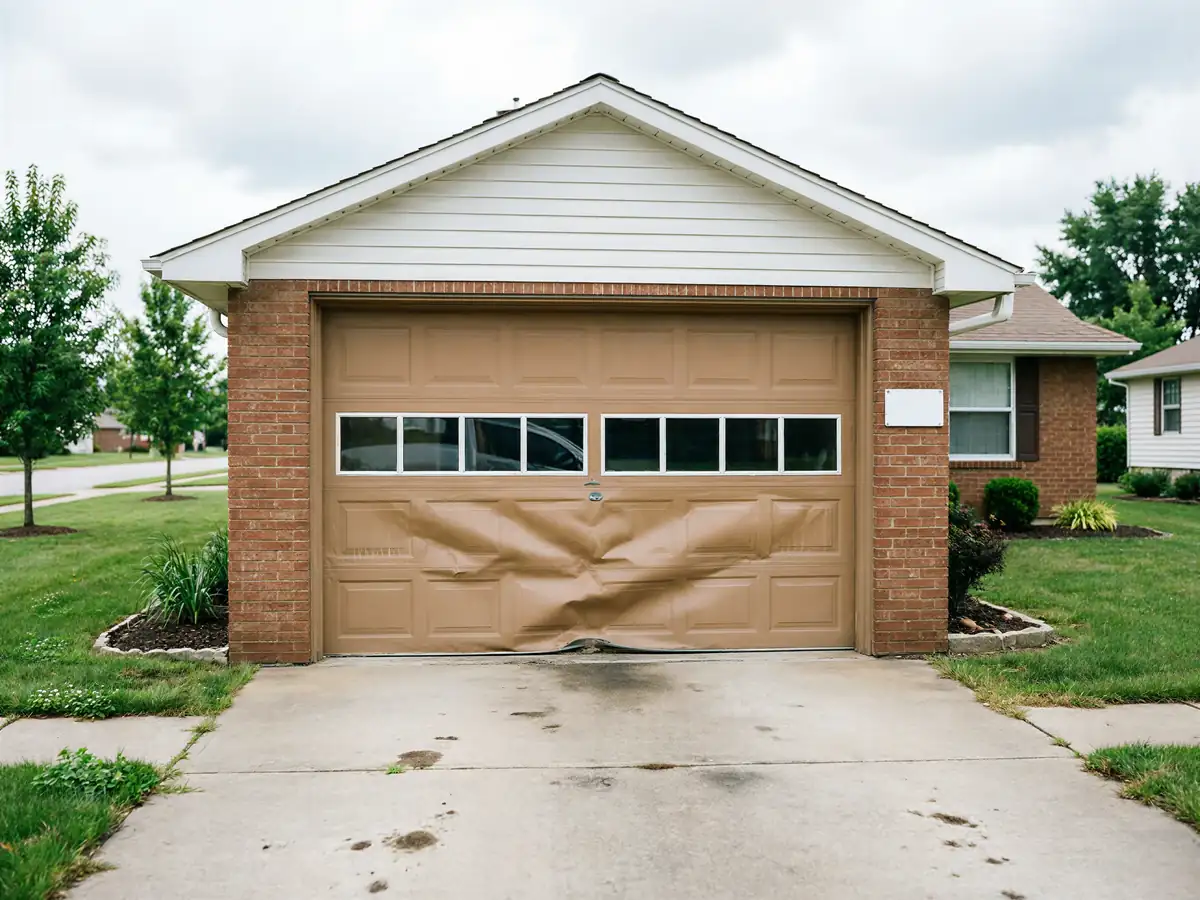
Well before the sectional steel door became the default. A lot of those garages still run on hardware from an era when panel sizes weren't standardized the way they are now. When one panel on a sectional door gets crushed or rusted through, the fix isn't always "order a replacement panel and bolt it on." If the door is an odd width or an older low-headroom track setup, the panel that matches your section height and style may not be something a supplier stocks off the shelf anymore.
Cold-climate steel doors from this build era also tend to rust from the bottom up
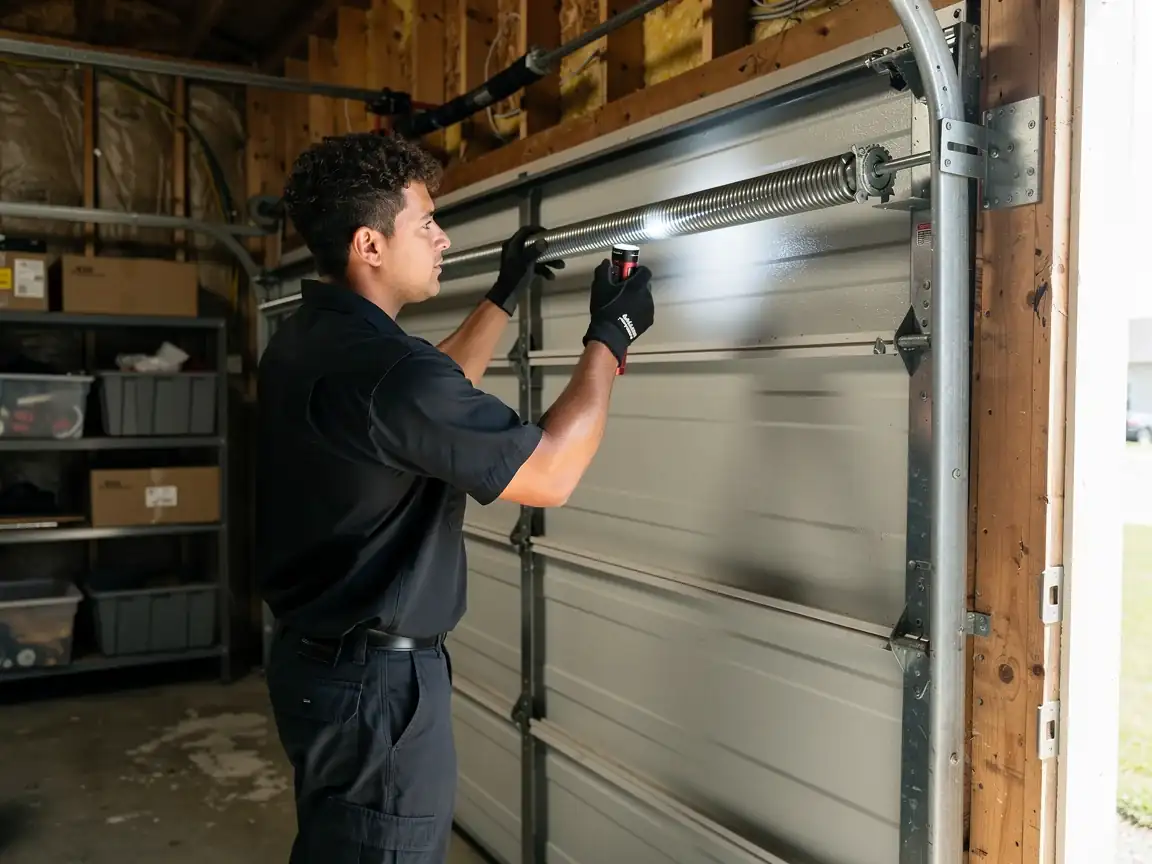
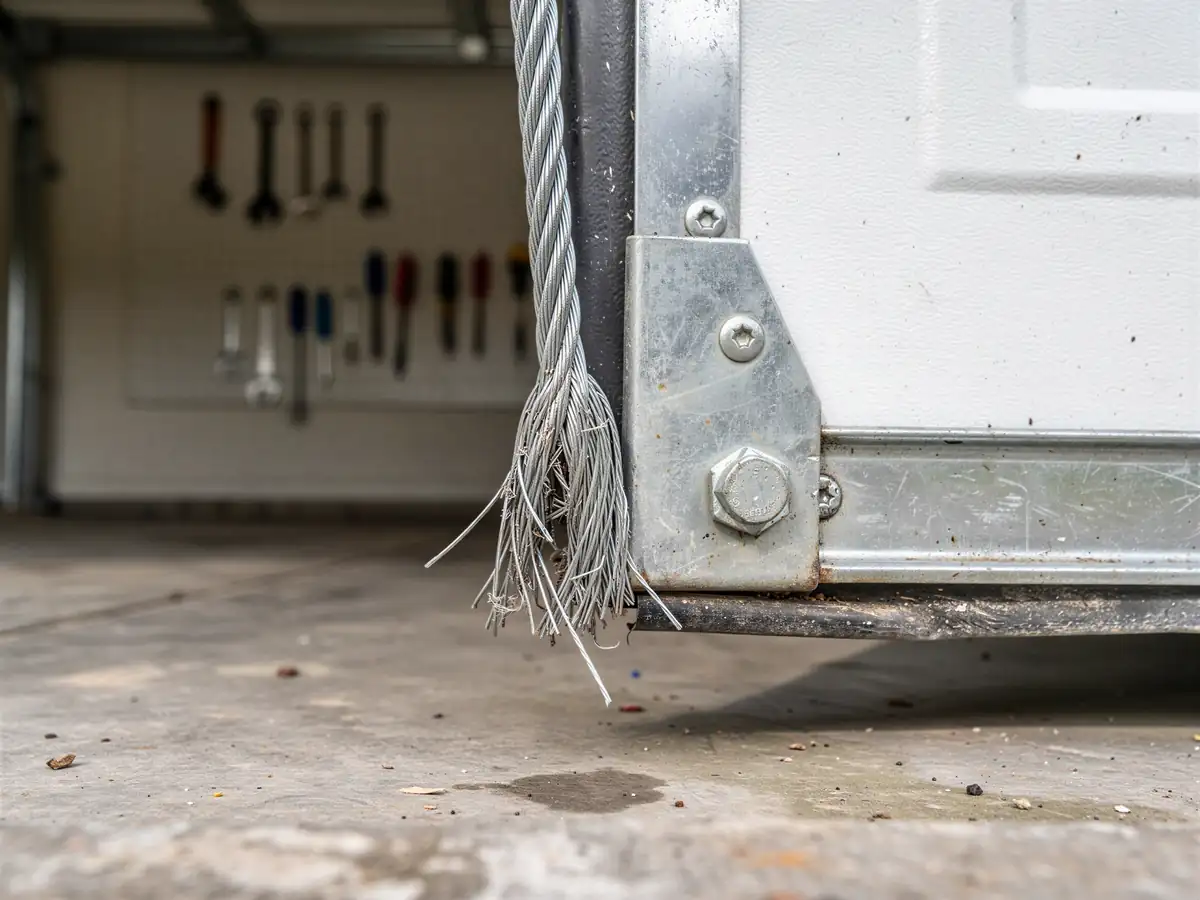
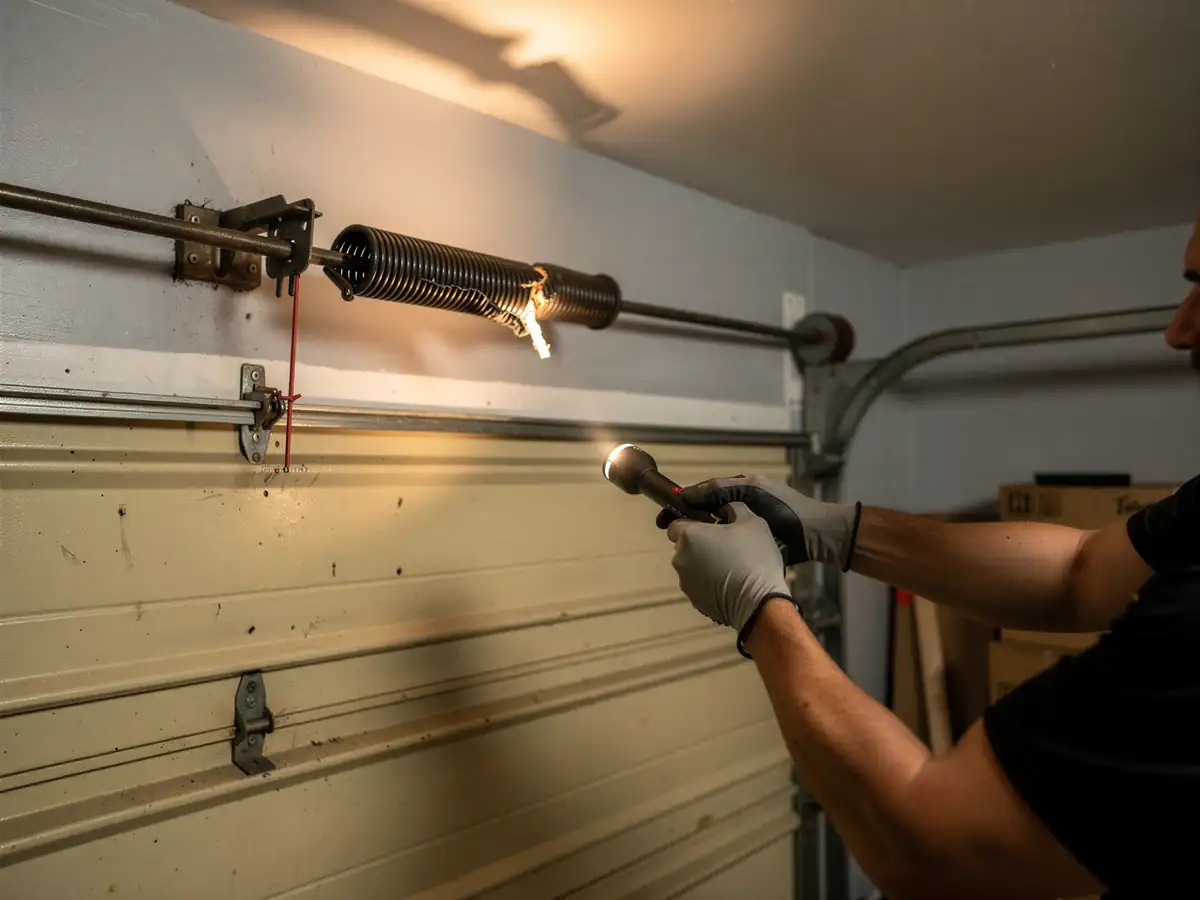
Not just from a dent. We see bottom panels that look fine from the driveway but are soft or flaking on the inside face where moisture sits against the track. That's a structural call, not just cosmetic - a panel that's lost its rigidity won't hold a roller bracket right, and replacing just that one section without checking the panel above it for the same rot is how a one-panel job turns into a three-panel job halfway through.
Doing It Yourself
A single-panel swap looks simple online: unbolt the damaged section, bolt in the new one. On a door built to today's dimensions that's often true. On an older Pinconning door it's a gamble, because the panel you order from a big-box store is cut to current standard heights, and a 1956-era opening may not match. If it's off by even half an inch on panel height, the whole section won't seat flush and the door won't track straight.
The other risk is insulation and finish. If the rest of your door is an older single-layer steel or wood-faced panel, a mismatched replacement panel will stand out in both color and thickness, and in a cold-climate house that temperature difference at the seam can matter for the garage itself, not just looks. Our honest limit here: we don't carry every obsolete panel size on the truck, and if your door needs a true custom match, that's a special order with a lead time, not a same-visit fix. We'll tell you straight if full door replacement is the faster and cheaper path than chasing a panel for an older frame.
Time on the Job
Pinconning sits about 19 miles out from our shop in Bay City, so any panel job here is a planned trip, not a drop-in between closer calls. We build that drive into the schedule rather than promise a same-hour arrival we can't back up from that distance.
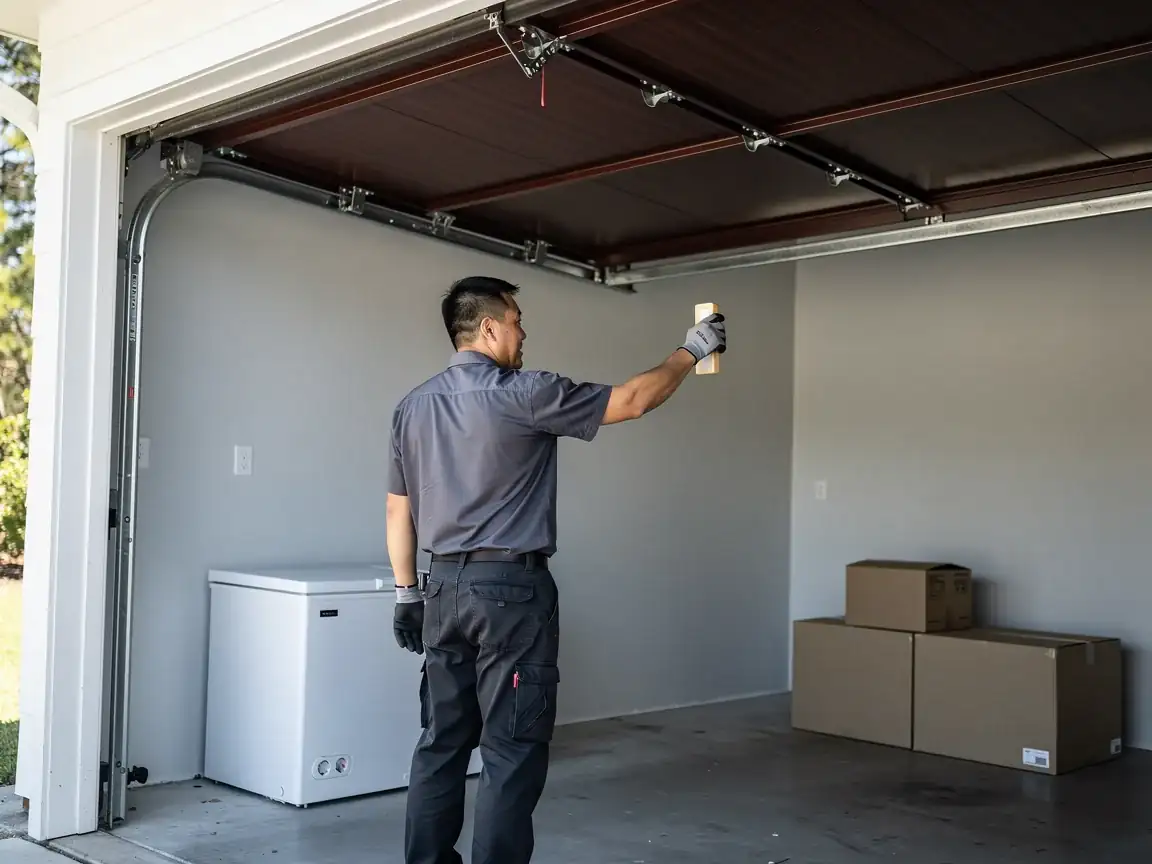
Once we're on site, a straightforward panel swap on a standard sectional door - one damaged section, hardware intact, no track misalignment - usually runs under two hours. Add time if the panel has to be special-ordered for an older opening, or if the rust we talked about above turns out to run into the section above it. With roughly 615 households spread through town, we're not running back-to-back jobs on your street the way we might in a denser part of the service area, so we try to confirm the exact panel size and take photos ahead of the visit to cut down on return trips.
What It Costs
We don't post a flat price for panel replacement because it depends entirely on what panel your door needs and whether it's in stock or special-order
What we can say is that household budgets in Pinconning run a bit tighter than the wider service area - median income here is around $64,309, compared to roughly $72,558 across the full area we cover - and that's part of why we always walk owners through repair-versus-replace before ordering anything.
For a lot of 1956-era doors, a full new door ends up costing less over time than hunting down a matching obsolete panel
Especially once you factor in a second trip if the match is off. We'll quote the panel-only option and the full-door option side by side so you're not guessing. If the rest of the door is sound and it's just one section, a single-panel job is usually the cheaper call - we just won't pretend every older door qualifies for that.
What Is on the Truck
Because so much of Pinconning's housing sits in that 1956-and-around build window, we stock panel sections in the sizes that show up most often on doors from that era, along with the current standard widths for anyone who's already replaced their door once. We carry both insulated and non-insulated steel sections, since cold-severe winters here make the insulated option worth the extra cost for anyone who uses the garage as a workspace or has living space above it.
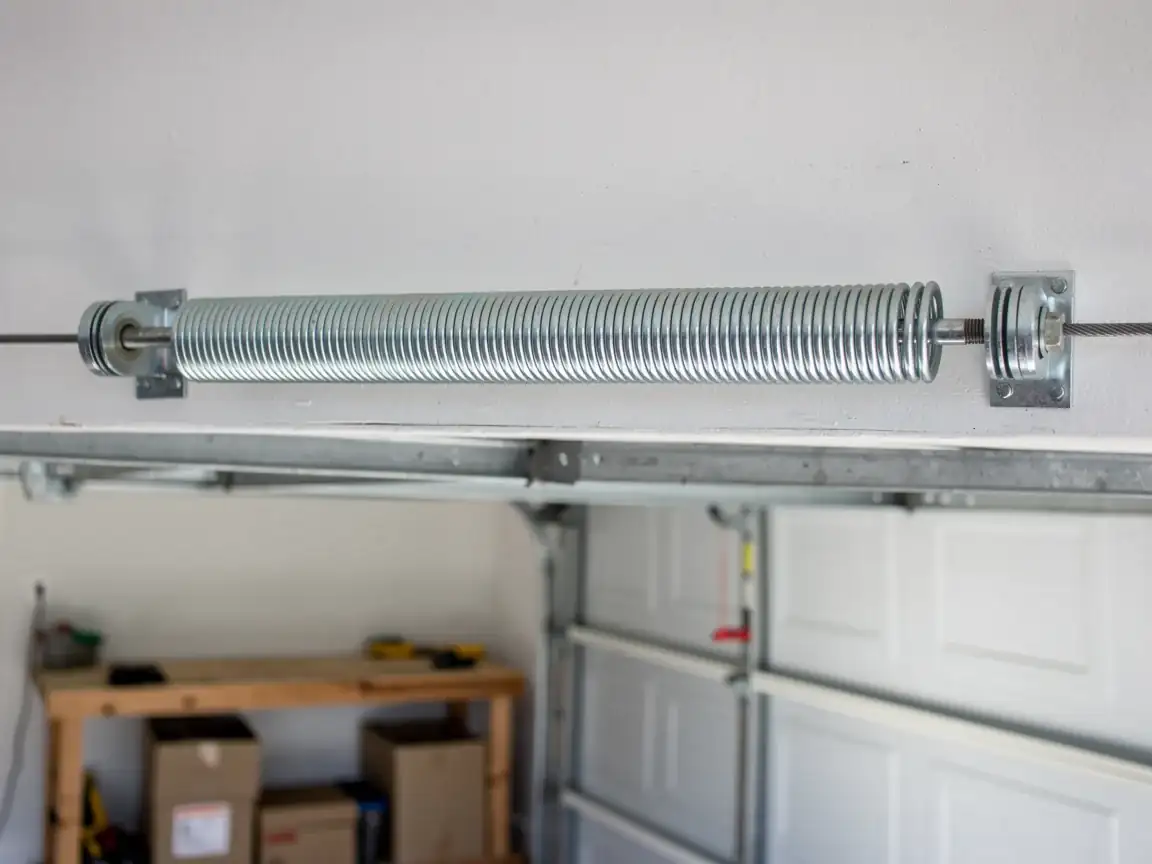
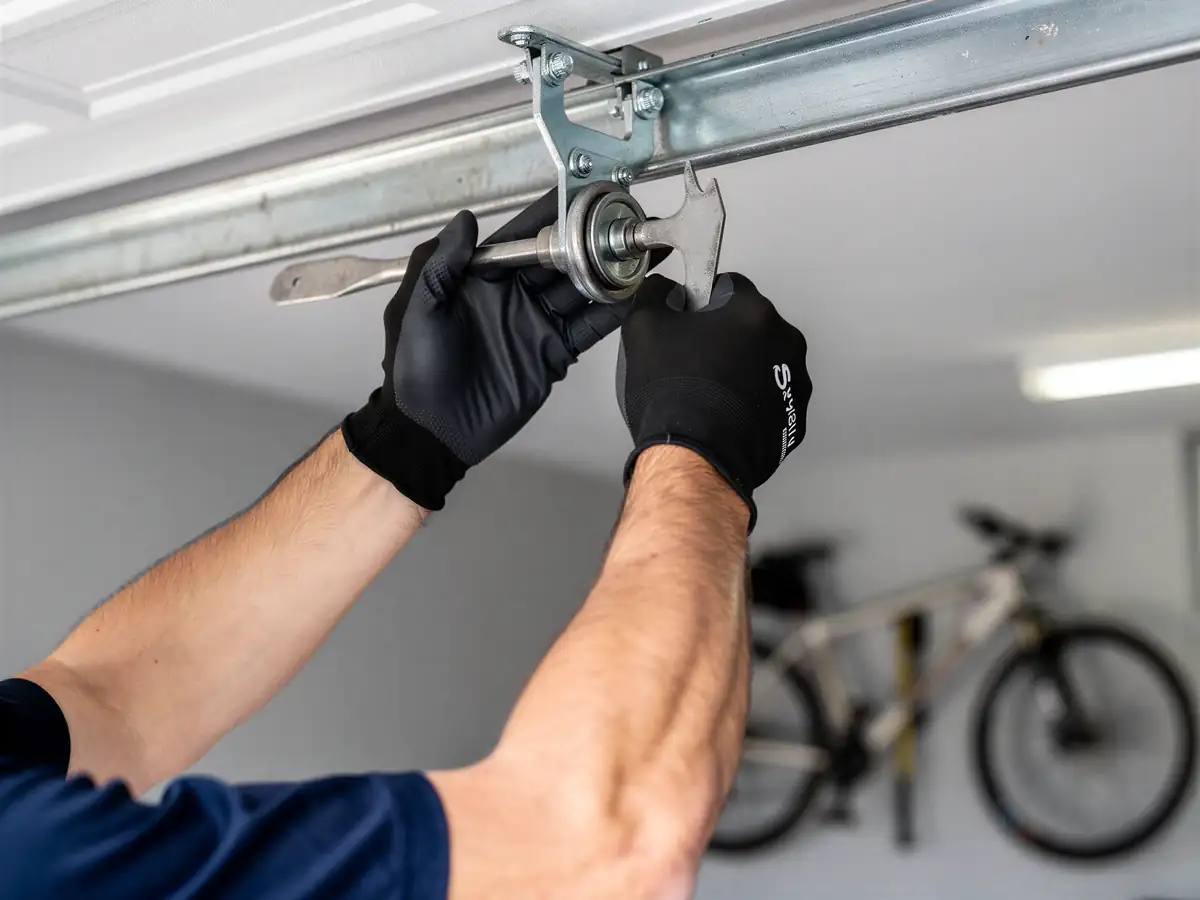
We also carry matching hinges, end stiles, and roller brackets, since an old panel swap almost never comes down to just the panel - the hardware around it has usually worn or rusted to match. What we don't carry is every obsolete wood-panel or early-steel profile; those get special-ordered once we've confirmed the exact dimensions on site. If your door turns out to need one of those, we'll tell you the lead time before we start, not after.