Where This Job Goes Sideways
Pinconning is a small town
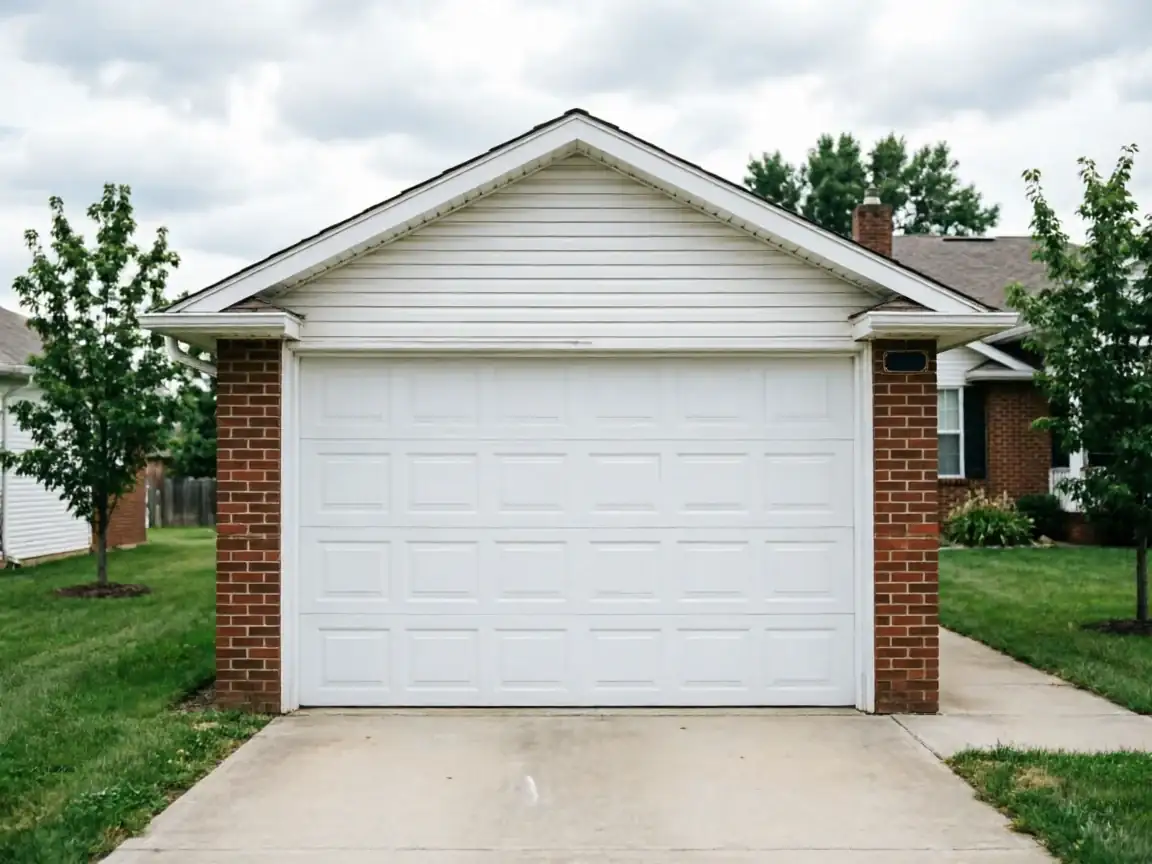
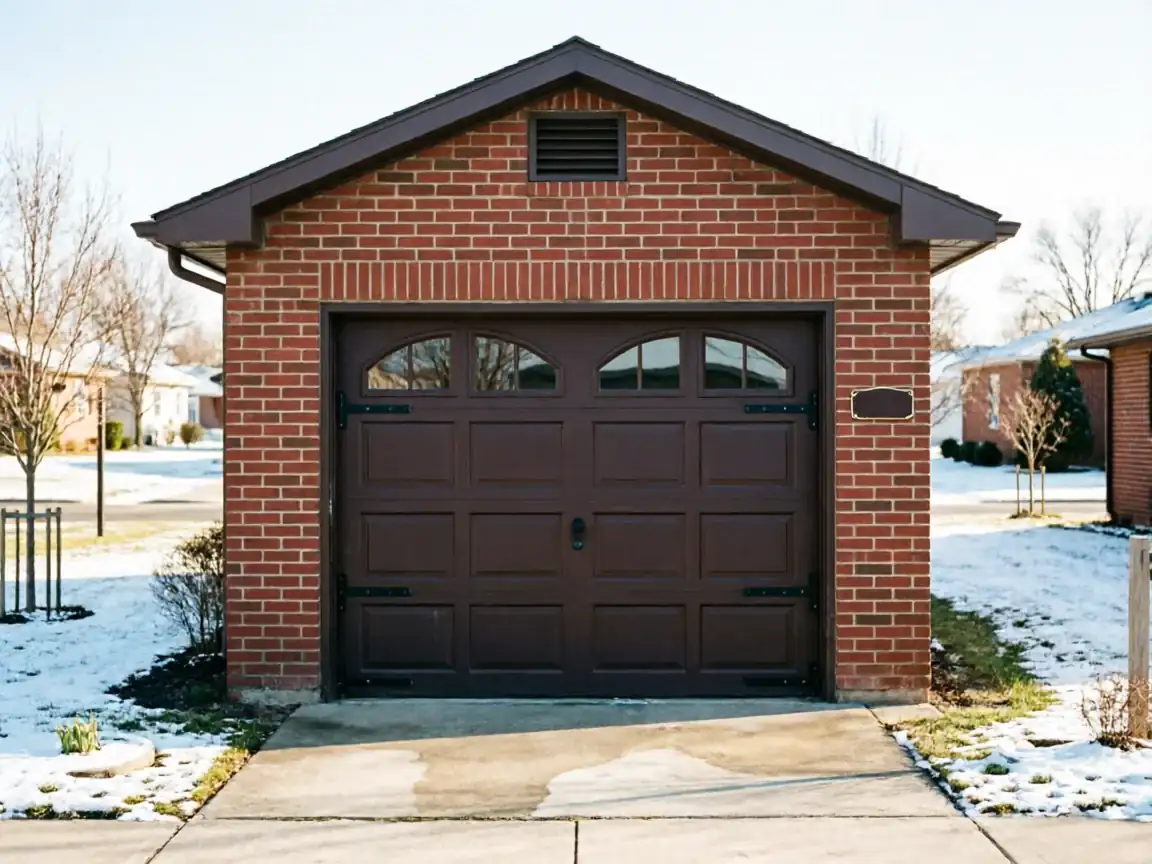
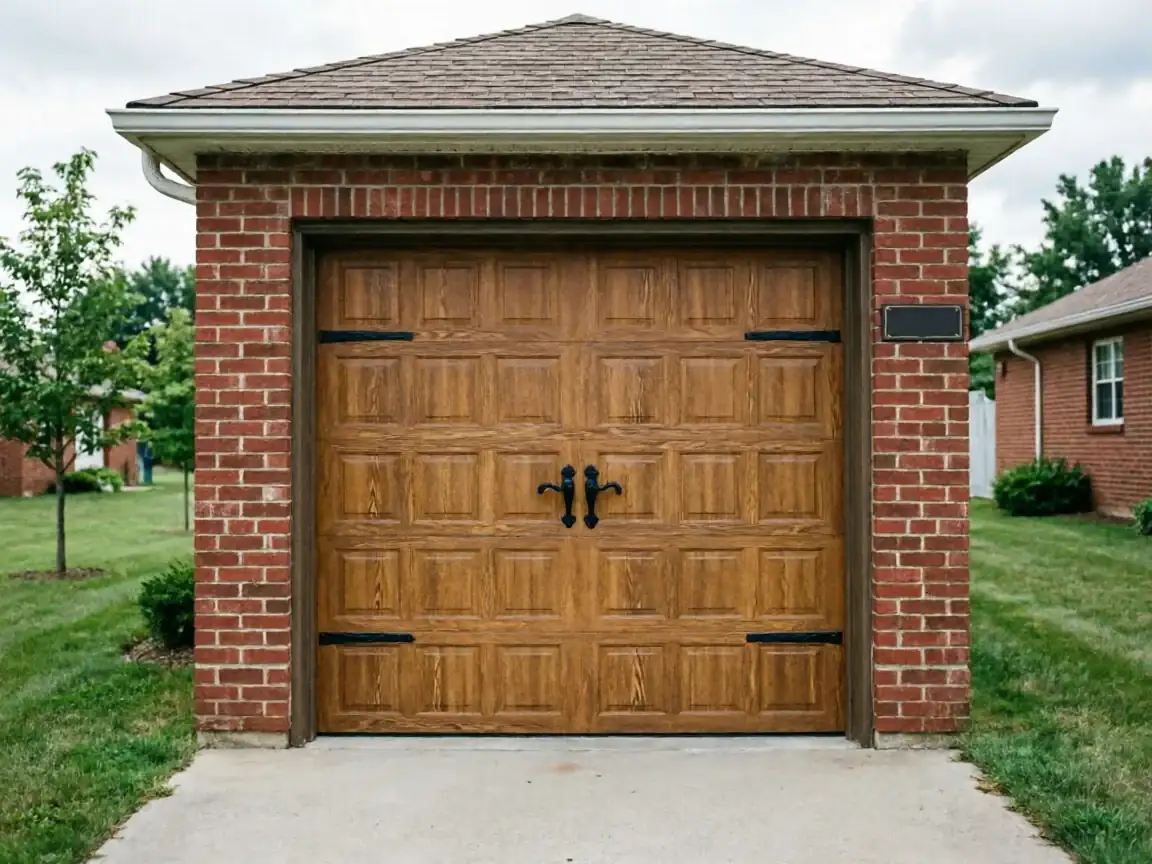
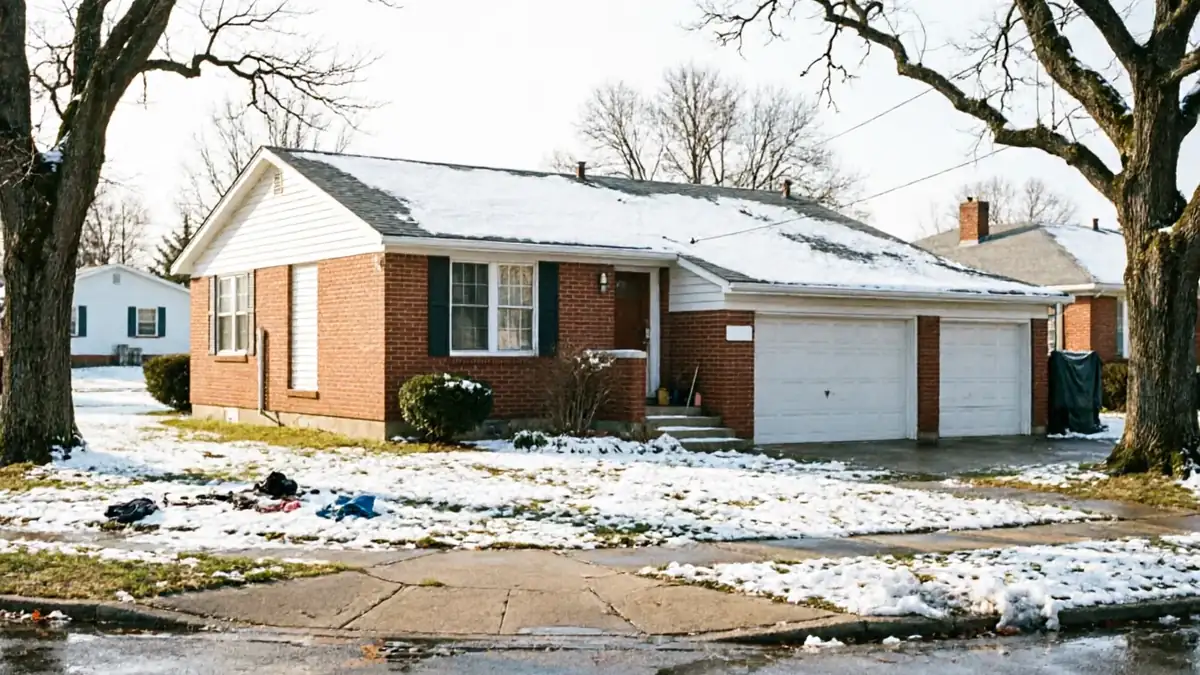
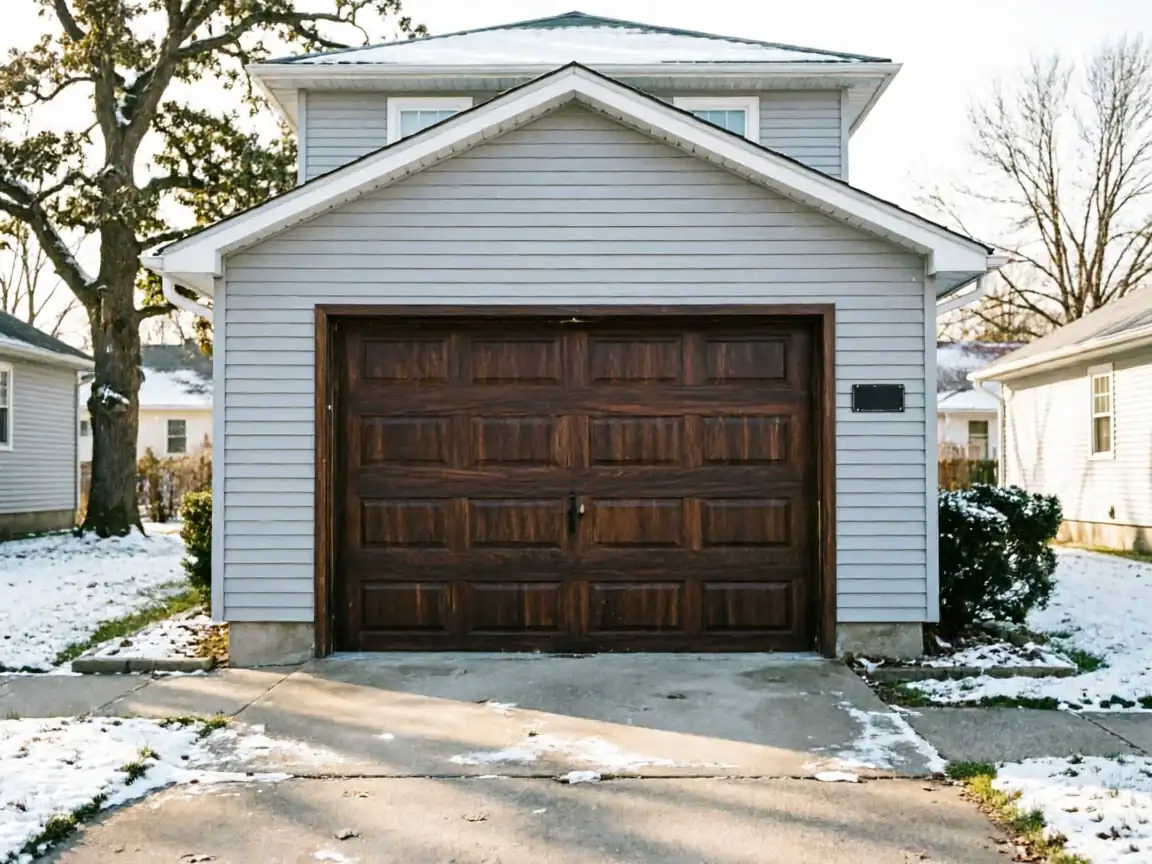
About 615 households - which means the fault patterns repeat because the housing stock repeats. The typical house here went up around 1956, which puts it ahead of most of the rest of the service area, where the median build year runs closer to 1969. That decade-plus gap matters on a garage door call. Mid-1950s houses were built with narrower garage openings and lighter framing than the 1960s-70s tract construction that makes up most of the surrounding towns. When a heavier modern steel door or a retrofit opener goes onto that older framing without reinforcing the header, the track pulls loose at the lag screws within a year or two, not because the installer did bad work but because nobody checked what was behind the trim.
- 615 households
The other thing a town this size does is push people toward whoever's cheapest and closest
Which in Pinconning's case usually means a drive from somewhere else, same as us. That's fine - it just means the bid should include a real look at the opening, not a phone estimate. Winters here hit the same severe-cold band as the rest of the region, so a spring or cable that's already stressed from age and a narrow 1950s opening tends to fail on the first hard freeze, not gradually.
Doing It Yourself
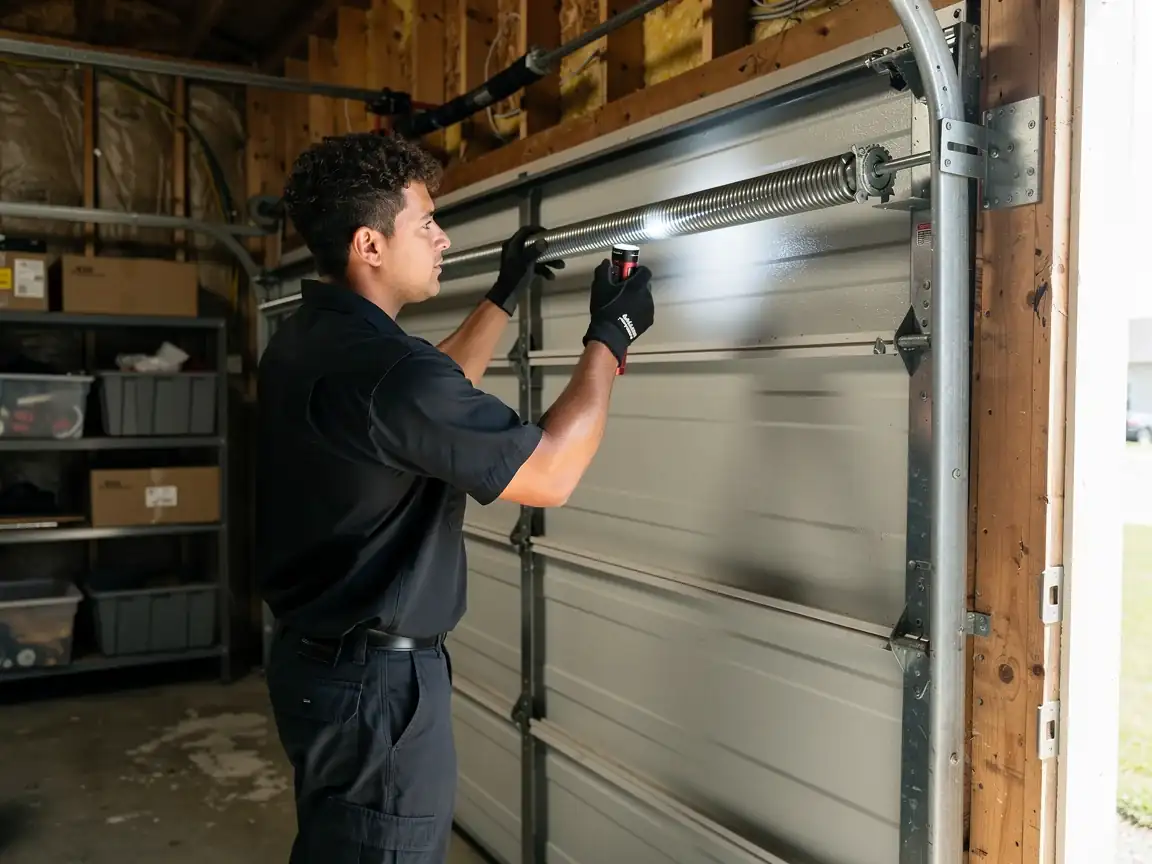
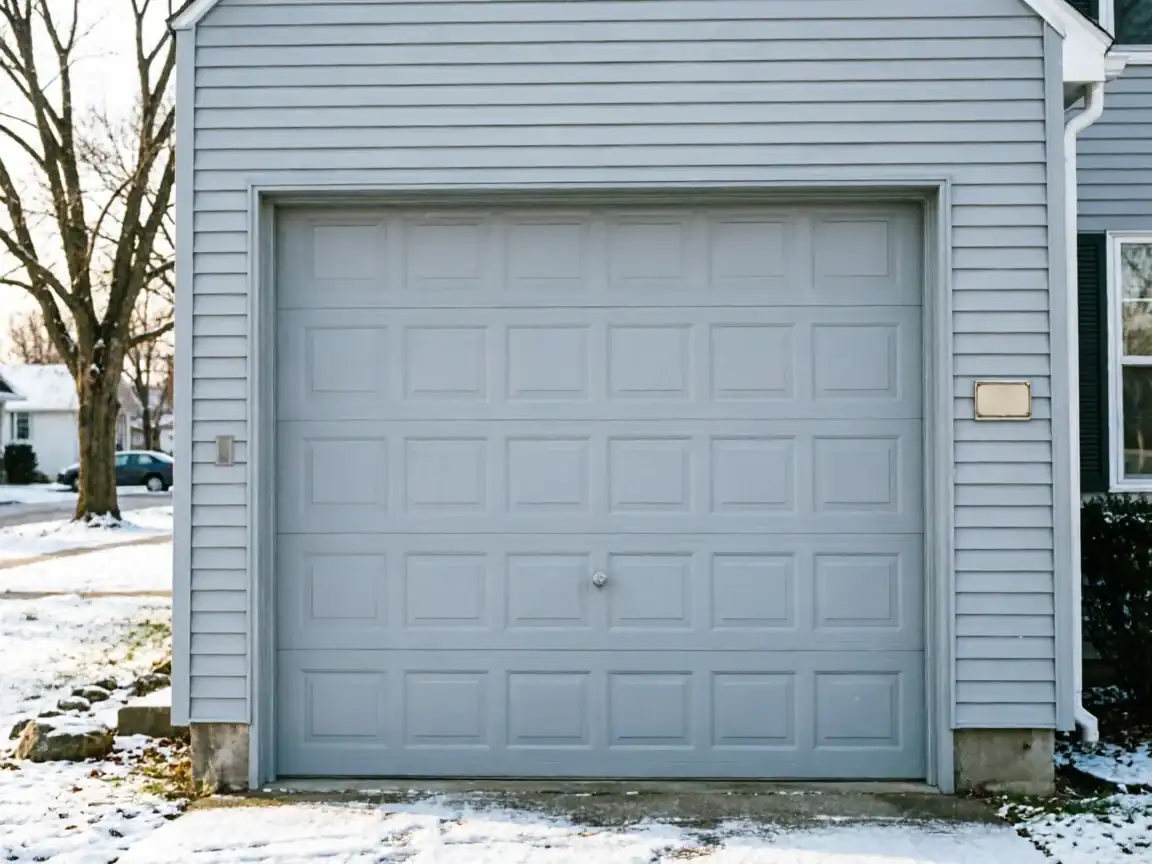
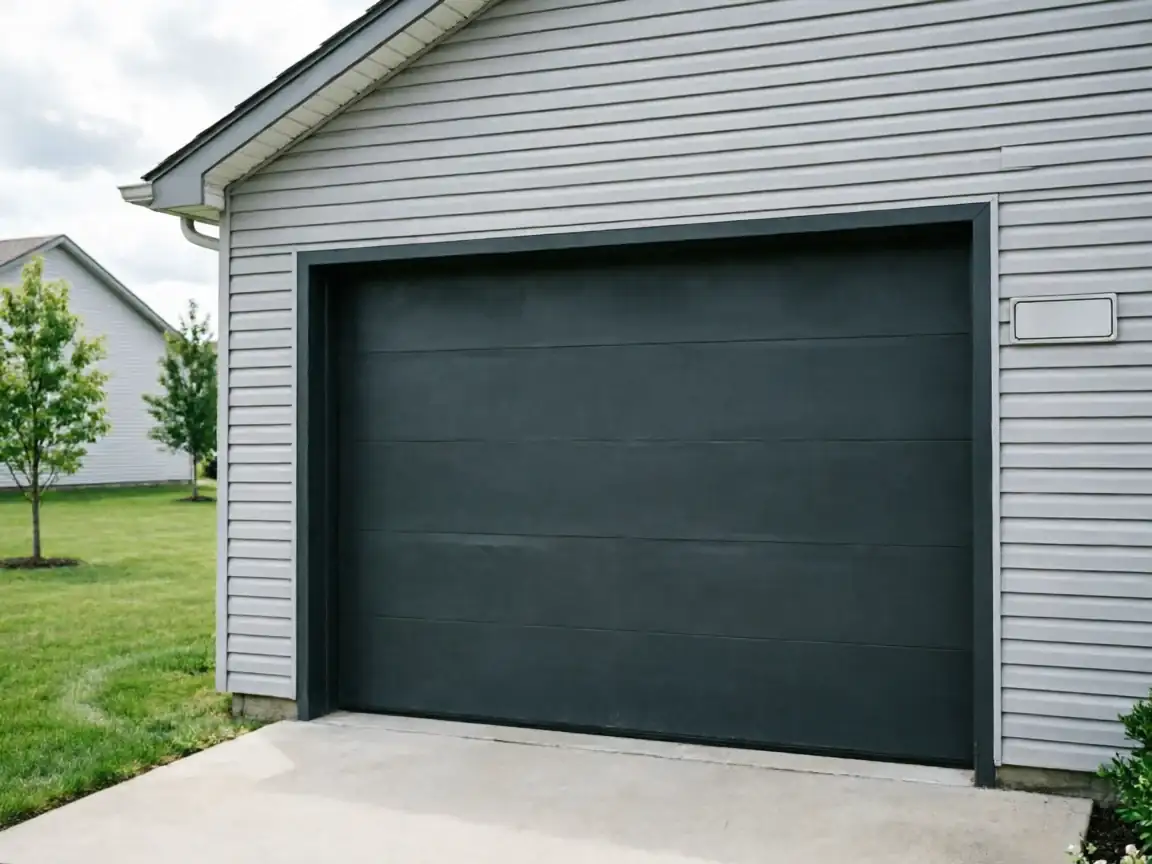
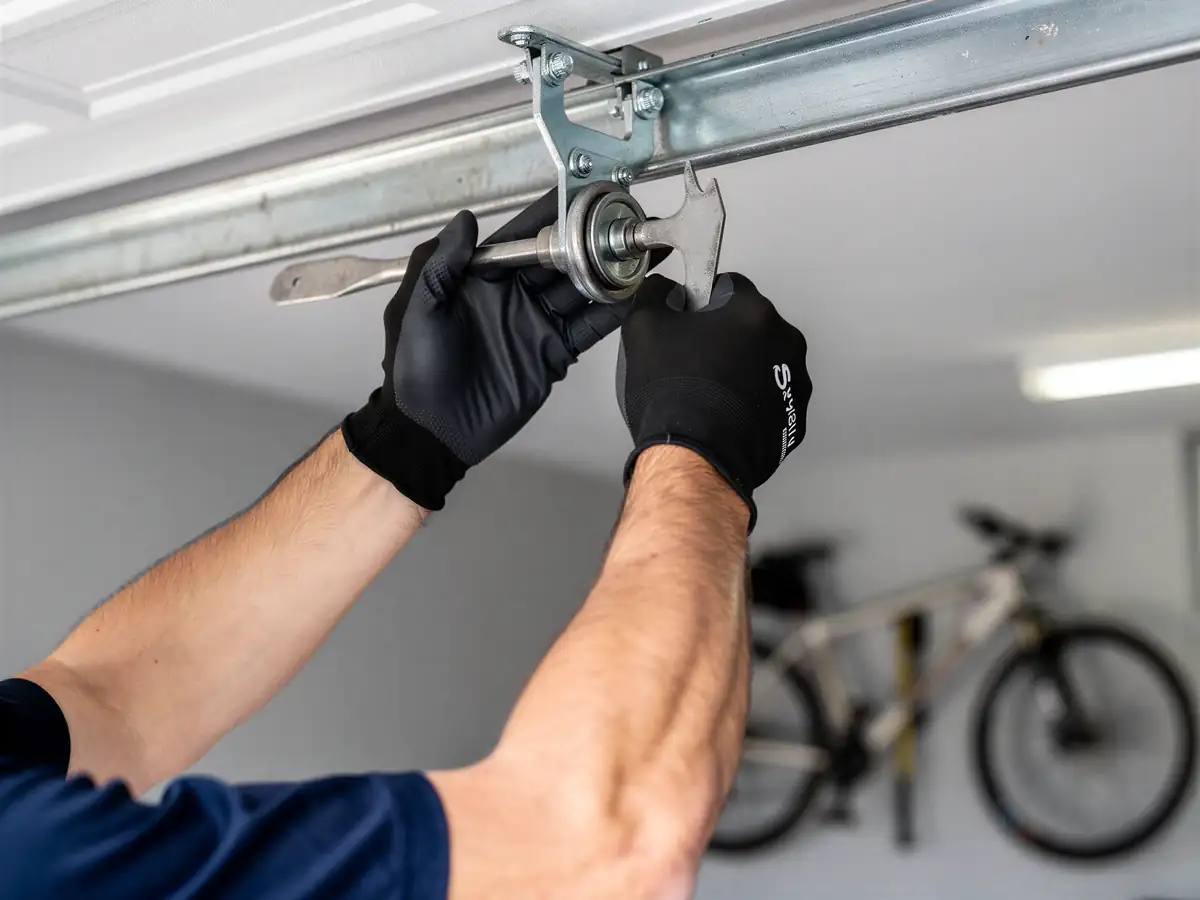
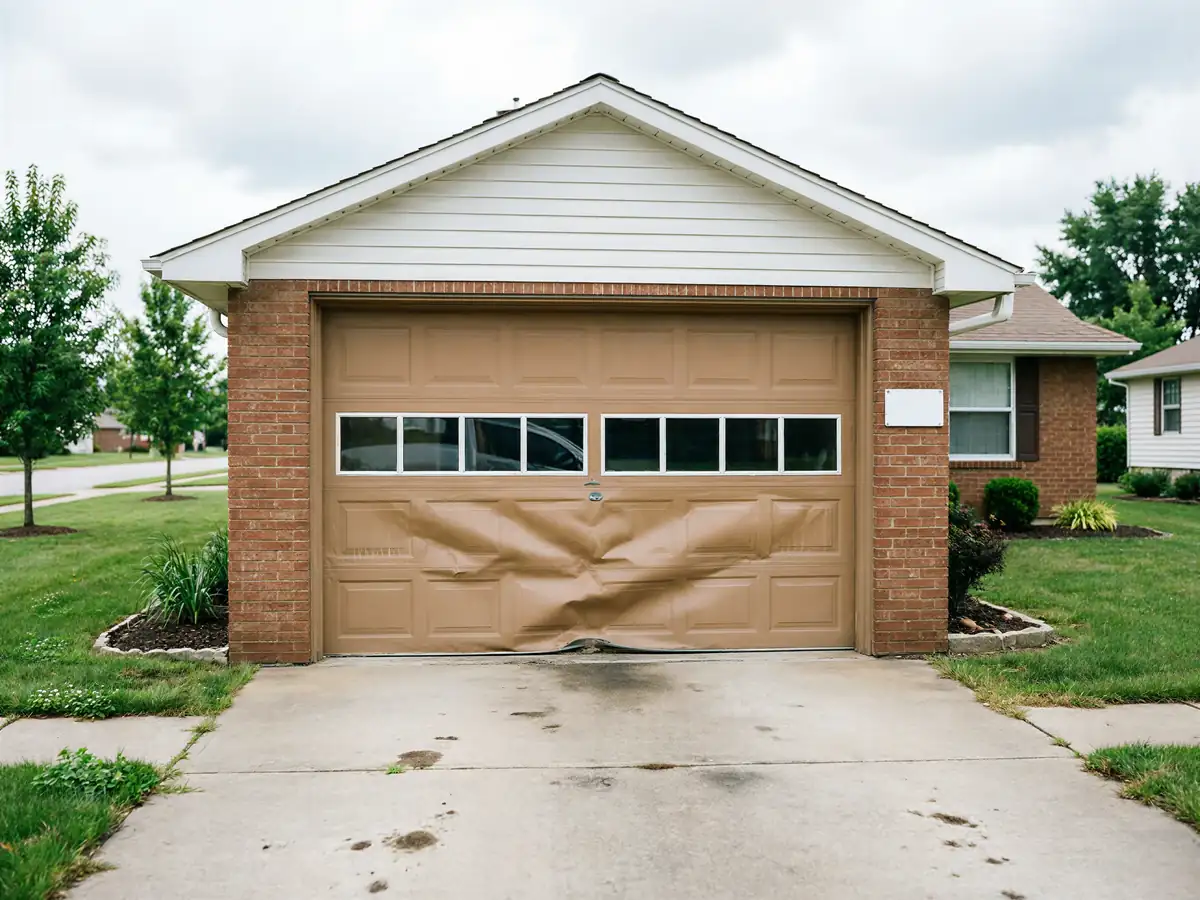
A lot of what goes wrong on a 1950s-era door in Pinconning is stuff an owner can see without a wrench: a track bent from backing into it, hinges rusted at the pivot, a bottom panel that's rotted where the old wood door frame meets the slab. You can tighten loose roller brackets and clear track debris yourself, and it's worth doing before you call anyone.
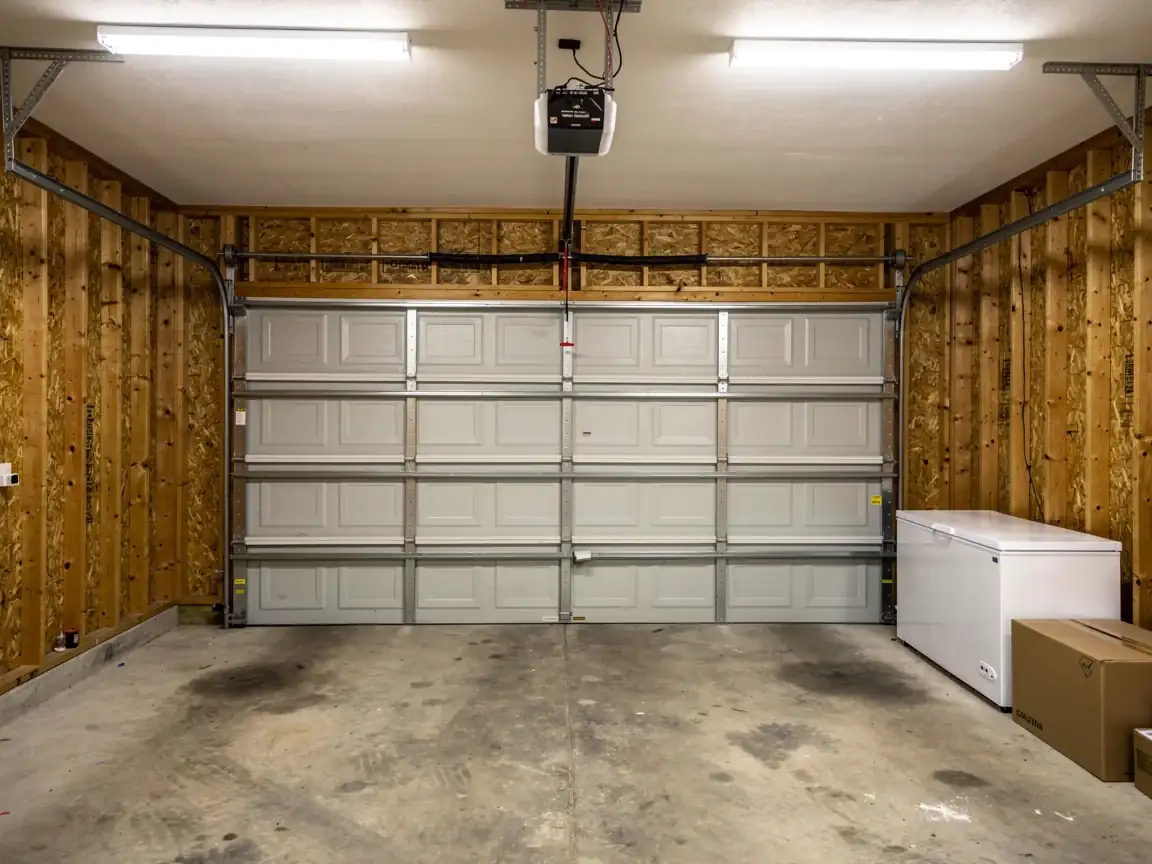
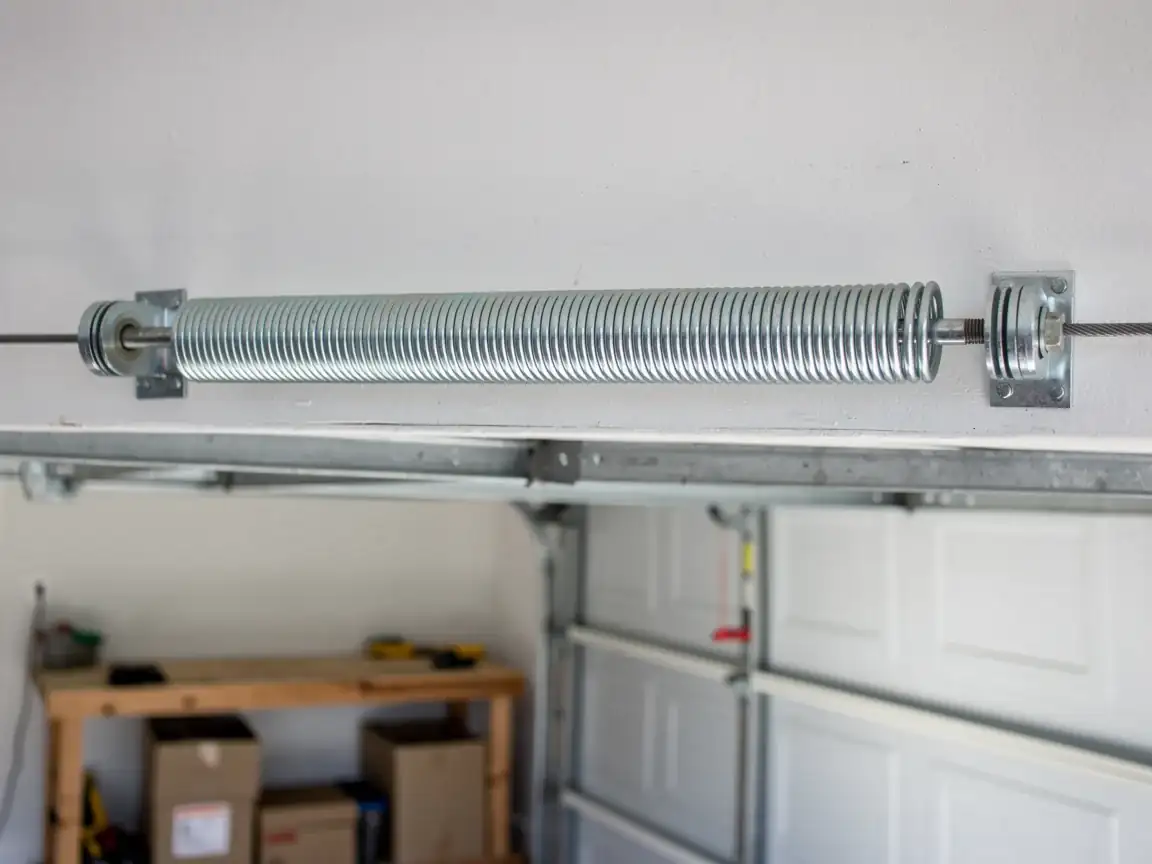
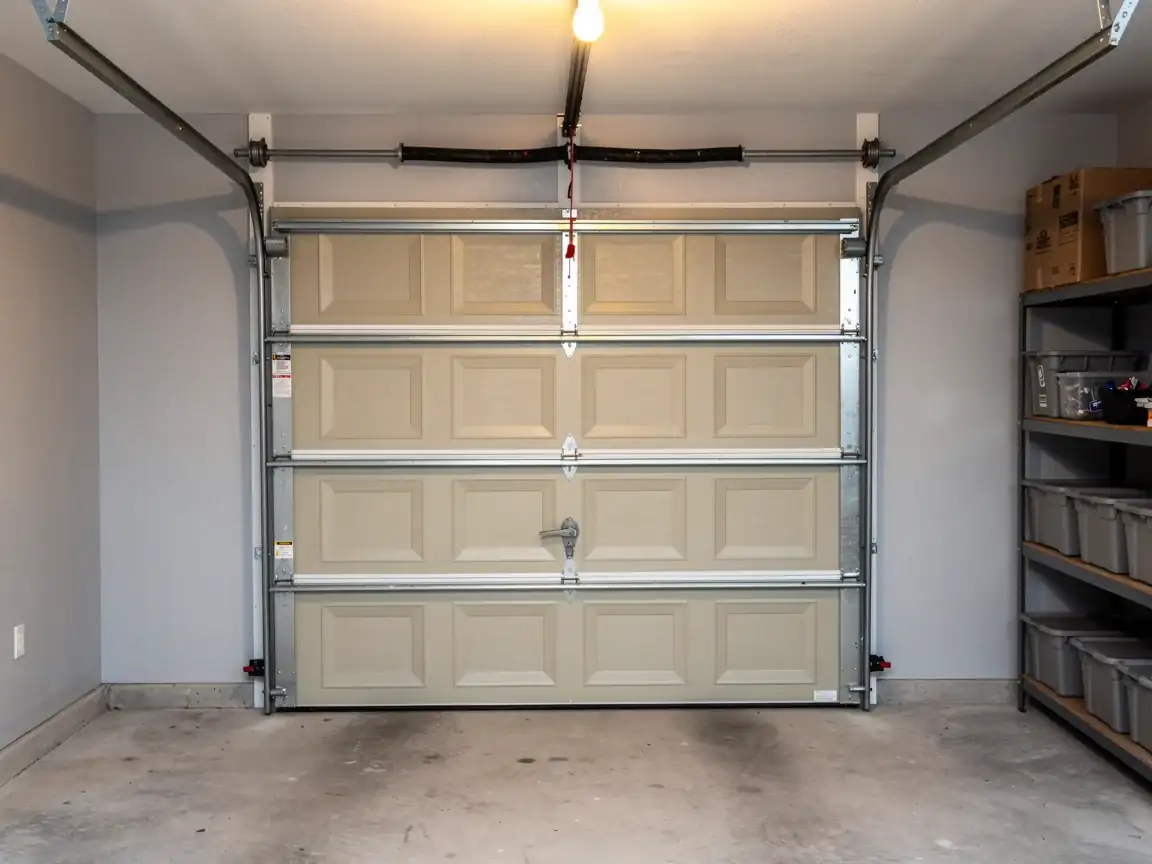
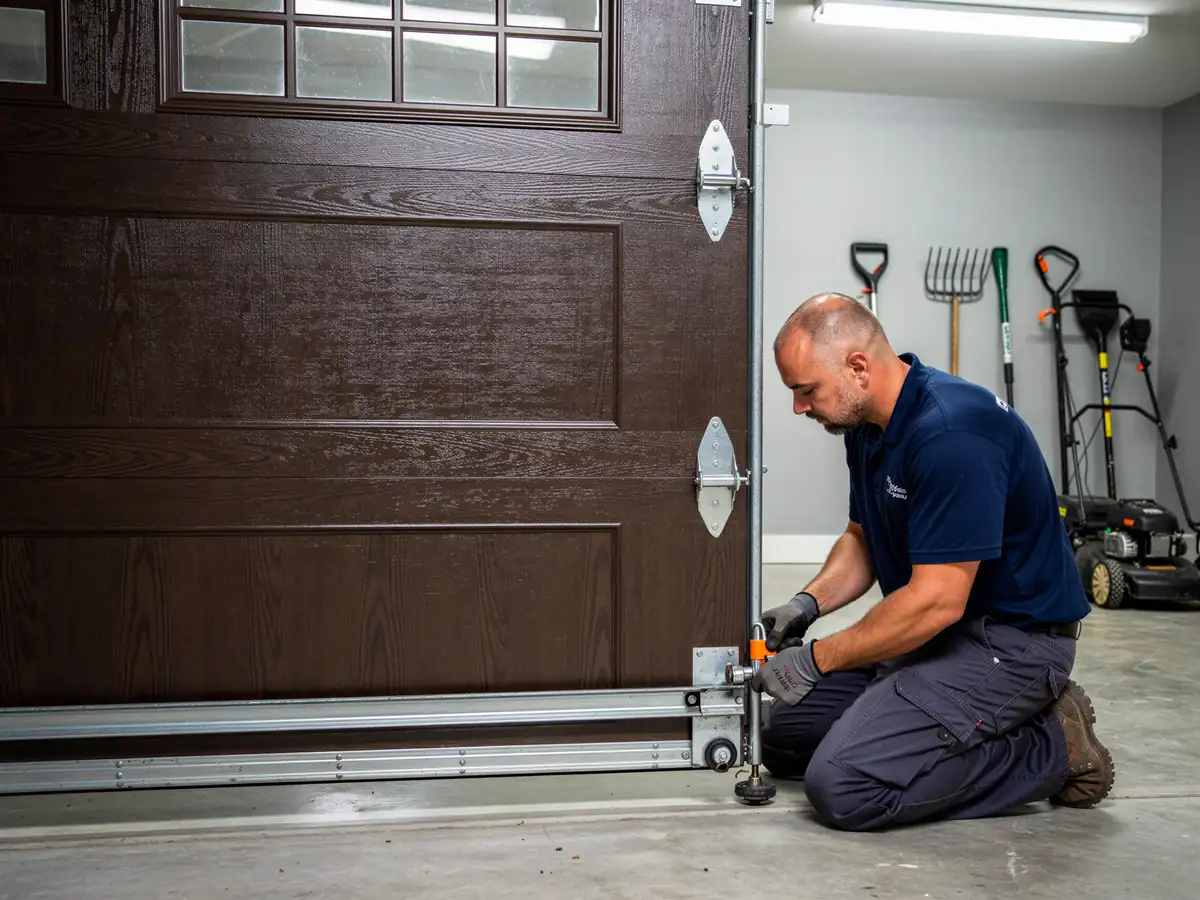
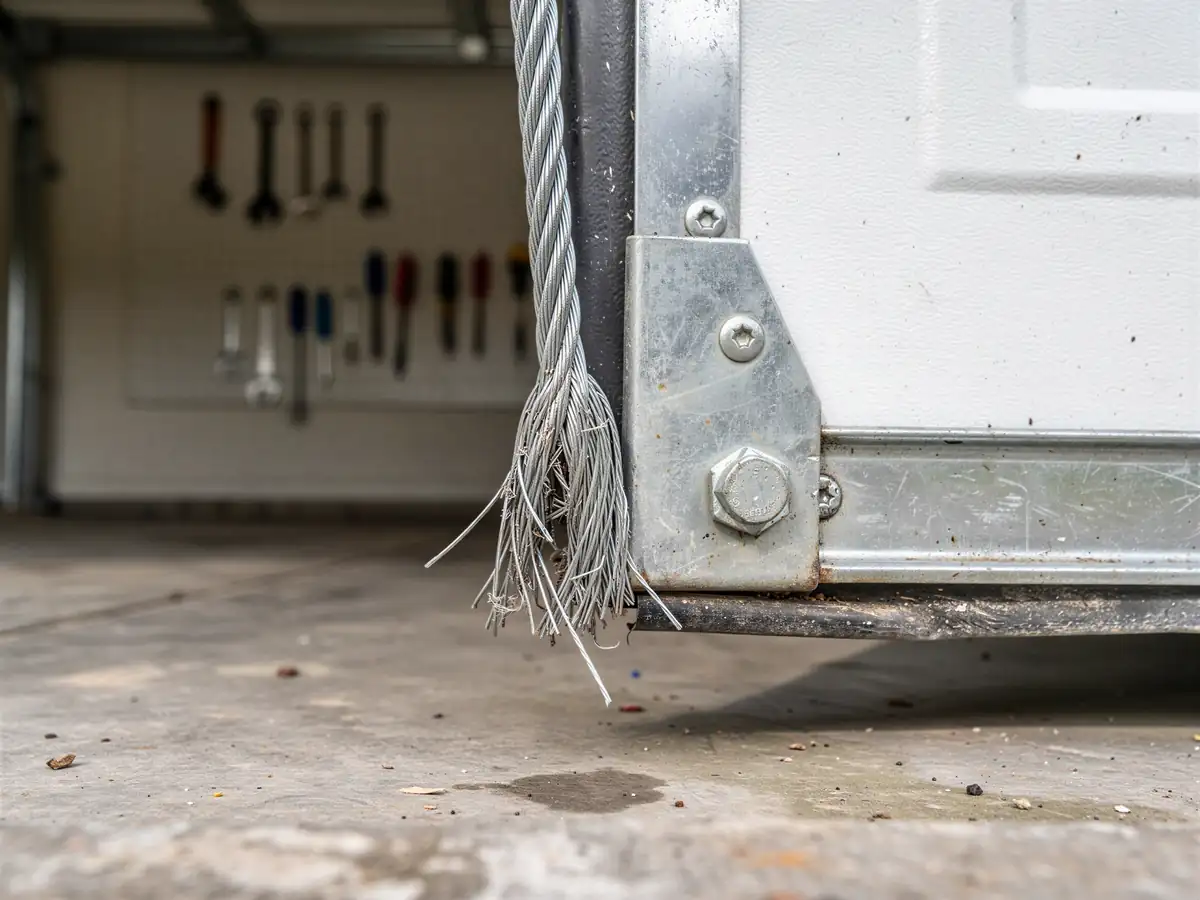
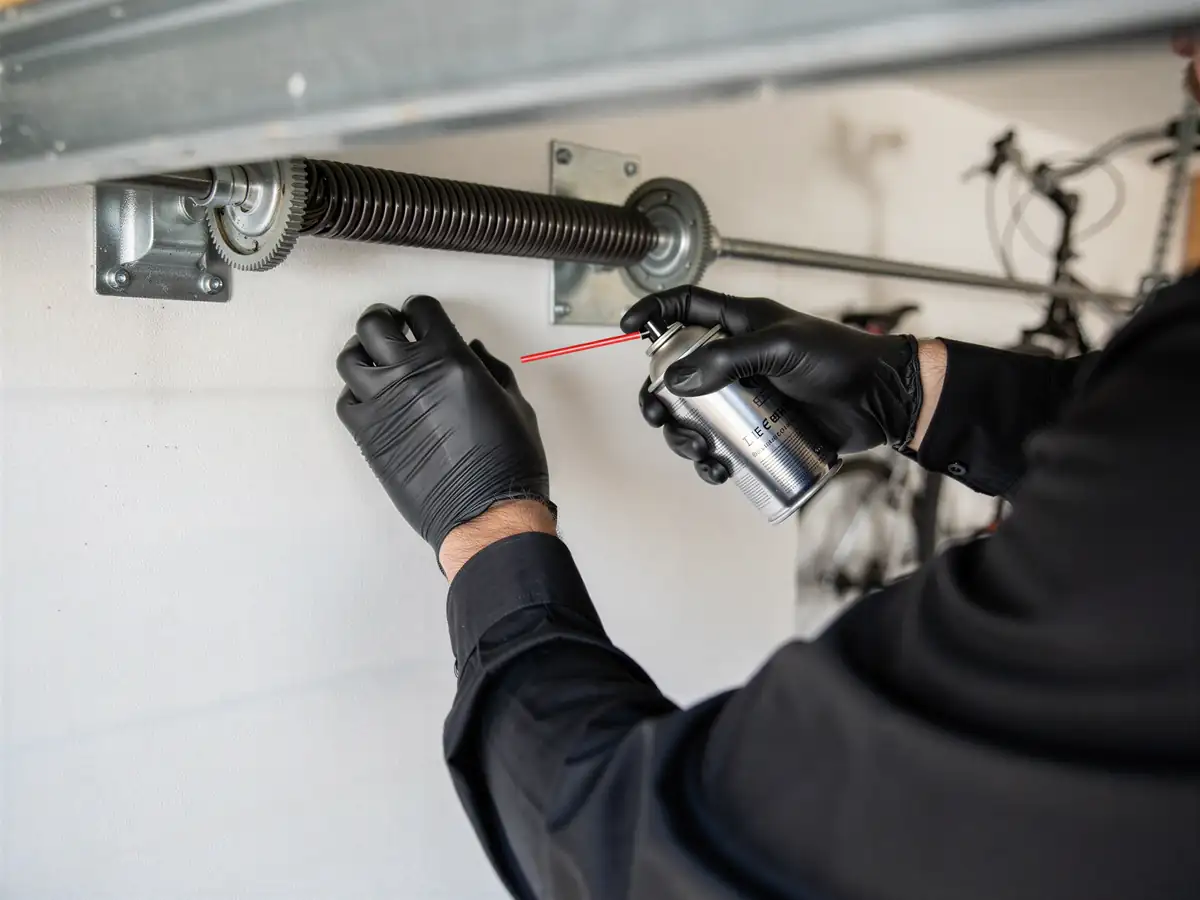
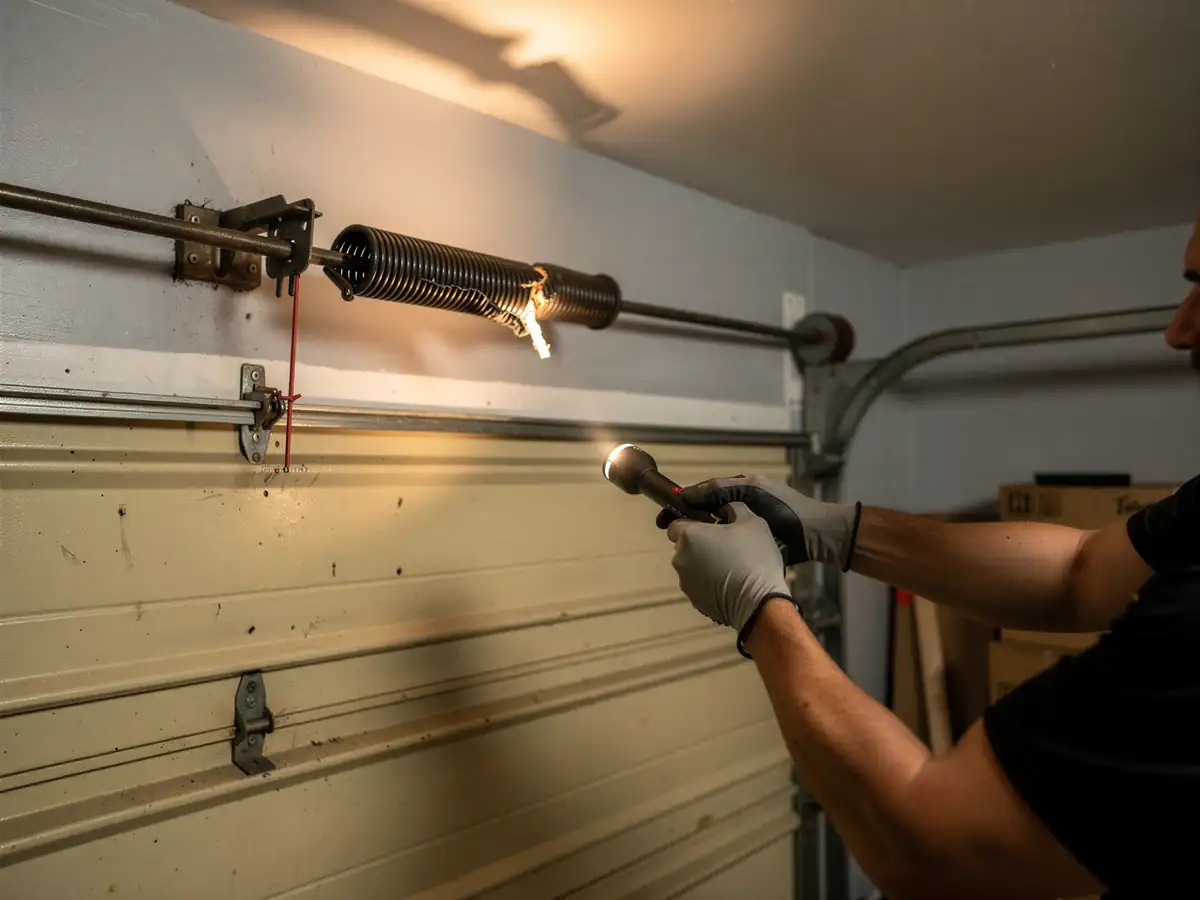
What you shouldn't touch is anything holding tension - torsion springs especially, since the older narrow-opening doors in this town often still run on hardware that predates the safety cables standard on newer systems. That's not a sales line, it's just true of houses this age: if the spring or cable lets go while you're working on it, there's nothing stopping the bar from swinging. If the opener itself is original or close to it, replacing just the motor on framing built for a lighter door sometimes isn't worth it - that's the honest call we'll make on site rather than selling a part that won't hold.
Time on the Job
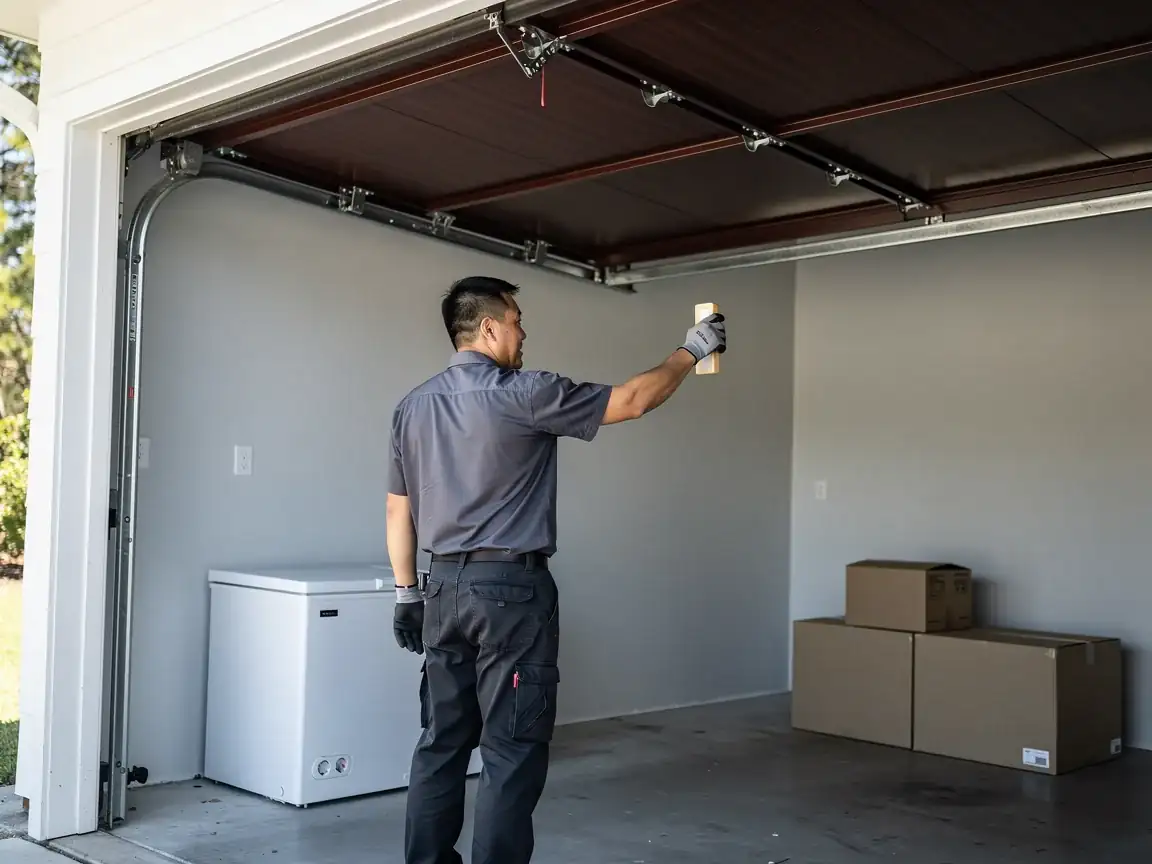
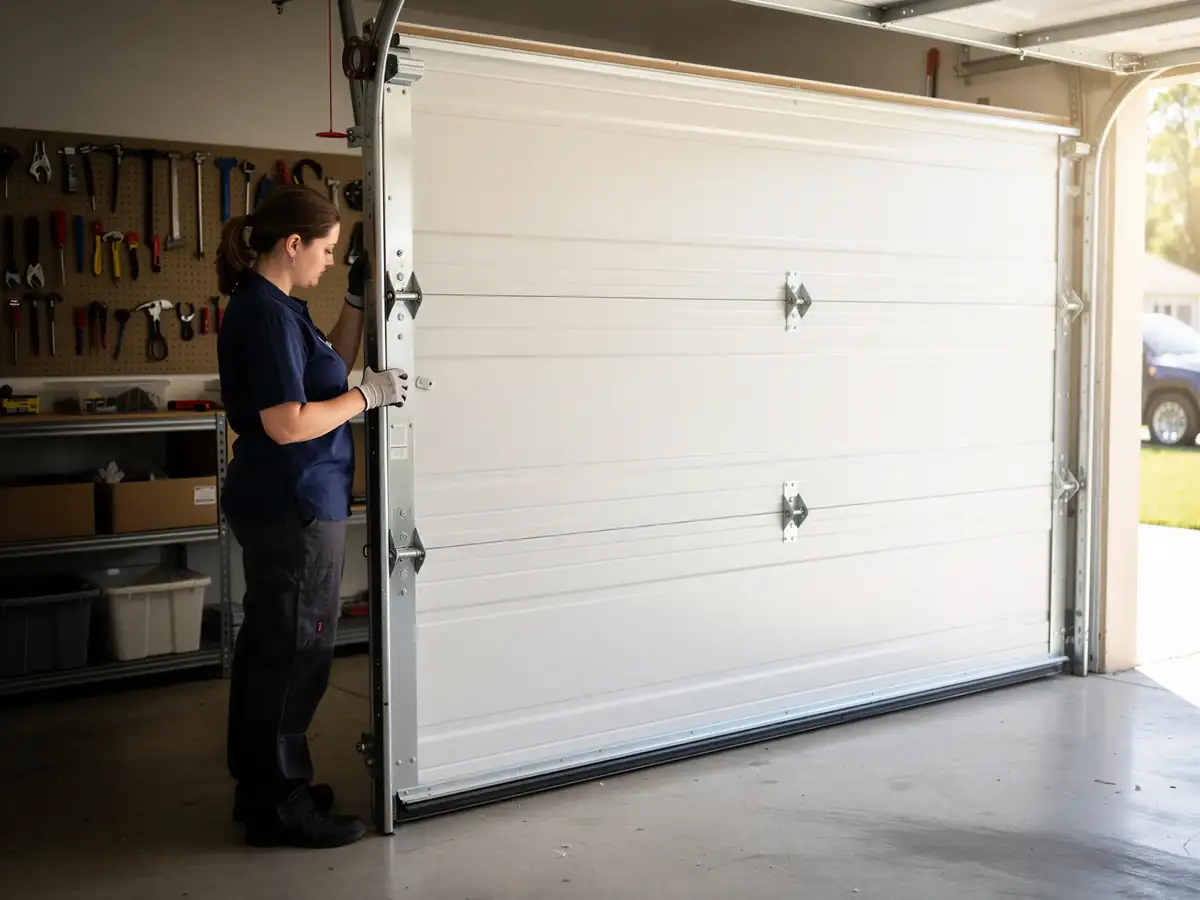
Because Pinconning sits about 19 miles out from Bay City, the drive is part of the schedule - we're not running a local branch here, we're coming from the shop. Once the truck's on site, most spring and opener jobs on a house this size and age run the same length as anywhere else in the service area; the extra time tends to go into the diagnosis, not the repair, because older framing hides more. A full door replacement on a narrower 1950s opening can take longer than a standard swap if the new unit needs a custom width or the jamb needs shimming to square - something you find out once the old door's off, not before.
What Is on the Truck
For a town built mostly in the mid-1950s, the truck carries what actually breaks on that stock: torsion and extension springs in older sizes, replacement rollers and hinges for narrower track widths, and header reinforcement hardware for when a heavier door's going onto original framing. We stock standard cables and safety sensors for opener upgrades, since a lot of these houses never had a photo-eye system installed when the opener went in decades ago. What we don't carry is custom millwork - if a door needs a non-standard width panel built to match an original 1950s opening, that's a special order, and we'll tell you the lead time instead of guessing at it.